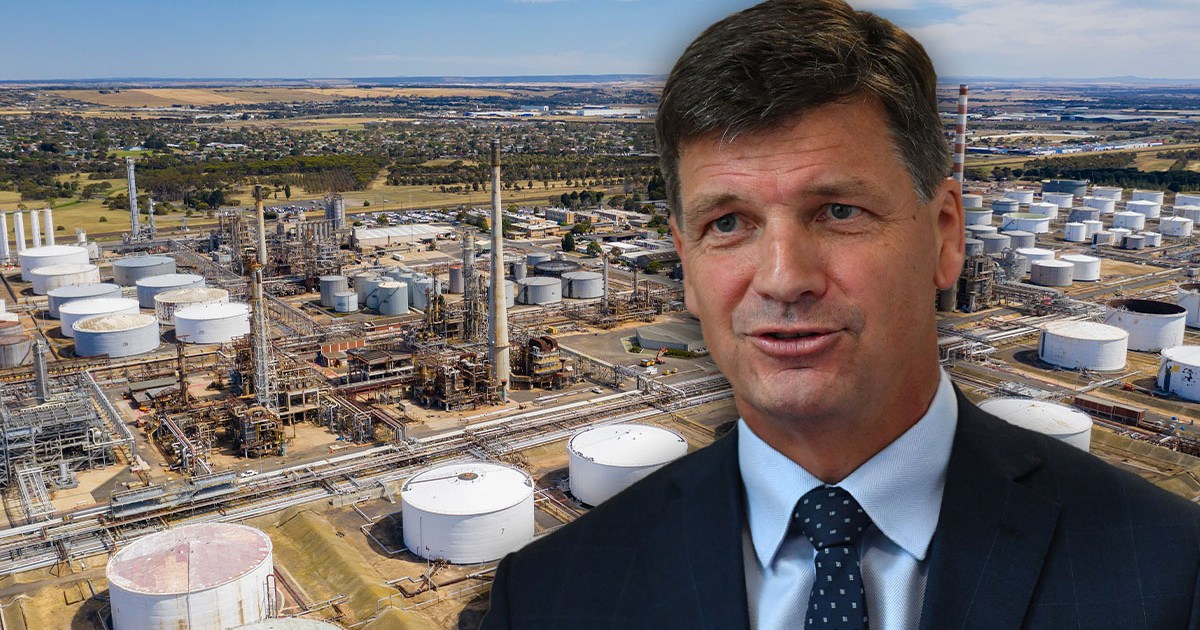
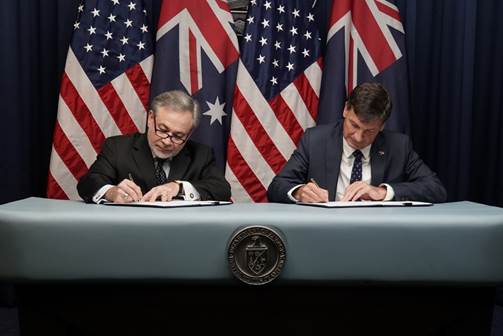
The government announced an initial A$94 million (US$59 million) commitment in April 2020 [1].
Michael Michael West West Media Media 調查 diào chá 發現 fā xiàn , , 澳洲 ào zhōu 實際 shí jì 上分 shàng fēn 兩批 liǎng pī 購買共花費 gòu mǎi gòng huā fèi 7 7 , , 000 000 萬 wàn 美元 měi yuán [ [ 2 2 ] ] 。 。
The Michael West Media investigation found Australia actually spent US$70 million across two tranches of purchases [2].
**Oil prices at the time:** The claim accurately references the historic oil price crash in April 2020.
In April 2020, prices ranged from approximately $10-28 per barrel during the month [1], [2].
**Actual purchase price:** The Michael West Media investigation, based on FOI documents and SPR records, states Australia purchased oil at approximately $39-40 per barrel on average: 1.5 million barrels at US$39 per barrel (valued at US$58.6m) in mid-2020, and 0.2 million barrels at US$58 per barrel in early 2021 [2].
This averages to approximately US$40 per barrel, not the "record low" prices claimed by the government.
**Quantity purchased:** The ABC reporting (April 2020) indicated "many millions of barrels," but analysis suggested approximately 4.2 million barrels based on $94 million at $22 per barrel [1].
Michael West Media's detailed investigation found only 1.7 million barrels were actually purchased across both tranches, equating to just under 2 days' worth of Australia's daily consumption (approximately 1 million barrels/day) [2].
**Storage location and access:** The agreement does store oil in the US Strategic Petroleum Reserve, which would take 2-3 weeks to access in an emergency [1].
Rather, Minister Angus Taylor stated the government "took advantage of historically low prices" when announcing the A$94 million commitment in late March/April 2020, when WTI was trading around $20-28 per barrel [1].
Whether this constitutes misleading language depends on whether "historically low" is different from claiming to buy at the deepest lows.
**Why prices were low at purchase:** Australia waited until mid-2020 to actually purchase (rather than buying in April when prices were lowest), meaning the price had partially recovered from the April lows.
The timing suggests the government either faced bureaucratic delays in finalizing the agreement (signed in March 2020, but the lease agreement was still being negotiated) or deliberately waited [1].
**Storage capacity not fully utilized:** Michael West Media's investigation found Australia negotiated the right to store up to 25 million barrels in the SPR but purchased only 1.7 million barrels (approximately 7% of available capacity) [2].
This represents significant underutilization of negotiated storage space.
**Fee structure secrecy:** The Michael West Media investigation obtained a redacted version of the lease agreement through FOI, confirming it contains provisions for daily lease fees, filling fees, drawdown fees, withdrawal fees, and fee escalation processes [2].
* * * * 儲存 chǔ cún 容量 róng liàng 未 wèi 充分利用 chōng fèn lì yòng : : * * * * Michael Michael West West Media Media 調查 diào chá 發現 fā xiàn , , 澳洲 ào zhōu 談判 tán pàn 取得 qǔ dé 在 zài 戰略 zhàn lüè 石油 shí yóu 儲備 chǔ bèi 儲存 chǔ cún 高達 gāo dá 2 2 , , 500 500 萬桶 wàn tǒng 的 de 權利 quán lì , , 但僅 dàn jǐn 購買 gòu mǎi 170 170 萬桶 wàn tǒng ( ( 約 yuē 可用 kě yòng 容量 róng liàng 的 de 7% 7% ) ) [ [ 2 2 ] ] 。 。
The quantum of these fees remains unknown due to redactions.
The government did not disclose the seller's identity for the initial 1.5 million barrel purchase [2].
**Political communication:** Prime Minister Scott Morrison announced the deal in September 2021 as having purchased oil "at record low global prices," despite the Michael West Media investigation showing purchases occurred at approximately $39-40 per barrel [2].
* * * * 費用 fèi yòng 結構 jié gòu 保密 bǎo mì : : * * * * Michael Michael West West Media Media 調查 diào chá 透過 tòu guò 資訊 zī xùn 自由 zì yóu 法 fǎ 取得 qǔ dé 租賃 zū lìn 協議 xié yì 的 de 刪減 shān jiǎn 版本 bǎn běn , , 確認 què rèn 其中 qí zhōng 包含 bāo hán 每日 měi rì 租賃費 zū lìn fèi 、 、 填充 tián chōng 費 fèi 、 、 提取 tí qǔ 費 fèi 、 、 出庫 chū kù 費及 fèi jí 費用 fèi yòng 調整 diào zhěng 機制 jī zhì 的 de 條款 tiáo kuǎn [ [ 2 2 ] ] 。 。
The government department responses stated the price was "well below the long-term average for West Texas Intermediate oil" but did not address the discrepancy between "record low" rhetoric and actual $40/barrel pricing [2].
* * * * Michael Michael West West Media Media : : * * * * Michael Michael West West Media Media 是 shì 一家 yī jiā 獨立 dú lì 、 、 創辦 chuàng bàn 人 rén 資助 zī zhù 的 de 新聞 xīn wén 機構 jī gòu , , 專注 zhuān zhù 於 yú 澳洲 ào zhōu 政治 zhèng zhì 與 yǔ 經濟 jīng jì 調查 diào chá 報導 bào dǎo 。 。
**Michael West Media:** Michael West Media is an independent, founder-funded news organization focused on investigative journalism on Australian politics and economics.
Jommy Tee, the author of the primary article, is identified as a 25+ year public servant and independent researcher with apparent expertise in policy analysis.
The article provides extensive documentary evidence (SPR records, FOI-obtained lease agreements, government announcements) [2].
**The New Daily:** The New Daily article discusses the broader fuel security package and refinery subsidies (not the SPR oil purchase specifically).
* * * * The The New New Daily Daily : : * * * * The The New New Daily Daily 文章 wén zhāng 討論 tǎo lùn 更 gèng 廣泛 guǎng fàn 的 de 燃料 rán liào 安全 ān quán 方案 fāng àn 及煉 jí liàn 油廠 yóu chǎng 補貼 bǔ tiē ( ( 非戰略 fēi zhàn lüè 石油 shí yóu 儲備 chǔ bèi 石油 shí yóu 採購 cǎi gòu 本身 běn shēn ) ) 。 。
It is a center-left online news publication without obvious corporate ownership constraints.
The article cites expert opinions from Grattan Institute, Australia Institute, and ACCC chair, suggesting balanced sourcing [3].
**ABC News:** The ABC article from April 24, 2020, is from Australia's public broadcaster, generally considered mainstream and relatively neutral.
文章 wén zhāng 引用 yǐn yòng Grattan Grattan Institute Institute 、 、 Australia Australia Institute Institute 及 jí 澳洲 ào zhōu 競爭 jìng zhēng 與 yǔ 消費者 xiāo fèi zhě 委員會 wěi yuán huì ( ( ACCC ACCC ) ) 主席 zhǔ xí 的 de 專家 zhuān jiā 意見 yì jiàn , , 顯示 xiǎn shì 來源 lái yuán 平衡 píng héng [ [ 3 3 ] ] 。 。
It notes the government's vagueness about exact quantities and provides technical analysis comparing different price points and consumption rates [1].
The criticism of government secrecy regarding volumes and fees is supported by actual FOI documents obtained by Michael West Media, lending credibility to those specific claims.
文章 wén zhāng 指出 zhǐ chū 政府 zhèng fǔ 對 duì 確切 què qiè 數量 shù liàng 的 de 模糊 mó hú , , 並 bìng 提供 tí gōng 比較 bǐ jiào 不同 bù tóng 價格點 jià gé diǎn 與 yǔ 消耗率 xiāo hào lǜ 的 de 技術 jì shù 分析 fēn xī [ [ 1 1 ] ] 。 。 對 duì 政府 zhèng fǔ 保密 bǎo mì 數量 shù liàng 與 yǔ 費用 fèi yòng 的 de 批評 pī píng 有 yǒu Michael Michael West West Media Media 實際 shí jì 取得 qǔ dé 的 de 資訊 zī xùn 自由 zì yóu 法 fǎ 文件 wén jiàn 支持 zhī chí , , 使 shǐ 這些 zhè xiē 具體 jù tǐ 主張 zhǔ zhāng 更具 gèng jù 可信度 kě xìn dù 。 。
However, Labor's approach to fuel security differed philosophically: During the 2007-2013 period, Labor focused on fuel security through regulation of fuel storage requirements for distributors rather than direct government oil purchases [reference search indicated broader fuel security policy differences but specific Labor oil purchase programs were not located].
A comparable critical analysis might be applied to Labor's other major infrastructure/energy spending programs (such as the insulation (Pink Batts) program or school building programs), which both faced criticism regarding procurement transparency and value for money, though these programs aimed at different policy objectives.
**Government's perspective:** The Coalition government's rationale for the purchase was to build emergency oil reserves to meet Australia's International Energy Agency obligations (90 days of net imports required).
The US agreement was signed during the Trump administration, and the DOE statement indicates it was framed as mutually beneficial, with Australia "choosing to entrust" reserves to the SPR [US Department of Energy announcement].
The timing of the actual purchase (mid-2020) rather than April 2020 may have reflected realistic procurement timelines rather than strategic failure—formal agreements needed to be finalized first.
The government did attempt to purchase during the low-price period, though not at absolute lows.
**Criticisms supported by evidence:**
- The claim that government communications were misleading about "record low prices" is supported by Michael West Media's detailed investigation showing $39-40/barrel pricing vs.
April's minus $37 pricing [2]
- The secrecy around volumes, fees, and seller identity is confirmed by FOI-obtained redacted agreements [2]
- The underutilization of storage capacity (7% of available) is documented [2]
- The government's lack of transparency about actual costs to taxpayers in fees is supported by redacted lease terms [2]
**Legitimate government arguments:**
- The price paid ($39-40/barrel) was genuinely below long-term averages for WTI crude (~$50-70 over recent decades) and represented reasonable value [2]
- 1.7 million barrels did add approximately 2 days to Australia's emergency reserves, a "first step" acknowledged even by critics [1]
- The SPR is genuinely secure storage (storing oil during crises is safer than domestic storage facing hostile threats)
- Larger purchases would have faced budget constraints and may not have been feasible
**Counterpoint to the main claim:** The claim's assertion that Australia "would have been paid 90 million AUD to take oil off others' hands" is technically inaccurate—oil at minus $37 per barrel was a brief anomaly driven by storage facility fears and financial derivatives trading, not a sustainable price Australia could have locked in for 1.7 million barrels.
While buying at April's lows (around $10-15/barrel) would have been more advantageous, the government did not miss a true "free oil" opportunity.
**Key context:** The primary substantive failure appears to be one of transparency and communication rather than outright financial malfeasance—the government mischaracterized "low prices" as "record low prices," kept fees and seller information secret, and vastly underutilized negotiated storage capacity.
However, key aspects of the claim are overstated or misleading:
1. **TRUE:** Australia paid approximately $40/barrel average price, not "record low" prices (which would be $10-37/barrel in April 2020)
2. **TRUE:** Government communications overstated the bargain nature of the purchase
3. **TRUE:** Quantities, fees, and seller information were kept secret
4. **PARTIALLY FALSE:** The claim that Australia would have "been paid $90 million" to take oil is technically unsound—while April prices were lower, the assumption that Australia could have locked in those rates for such a large purchase is unrealistic
5. **MISLEADING:** The claim of 23 million litres of local empty storage is unverified in search results; storage capacity limitations in Australia are documented, but this specific figure did not appear in searched sources
The genuine concern is transparency and government misrepresentation (characterizing $40/barrel as "record low"), not outright financial corruption.
However, key aspects of the claim are overstated or misleading:
1. **TRUE:** Australia paid approximately $40/barrel average price, not "record low" prices (which would be $10-37/barrel in April 2020)
2. **TRUE:** Government communications overstated the bargain nature of the purchase
3. **TRUE:** Quantities, fees, and seller information were kept secret
4. **PARTIALLY FALSE:** The claim that Australia would have "been paid $90 million" to take oil is technically unsound—while April prices were lower, the assumption that Australia could have locked in those rates for such a large purchase is unrealistic
5. **MISLEADING:** The claim of 23 million litres of local empty storage is unverified in search results; storage capacity limitations in Australia are documented, but this specific figure did not appear in searched sources
The genuine concern is transparency and government misrepresentation (characterizing $40/barrel as "record low"), not outright financial corruption.