However, the phrasing "offered foreign gas companies" requires nuance.
2020 2020 年 nián 12 12 月 yuè , , 资源 zī yuán 部长 bù zhǎng Keith Keith Pitt Pitt 宣布 xuān bù 了 le Beetaloo Beetaloo 合作 hé zuò 钻探 zuān tàn 计划 jì huà , , 提供 tí gōng 高达 gāo dá 5000 5000 万澳元 wàn ào yuán 的 de 拨款 bō kuǎn , , 以 yǐ 加速 jiā sù 北领地 běi lǐng dì Beetaloo Beetaloo 盆地 pén dì 的 de 天然气 tiān rán qì 勘探 kān tàn 和 hé 开发 kāi fā [ [ 1 1 ] ] 。 。
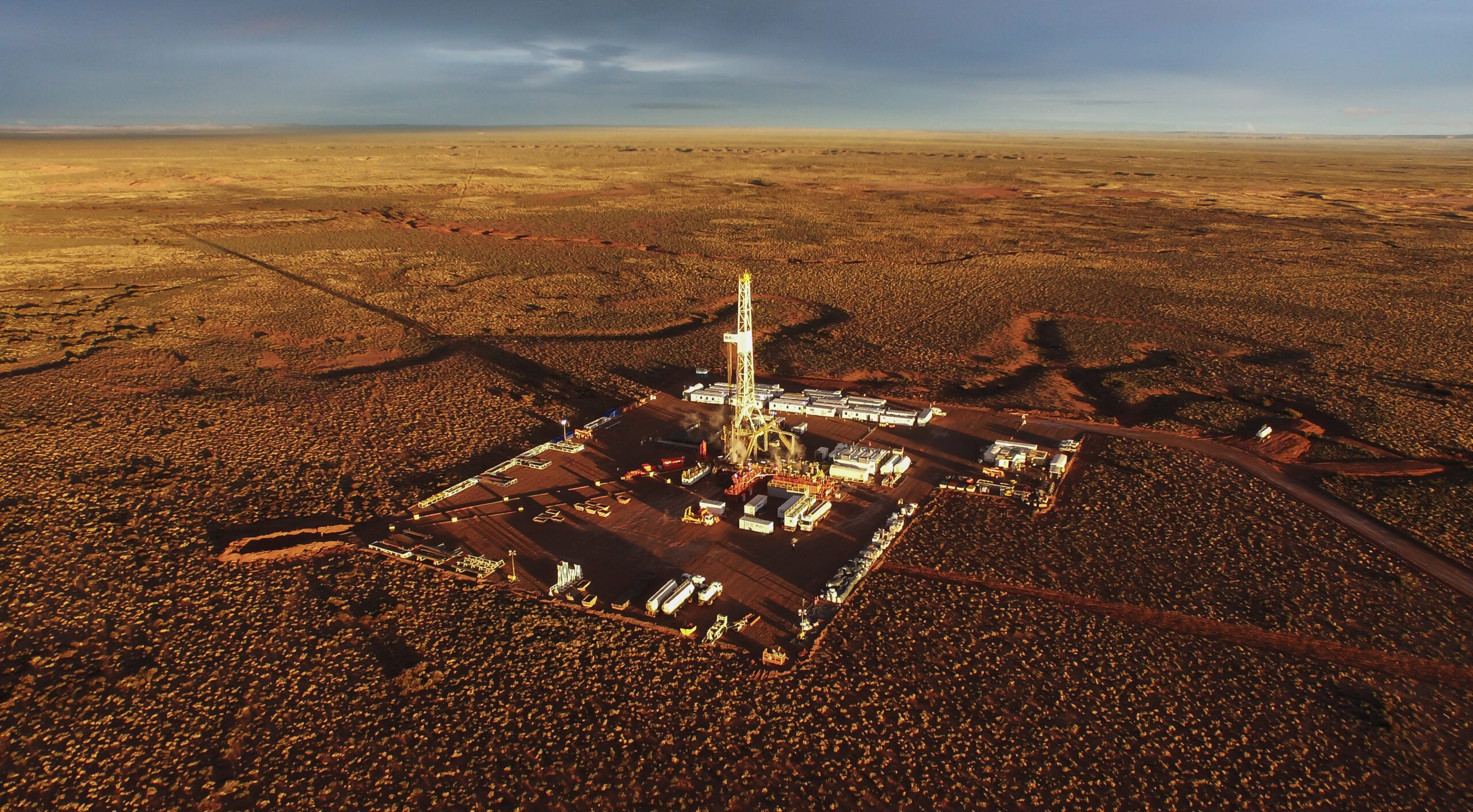
In December 2020, Resources Minister Keith Pitt announced the Beetaloo Cooperative Drilling Program, which made available up to $50 million in grants to accelerate gas exploration and development in the NT's Beetaloo Basin [1].
The grants were structured as follows: applicants could receive between $750,000 and $7.5 million per gas well, with the total funding capped at $50 million [2].
While some companies involved were Australian (Empire Energy, Australian-listed), others had significant foreign ownership including Canadian company Falcon Oil & Gas (with Russian oligarch Viktor Vekselberg as a major shareholder through investment holdings) and Japanese company INPEX [1].
The government's stated rationale for the grants was to support its "gas-led recovery" strategy, positioning gas as a transition fuel and job creator, with Pitt claiming the Beetaloo basin held potential for "6,000 jobs over 20 years" and had been described as "the hottest play on the planet" [1].
Scale of Grants:** While $50 million sounds substantial, the grants covered only a portion of exploration costs (up to 25% per well, capped at $7.5m each), meaning companies still needed to invest significantly more of their own capital [2].
Commercial Reality:** Gas analyst Bruce Robertson from IEEFA noted there was at least $11 billion in gas assets for sale in Australia with companies like ExxonMobil and Origin Energy struggling to find buyers, suggesting the market was already skeptical of gas viability [1].
**4.
Northern Territory Economic Context:** The NT government supported the initiative as a means to diversify the economy from mining and develop new export revenue.
Timeline and Conditions:** The grants were conditional on work being completed by specific deadlines (initially June 2022 for the initial program) [3], and grants were subsequently challenged in court, with some iterations declared invalid [5].
While The Guardian has a center-left editorial stance, its reporting on environmental and climate issues is generally well-sourced with direct quotes from government ministers and independent analysts [1].
所 suǒ 呈现 chéng xiàn 的 de 分析 fēn xī 引用 yǐn yòng 了 le 多个 duō gè 独立 dú lì 来源 lái yuán : : Rod Rod Campbell Campbell ( ( 澳大利亚 ào dà lì yà 研究所 yán jiū suǒ ) ) 、 、 Bruce Bruce Robertson Robertson ( ( IEEFA IEEFA ) ) 、 、 Lucy Lucy Manne Manne ( ( 350 350 Australia Australia ) ) 和 hé Clancy Clancy Moore Moore ( ( Publish Publish What What You You Pay Pay 联盟 lián méng ) ) [ [ 1 1 ] ] 。 。
The analysis presented includes quotes from multiple independent sources: Rod Campbell (Australia Institute), Bruce Robertson (IEEFA), Lucy Manne (350 Australia), and Clancy Moore (Publish What You Pay coalition) [1].
However, the article uses loaded language ("climate catastrophe," "shameful waste") which reflects the framing of environmental groups quoted, rather than entirely neutral reporting [1].
This is appropriate for a quoted-opinion distinction, though readers should recognize the environmental critics are advocating against fossil fuel expansion.
**Did Labor do something similar?**
Search conducted: "Labor government gas industry subsidies support policy Australia"
**Finding:** Labor's approach to gas has evolved significantly.
* * * *
During the Rudd/Gillard era (2007-2013), the Labor government supported gas as a "clean coal alternative" and approved major gas projects, though without comparable direct grants for exploration [6].
Instead, Labor has pursued different strategies: implementing a gas reservation scheme requiring exporters to reserve supplies for domestic use, supporting renewable energy investment, and maintaining price controls on gas exports [7][8].
Notably, environmental groups have **criticized** the Albanese Labor government for not being aggressive enough in phasing out gas support, with Greenpeace warning Labor against subsidizing gas for industrial users in December 2025 [9].
The key difference: The Coalition used direct grants to accelerate exploration of new basins, while Labor uses market controls and renewable investment rather than exploration subsidies.
Government officials contended that Australia's geographic position made it viable as a gas exporter competing in Asian markets [1].
**Independent Critique:**
Critics raised several substantive objections:
1. **Economic efficiency:** IEEFA analyst Bruce Robertson argued the grants would deliver "zero return" for taxpayers, noting that the gas industry wasn't investing itself, questioning why government should subsidize [1].
2. **Employment reality:** The Australia Institute's Rod Campbell pointed out that gas industry employment was poor value—the industry employed fewer than one person per $1 million spent, compared to health/education which employed over 10 per $1m [1].
3. **Climate impact:** Multiple climate analyses suggested the potential emissions from five NT gas basins the government wanted to develop could "cancel out the government's climate policies five times over" [1].
Gas does have lower emissions than coal, but methane leakage during extraction and transport is significant [1].
4. **Transparency concerns:** The Publish What You Pay coalition raised legitimate concerns about public funds flowing to companies using tax havens (Delaware-registered entities) and companies linked to sanctioned Russian oligarchs [1].
**Expert Assessment:**
International energy analysts have noted that by 2020, global energy markets were shifting toward renewables, with many financial institutions reducing gas investment.
* * * * 独立 dú lì 批评 pī píng : : * * * *
The timing of major gas exploration subsidies appeared misaligned with these trends [1].
**Comparative Analysis:**
When compared to Labor's approach, the Coalition's gas exploration grants represent a more direct form of fossil fuel support.
批评者 pī píng zhě 提出 tí chū 了 le 几个 jǐ gè 实质性 shí zhì xìng 的 de 反对 fǎn duì 意见 yì jiàn : :
Labor has chosen market-based tools (gas reservation) and renewable investment instead.
Neither party has proposed large-scale phase-outs of gas infrastructure, reflecting Australia's ongoing reliance on gas for both exports and domestic power generation.
The grants do appear unusual internationally—most developed nations were moving away from fossil fuel exploration subsidies by 2020, making Australia's approach less common among OECD peers.
However, the characterization requires clarification: these were grants to cover portions (up to 25%) of exploration costs, not simple cash payments to foreign entities.
The government's stated rationale was energy security and economic development, though critics persuasively argued the returns would be poor and climate impact significant [1][4].
The claim is factually accurate but benefits from understanding the government's rationale, the modest scale relative to total industry investment, and the economic inefficiency critics identified.
最终评分
7.0
/ 10
属实
Coalition Coalition 政府 zhèng fǔ 确实 què shí 向 xiàng 北领地 běi lǐng dì 天然气 tiān rán qì 勘探 kān tàn 提供 tí gōng 了 le 5000 5000 万澳元 wàn ào yuán 的 de 拨款 bō kuǎn , , 如 rú 所述 suǒ shù [ [ 1 1 ] ] 。 。
The Coalition government did offer $50 million in grants to gas companies for Northern Territory exploration, as stated [1].
However, the characterization requires clarification: these were grants to cover portions (up to 25%) of exploration costs, not simple cash payments to foreign entities.
The government's stated rationale was energy security and economic development, though critics persuasively argued the returns would be poor and climate impact significant [1][4].
The claim is factually accurate but benefits from understanding the government's rationale, the modest scale relative to total industry investment, and the economic inefficiency critics identified.