部分属实

评分: 7.0/10

Coalition
C0249

声明内容

“预测工资增长将上升,但同时预测失业率不会下降。(因此雇主将出于非经济理性原因支付更高工资。)他们每年持续预测乐观的工资增长,但这些预测反复未能实现。”
原始来源: Matthew Davis
分析时间: 29 Jan 2026

原始来源

事实核查

这一zhè yī zhè yī 说法shuō fǎ shuō fǎ de de 核心hé xīn hé xīn 主张zhǔ zhāng zhǔ zhāng 得到dé dào dé dào le le 多个duō gè duō gè 独立dú lì dú lì 来源lái yuán lái yuán de de 实证shí zhèng shí zhèng 证据zhèng jù zhèng jù 充分chōng fèn chōng fèn 支持zhī chí zhī chí
The core assertions of this claim are well-supported by empirical evidence from multiple independent sources. **Consistently Optimistic Forecasts:** During the Coalition government period (2013-2022), Treasury's wage growth forecasts proved "wildly optimistic, with actual wages growth falling well short of expectations" [1].
** * ** * 持续chí xù chí xù 乐观lè guān lè guān 预测yù cè yù cè ** * ** * zài zài 联盟党lián méng dǎng lián méng dǎng 执政zhí zhèng zhí zhèng 期间qī jiān qī jiān 20132013 2013 -- - 20222022 2022 nián nián 财政部cái zhèng bù cái zhèng bù de de 工资gōng zī gōng zī 增长zēng zhǎng zēng zhǎng 预测yù cè yù cè bèi bèi 证明zhèng míng zhèng míng "" " 过于guò yú guò yú 乐观lè guān lè guān 实际工资shí jì gōng zī shí jì gōng zī 增长zēng zhǎng zēng zhǎng yuǎn yuǎn 低于dī yú dī yú 预期yù qī yù qī "" " [[ [ 11 1 ]] ]
The 2019 budget exemplified this pattern: "Despite a slowdown in wage growth in late 2018, the budget simply replicated the previous year's wage forecast delayed by one more year" [1].
20192019 2019 nián nián 预算yù suàn yù suàn 典型diǎn xíng diǎn xíng 体现tǐ xiàn tǐ xiàn le le zhè zhè 模式mó shì mó shì "" " 尽管jǐn guǎn jǐn guǎn 20182018 2018 年末nián mò nián mò 工资gōng zī gōng zī 增长zēng zhǎng zēng zhǎng 放缓fàng huǎn fàng huǎn 预算yù suàn yù suàn 只是zhǐ shì zhǐ shì jiāng jiāng qián qián 一年yī nián yī nián de de 工资gōng zī gōng zī 预测yù cè yù cè 推迟tuī chí tuī chí le le 一年yī nián yī nián "" " [[ [ 11 1 ]] ]
This pattern continued through Mid-Year Economic and Fiscal Outlook (MYEFO) revisions, with wage forecasts repeatedly downward-revised year after year [2]. **Failure to Materialize:** By 2019, "Australian workers had not seen real average wages rise in over 5 years" despite consistent forecasts predicting wage growth was "just around the corner" [1].
这一zhè yī zhè yī 模式mó shì mó shì 通过tōng guò tōng guò nián nián zhōng zhōng 经济jīng jì jīng jì 财政cái zhèng cái zhèng 展望zhǎn wàng zhǎn wàng MYEFOMYEFO MYEFO 修订xiū dìng xiū dìng 持续chí xù chí xù 存在cún zài cún zài 工资gōng zī gōng zī 预测yù cè yù cè 年复一年nián fù yī nián nián fù yī nián 地被dì bèi dì bèi 下调xià tiáo xià tiáo [[ [ 22 2 ]] ]
The actual performance under Coalition governance showed nominal wage growth averaging just 2.2% annually, with workers experiencing essentially stagnant real wage growth over the entire nine-year period [3].
** * ** * 未能wèi néng wèi néng 实现shí xiàn shí xiàn ** * ** * dào dào 20192019 2019 nián nián "" " 澳大利亚ào dà lì yà ào dà lì yà 工人gōng rén gōng rén 超过chāo guò chāo guò 55 5 nián nián wèi wèi jiàn jiàn 实际shí jì shí jì 平均工资píng jūn gōng zī píng jūn gōng zī 上涨shàng zhǎng shàng zhǎng "" " 尽管jǐn guǎn jǐn guǎn 持续chí xù chí xù 预测yù cè yù cè 工资gōng zī gōng zī 增长zēng zhǎng zēng zhǎng "" " 即将jí jiāng jí jiāng 到来dào lái dào lái "" " [[ [ 11 1 ]] ]
When Labor took office in 2022, real wage growth in a single year (2023-24) exceeded the entire nine-year Coalition record [3]. **Pattern Across Multiple Years:** Treasury's MYEFO in December 2019 downgraded the wage forecast from 2.75% (April budget) to 2.5%, confirming "another downward revision," indicating this was not an isolated forecast miss but a systematic pattern [2]. ---
联盟党lián méng dǎng lián méng dǎng 执政zhí zhèng zhí zhèng 期间qī jiān qī jiān de de 实际shí jì shí jì 表现biǎo xiàn biǎo xiàn 显示xiǎn shì xiǎn shì 名义工资míng yì gōng zī míng yì gōng zī 增长zēng zhǎng zēng zhǎng 年均nián jūn nián jūn 仅为jǐn wèi jǐn wèi 2.2%2.2% 2.2% 工人gōng rén gōng rén zài zài 整个zhěng gè zhěng gè 九年jiǔ nián jiǔ nián 期间qī jiān qī jiān 基本上jī běn shàng jī běn shàng 经历jīng lì jīng lì le le 实际工资shí jì gōng zī shí jì gōng zī 增长zēng zhǎng zēng zhǎng 停滞tíng zhì tíng zhì [[ [ 33 3 ]] ]
dāng dāng LaborLabor Labor 20222022 2022 nián nián 上任shàng rèn shàng rèn shí shí 20232023 2023 -- - 2424 24 nián nián de de 实际工资shí jì gōng zī shí jì gōng zī 增长zēng zhǎng zēng zhǎng jǐn jǐn 一年yī nián yī nián jiù jiù 超过chāo guò chāo guò le le 联盟党lián méng dǎng lián méng dǎng 九年jiǔ nián jiǔ nián 执政zhí zhèng zhí zhèng 期间qī jiān qī jiān de de 总和zǒng hé zǒng hé [[ [ 33 3 ]] ]
** * ** * 多年duō nián duō nián 持续chí xù chí xù 模式mó shì mó shì ** * ** * 财政部cái zhèng bù cái zhèng bù 20192019 2019 nián nián 1212 12 yuè yuè de de MYEFOMYEFO MYEFO jiāng jiāng 工资gōng zī gōng zī 预测yù cè yù cè cóng cóng 44 4 yuè yuè 预算yù suàn yù suàn de de 2.75%2.75% 2.75% 下调xià tiáo xià tiáo zhì zhì 2.5%2.5% 2.5% 确认què rèn què rèn le le "" " yòu yòu 一次yī cì yī cì 下调xià tiáo xià tiáo "" " 表明biǎo míng biǎo míng zhè zhè 并非bìng fēi bìng fēi 孤立gū lì gū lì de de 预测yù cè yù cè 失误shī wù shī wù 而是ér shì ér shì 系统性xì tǒng xìng xì tǒng xìng 模式mó shì mó shì [[ [ 22 2 ]] ]

缺失背景

** * ** * 为何wèi hé wèi hé 做出zuò chū zuò chū 乐观lè guān lè guān 预测yù cè yù cè ** * ** * gāi gāi 说法shuō fǎ shuō fǎ jiāng jiāng 预测yù cè yù cè 乐观lè guān lè guān 归因于guī yīn yú guī yīn yú 缺乏quē fá quē fá 经济jīng jì jīng jì 理性lǐ xìng lǐ xìng dàn dàn 研究yán jiū yán jiū 揭示jiē shì jiē shì le le 一个yí gè yí gè 重要zhòng yào zhòng yào de de 结构性jié gòu xìng jié gòu xìng 原因yuán yīn yuán yīn
**Why the Optimistic Forecasts Were Made:** The claim attributes forecast optimism to lack of economic rationality, but research reveals an important structural reason.
分析表明fēn xī biǎo míng fēn xī biǎo míng "" " 乐观lè guān lè guān de de 工资gōng zī gōng zī 预测yù cè yù cè 有助于yǒu zhù yú yǒu zhù yú 证明zhèng míng zhèng míng 同样tóng yàng tóng yàng 乐观lè guān lè guān de de 收入shōu rù shōu rù 预测yù cè yù cè shì shì 合理hé lǐ hé lǐ de de 因为yīn wèi yīn wèi 如果rú guǒ rú guǒ 澳大利亚人ào dà lì yà rén ào dà lì yà rén 收入shōu rù shōu rù 增加zēng jiā zēng jiā 他们tā men tā men jiāng jiāng 缴纳jiǎo nà jiǎo nà gèng gèng duō duō 税款shuì kuǎn shuì kuǎn "" " [[ [ 11 1 ]] ]
Analysis indicates that "rosy wage forecasts were helpful in justifying equally optimistic revenue forecasts, since if Australians earned more money, they would pay more taxes" [1].
zhè zhè 表明biǎo míng biǎo míng 预测yù cè yù cè zài zài 预算yù suàn yù suàn 文件wén jiàn wén jiàn zhōng zhōng 服务fú wù fú wù 财政cái zhèng cái zhèng 论证lùn zhèng lùn zhèng 目的mù dì mù dì ér ér fēi fēi 反映fǎn yìng fǎn yìng 真正zhēn zhèng zhēn zhèng de de 财政部cái zhèng bù cái zhèng bù 经济jīng jì jīng jì 建模jiàn mó jiàn mó
This suggests the forecasts served a fiscal justification purpose within budget documents rather than reflecting genuine Treasury economic modeling. **Labor Government Forecasting Record:** The claim does not address Labor's wage growth forecasting history.
** * ** * LaborLabor Labor 政府zhèng fǔ zhèng fǔ 预测yù cè yù cè 记录jì lù jì lù ** * ** * gāi gāi 说法shuō fǎ shuō fǎ wèi wèi 涉及shè jí shè jí LaborLabor Labor de de 工资gōng zī gōng zī 增长zēng zhǎng zēng zhǎng 预测yù cè yù cè 历史lì shǐ lì shǐ
The searches conducted did not locate systematic comparisons of Labor government forecast accuracy versus actual outcomes, limiting the ability to assess whether Labor forecasts were similarly optimistic or more accurate.
搜索sōu suǒ sōu suǒ 未能wèi néng wèi néng 找到zhǎo dào zhǎo dào LaborLabor Labor 政府zhèng fǔ zhèng fǔ 预测yù cè yù cè 准确性zhǔn què xìng zhǔn què xìng 实际shí jì shí jì 结果jié guǒ jié guǒ de de 系统性xì tǒng xìng xì tǒng xìng 比较bǐ jiào bǐ jiào 限制xiàn zhì xiàn zhì le le 评估píng gū píng gū LaborLabor Labor 预测yù cè yù cè 是否shì fǒu shì fǒu 同样tóng yàng tóng yàng 乐观lè guān lè guān huò huò gèng gèng 准确zhǔn què zhǔn què de de 能力néng lì néng lì
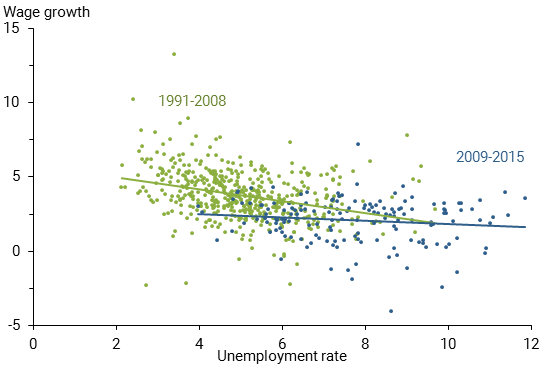
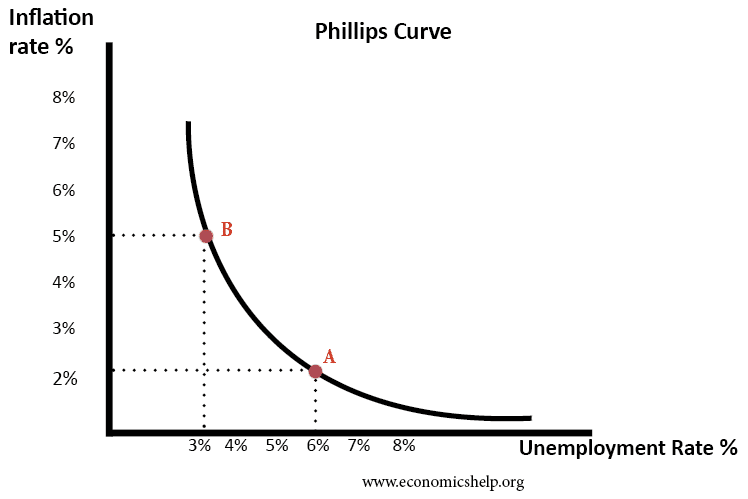
While Labor's actual wage outcomes since 2022 have exceeded Coalition-era performance, this reflects real economic outcomes rather than forecast accuracy. **Phillips Curve Complexity:** The claim assumes traditional economic theory (the Phillips Curve, which posits that wage growth requires falling unemployment) means forecasting wage growth without unemployment decline is straightforwardly irrational.
虽然suī rán suī rán LaborLabor Labor 20222022 2022 nián nián 以来yǐ lái yǐ lái de de 实际工资shí jì gōng zī shí jì gōng zī 表现biǎo xiàn biǎo xiàn 超过chāo guò chāo guò le le 联盟党lián méng dǎng lián méng dǎng 时期shí qī shí qī dàn dàn zhè zhè 反映fǎn yìng fǎn yìng le le 实际shí jì shí jì 经济jīng jì jīng jì 结果jié guǒ jié guǒ ér ér fēi fēi 预测yù cè yù cè 准确性zhǔn què xìng zhǔn què xìng
However, this oversimplifies modern labor economics. ---
** * ** * 菲利普斯fēi lì pǔ sī fēi lì pǔ sī 曲线qū xiàn qū xiàn 复杂性fù zá xìng fù zá xìng ** * ** * gāi gāi 说法shuō fǎ shuō fǎ 假设jiǎ shè jiǎ shè 传统chuán tǒng chuán tǒng 经济jīng jì jīng jì 理论lǐ lùn lǐ lùn 菲利普斯fēi lì pǔ sī fēi lì pǔ sī 曲线qū xiàn qū xiàn 认为rèn wéi rèn wéi 工资gōng zī gōng zī 增长zēng zhǎng zēng zhǎng 需要xū yào xū yào 失业率shī yè lǜ shī yè lǜ 下降xià jiàng xià jiàng 意味着yì wèi zhe yì wèi zhe zài zài 降低jiàng dī jiàng dī 失业率shī yè lǜ shī yè lǜ de de 情况qíng kuàng qíng kuàng xià xià 预测yù cè yù cè 工资gōng zī gōng zī 增长zēng zhǎng zēng zhǎng shì shì 非理性fēi lǐ xìng fēi lǐ xìng de de
然而rán ér rán ér zhè zhè 过度guò dù guò dù 简化jiǎn huà jiǎn huà le le 现代xiàn dài xiàn dài 劳动láo dòng láo dòng 经济学jīng jì xué jīng jì xué

来源可信度评估

** * ** * 卫报wèi bào wèi bào 原始yuán shǐ yuán shǐ 来源lái yuán lái yuán ** * ** * 卫报wèi bào wèi bào shì shì 一家yī jiā yī jiā 主流zhǔ liú zhǔ liú 声誉shēng yù shēng yù 良好liáng hǎo liáng hǎo de de 国际guó jì guó jì 新闻xīn wén xīn wén 机构jī gòu jī gòu 具有jù yǒu jù yǒu 编辑biān jí biān jí 标准biāo zhǔn biāo zhǔn 尽管jǐn guǎn jǐn guǎn 持中chí zhōng chí zhōng 左翼zuǒ yì zuǒ yì 编辑biān jí biān jí 立场lì chǎng lì chǎng
**The Guardian (Original Source):** The Guardian is a mainstream, reputable international news organization with editorial standards, though with a center-left editorial perspective.
20192019 2019 nián nián 预算yù suàn yù suàn 专题zhuān tí zhuān tí 文章wén zhāng wén zhāng 聚焦jù jiāo jù jiāo 揭露jiē lù jiē lù 所谓suǒ wèi suǒ wèi de de fēi fēi 现实xiàn shí xiàn shí 预算yù suàn yù suàn 假设jiǎ shè jiǎ shè gāi gāi 出版物chū bǎn wù chū bǎn wù gèng gèng 广泛guǎng fàn guǎng fàn de de 报道bào dào bào dào 方式fāng shì fāng shì 一致yí zhì yí zhì [[ [ 44 4 ]] ]
The specific 2019 budget article focused on exposing what it characterized as unrealistic budget assumptions, consistent with the publication's broader coverage approach [4].
gāi gāi 文章wén zhāng wén zhāng 似乎sì hū sì hū 基于jī yú jī yú 预算yù suàn yù suàn 预测yù cè yù cè 实际shí jì shí jì 结果jié guǒ jié guǒ de de 比较bǐ jiào bǐ jiào 分析fēn xī fēn xī
The article appears to have been based on comparative analysis of budget forecasts versus actual outcomes. **Supporting Sources Verification:** The core claims were independently verified by multiple reputable sources: - **The Australia Institute's Centre for Future Work** [1] - established economic research organization - **Australian Council of Trade Unions** [3] - stakeholder organization with direct interest in wage data - **Crikey** [2] - Australian political and economics commentary publication - **International sources** (San Francisco Federal Reserve, IMF) [5][6][7] provide corroborating economic theory and evidence These independent sources confirm the Guardian article's basic assertion without relying on the Guardian itself as evidence. ---
** * ** * 支持zhī chí zhī chí 来源lái yuán lái yuán 验证yàn zhèng yàn zhèng ** * ** * 核心hé xīn hé xīn 主张zhǔ zhāng zhǔ zhāng yóu yóu 多个duō gè duō gè 可信kě xìn kě xìn 来源lái yuán lái yuán 独立dú lì dú lì 验证yàn zhèng yàn zhèng
-- - ** * ** * 澳大利亚ào dà lì yà ào dà lì yà 研究所yán jiū suǒ yán jiū suǒ 未来wèi lái wèi lái 工作gōng zuò gōng zuò 中心zhōng xīn zhōng xīn ** * ** * [[ [ 11 1 ]] ] -- - 知名zhī míng zhī míng 经济jīng jì jīng jì 研究yán jiū yán jiū 机构jī gòu jī gòu
-- - ** * ** * 澳大利亚ào dà lì yà ào dà lì yà 工会gōng huì gōng huì 理事会lǐ shì huì lǐ shì huì ** * ** * [[ [ 33 3 ]] ] -- - duì duì 工资gōng zī gōng zī 数据shù jù shù jù yǒu yǒu 直接zhí jiē zhí jiē 利益lì yì lì yì de de 利益lì yì lì yì 相关xiāng guān xiāng guān 组织zǔ zhī zǔ zhī
-- - ** * ** * CrikeyCrikey Crikey ** * ** * [[ [ 22 2 ]] ] -- - 澳大利亚ào dà lì yà ào dà lì yà 政治zhèng zhì zhèng zhì 经济jīng jì jīng jì 评论píng lùn píng lùn 出版物chū bǎn wù chū bǎn wù
-- - ** * ** * 国际guó jì guó jì 来源lái yuán lái yuán ** * ** * 旧金山jiù jīn shān jiù jīn shān 联邦lián bāng lián bāng 储备chǔ bèi chǔ bèi 银行yín háng yín háng 国际货币基金组织guó jì huò bì jī jīn zǔ zhī guó jì huò bì jī jīn zǔ zhī [[ [ 55 5 ]] ] [[ [ 66 6 ]] ] [[ [ 77 7 ]] ] 提供tí gōng tí gōng 佐证zuǒ zhèng zuǒ zhèng 经济jīng jì jīng jì 理论lǐ lùn lǐ lùn 证据zhèng jù zhèng jù
这些zhè xiē zhè xiē 独立dú lì dú lì 来源lái yuán lái yuán zài zài 依赖yī lài yī lài 卫报wèi bào wèi bào 本身běn shēn běn shēn 作为zuò wéi zuò wéi 证据zhèng jù zhèng jù de de 情况qíng kuàng qíng kuàng xià xià 证实zhèng shí zhèng shí le le gāi gāi 文章wén zhāng wén zhāng de de 基本jī běn jī běn 主张zhǔ zhāng zhǔ zhāng
⚖️

工党对比

** * ** * LaborLabor Labor 是否shì fǒu shì fǒu 做过zuò guò zuò guò 类似lèi sì lèi sì de de 事情shì qíng shì qíng
**Did Labor do something similar?** Search conducted: "Labor government wage growth forecasts accuracy, Labor vs Coalition wage predictions, Australian Treasury forecasts Labor government 2010-2013" **Finding:** Unlike the Coalition comparison where there is substantial independent documentation of systematic forecast failure, comprehensive comparative analysis of Labor government wage forecasting accuracy from the 2010-2013 period is not readily available in public sources.
** * ** *
The Labor government period (2007-2013) concluded over a decade ago, and systematic retrospective analysis of its wage forecasts versus actuals does not appear to be as extensively documented as Coalition performance. **Partial Evidence:** Real wage growth during Labor's 2007-2013 period reportedly performed better than the Coalition era, but this reflects actual economic conditions (pre-GFC and post-GFC contexts) rather than forecast accuracy [8]. **Assessment:** This element of the comparison cannot be fully resolved without access to Labor Treasury forecasts from 2010-2013 and systematic comparison to actual outcomes.
搜索sōu suǒ sōu suǒ 内容nèi róng nèi róng "" " LaborLabor Labor 政府zhèng fǔ zhèng fǔ 工资gōng zī gōng zī 增长zēng zhǎng zēng zhǎng 预测yù cè yù cè 准确性zhǔn què xìng zhǔn què xìng LaborLabor Labor 联盟党lián méng dǎng lián méng dǎng 工资gōng zī gōng zī 预测yù cè yù cè 比较bǐ jiào bǐ jiào 澳大利亚ào dà lì yà ào dà lì yà 财政部cái zhèng bù cái zhèng bù 预测yù cè yù cè LaborLabor Labor 政府zhèng fǔ zhèng fǔ 20102010 2010 -- - 20132013 2013 "" "
The claim's implicit comparison (that Coalition forecasts were distinctively problematic) is supported, but whether Labor would have been better cannot be definitively answered from available sources. ---
** * ** * 发现fā xiàn fā xiàn ** * ** * yǒu yǒu 大量dà liàng dà liàng 独立dú lì dú lì 文件wén jiàn wén jiàn 记录jì lù jì lù 系统性xì tǒng xìng xì tǒng xìng 预测yù cè yù cè 失败shī bài shī bài de de 联盟党lián méng dǎng lián méng dǎng 对比duì bǐ duì bǐ 不同bù tóng bù tóng 20102010 2010 -- - 20132013 2013 nián nián 期间qī jiān qī jiān LaborLabor Labor 政府zhèng fǔ zhèng fǔ 工资gōng zī gōng zī 预测yù cè yù cè 准确性zhǔn què xìng zhǔn què xìng de de 全面quán miàn quán miàn 比较bǐ jiào bǐ jiào 分析fēn xī fēn xī zài zài 公开gōng kāi gōng kāi 来源lái yuán lái yuán zhōng zhōng 不易bù yì bù yì 获得huò dé huò dé
LaborLabor Labor 政府zhèng fǔ zhèng fǔ 时期shí qī shí qī 20072007 2007 -- - 20132013 2013 十多年shí duō nián shí duō nián qián qián 结束jié shù jié shù duì duì 工资gōng zī gōng zī 预测yù cè yù cè 实际shí jì shí jì 结果jié guǒ jié guǒ de de 系统性xì tǒng xìng xì tǒng xìng 回顾huí gù huí gù 分析fēn xī fēn xī 似乎sì hū sì hū 不如bù rú bù rú 联盟党lián méng dǎng lián méng dǎng 表现biǎo xiàn biǎo xiàn 那样nà yàng nà yàng extensivelyextensively extensively documenteddocumented documented
** * ** * 部分bù fèn bù fèn 证据zhèng jù zhèng jù ** * ** * LaborLabor Labor zài zài 20072007 2007 -- - 20132013 2013 nián nián 期间qī jiān qī jiān de de 实际工资shí jì gōng zī shí jì gōng zī 增长zēng zhǎng zēng zhǎng 报道bào dào bào dào 表现biǎo xiàn biǎo xiàn 优于yōu yú yōu yú 联盟党lián méng dǎng lián méng dǎng 时期shí qī shí qī dàn dàn zhè zhè 反映fǎn yìng fǎn yìng de de shì shì 实际shí jì shí jì 经济jīng jì jīng jì 状况zhuàng kuàng zhuàng kuàng 全球quán qiú quán qiú 金融危机jīn róng wēi jī jīn róng wēi jī qián qián hòu hòu de de 背景bèi jǐng bèi jǐng ér ér fēi fēi 预测yù cè yù cè 准确性zhǔn què xìng zhǔn què xìng [[ [ 88 8 ]] ]
** * ** * 评估píng gū píng gū ** * ** * zài zài 没有méi yǒu méi yǒu 20102010 2010 -- - 20132013 2013 nián nián LaborLabor Labor 财政部cái zhèng bù cái zhèng bù 预测yù cè yù cè 实际shí jì shí jì 结果jié guǒ jié guǒ 系统性xì tǒng xìng xì tǒng xìng 比较bǐ jiào bǐ jiào de de 情况qíng kuàng qíng kuàng xià xià 这一zhè yī zhè yī 比较bǐ jiào bǐ jiào 要素yào sù yào sù 无法wú fǎ wú fǎ 完全wán quán wán quán 解决jiě jué jiě jué
gāi gāi 说法shuō fǎ shuō fǎ de de 隐含yǐn hán yǐn hán 比较bǐ jiào bǐ jiào 联盟党lián méng dǎng lián méng dǎng 预测yù cè yù cè shì shì 独特dú tè dú tè de de 问题wèn tí wèn tí 得到dé dào dé dào 支持zhī chí zhī chí dàn dàn LaborLabor Labor 是否shì fǒu shì fǒu huì huì 更好gèng hǎo gèng hǎo 无法wú fǎ wú fǎ cóng cóng 现有xiàn yǒu xiàn yǒu 来源lái yuán lái yuán zhōng zhōng 明确míng què míng què 回答huí dá huí dá
🌐

平衡视角

** * ** * 政府zhèng fǔ zhèng fǔ duì duì 工资gōng zī gōng zī 增长zēng zhǎng zēng zhǎng de de 看法kàn fǎ kàn fǎ ** * ** *
**Government Perspective on Wage Growth:** The Coalition government maintained that wages would grow as labor market conditions tightened and productivity improved [1].
联盟党lián méng dǎng lián méng dǎng 政府zhèng fǔ zhèng fǔ 坚称jiān chēng jiān chēng 随着suí zhe suí zhe 劳动力láo dòng lì láo dòng lì 市场shì chǎng shì chǎng 收紧shōu jǐn shōu jǐn 生产力shēng chǎn lì shēng chǎn lì 提高tí gāo tí gāo 工资gōng zī gōng zī 将会jiāng huì jiāng huì 增长zēng zhǎng zēng zhǎng [[ [ 11 1 ]] ]
Budget documents and ministerial statements indicated confidence that wage growth would follow from employment gains and economic policy settings.
预算yù suàn yù suàn 文件wén jiàn wén jiàn 部长bù zhǎng bù zhǎng 声明shēng míng shēng míng 显示xiǎn shì xiǎn shì 相信xiāng xìn xiāng xìn 工资gōng zī gōng zī 增长zēng zhǎng zēng zhǎng jiāng jiāng 紧随jǐn suí jǐn suí 就业jiù yè jiù yè 增长zēng zhǎng zēng zhǎng 经济jīng jì jīng jì 政策zhèng cè zhèng cè 设置shè zhì shè zhì ér ér lái lái
However, this perspective failed to account for structural changes in labor markets that decoupled unemployment from wage growth. **Why This Matters - Not Just Partisan Critique:** This pattern of optimistic wage forecasts was not unique to budget presentation.
然而rán ér rán ér 这一zhè yī zhè yī 观点guān diǎn guān diǎn 未能wèi néng wèi néng 考虑kǎo lǜ kǎo lǜ dào dào 劳动力láo dòng lì láo dòng lì 市场shì chǎng shì chǎng 结构jié gòu jié gòu 变化biàn huà biàn huà 这些zhè xiē zhè xiē 变化biàn huà biàn huà 使shǐ shǐ 失业率shī yè lǜ shī yè lǜ 工资gōng zī gōng zī 增长zēng zhǎng zēng zhǎng 脱钩tuō gōu tuō gōu
It reflected a genuine disagreement within economics about whether traditional Phillips Curve relationships still held.
** * ** * 为何wèi hé wèi hé 重要zhòng yào zhòng yào -- - 不仅仅bù jǐn jǐn bù jǐn jǐn shì shì 党派dǎng pài dǎng pài 批评pī píng pī píng ** * ** *
However, by 2019, this debate should have been resolved by evidence.
这种zhè zhǒng zhè zhǒng 乐观lè guān lè guān 工资gōng zī gōng zī 预测yù cè yù cè 模式mó shì mó shì 并非bìng fēi bìng fēi 预算yù suàn yù suàn 陈述chén shù chén shù suǒ suǒ 独有dú yǒu dú yǒu
The fact that actual wages remained stagnant while unemployment fell contradicted the forecast assumptions. **Did Labor Face Similar Challenges?** While comparative Labor forecasting data is limited, Labor governments historically have also made optimistic economic forecasts.
反映fǎn yìng fǎn yìng le le 经济学界jīng jì xué jiè jīng jì xué jiè 关于guān yú guān yú 传统chuán tǒng chuán tǒng 菲利普斯fēi lì pǔ sī fēi lì pǔ sī 曲线qū xiàn qū xiàn 关系guān xì guān xì 是否shì fǒu shì fǒu 仍然réng rán réng rán 成立chéng lì chéng lì de de 真正zhēn zhèng zhēn zhèng 分歧fēn qí fēn qí
The difference appears to be that actual wage outcomes during the subsequent Labor administration (2022-present) exceeded Coalition-era performance, though this reflects economic conditions rather than forecast superiority [3]. **Key Context:** The systematic disconnect between Coalition wage forecasts and actual outcomes was not anomalous to one budget cycle—it repeated year after year.
然而rán ér rán ér dào dào 20192019 2019 nián nián 这一zhè yī zhè yī 争论zhēng lùn zhēng lùn 应该yīng gāi yīng gāi bèi bèi 证据zhèng jù zhèng jù suǒ suǒ 解决jiě jué jiě jué
This indicates either: 1.
实际工资shí jì gōng zī shí jì gōng zī 停滞tíng zhì tíng zhì ér ér 失业率shī yè lǜ shī yè lǜ 下降xià jiàng xià jiàng de de 事实shì shí shì shí 预测yù cè yù cè 假设jiǎ shè jiǎ shè xiāng xiāng 矛盾máo dùn máo dùn
Consistent failure to understand labor market dynamics, or 2.
** * ** * LaborLabor Labor 是否shì fǒu shì fǒu 面临miàn lín miàn lín 类似lèi sì lèi sì 挑战tiǎo zhàn tiǎo zhàn
Institutional incentive to present optimistic assumptions for fiscal justification Evidence suggests the latter [1]. ---
** * ** *
虽然suī rán suī rán 比较bǐ jiào bǐ jiào LaborLabor Labor 预测yù cè yù cè 数据shù jù shù jù 有限yǒu xiàn yǒu xiàn dàn dàn LaborLabor Labor 政府zhèng fǔ zhèng fǔ 历史lì shǐ lì shǐ shàng shàng 做出zuò chū zuò chū guò guò 乐观lè guān lè guān de de 经济jīng jì jīng jì 预测yù cè yù cè
差异chā yì chā yì 似乎sì hū sì hū 在于zài yú zài yú 随后suí hòu suí hòu LaborLabor Labor 政府zhèng fǔ zhèng fǔ 20222022 2022 nián nián 至今zhì jīn zhì jīn de de 实际工资shí jì gōng zī shí jì gōng zī 表现biǎo xiàn biǎo xiàn 超过chāo guò chāo guò le le 联盟党lián méng dǎng lián méng dǎng 时期shí qī shí qī 尽管jǐn guǎn jǐn guǎn zhè zhè 反映fǎn yìng fǎn yìng de de shì shì 经济jīng jì jīng jì 状况zhuàng kuàng zhuàng kuàng ér ér fēi fēi 预测yù cè yù cè 优越性yōu yuè xìng yōu yuè xìng [[ [ 33 3 ]] ]
** * ** * 关键guān jiàn guān jiàn 背景bèi jǐng bèi jǐng ** * ** * 联盟党lián méng dǎng lián méng dǎng 工资gōng zī gōng zī 预测yù cè yù cè 实际shí jì shí jì 结果jié guǒ jié guǒ 之间zhī jiān zhī jiān de de 系统性xì tǒng xìng xì tǒng xìng 脱节tuō jié tuō jié 并非bìng fēi bìng fēi jǐn jǐn 一个yí gè yí gè 预算yù suàn yù suàn 周期zhōu qī zhōu qī de de 异常现象yì cháng xiàn xiàng yì cháng xiàn xiàng 年复一年nián fù yī nián nián fù yī nián 重复chóng fù chóng fù
zhè zhè 表明biǎo míng biǎo míng
11 1 .. . 未能wèi néng wèi néng 持续chí xù chí xù 理解lǐ jiě lǐ jiě 劳动力láo dòng lì láo dòng lì 市场动态shì chǎng dòng tài shì chǎng dòng tài huò huò
22 2 .. . wèi wèi 财政cái zhèng cái zhèng 论证lùn zhèng lùn zhèng 呈现chéng xiàn chéng xiàn 乐观lè guān lè guān 假设jiǎ shè jiǎ shè de de 制度zhì dù zhì dù 激励jī lì jī lì
证据zhèng jù zhèng jù 支持zhī chí zhī chí 后者hòu zhě hòu zhě [[ [ 11 1 ]] ]

部分属实

7.0

/ 10

联盟党lián méng dǎng lián méng dǎng 政府zhèng fǔ zhèng fǔ 持续chí xù chí xù 预测yù cè yù cè 乐观lè guān lè guān de de 工资gōng zī gōng zī 增长zēng zhǎng zēng zhǎng dàn dàn 未能wèi néng wèi néng 实现shí xiàn shí xiàn 这一zhè yī zhè yī 事实shì shí shì shí 主张zhǔ zhāng zhǔ zhāng shì shì ** * ** * 真实zhēn shí zhēn shí qiě qiě yǒu yǒu 充分chōng fèn chōng fèn 文件wén jiàn wén jiàn 记录jì lù jì lù de de ** * ** * [[ [ 11 1 ]] ] [[ [ 22 2 ]] ] [[ [ 33 3 ]] ]
The factual claim that Coalition governments consistently forecast optimistic wage growth that failed to materialize is **TRUE and well-documented** [1][2][3].
这一zhè yī zhè yī 模式mó shì mó shì zài zài 多个duō gè duō gè 预算yù suàn yù suàn 周期zhōu qī zhōu qī 中是zhōng shì zhōng shì 系统性xì tǒng xìng xì tǒng xìng de de bìng bìng 得到dé dào dé dào 多个duō gè duō gè 独立dú lì dú lì 来源lái yuán lái yuán de de 证实zhèng shí zhèng shí
The pattern was systematic across multiple budget cycles and confirmed by multiple independent sources.
然而rán ér rán ér jiāng jiāng 定性dìng xìng dìng xìng wèi wèi "" " 经济jīng jì jīng jì 非理性fēi lǐ xìng fēi lǐ xìng "" " shì shì ** * ** * 过度guò dù guò dù 简化jiǎn huà jiǎn huà de de ** * ** *
However, the characterization of this as "economically irrational" is **OVERSIMPLIFIED**.
虽然suī rán suī rán 传统chuán tǒng chuán tǒng 菲利普斯fēi lì pǔ sī fēi lì pǔ sī 曲线qū xiàn qū xiàn 框架kuāng jià kuāng jià 使shǐ shǐ 这些zhè xiē zhè xiē 预测yù cè yù cè 看起来kàn qǐ lái kàn qǐ lái 不合逻辑bù hé luó jí bù hé luó jí dàn dàn 现代xiàn dài xiàn dài 劳动láo dòng láo dòng 经济学jīng jì xué jīng jì xué 表明biǎo míng biǎo míng 工资gōng zī gōng zī -- - 失业率shī yè lǜ shī yè lǜ 关系guān xì guān xì 经典jīng diǎn jīng diǎn 理论lǐ lùn lǐ lùn suǒ suǒ 暗示àn shì àn shì de de yào yào ruò ruò [[ [ 55 5 ]] ] [[ [ 66 6 ]] ] [[ [ 77 7 ]] ]
While the traditional Phillips Curve framework makes such forecasts appear illogical, modern labor economics shows that wage-unemployment relationship is weaker than classical theory suggests [5][6][7].
这些zhè xiē zhè xiē 预测yù cè yù cè 不仅仅bù jǐn jǐn bù jǐn jǐn shì shì "" " 非理性fēi lǐ xìng fēi lǐ xìng de de "" " 它们tā men tā men 未能wèi néng wèi néng 考虑kǎo lǜ kǎo lǜ dào dào yǒu yǒu 记录jì lù jì lù de de 结构jié gòu jié gòu 工资gōng zī gōng zī 抑制yì zhì yì zhì 工人gōng rén gōng rén 议价yì jià yì jià 能力néng lì néng lì 薄弱bó ruò bó ruò 以及yǐ jí yǐ jí 澳大利亚ào dà lì yà ào dà lì yà 工资gōng zī gōng zī -- - 失业率shī yè lǜ shī yè lǜ 关系guān xì guān xì 已经yǐ jīng yǐ jīng 脱钩tuō gōu tuō gōu de de 历史lì shǐ lì shǐ 现实xiàn shí xiàn shí
The forecasts were not merely "irrational"—they were failures to account for documented structural wage suppression, weak worker bargaining power, and the historical reality that Australia's wage-unemployment relationship had decoupled.
gāi gāi 说法shuō fǎ shuō fǎ 缺乏quē fá quē fá LaborLabor Labor 对比duì bǐ duì bǐ 数据shù jù shù jù 使得shǐ de shǐ de 隐含yǐn hán yǐn hán 批评pī píng pī píng 这是zhè shì zhè shì 联盟党lián méng dǎng lián méng dǎng 特有tè yǒu tè yǒu de de 问题wèn tí wèn tí 难以nán yǐ nán yǐ 完全wán quán wán quán 验证yàn zhèng yàn zhèng
The claim also lacks Labor comparison data, making the implicit critique (that this was distinctively a Coalition problem) difficult to verify fully.
LaborLabor Labor 政府zhèng fǔ zhèng fǔ 做出zuò chū zuò chū guò guò 乐观lè guān lè guān 预测yù cè yù cè 尽管jǐn guǎn jǐn guǎn 比较bǐ jiào bǐ jiào 准确性zhǔn què xìng zhǔn què xìng 数据shù jù shù jù 不易bù yì bù yì 获得huò dé huò dé
Labor governments have also made optimistic forecasts, though comparative accuracy data is not readily available. ---

📚 来源与引用 (9)

  1. 1
    futurework.org.au

    futurework.org.au

    You would think that after 5 consecutive years of wage forecasts that wildly overestimated actual experience, the government might have learned from its past errors – and published a wage forecast more in line with reality. But not this government. They are still trying to convince Australian workers, who haven’t seen real average wages rise in over 5 years, that better times are just around the corner. And rosy wage forecasts are helpful in justifying their equally optimistic revenue forecasts: since if Australians are earning more money, they will be paying more taxes!

    The Australia Institute's Centre for Future Work
  2. 2
    crikey.com.au

    crikey.com.au

    The Morrison government has been forced to recognise the stagnation it is presiding over, slashing wage growth forecasts and revealing big cuts to its forecast budget surpluses.

    Crikey
  3. 3
    actu.org.au

    actu.org.au

    The ACTU warns this wages turnaround is at risk of being reversed if a Dutton Government is elected, as it has vowed to reverse the wage-boosting rights that have delivered these gains.

    Australian Council of Trade Unions
  4. 4
    theguardian.com

    theguardian.com

    Tax cuts, surpluses and fancifully optimistic forecasts add up to a make-believe budget

    the Guardian
  5. 5
    frbsf.org

    frbsf.org

    Although the labor market has steadily strengthened, wage growth has remained slow in recent years. This raises the question of whether the wage Phillips curve—the traditional relationship between labor market slack and wage growth—has weakened. Estimating a causal link from slack to wage growth using national data is difficult. However, using city-level data over the past 25 years shows that the cross-city relationship has weakened since the Great Recession. Explanations consistent with this timing suggest that the Phillips curve may return to a steeper curve in the future.

    Federal Reserve Bank of San Francisco
  6. 6
    imf.org

    imf.org

    Imf

  7. 7
    frbsf.org

    frbsf.org

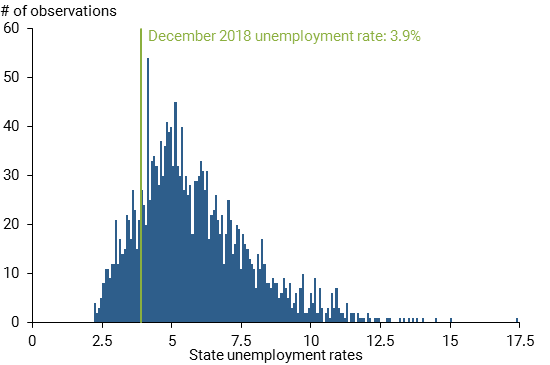
    The unemployment rate ended 2018 at just under 4%, substantially lower than most estimates of the natural rate. Could such an ostensibly tight labor market lead to a sharp pickup in wage growth from its recent moderate pace, such that the relationship between wage growth and unemployment is not always linear? Investigations using state-level data show no economically significant nonlinearity between wage growth and unemployment that would predict an abrupt jump in wage growth.

    Federal Reserve Bank of San Francisco
  8. 8
    pursuit.unimelb.edu.au

    pursuit.unimelb.edu.au

    Pursuit Unimelb Edu

  9. 9
    economicshelp.org

    economicshelp.org

    Definition of Phillips Curve (trade off between inflation and unemployment). Graphs to show how and why it can occur. real life data. Also different views on Phillips Curve Keynesian vs Monetarist. - short-term and long-term.

    Economics Help

评分方法

1-3: 不实

事实错误或恶意捏造。

4-6: 部分属实

有一定真实性,但缺乏背景或有所偏颇。

7-9: 基本属实

仅有微小的技术性或措辞问题。

10: 准确

完全经过验证且客观公正。

方法论: 评分通过交叉参照政府官方记录、独立事实核查机构和原始文件确定。