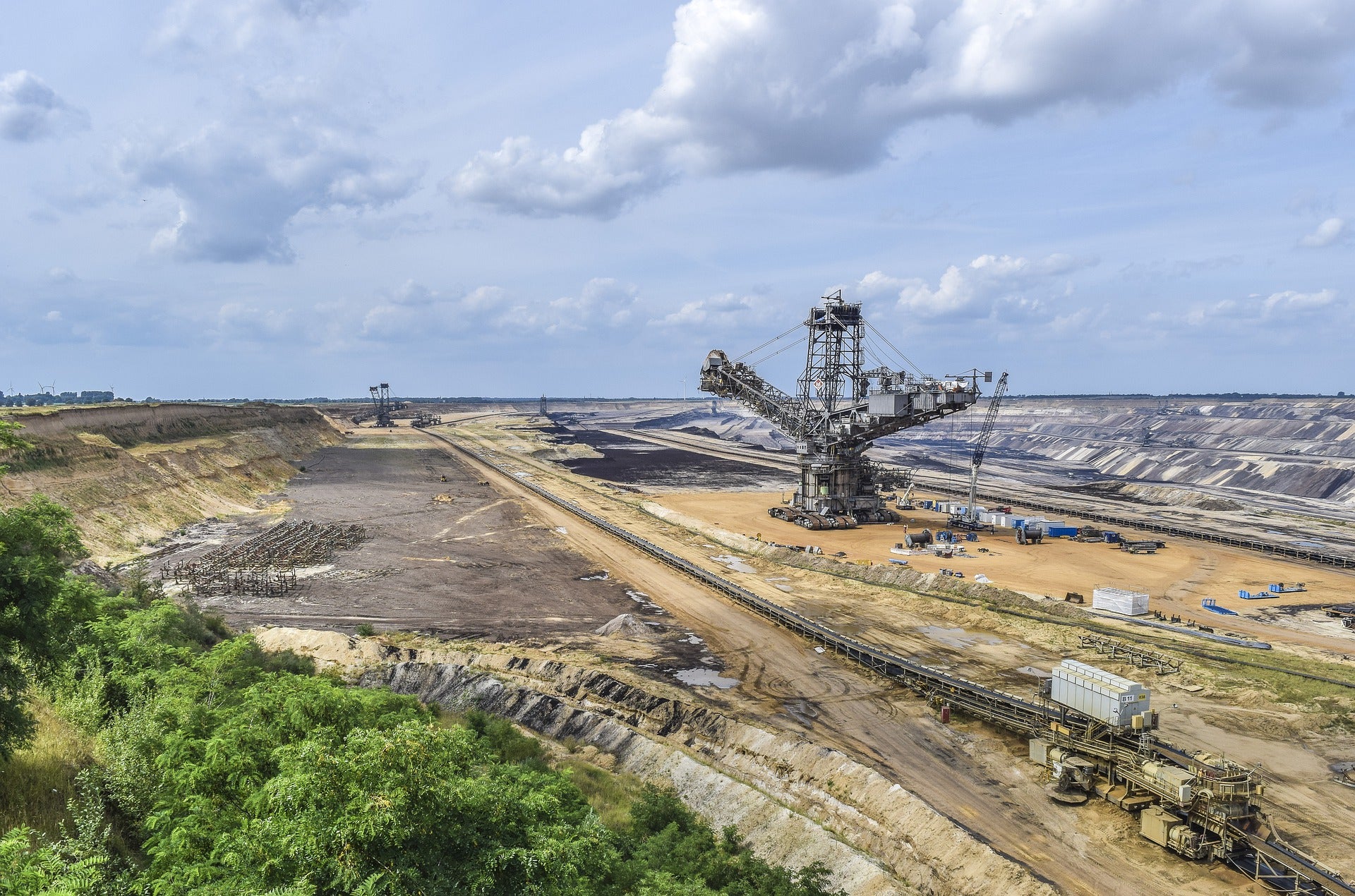
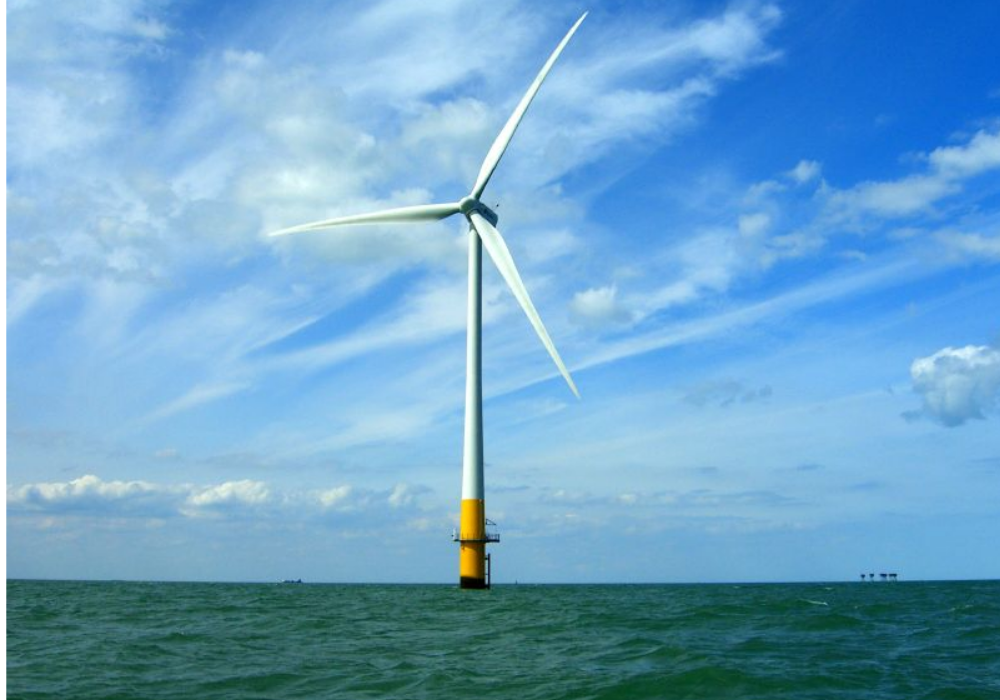
The claim references three coal mines approved by Environment Minister Sussan Ley in 2021: Vickery Extension (Whitehaven Coal), Mangoola (Glencore), and Russell Vale Colliery expansion (Wollongong Coal) [1].
The Vickery Extension Project, while approved on September 15, 2021, underwent a lengthy five-year assessment process that commenced when the project was first referred in 2016 [5].
This represents a standard, not accelerated, timeline for major coal projects under the Environment Protection and Biodiversity Conservation (EPBC) Act.
Regarding renewable energy rejections, Ley did reject the Asian Renewable Energy Hub (AREH) on June 15, 2021, designating it "clearly unacceptable" [6].
However, this rejection occurred after the project had received initial environmental approval in December 2020 and the proponents significantly expanded the proposal from 15GW to 26GW, fundamentally changing the environmental impact assessment [8].
The claim omits critical context about what "speed" actually means in these processes:
**Coal mine timeline context:** The Vickery mine took five years from initial referral (2016) to final federal approval (2021) [5].
This is not "record speed" but rather represents the typical extended timeframe for major coal projects.
这 zhè 不是 bú shì " " 创纪录 chuàng jì lù 速度 sù dù " " , , 而是 ér shì 代表 dài biǎo 大型 dà xíng 煤炭 méi tàn 项目 xiàng mù 的 de 典型 diǎn xíng 延长 yán cháng 时限 shí xiàn 。 。
The approval itself did not happen quickly—the entire process spanned the better part of a decade [5].
**Renewable energy rejection timing:** AREH received initial federal approval in December 2020, but was rejected in June 2021 only after the proponents substantially expanded the project scope, increasing environmental impacts on Eighty Mile Beach, a Ramsar-listed wetland site, and affecting migratory bird species and flatback turtle habitats [1][6].
The rapid rejection was of the expanded 26GW proposal, not the original 15GW project that had been approved [1][8].
**The "clearly unacceptable" designation:** Since 2000, only 11 of 6,600 projects have received this designation from federal environment ministers [1].
Since the Coalition took office in 2013, only three projects received this determination, and significantly, two of those three were renewable energy projects [1].
快速 kuài sù 拒绝 jù jué 的 de 是 shì 扩展 kuò zhǎn 后 hòu 的 de 26 26 吉瓦 jí wǎ 提案 tí àn , , 而 ér 非 fēi 已 yǐ 获 huò 批准 pī zhǔn 的 de 原始 yuán shǐ 15 15 吉瓦 jí wǎ 项目 xiàng mù [ [ 1 1 ] ] [ [ 8 8 ] ] 。 。
This suggests the "clearly unacceptable" bar is exceptionally high for any project type.
**Environmental grounds for rejection:** Ley's decision to reject AREH was based on documented environmental concerns: the project's infrastructure (pipelines, jetty) could damage habitat for migratory bird species and the flatback turtle (_natator depressus_) at Eighty Mile Beach, a location of international significance for these species [1][6].
发表 fā biǎo 原始 yuán shǐ 文章 wén zhāng 的 de Michael Michael West West Media Media 被 bèi Media Media Bias Bias / / Fact Fact Check Check 认定 rèn dìng 为 wèi 具有 jù yǒu * * * * 明显 míng xiǎn 的 de 左翼 zuǒ yì 偏见 piān jiàn * * * * [ [ 9 9 ] ] 。 。
Michael West Media, which published the original article, is identified as having a **clear left-leaning bias** according to Media Bias/Fact Check [9].
The organization "presents itself as non-partisan but strongly frames stories against corporate and government elites, resulting in a clear left-leaning bias.
This political orientation is important because it indicates the article is likely to frame issues in ways that emphasize criticism of the Coalition government while potentially downplaying contextual factors.
The article's choice to highlight the "contrast" between coal approvals and renewable rejection, without adequately explaining that the coal approval took five years and the renewable rejection was based on environmental concerns, reflects this framing tendency [1].
文章 wén zhāng 确实 què shí 引用 yǐn yòng 了 le 部分 bù fèn 说法 shuō fǎ 的 de 事实 shì shí 依据 yī jù ( ( 三座 sān zuò 煤矿 méi kuàng 确实 què shí 获批 huò pī , , AREH AREH 确实 què shí 被 bèi 拒 jù ) ) , , 但 dàn 框架 kuāng jià — — — — 特别 tè bié 是 shì 暗示 àn shì 批准 pī zhǔn 以 yǐ 异常 yì cháng 速度 sù dù 进行 jìn xíng 的 de 隐含 yǐn hán 说法 shuō fǎ — — — — 缺乏 quē fá 支持 zhī chí 证据 zhèng jù , , 可能 kě néng 歪曲 wāi qū 了 le 涉及 shè jí 的 de 时间 shí jiān 线 xiàn 。 。
The article does cite factual basis for some claims (the three coal mines were indeed approved, AREH was indeed rejected), but the framing—particularly the implicit suggestion that approvals happened with unusual speed—lacks supporting evidence and may misrepresent the timelines involved.
**Did Labor do something similar?**
The Labor government (2007-2013) under Kevin Rudd and Julia Gillard also approved major coal projects with lengthy assessment processes.
* * * *
The Gorgon gas project, a major fossil fuel development in Western Australia, received initial federal approval in 2007 under the Labor government, with a revised and expanded proposal approved in 2009 [10].
工党 gōng dǎng 政府 zhèng fǔ ( ( 2007 2007 - - 2013 2013 年 nián ) ) 在 zài Kevin Kevin Rudd Rudd 和 hé Julia Julia Gillard Gillard 领导 lǐng dǎo 下 xià 也 yě 批准 pī zhǔn 了 le 经过 jīng guò 长期 cháng qī 评估 píng gū 程序 chéng xù 的 de 主要 zhǔ yào 煤炭 méi tàn 项目 xiàng mù 。 。
Like the coal mines approved under the Coalition, this represented standard, not expedited, assessment timelines.
More directly, Labor governments approved coal mining developments throughout their period in office.
与 yǔ Coalition Coalition 下 xià 获批 huò pī 的 de 煤矿 méi kuàng 一样 yī yàng , , 这 zhè 代表 dài biǎo 标准 biāo zhǔn 而 ér 非 fēi 加速 jiā sù 的 de 评估 píng gū 时间 shí jiān 线 xiàn 。 。
The distinction between the Coalition and Labor on coal and renewable energy approvals appears to be one of political priority and policy emphasis (the Coalition favored coal/gas; Labor more supportive of renewables) rather than speed of approvals or unusual favoritism in assessment processes.
**Speed of renewable energy project approvals:** Current data shows that renewable energy project approvals have become significantly slower in recent years.
According to Clean Energy Investor Group analysis, renewable energy projects referred in 2021 took an average of 831 days (2.2 years) to secure approval, substantially longer than those referred in 2019 (which averaged 505 days or 1.3 years) [11].
This suggests systemic delays in renewable approvals, but the trend accelerated after 2021, extending into the Labor government's period of office from 2022 onward [11].
The key finding is that delays in renewable energy approvals appear to be a systemic issue within the EPBC Act assessment process rather than evidence of deliberate acceleration of coal approvals or deceleration of renewable approvals under the Coalition specifically [11].
While critics argue that Ley's decisions on coal versus renewables demonstrate inconsistent environmental standards [1], the government's rationale was that coal approvals went through established legal processes and were assessed on their specific environmental merits, while the AREH rejection was based on documented impacts to protected species and internationally significant wetlands [6].
关于 guān yú 煤矿 méi kuàng 以 yǐ " " 创纪录 chuàng jì lù 速度 sù dù " " 获批 huò pī 的 de 说法 shuō fǎ 缺乏 quē fá 证据 zhèng jù 支持 zhī chí 。 。
The claim that coal mines were approved "with record speed" is not well-supported by evidence.
Vickery Vickery 煤矿 méi kuàng 经历 jīng lì 了 le 五年 wǔ nián 的 de 评估 píng gū , , 代表 dài biǎo 大型项目 dà xíng xiàng mù 的 de 标准 biāo zhǔn 处理 chǔ lǐ 时间 shí jiān , , 而 ér 非 fēi 加速 jiā sù 批准 pī zhǔn [ [ 5 5 ] ] 。 。
The Vickery mine underwent a five-year assessment, which represents standard processing time for major projects, not accelerated approval [5].
The other two coal mines mentioned (Mangoola and Russell Vale) also underwent standard multi-year assessment processes, though specific timelines for those projects are less documented in available sources.
然而 rán ér , , 关于 guān yú 差异 chā yì 对待 duì dài 的 de 更 gèng 广泛 guǎng fàn 担忧 dān yōu 是 shì 有 yǒu 实质 shí zhì 内容 nèi róng 的 de 。 。
However, there is substance to the broader concern about differential treatment.
The Clean Energy Council noted at the time that AREH's rejection "prior to the completion of detailed environmental studies" appeared inconsistent with usual processes that allow proponents to address identified issues [1].
This suggests that while the coal approvals were not unusually fast, the renewable rejection may have been unusually swift and absolute—preventing the kind of negotiation and modification that typically occurs with other project types [1].
**Key context:** This represents a genuine asymmetry in how projects were treated, but the framing as "record speed" for coal approvals appears incorrect.
A more accurate characterization would be: "Coal mines underwent standard multi-year assessments and were approved; renewable energy projects faced extended delays and at least one major project (AREH) was rejected outright without opportunity for modification"—a different but still important distinction.
该 gāi 说法 shuō fǎ 包含 bāo hán 正确 zhèng què 的 de 事实 shì shí 要素 yào sù ( ( 三座 sān zuò 煤矿 méi kuàng 获批 huò pī ; ; 一个 yí gè 主要 zhǔ yào 可 kě 再生能源 zài shēng néng yuán 项目 xiàng mù 被 bèi 拒 jù ) ) , , 但 dàn 将 jiāng 煤炭 méi tàn 批准 pī zhǔn 的 de 速度 sù dù 误述 wù shù 为 wèi " " 创纪录 chuàng jì lù " " , , 而 ér 实际上 shí jì shàng 它们 tā men 经过 jīng guò 了 le 标准 biāo zhǔn 的 de 五年 wǔ nián 以上 yǐ shàng 评估 píng gū 时间 shí jiān 线 xiàn 。 。
The claim contains factual elements that are correct (three coal mines were approved; a major renewable project was rejected) but mischaracterizes the speed of coal approvals as "record" when they actually underwent standard five-year-plus assessment timelines.
While there does appear to be differential treatment in how coal versus renewable projects were handled (with renewables facing more difficulty), the specific claim about "record speed" for coal approvals is not supported by evidence.
The rejection of AREH may have occurred relatively quickly for the expanded proposal (six months from receipt of expanded proposal to rejection), but this followed initial approval of the original project and was based on documented environmental concerns, not arbitrary political preference [1][6][8].
最终评分
6.0
/ 10
部分属实
该 gāi 说法 shuō fǎ 包含 bāo hán 正确 zhèng què 的 de 事实 shì shí 要素 yào sù ( ( 三座 sān zuò 煤矿 méi kuàng 获批 huò pī ; ; 一个 yí gè 主要 zhǔ yào 可 kě 再生能源 zài shēng néng yuán 项目 xiàng mù 被 bèi 拒 jù ) ) , , 但 dàn 将 jiāng 煤炭 méi tàn 批准 pī zhǔn 的 de 速度 sù dù 误述 wù shù 为 wèi " " 创纪录 chuàng jì lù " " , , 而 ér 实际上 shí jì shàng 它们 tā men 经过 jīng guò 了 le 标准 biāo zhǔn 的 de 五年 wǔ nián 以上 yǐ shàng 评估 píng gū 时间 shí jiān 线 xiàn 。 。
The claim contains factual elements that are correct (three coal mines were approved; a major renewable project was rejected) but mischaracterizes the speed of coal approvals as "record" when they actually underwent standard five-year-plus assessment timelines.
While there does appear to be differential treatment in how coal versus renewable projects were handled (with renewables facing more difficulty), the specific claim about "record speed" for coal approvals is not supported by evidence.
The rejection of AREH may have occurred relatively quickly for the expanded proposal (six months from receipt of expanded proposal to rejection), but this followed initial approval of the original project and was based on documented environmental concerns, not arbitrary political preference [1][6][8].