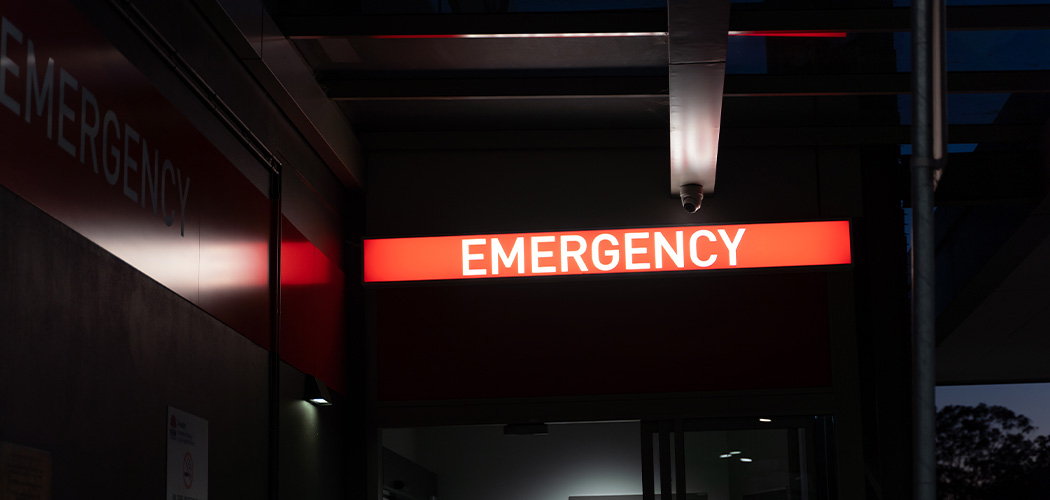
According to the Australian Government Department of Health, the Commonwealth is delivering an additional $1.7 billion in hospital funding to state and territory governments in 2025-26, bringing the total Commonwealth contribution to $33.91 billion [1].
The difference appears to stem from how funding is categorized - the $1.7 billion is specifically the one-off agreement with states and territories under the National Health Reform Agreement, while the $1.8 billion figure includes broader health service funding [2][3].
**The "one-off" nature of the funding is critical context that's downplayed:**
The government's own media release explicitly states this is a "one-year extension to the NHRA" [1], meaning this 12% increase is not a structural, ongoing commitment but a temporary agreement.
This distinction fundamentally changes how significant the achievement is - it's a single-year boost, not a new baseline for future funding.
**The announcement doesn't clarify what happens after 2025-26.** The National Health Reform Agreement typically involves longer-term settlements, and this one-year extension leaves significant uncertainty about funding levels from 2026-27 onwards.
这一 zhè yī 区别 qū bié 从根本上 cóng gēn běn shàng 改变 gǎi biàn 了 le 该 gāi 成就 chéng jiù 的 de 实质 shí zhì 意义 yì yì — — — — 这是 zhè shì 一次性 yí cì xìng 的 de 年度 nián dù 增长 zēng zhǎng , , 而 ér 非 fēi 未来 wèi lái 资金 zī jīn 的 de 新 xīn 基准 jī zhǔn 。 。
States and territories are already preparing for potential future cuts.
**Comparative context is absent:**
- This 12% increase, while substantial, needs to be viewed against the fact that hospital costs and demand have grown significantly due to aging population, chronic disease prevalence, and delayed treatment backlogs from COVID-19 periods [4][5].
- The claim doesn't acknowledge that despite this increase, Australian hospital systems remain under significant strain with continued reports of emergency department ramping, long surgical wait lists, and staffing shortages [5].
- No comparison is provided to what would be required to adequately fund the health system's full needs versus what this represents as a proportion of those needs.
**The announcement obscures ongoing structural issues:**
The funding increase announcement came with significant fanfare but doesn't address fundamental structural problems in the hospital system:
- States still bear considerable responsibility for funding and management while the Commonwealth provides funds but limited governance
- The agreement contains no new structural reforms to improve hospital efficiency or patient outcomes [1]
- Emergency department waiting times and ambulance ramping remain major issues despite successive funding increases [5]
**What the numbers actually show:**
A 12% one-year funding increase to Australia's public hospital system is genuinely significant in fiscal terms - $1.7 billion is substantial money.
A 12% nominal increase may represent only modest real growth in actual service capacity once you account for wage growth in healthcare (typically 2-3% above CPI), pharmaceutical cost increases, and medical technology costs [4].
2. **Backlog clearing vs new capacity**: Much of any hospital funding increase goes toward clearing the backlog of delayed elective surgeries and addressing ramping - maintaining existing services rather than expanding them.
The claim frames this as a positive achievement without clarifying how much actually goes to new capacity versus catching up on delayed treatments.
3. **One-year agreements as political theater**: The government chose to announce this as a one-year deal rather than a multi-year agreement, which allows for:
- Positive headlines about the funding increase
- Flexibility to reduce funding after the election (if re-elected) without technically "breaking" a longer commitment
- The next government (if different) facing pressure to continue funding at this level
4. **Compared to problems, still insufficient**:
The government announced this funding in February 2025, yet:
- Australia's hospital system had been in crisis for years prior with emergency departments overwhelmed, ramping endemic, and surgical wait lists at record levels [5]
- Despite this increase, immediate media coverage noted it would only "help" with these problems, not solve them [6]
- Health professionals and administrators indicated more structural reform and funding were still needed [4]
5. **Political context**:
The announcement emphasized this as Labor protecting Medicare versus the Coalition, specifically citing Peter Dutton's previous cuts as Health Minister [1].
While the cuts are accurate (Coalition did cut hospital funding), using this as the primary comparison point obscures the actual adequacy question: Is $33.91 billion sufficient for Australia's public hospital needs?
Emergency departments, wait lists, and ambulance ramping remain problematic despite the funding boost
The claim is technically true but strategically framed to create a more positive impression than the underlying reality warrants.
该 gāi 说法 shuō fǎ 在技术上 zài jì shù shàng 是 shì 真实 zhēn shí 的 de , , 但 dàn 策略性 cè lüè xìng 地 dì 进行 jìn xíng 了 le 框架 kuāng jià 设计 shè jì , , 以 yǐ 创造 chuàng zào 比 bǐ 实际 shí jì 情况 qíng kuàng 更 gèng 积极 jī jí 的 de 印象 yìn xiàng 。 。
最终评分
6.5
/ 10
部分属实
17 17 亿澳元 yì ào yuán 的 de 增长 zēng zhǎng 和 hé 2025 2025 - - 26 26 年度 nián dù 339.1 339.1 亿澳元 yì ào yuán 的 de 联邦 lián bāng 资金 zī jīn 总额 zǒng é 在 zài 事实上 shì shí shàng 准确 zhǔn què 。 。
The $1.7 billion increase and resulting $33.91 billion total in Commonwealth funding for 2025-26 is factually accurate.
12% 12% 的 de 增长 zēng zhǎng 计算 jì suàn 正确 zhèng què 。 。
Emergency departments, wait lists, and ambulance ramping remain problematic despite the funding boost
The claim is technically true but strategically framed to create a more positive impression than the underlying reality warrants.
该 gāi 说法 shuō fǎ 在技术上 zài jì shù shàng 是 shì 真实 zhēn shí 的 de , , 但 dàn 策略性 cè lüè xìng 地 dì 进行 jìn xíng 了 le 框架 kuāng jià 设计 shè jì , , 以 yǐ 创造 chuàng zào 比 bǐ 实际 shí jì 情况 qíng kuàng 更 gèng 积极 jī jí 的 de 印象 yìn xiàng 。 。