Totoo

Rating: 7.0/10

Coalition
C0120

Ang Claim

“Nag-alok ng $50 milyon sa mga dayuhang kumpanya ng gas para kumuha ng gas mula sa Northern Territory.”
Orihinal na Pinagmulan: Matthew Davis
Sinuri: 29 Jan 2026

Orihinal na Pinagmulan

FACTUAL NA BERIPIKASYON

Ang pangunahing claim ay **TOTOO**.
The core claim is **TRUE**.
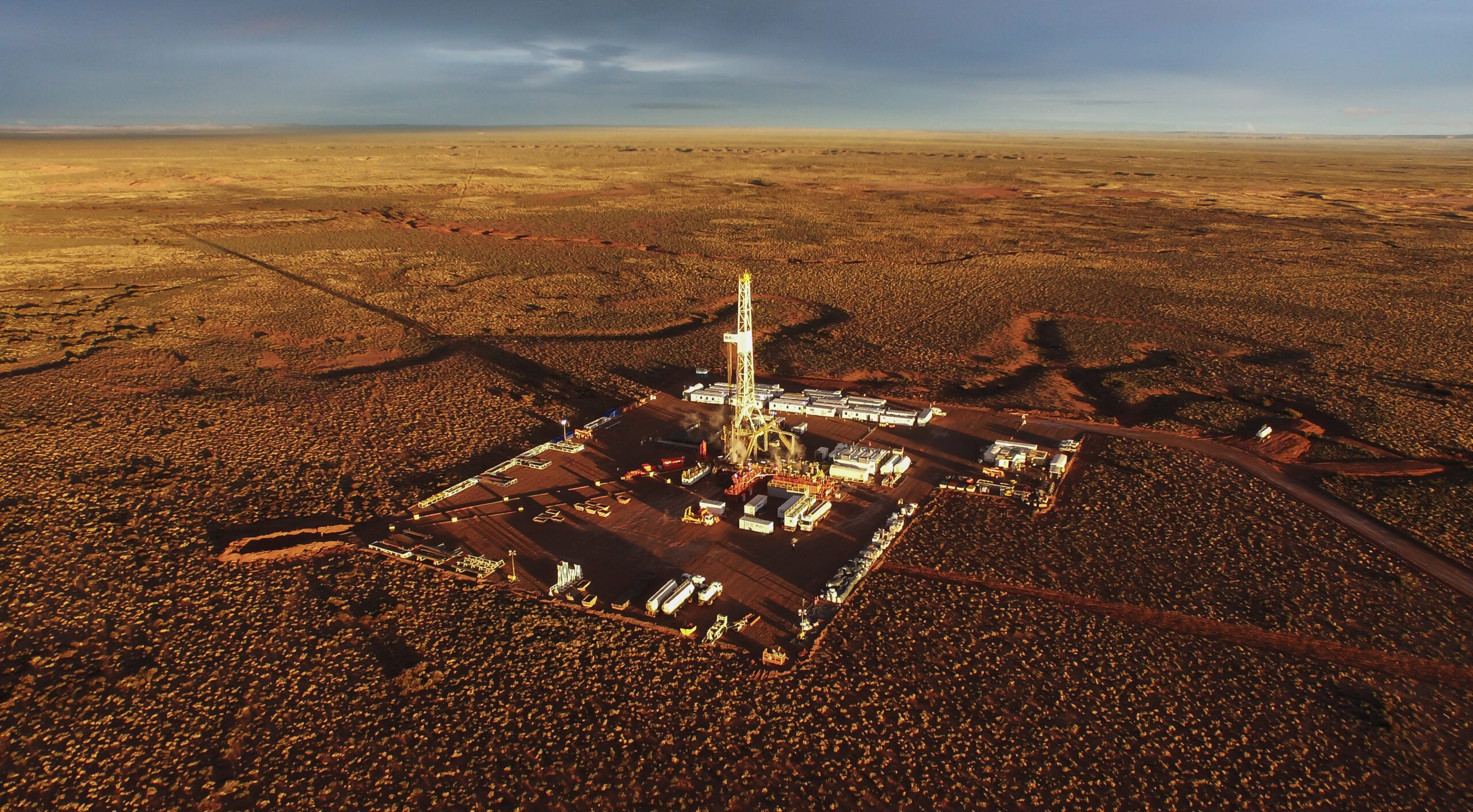
Nag-alok nga ang Coalition government ng $50 milyon sa mga kumpanya ng gas para sa pagtuklas sa Beetaloo Basin ng Northern Territory.
The Coalition government did indeed offer $50 million to gas companies for exploration in the Northern Territory's Beetaloo Basin.
Gayunpaman, ang pagkakahabi na "dayuhang kumpanya ng gas" ay nangangailangan ng pagpapaliwanag.
However, the phrasing "offered foreign gas companies" requires nuance.
Noong Disyembre 2020, inihayag ni Resources Minister Keith Pitt ang Beetaloo Cooperative Drilling Program, na naglaan ng hanggang $50 milyon sa mga grant para pabilisin ang pagtuklas at pagpapaunlad ng gas sa Beetaloo Basin ng NT [1].
In December 2020, Resources Minister Keith Pitt announced the Beetaloo Cooperative Drilling Program, which made available up to $50 million in grants to accelerate gas exploration and development in the NT's Beetaloo Basin [1].
Ang mga grant ay inayos nang ganito: ang mga aplikante ay maaaring tumanggap ng hanggang $750,000 at $7.5 milyon sa bawat gas well, na may kabuuang pondong $50 milyon [2].
The grants were structured as follows: applicants could receive between $750,000 and $7.5 million per gas well, with the total funding capped at $50 million [2].
Ang mga grant ay dinisenyo para sagutin hanggang 25% ng mga gastos sa pagtuklas ng kumpanya at available lang para sa gawaing isinagawa bago Hunyo 2022 [3].
The grants were designed to cover up to 25% of a company's exploration costs and were only available for work conducted before June 2022 [3].
Kabilang sa mga tumanggap na kumpanya ang mga dayuhan at Australian-owned na negosyo.
The recipient companies included both foreign and Australian-owned enterprises.
Bagama't ang ilang kumpanya na kasali ay Australian (Empire Energy, Australian-listed), ang iba ay may malaking pagmamay-aring dayuhan kabilang ang Canadian company na Falcon Oil & Gas (kung saan ang Russian oligarch na si Viktor Vekselberg ay isang malaking shareholder sa pamamagitan ng investment holdings) at ang Japanese company na INPEX [1].
While some companies involved were Australian (Empire Energy, Australian-listed), others had significant foreign ownership including Canadian company Falcon Oil & Gas (with Russian oligarch Viktor Vekselberg as a major shareholder through investment holdings) and Japanese company INPEX [1].
Tandaan sa artikulo ng The Guardian na ang ilang kumpanya ay may hindi malinaw na pagmamay-ari, na may mga entidad na nakarehistro sa Delaware (isang tax haven sa US) [1].
The Guardian article notes that some companies had unclear ownership structures, with entities registered in Delaware (a US tax haven) [1].
Ang sinabing rason ng gobyerno para sa mga grant ay suportahan ang kanilang estratehiya ng "gas-led recovery", na itinuturing ang gas bilang transition fuel at job creator, kung saan sinabi ni Pitt na ang Beetaloo basin ay may potensyal na magbigay ng "6,000 trabaho sa loob ng 20 taon" at inilarawan bilang "ang pinakamainit na play sa planeta" [1].
The government's stated rationale for the grants was to support its "gas-led recovery" strategy, positioning gas as a transition fuel and job creator, with Pitt claiming the Beetaloo basin held potential for "6,000 jobs over 20 years" and had been described as "the hottest play on the planet" [1].

Nawawalang Konteksto

Naglalaho ang claim ng ilang mahahalagang kontekstwal na salik: **1.
The claim omits several important contextual factors: **1.
Rason ng Estratehiya ng Gobyerno:** Bahagi ng mas malawak na polisiya ng "gas-led recovery" na binuo sa panahon ng pandemya ng COVID-19.
Government's Strategic Rationale:** The grants were part of a broader "gas-led recovery" policy developed during the COVID-19 pandemic.
Nakita ng gobyerno ang gas bilang naglalarong papel na transition sa supply ng enerhiya at pagbangon ng ekonomiya [1][3]. **2.
The government saw gas as playing a transitional role in energy supply and economic recovery [1][3]. **2.
Sukat ng mga Grant:** Bagama't $50 milyon ang tunog na malaki, ang mga grant ay sumasakop lamang sa bahagi ng mga gastos sa pagtuklas (hanggang 25% sa bawat well, may cap na $7.5m bawat isa), nangangahulugang kailangan pa rin ng mga kumpanya na mamuhunan ng mas malaking kapital mula sa kanilang sariling pondo [2].
Scale of Grants:** While $50 million sounds substantial, the grants covered only a portion of exploration costs (up to 25% per well, capped at $7.5m each), meaning companies still needed to invest significantly more of their own capital [2].
Maraming gas assets sa Australia sa panahong iyon ang may bilyong-bilyong halaga, kaya't ang kontribusyon ng gobyerno ay relatibong maliit [4]. **3.
Many gas assets in Australia at the time had billions in valuation, so the government contribution was relatively modest [4]. **3.
Realidad ng Kalakalan:** Tandaan ng gas analyst na si Bruce Robertson mula sa IEEFA na may hindi bababa sa $11 bilyong gas assets para ibenta sa Australia na ang mga kumpanya tulad ng ExxonMobil at Origin Energy ay nahihirapang humanap ng mamimili, na nagpapahiwatig na ang merkado ay may pagdududa na sa gas viability [1]. **4.
Commercial Reality:** Gas analyst Bruce Robertson from IEEFA noted there was at least $11 billion in gas assets for sale in Australia with companies like ExxonMobil and Origin Energy struggling to find buyers, suggesting the market was already skeptical of gas viability [1]. **4.
Konteksto ng Ekonomiya ng Northern Territory:** Sinuportahan ng NT government ang inisyatiba bilang paraan upang i-diversify ang ekonomiya mula sa mining at pagpapaunlad ng bagong export revenue.
Northern Territory Economic Context:** The NT government supported the initiative as a means to diversify the economy from mining and develop new export revenue.
Ang mga local na Indigenous community at NT employment ay iniharap bilang mga benepisyaryo [2]. **5.
Local Indigenous communities and NT employment were presented as beneficiaries [2]. **5.
Timeline at Kondisyon:** Ang mga grant ay kondisyonal sa pagkumpleto ng trabaho sa mga tukoy na deadline (unang Hunyo 2022 para sa paunang programa) [3], at ang mga grant ay humarap sa mga hamon sa korte, kung saan ang ilang mga iterasyon ay naideklarang invalid [5].
Timeline and Conditions:** The grants were conditional on work being completed by specific deadlines (initially June 2022 for the initial program) [3], and grants were subsequently challenged in court, with some iterations declared invalid [5].

Pagsusuri ng Kredibilidad ng Pinagmulan

**The Guardian** ay isang mainstream na international news organization na may malakas na mga pamantayan sa editorial at kasanayan sa fact-checking.
**The Guardian** is a mainstream international news organization with strong editorial standards and fact-checking practices.
Bagama't may center-left na editorial stance ang The Guardian, ang kanilang pag-uulat sa environmental at climate issues ay karaniwang may magandang pinagkunan na may direktang mga quote mula sa mga ministro ng gobyerno at independent analysts [1].
While The Guardian has a center-left editorial stance, its reporting on environmental and climate issues is generally well-sourced with direct quotes from government ministers and independent analysts [1].
Ang inihain na analisis ay may mga quote mula sa maraming independent sources: Rod Campbell (Australia Institute), Bruce Robertson (IEEFA), Lucy Manne (350 Australia), at Clancy Moore (Publish What You Pay coalition) [1].
The analysis presented includes quotes from multiple independent sources: Rod Campbell (Australia Institute), Bruce Robertson (IEEFA), Lucy Manne (350 Australia), and Clancy Moore (Publish What You Pay coalition) [1].
Tinukoy din nito ang mga opisyal na anunsyo ng gobyerno at mga media release mula kay Minister Pitt [1].
It also cites official government announcements and media releases from Minister Pitt [1].
Gayunpaman, gumagamit ang artikulo ng loaded language ("climate catastrophe," "shameful waste") na sumasalamin sa paghahabi ng mga environmental groups na naquote, sa halip na lubos na neutral na pag-uulat [1].
However, the article uses loaded language ("climate catastrophe," "shameful waste") which reflects the framing of environmental groups quoted, rather than entirely neutral reporting [1].
Ito ay angkop para sa quoted-opinion distinction, bagama't dapat kilalanin ng mga mambabasa na ang mga environmental critic ay nag-aadvocate laban sa fossil fuel expansion.
This is appropriate for a quoted-opinion distinction, though readers should recognize the environmental critics are advocating against fossil fuel expansion.
⚖️

Paghahambing sa Labor

**Gumawa ba ng katulad na bagay ang Labor?** Isinagawang paghahanap: "Labor government gas industry subsidies support policy Australia" **Resulta:** Signifikanteng nagbago ang approach ng Labor sa gas.
**Did Labor do something similar?** Search conducted: "Labor government gas industry subsidies support policy Australia" **Finding:** Labor's approach to gas has evolved significantly.
Sa panahon ng Rudd/Gillard era (2007-2013), sinuportahan ng Labor government ang gas bilang "clean coal alternative" at inaprubahan ang mga malaking gas project, bagama't walang katulad na direktang grant para sa pagtuklas [6].
During the Rudd/Gillard era (2007-2013), the Labor government supported gas as a "clean coal alternative" and approved major gas projects, though without comparable direct grants for exploration [6].
Gayunpaman, HINDI tinanggap ng Albanese Labor government (nahalal 2022) ang katumbas na gas exploration grant programs.
However, the Albanese Labor government (elected 2022) has NOT adopted equivalent gas exploration grant programs.
Sa halip, sumunod ang Labor sa ibang estratehiya: pagpapatupad ng gas reservation scheme na nangangailangan sa mga exporter na mag-reserve ng supply para sa domestic use, pagsuporta sa renewable energy investment, at pagpapanatili ng mga price controls sa gas exports [7][8].
Instead, Labor has pursued different strategies: implementing a gas reservation scheme requiring exporters to reserve supplies for domestic use, supporting renewable energy investment, and maintaining price controls on gas exports [7][8].
Tandaan na ang mga environmental group ay **kinritisize** ang Albanese Labor government para sa hindi pagiging agresibo sa pag-phase out ng gas support, kung saan nagbabala ang Greenpeace laban sa Labor na huwag subsdiyahan ang gas para sa industrial users noong Disyembre 2025 [9].
Notably, environmental groups have **criticized** the Albanese Labor government for not being aggressive enough in phasing out gas support, with Greenpeace warning Labor against subsidizing gas for industrial users in December 2025 [9].
Nagpapahiwatig ito na lumayo ang Labor sa approach ng Coalition ngunit hindi pa rin inaalis ang lahat ng suporta sa gas.
This suggests Labor has moved away from the Coalition's approach but hasn't eliminated all gas-related support.
Ang pangunahing pagkakaiba: Gumamit ang Coalition ng direktang grant para pabilisin ang pagtuklas ng mga bagong basin, samantalang ang Labor ay gumagamit ng market controls at renewable investment sa halip ng exploration subsidies.
The key difference: The Coalition used direct grants to accelerate exploration of new basins, while Labor uses market controls and renewable investment rather than exploration subsidies.
🌐

Balanseng Pananaw

**Posisyon ng Gobyerno:** Nangatwiran ang Coalition na ang mga grant ay kinakailangan upang i-unlock ang mga oportunidad sa ekonomiya.
**The Government's Position:** The Coalition argued the grants were necessary to unlock economic opportunities.
Sinabi ni Minister Pitt na ang Beetaloo basin ay may potensyal na "transform ang NT economy" na may 6,000 trabaho sa loob ng 20 taon [1].
Minister Pitt stated the Beetaloo basin held potential to "transform the NT economy" with 6,000 jobs over 20 years [1].
Nakita ng gobyerno ang gas bilang nagbibigay ng maaasahang baseload power sa panahon ng transition sa enerhiya at revenue-generating na export commodity [3].
The government viewed gas as providing reliable baseload power during the energy transition and a revenue-generating export commodity [3].
Nanindigan ang mga opisyal ng gobyerno na ang heograpikong posisyon ng Australia ang nagpapakita na ito ay viable bilang gas exporter na nakikipagkumpitensya sa Asian markets [1]. **Independiyenteng Kritika:** Nagtaas ang mga kritiko ng ilang substantibo mga objection: 1. **Economic efficiency:** Nangatwiran si IEEFA analyst Bruce Robertson na ang mga grant ay magdadala ng "zero return" para sa mga taxpayer, na tandaan na ang gas industry mismo ay hindi nag-i-invest, na nagtatanong kung bakit dapat subsidiyan ng gobyerno [1]. 2. **Realidad sa Employment:** Itinuro ni Rod Campbell ng Australia Institute na ang gas industry employment ay mahinang halaga ang industriya ay kumokonti sa isang tao kada $1 milyong ginastos, kumpara sa health/education na may higit sa 10 kada $1m [1]. 3. **Epekto sa Klima:** Maraming climate analysis ang nagmungkahing ang potensyal na emissions mula sa limang NT gas basin na gusto ipapaunlad ng gobyerno ay maaaring "i-cancel ang climate policies ng gobyerno ng limang beses" [1].
Government officials contended that Australia's geographic position made it viable as a gas exporter competing in Asian markets [1]. **Independent Critique:** Critics raised several substantive objections: 1. **Economic efficiency:** IEEFA analyst Bruce Robertson argued the grants would deliver "zero return" for taxpayers, noting that the gas industry wasn't investing itself, questioning why government should subsidize [1]. 2. **Employment reality:** The Australia Institute's Rod Campbell pointed out that gas industry employment was poor value—the industry employed fewer than one person per $1 million spent, compared to health/education which employed over 10 per $1m [1]. 3. **Climate impact:** Multiple climate analyses suggested the potential emissions from five NT gas basins the government wanted to develop could "cancel out the government's climate policies five times over" [1].
Ang gas ay may mas mababang emissions kaysa sa coal, ngunit ang methane leakage sa panahon ng extraction at transport ay signipikante [1]. 4. **Mga Alalahanin sa Transparency:** Nagtaas ng lehitimong mga alalahanin ang Publish What You Pay coalition tungkol sa mga pampublikong pondo na dumarating sa mga kumpanya na gumagamit ng tax havens (Delaware-registered entities) at mga kumpanyang may kaugnayan sa sanctioned Russian oligarchs [1]. **Pagtatasa ng Eksperto:** Tandaan ng mga international energy analyst na noong 2020, ang mga global energy market ay papunta na sa renewables, kung saan maraming financial institution ang nagbabawas ng gas investment.
Gas does have lower emissions than coal, but methane leakage during extraction and transport is significant [1]. 4. **Transparency concerns:** The Publish What You Pay coalition raised legitimate concerns about public funds flowing to companies using tax havens (Delaware-registered entities) and companies linked to sanctioned Russian oligarchs [1]. **Expert Assessment:** International energy analysts have noted that by 2020, global energy markets were shifting toward renewables, with many financial institutions reducing gas investment.
Ang timing ng mga malaking gas exploration subsidies ay tila misaligned sa mga trend na ito [1]. **Komparatibong Analisis:** Kapag ikumpara sa approach ng Labor, ang mga gas exploration grants ng Coalition ay kumakatawan sa mas direktang form ng fossil fuel support.
The timing of major gas exploration subsidies appeared misaligned with these trends [1]. **Comparative Analysis:** When compared to Labor's approach, the Coalition's gas exploration grants represent a more direct form of fossil fuel support.
Ang Labor ay napili ng market-based tools (gas reservation) at renewable investment sa halip.
Labor has chosen market-based tools (gas reservation) and renewable investment instead.
Wala sa dalawang partido ang nagmungkahi ng malawakang pag-phase out ng gas infrastructure, na sumasalamin sa patuloy na pag-asa ng Australia sa gas para sa parehong exports at domestic power generation.
Neither party has proposed large-scale phase-outs of gas infrastructure, reflecting Australia's ongoing reliance on gas for both exports and domestic power generation.
Ang mga grant ay tila kakaiba sa internasyonal na konteksto karamihan sa mga developed nations ay lumayo na sa fossil fuel exploration subsidies noong 2020, na ginagawang mas hindi karaniwan ang approach ng Australia sa pagitan ng OECD peers.
The grants do appear unusual internationally—most developed nations were moving away from fossil fuel exploration subsidies by 2020, making Australia's approach less common among OECD peers.

TOTOO

7.0

sa 10

Nag-alok nga ang Coalition government ng $50 milyon sa mga grant sa mga kumpanya ng gas para sa pagtuklas sa Northern Territory, tulad ng sinabi [1].
The Coalition government did offer $50 million in grants to gas companies for Northern Territory exploration, as stated [1].
Gayunpaman, ang paglalarawan ay nangangailangan ng paglilinaw: ito ay mga grant para sagutin ang bahagi (hanggang 25%) ng mga gastos sa pagtuklas, hindi simpleng cash payment sa mga dayuhang entidad.
However, the characterization requires clarification: these were grants to cover portions (up to 25%) of exploration costs, not simple cash payments to foreign entities.
Ang mga grant ay napunta sa iba't ibang kumpanya, ang ilan ay may pagmamay-aring dayuhan ngunit ang iba ay Australian-based [1].
The grants went to various companies, some with foreign ownership but others Australian-based [1].
Ang sinabing rason ng gobyerno ay energy security at economic development, bagama't makapangyarihang nangatwiran ang mga kritiko na ang mga return ay mahina at ang epekto sa klima ay signipikante [1][4].
The government's stated rationale was energy security and economic development, though critics persuasively argued the returns would be poor and climate impact significant [1][4].
Ang claim ay may batayang factual ngunit nakikinabang sa pag-unawa sa rason ng gobyerno, ang maliit na sukat kumpara sa kabuuang industriya investment, at ang hindi pagiging epektibo sa ekonomiya na natukoy ng mga kritiko.
The claim is factually accurate but benefits from understanding the government's rationale, the modest scale relative to total industry investment, and the economic inefficiency critics identified.

📚 MGA PINAGMULAN AT SANGGUNIAN (8)

  1. 1
    theguardian.com

    theguardian.com

    Coalition funding for gas exploration in Northern Territory labelled a costly plan ‘for a climate catastrophe’

    the Guardian
  2. 2
    minister.industry.gov.au

    minister.industry.gov.au

    Minister Industry Gov

  3. 3
    energyproducers.au

    energyproducers.au

    Australian Energy Producers
  4. 4
    offshore-technology.com

    offshore-technology.com

    The grants come two months after initial funding for exploration in the area was deemed “legally unreasonable” by the court.

    Offshore Technology
  5. 5
    minister.industry.gov.au

    minister.industry.gov.au

    Minister Industry Gov

  6. 6
    greenpeace.org.au

    greenpeace.org.au

    SYDNEY, Monday 8 December 2025 — Greenpeace Australia Pacific has warned the Albanese government against plans to subsidise gas for industrial users, saying it should instead be supporting industry to decarbonise.

    Greenpeace Australia Pacific
  7. 7
    smh.com.au

    smh.com.au

    The Albanese government has taken on the resources sector in a bid to prevent major problems in the energy market.

    The Sydney Morning Herald
  8. 8
    abc.net.au

    abc.net.au

    In his first major interview of the campaign, Prime Minister Anthony Albanese says he would be willing to direct gas companies to secure more supplies for Australia if needed, but has downplayed the need for dedicated gas reservation laws as proposed by the Coalition.

    Abc Net

Pamamaraan ng Rating Scale

1-3: MALI

Hindi tama sa katotohanan o malisyosong gawa-gawa.

4-6: BAHAGYA

May katotohanan ngunit kulang o baluktot ang konteksto.

7-9: HALOS TOTOO

Maliit na teknikal na detalye o isyu sa pagkakasulat.

10: TUMPAK

Perpektong na-verify at patas ayon sa konteksto.

Pamamaraan: Ang mga rating ay tinutukoy sa pamamagitan ng cross-referencing ng opisyal na mga rekord ng pamahalaan, independiyenteng mga organisasyong nag-fact-check, at mga primaryang dokumento.