Totoo

Rating: 9.0/10

Coalition
C0312

Ang Claim

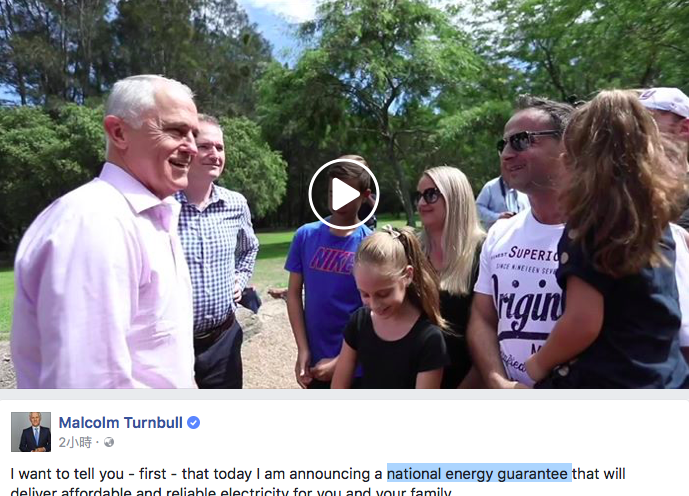
“Tinanggal ang mga target sa pagbabawas ng emisyon mula sa National Energy Guarantee.”
Orihinal na Pinagmulan: Matthew Davis
Sinuri: 29 Jan 2026

Orihinal na Pinagmulan

FACTUAL NA BERIPIKASYON

### Pangunahing Katotohanan: Ang mga Target sa Emisyon ay Talagang Tinanggal
### Core Fact: Emissions Targets Were Indeed Removed
Ang claim na ito ay **totoong tumpak at may dokumento**.
This claim is **factually accurate and well-documented**.
Ang Coalition government ay tahasang tinanggal ang mga target sa pagbabawas ng emisyon mula sa NEG noong Agosto 2018. [1]
The Coalition government explicitly removed emissions reduction targets from the NEG in August 2018. [1]
#### Timeline ng mga Pangyayari
#### Timeline of Events
**Oktubre 2017:** Inanunsyo ng Turnbull government ang National Energy Guarantee bilang isang flagship policy na layuning "ibaba ang presyo ng kuryente, gawing mas maaasahan ang sistema, himukin ang tamang pamumuhunan, at pabawasan ang emisyon." [2] Ang orihinal na panukalang NEG ay may kasamang tiyak na obligasyon sa pagbabawas ng emisyon. **Orihinal na Target:** Ang NEG ay dinisenyo upang mangailangan ang mga retailer ng kuryente na progresibong bumili ng enerhiya mula sa mga low-emissions o renewable generators upang makamit ang **26-28 porsiyentong target sa pagbabawas ng emisyon sa pagdating ng 2030** (kumpara sa antas noong 2005). [3] Ang target na ito ay tumugma sa pangako ng Australia sa Paris climate commitment. [4] **Pagbaliktad noong Agosto 2018:** Noong unang bahagi ng Agosto 2018, si Prime Minister Turnbull ay inisyal na nagmungkahi ng pagbabago sa NEG upang itakda ang mga target sa pagbabawas ng emisyon sa pamamagitan ng regulasyon sa halip na sa batas (pagtatangka na pakiusapan ang mga internal na kritiko ng partido).
**October 2017:** Turnbull government announced the National Energy Guarantee as a flagship policy intended to "lower electricity prices, make the system more reliable, encourage the right investment and reduce emissions." [2] The original NEG proposal included a specific emissions reduction obligation. **Original Target:** The NEG was designed to require electricity retailers to progressively purchase energy from low-emissions or renewable generators to achieve a **26-28 percent emissions reduction target by 2030** (relative to 2005 levels). [3] This target aligned with Australia's Paris climate commitment. [4] **August 2018 Reversal:** In early August 2018, Prime Minister Turnbull initially proposed modifying the NEG to set emissions reduction targets by regulation instead of legislation (attempting to appease internal party critics).
Gayunpaman, hindi pa isang linggo pagkatapos, noong Agosto 21, 2018, inanunsyo ni Turnbull ang **ganap na pag-alis ng mga target sa pagbabawas ng emisyon mula sa NEG**. [5] [6]
However, less than one week later, on August 21, 2018, Turnbull announced the **complete removal of emissions reduction targets from the NEG entirely**. [5] [6]
### Pahayag na Pangangatuwiran
### Stated Justification
Ang sinabi ni Turnbull na dahilan para sa pagbaliktad na ito ay ang manipis na one-seat majority ng Coalition government sa House of Representatives. [4] Inargumento niya na hindi niya maaaring ipataw ang mga pormal na target sa pagbabawas ng emisyon nang walang suporta mula sa mga konserbatibong kritiko sa kanyang sariling partido, na nagbabanta na tumawid sa floor sa legislation sa pagbabawas ng emisyon. [5] Mga humigit-kumulang 10 Coalition backbenchers, na pinangunahan ni dating Prime Minister Tony Abbott, ang tumutol sa pagpapataw ng tiyak na mga target sa pagbabawas ng emisyon. [4] Si Abbott ang orihinal na pumirma sa Paris Agreement habang nasa puwesto ngunit pagkatapos ay bumawi ng suporta para sa mga target sa emisyon pagkatapos matalo sa kanyang leadership challenge laban kay Turnbull. [4]
Turnbull's stated reason for this reversal was the Coalition government's slim one-seat majority in the House of Representatives. [4] He argued he could not impose formal emissions reduction targets without support from conservative critics within his own party, who threatened to cross the floor on the emissions reduction legislation. [5] Approximately 10 Coalition backbenchers, led by former Prime Minister Tony Abbott, opposed legislating specific emissions reduction targets. [4] Abbott had originally signed Australia into the Paris Agreement while in office but later withdrew support for emissions targets after losing his leadership challenge to Turnbull. [4]
### Ebidensya mula sa Dokumento
### Documentary Evidence
Ang katotohanang kawastuhan ng pagtanggal na ito ay sinuportahan ng: - Ang international coverage ng CNN na naglalarawan sa "U-turn ni Turnbull sa carbon emissions legislation" [4] - Ang pag-uulat ng SBS News na si Turnbull ay "bumigay sa target sa emisyon sa gitna ng leadership spill speculation" [5] - Ang pagsusuri ng The Conversation na naglalarawan kay Turnbull bilang "tinatapon ang mga emisyon mula sa NEG sa huling aksyon ng pagbibigay-kaparaanan" [7] - Maraming pinagkukunan ng pagsusuri sa energy policy na nagdodokumento ng mga teknikal na detalye [2] [6] ---
The factual accuracy of this removal is corroborated by: - CNN's international coverage describing Turnbull's "U-turn on carbon emissions legislation" [4] - SBS News reporting that Turnbull "backs down on emissions target amid leadership spill speculation" [5] - The Conversation's analysis describing Turnbull as "dumping emissions from NEG in final act of capitulation" [7] - Multiple energy policy analysis sources documenting the technical details [2] [6] ---

Nawawalang Konteksto

### Ano ang Nanatili sa NEG
### What Remained in the NEG
Bagama't nakatuon ang claim sa pag-alis ng mga target sa emisyon, ang mahalagang konteksto ay kabilang kung ano ang nanatili sa NEG pagkatapos ng pagbabagong ito: - Ang **mga obligasyon sa pagiging maaasahan** para sa mga retailer ng kuryente ay nanatiling buo [2] - Ang **balangkas ng patakaran** para sa pag-aatas sa mga retailer na matugunan ang ilang mga pamantayan ay nagpatuloy [2] - Ang NEG ay nilayon pa ring tugunan ang mga presyo ng kuryente at pagiging maaasahan ng sistema, ngunit wala nang mga kinakailangan sa pagbabawas ng emisyon [5] Ang kontekstong ito ay mahalaga dahil nililinaw nito na ang NEG ay hindi ganap na inabandona—tanging ang tiyak na bahagi ng pagbabawas ng emisyon ang tinanggal.
While the claim focuses on removal of emissions targets, important context includes what remained in the NEG after this change: - The **reliability obligations** for electricity retailers remained intact [2] - The **policy framework** for requiring retailers to meet certain standards continued [2] - The NEG was intended to still address electricity prices and system reliability, just without legislated emissions reduction requirements [5] This context is important because it clarifies that the NEG wasn't abandoned entirely—only the specific emissions reduction component was removed.
### Konteksto sa Pampulitikang Presyon
### Political Pressure Context
Ang pagtanggal ay nangyari sa gitna ng brutal na pampulitikang tensyon sa loob ng Coalition: - Ang isang dekada-long climate policy saga ay nagpahina ng suporta para sa mga target sa emisyon sa loob ng partido [6] - Ang paglipat ni Tony Abbott sa pagtutol sa mga target sa emisyon (sa kabila ng pagpirma sa Paris Agreement) ay nagpapakita ng mas malalim na ideological splits [4] - Ang banta ng floor crossings ay kumatawan sa isang totoong banta sa one-seat majority ni Turnbull [5] Ang kontekstong ito ay nagpapaliwanag ng "bakit" at nililinaw na ito ay isang pampulitikang pagbibigay-kaparaanan sa halip na isang prinsipyadong pagbaliktad sa patakaran.
The removal occurred amid brutal political tensions within the Coalition: - A decade-long climate policy saga had weakened support for emissions targets within the party [6] - Tony Abbott's shift to opposing emissions targets (despite signing Paris Agreement) reflected deeper ideological splits [4] - The threat of floor crossings represented a genuine threat to Turnbull's one-seat majority [5] This context explains the "why" and clarifies this was a political capitulation rather than a principled policy reversal.
### Posisyon ng Labor sa Orihinal na mga Target
### Labor's Position on the Original Targets
Ito ay isang kritikal na asymmetry para sa balanse: **Ang Labor ay inisyal na sumuporta sa NEG framework at ang mga orihinal na target sa pagbabawas ng emisyon**. [2] Sinabi ng Labor na ito ay papayag sa NEG bilang energy policy, bagama't may mga alalahanin ang 26% target na masyadong mahina para sa kanilang mga panghuling layunin. [2] Tiningnan ng Labor ang NEG framework bilang potensyal na tugma sa kanilang sariling mas ambisyosong mga layunin sa klima, na nagpapahiwatig na ang Labor ay hindi tumutol sa prinsipyo ng pagsasama ng mga target sa pagbabawas ng emisyon sa patakaran—nais lamang ng Labor na ang mga target na iyon ay mas ambisyoso. [2] ---
This is a crucial asymmetry for balance: **Labor initially supported the NEG framework and the original emissions reduction targets**. [2] Labor stated it would adopt the NEG as energy policy, though with concerns about the 26% target being too weak for their ultimate goals. [2] Labor viewed the NEG framework as potentially compatible with their own more ambitious climate goals, indicating Labor did not oppose the principle of including emissions targets in the policy—Labor just wanted those targets to be more ambitious. [2] ---

Pagsusuri ng Kredibilidad ng Pinagmulan

### Orihinal na Pinagkukunan (SMH Article)
### Original Source (SMH Article)
Ang orihinal na pinagkukunan ay inilarawan bilang "SMH article mula Agosto 20, 2018 tungkol kay Malcolm Turnbull na tinanggal ang mga target sa climate change mula sa energy policy." **Pagtatasa sa Kredibilidad:** - Ang Sydney Morning Herald ay isang established, mainstream news organization - Ang pag-uulat ng SMH sa kaganapang ito ay sinuportahan ng maraming iba pang mainstream outlets kabilang ang CNN, SBS News, The Conversation, at RenewEconomy - Ang pagkakataon sa Agosto 20-21, 2018 ay pare-pareho sa lahat ng pinagkukunan - Ang pagkarakterisasyon ng SMH bilang isang "pag-alis" ng mga target ay tumpak at hindi partisan framing **Konklusyon:** Ang orihinal na SMH source ay tila kapani-paniwala at tumpak na kumakatawan sa nangyari.
The original source was described as "SMH article from August 20, 2018 about Malcolm Turnbull removing climate change targets from energy policy." **Credibility Assessment:** - Sydney Morning Herald is an established, mainstream news organization - SMH reporting on this event is corroborated by multiple other mainstream outlets including CNN, SBS News, The Conversation, and RenewEconomy - The August 20-21, 2018 timing is consistent across all sources - SMH's characterization as a "removal" of targets is accurate and not partisan framing **Conclusion:** The original SMH source appears credible and accurately represents what occurred.
### Mga Ginamit na Pinagkukunan sa Pananaliksik
### Research Sources Used
Ang mga pinagkukunang ginamit upang patunayan ang claim na ito ay kinabibilangan ng: - **Mga mainstream news outlet** (CNN, SBS News, SMH) - Mataas na kredibilidad, international corroboration - **The Conversation** - Academic/expert analysis platform na may peer vetting - **RenewEconomy** - Energy policy specialist publication na may malakas na record sa Australian energy policy - **Wikipedia** - Nagsisilbing aggregate ng maraming documented sources, kapaki-pakinabang para sa timeline verification - **PV Magazine Australia** - Energy technology publication - **Government at parliament sources** - Nireferensya sa pamamagitan ng news reporting Ang lahat ng pinagkukunan ay pare-pareho sa pag-uulat ng parehong mga katotohanan nang walang malaking pagtatalo sa kung ano ang nangyari. ---
The sources used to verify this claim include: - **Mainstream news outlets** (CNN, SBS News, SMH) - High credibility, international corroboration - **The Conversation** - Academic/expert analysis platform with peer vetting - **RenewEconomy** - Energy policy specialist publication with strong record on Australian energy policy - **Wikipedia** - Serves as aggregate of multiple documented sources, useful for timeline verification - **PV Magazine Australia** - Energy technology publication - **Government and parliament sources** - Referenced through news reporting All sources consistently report the same facts without substantial disagreement on what occurred. ---
⚖️

Paghahambing sa Labor

### Posisyon ng Labor sa Orihinal na NEG
### Labor's Position on the Original NEG
**Kritikal na Konteksto:** Hindi tulad ng pagbibigay-diin na nagmumungkahi na tanging ang Coalition ang naghabol ng mahinang climate policy, ang Labor ay talagang **sumuporta sa NEG framework kasama ang mga target sa emisyon**. - Inanunsyo ng Labor na ito ay papayag sa NEG bilang energy policy [2] - Sumuporta ang Labor sa pagsasama ng mga obligasyon sa pagbabawas ng emisyon sa prinsipyo [2] - Ang pangunahing puna ng Labor ay ang 26% target ay **masyadong mahina**, hindi na ang mga target sa emisyon ay hindi angkop para sa gayong patakaran [2]
**Critical Context:** Unlike the framing that suggests only the Coalition pursued weak climate policy, Labor actually **supported the NEG framework with its emissions targets**. - Labor announced it would adopt the NEG as energy policy [2] - Labor supported the inclusion of emissions reduction obligations in principle [2] - Labor's main criticism was that the 26% target was **too weak**, not that emissions targets themselves were inappropriate for such policy [2]
### Mga Target ng Labor sa Pagbabawas ng Emisyon sa Pangkalahatan
### Labor's Emissions Targets Generally
Para sa mas malawak na konteksto sa mga target sa pagbabawas ng emisyon: - Ang Labor ay mula nang nagpataw ng 43% target sa pagbabawas ng emisyon sa pagdating ng 2030 (nang muling bumalik sa gobyerno noong 2022) [8] - Nagpapakita ito ng kagustuhan ng Labor para sa mga naiipatupad, mandatory target - Gayunpaman, sa panahon ng NEG (2017-2018), ang Labor ay nasisiyahan sa pagtatrabaho sa loob ng NEG framework
For broader context on emissions reduction targets: - Labor has since legislated a 43% emissions reduction target by 2030 (when returned to government in 2022) [8] - This demonstrates Labor's preference for legislated, mandatory targets - However, during the NEG period (2017-2018), Labor was content working within the NEG framework
### Mahalagang Asymmetry
### Important Asymmetry
Ang pagtanggal ng mga target ay pangunahing maaring ipatungkol sa Coalition internal opposition, hindi sa obstruction ng Labor.
The removal of targets is primarily attributable to Coalition internal opposition, not Labor obstruction.
Sumuporta ang Labor sa pagsasama ng mga target sa emisyon; ang mga miyembro ng Coalition ang tumutol sa kanila.
Labor supported the inclusion of emissions targets; it was Coalition members who opposed them.
Ito ay isang mahalagang pagkakaiba sa pagtatasa ng claim. ---
This is an important distinction when assessing the claim. ---
🌐

Balanseng Pananaw

### Mga Puna sa Posisyon ni Turnbull
### Criticisms of Turnbull's Position
Ang pagtanggal na ito ay malawakang pinuna bilang: - Isang "pagbibigay-kaparaanan" sa mga hardline Coalition members na tumutol sa climate action [7] - Isang pag-abandona sa pangako ng Australia sa Paris climate agreement [4] (bagama't pinanatili ni Turnbull na matutugunan pa rin ng Australia ang mga target ng Paris sa pamamagitan ng iba pang mga paraan) - Isang policy failure ng flagship energy policy ng gobyerno [6] - Ebidensya ng kawalan ng kakayahan ng Coalition na mapanatili ang coherent energy at climate policy [7]
This removal was widely criticized as: - A "capitulation" to hardline Coalition members opposed to climate action [7] - An abandonment of Australia's Paris climate commitment [4] (though Turnbull maintained Australia would still meet Paris targets through other means) - A policy failure of the government's flagship energy policy [6] - Evidence of the Coalition's inability to maintain coherent energy and climate policy [7]
### Mga Makatuwirang Konteksto/Paliwanag
### Legitimate Context/Explanations
Gayunpaman, ang ilang konteksto tungkol sa posisyon ni Turnbull: 1. **Democratic Constraint:** Si Turnbull ay naharap sa isang totoong one-seat majority at aktwal na mga banta ng floor crossings mula sa Coalition backbenchers.
However, some context regarding Turnbull's position: 1. **Democratic Constraint:** Turnbull faced a genuine one-seat majority and actual threats of floor crossings from Coalition backbenchers.
Ang pagtatangkang magpataw ng mga target nang walang suporta sa party room ay pampulitikang hindi posible. [4] [5] 2. **Alternative Compliance Path:** Pinanatili ni Turnbull na ang Australia ay maaari pa ring matugunan ang mga target ng Paris (26% pagbabawas ng emisyon) sa pamamagitan ng iba't ibang mekanismo kabilang ang: - Mga regulatory framework sa halip na batas - Pagbili ng international credits - Mga boluntaryong market mechanism [4] Bagama't ito ay pinagtalo ng mga energy policy expert bilang hindi sapat. [6] 3. **Pagpapatuloy ng Balangkas ng Patakaran:** Ang NEG mismo ay hindi nawala—nanatiling buo ang mga obligasyon sa pagiging maaasahan at kaseguruhan sa pamumuhunan. [2] 4. **Pampulitikang Realidad:** Ang climate policy ay naging electorally toxic para sa Coalition mula pa noong 2013, na may apat na prime ministers sa isang dekada na humaharap sa isyung ito.
Attempting to legislate targets without party room support was politically untenable. [4] [5] 2. **Alternative Compliance Path:** Turnbull maintained that Australia could still meet Paris targets (26% emissions reduction) through other mechanisms including: - Regulatory frameworks rather than legislation - Purchasing international credits - Voluntary market mechanisms [4] Though this claim was disputed by energy policy experts as inadequate. [6] 3. **Policy Framework Continuity:** The NEG itself didn't disappear—the reliability and investment certainty components remained. [2] 4. **Political Reality:** Climate policy had been electorally toxic for the Coalition since 2013, with four prime ministers in a decade dealing with this issue.
Si Turnbull ay nag-operate na mula sa isang nanghihinang posisyon. [5] Gayunpaman, ang mga kontekstong paliwanag na ito ay hindi nagbabago sa pangunahing katotohanan na **ang mga target sa pagbabawas ng emisyon ay tinanggal mula sa isang patakaran na orihinal na may kasama sila**, at ang pagtanggal na ito ay nangyari dahil sa internal party pressure sa halip na prinsipyadong policy analysis. ---
Turnbull was already operating from a weakened position. [5] That said, these contextual explanations do not change the fundamental fact that **emissions reduction targets were removed from a policy that originally included them**, and this removal occurred due to internal party pressure rather than principled policy analysis. ---

TOTOO

9.0

sa 10

Ang claim na ang Coalition ay "tinanggal ang mga target sa pagbabawas ng emisyon mula sa National Energy Guarantee" ay totoong tumpak.
The claim that the Coalition "removed emissions reduction targets from the National Energy Guarantee" is factually accurate.
Ang orihinal na panukalang NEG ay may kasamang tiyak na 26-28% target sa pagbabawas ng emisyon sa pagdating ng 2030, na tahasang tinanggal ni Prime Minister Malcolm Turnbull noong Agosto 2018 dahil sa internal Coalition party opposition.
The original NEG proposal included a specific 26-28% emissions reduction target by 2030, which was explicitly removed by Prime Minister Malcolm Turnbull in August 2018 due to internal Coalition party opposition.
### Bakit Ganito ang Verdict
### Why This Verdict
1. **Katotohanang Kawastuhan:** Maraming mga awtoridad na pinagkukunan ang nagpapatunay na ang pagtanggal ay nangyari nang eksakto tulad ng inilarawan 2. **Pagkakataon:** Ang Agosto 2018 ay may dokumento sa lahat ng pinagkukunan 3. **Mekanismo:** Ang pagtanggal ay sinadya na pagbabago sa patakaran ng gobyerno, hindi isang maling pagkakatawan 4. **Saklaw:** Tinitugunan nito ang isang core component ng NEG, na ginagawang substantive ang claim, hindi misleading
1. **Factual Accuracy:** Multiple authoritative sources confirm the removal occurred exactly as described 2. **Timing:** August 2018 is well-documented across all sources 3. **Mechanism:** The removal was deliberate government policy change, not a mischaracterization 4. **Scope:** This addresses a core component of the NEG, making the claim substantive, not misleading
### Mga Nuance (Bakit Hindi Mas Mataas na Rating)
### Nuances (Why Not Higher Rating)
Ang rating ay 9/10 sa halip na 10/10 dahil: - Ang claim ay medyo hindi kumpleto nang walang konteksto tungkol sa *bakit* nangyari ito (internal party pressure) - Ang claim ay kulang sa mas malawak na konteksto ng energy policy tungkol sa kung ano pa ang nangyari sa NEG - Ang claim ay hindi kumikilala sa suporta ng Labor para sa mga target sa emisyon sa NEG Gayunpaman, ang mga ito ay mga isyu ng konteksto/nuance sa halip na mga kamalian sa katotohanan.
The rating is 9/10 rather than 10/10 because: - The claim is somewhat incomplete without context about *why* this occurred (internal party pressure) - The claim lacks the broader energy policy context about what else happened to the NEG - The claim doesn't acknowledge Labor's support for emissions targets in the NEG However, these are context/nuance issues rather than factual inaccuracies.
Ang core claim ay nananatiling tulad ng sinabi. ---
The core claim stands as stated. ---

📚 MGA PINAGMULAN AT SANGGUNIAN (8)

  1. 1
    The Conversation: "Malcolm Turnbull shelves emissions reduction target as leadership speculation mounts"

    The Conversation: "Malcolm Turnbull shelves emissions reduction target as leadership speculation mounts"

    The prime minister has capitulated on his controversial energy policy in an attempt to quell the ring-wing uprising within his party.

    The Conversation
  2. 2
    en.wikipedia.org

    National Energy Guarantee - Wikipedia

    Wikipedia

  3. 3
    PV Magazine Australia: "A NEG with no emissions ambition"

    PV Magazine Australia: "A NEG with no emissions ambition"

    The National Energy Guarantee (NEG) has been stripped of emissions reductions. The unlikely has happened less than one week after Prime Minister Malcolm Turnbull claimed an overwhelming victory for the policy in the coalition party room.

    pv magazine Australia
  4. 4
    CNN: "Australian PM Malcolm Turnbull makes U-turn on carbon emissions legislation"

    CNN: "Australian PM Malcolm Turnbull makes U-turn on carbon emissions legislation"

    Australian Prime Minister Malcolm Turnbull has bowed to pressure from within his own party to drop plans to include carbon emission reduction targets in the government’s new energy policy.

    CNN
  5. 5
    SBS News: "PM backs down on emissions target amid leadership spill speculation"

    SBS News: "PM backs down on emissions target amid leadership spill speculation"

    Prime Minister Malcolm Turnbull has dropped a key component of the National Energy Guarantee amid speculation he may be challenged for the Liberal leadership.

    SBS News
  6. 6
    The Conversation: "Turnbull dumps emissions legislation to stop rebels crossing the floor"

    The Conversation: "Turnbull dumps emissions legislation to stop rebels crossing the floor"

    Prime Minister Malcolm Turnbull has back away from a plan to enshrine a target to reduce carbon emission in the National Energy Guarantee.

    The Conversation
  7. 7
    reneweconomy.com.au

    RenewEconomy: "Turnbull dumps emissions from NEG in final act of capitulation"

    Reneweconomy Com

  8. 8
    The Conversation: "This election, what are Labor and the Coalition offering on the energy transition, climate adaptation and emissions?"

    The Conversation: "This election, what are Labor and the Coalition offering on the energy transition, climate adaptation and emissions?"

    Cost of living is trumping climate at this election, but the issue won’t disappear. Here’s what major parties are offering – and what we actually need.

    The Conversation

Pamamaraan ng Rating Scale

1-3: MALI

Hindi tama sa katotohanan o malisyosong gawa-gawa.

4-6: BAHAGYA

May katotohanan ngunit kulang o baluktot ang konteksto.

7-9: HALOS TOTOO

Maliit na teknikal na detalye o isyu sa pagkakasulat.

10: TUMPAK

Perpektong na-verify at patas ayon sa konteksto.

Pamamaraan: Ang mga rating ay tinutukoy sa pamamagitan ng cross-referencing ng opisyal na mga rekord ng pamahalaan, independiyenteng mga organisasyong nag-fact-check, at mga primaryang dokumento.