Vrai

Note : 7.0/10

Coalition
C0913

L'affirmation

“A volé des preuves cruciales à un avocat australien représentant le Timor oriental devant un tribunal international contre l'Australie concernant notre espionnage illégal du accord pétrolier du Timor oriental.”
Source originale : Matthew Davis

Sources originales

VÉRIFICATION FACTUELLE

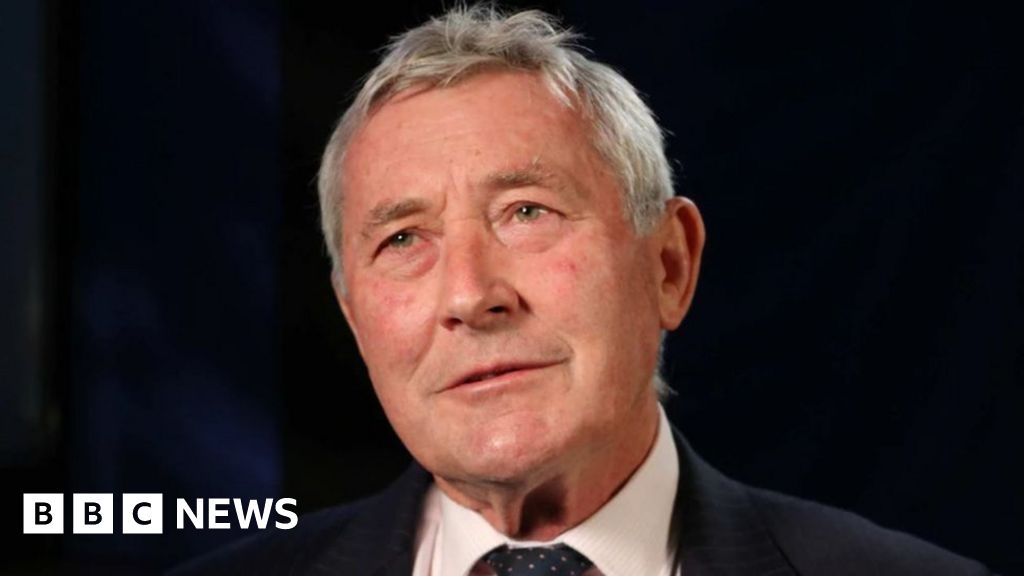
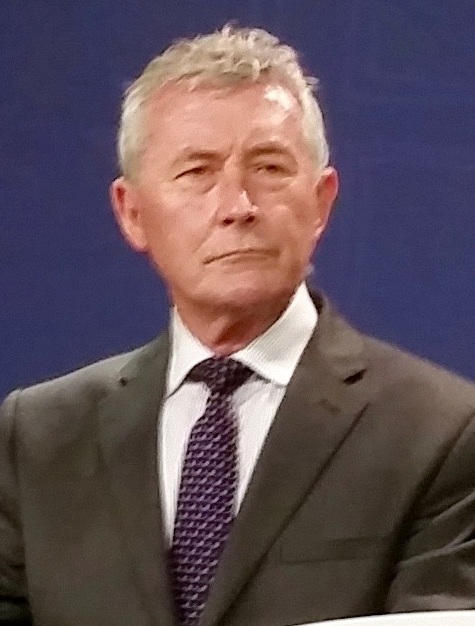
**VRAI** - L'ASIO (Australian Security Intelligence Organisation) a bien perquisitionné le bureau de Bernard Collaery, l'avocat représentant le Timor oriental dans une affaire internationale contre l'Australie, et saisi des documents et des fichiers électroniques liés à l'affaire [1][2].
**TRUE** - ASIO did raid the office of Bernard Collaery, the lawyer representing East Timor in an international case against Australia, and seized documents and electronic files related to the case [1][2].
Le 3 décembre 2013, des agents de l'ASIO, accompagnés de la Police fédérale australienne, ont perquisitionné le cabinet d'avocats de Collaery à Canberra et saisi des documents et des données électroniques [1].
On December 3, 2013, ASIO agents, accompanied by Australian Federal Police, raided Collaery's Canberra law office and seized documents and electronic data [1].
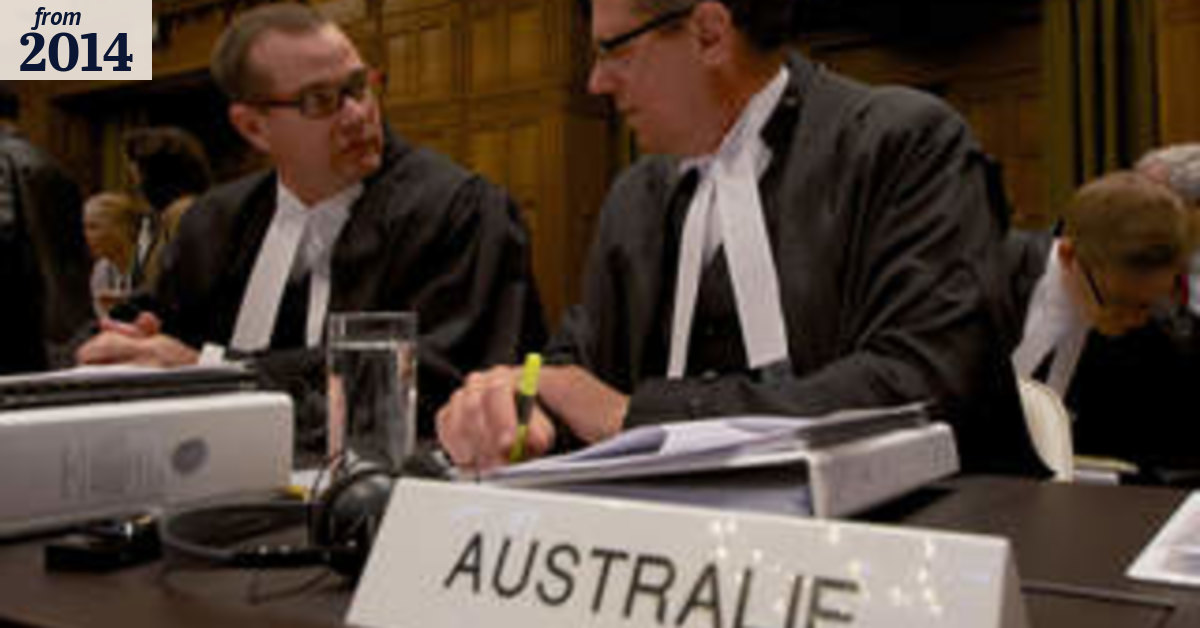
La perquisition a eu lieu quelques jours avant que les audiences ne commencent à la Cour permanente d'arbitrage de La Haye, le Timor oriental contestait le traité sur les arrangements maritimes dans la mer de Timor (CMATS) [1][2].
The raid occurred just days before hearings were scheduled to begin at the Permanent Court of Arbitration in The Hague, where East Timor was challenging the Certain Maritime Arrangements in the Timor Sea (CMATS) treaty [1][2].
Le matériel saisi comprenait : - Des documents juridiques relatifs aux négociations du traité sur la mer de Timor [3] - Des fichiers électroniques contenant des preuves de l'espionnage présumé de l'Australie [1] - Une déclaration d'un ancien agent de l'ASIS (Australian Secret Intelligence Service) (connu sous le nom de « Témoin K ») alléguant que l'Australie avait posé des micros dans la salle du cabinet du Timor oriental lors des négociations du traité en 2004 [3][4] Le procureur général George Brandis a confirmé avoir autorisé les mandats de perquisition, déclarant qu'ils avaient été émis « pour des motifs que ces documents contenaient des renseignements liés à des questions de sécurité » [1].
The seized material included: - Legal documents related to the Timor Sea Treaty negotiations [3] - Electronic files containing evidence of Australia's alleged spying [1] - A statement by a former ASIS agent (known as "Witness K") alleging Australia bugged East Timor's cabinet room during 2004 treaty negotiations [3][4] Attorney-General George Brandis confirmed he authorized the search warrants, stating they were issued "on the grounds that the documents contained intelligence related to security matters" [1].
En mars 2014, la Cour internationale de justice (CIJ) a ordonné à l'Australie de sceller tous les documents et données saisis lors de la perquisition et de ne pas y avoir accès, marquant la première fois que la cour imposait des restrictions aux agences de renseignement d'un État membre des Cinq Yeux [3][5].
In March 2014, the International Court of Justice (ICJ) ordered Australia to seal all documents and data seized in the raid and not to access them, marking the first time the court had imposed restrictions on the spy agencies of a Five Eyes state [3][5].
L'Australie a ensuite admis devant la CIJ qu'elle avait l'intention de s'opposer à ce que le Témoin K témoigne devant le tribunal arbitral, craignant que l'ancien agent « ne fasse d'autres divulgations que l'Australie ne pourrait confiner » [6].
Australia subsequently admitted before the ICJ that it intended to object to Witness K giving evidence at the arbitral tribunal, fearing the former agent "would make further disclosures that Australia could not confine" [6].

Contexte manquant

**La revendication omet plusieurs faits critiques :** 1. **L'espionnage lui-même a eu lieu en 2004 sous le gouvernement Howard** - L'espionnage présumé des bureaux du cabinet du Timor oriental lors des négociations du traité a eu lieu en 2004 sous le gouvernement de la Coalition de John Howard, pas pendant le gouvernement Abbott la perquisition de l'ASIO a eu lieu [2][4]. 2. **La justification invoquée de la perquisition** - Le gouvernement a affirmé que la perquisition était nécessaire pour protéger la sécurité nationale et empêcher l'exposition des agents de renseignement australiens et des méthodes de renseignement [6].
**The claim omits several critical facts:** 1. **The spying itself occurred in 2004 under the Howard government** - The alleged bugging of East Timor's cabinet offices during treaty negotiations occurred in 2004 under the Coalition's John Howard, not during the Abbott government when the ASIO raid occurred [2][4]. 2. **The raid's stated justification** - The government claimed the raid was necessary to protect national security and prevent the exposure of Australian intelligence officers and tradecraft [6].
Le solliciteur général Justin Gleeson a défendu l'action en invoquant des risques pour « mettre en danger » les espions et exposer les capacités techniques [6]. 3. **Le passeport du Témoin K a été annulé** - L'ancien agent de l'ASIS a eu son passeport annulé, l'empêchant de se rendre à La Haye pour témoigner à l'oral [6]. 4. **L'Australie et le Timor oriental ont finalement conclu un nouveau traité** - En 2018, l'Australie et le Timor oriental ont signé un nouveau traité sur la frontière maritime qui était plus favorable au Timor oriental [2]. 5. **Les poursuites ont finalement été abandonnées** - En juillet 2022, le procureur général travailliste Mark Dreyfus a retiré son soutien à la poursuite de Collaery, mettant fin à une saga juridique de près d'une décennie [4][7]. 6. **Le secret professionnel a été violé** - La perquisition a saisi du matériel soumis au secret professionnel avocat-client, une action sans précédent qui a suscité la condamnation des experts juridiques [2][8].
Solicitor-General Justin Gleeson defended the action citing risks to "endanger" spies and expose technical capabilities [6]. 3. **Witness K's passport was cancelled** - The former ASIS agent had his passport cancelled, preventing him from traveling to The Hague to give oral evidence [6]. 4. **Australia and East Timor eventually reached a new treaty** - In 2018, Australia and East Timor signed a new maritime boundary treaty that was more favorable to East Timor [2]. 5. **The prosecutions were eventually dropped** - In July 2022, Labor Attorney-General Mark Dreyfus withdrew support for the prosecution of Collaery, ending a nearly decade-long legal saga [4][7]. 6. **Legal privilege was breached** - The raid seized material subject to lawyer-client privilege, an unprecedented action that drew condemnation from legal experts [2][8].

Évaluation de la crédibilité de la source

La source originale, *The Age* (Fairfax Media), est un journal australien grand public réputé avec une ligne éditoriale centriste de gauche.
The original source, *The Age* (Fairfax Media), is a mainstream, reputable Australian newspaper with a center-left editorial stance.
Il est généralement considéré comme fiable pour les reportages factuels [6].
It is generally regarded as reliable for factual reporting [6].
Des sources supplémentaires consultées (ABC News, BBC, The Sydney Morning Herald, Wikipedia et documents de la CIJ) sont faisant autorité et fournissent des récits factuels cohérents des événements [1][2][3][4][5].
Additional sources consulted (ABC News, BBC, The Sydney Morning Herald, Wikipedia, and ICJ documents) are authoritative and provide consistent factual accounts of the events [1][2][3][4][5].
Le reportage est corroboré par : - La propre déclaration du procureur général George Brandis confirmant la perquisition [1] - La documentation officielle de l'affaire de la CIJ [5] - De multiples médias grand public à travers le spectre politique
The reporting is corroborated by: - Attorney-General George Brandis's own statement confirming the raid [1] - ICJ official case documentation [5] - Multiple mainstream media outlets across the political spectrum
⚖️

Comparaison avec Labor

**Le Parti travailliste a-t-il fait quelque chose de similaire ?** Recherche effectuée : « gouvernement travailliste opérations de renseignement de l'ASIO espionnage pays étrangers » Constat : **Équivalent partiel avec distinctions importantes :** 1. **L'opération d'espionnage originale a eu lieu sous le gouvernement de la Coalition (2004)** - L'espionnage présumé du cabinet du Timor oriental a eu lieu sous le gouvernement Howard (Coalition), pas sous les travaillistes [2][4]. 2. **Le Parti travailliste était au courant mais n'a pas agi** - Le Timor oriental a d'abord soulevé les allégations d'espionnage auprès de la première ministre de l'époque Julia Gillard (Parti travailliste) fin 2012, mais aucune mesure n'a été prise [6].
**Did Labor do something similar?** Search conducted: "Labor government ASIO intelligence operations spying foreign countries" Finding: **Partial equivalent with important distinctions:** 1. **The original spying operation occurred under Coalition government (2004)** - The alleged bugging of East Timor's cabinet occurred under the Howard government (Coalition), not Labor [2][4]. 2. **Labor was aware but took no action** - East Timor first raised the spying allegations with then-Prime Minister Julia Gillard (Labor) in late 2012, but no action was taken [6].
Le gouvernement travailliste a maintenu la position que l'opération de 2004 était une activité de renseignement légitime. 3. **Le Parti travailliste a finalement abandonné les poursuites** - En juillet 2022, le gouvernement travailliste d'Albanese a abandonné la poursuite de Bernard Collaery par l'intermédiaire du procureur général Mark Dreyfus, reconnaissant qu'il n'était pas dans l'intérêt public de continuer [4][7]. 4. **Le Parti travailliste a mis en attente la promesse d'enquête** - Malgré les promesses préélectorales de tenir une enquête sur l'opération de l'ASIS et la poursuite subséquente, le gouvernement travailliste a mis cette promesse en attente en 2023 [4]. 5. **Contexte plus large sur les opérations de renseignement** - Les agences de renseignement australiennes ont mené des opérations d'espionnage étranger sous des gouvernements des deux partis.
The Labor government maintained the position that the 2004 operation was a legitimate intelligence activity. 3. **Labor eventually dropped the prosecutions** - In July 2022, the Albanese Labor government dropped the prosecution of Bernard Collaery through Attorney-General Mark Dreyfus, acknowledging it was not in the public interest to continue [4][7]. 4. **Labor shelved inquiry promise** - Despite pre-election promises to hold an inquiry into the ASIS operation and subsequent prosecution, the Labor government shelved this commitment in 2023 [4]. 5. **Broader context on intelligence operations** - Australian intelligence agencies have conducted foreign spying operations under governments of both parties.
L'opération du Timor oriental en 2004 était inhabituelle principalement parce qu'elle ciblait alléguément une nation amie pour un avantage commercial plutôt que des objectifs de sécurité nationale [2][8]. **Comparaison :** Bien que la perquisition elle-même ait eu lieu sous un gouvernement de la Coalition, le modèle plus large de protection des opérations de renseignement et de résistance à la transparence a été cohérent entre les deux principaux partis.
The 2004 East Timor operation was unusual primarily in that it allegedly targeted a friendly nation for commercial advantage rather than national security purposes [2][8]. **Comparison:** While the raid itself occurred under a Coalition government, the broader pattern of protecting intelligence operations and resisting transparency has been consistent across both major parties.
La distinction clé est que le Parti travailliste a finalement abandonné les poursuites que la Coalition avait engagées.
The key distinction is that Labor ultimately discontinued the prosecutions that the Coalition had initiated.
🌐

Perspective équilibrée

Cette affaire représente l'un des épisodes les plus controversés liés au renseignement de l'histoire australienne, impliquant des allégations d'espionnage inapproprié sur un voisin amical pour un avantage commercial, suivies d'actions qui semblaient destinées à empêcher la divulgation de ces activités. **Critiques des actions du gouvernement :** 1. **Calendrier de la perquisition** - La perquisition de décembre 2013 a eu lieu seulement deux jours avant que les procédures de La Haye ne commencent, ce qui a conduit à des accusations selon lesquelles elle visait à perturber l'affaire du Timor oriental [6].
This case represents one of the most controversial intelligence-related episodes in Australian history, involving allegations of improper spying on a friendly neighbor for commercial advantage, followed by actions that appeared designed to prevent disclosure of those activities. **Criticisms of the government's actions:** 1. **Timing of the raid** - The December 2013 raid occurred just two days before The Hague proceedings were to begin, leading to accusations it was designed to disrupt East Timor's case [6].
Bernard Collaery l'a décrite comme une « tentative flagrante et honteuse d'entraver la justice » [1]. 2. **Motivation commerciale** - L'espionnage présumé de 2004 semblait motivé par l'obtention de conditions favorables dans les négociations du traité pétrolier et gazier d'une valeur estimée à 40 milliards de dollars australiens, plutôt que par de véritables préoccupations de sécurité nationale [2][8]. 3. **Violation du secret professionnel** - La perquisition du bureau d'un avocat et la saisie de documents du client sont extraordinairement rares et sapent la capacité de la profession juridique à représenter efficacement ses clients [2][8]. 4. **Excès de secret** - La poursuite subséquente de Collaery et du Témoin K en vertu de la Loi sur les renseignements de sécurité nationale, avec des tentatives de tenir des procès secrets, a été critiquée par les experts juridiques comme nuisant à la justice ouverte [4][8]. 5. **Préoccupations de poursuite politique** - Le délai entre la perquisition de 2013 et les accusations de 2018, coïncidant avec un changement de procureur général de George Brandis à Christian Porter, a soulevé des questions sur la motivation politique [4]. **Justifications invoquées par le gouvernement :** 1. **Sécurité nationale** - Le gouvernement a maintenu que la perquisition était nécessaire pour protéger les informations classifiées et empêcher l'exposition des agents de renseignement et des méthodes [6]. 2. **Fondement juridique** - Le procureur général Brandis a déclaré que les mandats avaient été correctement émis pour des motifs de sécurité nationale et a instructé l'ASIO que le matériel saisi ne devait pas être communiqué à ceux qui dirigeaient la défense de l'Australie à La Haye [1]. 3. **Prévention des divulgations supplémentaires** - Le gouvernement craignait que le Témoin K ne fasse « d'autres divulgations que l'Australie ne pourrait confiner » [6]. 4. **État de droit** - Les partisans de la poursuite ont fait valoir que la divulgation d'informations classifiées est un délit grave, quelle que soit la motivation du lanceur d'alerte. **Évaluations d'experts :** Des figures juridiques australiennes de premier plan, dont l'avocat Geoffrey Watson SC et l'expert en droit constitutionnel Rebecca Ananian-Welsh, ont décrit la poursuite comme inappropriée et nuisant à la confiance du public dans la justice [2][8].
Bernard Collaery described it as a "blatant, disgraceful attempt to impede justice" [1]. 2. **Commercial motivation** - The alleged 2004 bugging appeared motivated by securing favorable terms in oil and gas treaty negotiations worth an estimated $40 billion, rather than genuine national security concerns [2][8]. 3. **Breach of legal privilege** - Raiding a lawyer's office and seizing client materials is extraordinarily rare and undermines the legal profession's ability to represent clients effectively [2][8]. 4. **Secrecy overreach** - The subsequent prosecution of Collaery and Witness K under the National Security Information Act, with attempts to hold secret trials, was criticized by legal experts as damaging to open justice [4][8]. 5. **Political prosecution concerns** - The delay between the 2013 raid and 2018 charges, coinciding with a change in Attorney-General from George Brandis to Christian Porter, raised questions about political motivation [4]. **Government's stated justifications:** 1. **National security** - The government maintained the raid was necessary to protect classified information and prevent exposure of intelligence officers and methods [6]. 2. **Legal basis** - Attorney-General Brandis stated the warrants were properly issued on national security grounds and instructed ASIO that the seized material should not be communicated to those conducting Australia's defense at The Hague [1]. 3. **Preventing further disclosures** - The government feared Witness K would make "further disclosures that Australia could not confine" [6]. 4. **Rule of law** - Supporters of the prosecution argued that disclosing classified information is a serious offense, regardless of the whistleblower's motives. **Expert assessments:** Senior Australian legal figures, including barrister Geoffrey Watson SC and constitutional law expert Rebecca Ananian-Welsh, described the prosecution as inappropriate and damaging to public confidence in justice [2][8].
La Cour d'appel du Territoire de la capitale australienne a finalement statué que l'audience publique des procès criminels était importante car elle « dissuadait les poursuites politiques » et permettait un examen public [4]. **Contexte clé :** Cet épisode n'est **pas typique** des relations Australie-Timor oriental, qui ont généralement été étroites depuis que l'Australie a dirigé l'intervention de l'INTERFET en 1999.
The ACT Court of Appeal ultimately ruled that the open hearing of criminal trials was important because it "deterred political prosecutions" and allowed public scrutiny [4]. **Key context:** This episode is **not typical** of Australia-East Timor relations, which have generally been close since Australia led the INTERFET intervention in 1999.
L'affaire a mis en évidence les tensions entre la sécurité nationale, les intérêts commerciaux et le droit international - l'intervention de la CIJ suggérant que les actions de l'Australie avaient franchi les limites juridiques internationales [3][5].
The case highlighted tensions between national security, commercial interests, and international law - with the ICJ's intervention suggesting Australia's actions crossed international legal boundaries [3][5].

VRAI

7.0

sur 10

Le fait revendiqué de base est exact.
The core factual claim is accurate.
L'ASIO a bien perquisitionné le bureau de Bernard Collaery et saisi des documents et des fichiers électroniques liés à l'affaire internationale du Timor oriental contre l'Australie.
ASIO did raid Bernard Collaery's office and seize documents and electronic files related to East Timor's international case against Australia.
La CIJ a ensuite ordonné à l'Australie de sceller le matériel saisi, et l'Australie a admis avoir cherché à empêcher le principal témoin de témoigner.
The ICJ subsequently ordered Australia to seal the seized material, and Australia admitted it sought to prevent the key witness from giving evidence.
Cependant, la présentation comme un « vol » est techniquement imprécise - la perquisition a été menée sous des mandats juridiques autorisés par le procureur général, même si des mandats que la CIJ a ensuite effectivement jugés inappropriés dans le contexte international.
However, the framing as "theft" is technically imprecise - the raid was conducted under legal warrants authorized by the Attorney-General, albeit warrants that the ICJ later effectively found improper in the international context.
La caractérisation plus exacte serait que l'Australie a mené une perquisition à motivation impropre pour saisir du matériel couvert par le secret professionnel dans le but apparent de perturber l'affaire juridique d'une nation étrangère contre elle.
The more accurate characterization would be that Australia conducted an improperly motivated raid to seize legally privileged material for the apparent purpose of disrupting a foreign nation's legal case against it.

📚 SOURCES ET CITATIONS (8)

  1. 1
    abc.net.au

    abc.net.au

    A lawyer representing East Timor in its spying case against Australia says his office has been raided by the Australian Security Intelligence Organisation (ASIO) and accused the agency of "muzzling" a key witness. Bernard Collaery says a number of agents seized electronic and paper files on Tuesday afternoon from his law practice in Canberra. East Timor has accused the Australia Secret Intelligence Service (ASIS) of covertly recording Timorese ministers and officials during oil-and-gas negotiations with Australia in 2004. Mr Collaery says a former spy turned whistleblower who had been due to give evidence to The Hague has been arrested in a separate raid in Canberra. The ABC is trying to confirm the arrest, but Mr Collaery says it is a "crass" effort by ASIO and the Government to muzzle "the oral evidence of the prime witness".

    Abc Net
  2. 2
    bbc.com

    bbc.com

    Bernard Collaery is a hero in East Timor, but faced prosecution in Australia for revealing a spy mission.

    Bbc
  3. 3
    en.wikipedia.org

    en.wikipedia.org

    Wikipedia
  4. 4
    PDF

    240112GuardianLabor shelves election promise for inquiry into prosecution of Witness K and Bernard Collaery

    Laohamutuk • PDF Document
  5. 5
    icj-cij.org

    icj-cij.org

    Icj-cij

  6. 6
    theage.com.au

    theage.com.au

    The Australian government has admitted it wants to block a former spy turned whistleblower from giving evidence to an international tribunal where East Timor is challenging a treaty between the two countries splitting lucrative oil and gas revenues.

    The Age
  7. 7
    hrlc.org.au

    hrlc.org.au

    The ACT Court of Appeal has published previously secret judgments to mark the end of the Bernard Collaery and Witness K saga, underscoring the need for the Albanese Government to implement transparency and whistleblowing reforms. 

    Human Rights Law Centre
  8. 8
    theconversation.com

    theconversation.com

    The prosecution was a scandal and should never have been commenced. It was a direct assault upon freedom of political communication, and it intimidated whistleblowers.

    The Conversation
Méthodologie de l'échelle de notation

1-3: FAUX

Factuellement incorrect ou fabrication malveillante.

4-6: PARTIEL

Une part de vérité mais le contexte manque ou est biaisé.

7-9: MAJORITAIREMENT VRAI

Détails techniques mineurs ou problèmes de formulation.

10: EXACT

Parfaitement vérifié et contextuellement équitable.

Méthodologie: Les notations sont déterminées par recoupement des documents gouvernementaux officiels, des organisations indépendantes de vérification des faits et des documents sources primaires.