
The Claim
“Spent over $15 million on an advertisement campaign to make university fee deregulation more palatable.”
Original Sources Provided
✅ FACTUAL VERIFICATION
The core factual claim is PARTIALLY ACCURATE. The Abbott government budgeted $14.6 million for its higher education advertising campaign [1], which is "nearly $15 million" rather than "over $15 million" as stated. The budget included $9.5 million for media placements, $2.3 million for creative development, and $1.3 million for the campaign website (excluding GST) [1]. By January 2015, the government had already spent over $8 million on the campaign [1].
The Auditor-General Ian McPhee confirmed the spending figure following complaints from Senator Nick Xenophon and Labor's higher education spokesman Kim Carr [1]. The Department of Education and Training advised that a second phase of advertising was budgeted for, with timing to be determined in early 2015 [1].
Missing Context
The claim omits several important contextual elements:
Purpose of the Campaign: The education department stated the campaign was designed to "dispel myths" about the government's proposals and provide "factual information to help guide decisions relating to higher education" [1]. Market research had revealed widespread lack of knowledge about the university funding system, with some potential students believing the HECS scheme would be abolished entirely [1].
Legislative Status: The higher education package was stalled in the Senate at the time, with crossbenchers indicating they would not support fee deregulation even with concessions [1]. The advertising was therefore promoting legislation that had not passed and faced significant opposition.
Precedent and Latitude: The Auditor-General noted that "The Australian government has considerable latitude in mounting advertising campaigns" and that guidelines "have been flexibly drafted over the years and which may be amended at its discretion" [1]. This was not a unique or unprecedented action.
Source Credibility Assessment
The original source is The Sydney Morning Herald (SMH), a mainstream Fairfax Media publication. SMH is a reputable Australian newspaper with established journalistic standards, though like all media outlets, it maintains an editorial stance. The article is factual reporting by Matthew Knott, citing official sources including the Auditor-General, Department of Education, and direct quotes from parliamentarians [1].
The article itself presents balanced perspectives, including the government's justification for the campaign, criticism from opposition and crossbenchers, and historical context about Labor's advertising spending [1].
Labor Comparison
Did Labor do something similar?
Search conducted: "Labor government advertising campaigns spending history"
Finding: According to the same SMH article that reported the Coalition's $14.6 million campaign, Labor spent significantly more on advertising when in government [1]:
- $20 million on advertisements promoting Gonski school funding reforms
- $70 million on a carbon tax-related advertising campaign
The Australian Education Union also spent approximately $20 million promoting Gonski reforms independently [2].
Comparison: The Coalition's $14.6 million higher education campaign was substantially smaller than Labor's major advertising initiatives ($20M and $70M respectively). Additionally, Senator Xenophon noted that "both sides of politics do it when they are in power" [1].
Balanced Perspective
Criticisms:
Independent Senator Nick Xenophon described the campaign as "party political advertising" and stated "This was an absolute waste of taxpayer funds" [1]. Palmer United Party Senator Glenn Lazarus called it "propaganda" [1]. Labor's Kim Carr argued that a claim in the advertisements—that the government would continue to pay around 50% of degree costs—was misleading, noting that fee information showed some students could pay up to 90% of costs under deregulation [1].
Government Justification:
Education Minister Christopher Pyne defended the campaign, stating it "provides prospective students with factual information to help guide their decisions relating to higher education" [1]. A spokesman noted the Auditor-General had confirmed governments have the right to mount information campaigns within established guidelines [1]. The department cited market research showing misunderstanding about HECS and university funding that could deter students from enrolling [1].
Comparative Context:
This is not unique to the Coalition. The article explicitly states Labor spent $20 million on Gonski and $70 million on carbon tax advertising [1]. Senator Xenophon acknowledged this is standard practice by "both sides of politics" [1]. The Auditor-General indicated the spending was within established guidelines and government discretion [1].
Key Context: The campaign promoted legislation that was stalled in the Senate and ultimately failed to pass, which raises legitimate questions about spending taxpayer funds on promoting unpassed policy.
PARTIALLY TRUE
5.0
out of 10
The claim that the Coalition spent money on advertising to promote university fee deregulation is factually accurate ($14.6 million budgeted). However, the framing as "over $15 million" overstates the actual figure ($14.6 million was "nearly $15 million"). More significantly, the claim lacks critical context: (1) this was standard practice across both major parties, (2) Labor spent substantially more ($20M and $70M) on their own campaigns, (3) the Auditor-General confirmed the spending was within guidelines, and (4) the campaign was designed to address actual misinformation about HECS. The claim presents this as unusual or excessive when it was neither.
Final Score
5.0
OUT OF 10
PARTIALLY TRUE
The claim that the Coalition spent money on advertising to promote university fee deregulation is factually accurate ($14.6 million budgeted). However, the framing as "over $15 million" overstates the actual figure ($14.6 million was "nearly $15 million"). More significantly, the claim lacks critical context: (1) this was standard practice across both major parties, (2) Labor spent substantially more ($20M and $70M) on their own campaigns, (3) the Auditor-General confirmed the spending was within guidelines, and (4) the campaign was designed to address actual misinformation about HECS. The claim presents this as unusual or excessive when it was neither.
📚 SOURCES & CITATIONS (2)
-
1
smh.com.au
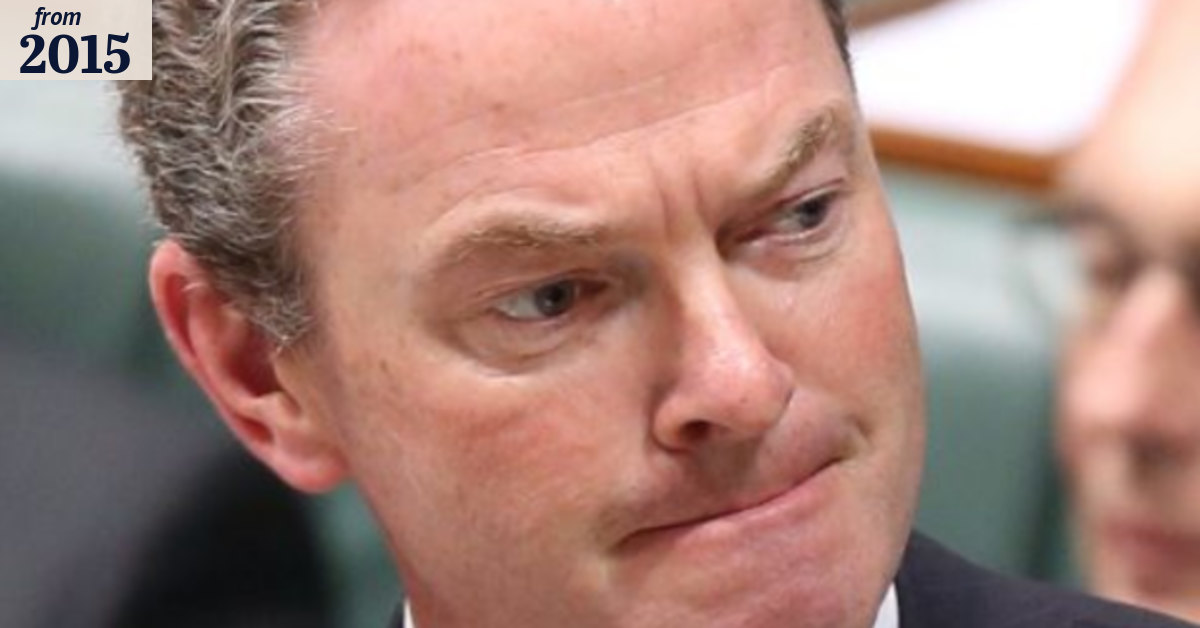
The Abbott government plans to spend almost $15 million on its taxpayer-funded higher education advertising campaign, roughly twice as much as previously disclosed.
The Sydney Morning Herald -
2
afr.com
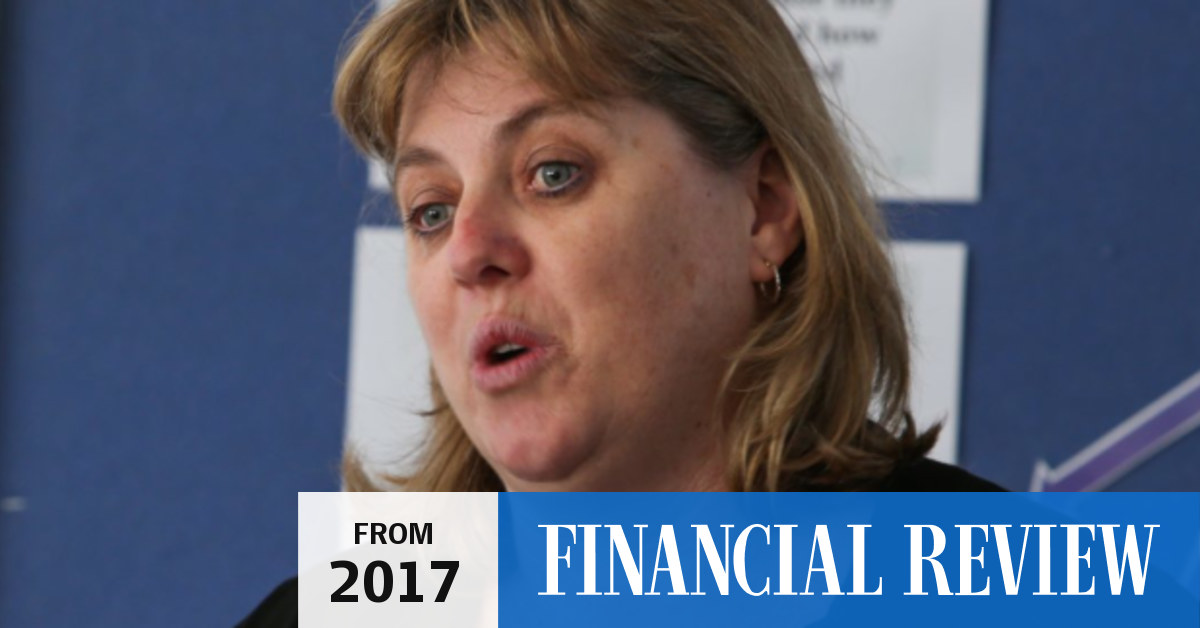
The Australian Education Union spent $20 million promoting Gonski but now opposes Turnbull's plan
Australian Financial Review
Rating Scale Methodology
1-3: FALSE
Factually incorrect or malicious fabrication.
4-6: PARTIAL
Some truth but context is missing or skewed.
7-9: MOSTLY TRUE
Minor technicalities or phrasing issues.
10: ACCURATE
Perfectly verified and contextually fair.
Methodology: Ratings are determined through cross-referencing official government records, independent fact-checking organizations, and primary source documents.