
C1001
主張
“規定所有公務員必須錯誤地將乘船抵達者稱為「非法」。”
原始來源: Matthew Davis
原始來源
✅ 事實查核
此主張 cǐ zhǔ zhāng 在 zài 核心 hé xīn 論述 lùn shù 上 shàng 是 shì * * * * 正確 zhèng què 的 de * * * * 。 。
The claim is **TRUE** in its core assertion.
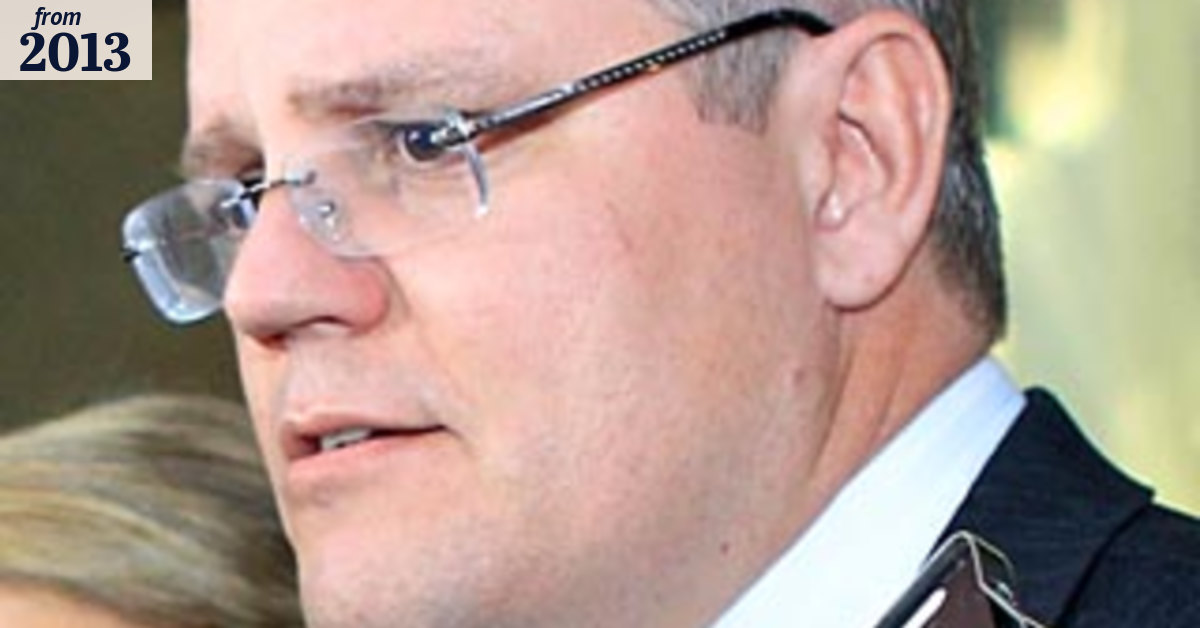
移民部 yí mín bù 長 zhǎng 史考特 shǐ kǎo tè · · 莫里森 mò lǐ sēn 確實 què shí 在 zài 2013 2013 年 nián 10 10 月 yuè 發布 fā bù 了 le 一項 yī xiàng 指令 zhǐ lìng , , 指示 zhǐ shì 移民 yí mín 與 yǔ 邊境 biān jìng 保護部 bǎo hù bù 的 de 工作 gōng zuò 人員及 rén yuán jí 承包商 chéng bāo shāng , , 將 jiāng 乘船 chéng chuán 抵達 dǐ dá 的 de 尋求 xún qiú 庇護者 bì hù zhě 稱 chēng 為 wèi 「 「 非法 fēi fǎ 海上 hǎi shàng 入境者 rù jìng zhě 」 」 , , 而 ér 非 fēi 使用 shǐ yòng 先前 xiān qián 的 de 術語 shù yǔ [ [ 1 1 ] ] 。 。 Immigration Minister Scott Morrison did issue a directive in October 2013 instructing Department of Immigration and Border Protection staff and contractors to refer to asylum seekers arriving by boat as "illegal maritime arrivals" rather than the previous terminology [1].
根據 gēn jù 《 《 衛報 wèi bào 》 》 報導 bào dǎo , , 莫里森 mò lǐ sēn 指示 zhǐ shì 必須將 bì xū jiāng 乘船 chéng chuán 抵達者 dǐ dá zhě 稱 chēng 為 wèi 「 「 非法 fēi fǎ 海上 hǎi shàng 入境者 rù jìng zhě 」 」 , , 並將 bìng jiāng 拘留 jū liú 中心 zhōng xīn 的 de 尋求 xún qiú 庇護者 bì hù zhě 稱 chēng 為 wèi 「 「 被 bèi 拘留 jū liú 者 zhě 」 」 而 ér 非 fēi 「 「 客戶 kè hù 」 」 [ [ 2 2 ] ] 。 。 According to The Guardian, Morrison directed that boat arrivals must be called "illegal maritime arrivals," and asylum seekers in detention must be called "detainees" instead of "clients" [2].
此 cǐ 指令 zhǐ lìng 適用 shì yòng 於 yú 公務員及 gōng wù yuán jí 拘留 jū liú 中心 zhōng xīn 工作 gōng zuò 人員 rén yuán 。 。 This directive applied to public servants and detention centre staff.
莫里森 mò lǐ sēn 為 wèi 此術 cǐ shù 語變 yǔ biàn 更 gèng 辯護 biàn hù , , 表示 biǎo shì 他 tā 只是 zhǐ shì 「 「 實事求 shí shì qiú 是 shì 」 」 , , 並稱 bìng chēng 「 「 我 wǒ 不會 bù huì 為 wèi 不 bù 使用 shǐ yòng 政治 zhèng zhì 正確 zhèng què 的 de 語言來 yǔ yán lái 描述 miáo shù 我試 wǒ shì 圖 tú 阻止 zǔ zhǐ 的 de 事情 shì qíng 而 ér 道歉 dào qiàn 」 」 [ [ 2 2 ] ] 。 。 Morrison defended the terminology change, stating he was simply "calling a spade a spade" and that "I'm not going to make any apologies for not using politically correct language to describe something that I am trying to stop" [2].
他進 tā jìn 一步 yī bù 澄清 chéng qīng , , 該術語 gāi shù yǔ 指 zhǐ 的 de 是 shì 入境 rù jìng 方式 fāng shì , , 而 ér 非 fēi 尋求 xún qiú 庇護 bì hù 的 de 行為 xíng wèi : : 「 「 乘船 chéng chuán 非法 fēi fǎ 進入 jìn rù 澳洲 ào zhōu 的 de 人 rén 確實 què shí 是 shì 非法 fēi fǎ 入境 rù jìng … … … … 我 wǒ 從 cóng 未 wèi 說過 shuō guò 尋求 xún qiú 庇護 bì hù 是 shì 非法 fēi fǎ 的 de 。 。 He further clarified that the term referred to the mode of entry, not the act of seeking asylum: "People who have entered Australia illegally by boat have illegally entered by boat...
這 zhè 不是 bú shì 該術語 gāi shù yǔ 所指 suǒ zhǐ 的 de 含義 hán yì 。 。 I've never said that it is illegal to claim asylum.
它 tā 指 zhǐ 的 de 是 shì 他們 tā men 的 de 入境 rù jìng 方式 fāng shì 」 」 [ [ 2 2 ] ] 。 。 That's not what the term refers to.
《 《 雪梨 xuě lí 晨鋒報 chén fēng bào 》 》 報導 bào dǎo , , 138 138 個 gè 非政府 fēi zhèng fǔ 機構 jī gòu 、 、 宗教 zōng jiào 組織 zǔ zhī 及 jí 社區 shè qū 團體 tuán tǐ 聯署 lián shǔ 致信 zhì xìn 總理 zǒng lǐ 東尼 dōng ní · · 艾伯特 ài bó tè , , 敦促 dūn cù 政府 zhèng fǔ 停止使用 tíng zhǐ shǐ yòng 「 「 非法 fēi fǎ 」 」 一詞 yī cí 來 lái 描述 miáo shù 尋求 xún qiú 庇護者 bì hù zhě [ [ 1 1 ] ] 。 。 It refers to their mode of entry" [2].
缺失的脈絡
此主張 cǐ zhǔ zhāng 遺漏 yí lòu 了 le 幾個 jǐ gè 重要 zhòng yào 的 de 背景 bèi jǐng 元素 yuán sù : :
The claim omits several important contextual elements:
1. **Labor's previous terminology**: The previous Labor government (Rudd/Gillard) had used the term "irregular maritime arrivals" (IMAs) to describe the same group of people [3][4].
1 1 . . * * * * 工黨 gōng dǎng 先前 xiān qián 的 de 術語 shù yǔ * * * * : : 前任 qián rèn 工黨 gōng dǎng 政府 zhèng fǔ ( ( 陸克文 lù kè wén / / 吉拉德 jí lā dé ) ) 曾 céng 使用 shǐ yòng 「 「 非正規 fēi zhèng guī 海上 hǎi shàng 入境者 rù jìng zhě 」 」 ( ( IMAs IMAs ) ) 一詞 yī cí 來 lái 描述 miáo shù 同 tóng 一群 yī qún 人 rén [ [ 3 3 ] ] [ [ 4 4 ] ] 。 。 The ANU Reporter noted: "In late 2013, not long after the Coalition won power, Federal Immigration Minister Scott Morrison changed the policy of calling people who arrived in Australia by boat from Irregular Maritime Arrivals - the preferred terminology of the Labor government - to Illegal Maritime Arrivals" [3].
2. **The legal distinction**: The term "illegal" was applied to the method of entry (arriving without a visa), not to the act of seeking asylum itself.
《 《 澳洲 ào zhōu 國立 guó lì 大學 dà xué 報導 bào dǎo 》 》 指出 zhǐ chū : : 「 「 2013 2013 年底 nián dǐ , , 在 zài 聯盟 lián méng 黨 dǎng 贏得 yíng dé 執政權 zhí zhèng quán 不久 bù jiǔ 後 hòu , , 聯邦 lián bāng 移民部 yí mín bù 長 zhǎng 史考特 shǐ kǎo tè · · 莫里森 mò lǐ sēn 更改 gēng gǎi 了 le 政策 zhèng cè , , 將 jiāng 乘船 chéng chuán 抵達 dǐ dá 澳洲 ào zhōu 的 de 人 rén 從 cóng 工黨 gōng dǎng 政府 zhèng fǔ 偏好 piān hǎo 的 de 術語 shù yǔ 『 『 非正規 fēi zhèng guī 海上 hǎi shàng 入境者 rù jìng zhě 』 』 改稱 gǎi chēng 為 wèi 『 『 非法 fēi fǎ 海上 hǎi shàng 入境者 rù jìng zhě 』 』 」 」 [ [ 3 3 ] ] 。 。 Under international law and the Refugee Convention, it is not illegal to seek asylum [5].
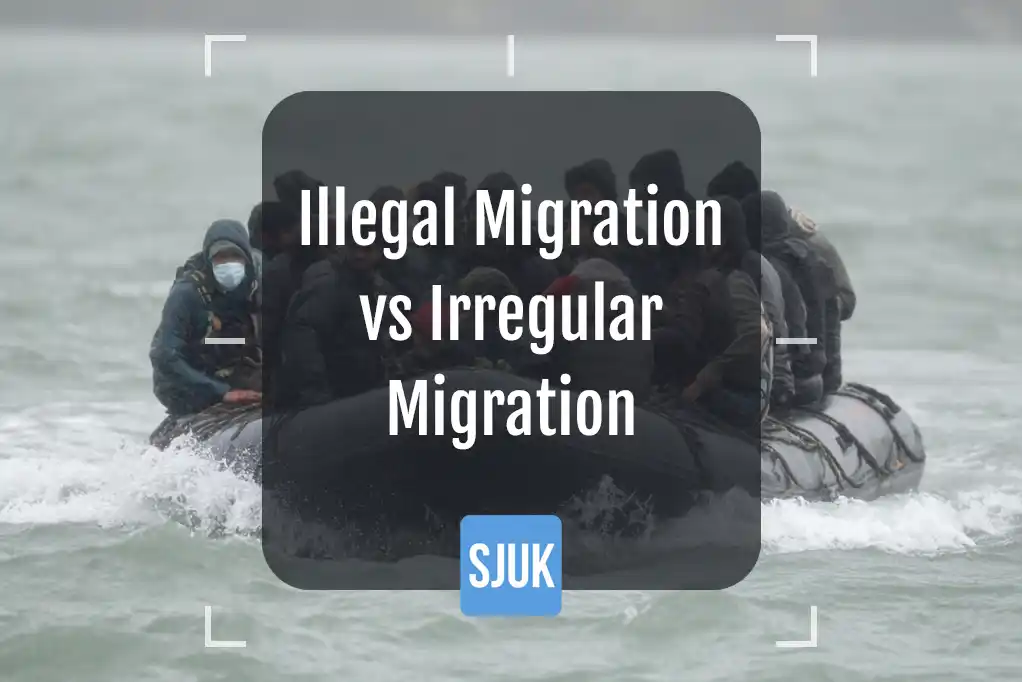
2 2 . . * * * * 法律 fǎ lǜ 區別 qū bié * * * * : : 「 「 非法 fēi fǎ 」 」 一詞 yī cí 應用 yīng yòng 於 yú 入境 rù jìng 方式 fāng shì ( ( 未持 wèi chí 簽證 qiān zhèng 入境 rù jìng ) ) , , 而 ér 非 fēi 尋求 xún qiú 庇護 bì hù 的 de 行為 xíng wèi 本身 běn shēn 。 。 The UN and international agencies consistently distinguish between "irregular migration" (entering without proper documentation) and "illegal migration," emphasizing that seeking asylum is a fundamental right regardless of how one enters a country [5][6].
3. **The "mode of entry" defense**: Morrison explicitly stated he was not claiming that seeking asylum was illegal, but rather that arriving without authorization was an illegal entry method [2].
根據 gēn jù 國際法 guó jì fǎ 及 jí 《 《 難民公約 nán mín gōng yuē 》 》 , , 尋求 xún qiú 庇護 bì hù 並非 bìng fēi 非法 fēi fǎ 行為 xíng wèi [ [ 5 5 ] ] 。 。 This distinction is significant in international law, though critics argue the terminology conflates the two in public perception.
4. **Historical precedent**: The Howard government (1996-2007) had also used inflammatory rhetoric around boat arrivals, including terms like "queue jumpers" and the "Pacific Solution" [7].
聯合國 lián hé guó 及 jí 國際機 guó jì jī 構始 gòu shǐ 終區 zhōng qū 分 fēn 「 「 非正規 fēi zhèng guī 移徙 yí xǐ 」 」 ( ( 無 wú 適當 shì dāng 文件 wén jiàn 入境 rù jìng ) ) 與 yǔ 「 「 非法 fēi fǎ 移徙 yí xǐ 」 」 , , 強調 qiáng diào 無論 wú lùn 以 yǐ 何種 hé zhǒng 方式 fāng shì 進入 jìn rù 一國 yī guó , , 尋求 xún qiú 庇護 bì hù 都 dōu 是 shì 一項 yī xiàng 基本 jī běn 權利 quán lì [ [ 5 5 ] ] [ [ 6 6 ] ] 。 。 The European Council on Refugees noted: "One of the first steps the Coalition Government took was a rhetorical change: led by Prime Minister Tony Abbott, the Government decided to refer to asylum seekers who enter by boat as 'illegal maritime arrivals', a shift from the previous 'irregular maritime arrivals'" [7].
3 3 . . * * * * 「 「 入境 rù jìng 方式 fāng shì 」 」 辯護 biàn hù * * * * : : 莫里森 mò lǐ sēn 明確 míng què 表示 biǎo shì , , 他 tā 並非 bìng fēi 聲稱 shēng chēng 尋求 xún qiú 庇護 bì hù 是 shì 非法 fēi fǎ 的 de , , 而是 ér shì 指未經 zhǐ wèi jīng 授權 shòu quán 抵達 dǐ dá 是 shì 一種 yī zhǒng 非法 fēi fǎ 的 de 入境 rù jìng 方式 fāng shì [ [ 2 2 ] ] 。 。 這種 zhè zhǒng 區別 qū bié 在 zài 國際法 guó jì fǎ 中 zhōng 具有 jù yǒu 重要 zhòng yào 意義 yì yì , , 儘 jǐn 管 guǎn 批 pī 評 píng 者 zhě 認 rèn 為 wèi 該 gāi 術 shù 語 yǔ 在 zài 公 gōng 眾 zhòng 認 rèn 知 zhī 中 zhōng 混淆 hùn xiáo 了 le 兩者 liǎng zhě 。 。 4 4 . . * * * * 歷史 lì shǐ 先例 xiān lì * * * * : : 霍華德 huò huá dé 政府 zhèng fǔ ( ( 1996 1996 - - 2007 2007 ) ) 也 yě 曾 céng 使用 shǐ yòng 煽動性 shān dòng xìng 的 de 言 yán 辭來 cí lái 描述 miáo shù 乘船 chéng chuán 抵達者 dǐ dá zhě , , 包括 bāo kuò 「 「 插隊 chā duì 者 zhě 」 」 等術 děng shù 語及 yǔ jí 「 「 太平洋 tài píng yáng 解決 jiě jué 方案 fāng àn 」 」 [ [ 7 7 ] ] 。 。 歐洲 ōu zhōu 難 nán 民委 mín wěi 員會 yuán huì 指出 zhǐ chū : : 「 「 聯盟 lián méng 黨 dǎng 政府 zhèng fǔ 採取 cǎi qǔ 的 de 首要 shǒu yào 步驟 bù zhòu 之一 zhī yī 是 shì 言 yán 辭 cí 上 shàng 的 de 改變 gǎi biàn : : 在 zài 總理 zǒng lǐ 東尼 dōng ní · · 艾伯特 ài bó tè 的 de 帶 dài 領下 lǐng xià , , 政府 zhèng fǔ 決定將 jué dìng jiāng 乘船 chéng chuán 入境 rù jìng 的 de 尋求 xún qiú 庇護者 bì hù zhě 稱 chēng 為 wèi 『 『 非法 fēi fǎ 海上 hǎi shàng 入境者 rù jìng zhě 』 』 , , 這是 zhè shì 從 cóng 先前 xiān qián 的 de 『 『 非正規 fēi zhèng guī 海上 hǎi shàng 入境者 rù jìng zhě 』 』 轉變 zhuǎn biàn 而 ér 來 lái 」 」 [ [ 7 7 ] ] 。 。 來源可信度評估
此主張 cǐ zhǔ zhāng 所 suǒ 提供 tí gōng 的 de 原始 yuán shǐ 資料 zī liào 來源 lái yuán 可信度 kě xìn dù 各異 gè yì : :
The original sources provided with the claim vary in credibility:
1. **Sydney Morning Herald (SMH)**: A mainstream Australian newspaper with established journalistic standards.
1 1 . . * * * * 《 《 雪梨 xuě lí 晨鋒報 chén fēng bào 》 》 ( ( SMH SMH ) ) * * * * : : 一家 yī jiā 具有 jù yǒu 既定 jì dìng 新聞 xīn wén 標準 biāo zhǔn 的 de 主流 zhǔ liú 澳洲 ào zhōu 報紙 bào zhǐ 。 。 Fairfax Media (now Nine) is generally considered reputable, though like all media, has some editorial perspective.
費爾 fèi ěr 法克斯 fǎ kè sī 媒體 méi tǐ ( ( 現為 xiàn wèi Nine Nine ) ) 通常 tōng cháng 被 bèi 認為 rèn wèi 具有 jù yǒu 公信力 gōng xìn lì , , 儘 jǐn 管 guǎn 與 yǔ 所有 suǒ yǒu 媒體 méi tǐ 一樣 yī yàng , , 帶有 dài yǒu 一定 yí dìng 的 de 編輯 biān jí 觀點 guān diǎn 。 。 This source is credible [1].
2. **Glenn Murray website**: This appears to be a personal/political website.
此資料 cǐ zī liào 來源 lái yuán 可信 kě xìn [ [ 1 1 ] ] 。 。 Without additional information about the author and their credentials, this source should be treated as less authoritative than mainstream media outlets.
3. **The Big Smoke**: An online publication.
2 2 . . * * * * Glenn Glenn Murray Murray 網站 wǎng zhàn * * * * : : 這 zhè 似乎 sì hū 是 shì 一個 yī gè 個 gè 人 rén / / 政治 zhèng zhì 網站 wǎng zhàn 。 。 While it publishes commentary, it may have less rigorous editorial standards than established newspapers.
在 zài 缺乏 quē fá 關於 guān yú 作者 zuò zhě 及其 jí qí 資歷 zī lì 的 de 額外 é wài 資訊 zī xùn 情況 qíng kuàng 下 xià , , 此資料 cǐ zī liào 來源 lái yuán 的 de 權威性 quán wēi xìng 應低 yīng dī 於 yú 主流 zhǔ liú 媒體 méi tǐ 。 。 The article cited appears to be an opinion piece rather than straight news reporting.
3 3 . . * * * * The The Big Big Smoke Smoke * * * * : : 一家 yī jiā 線上 xiàn shàng 出版物 chū bǎn wù 。 。 The most authoritative sources on this claim are mainstream news outlets (SMH, The Guardian, ABC) and parliamentary records, which confirm the directive was issued as claimed.
雖然 suī rán 它 tā 發表 fā biǎo 評論 píng lùn 文章 wén zhāng , , 但 dàn 其 qí 編輯 biān jí 標準 biāo zhǔn 可能 kě néng 不如 bù rú 老牌 lǎo pái 報紙 bào zhǐ 嚴謹 yán jǐn 。 。 所 suǒ 引用 yǐn yòng 的 de 文章 wén zhāng 似乎 sì hū 是 shì 評論 píng lùn 文章 wén zhāng 而 ér 非純 fēi chún 新聞 xīn wén 報導 bào dǎo 。 。 關於此 guān yú cǐ 主張 zhǔ zhāng 最 zuì 具權 jù quán 威性 wēi xìng 的 de 資料 zī liào 來源 lái yuán 是 shì 主流 zhǔ liú 新聞 xīn wén 媒體 méi tǐ ( ( 《 《 雪梨 xuě lí 晨鋒報 chén fēng bào 》 》 、 、 《 《 衛報 wèi bào 》 》 、 、 澳洲 ào zhōu 廣播 guǎng bō 公司 gōng sī ) ) 及國會 jí guó huì 記錄 jì lù , , 這些 zhè xiē 資料 zī liào 證實 zhèng shí 該 gāi 指令 zhǐ lìng 確實 què shí 如主張 rú zhǔ zhāng 所述 suǒ shù 已 yǐ 發布 fā bù 。 。 ⚖️
Labor 比較
* * * * 工黨 gōng dǎng 是否 shì fǒu 做 zuò 過類 guò lèi 似的 shì de 事情 shì qíng ? ?
**Did Labor do something similar?**
Search conducted: "Labor government Rudd Gillard asylum seeker boat arrivals illegal terminology"
Finding: Labor did not use the term "illegal" - they used "irregular maritime arrivals" (IMAs) [3][4].
* * * * However, Labor maintained similar hardline policies regarding boat arrivals:
- The Gillard government re-established offshore processing in Nauru and Papua New Guinea in 2012 (the "Pacific Solution" that Labor had previously dismantled) [8]
- Labor's Immigration Minister Chris Bowen used the term "irregular maritime arrivals" (IMAs) in official communications, including press releases about bridging visas and community placement [4]
- Labor also used military-led border protection operations and maintained detention facilities
- The terminology difference reflects a different framing approach rather than fundamentally different policy outcomes
Richard Marles, Labor's immigration spokesman at the time, explicitly criticized Morrison's terminology change as "demonising asylum seekers" and a return to "inflammatory rhetoric of the Howard era" [2].
**Key distinction**: While Labor did not use "illegal" terminology, they implemented many of the same deterrence policies.
搜尋內容 sōu xún nèi róng : : 「 「 Labor Labor government government Rudd Rudd Gillard Gillard asylum asylum seeker seeker boat boat arrivals arrivals illegal illegal terminology terminology 」 」 ( ( 工黨 gōng dǎng 政府 zhèng fǔ 陸克文 lù kè wén 吉拉德 jí lā dé 尋求 xún qiú 庇護者 bì hù zhě 乘船 chéng chuán 抵達 dǐ dá 非法 fēi fǎ 術語 shù yǔ ) ) The terminology change represents a shift in rhetoric rather than a unique policy position.
發現 fā xiàn : : 工黨 gōng dǎng 未 wèi 使用 shǐ yòng 「 「 非法 fēi fǎ 」 」 一詞 yī cí — — — — 他們 tā men 使用 shǐ yòng 的 de 是 shì 「 「 非正規 fēi zhèng guī 海上 hǎi shàng 入境者 rù jìng zhě 」 」 ( ( IMAs IMAs ) ) [ [ 3 3 ] ] [ [ 4 4 ] ] 。 。 然而 rán ér , , 工黨 gōng dǎng 在 zài 乘船 chéng chuán 抵達 dǐ dá 問題 wèn tí 上維持 shàng wéi chí 了類 le lèi 似的 shì de 強硬 qiáng yìng 政策 zhèng cè : : - - 吉拉德 jí lā dé 政府 zhèng fǔ 在 zài 2012 2012 年 nián 重新 chóng xīn 建立 jiàn lì 了 le 在 zài 諾魯及 nuò lǔ jí 巴布 bā bù 亞紐 yà niǔ 幾內亞 jǐ nèi yà 的 de 境外 jìng wài 處理 chù lǐ 機制 jī zhì ( ( 即 jí 工黨 gōng dǎng 先前 xiān qián 廢除 fèi chú 的 de 「 「 太平洋 tài píng yáng 解決 jiě jué 方案 fāng àn 」 」 ) ) [ [ 8 8 ] ] - - 工黨 gōng dǎng 的 de 移民部 yí mín bù 長 zhǎng 克里斯 kè lǐ sī · · 鮑文 bào wén 在 zài 官方 guān fāng 通訊 tōng xùn 中 zhōng 使用 shǐ yòng 「 「 非正規 fēi zhèng guī 海上 hǎi shàng 入境者 rù jìng zhě 」 」 ( ( IMAs IMAs ) ) 一詞 yī cí , , 包括 bāo kuò 關於 guān yú 過橋 guò qiáo 簽證 qiān zhèng 及 jí 社區 shè qū 安置 ān zhì 的 de 新聞稿 xīn wén gǎo [ [ 4 4 ] ] - - 工黨 gōng dǎng 亦 yì 使用 shǐ yòng 軍 jūn 事主 shì zhǔ 導的 dǎo de 邊境 biān jìng 保護 bǎo hù 行動 xíng dòng , , 並維持 bìng wéi chí 拘留 jū liú 設施 shè shī - - 術語 shù yǔ 差異 chà yì 反映 fǎn yìng 了 le 不同 bù tóng 的 de 框架 kuāng jià 方式 fāng shì , , 而 ér 非 fēi 根本 gēn běn 不同 bù tóng 的 de 政策 zhèng cè 結果 jié guǒ 時 shí 任工 rèn gōng 黨 dǎng 移民 yí mín 事務 shì wù 發言人 fā yán rén 的 de 理查德 lǐ chá dé · · 馬 mǎ 爾斯明確 ěr sī míng què 批評 pī píng 莫里森 mò lǐ sēn 的 de 術 shù 語變 yǔ biàn 更是 gèng shì 「 「 妖魔化 yāo mó huà 尋求 xún qiú 庇護者 bì hù zhě 」 」 , , 是 shì 回歸 huí guī 「 「 霍華德 huò huá dé 時代 shí dài 的 de 煽動 shān dòng 性言辭 xìng yán cí 」 」 [ [ 2 2 ] ] 。 。 * * * * 關鍵 guān jiàn 區別 qū bié * * * * : : 雖然 suī rán 工黨 gōng dǎng 未 wèi 使用 shǐ yòng 「 「 非法 fēi fǎ 」 」 術語 shù yǔ , , 但 dàn 他們 tā men 實施 shí shī 了 le 許多 xǔ duō 相同 xiāng tóng 的 de 阻嚇 zǔ xià 政策 zhèng cè 。 。 術 shù 語變 yǔ biàn 更 gèng 代表 dài biǎo 了 le 言 yán 辭 cí 上 shàng 的 de 轉變 zhuǎn biàn , , 而 ér 非 fēi 獨特 dú tè 的 de 政策 zhèng cè 立場 lì chǎng 。 。 🌐
平衡觀點
雖然關 suī rán guān 於 yú 公務員 gōng wù yuán 被 bèi 要求 yāo qiú 使用 shǐ yòng 「 「 非法 fēi fǎ 」 」 術語 shù yǔ 的 de 主張 zhǔ zhāng 在 zài 事實 shì shí 上 shàng 是 shì 準確 zhǔn què 的 de , , 但 dàn 完整 wán zhěng 背景 bèi jǐng 包括 bāo kuò : :
While the claim that public servants were mandated to use "illegal" terminology is factually accurate, the full context includes:
**Coalition position:**
- Morrison argued he was simply being direct about the method of entry, not criminalizing asylum-seeking itself [2]
- The Coalition viewed this as part of a broader deterrence strategy under "Operation Sovereign Borders," treating boat arrivals as a border security issue rather than a humanitarian one [7][9]
- The government maintained that arriving without a visa violates Australia's Migration Act, making the entry method illegal even if the asylum claim is legitimate
**Criticisms:**
- 138 organizations, including faith-based groups and refugee advocates, signed a joint letter protesting the terminology as dehumanizing [1]
- The Refugee Council of Australia and other advocates argued the term misrepresents international law, as seeking asylum is a protected right regardless of entry method [1][5]
- Critics noted the terminology blurs the distinction between unauthorized entry (a technical violation) and the legitimate right to seek asylum
**Comparative analysis:**
- This is **not unique** to the Coalition in terms of hardline border rhetoric - the Howard government used similar framing
- However, the specific "illegal" terminology was a Coalition innovation not used by Labor
- Both major parties have used deterrence-based approaches to boat arrivals, though with different rhetorical framings
- The international standard preferred by UNHCR and refugee agencies is "irregular" rather than "illegal" to maintain the distinction between entry method and asylum rights [5][6]
* * * * 聯盟 lián méng 黨立場 dǎng lì chǎng : : * * * * - - 莫里森 mò lǐ sēn 認為 rèn wèi 他 tā 只是 zhǐ shì 直接 zhí jiē 說明 shuō míng 入境 rù jìng 方式 fāng shì , , 而 ér 非將 fēi jiāng 尋求 xún qiú 庇護行 bì hù xíng 為 wèi 本身 běn shēn 定為 dìng wèi 犯罪 fàn zuì [ [ 2 2 ] ] - - 聯盟 lián méng 黨將 dǎng jiāng 此視 cǐ shì 為 wèi 「 「 主權 zhǔ quán 邊境 biān jìng 行動 xíng dòng 」 」 下 xià 更 gèng 廣泛 guǎng fàn 阻嚇 zǔ xià 策略 cè lüè 的 de 一部分 yī bù fèn , , 將 jiāng 乘船 chéng chuán 抵達視 dǐ dá shì 為 wèi 邊境 biān jìng 安全 ān quán 問題 wèn tí 而 ér 非人 fēi rén 道 dào 問題 wèn tí [ [ 7 7 ] ] [ [ 9 9 ] ] - - 政府 zhèng fǔ 堅稱 jiān chēng , , 未持 wèi chí 簽證 qiān zhèng 抵達 dǐ dá 違反 wéi fǎn 了 le 澳洲 ào zhōu 的 de 《 《 移民法 yí mín fǎ 》 》 , , 即使 jí shǐ 庇護 bì hù 申請 shēn qǐng 是 shì 合法 hé fǎ 的 de , , 其 qí 入境 rù jìng 方式 fāng shì 也 yě 是 shì 非法 fēi fǎ 的 de * * * * 批評 pī píng 意見 yì jiàn : : * * * * - - 138 138 個 gè 組織 zǔ zhī , , 包括 bāo kuò 宗教 zōng jiào 團體 tuán tǐ 及 jí 難民倡 nán mín chàng 導者 dǎo zhě , , 聯署 lián shǔ 抗議 kàng yì 信 xìn , , 反對 fǎn duì 使用 shǐ yòng 該術語 gāi shù yǔ , , 認為 rèn wèi 其 qí 具有 jù yǒu 非人 fēi rén 化 huà 意味 yì wèi [ [ 1 1 ] ] - - 澳洲 ào zhōu 難 nán 民委 mín wěi 員會 yuán huì 及其 jí qí 他 tā 倡導者 chàng dǎo zhě 認為 rèn wèi , , 該術語 gāi shù yǔ 歪曲 wāi qū 了 le 國際法 guó jì fǎ , , 因為 yīn wèi 無論 wú lùn 以 yǐ 何種 hé zhǒng 方式 fāng shì 入境 rù jìng , , 尋求 xún qiú 庇護 bì hù 都 dōu 是 shì 一項 yī xiàng 受 shòu 保護 bǎo hù 的 de 權利 quán lì [ [ 1 1 ] ] [ [ 5 5 ] ] - - 批 pī 評者 píng zhě 指出 zhǐ chū , , 該術語 gāi shù yǔ 模糊 mó hú 了 le 未經 wèi jīng 授權 shòu quán 入境 rù jìng ( ( 技術性 jì shù xìng 違規 wéi guī ) ) 與 yǔ 合法 hé fǎ 尋求 xún qiú 庇護權 bì hù quán 利之間 lì zhī jiān 的 de 區別 qū bié * * * * 比較 bǐ jiào 分析 fēn xī : : * * * * - - 就 jiù 強硬邊 qiáng yìng biān 境言辭 jìng yán cí 而言 ér yán , , 這 zhè * * * * 並非 bìng fēi * * * * 聯盟 lián méng 黨 dǎng 獨有 dú yǒu — — — — 霍華德 huò huá dé 政府 zhèng fǔ 使用 shǐ yòng 了類 le lèi 似的 shì de 框架 kuāng jià - - 然而 rán ér , , 具體 jù tǐ 的 de 「 「 非法 fēi fǎ 」 」 術語 shù yǔ 是 shì 聯盟 lián méng 黨 dǎng 的 de 創新 chuàng xīn , , 工黨 gōng dǎng 並未 bìng wèi 使用 shǐ yòng - - 兩大 liǎng dà 主要 zhǔ yào 政黨 zhèng dǎng 都 dōu 對 duì 乘船 chéng chuán 抵達 dǐ dá 採取 cǎi qǔ 了 le 阻嚇 zǔ xià 為 wèi 基礎 jī chǔ 的 de 做法 zuò fǎ , , 儘 jǐn 管 guǎn 使用 shǐ yòng 了 le 不同 bù tóng 的 de 言辭 yán cí 框架 kuāng jià - - 聯合國 lián hé guó 難民署 nán mín shǔ 及 jí 難民機構 nán mín jī gòu 偏好 piān hǎo 的 de 國際 guó jì 標準 biāo zhǔn 是 shì 「 「 非正規 fēi zhèng guī 」 」 而 ér 非 fēi 「 「 非法 fēi fǎ 」 」 , , 以維持 yǐ wéi chí 入境 rù jìng 方式 fāng shì 與 yǔ 庇護權 bì hù quán 利之間 lì zhī jiān 的 de 區別 qū bié [ [ 5 5 ] ] [ [ 6 6 ] ] 部分真實
6.0
/ 10
核心 hé xīn 主張 zhǔ zhāng 是 shì 準確 zhǔn què 的 de : : 聯盟 lián méng 黨 dǎng 政府 zhèng fǔ 確實 què shí 規定 guī dìng 公務員 gōng wù yuán 必須 bì xū 使用 shǐ yòng 「 「 非法 fēi fǎ 海上 hǎi shàng 入境者 rù jìng zhě 」 」 的 de 術語 shù yǔ 。 。
The core claim is accurate: the Coalition government did mandate that public servants use "illegal maritime arrivals" terminology.
然而 rán ér , , 該主張 gāi zhǔ zhāng 將此 jiāng cǐ 稱 chēng 為 wèi 「 「 錯誤 cuò wù 」 」 的 de 框架 kuāng jià 本身 běn shēn 是 shì 一個 yī gè 有 yǒu 爭議 zhēng yì 的 de 立場 lì chǎng 。 。 However, the claim's framing that this was "incorrect" is itself a contested position.
雖然 suī rán 難民倡 nán mín chàng 導者 dǎo zhě 及 jí 國際 guó jì 機構 jī gòu 認為 rèn wèi 「 「 非法 fēi fǎ 」 」 歪曲 wāi qū 了 le 尋求 xún qiú 庇護 bì hù 的 de 法律 fǎ lǜ 權利 quán lì , , 但 dàn 聯盟 lián méng 黨 dǎng 堅持 jiān chí 該術語 gāi shù yǔ 描述 miáo shù 的 de 是 shì 入境 rù jìng 方式 fāng shì ( ( 根據 gēn jù 《 《 移民法 yí mín fǎ 》 》 技術 jì shù 上 shàng 確實 què shí 是 shì 未經 wèi jīng 授權 shòu quán 的 de ) ) , , 而 ér 非庇護 fēi bì hù 申請 shēn qǐng 本身 běn shēn 。 。 While refugee advocates and international agencies argue "illegal" misrepresents the legal right to seek asylum, the Coalition maintained the term described the entry method (which is technically unauthorized under the Migration Act), not the asylum claim itself.
該主張 gāi zhǔ zhāng 未 wèi 提及 tí jí 工黨 gōng dǎng 對 duì 類似 lèi shì 政策 zhèng cè 使用 shǐ yòng 不同 bù tóng 術語 shù yǔ ( ( 「 「 非正規 fēi zhèng guī 」 」 ) ) , , 也 yě 未 wèi 提及 tí jí 莫里森 mò lǐ sēn 試圖 shì tú 強調 qiáng diào 的 de 細微 xì wēi 法律 fǎ lǜ 區別 qū bié 。 。 The claim omits that Labor used different terminology ("irregular") for similar policies, and misses the nuanced legal distinction Morrison attempted to draw.
該術語 gāi shù yǔ 確實 què shí 具有 jù yǒu 爭議 zhēng yì 性並 xìng bìng 受到 shòu dào 難民倡 nán mín chàng 導者 dǎo zhě 廣泛 guǎng fàn 批評 pī píng , , 但 dàn 其 qí 是否 shì fǒu 「 「 錯誤 cuò wù 」 」 取決 qǔ jué 於 yú 人們 rén men 是否 shì fǒu 接受 jiē shòu 聯盟 lián méng 黨關 dǎng guān 於 yú 入境 rù jìng 方式 fāng shì 與 yǔ 庇護 bì hù 權利 quán lì 的 de 框架 kuāng jià , , 或是 huò shì 採取 cǎi qǔ 更 gèng 廣泛 guǎng fàn 的 de 國際法 guó jì fǎ 觀點 guān diǎn 。 。 The terminology was controversial and widely criticized by refugee advocates, but whether it was "incorrect" depends on whether one accepts the Coalition's framing about mode of entry versus the broader international law perspective on asylum rights.
最終分數
6.0
/ 10
部分真實
核心 hé xīn 主張 zhǔ zhāng 是 shì 準確 zhǔn què 的 de : : 聯盟 lián méng 黨 dǎng 政府 zhèng fǔ 確實 què shí 規定 guī dìng 公務員 gōng wù yuán 必須 bì xū 使用 shǐ yòng 「 「 非法 fēi fǎ 海上 hǎi shàng 入境者 rù jìng zhě 」 」 的 de 術語 shù yǔ 。 。
The core claim is accurate: the Coalition government did mandate that public servants use "illegal maritime arrivals" terminology.
然而 rán ér , , 該主張 gāi zhǔ zhāng 將此 jiāng cǐ 稱 chēng 為 wèi 「 「 錯誤 cuò wù 」 」 的 de 框架 kuāng jià 本身 běn shēn 是 shì 一個 yī gè 有 yǒu 爭議 zhēng yì 的 de 立場 lì chǎng 。 。 However, the claim's framing that this was "incorrect" is itself a contested position.
雖然 suī rán 難民倡 nán mín chàng 導者 dǎo zhě 及 jí 國際 guó jì 機構 jī gòu 認為 rèn wèi 「 「 非法 fēi fǎ 」 」 歪曲 wāi qū 了 le 尋求 xún qiú 庇護 bì hù 的 de 法律 fǎ lǜ 權利 quán lì , , 但 dàn 聯盟 lián méng 黨 dǎng 堅持 jiān chí 該術語 gāi shù yǔ 描述 miáo shù 的 de 是 shì 入境 rù jìng 方式 fāng shì ( ( 根據 gēn jù 《 《 移民法 yí mín fǎ 》 》 技術 jì shù 上 shàng 確實 què shí 是 shì 未經 wèi jīng 授權 shòu quán 的 de ) ) , , 而 ér 非庇護 fēi bì hù 申請 shēn qǐng 本身 běn shēn 。 。 While refugee advocates and international agencies argue "illegal" misrepresents the legal right to seek asylum, the Coalition maintained the term described the entry method (which is technically unauthorized under the Migration Act), not the asylum claim itself.
該主張 gāi zhǔ zhāng 未 wèi 提及 tí jí 工黨 gōng dǎng 對 duì 類似 lèi shì 政策 zhèng cè 使用 shǐ yòng 不同 bù tóng 術語 shù yǔ ( ( 「 「 非正規 fēi zhèng guī 」 」 ) ) , , 也 yě 未 wèi 提及 tí jí 莫里森 mò lǐ sēn 試圖 shì tú 強調 qiáng diào 的 de 細微 xì wēi 法律 fǎ lǜ 區別 qū bié 。 。 The claim omits that Labor used different terminology ("irregular") for similar policies, and misses the nuanced legal distinction Morrison attempted to draw.
該術語 gāi shù yǔ 確實 què shí 具有 jù yǒu 爭議 zhēng yì 性並 xìng bìng 受到 shòu dào 難民倡 nán mín chàng 導者 dǎo zhě 廣泛 guǎng fàn 批評 pī píng , , 但 dàn 其 qí 是否 shì fǒu 「 「 錯誤 cuò wù 」 」 取決 qǔ jué 於 yú 人們 rén men 是否 shì fǒu 接受 jiē shòu 聯盟 lián méng 黨關 dǎng guān 於 yú 入境 rù jìng 方式 fāng shì 與 yǔ 庇護 bì hù 權利 quán lì 的 de 框架 kuāng jià , , 或是 huò shì 採取 cǎi qǔ 更 gèng 廣泛 guǎng fàn 的 de 國際法 guó jì fǎ 觀點 guān diǎn 。 。 The terminology was controversial and widely criticized by refugee advocates, but whether it was "incorrect" depends on whether one accepts the Coalition's framing about mode of entry versus the broader international law perspective on asylum rights.
📚 來源與引用 (9)
-
1
smh.com.au
The Prime Minister is being urged to stop the using the term ''illegal maritime arrivals'' and follow Europe's lead on the protection of refugees.
The Sydney Morning Herald -
2

theguardian.com
Minister under fire for directing public servants to refer to asylum seekers who arrive by boat as 'illegal maritime arrivals'
the Guardian -
3

reporter.anu.edu.au
The term 'boat people' was first used of refugees who fled Vietnam after the fall of Saigon in 1975 on a variety of boats.
Reporter Anu Edu -
4
parlinfo.aph.gov.au
Parlinfo Aph Gov
-
5
securityjournaluk.com
Discover the key differences between illegal migration vs irregular migration, and why language shapes how we understand modern migration.
Security Journal UK -
6PDF
RegularAndIrregular
Ohchr • PDF Document -
7

ecre.org
Ecre -
8
asyluminsight.com
Asylum Insight
-
9
en.wikipedia.org
Wikipedia
評分量表方法論
1-3: 虛假
事實不正確或惡意捏造。
4-6: 部分
有部分真實性,但缺乏或扭曲了背景。
7-9: 大致屬實
微小的技術性問題或措辭問題。
10: 準確
完美驗證且在情境上公正。
方法論: 評分通過交叉比對官方政府記錄、獨立事實查核組織和原始來源文件來確定。