* * * * 核心 hé xīn 事實 shì shí 核實 hé shí : : 屬實 shǔ shí * * * *
**Core facts verified: TRUE**
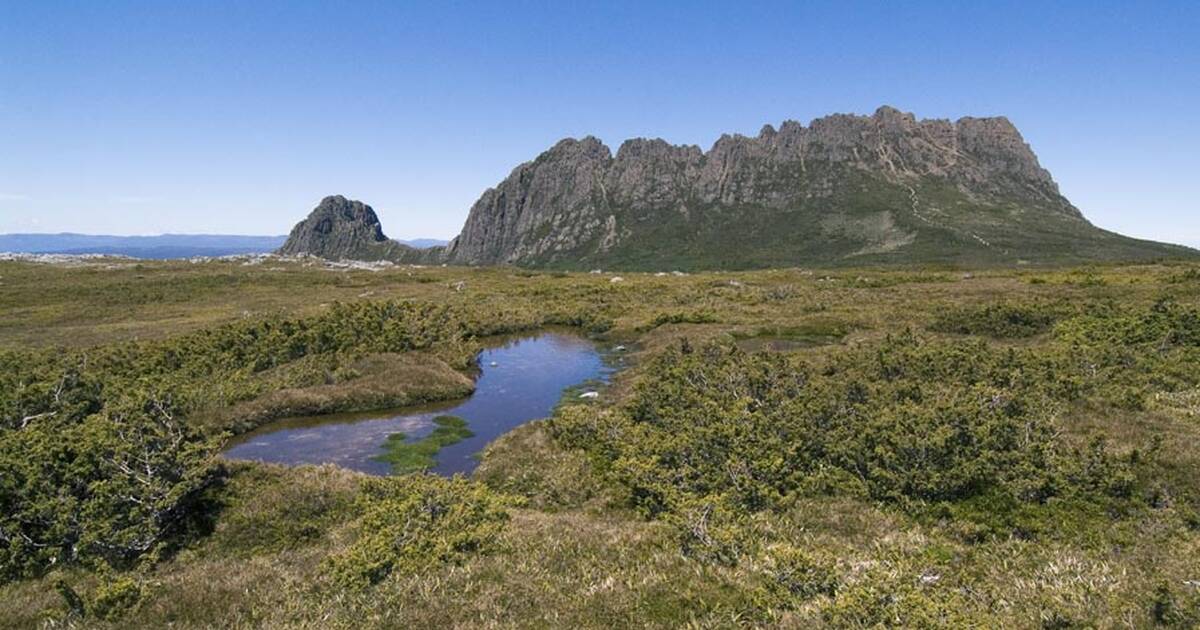
In January 2014, the Abbott Coalition Government formally requested UNESCO's World Heritage Committee approve a "minor boundary modification" to remove approximately 74,000 hectares from the Tasmanian Wilderness World Heritage Area [1][2].
This area had been added to the World Heritage listing in 2013 under the previous Labor governments as part of the Tasmanian Forests Agreement (the "forest peace deal") [2][3].
The Coalition's justification for the delisting request was that the 74,000 hectares were "degraded by past logging" and should be returned to productive use for the timber industry [2][5].
However, opponents noted that only approximately 8.6% of the area had actually been disturbed, with the remainder being pristine old-growth rainforest [2].
UNESCO's World Heritage Committee ultimately rejected the Australian Government's application in June 2014, with delegates from Portugal stating that "accepting this delisting would set an unacceptable precedent" [2][6].
* * * * 2013 2013 年 nián 的 de 擴展 kuò zhǎn 是 shì 經談 jīng tán 判達成 pàn dá chéng 的 de 和平 hé píng 協議 xié yì 的 de 一部分 yī bù fèn * * * *
**The 2013 extension was part of a negotiated peace deal**
The claim omits that the World Heritage extension being targeted for removal was part of the Tasmanian Forests Agreement (TFA) of 2012-2013, a negotiated settlement that ended decades of conflict between the forestry industry and conservationists [3][7].
The TFA was endorsed by industry groups (including FIAT), unions, environmental groups, and both state and federal Labor governments [1][7].
**The delisting attempt would have been unprecedented**
If successful, Australia would have become only the third country ever (after Tanzania and Oman) to seek removal of one of its own World Heritage properties [2].
This would have set a concerning precedent for the World Heritage Convention globally [6].
**Tasmanian Aboriginal cultural values were at stake**
The areas in question contain significant Aboriginal cultural heritage, including the resting places of ancestors [2].
The Tasmanian Aboriginal Centre strongly opposed the delisting, noting the forests "provide medicine and good spirits" and serve as cultural landscapes [2].
**The state Liberal government had campaigned on unpicking the peace deal**
The Tasmanian Liberal Party (state level) had made dismantling the forest peace deal a key campaign promise in the March 2014 state election, which they won [1].
SMH is considered center-left in editorial stance but maintains professional journalistic standards for factual reporting [8].
其他 qí tā 參考 cān kǎo 來源 lái yuán 包括 bāo kuò : :
Additional sources consulted include:
- ABC News: Australia's public broadcaster, generally regarded as balanced and authoritative [1][2]
- Science Magazine (science.org): Reputable international science journal [6]
- Australian Parliament records: Primary government sources [3]
- Tasmanian Government documents: Official state records [7]
- UNESCO World Heritage Centre: Primary international authority [5]
**Did Labor do something similar?**
No direct equivalent exists.
* * * *
The Labor governments (federal under Julia Gillard/Rudd and Tasmanian state government under Lara Giddings) enacted the Tasmanian Forests Agreement, which *expanded* World Heritage protection by approximately 170,000 hectares [2][3].
並無 bìng wú 直接 zhí jiē 可比 kě bǐ 的 de 例子 lì zi 。 。
This was the opposite action to what the Coalition attempted.
**Labor's Tasmanian forest policy:**
Under the 2012-2013 Tasmanian Forests Agreement, the Labor governments:
- Added 170,000 hectares to the World Heritage Area (a 12% extension) [3][5]
- Protected approximately 500,000 hectares of native forest from logging [3]
- Provided transition assistance to forestry workers and communities [7]
- Was supported by both environmental groups and industry representatives (including FIAT) [1]
**Context for comparison:**
The TFA was itself controversial.
While the Coalition attempted to *reduce* World Heritage protection, Labor's approach was to *expand* it through negotiated agreement with stakeholders.
**Coalition's stated rationale:**
The Abbott Government argued that removing the 74,000 hectares was "self-evidently sensible" because the areas were degraded by previous logging activities [2].
Senator Richard Colbeck (Parliamentary Secretary to the Minister for Agriculture) stated the delisting would help Tasmania's struggling timber industry, particularly "special species users" like wooden boat builders and furniture makers who needed access to high-value timber [2].
They viewed the 2013 World Heritage extension as having been rushed through without proper assessment of the areas' actual condition.
**Industry division:**
The forest industry was not unified behind the delisting.
他們 tā men 認為 rèn wèi 2013 2013 年 nián 的 de 世界 shì jiè 遺產 yí chǎn 擴展 kuò zhǎn 是 shì 在 zài 未 wèi 適當評 shì dāng píng 估區域 gū qū yù 實際 shí jì 狀況 zhuàng kuàng 的 de 情況 qíng kuàng 下倉 xià cāng 促通過 cù tōng guò 的 de 。 。
FIAT's opposition is significant because they were party to the original peace deal and understood that destabilizing the agreement could reopen conflict [1].
* * * * 產業 chǎn yè 分歧 fēn qí : : * * * *
Senator Colbeck dismissed FIAT as "not representative of the entire forest industry" [1], suggesting other industry segments supported the delisting.
**International consequences:**
Australia's bid was widely seen as damaging to the country's international reputation.
The rejection was described by former Greens leader Bob Brown as a "global diplomatic humiliation" [2].
FIAT FIAT 的 de 反 fǎn 對 duì 意義 yì yì 重大 zhòng dà , , 因為 yīn wèi 他們 tā men 是 shì 原始 yuán shǐ 和平 hé píng 協議 xié yì 的 de 締約方 dì yuē fāng , , 深知 shēn zhī 破壞 pò huài 協議 xié yì 可能 kě néng 會 huì 重新 chóng xīn 引發 yǐn fā 衝突 chōng tū [ [ 1 1 ] ] 。 。
UNESCO delegates explicitly cited precedent concerns, indicating the bid threatened the integrity of the World Heritage system itself [2][6].
**Tasmanian political context:**
The delisting attempt occurred in the context of the Tasmanian Liberal Government's election win in March 2014 on a platform of dismantling the forest peace deal [1].
The federal government's UNESCO request aligned with state-level political objectives, suggesting the move was partly driven by domestic political considerations rather than purely environmental or economic assessment.
**Key context:** This was unique to the Coalition - no previous Australian government had attempted to reduce World Heritage boundaries.
* * * * 國際後果 guó jì hòu guǒ : : * * * *
The action was without precedent in Australian conservation history [2][6].
The Coalition government did formally request UNESCO remove approximately 74,000 hectares from the Tasmanian Wilderness World Heritage Area, and the Forest Industries Association of Tasmania (a key industry body) did oppose this action [1][2][4].
However, the claim omits important context: (1) the areas in question had only been added to World Heritage listing in 2013 under Labor as part of a negotiated peace deal [3]; (2) the delisting attempt was unprecedented for Australia and would have set a concerning global precedent [6]; (3) FIAT opposed the delisting precisely because they had been party to the peace deal and feared destabilizing it [1]; and (4) the move aligned with the Tasmanian Liberal government's campaign promise to dismantle the forest agreement [1].
The Coalition government did formally request UNESCO remove approximately 74,000 hectares from the Tasmanian Wilderness World Heritage Area, and the Forest Industries Association of Tasmania (a key industry body) did oppose this action [1][2][4].
However, the claim omits important context: (1) the areas in question had only been added to World Heritage listing in 2013 under Labor as part of a negotiated peace deal [3]; (2) the delisting attempt was unprecedented for Australia and would have set a concerning global precedent [6]; (3) FIAT opposed the delisting precisely because they had been party to the peace deal and feared destabilizing it [1]; and (4) the move aligned with the Tasmanian Liberal government's campaign promise to dismantle the forest agreement [1].