According to a briefing to staff by department secretary Glenys Beauchamp in March 2014, the department had already cut 200 staff and planned to shed another 200 by June 30, 2014 [1].
The job losses at the Department of Industry were part of a much larger public service reduction program announced in the Abbott government's first budget in May 2014.
The budget targeted a projected 16,500 public servants to be cut nationally over three years - described as "its biggest staff cut since the 1990s" [2].
Notably, 0.25% of this increase came from the Coalition, while the remainder was a "hangover from Labor" [2], indicating bipartisan application of this cost-cutting measure.
Efficiency dividend history:** The efficiency dividend was first introduced by the **Hawke Labor Government in 1987** and has been applied by governments of both parties for nearly 40 years [3].
It forces departments to find savings to accommodate annual budget cuts, with governments routinely "dialing it up or down" depending on political circumstances [3].
**3.
Labor's own cuts:** The Abbott government's 16,500 job target was actually only 2,000 more than what the Coalition claimed Labor was already planning to cut (14,500) [2].
According to the CPSU, the 16,500 figure was "triple the jobs lost under Labor" [2] - confirming Labor had also implemented public service cuts, though at a lower scale.
**4.
Historical precedent:** Major public service cuts have been a feature of both Labor and Coalition governments:
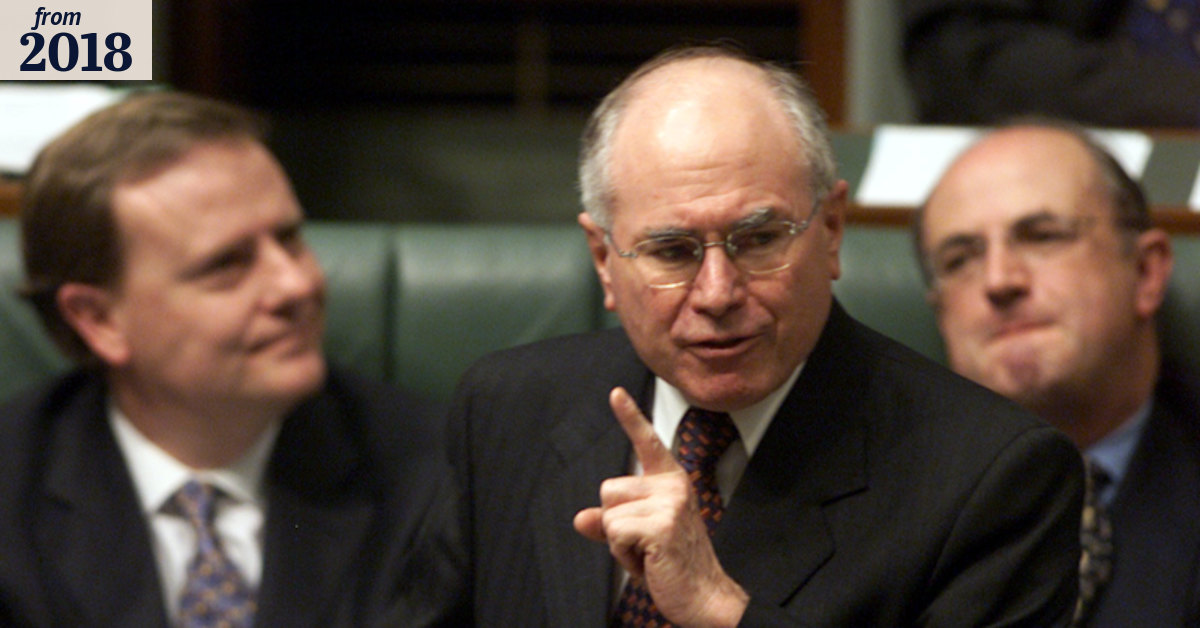
- **Howard government (1996):** Sacked six departmental secretaries and oversaw the loss of approximately 30,000 public service jobs in its first term [4]
- **Keating/Hawke Labor governments:** Introduced the efficiency dividend mechanism that continues today [3]
While News Corp has been criticized for editorial bias in some contexts, this particular article appears to be standard news reporting based on a leaked staff briefing transcript.
**Did Labor do something similar?**
Search conducted: "Labor government public service job cuts APS history" and "Howard government 1996 public service cuts"
**Finding - Extensive precedent exists:**
1. **Labor's efficiency dividend:** The mechanism causing these cuts was invented by the Hawke Labor Government in 1987 and has been used by Labor governments ever since [3].
* * * *
In fact, Labor increased the efficiency dividend from 1.25% to 2.25% in its final economic statement before the 2013 election [5].
2. **Howard's larger cuts:** The Howard government (Coalition) cut approximately 30,000 public service jobs in its first term after 1996, significantly larger than the Abbott government's 16,500 target [4].
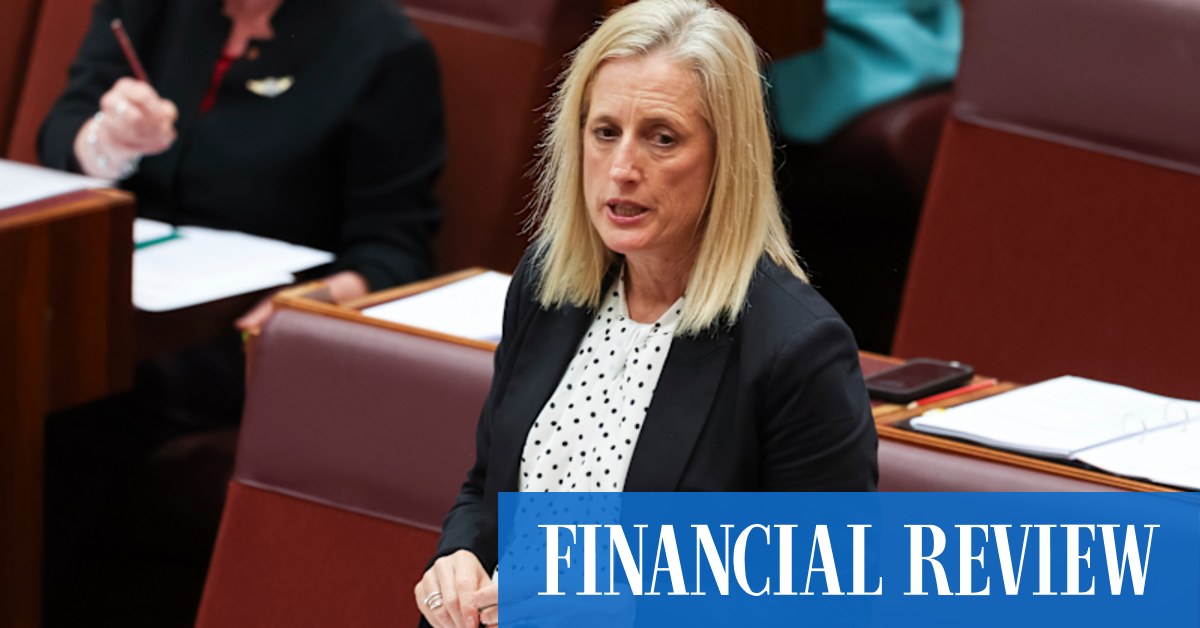
3. **Labor's 2025 position:** As of late 2025, the Labor government was itself planning to "squeeze the public service" with a $5.6 billion savings directive, with Finance Minister Katy Gallagher confirming the government was seeking "reprioritisation" of agency budgets [6][7].
4. **Scale comparison:** The Abbott government's 2014 cuts were described as "triple the jobs lost under Labor" [2], confirming both parties have implemented cuts, just at different scales.
**Conclusion:** Public service job cuts are a standard fiscal policy tool used by Australian governments of both major parties when seeking budget savings.
搜尋內容 sōu xún nèi róng : : 「 「 Labor Labor government government public public service service job job cuts cuts APS APS history history 」 」 和 hé 「 「 Howard Howard government government 1996 1996 public public service service cuts cuts 」 」
The Department of Industry cuts were not an anomaly but part of a long-standing bipartisan practice.
While the claim factually states that 400 jobs were cut at the Department of Industry, it presents this without the broader context that such cuts are a routine feature of Australian fiscal management across governments of both parties.
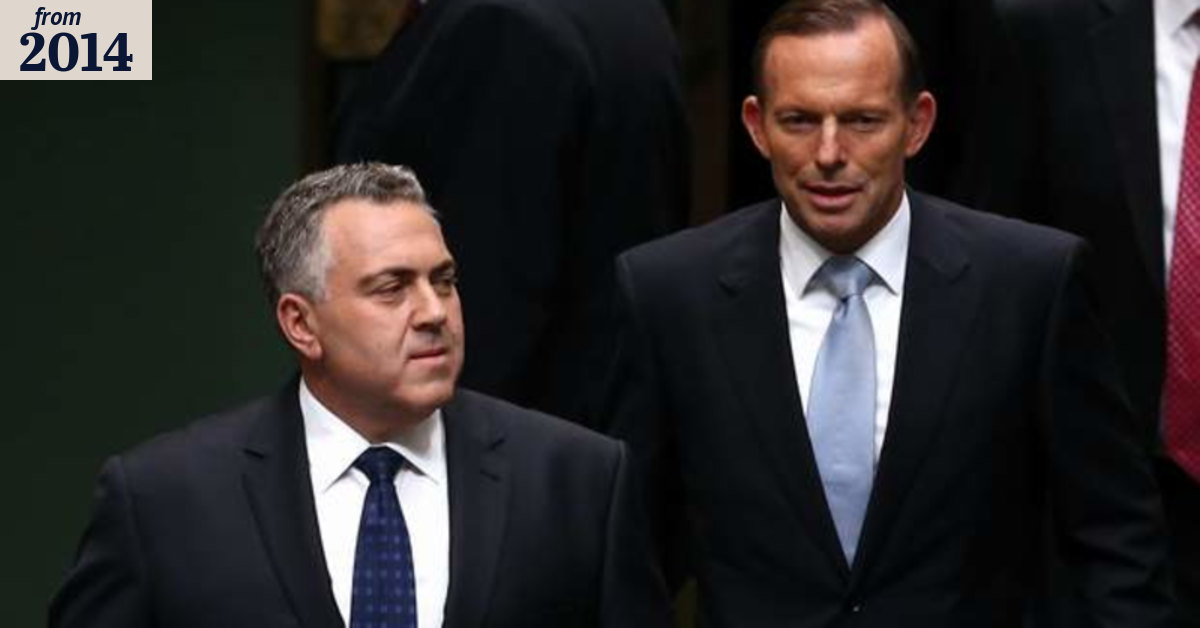
**The government's position:** Treasurer Joe Hockey stated that "a smaller, less interfering government won't need as many public servants" and that the cuts would not compromise public services [2].
The government aimed to reduce Australia's debt from $667 billion to $389 billion over 10 years [2].
**Critics' position:** Labor industry spokesman Senator Kim Carr criticized the cuts, stating "The demands on the department have never been greater.
The CPSU noted these cuts came on top of over 5,000 job losses since the September 2013 election [1].
**Independent analysis:** The Australia Institute notes that efficiency dividends "haven't worked as intended" and create a "handbrake on the public service's capacity to learn from the past and rebuild after crises" [3].
Smaller agencies, including cultural institutions, struggle to function without emergency funding top-ups [3].
**Key context:** These cuts are **not unique to the Coalition**.
Both parties have:
- Used the efficiency dividend mechanism (invented by Labor)
- Implemented significant public service reductions
- Justified cuts as necessary for budget repair
The 2014 Industry Department cuts were part of a broader, government-wide program of fiscal consolidation that has historical precedent across multiple governments of both political persuasions.
However, the claim omits critical context that: (1) this was part of a government-wide efficiency program affecting multiple departments totaling 16,500 positions; (2) both Labor and Coalition governments have made similar or larger cuts throughout Australian political history; (3) the efficiency dividend mechanism causing these cuts was actually introduced by the Hawke Labor Government in 1987 and used by both parties since; and (4) Labor itself had increased the efficiency dividend before losing office and continues to implement public service savings measures.
最終分數
6.0
/ 10
真實
該事 gāi shì 實性 shí xìng 說法 shuō fǎ 準確 zhǔn què — — — — 工業部 gōng yè bù 確實 què shí 在 zài 2014 2014 年 nián 裁減 cái jiǎn 了 le 約 yuē 400 400 個 gè 職位 zhí wèi 。 。
The factual claim is accurate - the Department of Industry did cut approximately 400 jobs in 2014.
However, the claim omits critical context that: (1) this was part of a government-wide efficiency program affecting multiple departments totaling 16,500 positions; (2) both Labor and Coalition governments have made similar or larger cuts throughout Australian political history; (3) the efficiency dividend mechanism causing these cuts was actually introduced by the Hawke Labor Government in 1987 and used by both parties since; and (4) Labor itself had increased the efficiency dividend before losing office and continues to implement public service savings measures.