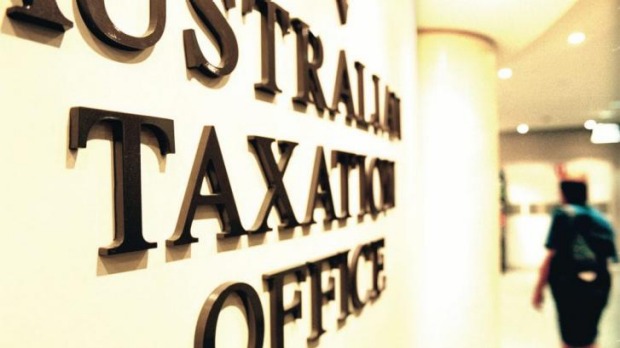
The claim refers to the Coalition government's response to a House of Representatives Standing Committee on Tax and Revenue inquiry into tax disputes, which reported in 2015 [1].
該 gāi 調查 diào chá 由 yóu 昆士蘭 kūn shì lán 自由 zì yóu 國家黨 guó jiā dǎng ( ( Liberal Liberal National National Party Party ) ) 議員 yì yuán Bert Bert van van Manen Manen 主持 zhǔ chí , , 聽取 tīng qǔ 了 le 小 xiǎo 企業 qǐ yè 主和個 zhǔ hé gè 人納稅 rén nà shuì 人關 rén guān 於 yú 被 bèi 指稱 zhǐ chēng 的 de 澳洲 ào zhōu 稅務局 shuì wù jú ( ( ATO ATO ) ) 審計員強 shěn jì yuán qiáng 硬 yìng 處理 chù lǐ 方式 fāng shì 的 de 廣泛 guǎng fàn 證詞 zhèng cí [ [ 1 1 ] ] 。 。
The inquiry, chaired by Queensland Liberal National Party MP Bert van Manen, heard extensive testimony from small business owners and individual taxpayers about alleged heavy-handed treatment by ATO auditors [1].
Specifically, it recommended that the onus should be on the ATO to prove an accused taxpayer is guilty of fraud or evasion, and that findings or allegations of fraud or evasion should only be made by a Senior Executive Service (SES) officer [2][3].
The federal government formally rejected this recommendation in its response, stating that a shift in the burden of proof would be "counter-productive" and could result in "sham behaviour" by taxpayers associated with fraud and evasion [1][2].
The core claim is **factually accurate**: the Coalition government did reject an inquiry recommendation that would have required the ATO to prove tax fraud allegations rather than placing the burden on taxpayers to disprove them.
缺失的脈絡
此 cǐ 說法 shuō fǎ 遺漏 yí lòu 了 le 幾個 jǐ gè 關鍵 guān jiàn 的 de 背景 bèi jǐng 資訊 zī xùn : :
The claim omits several critical pieces of context:
**1.
However, tax assessments and disputes are fundamentally civil/administrative matters where the taxpayer traditionally bears the burden of proving an assessment is excessive [5].
The government argued that shifting the burden for fraud allegations would create perverse incentives and impede legitimate tax enforcement [1][2].
**3.
It noted the ATO had already moved objections from compliance into legal areas and established in-house mediation to provide a "fresh set of eyes" on disputes [1].
This was a parliamentary committee inquiry with bipartisan participation that made recommendations the government of the day chose not to implement [1].
**5.
* * * * 5 5 . . 稅務 shuì wù 監察長 jiān chá zhǎng 監督 jiān dū * * * * : : 政府 zhèng fǔ 指出 zhǐ chū , , 稅務 shuì wù 監察長 jiān chá zhǎng ( ( Inspector Inspector - - General General of of Taxation Taxation , , IGT IGT ) ) Ali Ali Noroozi Noroozi 曾建議 céng jiàn yì 設立 shè lì 獨立 dú lì 的 de 上訴 shàng sù 專員 zhuān yuán , , 但 dàn 也 yě 承認 chéng rèn ATO ATO 已經 yǐ jīng 採取 cǎi qǔ 了 le 與 yǔ 早期 zǎo qī IGT IGT 建議 jiàn yì 一致 yí zhì 的 de 積極 jī jí 措施 cuò shī 。 。
Inspector-General of Taxation Oversight**: The government noted that the Inspector-General of Taxation (IGT), Ali Noroozi, had recommended a separate appeals commissioner, but also acknowledged that the ATO had taken positive steps consistent with earlier IGT recommendations.
Mr Noroozi stated that his recommendation could be "resorted to in the future if the same problems for taxpayers persist" [1][2].
來源可信度評估
原始 yuán shǐ 來源 lái yuán 是 shì * * The The Age Age * * 報紙 bào zhǐ ( ( 通過 tōng guò Wayback Wayback Machine Machine ) ) , , 這是 zhè shì 一家 yī jiā 由 yóu Nine Nine Entertainment Entertainment 擁有 yōng yǒu 的 de 澳洲 ào zhōu 主流 zhǔ liú 媒體 méi tǐ 。 。
The original source is *The Age* newspaper (via Wayback Machine), a mainstream Australian media outlet owned by Nine Entertainment. *The Age* is generally regarded as a credible, established newspaper with a centrist to center-left editorial stance.
* * The The Age Age * * 通常 tōng cháng 被視 bèi shì 為 wèi 一家 yī jiā 可信 kě xìn 、 、 成熟 chéng shú 的 de 報紙 bào zhǐ , , 其 qí 編輯 biān jí 立場 lì chǎng 偏向 piān xiàng 中間 zhōng jiān 派 pài 至 zhì 中間 zhōng jiān 偏左 piān zuǒ 。 。
The article was written by Nassim Khadem, a business journalist who has covered tax and regulatory issues extensively [1].
**Did Labor do something similar?**
Search conducted: "Labor government ATO powers tax dispute reform Australia"
The Rudd/Gillard Labor governments (2007-2013) did not fundamentally reform the burden of proof in tax matters either.
* * * *
The long-standing principle that taxpayers bear the burden of proof in tax disputes has been consistent across Australian governments of both political persuasions [4][5].
The Inspector-General of Taxation position, which provides independent oversight of the ATO, was actually established by the **Coalition government in 2003** under Prime Minister John Howard, not by Labor.
**The full story requires understanding:**
**Legitimate taxpayer concerns**: The inquiry heard credible testimony from small business owners who lost businesses due to disputed tax assessments later proven incorrect.
Taxpayers Australia and professional bodies like Chartered Accountants raised legitimate concerns about interest charges and dispute resolution processes [1][2].
The "cowboy auditors" criticism was not partisan - it came from affected taxpayers across the political spectrum.
**Government rationale**: The government's rejection was based on policy concerns that shifting the burden of proof for fraud allegations would undermine tax compliance, encourage "sham behaviour," and make Australia an outlier in tax administration practices globally [1][2].
The government maintained that existing safeguards - including the IGT oversight and ATO internal reforms - provided adequate taxpayer protection.
**This is not unique to the Coalition**: The fundamental structure of Australian tax law - including the burden of proof - has remained consistent across Labor and Coalition governments.
Neither party has fundamentally altered this balance, suggesting bipartisan acceptance of the current framework despite its acknowledged imperfections.
**The deeper issue**: The inquiry exposed real tensions in tax administration - the ATO needs sufficient power to enforce compliance, but individual taxpayers (especially small businesses) can be devastated by incorrect assessments.
政府 zhèng fǔ 認為 rèn wèi , , 現有 xiàn yǒu 的 de 保障 bǎo zhàng 措施 cuò shī — — — — 包括 bāo kuò IGT IGT 監督 jiān dū 和 hé ATO ATO 內部 nèi bù 改革 gǎi gé — — — — 為納稅 wèi nà shuì 人 rén 提供 tí gōng 了 le 充分 chōng fèn 的 de 保護 bǎo hù 。 。
The government chose to maintain enforcement capability over shifting procedural protections, a choice that reflects priorities rather than partisan ideology.
此 cǐ 說 shuō 法 fǎ 在 zài Coalition Coalition 政府 zhèng fǔ 確實 què shí 拒絕 jù jué 了 le 一項 yī xiàng 調查 diào chá 建議 jiàn yì ( ( 該 gāi 建議 jiàn yì 本會 běn huì 將稅務 jiāng shuì wù 欺詐 qī zhà 指控 zhǐ kòng 的 de 舉證責 jǔ zhèng zé 任轉 rèn zhuǎn 移至 yí zhì ATO ATO ) ) 的 de 意義上 yì yì shàng , , 是 shì 事實 shì shí 準確 zhǔn què 的 de 。 。
The claim is factually accurate in that the Coalition government did reject an inquiry recommendation that would have shifted the burden of proof for tax fraud allegations to the ATO.
It omits that tax disputes are civil/administrative matters where the taxpayer burden of proof is standard practice globally, not a Coalition innovation
2.
It presents the rejection as purely negative without acknowledging the government's stated rationale about preventing tax avoidance
The claim also uses inflammatory language ("guilty until proven innocent") that conflates criminal proceedings with civil tax disputes, obscuring the legal context.
此 cǐ 說 shuō 法 fǎ 在 zài Coalition Coalition 政府 zhèng fǔ 確實 què shí 拒絕 jù jué 了 le 一項 yī xiàng 調查 diào chá 建議 jiàn yì ( ( 該 gāi 建議 jiàn yì 本會 běn huì 將稅務 jiāng shuì wù 欺詐 qī zhà 指控 zhǐ kòng 的 de 舉證責 jǔ zhèng zé 任轉 rèn zhuǎn 移至 yí zhì ATO ATO ) ) 的 de 意義上 yì yì shàng , , 是 shì 事實 shì shí 準確 zhǔn què 的 de 。 。
The claim is factually accurate in that the Coalition government did reject an inquiry recommendation that would have shifted the burden of proof for tax fraud allegations to the ATO.
It omits that tax disputes are civil/administrative matters where the taxpayer burden of proof is standard practice globally, not a Coalition innovation
2.
It presents the rejection as purely negative without acknowledging the government's stated rationale about preventing tax avoidance
The claim also uses inflammatory language ("guilty until proven innocent") that conflates criminal proceedings with civil tax disputes, obscuring the legal context.