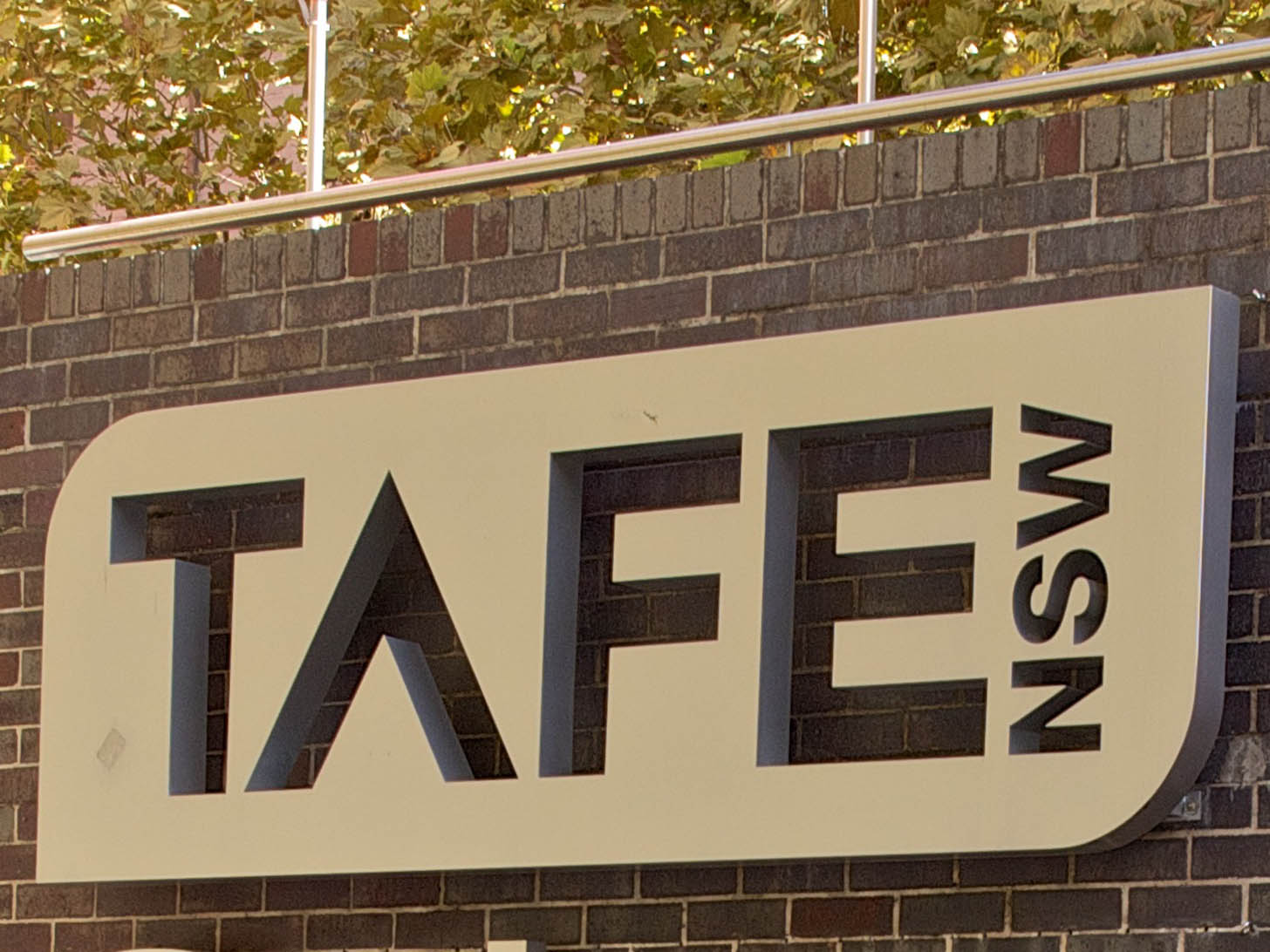
Multiple sources corroborate this specific figure [2], with reports indicating that federal TAFE funding was cut by approximately 11 per cent in 2018 [3].
The 2018 budget cut was part of a broader pattern: between 2013 and 2021, the Coalition had cut a total of $3 billion from TAFE funding since coming to office [4].
Additional funding cuts continued in subsequent years - Morrison government cuts totaled $325 million in funding from TAFE budgets in following years according to reports from the National Centre for Vocational Education (NCVER) [5].
缺失的脈絡
然而 rán ér , , 該 gāi 說法 shuō fǎ 忽略 hū lüè 了 le 幾個 jǐ gè 重要 zhòng yào 的 de 背景 bèi jǐng 因素 yīn sù : :
However, the claim omits several important contextual factors:
**Policy Rationale**: The Coalition government's rationale was to shift focus toward industry-led design of courses.
This represented a philosophical difference in approach to vocational education funding rather than simple reductions.
**Broader Policy Framework**: The 2018 budget cuts were accompanied by policy changes to how training was delivered and funded, not simply removals of funds without alternative programs.
The government introduced the "Skilling Australians Fund" as part of its overall vocational education strategy [2].
**State vs Federal Responsibility**: TAFE funding operates in a complex federal/state funding arrangement.
The 2018-19 operating budget predicted further shortfalls, but these were attributed to reduced federal and state government revenue combined [6].
**Cumulative Impact**: The claim uses "again," implying this was a repeated pattern.
The Guardian Australia is a mainstream news organization with center-left editorial leanings, which would naturally highlight criticisms of Coalition budget decisions.
Live budget coverage from major news outlets is typically factually reliable for reporting government budget announcements, though editorial framing may emphasize negative aspects.
The specific $270 million figure has been corroborated by union sources (Australian Education Union) and other mainstream media outlets, suggesting this is a well-documented fact rather than a disputed claim [1][2].
However, this analysis reveals an important distinction: Labor's historical relationship with TAFE funding is more nuanced than simple opposition to cuts.
The claim does not address whether Labor, when in government previously, maintained significantly higher TAFE funding or whether this reflects a genuine policy difference or typical government budget management.
Labor's stated position during 2013-2022 was that TAFE deserved higher federal funding and that Coalition cuts were damaging vocational education capacity.
該 gāi 說法 shuō fǎ 沒有 méi yǒu 涉及 shè jí Labor Labor 在 zài 先前 xiān qián 執政時 zhí zhèng shí 是否 shì fǒu 維持 wéi chí 了 le 顯著 xiǎn zhù 更 gèng 高 gāo 的 de TAFE TAFE 資金 zī jīn , , 或者 huò zhě 這 zhè 是否 shì fǒu 反映 fǎn yìng 了 le 真正 zhēn zhèng 的 de 政策 zhèng cè 差異 chà yì 或 huò 典型 diǎn xíng 的 de 政府 zhèng fǔ 預算 yù suàn 管理 guǎn lǐ 。 。
This appears to be a genuine policy difference between the parties [4].
While the claim is factually accurate about the $270 million cut, the fuller context is more complex:
**Criticisms (documented):** The Coalition's 2018 TAFE funding cut was part of broader vocational education reductions that totaled $3 billion between 2013 and 2021 [4].
The cuts reduced TAFE's capacity to train workers across essential occupations.
**Policy Justification:** The Coalition government's approach was not simply austerity, but a deliberate policy shift toward industry-led design of training courses through the National Skills Commission [1].
This represented a different philosophy about how vocational education should be organized and funded, not merely budgetary constraints.
**Comparative Analysis:** During Labor's previous government (2007-2013), vocational education funding was a lower political priority than it has been in Labor's opposition messaging since 2013.
Labor's strong advocacy for TAFE funding during Coalition governance suggests they may have deprioritized TAFE during their own time in office, though this requires specific historical comparison.
**Systemic Context:** Both Coalition and Labor governments have faced tension between higher education (universities) and vocational education (TAFE) in funding allocations.
TAFE funding lagged behind school and university funding under the Coalition, but this represents a long-standing structural issue in Australian education funding rather than a unique Coalition policy [4].
**Impact Recognition:** Even the government acknowledged TAFE sector difficulties after COVID-19, returning some funding when the sector was in crisis [4].
However, the claim is presented as a simple negative statement without acknowledging policy rationale (industry-led training design), the complex federal/state funding dynamics, or comparative context regarding Labor's historical TAFE funding priorities.
該 gāi 說法 shuō fǎ 並非 bìng fēi 誤導 wù dǎo , , 但 dàn 它 tā 呈現 chéng xiàn 的 de 是 shì 部分 bù fèn 而 ér 非 fēi 全面 quán miàn 的 de 圖 tú 像 xiàng 。 。
The claim is not misleading, but it presents a partial rather than comprehensive picture.
However, the claim is presented as a simple negative statement without acknowledging policy rationale (industry-led training design), the complex federal/state funding dynamics, or comparative context regarding Labor's historical TAFE funding priorities.
該 gāi 說法 shuō fǎ 並非 bìng fēi 誤導 wù dǎo , , 但 dàn 它 tā 呈現 chéng xiàn 的 de 是 shì 部分 bù fèn 而 ér 非 fēi 全面 quán miàn 的 de 圖 tú 像 xiàng 。 。
The claim is not misleading, but it presents a partial rather than comprehensive picture.