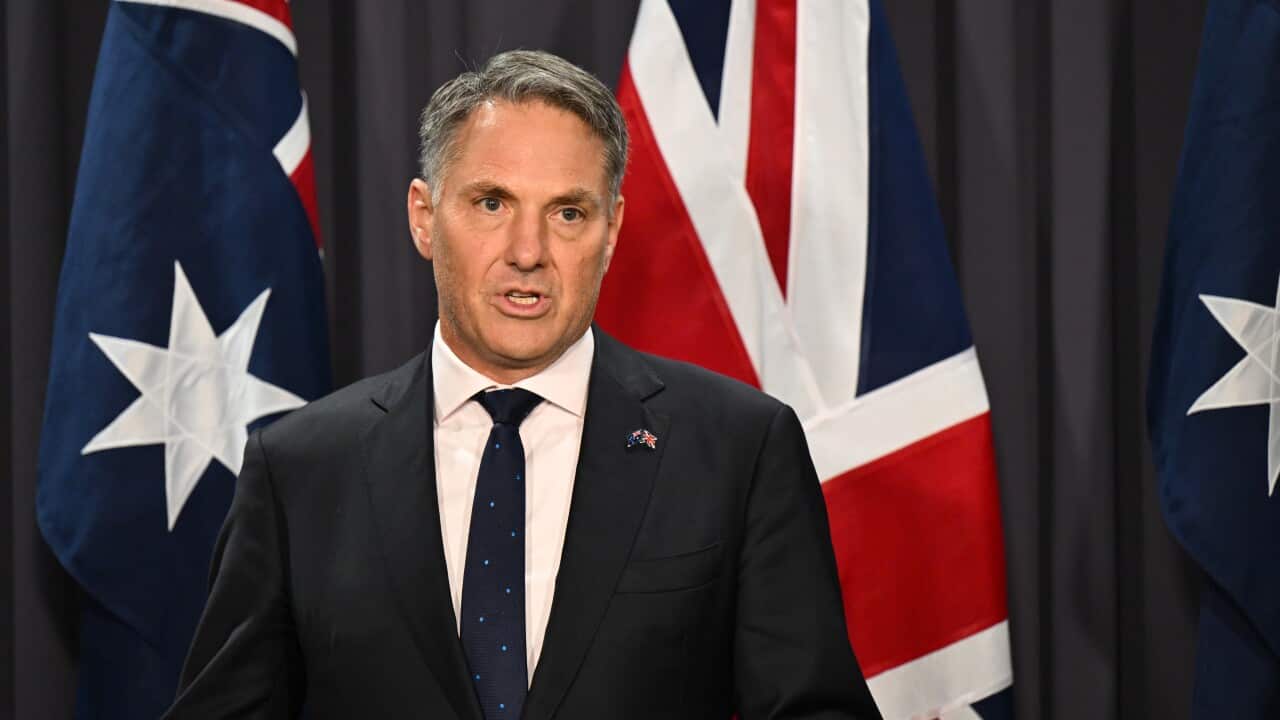
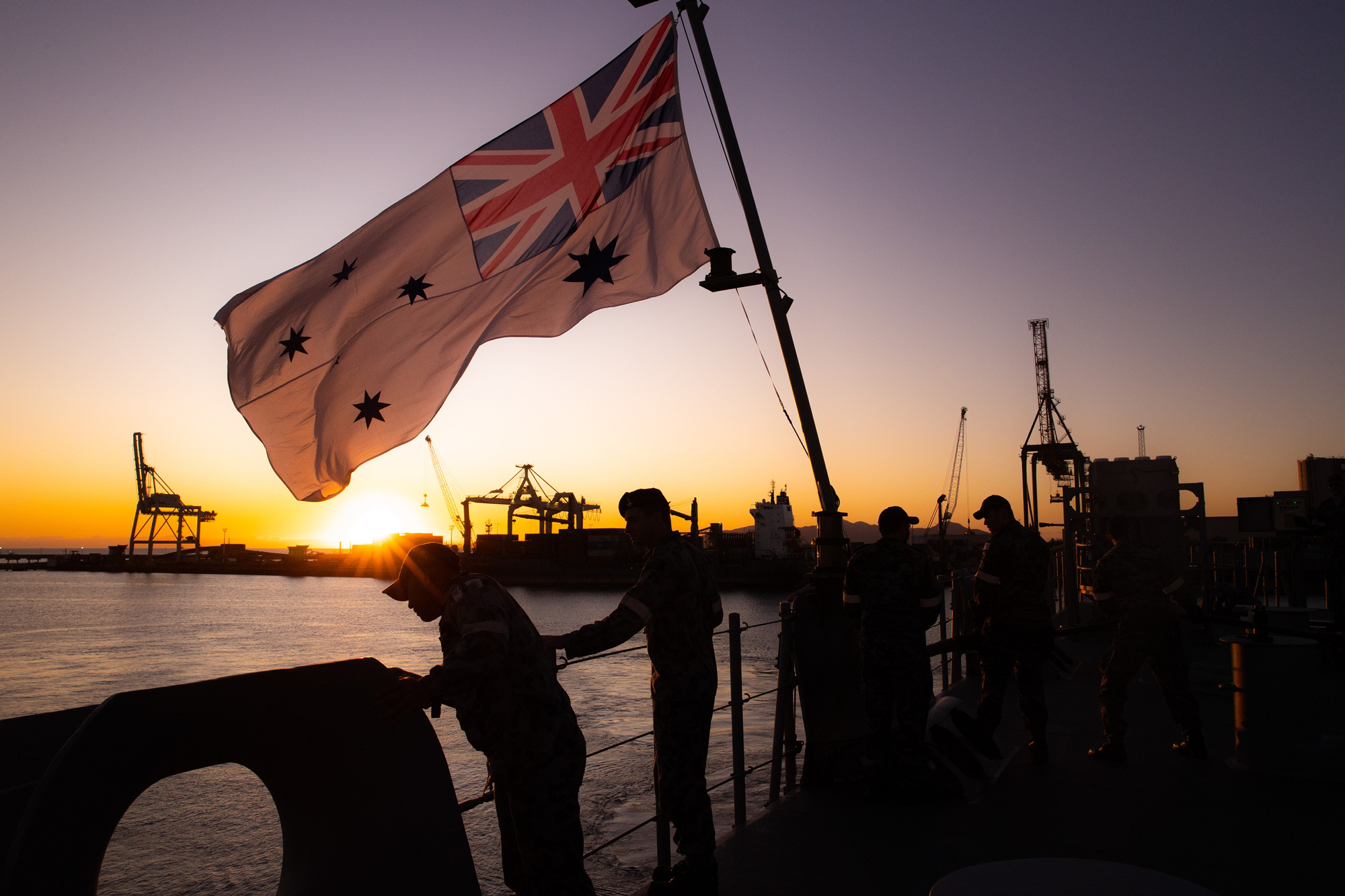
The Australian Government announced in its 2024 National Defence Strategy and Integrated Investment Program that defence spending would increase by $50.3 billion over the next decade [1].
Accounting Method Discrepancy**
The government states that by NATO's accounting standards - which include defence pensions for uniformed and civilian personnel - Australia is already spending 2.8% of GDP on defence [6].
When measured by NATO standards, the 2.3% figure represents a less dramatic increase than implied.
**2.
按 àn NATO NATO 標準 biāo zhǔn 衡量 héng liáng , , 2.3% 2.3% 這一數 zhè yī shù 字 zì 代表 dài biǎo 的 de 增長 zēng zhǎng 不如 bù rú 暗示 àn shì 的 de 那樣 nà yàng 顯著 xiǎn zhù 。 。
AUKUS Nuclear Submarine Dominance**
The claim does not disclose that the AUKUS nuclear submarine program is consuming an enormous portion of this increase.
The government estimates the total cost of acquiring and operating eight nuclear-powered submarines at $268-368 billion over the life of the program (with $368 billion including a 50% contingency buffer) [7].
Over the decade to 2033-34, AUKUS submarine spending accounts for approximately 7-8% of the total defence budget, or 12-17% of current annual spending levels [8].
This means roughly 12-17% of the planned defence budget increase is committed to a single capability, leaving proportionally less for other defence needs.
**3.
The Australian Strategic Policy Institute notes that to deliver necessary capability breadth and funding certainty, defence spending would need to reach 3% of GDP - a target the government does not plan to meet [9].
The $50.3 billion increase over a decade, when adjusted for inflation and growing strategic demands, may represent modest real growth despite appearing large in nominal terms.
**4.
While the $50.3 billion increase is genuinely substantial in nominal terms, the strategic context reveals significant constraints:
**International Comparison Reality**
Australia's planned 2.3% of GDP is well below NATO's 2% baseline (which most allied nations exceed), and significantly below emerging international standards.
* * * * 國際 guó jì 比較 bǐ jiào 現實 xiàn shí * * * *
NATO leaders have committed to 3.5-5% of GDP by 2035 [11].
澳大利 ào dà lì 亞計劃 yà jì huà 的 de GDP GDP 的 de 2.3% 2.3% 遠低 yuǎn dī 於 yú NATO NATO 的 de 2% 2% 基準 jī zhǔn ( ( 大多 dà duō 數盟國 shù méng guó 都 dōu 超過 chāo guò ) ) , , 並顯 bìng xiǎn 著 zhù 低 dī 於 yú 新 xīn 興國際 xìng guó jì 標準 biāo zhǔn 。 。
Japan has increased defence spending to over 3% of GDP, and other Indo-Pacific nations continue accelerating military investment.
NATO NATO 領導 lǐng dǎo 人承諾 rén chéng nuò 到 dào 2035 2035 年將 nián jiāng GDP GDP 的 de 3.5 3.5 - - 5% 5% 用 yòng 於 yú 國防 guó fáng [ [ 11 11 ] ] 。 。
By 2033-34, Australia's 2.3% will likely appear insufficient relative to regional peers and alliance expectations.
**Affordability Questions**
The nuclear submarine program, now estimated at up to $394.5 billion over its full life, creates a significant opportunity cost [12].
日本 rì běn 已將 yǐ jiāng 國防 guó fáng 支出 zhī chū 增加 zēng jiā 到 dào GDP GDP 的 de 3% 3% 以上 yǐ shàng , , 其他 qí tā 印太國家 yìn tài guó jiā 繼續 jì xù 加速 jiā sù 軍事 jūn shì 投資 tóu zī 。 。
Analysts debate whether Australia should have chosen a different submarine option or timeline to free resources for other capabilities.
The current AUKUS commitment means this single platform consumes a disproportionate share of defence dollars at the expense of cyber capabilities, maritime surveillance, air defence, and other strategic domains.
**Delivery Risk**
The government has a poor track record on defence procurement timelines and cost containment.
* * * * 可負 kě fù 擔性 dān xìng 問題 wèn tí * * * *
Previous major projects have experienced significant cost overruns and delays.
The complexity of the AUKUS submarine program - requiring coordination with US and UK partners, new facilities, workforce development, and regulatory oversight - creates substantial implementation risk that could require additional funding.
**Political Context**
The announcement was made in May 2024, shortly after media reports of deteriorating Australia-China relations following trade restrictions on Australian exports.
The timing and framing suggest strategic response to regional tensions, yet the increase was modest compared to what other regional nations have committed.
This raises questions about whether the government believes the threat level justifies only 2.3% spending or if political/fiscal constraints are limiting the response.
However, the claim presents this as a significant security commitment while obscuring that (1) much of the increase is committed to a single submarine program with substantial cost and delivery risks, (2) the spending still falls below international standards and allied expectations, (3) the timing frontloads political announcement while backloading actual spending increases, and (4) defence analysts argue the total is insufficient for the strategic challenges Australia faces.
該主張 gāi zhǔ zhāng 利用 lì yòng 了 le 實質 shí zhì 性行 xìng xíng 動 dòng 的 de 外表 wài biǎo , , 而 ér 實際 shí jì 影響則 yǐng xiǎng zé 更 gèng 為 wèi 有限 yǒu xiàn 。 。
The claim trades on the appearance of substantial action while the practical implications are more constrained.
However, the claim presents this as a significant security commitment while obscuring that (1) much of the increase is committed to a single submarine program with substantial cost and delivery risks, (2) the spending still falls below international standards and allied expectations, (3) the timing frontloads political announcement while backloading actual spending increases, and (4) defence analysts argue the total is insufficient for the strategic challenges Australia faces.
該主張 gāi zhǔ zhāng 利用 lì yòng 了 le 實質 shí zhì 性行 xìng xíng 動 dòng 的 de 外表 wài biǎo , , 而 ér 實際 shí jì 影響則 yǐng xiǎng zé 更 gèng 為 wèi 有限 yǒu xiàn 。 。
The claim trades on the appearance of substantial action while the practical implications are more constrained.