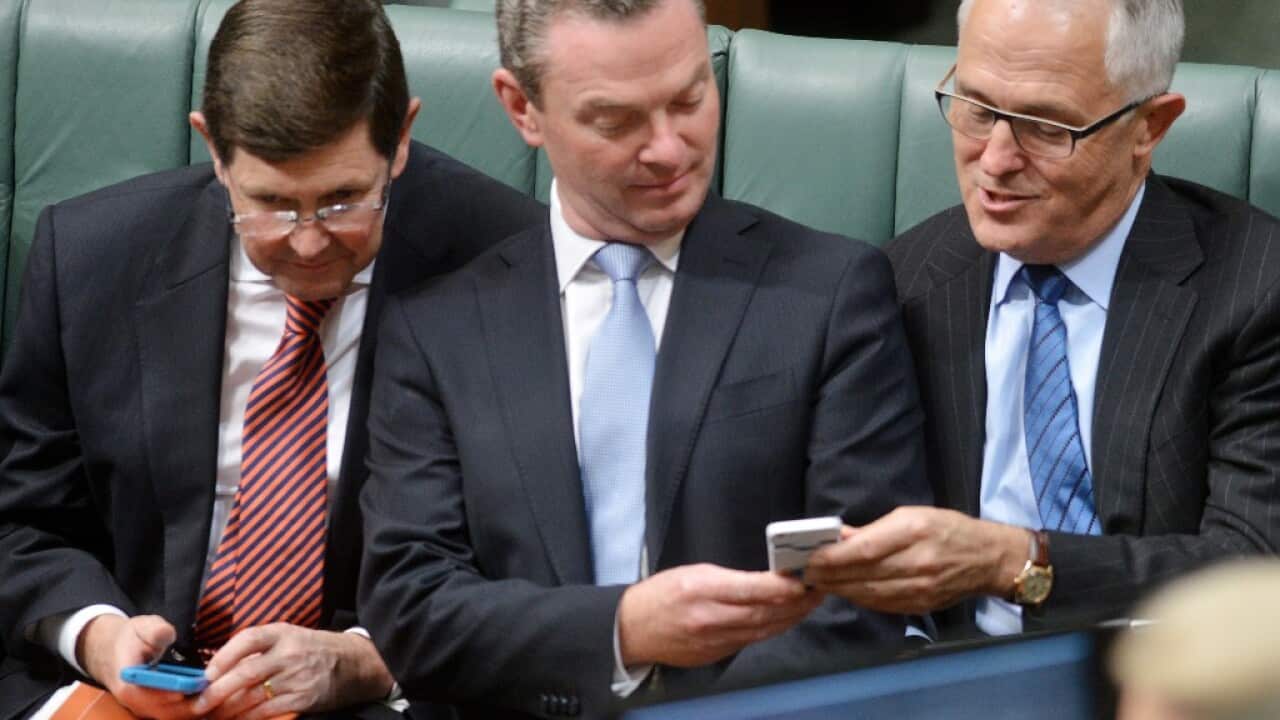
该 gāi 说法 shuō fǎ 声称 shēng chēng Coalition Coalition Government Government 未能 wèi néng 对 duì 拟议 nǐ yì 的 de 全科 quán kē 医生 yī shēng 共付额 gòng fù é 对 duì 医院 yī yuàn 急诊科 jí zhěn kē 等候 děng hòu 时间 shí jiān 的 de 影响 yǐng xiǎng 进行 jìn xíng 建模 jiàn mó 。 。
The claim asserts that the Coalition Government failed to model the impact of the proposed GP co-payment on hospital emergency department waiting times.
The government provided several justifications for the policy, including: reducing Medicare expenditure, contributing to the budget bottom line, and establishing a "price signal" to increase efficiency of healthcare service delivery [3].
然而 rán ér , , 多个 duō gè 权威 quán wēi 来源 lái yuán 证实 zhèng shí 卫生部 wèi shēng bù 没有 méi yǒu 提供 tí gōng 对 duì 急诊科 jí zhěn kē 影响 yǐng xiǎng 的 de 任何 rèn hé 建模 jiàn mó : :
However, multiple authoritative sources confirm that the Department of Health did not provide any modelling of the impact on emergency departments:
- Researchers from Flinders University, University of Melbourne, Monash University, and other institutions published modelling in The Conversation (July 2014) explicitly stating: "the Department of Health hasn't provided any modelling of its impact" [4].
- This independent academic modelling showed that the GP co-payment could increase average emergency department visits by between six minutes and almost three hours, as patients would opt for free hospital care rather than paying to see their GP [4].
- The research team had developed a patient flow simulation model for a large Adelaide hospital and applied it to analyze the consequences of shifting patient activity from community GPs to hospital emergency departments [4].
- - 来自 lái zì Flinders Flinders University University 、 、 University University of of Melbourne Melbourne 、 、 Monash Monash University University 等 děng 机构 jī gòu 的 de 研究 yán jiū 人员 rén yuán 于 yú 2014 2014 年 nián 7 7 月 yuè 在 zài The The Conversation Conversation 上 shàng 发表 fā biǎo 的 de 建模 jiàn mó 明确 míng què 称 chēng : : " " 卫生部 wèi shēng bù 没有 méi yǒu 提供 tí gōng 任何 rèn hé 影响 yǐng xiǎng 建模 jiàn mó " " [ [ 4 4 ] ] 。 。 - - 这项 zhè xiàng 独立 dú lì 的 de 学术 xué shù 建模 jiàn mó 显示 xiǎn shì , , 由于 yóu yú 患者 huàn zhě 会 huì 选择 xuǎn zé 免费 miǎn fèi 的 de 医院 yī yuàn 护理 hù lǐ 而 ér 非 fēi 付费 fù fèi 看 kàn 全科 quán kē 医生 yī shēng , , 全科 quán kē 医生 yī shēng 共付额 gòng fù é 可能 kě néng 使 shǐ 急诊科 jí zhěn kē 平均 píng jūn 就诊 jiù zhěn 时间 shí jiān 增加 zēng jiā 6 6 分钟 fēn zhōng 至近 zhì jìn 3 3 小时 xiǎo shí [ [ 4 4 ] ] 。 。 - - 该 gāi 研究 yán jiū 团队 tuán duì 为 wèi 阿德莱德 ā dé lái dé 一家 yī jiā 大型 dà xíng 医院 yī yuàn 开发 kāi fā 了 le 患者 huàn zhě 流量 liú liàng 模拟 mó nǐ 模型 mó xíng , , 并 bìng 用于 yòng yú 分析 fēn xī 将 jiāng 患者 huàn zhě 活动 huó dòng 从 cóng 社区 shè qū 全科 quán kē 医生 yī shēng 转移 zhuǎn yí 到 dào 医院 yī yuàn 急诊科 jí zhěn kē 的 de 后果 hòu guǒ [ [ 4 4 ] ] 。 。
缺失背景
该 gāi 说法 shuō fǎ 遗漏 yí lòu 了 le 几个 jǐ gè 重要 zhòng yào 的 de 背景 bèi jǐng 要素 yào sù : :
The claim omits several important contextual elements:
1. **Policy Never Implemented**: The GP co-payment policy was announced in May 2014 but was ultimately abandoned in March 2015 after failing to gain Senate support [1].
The government went through multiple revisions, including reducing the fee to $5 and making it optional for doctors, before finally scrapping it entirely [1].
2. **Policy Rationale**: The government provided multiple justifications for the co-payment, including creating a Medical Research Future Fund (with $5 of each $7 fee going to research) and making Medicare financially sustainable for future generations [5].
These policy objectives, while controversial, were not unreasonable from a fiscal perspective.
3. **Complexity of Health Policy**: The government faced genuine challenges with rising healthcare costs and Medicare sustainability - issues that have confronted governments of all political persuasions [3].
4. **Broader Consultation Gap**: The lack of modelling wasn't specific to emergency department impacts - the policy was developed with limited consultation with the medical profession and health economists more broadly [6].
The original source provided (SBS News article from June 2014) is a commentary/opinion piece titled "Good thing the adults are back in charge" [7].
**SBS News Assessment**:
- SBS (Special Broadcasting Service) is a publicly funded Australian broadcaster with a mandate to serve multicultural communities [8]
- Media Bias/Fact Check rates SBS as having a left-leaning editorial bias while reporting news factually [8]
- The specific article is a commentary piece (opinion), not straight news reporting
- SBS is generally considered a credible mainstream media outlet, though this particular piece is opinion rather than factual reporting
The original source provided appears to be a general political commentary rather than specific factual reporting on the GP co-payment modelling issue.
* * * * SBS SBS News News 评估 píng gū * * * * : : - - SBS SBS ( ( Special Special Broadcasting Broadcasting Service Service ) ) 是 shì 一家 yī jiā 公共 gōng gòng 资助 zī zhù 的 de 澳大利亚广播公司 ào dà lì yà guǎng bō gōng sī , , 其 qí 使命 shǐ mìng 是 shì 服务 fú wù 多元 duō yuán 文化 wén huà 社区 shè qū [ [ 8 8 ] ] - - Media Media Bias Bias / / Fact Fact Check Check 将 jiāng SBS SBS 评为 píng wèi 具有 jù yǒu 左倾 zuǒ qīng 编辑 biān jí 偏见 piān jiàn , , 但 dàn 新闻报道 xīn wén bào dào 事实 shì shí 准确 zhǔn què [ [ 8 8 ] ] - - 该 gāi 特定 tè dìng 文章 wén zhāng 是 shì 一篇 yī piān 评论 píng lùn 文章 wén zhāng ( ( 观点 guān diǎn ) ) , , 而 ér 非 fēi 直接 zhí jiē 新闻报道 xīn wén bào dào - - SBS SBS 通常 tōng cháng 被 bèi 认为 rèn wéi 是 shì 可信 kě xìn 的 de 主流 zhǔ liú 媒体 méi tǐ , , 尽管 jǐn guǎn 这篇 zhè piān 特定 tè dìng 文章 wén zhāng 是 shì 观点 guān diǎn 而 ér 非 fēi 事实 shì shí 报道 bào dào 提供 tí gōng 的 de 原始 yuán shǐ 来源 lái yuán 似乎 sì hū 是 shì 一般 yì bān 的 de 政治 zhèng zhì 评论 píng lùn , , 而 ér 非 fēi 关于 guān yú 全科 quán kē 医生 yī shēng 共付额 gòng fù é 建模 jiàn mó 问题 wèn tí 的 de 具体 jù tǐ 事实 shì shí 报道 bào dào 。 。
**Did Labor do something similar?**
Search conducted: "Labor government GP co-payment history Medicare bulk billing changes"
**Finding**: Labor governments have historically taken a different approach to GP funding:
- The Hawke/Keating Labor governments established Medicare's universal bulk-billing system in the 1980s and 1990s [9]
- In 2013, the Rudd Labor government actually sought to remove existing GP co-payments for pathology and diagnostic imaging [10]
- The 2025 Labor government (Albanese) announced an $8.5 billion investment to increase GP bulk-billing incentives [9]
- AAP FactCheck noted that bulk billing rates actually increased during the 2013-2022 Coalition government period [9]
**No direct equivalent found**: Labor governments have generally opposed GP co-payments as policy, preferring to strengthen universal healthcare access rather than introduce user-pays elements.
* * * *
This represents a genuine policy divergence between the parties on healthcare funding philosophy.
However, Labor governments have faced their own healthcare challenges:
- The 2011-2012 Labor government faced criticism over hospital waiting times and emergency department performance [11]
- Both parties have struggled with the National Emergency Access Target (90% of patients admitted/discharged within 4 hours), with only 66% meeting the target in 2013 [4]
While the claim that the government failed to model emergency department impacts is factually accurate, the full story requires context about policy development processes and comparative analysis:
**Criticism of the Coalition**: The lack of modelling was a legitimate criticism.
* * * * 对 duì Coalition Coalition 的 de 批评 pī píng * * * * : : 缺乏 quē fá 建模 jiàn mó 是 shì 合理 hé lǐ 的 de 批评 pī píng 。 。
Independent research demonstrated that even small shifts in patient behavior (0.036% to 0.143% of GP consultations shifting to emergency departments) could result in dramatic increases in waiting times - from six minutes to nearly three hours [4].
The policy was developed with what the Royal Australian College of General Practitioners (RACGP) described as a "confused rationale" - three different justifications were offered at different times [3].
**Government's Position**: The Coalition argued the co-payment was necessary for Medicare sustainability and would establish appropriate price signals in the healthcare system [5].
该 gāi 政策 zhèng cè 被 bèi Royal Royal Australian Australian College College of of General General Practitioners Practitioners ( ( RACGP RACGP ) ) 描述 miáo shù 为 wèi 具有 jù yǒu " " 混乱 hùn luàn 的 de 理由 lǐ yóu " " — — — — 在 zài 不同 bù tóng 时间 shí jiān 提出 tí chū 了 le 三种 sān zhǒng 不同 bù tóng 的 de 理由 lǐ yóu [ [ 3 3 ] ] 。 。
Health Minister Peter Dutton stated the policy would "set Medicare up as a great system for generations to come" [5].
The government eventually acknowledged the policy's unpopularity and abandoned it after consulting with crossbenchers and medical professionals [1].
**Comparative Context**: This was a genuinely contested policy issue where the Coalition took a different approach than Labor would have.
Unlike some criticisms that apply similarly to both major parties, GP co-payments represented a distinct philosophical difference in healthcare funding.
Labor's approach has consistently favored strengthening bulk-billing and universal access [9].
**Key context**: While the lack of modelling was a valid criticism, the policy itself was abandoned before implementation due to political and medical profession opposition.
The government's willingness to ultimately scrap the policy demonstrates responsive governance, even if the initial policy development was criticized for inadequate analysis.
Coalition Coalition Government Government 未能 wèi néng 对 duì 拟议 nǐ yì 的 de 全科 quán kē 医生 yī shēng 收费 shōu fèi 对 duì 医院 yī yuàn 急诊室 jí zhěn shì 等候 děng hòu 时间 shí jiān 的 de 影响 yǐng xiǎng 进行 jìn xíng 建模 jiàn mó 的 de 说法 shuō fǎ 在 zài 事实上 shì shí shàng 是 shì 准确 zhǔn què 的 de 。 。
The claim that the Coalition Government failed to model the impact on hospital emergency room waiting times due to the proposed GP fee is factually accurate.
多个 duō gè 独立 dú lì 学术 xué shù 来源 lái yuán 证实 zhèng shí 卫生部 wèi shēng bù 没有 méi yǒu 提供 tí gōng 对 duì 急诊科 jí zhěn kē 影响 yǐng xiǎng 的 de 建模 jiàn mó [ [ 4 4 ] ] 。 。
Multiple independent academic sources confirm the Department of Health did not provide modelling on emergency department impacts [4].
The government's own rationale for the policy shifted over time (budget savings vs. price signals vs. research funding), suggesting inadequate upfront policy analysis [3].
However, this should be understood in the context that: (a) the policy was never actually implemented, being abandoned in March 2015 [1]; (b) the government eventually responded to criticism by scrapping the policy entirely; and (c) this represented a genuine policy difference with Labor rather than a universal failing of governance.
最终评分
7.0
/ 10
属实
Coalition Coalition Government Government 未能 wèi néng 对 duì 拟议 nǐ yì 的 de 全科 quán kē 医生 yī shēng 收费 shōu fèi 对 duì 医院 yī yuàn 急诊室 jí zhěn shì 等候 děng hòu 时间 shí jiān 的 de 影响 yǐng xiǎng 进行 jìn xíng 建模 jiàn mó 的 de 说法 shuō fǎ 在 zài 事实上 shì shí shàng 是 shì 准确 zhǔn què 的 de 。 。
The claim that the Coalition Government failed to model the impact on hospital emergency room waiting times due to the proposed GP fee is factually accurate.
多个 duō gè 独立 dú lì 学术 xué shù 来源 lái yuán 证实 zhèng shí 卫生部 wèi shēng bù 没有 méi yǒu 提供 tí gōng 对 duì 急诊科 jí zhěn kē 影响 yǐng xiǎng 的 de 建模 jiàn mó [ [ 4 4 ] ] 。 。
Multiple independent academic sources confirm the Department of Health did not provide modelling on emergency department impacts [4].
The government's own rationale for the policy shifted over time (budget savings vs. price signals vs. research funding), suggesting inadequate upfront policy analysis [3].
However, this should be understood in the context that: (a) the policy was never actually implemented, being abandoned in March 2015 [1]; (b) the government eventually responded to criticism by scrapping the policy entirely; and (c) this represented a genuine policy difference with Labor rather than a universal failing of governance.