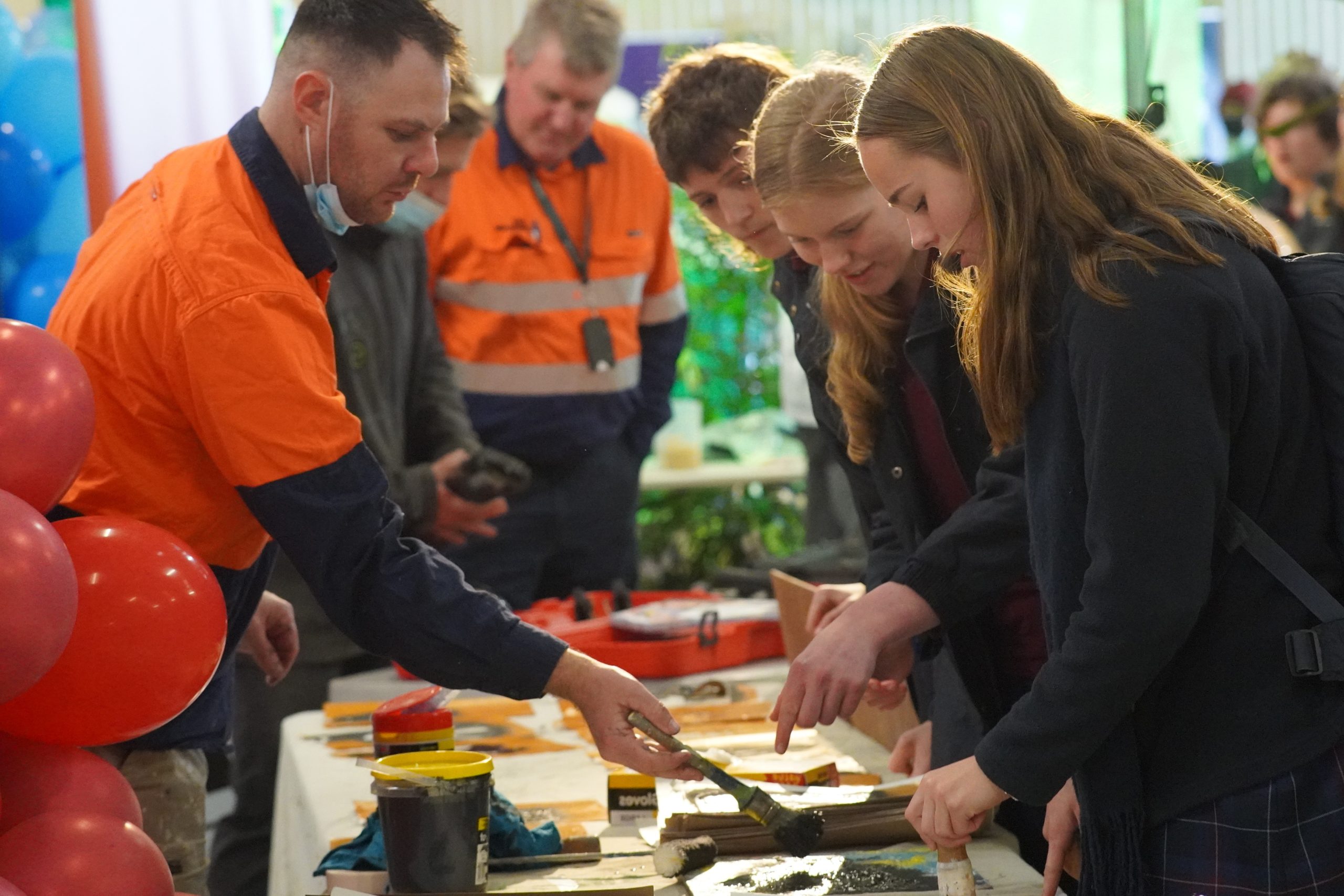
The program, which was run through Local Learning and Employment Networks (LLENs) in Victoria, was funded through federal education budget allocations and its funding was scheduled to expire at the end of 2014 [1].
According to The Age article, Victorian state Labor claimed that "about 250,000 young Victorians had received support through the networks in the past four years" [1].
Federal Parliamentary Secretary for Education Scott Ryan stated in May 2014 that the program was "always intended to finish," with relationships established expected to become self-sustaining [1].
Scott Ryan stated the program was "always intended to finish" and that the relationships established were expected to become self-sustaining without ongoing federal funding [1].
**2.
Scott Scott Ryan Ryan 表示 biǎo shì 该 gāi 项目 xiàng mù " " 原定 yuán dìng 于 yú 此时 cǐ shí 结束 jié shù " " , , 已 yǐ 建立 jiàn lì 的 de 关系 guān xì 预计 yù jì 将 jiāng 在 zài 没有 méi yǒu 持续 chí xù 联邦 lián bāng 拨款 bō kuǎn 的 de 情况 qíng kuàng 下 xià 自我 zì wǒ 维持 wéi chí [ [ 1 1 ] ] 。 。
State Government Role and History**
The Victorian government had actually funded these networks from 2001 to 2009, but began reducing its contribution while the Commonwealth progressively took over the majority of funding by 2014 [1].
Record School Funding Commitments**
The 2014 budget committed to "record funding" for government and independent schools over the subsequent four years, with Commonwealth school funding projected to increase by 37.2% from 2013-14 to 2017-18 according to Department of Education figures [2].
Alternative State Funding**
Following the federal funding cut, Victorian state Labor promised $32 million to guarantee the future of the 31 Local Learning and Employment Networks if elected in the November 2014 state election [1].
The article (published August 7, 2014) provides balanced coverage, including:
- Government justification for the cut (program was "always intended to finish")
- Opposition criticism and promises to restore funding
- Context about state government funding history
- Direct quotes from program stakeholders and officials
The Age is generally regarded as a credible mainstream media source with center-left editorial leanings, part of the Fairfax media group (now Nine Entertainment).
The article appears to be factual reporting rather than opinion content.
- - 反对党 fǎn duì dǎng 的 de 批评 pī píng 及 jí 恢复 huī fù 拨款 bō kuǎn 的 de 承诺 chéng nuò - - 州政府 zhōu zhèng fǔ 拨款 bō kuǎn 历史背景 lì shǐ bèi jǐng - - 项目 xiàng mù 利益 lì yì 相关者 xiāng guān zhě 和 hé 官员 guān yuán 的 de 直接 zhí jiē 引述 yǐn shù 《 《 时代 shí dài 报 bào 》 》 通常 tōng cháng 被 bèi 视为 shì wèi 具有 jù yǒu 中 zhōng 左翼 zuǒ yì 编辑 biān jí 倾向 qīng xiàng 的 de 可信 kě xìn 主流 zhǔ liú 媒体 méi tǐ 来源 lái yuán , , 隶属于 lì shǔ yú Fairfax Fairfax 传媒 chuán méi 集团 jí tuán ( ( 现为 xiàn wèi Nine Nine Entertainment Entertainment ) ) 。 。 该 gāi 文章 wén zhāng 似乎 sì hū 是 shì 事实 shì shí 报道 bào dào 而 ér 非 fēi 观点 guān diǎn 内容 nèi róng 。 。
⚖️
工党对比
* * * * 工党 gōng dǎng 是否 shì fǒu 建立 jiàn lì 了 le 类似 lèi sì 的 de 有 yǒu 时限 shí xiàn 试点 shì diǎn 项目 xiàng mù ? ?
**Did Labor establish similar time-limited pilot programs?**
Yes.
* * * *
The Rudd/Gillard Labor governments (2007-2013) established numerous time-limited pilot programs and education initiatives, including:
**1.
是 shì 的 de 。 。
National Plan for School Improvement ("Gonski")**
Labor's signature education reform was itself a time-limited funding arrangement - a six-year plan where the Commonwealth would increase funding at 4.7% (for schools below target) and 3% (for schools above target) annually [2].
The Schools Business Community Partnership Brokers program itself was established under the Rudd Labor government (2009-2013) with time-limited funding, designed to pilot partnership models rather than create permanent federal infrastructure [1].
**3.
State Labor's Response**
Significantly, Victorian Labor (state opposition at the time) campaigned on restoring funding to these networks, demonstrating bipartisan support for the program's goals at the state level - while simultaneously criticizing the federal Coalition for cutting it [1].
**Key Distinction:**
The Coalition cut a program established by Labor, but the program itself was designed as time-limited.
The decision to terminate the Schools Business Community Partnership Brokers program illustrates the challenges of federal-state funding arrangements for education initiatives.
**Criticisms of the cut:**
- The networks had established relationships with thousands of businesses and community organizations over 14 years [1]
- The program served vulnerable, disadvantaged students at risk of dropping out
- The $13.3 million annual cost was relatively modest in the context of total education spending
- The program had served 250,000 young Victorians over four years according to program advocates [1]
**Government justifications:**
- The program was always designed as time-limited (2009-2014)
- Relationships established were expected to become self-sustaining
- Overall education funding was increasing significantly (37.2% over four years) [2]
- The federal government argued states should take responsibility for programs affecting state schools
**Broader context:**
This was one of many difficult budget decisions in the 2014-15 budget aimed at reducing the deficit.
The fact that Victorian state Labor immediately promised to restore funding if elected suggests the program had genuine value - but also that state governments were willing to assume responsibility for programs affecting their schools.
However, the framing omits crucial context: the program was established by the previous Labor government as a time-limited pilot (2009-2014) and was "always intended to finish" [1].
The claim about "saving thousands of students" reflects program advocates' figures (250,000 young Victorians supported over four years) [1], though quantifying exactly how many students would have dropped out without the program is inherently difficult.
The omission of Labor's role in creating this time-limited program, and the fact that the program was designed to conclude, makes the claim misleading in its framing of this as uniquely damaging Coalition policy rather than a decision not to extend a time-limited Labor pilot.
However, the framing omits crucial context: the program was established by the previous Labor government as a time-limited pilot (2009-2014) and was "always intended to finish" [1].
The claim about "saving thousands of students" reflects program advocates' figures (250,000 young Victorians supported over four years) [1], though quantifying exactly how many students would have dropped out without the program is inherently difficult.
The omission of Labor's role in creating this time-limited program, and the fact that the program was designed to conclude, makes the claim misleading in its framing of this as uniquely damaging Coalition policy rather than a decision not to extend a time-limited Labor pilot.