The Safeguard Mechanism was created by Coalition Environment Minister Greg Hunt and legislated in 2014 as part of the Coalition's "Direct Action" policy [1].
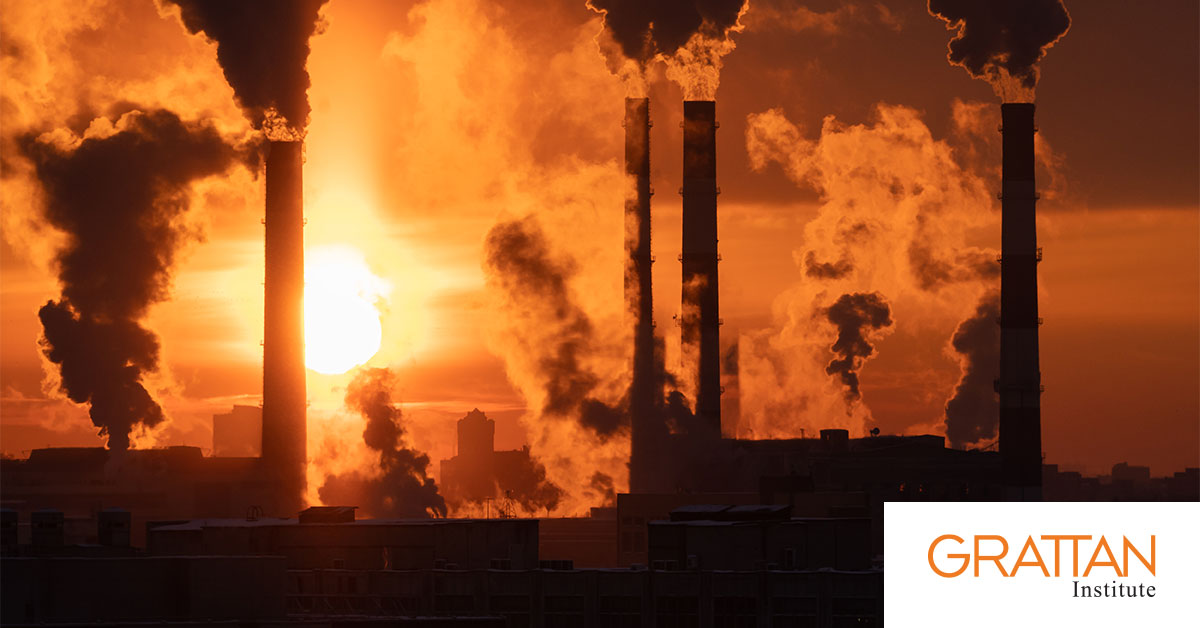
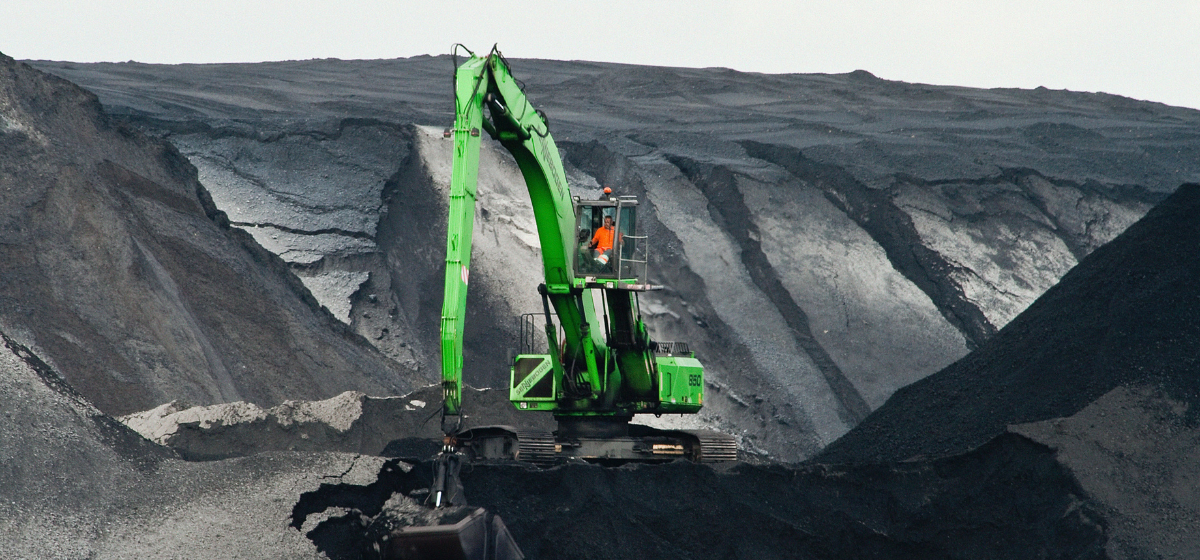
The mechanism sets emissions baselines for Australia's largest industrial facilities (those emitting more than 100,000 tonnes of CO2-e annually), covering approximately 215 facilities representing 28% of Australia's total greenhouse gas emissions [3].
2022 2022 年 nián 4 4 月 yuè , , 总理 zǒng lǐ Scott Scott Morrison Morrison 明确 míng què 将 jiāng Labor Labor 加强 jiā qiáng Safeguard Safeguard Mechanism Mechanism 的 de 提案 tí àn 称为 chēng wéi " " 偷偷摸摸 tōu tōu mō mō 的 de 碳税 tàn shuì " " [ [ 4 4 ] ] 。 。
In April 2022, Prime Minister Scott Morrison explicitly labeled Labor's proposal to strengthen the Safeguard Mechanism as a "sneaky carbon tax" [4].
然而 rán ér , , 这 zhè 确实 què shí 是 shì Coalition Coalition 自己 zì jǐ 的 de 政策 zhèng cè , , 正在 zhèng zài 被 bèi Labor Labor 提议 tí yì 修改 xiū gǎi 。 。
However, this was indeed the Coalition's own policy being proposed for modification by Labor.
正如 zhèng rú 《 《 泰晤士报 tài wù shì bào 》 》 标题 biāo tí 所述 suǒ shù : : " " Safeguard Safeguard 机制 jī zhì 不是 bú shì 碳税 tàn shuì … … … … Coalition Coalition 关于 guān yú ' ' 偷偷摸摸 tōu tōu mō mō 的 de 碳税 tàn shuì ' ' 的 de 说法 shuō fǎ 指 zhǐ 的 de 是 shì Labor Labor 收紧 shōu jǐn 现有 xiàn yǒu 政策 zhèng cè known known as as the the safeguard safeguard mechanism mechanism 的 de 计划 jì huà 。 。
As The Times headline stated: "The safeguard mechanism is not a carbon tax...
However, the claim's characterization requires important context:
**On the "sneaky" framing:** Morrison's criticism wasn't that the policy itself was new—he was arguing that Labor's proposed modifications (making baselines stricter and more binding) amounted to introducing a "sneaky carbon tax" through the back door.
Whether stricter enforcement of baselines constitutes a "tax" is a substantive policy disagreement, not a factual mischaracterization about origins.
**On actual implementation:** The Guardian article reveals that the Coalition's original Safeguard Mechanism had been largely unenforced.
更 gèng 严格 yán gé 的 de 基准 jī zhǔn 执行 zhí xíng 是否 shì fǒu 构成 gòu chéng " " 税收 shuì shōu " " 是 shì 一个 yí gè 实质性 shí zhì xìng 的 de 政策 zhèng cè 分歧 fēn qí , , 而 ér 非 fēi 关于 guān yú 来源 lái yuán 的 de 事实性 shì shí xìng 错误 cuò wù 表述 biǎo shù 。 。
Industrial emissions covered by the scheme increased by 7% since its introduction, despite the mechanism being intended to limit them [1].
The government had "mostly just allowed companies to increase baselines, or change the timeframe over which baselines are measured, without penalty" [1].
This is the critical context: Coalition created the policy but did not enforce it effectively.
**On timeframe:** The policy was legislated in 2014, but the controversy occurred in 2022—eight years later, when both parties were proposing modifications.
The claims made in Morton's article—about policy origins, timing, and legislative history—are well-supported by official government sources and have been corroborated by multiple other sources (ABC, SBS, Times Australia, Grattan Institute, official DCCEEW website) [1][2][3][5][9][10].
**Did Labor do something similar?**
This is an interesting case because the comparison isn't about Labor doing something similar, but rather both parties proposing modifications to the same existing Coalition policy.
* * * *
Labor's approach: Labor adopted the Safeguard Mechanism as its core industrial emissions policy in December 2021 [11].
这是 zhè shì 一个 yí gè 有趣 yǒu qù 的 de 案例 àn lì , , 因为 yīn wèi 比较 bǐ jiào 不 bù 在于 zài yú Labor Labor 做 zuò 了 le 类似 lèi sì 的 de 事情 shì qíng , , 而 ér 在于 zài yú 两党 liǎng dǎng 都 dōu 在 zài 提议 tí yì 修改 xiū gǎi 同一 tóng yī 现有 xiàn yǒu 的 de Coalition Coalition 政策 zhèng cè 。 。
Rather than proposing an alternative policy, Labor strategically adopted the Coalition's framework but proposed tightening it by:
- Cutting baselines "predictably and gradually" [11]
- Applying this to the same 215 major industrial facilities [11]
- Offering "tailored treatment" for export-exposed industries like coal [11]
RepuTex modeling suggested Labor's tightened version could cut emissions by 213 million tonnes by 2030 while creating 1,600 regional jobs [11].
The Coalition's counter-proposal: The Morrison government proposed a "safeguard crediting mechanism" allowing companies exceeding baselines to earn credits through voluntary investments [1].
Labor Labor 没有 méi yǒu 提议 tí yì 替代 tì dài 政策 zhèng cè , , 而是 ér shì 战略性 zhàn lüè xìng 地 dì 采纳 cǎi nà 了 le Coalition Coalition 的 de 框架 kuāng jià , , 但 dàn 提议 tí yì 通过 tōng guò 以下 yǐ xià 方式 fāng shì 收紧 shōu jǐn 它 tā : :
This hadn't been implemented at the time of Morrison's "sneaky carbon tax" criticism.
**Critical observation:** Both parties were working with the same Coalition-created policy framework in 2022.
The Guardian's coverage of this is factually correct: Morrison was "criticising the Coalition's own climate policy" [1].
**The policy substance issue (different question):**
However, Morrison's broader argument had some merit on policy grounds: Labor's proposed modifications *would* require stricter compliance and larger emissions reductions.
Whether that constitutes an acceptable climate policy or an economically damaging "sneaky carbon tax" is a legitimate policy debate with reasonable arguments on both sides [11]:
- Labor's case: Current policy unenforced, allowing emissions to increase 7% despite baseline restrictions; stricter baselines needed for climate targets [1][11]
- Coalition's case: Tighter baselines could harm competitiveness of Australian export industries; voluntary crediting mechanisms preferable [1]
**On the politics:**
The Guardian's characterization of this as a "scare campaign" is editorial judgment.
* * * * 政策 zhèng cè 实质问题 shí zhì wèn tí ( ( 不同 bù tóng 的 de 问题 wèn tí ) ) : : * * * *
Morrison's rhetoric was certainly hyperbolic—describing a modification of an existing Coalition policy as a "sneaky" new tax was strategically misleading.
然而 rán ér , , Morrison Morrison 更 gèng 广泛 guǎng fàn 的 de 论点 lùn diǎn 在 zài 政策 zhèng cè 层面 céng miàn 上 shàng 有 yǒu 一定 yí dìng 道理 dào lǐ : : Labor Labor 提议 tí yì 的 de 修改 xiū gǎi * * 确实 què shí * * 需要 xū yào 更 gèng 严格 yán gé 的 de 合规 hé guī 和 hé 更 gèng 大 dà 的 de 减排 jiǎn pái 量 liàng 。 。
But both parties engage in climate-related scare campaigns; Labor had earlier been "bruised and gun-shy on climate" from Abbott's 2013 scare campaigns about carbon pricing, which is why Labor adopted the Coalition's framework rather than proposing its own alternative [11].
However, the full context matters: Morrison was specifically criticizing Labor's proposed *modifications* (stricter baselines), not the policy's mere existence.
Whether stricter enforcement constitutes an unacceptable "sneaky tax" is a legitimate policy debate, though characterizing an existing Coalition policy as a Labor sneakiness is factually misleading [4][1][11].
However, the full context matters: Morrison was specifically criticizing Labor's proposed *modifications* (stricter baselines), not the policy's mere existence.
Whether stricter enforcement constitutes an unacceptable "sneaky tax" is a legitimate policy debate, though characterizing an existing Coalition policy as a Labor sneakiness is factually misleading [4][1][11].