The claim refers to the Housing Construction Apprenticeship stream (HCAP) of the Key Apprenticeship Program, which opened for applications on July 1, 2025 [1].
According to government announcements, 4,675 apprentice commencements were recorded in this vocational stream during the first three months of operation [2].
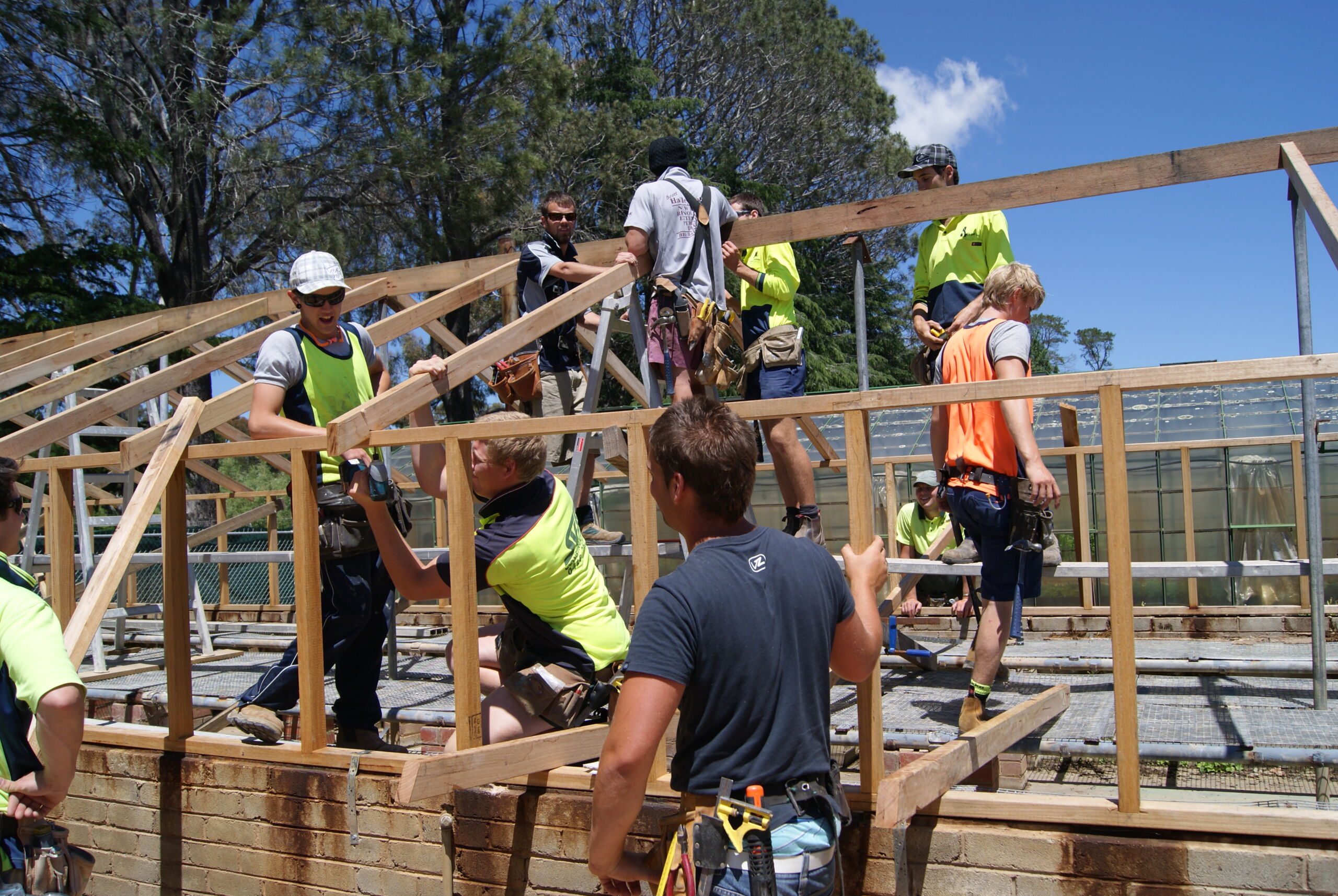
These apprentices work in critical housing construction trades including carpenters and joiners (more than 1,700), plumbers (more than 940), and electrical trades workers (more than 660) [2].
The program provides apprentices with up to $10,000 in financial support over their apprenticeship, with milestone payments of $2,000 at six, 12, 24, and 36 months, plus completion [2].
这 zhè 相当于 xiāng dāng yú 将 jiāng 此前 cǐ qián 对 duì 建筑 jiàn zhù 学徒 xué tú 的 de 支持 zhī chí 水平 shuǐ píng 提高 tí gāo 了 le 一倍 yí bèi [ [ 1 1 ] ] 。 。
This represents a doubling of the previous level of support for construction apprentices [1].
缺失背景
然而 rán ér , , 该 gāi 说法 shuō fǎ 掩盖 yǎn gài 了 le 几个 jǐ gè 重要 zhòng yào 的 de 背景 bèi jǐng 问题 wèn tí : :
However, the claim obscures several important contextual issues:
**1.
Recent Announcement, Not an Achievement**: The 4,675 figure represents commencements in the **first three months of a newly launched program** (July-September 2025), not results from years of policy work [2].
这是 zhè shì 关于 guān yú 近期 jìn qī initiative initiative 的 de 公告 gōng gào , , 而 ér 非 fēi 持续 chí xù 实施 shí shī 成功 chéng gōng 的 de 证据 zhèng jù 。 。
This is an announcement about a recent initiative rather than evidence of sustained implementation success.
**2.
The housing-specific stream attracting 4,675 in three months (representing approximately 18,700 annualized) would suggest healthy uptake, but this comparison is not made in the claim.
**3.
Larger Crisis in Construction Workforce**: The apprenticeship commencements data shows construction faced significant challenges: commencements **decreased by 22 percent** from 54,035 in 2022 to 41,935 in 2023, coinciding with the end of COVID-19 incentives [3].
The number of apprentices in training in building and construction decreased from 124,120 in September 2022 to 120,881 in September 2023 (-3 percent) [3].
No Data on Program Completion or Quality**: The 4,675 figure measures apprentice commencements, not completions, retention rates, or actual completion of qualifications [2].
The claim doesn't explain that the government needed to double incentive payments (from $5,000 to $10,000) to attract and retain apprentices [1], suggesting the labor market needed stronger incentives than previously offered.
The claim presents recent program uptake as an achievement without acknowledging critical context:
**Program Timing**: This is a newly launched initiative announced in 2024-25, not a multi-year achievement [1].
Claiming 4,675 commencements in three months (July-September 2025) as a housing policy success is premature without evidence of completion rates, job placement, or sustained employment in the sector.
**Economic Necessity vs.
Achievement**: The $10,000 incentive (doubled from previous $5,000) signals that the government needed to significantly increase support to attract apprentices to construction [1].
This suggests the sector has difficulty attracting workers at normal market rates—a problem the claim frames as a success rather than acknowledging as evidence of ongoing workforce stress.
**Incomplete Housing Strategy Context**: Australia has a 1.2 million home building target over five years [1].
The Master Builders Association has noted that construction apprenticeship numbers declined 22 percent between 2022-2023 despite broader policy efforts [3].
Whether 4,675 new apprentices will materially contribute to national housing targets remains unproven.
**Announcement Inflation**: The claim appears designed for political messaging about "supporting apprentices" without addressing whether this support will meaningfully improve housing construction capacity.
The program is too new to have demonstrated real-world impact on housing supply.
**Historical Pattern**: Construction apprenticeships peaked at 54,035 commencements in 2022 (during COVID incentives), then fell to 41,935 in 2023 when incentives ended [3].
The new HCAP program (started July 2025) may simply represent government attempting to restore previous incentive-driven participation levels rather than achieving genuine sectoral growth.
The 4,675 apprentice commencement figure is accurate for the Housing Construction Apprenticeship Program's first three months (July-September 2025), but the claim is misleading in framing this as a major achievement without critical context: (1) it's a newly launched program too recent to demonstrate real impact, (2) the doubled incentives signal labor market difficulty, not success, (3) 22 percent decline in construction apprenticeships 2022-2023 shows the sector faces persistent workforce challenges, and (4) no data exists yet on completion rates or whether these apprentices will actually contribute to housing supply.
The 4,675 apprentice commencement figure is accurate for the Housing Construction Apprenticeship Program's first three months (July-September 2025), but the claim is misleading in framing this as a major achievement without critical context: (1) it's a newly launched program too recent to demonstrate real impact, (2) the doubled incentives signal labor market difficulty, not success, (3) 22 percent decline in construction apprenticeships 2022-2023 shows the sector faces persistent workforce challenges, and (4) no data exists yet on completion rates or whether these apprentices will actually contribute to housing supply.