Bahagyang Totoo

Rating: 6.0/10

Coalition
C1001

Ang Claim

“Inatasan na ang lahat ng kawani ng pamahalaan ay mali na tinukoy ang mga dumating sa bangka bilang 'ilegal'.”
Orihinal na Pinagmulan: Matthew Davis

Orihinal na Pinagmulan

FACTUAL NA BERIPIKASYON

**TOTOO** ang pangunahing pahayag ng claim.
The claim is **TRUE** in its core assertion.
Inilabas ni Immigration Minister Scott Morrison ang isang direktiba noong Oktubre 2013 na nag-uutos sa mga tauhan at kontratista ng Department of Immigration and Border Protection na tawagin ang mga naghahanap ng asylum na dumating sa pamamagitan ng bangka bilang "illegal maritime arrivals" sa halip na ang dating terminolohiya [1].
Immigration Minister Scott Morrison did issue a directive in October 2013 instructing Department of Immigration and Border Protection staff and contractors to refer to asylum seekers arriving by boat as "illegal maritime arrivals" rather than the previous terminology [1].
Ayon sa The Guardian, iniutos ni Morrison na ang mga dumating sa bangka ay dapat tawaging "illegal maritime arrivals," at ang mga naghahanap ng asylum na nasa detention ay dapat tawaging "detainees" sa halip na "clients" [2].
According to The Guardian, Morrison directed that boat arrivals must be called "illegal maritime arrivals," and asylum seekers in detention must be called "detainees" instead of "clients" [2].
Ang direktibang ito ay nalapat sa mga kawani ng pamahalaan at tauhan ng detention centre.
This directive applied to public servants and detention centre staff.
Ipinagtanggol ni Morrison ang pagbabago sa terminolohiya, sinabing siya ay "tumatawag ng spade ng spade" lamang at "Hindi ako magso-sorry sa hindi paggamit ng politically correct na lengguwahe para ilarawan ang isang bagay na sinusubukan kong pigilan" [2].
Morrison defended the terminology change, stating he was simply "calling a spade a spade" and that "I'm not going to make any apologies for not using politically correct language to describe something that I am trying to stop" [2].
Dagdag niyang paliwanag na ang terminong ito ay tumutukoy sa paraan ng pagpasok, hindi sa paghahanap ng asylum: "Ang mga taong pumasok sa Australia nang ilegal sa pamamagitan ng bangka ay ilegal na pumasok sa pamamagitan ng bangka...
He further clarified that the term referred to the mode of entry, not the act of seeking asylum: "People who have entered Australia illegally by boat have illegally entered by boat...
Hindi ko sinabing ilegal ang mag-claim ng asylum.
I've never said that it is illegal to claim asylum.
Hindi iyon ang ibig sabihin ng terminong ito.
That's not what the term refers to.
Tumutukoy ito sa kanilang paraan ng pagpasok" [2].
It refers to their mode of entry" [2].
Iniulat ng Sydney Morning Herald na 138 na non-government agencies, faith-based organisations, at community groups ang pumirma sa isang joint letter kay Prime Minister Tony Abbott na hinihiling sa pamahalaan na itigil ang paggamit ng terminong "ilegal" para ilarawan ang mga naghahanap ng asylum [1].
The Sydney Morning Herald reported that 138 non-government agencies, faith-based organisations, and community groups signed a joint letter to Prime Minister Tony Abbott urging the government to stop using the term "illegal" to describe asylum seekers [1].

Nawawalang Konteksto

Ang claim ay nagbabawas ng ilang mahahalagang kontekstwal na elemento: 1. **Ang dating terminolohiya ng Labor**: Ang nakaraang Labor government (Rudd/Gillard) ay gumamit ng terminong "irregular maritime arrivals" (IMAs) para ilarawan ang parehong grupo ng tao [3][4].
The claim omits several important contextual elements: 1. **Labor's previous terminology**: The previous Labor government (Rudd/Gillard) had used the term "irregular maritime arrivals" (IMAs) to describe the same group of people [3][4].
Tala ng ANU Reporter: "Noong huli ng 2013, hindi pa matagal matapos manalo ang Coalition, pinalitan ni Federal Immigration Minister Scott Morrison ang patakaran ng pagtawag sa mga taong dumating sa Australia sa pamamagitan ng bangka mula Irregular Maritime Arrivals - ang ginustong terminolohiya ng Labor government - patungo sa Illegal Maritime Arrivals" [3]. 2. **Ang legal na pagkakaiba**: Ang terminong "ilegal" ay inilapat sa paraan ng pagpasok (pagdating nang walang visa), hindi sa paghahanap ng asylum mismo.
The ANU Reporter noted: "In late 2013, not long after the Coalition won power, Federal Immigration Minister Scott Morrison changed the policy of calling people who arrived in Australia by boat from Irregular Maritime Arrivals - the preferred terminology of the Labor government - to Illegal Maritime Arrivals" [3]. 2. **The legal distinction**: The term "illegal" was applied to the method of entry (arriving without a visa), not to the act of seeking asylum itself.
Sa ilalim ng international law at Refugee Convention, hindi ilegal ang maghanap ng asylum [5].
Under international law and the Refugee Convention, it is not illegal to seek asylum [5].
Ang UN at international agencies ay palaging nagkakaiba sa pagitan ng "irregular migration" (pagpasok nang walang tamang dokumentasyon) at "illegal migration," na binibigyang-diin na ang paghahanap ng asylum ay isang fundamental na karapatan kahit paano pumasok ang isang tao sa bansa [5][6]. 3. **Ang depensa ng "paraan ng pagpasok"**: Maliwanag na sinabi ni Morrison na hindi niya sinasabing ilegal ang paghahanap ng asylum, kundi ang pagdating nang walang awtorisasyon ay isang ilegal na paraan ng pagpasok [2].
The UN and international agencies consistently distinguish between "irregular migration" (entering without proper documentation) and "illegal migration," emphasizing that seeking asylum is a fundamental right regardless of how one enters a country [5][6]. 3. **The "mode of entry" defense**: Morrison explicitly stated he was not claiming that seeking asylum was illegal, but rather that arriving without authorization was an illegal entry method [2].
Ang pagkakaibang ito ay mahalaga sa international law, bagama't sinasabi ng mga kritiko na ang terminolohiya ay pinaghahalo ang dalawa sa pananaw ng publiko. 4. **Ang kasaysayang precedent**: Ang Howard government (1996-2007) ay gumamit din ng inflammatory rhetoric tungkol sa mga dumating sa bangka, kabilang ang mga termino tulad ng "queue jumpers" at ang "Pacific Solution" [7].
This distinction is significant in international law, though critics argue the terminology conflates the two in public perception. 4. **Historical precedent**: The Howard government (1996-2007) had also used inflammatory rhetoric around boat arrivals, including terms like "queue jumpers" and the "Pacific Solution" [7].
Tala ng European Council on Refugees: "Isa sa mga unang hakbang na ginawa ng Coalition Government ay isang pagbabago sa retorika: sa pangunguna ni Prime Minister Tony Abbott, nagdesisyon ang Government na tawagin ang mga naghahanap ng asylum na pumapasok sa pamamagitan ng bangka bilang 'illegal maritime arrivals', isang paglipat mula sa nakaraang 'irregular maritime arrivals'" [7].
The European Council on Refugees noted: "One of the first steps the Coalition Government took was a rhetorical change: led by Prime Minister Tony Abbott, the Government decided to refer to asylum seekers who enter by boat as 'illegal maritime arrivals', a shift from the previous 'irregular maritime arrivals'" [7].

Pagsusuri ng Kredibilidad ng Pinagmulan

Ang mga orihinal na pinagkunan na ibinigay sa claim ay nag-iiba sa kredibilidad: 1. **Sydney Morning Herald (SMH)**: Isang mainstream Australian newspaper na may established journalistic standards.
The original sources provided with the claim vary in credibility: 1. **Sydney Morning Herald (SMH)**: A mainstream Australian newspaper with established journalistic standards.
Ang Fairfax Media (ngayon ay Nine) ay karaniwang itinuturing na reputable, bagama't tulad ng lahat ng media, may ilang editorial perspective.
Fairfax Media (now Nine) is generally considered reputable, though like all media, has some editorial perspective.
Ang pinagkukunang ito ay kreditable [1]. 2. **Glenn Murray website**: Mukhang isang personal/political website.
This source is credible [1]. 2. **Glenn Murray website**: This appears to be a personal/political website.
Nang walang karagdagang impormasyon tungkol sa may-akda at kanilang credentials, ang pinagkukunang ito ay dapat tratuhin bilang mas kaunting awtoridad kaysa sa mainstream media outlets. 3. **The Big Smoke**: Isang online publication.
Without additional information about the author and their credentials, this source should be treated as less authoritative than mainstream media outlets. 3. **The Big Smoke**: An online publication.
Bagama't naglathala ito ng commentary, maaaring may mas kaunting rigorous editorial standards kaysa sa established newspapers.
While it publishes commentary, it may have less rigorous editorial standards than established newspapers.
Ang artikulong binanggit ay mukhang isang opinion piece sa halip na straight news reporting.
The article cited appears to be an opinion piece rather than straight news reporting.
Ang mga pinaka-awtoritatibong pinagkunan sa claim na ito ay ang mainstream news outlets (SMH, The Guardian, ABC) at parliamentary records, na nagkumpirma na ang direktiba ay inilabas tulad ng sinasabi.
The most authoritative sources on this claim are mainstream news outlets (SMH, The Guardian, ABC) and parliamentary records, which confirm the directive was issued as claimed.
⚖️

Paghahambing sa Labor

**Gumawa ba ng katulad na bagay ang Labor?** Nagsagawa ng search: "Labor government Rudd Gillard asylum seeker boat arrivals illegal terminology" Resulta: Hindi gumamit ng terminong "ilegal" ang Labor - gumamit sila ng "irregular maritime arrivals" (IMAs) [3][4].
**Did Labor do something similar?** Search conducted: "Labor government Rudd Gillard asylum seeker boat arrivals illegal terminology" Finding: Labor did not use the term "illegal" - they used "irregular maritime arrivals" (IMAs) [3][4].
Gayunpaman, pinanatili ng Labor ang katulad na hardline policies tungkol sa mga dumating sa bangka: - Ang Gillard government ay muling nagtatag ng offshore processing sa Nauru at Papua New Guinea noong 2012 (ang "Pacific Solution" na dating dinismantle ng Labor) [8] - Ang Immigration Minister ng Labor na si Chris Bowen ay gumamit ng terminong "irregular maritime arrivals" (IMAs) sa opisyal na komunikasyon, kabilang ang mga press release tungkol sa bridging visas at community placement [4] - Gumamit din ng Labor ng military-led border protection operations at pinanatili ang mga detention facility - Ang pagkakaiba sa terminolohiya ay sumasalamin sa ibang paraan ng pagkakabuo sa halip na talagang ibang resulta ng patakaran Si Richard Marles, immigration spokesman ng Labor noong panahong iyon, ay tahasang kritikado ang pagbabago sa terminolohiya ni Morrison bilang "demonising asylum seekers" at isang pagbalik sa "inflammatory rhetoric of the Howard era" [2]. **Pangunahing pagkakaiba**: Bagama't hindi gumamit ng "ilegal" na terminolohiya ang Labor, ipinatupad nila ang marami sa parehong deterrence policies.
However, Labor maintained similar hardline policies regarding boat arrivals: - The Gillard government re-established offshore processing in Nauru and Papua New Guinea in 2012 (the "Pacific Solution" that Labor had previously dismantled) [8] - Labor's Immigration Minister Chris Bowen used the term "irregular maritime arrivals" (IMAs) in official communications, including press releases about bridging visas and community placement [4] - Labor also used military-led border protection operations and maintained detention facilities - The terminology difference reflects a different framing approach rather than fundamentally different policy outcomes Richard Marles, Labor's immigration spokesman at the time, explicitly criticized Morrison's terminology change as "demonising asylum seekers" and a return to "inflammatory rhetoric of the Howard era" [2]. **Key distinction**: While Labor did not use "illegal" terminology, they implemented many of the same deterrence policies.
Ang pagbabago sa terminolohiya ay kumakatawan sa paglipat sa retorika sa halip na isang natatanging posisyon sa patakaran.
The terminology change represents a shift in rhetoric rather than a unique policy position.
🌐

Balanseng Pananaw

Bagama't ang claim na ang mga kawani ng pamahalaan ay inatasang gumamit ng terminolohiyang "ilegal" ay factually accurate, ang buong konteksto ay kinabibilangan ng: **Posisyon ng Coalition:** - Sinabi ni Morrison na siya ay simple lamang na diretso tungkol sa paraan ng pagpasok, hindi sa pagkriminalisa sa paghahanap ng asylum mismo [2] - Ang Coalition ay tumingin dito bilang bahagi ng isang mas malawak na estratehiya ng deterrence sa ilalim ng "Operation Sovereign Borders," na tinatrato ang mga dumating sa bangka bilang isang border security issue sa halip na humanitarian [7][9] - Pinanatili ng pamahalaan na ang pagdating nang walang visa ay lumalabag sa Migration Act ng Australia, na ginagawang ilegal ang paraan ng pagpasok kahit na lehitimo ang asylum claim **Mga Kritika:** - 138 na organisasyon, kabilang ang faith-based groups at refugee advocates, ang pumirma sa isang joint letter na nagproprotesta sa terminolohiya bilang dehumanizing [1] - Ang Refugee Council of Australia at iba pang advocates ay nagsabing ang terminong ito ay misrepresentasyon sa international law, dahil ang paghahanap ng asylum ay isang protektadong karapatan kahit anong paraan ng pagpasok [1][5] - Tiningnan ng mga kritiko na ang terminolohiya ay nagbubura ng pagkakaiba sa pagitan ng unauthorized entry (isang technical violation) at ang lehitimong karapatan na maghanap ng asylum **Komparatibong pagsusuri:** - Ito ay **hindi natatangi** sa Coalition sa terms ng hardline border rhetoric - ang Howard government ay gumamit ng katulad na pagkakabuo - Gayunpaman, ang partikular na "ilegal" na terminolohiya ay isang Coalition innovation na hindi ginamit ng Labor - Ang parehong major parties ay gumamit ng deterrence-based approaches sa mga dumating sa bangka, bagama't may ibang rhetorical framings - Ang international standard na ginustong gamitin ng UNHCR at refugee agencies ay "irregular" sa halip na "ilegal" upang mapanatili ang pagkakaiba sa pagitan ng paraan ng pagpasok at mga karapatan sa asylum [5][6]
While the claim that public servants were mandated to use "illegal" terminology is factually accurate, the full context includes: **Coalition position:** - Morrison argued he was simply being direct about the method of entry, not criminalizing asylum-seeking itself [2] - The Coalition viewed this as part of a broader deterrence strategy under "Operation Sovereign Borders," treating boat arrivals as a border security issue rather than a humanitarian one [7][9] - The government maintained that arriving without a visa violates Australia's Migration Act, making the entry method illegal even if the asylum claim is legitimate **Criticisms:** - 138 organizations, including faith-based groups and refugee advocates, signed a joint letter protesting the terminology as dehumanizing [1] - The Refugee Council of Australia and other advocates argued the term misrepresents international law, as seeking asylum is a protected right regardless of entry method [1][5] - Critics noted the terminology blurs the distinction between unauthorized entry (a technical violation) and the legitimate right to seek asylum **Comparative analysis:** - This is **not unique** to the Coalition in terms of hardline border rhetoric - the Howard government used similar framing - However, the specific "illegal" terminology was a Coalition innovation not used by Labor - Both major parties have used deterrence-based approaches to boat arrivals, though with different rhetorical framings - The international standard preferred by UNHCR and refugee agencies is "irregular" rather than "illegal" to maintain the distinction between entry method and asylum rights [5][6]

BAHAGYANG TOTOO

6.0

sa 10

Ang pangunahing claim ay tama: ang Coalition government ay talagang nag-utos na ang mga kawani ng pamahalaan ay gumamit ng terminolohiyang "illegal maritime arrivals".
The core claim is accurate: the Coalition government did mandate that public servants use "illegal maritime arrivals" terminology.
Gayunpaman, ang pagkakabuo ng claim na ito ay "mali" ay mismo ay isang pinagtatalunang posisyon.
However, the claim's framing that this was "incorrect" is itself a contested position.
Bagama't sinasabi ng mga refugee advocate at international agencies na ang "ilegal" ay misrepresentasyon sa legal na karapatan na maghanap ng asylum, ipinagtanggol ng Coalition na ang terminong ito ay ilarawan ang paraan ng pagpasok (na technically ay unauthorized sa ilalim ng Migration Act), hindi ang asylum claim mismo.
While refugee advocates and international agencies argue "illegal" misrepresents the legal right to seek asylum, the Coalition maintained the term described the entry method (which is technically unauthorized under the Migration Act), not the asylum claim itself.
Ang claim ay nagbabawas na ang Labor ay gumamit ng ibang terminolohiya ("irregular") para sa katulad na mga patakaran, at hindi nabanggit ang nuanced legal distinction na sinubukang ipaliwanag ni Morrison.
The claim omits that Labor used different terminology ("irregular") for similar policies, and misses the nuanced legal distinction Morrison attempted to draw.
Ang terminolohiya ay kontrobersyal at malawak na kritikado ng mga refugee advocate, ngunit kung ito ay "mali" ay depende kung tinatanggap mo ang pagkakabuo ng Coalition tungkol sa paraan ng pagpasok laban sa mas malawak na international law perspective sa mga karapatan sa asylum.
The terminology was controversial and widely criticized by refugee advocates, but whether it was "incorrect" depends on whether one accepts the Coalition's framing about mode of entry versus the broader international law perspective on asylum rights.

📚 MGA PINAGMULAN AT SANGGUNIAN (9)

  1. 1
    smh.com.au

    smh.com.au

    The Prime Minister is being urged to stop the using the term ''illegal maritime arrivals'' and follow Europe's lead on the protection of refugees.

    The Sydney Morning Herald
  2. 2
    theguardian.com

    theguardian.com

    Minister under fire for directing public servants to refer to asylum seekers who arrive by boat as 'illegal maritime arrivals'

    the Guardian
  3. 3
    reporter.anu.edu.au

    reporter.anu.edu.au

    The term 'boat people' was first used of refugees who fled Vietnam after the fall of Saigon in 1975 on a variety of boats.

    Reporter Anu Edu
  4. 4
    parlinfo.aph.gov.au

    parlinfo.aph.gov.au

    Parlinfo Aph Gov

  5. 5
    securityjournaluk.com

    securityjournaluk.com

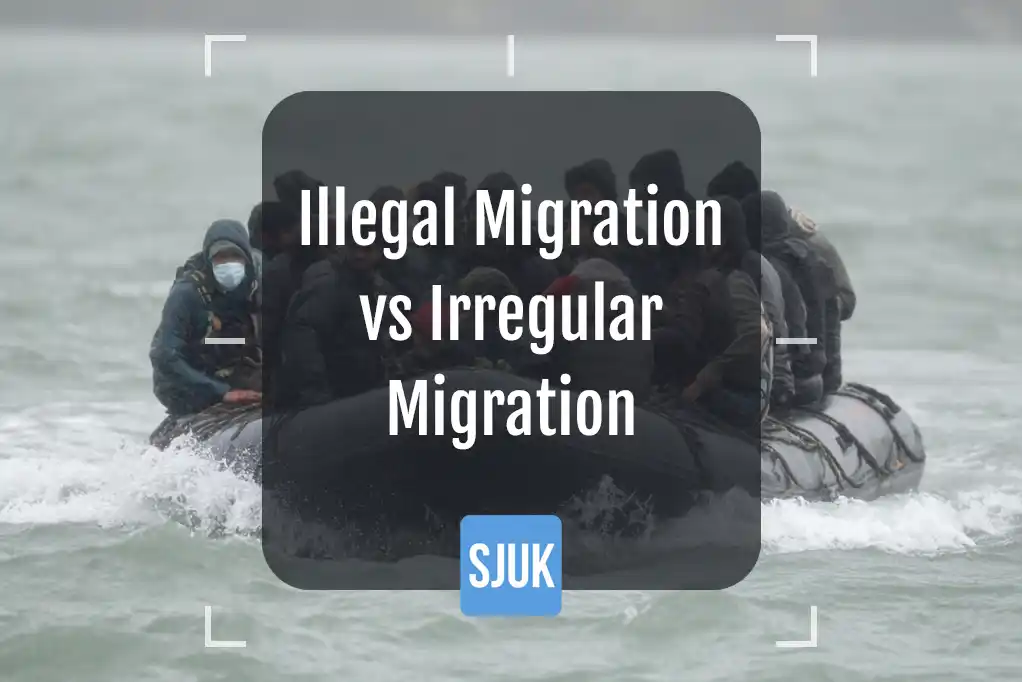
    Discover the key differences between illegal migration vs irregular migration, and why language shapes how we understand modern migration.

    Security Journal UK
  6. 6
    PDF

    RegularAndIrregular

    Ohchr • PDF Document
  7. 7
    ecre.org

    ecre.org

    Ecre
  8. 8
    asyluminsight.com

    asyluminsight.com

    Asylum Insight

  9. 9
    en.wikipedia.org

    en.wikipedia.org

    Wikipedia

Pamamaraan ng Rating Scale

1-3: MALI

Hindi tama sa katotohanan o malisyosong gawa-gawa.

4-6: BAHAGYA

May katotohanan ngunit kulang o baluktot ang konteksto.

7-9: HALOS TOTOO

Maliit na teknikal na detalye o isyu sa pagkakasulat.

10: TUMPAK

Perpektong na-verify at patas ayon sa konteksto.

Pamamaraan: Ang mga rating ay tinutukoy sa pamamagitan ng cross-referencing ng opisyal na mga rekord ng pamahalaan, independiyenteng mga organisasyong nag-fact-check, at mga primaryang dokumento.