Totoo

Rating: 8.0/10

Coalition
C0704

Ang Claim

“Sinubukang magpakilala ng bayad na $7 sa bawat pagbisita sa doktor. Sinabi nila na ang $7 ay sabay na sapat na malaki para maging pampigil (sa gayon ay makakatipid ng pera), at sapat na maliit para hindi mapigilan ang mga mahihirap at may sakit na tao na humingi ng tulong.”
Orihinal na Pinagmulan: Matthew Davis

Orihinal na Pinagmulan

FACTUAL NA BERIPIKASYON

Sinubukan ng pamahalaan ng Koalisyon na magpanukala ng $7 na bayad sa pagbisita sa doktor sa badyet noong Mayo 2014 [1].
The Coalition government did indeed propose a $7 GP co-payment in the May 2014 budget [1].
Ang patakaran ay inanunsyo ng dating Ministro ng Kalusugan na si Peter Dutton, kasama sina Punong Ministro Tony Abbott at Kalihim ng Tesoreria na si Joe Hockey bilang mga pangunahing tagapagtaguyod nito [1].
The policy was announced by then-Health Minister Peter Dutton, with Prime Minister Tony Abbott and Treasurer Joe Hockey as key advocates [1].
Ang panukala ay magtatakda sa mga pasyenteng dati nang libre na magbayad ng $7 sa mga konsultasyon sa doktor, pati na rin sa mga serbisyo ng pathology at imaging simula Hulyo 1, 2015 [1].
The proposal would have required previously bulk-billed patients to pay $7 towards GP consultations, pathology, and imaging services from July 1, 2015 [1].
Ang kanilang dahilan ay dalawa: (1) magbigay ng "maliit na senyales sa presyo" upang mabawasan ang tinatawag nilang "medisina sa anim na minuto" at hindi kailangang mga pagbisita sa doktor, at (2) upang pondohan ang Medical Research Future Fund [2].
The government's stated rationale was twofold: (1) to provide a "modest price signal" to reduce what they called "six-minute medicine" and unnecessary doctor visits, and (2) to fund the Medical Research Future Fund [2].
Sa ilalim ng orihinal na panukala, ang $5 mula sa bawat $7 ay mapupunta sa Medical Research Future Fund, habang ang $2 ay mananatili sa doktor bilang dagdag na rebate [2].
Under the original proposal, $5 of each $7 fee would go to the Medical Research Future Fund, while $2 would remain with the doctor as an increased rebate [2].
Ang paglalarawan sa mensahe ng pamahalaan bilang salungat ay tama.
The claim's characterization of the government's messaging as contradictory is accurate.
Sabay na inihain ng Koalisyon na ang bayad ay magiging pampigil upang mabawasan ang mga gastos sa Medicare sa pamamagitan ng paghadlang sa hindi kailangang mga pagbisita, at sabay na sinabi na ito ay maliit lamang para hindi mapigilan ang mga mahihirap na tao na humingi ng pag-aalaga [3].
The Coalition simultaneously argued that the fee would act as a deterrent to reduce Medicare costs (by discouraging unnecessary visits) while also claiming it was modest enough not to deter vulnerable people from seeking care [3].
Taliwas na sinabi ng pamahalaan na ang bayad ay nilalayong maging "senyales sa presyo" upang gawing mas mahusay ang sistema [1], ngunit sinabi rin na ito ay hindi pipigil sa mga tao na kumuha ng kailangang pag-aalaga.
The government explicitly stated the fee was intended to be a "price signal" to make the system more efficient [1], but also maintained it would not prevent people from accessing necessary care.
Ang patakaran ay sumalubong sa malaking pagtutol, maraming beses na binago, at sa huli ay iniwan noong Marso 2015 [4].
The policy faced massive backlash, was modified multiple times, and was ultimately abandoned in March 2015 [4].
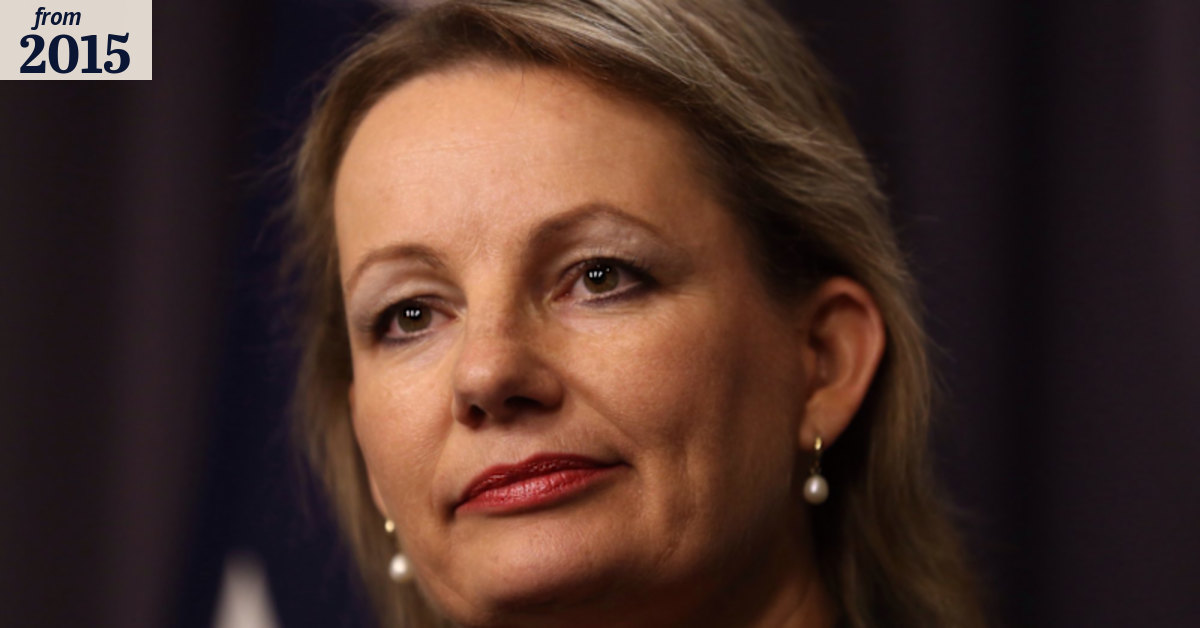
Inanunsyo ni Ministro ng Kalusugan Sussan Ley sa mga miyembro ng Koalisyon na "hindi na natin ito itutuloy," at idineklara ni Punong Ministro Abbott na ito ay "patay, inilibing, at sinunog" [4].
Health Minister Sussan Ley announced the government would not pursue it at all, with Prime Minister Abbott declaring it "dead, buried and cremated" [4].

Nawawalang Konteksto

Ang pahayag ay nagpabaya ng ilang mahahalagang impormasyon: **May mga exemptions na iminungkahi.** Kasama sa orihinal na patakaran ang mga exemption para sa mga batang wala pang 16 taong gulang at may concession card (mga mababawas sa kita at pensyonado) pagkatapos ng kanilang unang sampung pagbisita sa isang taon [2].
The claim omits several important pieces of context: **Exemptions were proposed.** The original policy included exemptions for children under 16 and concession card holders (low-income earners and pensioners) after their first ten visits per year [2].
Ang binagong bersyon na inanunsyo noong Disyembre 2014 ay magiging "opsyonal" para sa mga doktor, na magbabawas ng $5 sa rebate sa halip [5]. **Ang koneksyon sa Medical Research Future Fund.** Maliwanag na inugnay ng pamahalaan ang bayad sa pagtatatag ng magiging $20 bilyon na Medical Research Future Fund [2].
A modified version announced in December 2014 would have made the co-payment "optional" for doctors, reducing the rebate by $5 instead [5]. **The Medical Research Future Fund connection.** The government explicitly linked the co-payment to establishing what would become a $20 billion Medical Research Future Fund [2].
Bagaman hindi ito nagsosolusyon sa lohikal na pagkakasalungat sa mensahe, ipinapaliwanag nito ang istraktura ng patakaran—ang $5 mula sa bawat $7 ay nakalaan para sa pananaliksik sa medisina sa halip na pangkalahatang pag-aayos ng badyet [2]. **Walang ebidensya ng pagsusuri.** Walang pagsusuri ng pamahalaan ang ginawa upang patunayan na ang bayad sa pagbisita sa doktor ay magpapahusay sa sistema sa halip na magdagdag lamang ng mga hadlang sa pag-aalaga [2].
While this doesn't resolve the logical contradiction in the messaging, it explains the policy's structure—$5 of every $7 was earmarked for medical research rather than general budget repair [2]. **No evidence of modeling.** No government modeling was ever produced to justify the claim that a co-payment would make the system more efficient rather than just add barriers to care [2].
Ang patakaran ay tila nakabatay sa ideolohiya sa halip na sa ebidensya. **Ang patakaran ay hindi kailanman naipatupad.** Sa kabila ng kasalukuyang anyo ng pahayag, iniwan ang bayad sa pagbisita sa doktor bago pa man ito maisakatuparan.
The policy appeared to be based on ideology rather than evidence. **The policy was never implemented.** Despite the claim's present-tense framing, the co-payment was abandoned before taking effect.
Ito ay nanatiling panukala lamang mula Mayo 2014 hanggang Marso 2015 [4].
It existed only as a proposal from May 2014 to March 2015 [4].

Pagsusuri ng Kredibilidad ng Pinagmulan

Ang mga orihinal na pinagkunan ay kinabibilangan ng: - **News.com.au**: Pangunahing Australian na outlet ng balita (News Corp Australia) - **Sydney Morning Herald**: Pangunahing pahayagan sa Australia na may pangkalahatang balanseng pampulitikang pag-uulat - **The Guardian Australia**: Internasyonal na outlet na may sentro-kaliwang paninindigan sa editorial Ang mga pinagkunaan na ito ay pangkalahatang mapagkakatiwalaang pangunahing media outlets.
The original sources include: - **News.com.au**: Mainstream Australian news outlet (News Corp Australia) - **Sydney Morning Herald**: Major Australian newspaper with generally balanced political coverage - **The Guardian Australia**: International outlet with center-left editorial stance These sources are generally credible mainstream media outlets.
Ang pamagat ng artikulo sa News.com.au ("Prime Minister and Treasurer don't understand their own policy") ay nagmumungkahi ng kritikal na editorial framing, na kaayon ng pangkalahatang kritikal na paninindigan ng News Corp laban sa pamahalaan ni Abbott noong panahong iyon.
The News.com.au article title ("Prime Minister and Treasurer don't understand their own policy") suggests critical editorial framing, which is consistent with News Corp's generally critical stance toward the Abbott government during this period.
Ang mga artikulo ng SMH at Guardian ay nag-uulat ng lehitimong mga alalahanin na inilahad ng mga propesyonal sa medisina at mga tagapagtaguyod ng kalusugan.
The SMH and Guardian articles report legitimate concerns raised by medical professionals and health advocates.
⚖️

Paghahambing sa Labor

**Ginawa ba ng Labor ang katulad?** Oo.
**Did Labor do something similar?** Yes.
Sa ilalim ng pamahalaan ni Punong Ministro Bob Hawke, nagpanukala ang Labor ng $3.50 na bayad sa Medicare sa badyet noong Agosto 1991 [6].
The Labor government under Prime Minister Bob Hawke proposed a $3.50 Medicare co-payment in the August 1991 budget [6].
Kalahati ito ng halaga ng panukala ng Koalisyon noong 2014, ngunit ang pangunahing mekanismo ng patakaran ay magkapareho—ang pagbabayad ng pasyente para sa libreng pagbisita sa doktor.
This was half the amount of the Coalition's 2014 proposal, but the fundamental policy mechanism was identical—a patient co-payment for bulk-billed GP visits.
Ang pamahalaang Hawke/Howe ay nagpakilala ng bayad nang walang konsultasyon, na sumalubong sa agad na pagtutol mula sa publiko, Australian Medical Association (AMA), at mga paksyon sa loob mismo ng ALP [6].
The Hawke/Howe Labor government introduced the co-payment without consultation, facing immediate backlash from the public, the Australian Medical Association (AMA), and factions within the ALP itself [6].
Tinawag ito ni Dr.
Medicare architect Dr John Deeble called it "unjustified, ill-advised and destructive" [6].
John Deeble, ang arkitekto ng Medicare, na "hindi makatarungan, hindi pinag-isipan, at mapanira" [6].
The ACTU opposed it, stating it was "not convinced that the [$3.50] co-payment proposal necessarily solves the problem of overservicing" [6].
Tinutulan ito ng ACTU, na nagsabing "hindi kumbinsido na ang panukalang [$3.50] na bayad ay tiyak na sosolusyon sa problema ng overservicing" [6].
The controversy was so damaging that it "arguably cost prime minister Bob Hawke the Labor leadership" [6].
Ang kontrobersya ay napakasama na "tiyak na nagkost kay Punong Ministro Bob Hawke ang pagkapangulo sa Labor" [6].
The policy was suspended, modified to a reduced $2.50 charge as a face-saver, and ultimately abolished by March 1992 after Paul Keating ousted Hawke as leader [6]. **Comparison:** Both parties have attempted GP co-payments while in government.
Suspendido ang patakaran, binago sa mababang $2.50 bilang pagligtas ng mukha, at sa huli ay inalis noong Marso 1992 pagkatapos mapatalsik ni Paul Keating si Hawke bilang pinuno [6]. **Paghahambing:** Parehong naisakatuparan ng mga partido ang bayad sa pagbisita sa doktor habang nasa pamahalaan.
The Labor proposal ($3.50, later $2.50) was smaller than the Coalition's ($7), but both faced similar opposition from medical professionals, welfare groups, and the public.
Ang panukala ng Labor ($3.50, pagkatapos ay $2.50) ay mas maliit kaysa sa Koalisyon ($7), ngunit parehong sumalubong sa katulad na pagtutol mula sa mga propesyonal sa medisina, mga grupong pangkalinga, at publiko.
Both were ultimately abandoned due to political backlash.
Parehong iniwan dahil sa pampulitikang pagtutol.
The key difference is that Labor's attempt was in 1991, while the Coalition's was in 2014—over two decades later, with significantly higher healthcare costs and greater public expectation of universal access.
Ang pangunahing pagkakaiba ay ang tangkain ng Labor ay noong 1991, habang ang Koalisyon ay noong 2014—mahigit dalawang dekada mamaya, na may mas mataas na gastos sa pangangalagang pangkalusugan at mas malaking inaasahan ng publiko sa unibersal na pagkakaroon.
🌐

Balanseng Pananaw

Tama ang pahayag sa pagpuna ng lohikal na pagkakasalungat sa mensahe ng pamahalaan: ang bayad ay hindi maaaring sabay na sapat na malaki para maging pampigil (pagbabago ng pag-uugali upang makatipid ng pera) at sapat na maliit para hindi pumigil sa sinuman (lalo na ang mga mahihirap na nangangailangan ng pag-aalaga) [3].
The claim correctly identifies a logical contradiction in the government's messaging: a fee cannot simultaneously be large enough to act as a deterrent (changing behavior to save money) and small enough not to deter anyone (particularly vulnerable people who need care) [3].
Malawak na napansin ang pagkakasalungat na ito ng mga kritiko noong panahong iyon.
This contradiction was widely noted by critics at the time.
Gayunpaman, ang pahayag ay nagpapakita lamang ng negatibong pananaw nang walang pagkilala sa: 1. **Ang dahilan ng patakaran:** Sinabi ng pamahalaan na ang "senyales sa presyo" ay kinakailangan upang tugunan ang tinatawag nilang "medisina sa anim na minuto" at upang gawing napapanatili ang Medicare [1].
However, the claim presents only the negative framing without acknowledging: 1. **The policy rationale:** The government argued that a "price signal" was necessary to address what they called "six-minute medicine" and to make Medicare sustainable [1].
Bagaman tinutulan ng mga eksperto ang dahilang ito [2], ito ang ipinahayag na katwiran. 2. **Ang koneksyon sa pondo para sa pananaliksik:** Ang bayad na $7 ay bahagyang dinisenyo upang pondohan ang Medical Research Future Fund [2], hindi lamang bilang pagbabawas sa badyet. 3. **May precedent sa parehong partido:** Tulad ng nabanggit sa itaas, sinubukan din ng Labor ang katulad na patakaran noong 1991 [6].
While experts disputed this rationale [2], it was the stated justification. 2. **The research funding connection:** The $7 fee was partially designed to fund the Medical Research Future Fund [2], not purely as a budget cut. 3. **Precedent exists across parties:** As noted above, Labor had attempted a similar policy in 1991 [6].
Ang bayad sa pagbisita sa doktor ay hindi natatangi sa ideolohiya ng Koalisyon—ipinanukala ito ng parehong pangunahing partido kapag nahaharap sa mga pampinansyal na panganib. 4. **Iniwan ang patakaran:** Sa huli, nakinig ang pamahalaan sa nagpupumiglasang pagtutol mula sa mga doktor, pasyente, at Senado, at lubos na binalewala ang panukala [4]. **Mahalagang konteksto:** Ang lohikal na pagkakasalungat na ipinahayag sa pahayag ay tama at malawak na kinilala.
GP co-payments are not unique to Coalition ideology—they have been proposed by both major parties when facing budget pressures. 4. **The policy was abandoned:** The government ultimately listened to overwhelming opposition from doctors, patients, and the Senate, and scrapped the proposal entirely [4]. **Key context:** The logical contradiction identified in the claim is valid and was widely recognized.
Gayunpaman, ang ganitong uri ng magkasalungat na mensahe tungkol sa mga hakbang sa pagtitipid ay karaniwan sa pulitika sa buong ispektrum.
However, this type of contradictory messaging about cost-saving measures is common in politics across the spectrum.
Ang pahayag ay tama sa katotohanan ngunit kulang sa konteksto tungkol sa layunin ng pondo para sa pananaliksik at ang kasaysayang precedent ng katulad na tangkain ng Labor.
The claim is factually accurate but lacks context about the policy's research funding purpose and the historical precedent of Labor's similar attempt.

TOTOO

8.0

sa 10

Ang pahayag ay tama sa katotohanan.
The claim is factually accurate.
Sinubukan nga ng pamahalaan ng Koalisyon na magpanukala ng $7 na bayad sa pagbisita sa doktor sa badyet noong 2014 [1], at sabay na sinabi ng mga ministro na ang bayad ay magiging pampigil upang mabawasan ang hindi kailangang mga pagbisita, at sabay na sinabi na ito ay maliit lamang para hindi mapigilan ang mga mahihirap na tao na humingi ng pag-aalaga [3].
The Coalition government did propose a $7 GP co-payment in the 2014 budget [1], and government ministers did simultaneously argue that the fee would act as a deterrent to reduce unnecessary visits while also claiming it was modest enough not to deter vulnerable people from seeking care [3].
Ito ay talagang lohikal na pagkakasalungat—hindi maaaring may pampigil na hindi pumipigil.
This is indeed a logical contradiction—you cannot have a deterrent that doesn't deter.
Ang patakaran ay hindi kailanman naipatupad, maraming beses na binago upang gawing katanggap-tanggap sa pulitika, at sa huli ay iniwan noong Marso 2015 [4].
The policy was never implemented, was modified multiple times in attempts to make it politically viable, and was ultimately abandoned in March 2015 [4].
Ang pagpuna sa magkasalungat na mensahe ay tama at malawak na napansin ng mga komentarista at eksperto sa medisina noong panahong iyon.
The criticism of contradictory messaging is valid and was widely noted by commentators and medical experts at the time.

📚 MGA PINAGMULAN AT SANGGUNIAN (6)

  1. 1
    abc.net.au

    abc.net.au

    As the Government confirms the scrapping of the GP co-payment, look back at the policy's rise and fall.

    Abc Net
  2. 2
    theconversation.com

    theconversation.com

    In the government’s latest “scraping away the barnacles” of unpopular and blocked policies, prime minister Tony Abbott and health minister Peter Dutton have announced they’re abandoning the plan to have…

    The Conversation
  3. 3
    web.archive.org

    web.archive.org

    EMBARRASSING bloopers by Prime Minister Tony Abbott and Treasurer Joe Hockey have revealed they don’t understand who will be forced to pay their controversial new $7 GP fee.

    NewsComAu
  4. 4
    smh.com.au

    smh.com.au

    The Abbott government's GP co-payment has been killed off for good with Heath Minister Sussan Ley telling Coalition MPs "we are not pursuing it at all".

    The Sydney Morning Herald
  5. 5
    smh.com.au

    smh.com.au

    Unnecessary deaths, increased illness and a blowout in doctors' fees would be the outcome of the government’s proposal to introduce a GP co-payment, medical practitioners have said.

    The Sydney Morning Herald
  6. 6
    smh.com.au

    smh.com.au

    The announcement of a $3.50 co-payment for people who were bulk-billed under Medicare in the August 1991 budget arguably cost prime minister Bob Hawke the Labor leadership.

    The Sydney Morning Herald

Pamamaraan ng Rating Scale

1-3: MALI

Hindi tama sa katotohanan o malisyosong gawa-gawa.

4-6: BAHAGYA

May katotohanan ngunit kulang o baluktot ang konteksto.

7-9: HALOS TOTOO

Maliit na teknikal na detalye o isyu sa pagkakasulat.

10: TUMPAK

Perpektong na-verify at patas ayon sa konteksto.

Pamamaraan: Ang mga rating ay tinutukoy sa pamamagitan ng cross-referencing ng opisyal na mga rekord ng pamahalaan, independiyenteng mga organisasyong nag-fact-check, at mga primaryang dokumento.