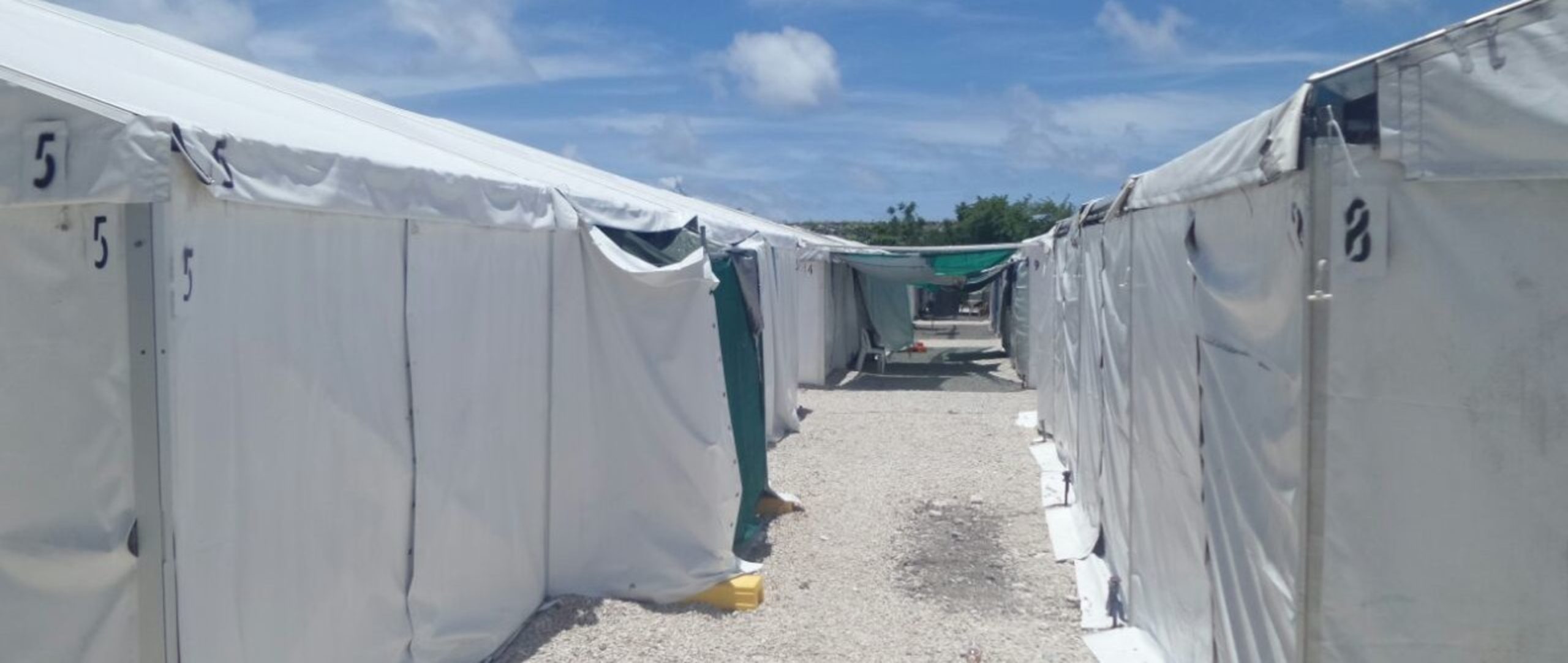
“Gumastos ng $320,000 sa mga laban sa hukuman para tanggihan ang mga asylum seeker ng urgenteng medical transfer sa mainland para magamot ang mga kundisyong nakamamatay.”
Ang gobyernong Coalition ay talagang nagkaroon ng malalaking gastos sa legal sa pagdepensa ng mga kaso sa hukuman na isinampa ng mga asylum seeker at advocacy organizations na humihingi ng emergency medical transfer mula sa mga offshore detention facility [1].
The Coalition government did incur substantial legal costs defending court cases brought by asylum seekers and advocacy organizations seeking emergency medical transfers from offshore detention facilities [1].
Gayunpaman, ang partikular na halaga sa claim ay nangangailangan ng paglilinaw.
However, the specific figure in the claim requires clarification.
Ang ulat ng The Guardian noong Setyembre 2018 ay nakadokumento na ang Australia ay gumastos ng humigit-kumulang **$275,000** (hindi $320,000) sa paglaban sa mga kahilingan para sa urgenteng medical transfer ng mga asylum seeker mula sa Nauru at Manus Island [1].
The Guardian's September 2018 reporting documented that Australia had spent approximately **$275,000** (not $320,000) fighting requests for urgent medical transfers of asylum seekers from Nauru and Manus Island [1].
Ang gastos na ito ay direktang nauugnay sa mga gastos sa legal na na-accrue sa Federal Court sa pagdepensa ng mga desisyon ng gobyerno na tanggihan o ipagpaliban ang mga medical evacuations [2].
This spending was directly related to legal costs incurred in the Federal Court defending government decisions to deny or delay medical evacuations [2].
Ang konteksto para sa mga gastos na ito sa legal ay napakahalaga: sa ilalim ng patakaran ng gobyernong Coalition sa offshore detention, ang mga asylum seeker sa Nauru at Manus Island ay kailangang humingi ng court orders para makakuha ng emergency medical transfer [3].
The context for these legal costs is crucial: under the Coalition government's offshore detention policy, asylum seekers on Nauru and Manus Island had to seek court orders to obtain emergency medical transfers [3].
Kapag ang mga kahilingan para sa medical transfer ay tinanggihan, ang mga advocacy groups at mga abogado ay nag-file ng mga kaso sa Federal Court para i-challenge ang mga desisyon ng gobyerno.
When medical transfer requests were denied, advocacy groups and lawyers filed Federal Court cases to challenge the government's decisions.
Ang gobyerno ay nag-employ ng mga legal teams para ipagtanggol ang mga desisyon na ito sa hukuman—mga gastos na sa huli ay binayaran ng mga taxpayer [2].
The government employed legal teams to defend these decisions in court—costs that ultimately fell to taxpayers [2].
Sa pagitan ng 2016 at 2019, bago naipasa ang Medevac Bill noong Pebrero 2019, ang legal system ay naging pangunahing mekanismo kung saan nakuha ang mga medical transfer [4].
Between 2016 and 2019, before the Medevac Bill passed in February 2019, the legal system became the primary mechanism through which medical transfers were secured [4].
Ang mga kaso ng medikal ay nagsasangkot ng mga seryoso, nakamamatay na kundisyon.
Medical cases involved serious, life-threatening conditions.
Ang mga nakadokumentong kaso ay kinabibilangan ng: emergency heart surgery, emergency brain surgery, complex abortion care, emergency psychiatric intervention, at paggamot para sa mga kanser at iba pang terminal na kundisyon [3][4].
Documented cases include: emergency heart surgery, emergency brain surgery, complex abortion care, emergency psychiatric intervention, and treatment for cancers and other terminal conditions [3][4].
Sa kabila ng mga rekomendasyon ng medikal para sa transfer, ang gobyerno ay paulit-ulit na ipinagtanggol ang mga desisyon na huwag i-evacuate ang mga pasyenteng ito [2].
Despite medical recommendations for transfer, the government repeatedly defended its decisions not to evacuate these patients [2].
Nawawalang Konteksto
Ang claim, sa kabila ng pagiging substantial na tumpak, ay hindi isinasama ang ilang mahahalagang detalye sa konteksto: **1.
The claim, while substantially accurate, omits several important contextual details:
**1.
Inihayag na Rasyonal ng Gobyerno** Ang gobyernong Coalition ay nag-argue na may mga sapat na pasilidad ng medikal sa Nauru at Manus Island, na ginagawang hindi kinakailangan ang mga transfer sa karamihan ng mga kaso [5].
Government's Stated Rationale**
The Coalition government argued that adequate medical facilities existed on Nauru and Manus Island, making transfers unnecessary in most cases [5].
Si Peter Dutton, Home Affairs Minister, ay nanatiling ang nakaraang sistema ay nagpahintulot sa mahigit 900 asylum seeker na maabot ang Australia para sa paggamot medikal sa ilalim ng offshore processing regime [5].
Peter Dutton, Home Affairs Minister, maintained that the previous system had enabled over 900 asylum seekers to reach Australia for medical treatment under the offshore processing regime [5].
Ang posisyon ng gobyerno ay ang medevac system ay lumikha ng perverse incentives at "ginagamit" sa pamamagitan ng mga huwad na claim [5]. **2.
The government's position was that the medevac system created perverse incentives and was being "rorted" by false claims [5].
**2.
Ang mga Natuklasan ng Coroner ay Sumalungat dito** Gayunpaman, ang coroner's inquest sa pagkamatay ni Hamid Khazaei—isang Iranian asylum seeker sa Manus Island—ay natuklasan na ang kanyang pagkamatay ay "maaaring maiwasan" at nagresulta sa mga makabuluhang pagkaantala sa medical transfer [6].
Coroner's Findings Contradicted This**
However, a coroner's inquest into the death of Hamid Khazaei—an Iranian asylum seeker on Manus Island—found his death was "preventable" and resulted from significant delays in medical transfer [6].
Si Khazaei ay namatay mula sa mga komplikasyon ng isang infected cut na hindi naayos sa Manus Island.
Khazaei died from complications of an infected cut that was not treated adequately on Manus Island.
Ang natuklasang ito ay sumalungat sa mga claim ng gobyerno tungkol sa mga sapat na pasilidad ng medikal [6]. **3.
This finding contradicted government claims about adequate medical facilities [6].
**3.
Ang mga Hukuman ay Paulit-ulit na Nag-overturn sa mga Desisyon ng Gobyerno** Ang mga gastos sa legal ay na-accrue dahil ang mga hukuman ay paulit-ulit na nag-rule laban sa mga desisyon ng gobyerno na tanggihan ang mga transfer [2].
Courts Consistently Overturned Government Decisions**
The legal costs were incurred precisely because courts repeatedly ruled against the government's decisions to deny transfers [2].
Ayon sa Refugee Council of Australia at mga analyst sa asylum sector, ang gobyerno ay "paulit-ulit" na may mga desisyon na overturned ng Federal Court [3].
According to the Refugee Council of Australia and asylum sector analysts, the government "time and time again" had its decisions overturned by the Federal Court [3].
Iminumungkahing ito na ang gobyerno ay ipinagtatanggol ang mga desisyon na ang mga hukuman ay paulit-ulit na natagpuang hindi sapat o labag sa batas [3]. **4.
This suggests the government was defending decisions that courts consistently found to be inadequate or unlawful [3].
**4.
Tugon sa Medevac Bill** Ang Medevac Bill, na naipasa noong Pebrero 2019 sa suporta ng cross-party, ay ipinakilala sapagkat ang umiiral na sistema ay manipesto na hindi sapat [4].
Medevac Bill Response**
The Medevac Bill, passed in February 2019 with cross-party support, was introduced specifically because the existing system was manifestly inadequate [4].
Tinukoy ng Parliament na ang mga opisyal ng gobyerno lamang ay hindi maaaring pagkatiwalaan na gumawa ng mga desisyon sa medical transfer, na nangangailangan sa halip na ang mga rekomendasyon ng mga doktor ay bigyan ng makabuluhang timbang [4].
Parliament determined that government officials alone could not be trusted to make medical transfer decisions, requiring instead that doctors' recommendations be given substantial weight [4].
Ang tugong ito sa lehislatibo ay epektibong kinilala ang kawalan ng kakayahan ng nakaraang sistema [4]. **5.
This legislative response effectively acknowledged the inadequacy of the previous system [4].
**5.
Ano ang Talagang Ipinakakahulugan ng Gastos sa Legal** Ang $275,000-$320,000 ay kumakatawan sa mga gastos sa legal defense para sa *posisyon ng gobyerno*, hindi gastos para sa "pagtanggi" ng mga transfer sa kahulugan ng pagpapatupad ng isang coherent na patakaran.
What the Legal Spending Actually Represented**
The $275,000-$320,000 represented legal defense costs for the *government's position*, not costs for "denying" transfers in the sense of implementing a coherent policy.
Sa halip, ito ay ang gastos ng gobyerno sa pagdepensa ng mga desisyon nito sa pagtanggi sa hukuman—isang proseso kung saan nakaranas ng mga makabuluhang pagkatalo ang gobyerno [2][3].
Rather, it was the cost of the government defending its denial decisions in court—a process that yielded significant government losses [2][3].
Bawat kaso ay nagsasangkot ng libu-libong pahina ng suportang dokumentasyon, ekspertong medical witnesses, at mga pagdinig sa Federal Court [2].
Each case involved thousands of pages of supporting documentation, expert medical witnesses, and Federal Court hearings [2].
Pagsusuri ng Kredibilidad ng Pinagmulan
**Ang The Guardian (Pinagmulang Pinagkunan)** Ang The Guardian ay isang pangunahing internasyonal na news organization na may malakas na reputasyon para sa investigative journalism at fact-based reporting [7].
**The Guardian (Original Source)**
The Guardian is a major international news organization with a strong reputation for investigative journalism and fact-based reporting [7].
Ang artikulo noong Setyembre 2018 ay tila batay sa opisyal na impormasyon at court documentation, hindi sa speculation [1].
The September 2018 article appears to be based on official information and court documentation, not speculation [1].
Ang pag-uulat ng The Guardian sa patakaran ng Australia sa refugee ay naging malawakang cited ng mga parliamentary inquiry at academic researchers [8].
The Guardian's reporting on Australian refugee policy has been extensively cited by parliamentary inquiries and academic researchers [8].
Gayunpaman, dapat na tandaan na ang The Guardian ay may editorial position sa patakaran sa refugee na karaniwang kritikal sa offshore detention, kaya ang paghahabi ay binibigyang-diin ang dimensyon ng human suffering sa halip na galugarin ang rasyonal ng patakaran ng gobyerno [1][8].
However, it should be noted that The Guardian has an editorial position on refugee policy that is generally critical of offshore detention, so the framing emphasizes the human suffering dimension rather than exploring government policy rationale [1][8].
Ang pag-uulat ay factually accurate ngunit sumasalamin sa isang partikular na perspektiba sa isyu. **Pagkakaiba sa Halaga** Ang eksaktong halaga ay bahagyang nagkakaiba sa pagitan ng mga ulat: ang ilang pinagkunan ay nagre-reference sa $275,000, ang iba ay $320,000 [1].
The reporting is factually accurate but reflects a particular perspective on the issue.
**Figure Discrepancy**
The exact figure varies slightly between reports: some sources reference $275,000, others $320,000 [1].
Ito ay maaaring sumalamin sa iba't ibang kategorya ng gastos (direct legal costs vs. total administrative costs na nauugnay sa mga kaso) o pagkakaiba sa pag-round.
This may reflect different cost categories (direct legal costs vs. total administrative costs related to the cases) or rounding differences.
Ang pangunahing pag-uulat ng The Guardian ay nag-cite ng humigit-kumulang $275,000, bagama't ang headline ay nag-reference sa $320,000 [1].
The Guardian's primary reporting cited approximately $275,000, though the headline references $320,000 [1].
Ang pagkakaiba ay medyo maliit (mga 16% na pagkakaiba) at hindi sinisira ang accuracy ng core claim [1].
The discrepancy is relatively minor (about 16% difference) and does not undermine the core claim's accuracy [1].
⚖️
Paghahambing sa Labor
**Mayroon bang Katulad na Patakaran sa Medical Transfer ang Labor?** Ang posisyon ng Labor sa medevac ay mas progresibo kaysa sa Coalition.
**Did Labor Have Similar Medical Transfer Policies?**
Labor's position on medevac was more progressive than the Coalition's.
Sinuportahan ng Labor ang Medevac Bill nang ito ay ipinakilala noong Pebrero 2019 at nang-adbokasiya para sa mas malakas na awtoridad ng mga doktor sa mga desisyon sa transfer [9].
Labor supported the Medevac Bill when it was introduced in February 2019 and advocated for giving doctors stronger authority in transfer decisions [9].
Sina Penny Wong at iba pang Labor senators ay nag-argue para sa mas malakas na proteksyon sa kalusugan ng asylum seeker [9].
Penny Wong and other Labor senators argued for stronger protections for asylum seeker health [9].
Gayunpaman, ang kasalukuyang gobyerno ng Labor (na nahalal noong 2022) ay nagpapanatili ng Operation Sovereign Borders at nagpapatuloy ng offshore detention sa Nauru [10].
However, Labor's current government (elected in 2022) has maintained Operation Sovereign Borders and continues offshore detention on Nauru [10].
Ang Albanese Labor government ay hindi materyal na binago ang framework ng detention na lumikha ng pangangailangan para sa mga legal na kaso ng medical transfer sa unang lugar [10].
The Albanese Labor government has not materially changed the detention framework that created the need for legal medical transfer cases in the first place [10].
Kaya bagama't tinututulan ng Labor ang partikular na diskarte ng Coalition, hindi nila binuwag ang offshore detention mismo [10].
So while Labor opposed the Coalition's specific approach, they have not dismantled offshore detention itself [10].
Sa ilalim ng gobyerno ng Labor noong 2007-2013 sa ilalim nina Kevin Rudd at Julia Gillard, ang mandatory detention ng mga asylum seeker ay nariyan din, bagama't ang Labor ay lumipat patungo sa onshore processing [11].
During Labor's 2007-2013 government under Kevin Rudd and Julia Gillard, mandatory detention of asylum seekers was also in place, though Labor moved toward onshore processing [11].
Walang direktang katumbas sa gastos ng Coalition sa legal para sa paglaban sa mga medical transfer na naganap sa ilalim ng Labor, dahil ang focus ng Labor sa onshore ay bawasan ang pangangailangan para sa medical evacuation mula sa mga remote na isla [11]. **Natuklasan:** Tinututulan ng Labor ang diskarte ng Coalition at nang-adbokasiya para sa reporma, ngunit ang Labor ay nagpapanatili ng mas malawak na imprastraktura ng detention kapag nasa kapangyarihan.
No direct equivalent to the Coalition's legal spending on fighting medical transfers occurred under Labor, as Labor's onshore focus reduced the need for medical evacuation from remote islands [11].
**Finding:** Labor opposed the Coalition's approach and advocated for reform, but has maintained the broader detention infrastructure when in power.
Hindi naharap ng Labor ang mga katumbas na legal na hamon dahil ang kanilang modelo ng detention (pangunahing onshore) ay hindi lumikha ng parehong pangangailangan para sa medical evacuation [11].
Labor did not face equivalent legal challenges because their detention model (primarily onshore) did not create the same medical evacuation necessity [11].
🌐
Balanseng Pananaw
**Ang Posisyon ng Gobyerno** Ang Coalition ay nag-argue na itinataguyod nito ang patakaran sa proteksyon ng border na may malakas na suporta ng publiko [5].
**The Government's Position**
The Coalition argued it was implementing a border protection policy with strong public support [5].
Nanatili ang gobyerno na: 1.
The government maintained that:
1.
May mga sapat na pasilidad ng medikal sa Nauru at Manus Island [5] 2.
Adequate medical facilities existed on Nauru and Manus Island [5]
2.
Ang medevac process ay ginagamit ng hindi tama at ang mga asylum seeker ay gumagawa ng mga huwad na claim [5] 3.
The medevac process was being misused and asylum seekers were making false claims [5]
3.
Mahigit 900 tao ang na-medically transfer sa ilalim ng nakaraang sistema [5] 4.
Over 900 people had been medically transferred under the previous system [5]
4.
Ang malakas na kontrol sa border ay kinakailangan para maiwasan ang mga pagkalunod sa dagat at smuggling [5] Ang mga ito ay hindi likas na hindi makatwirang mga posisyon sa patakaran—ang proteksyon sa border at pamamahala ng gastos ay mga lehitimong alalahanin ng gobyerno [5]. **Bakit Ito Nabigo** Gayunpaman, ang mga natuklasan ng coroner at mga resulta sa hukuman ay iminungkahing ang mga claim ng gobyerno tungkol sa mga pasilidad ng medikal ay mali sa katotohanan [6].
Strong border control was necessary to prevent drownings at sea and smuggling [5]
These were not inherently unreasonable policy positions—border protection and cost management are legitimate government concerns [5].
**Why This Failed**
However, the coroner's findings and court outcomes suggest the government's claims about medical facilities were factually incorrect [6].
Ang maraming pagkatalo sa hukuman ay nagpapahiwatig na ang mga desisyon ng gobyerno ay nabibigo sa legal scrutiny [2][3].
Multiple court losses indicate that government decisions were failing legal scrutiny [2][3].
Ang pagpasa ng Parliament ng Medevac Bill (sa suporta ng cross-party) ay iminungkahing kahit ang mga Coalition-leaning parliamentarians ay naniniwala na ang sistema ay hindi sapat [4]. **Ang Mas Malawak na Konteksto** Ang gastos na ito sa legal ay dapat na maunawaan bilang sintomas ng isang structural na kabiguan sa patakaran: ang gobyerno ay lumikha ng isang detention system sa mga remote na isla na may mga hindi sapat na pasilidad ng medikal, pagkatapos ay kailangang gumastos ng mga makabuluhang mapagkukunan sa hukuman sa pagdepensa ng pag-aalinlangan nito na i-evacuate ang mga taong may mga kundisyong nakamamatay [2][3][4].
Parliament's overwhelming passage of the Medevac Bill (with cross-party support) suggests even Coalition-leaning parliamentarians believed the system was inadequate [4].
**The Broader Context**
This legal spending must be understood as symptomatic of a structural policy failure: the government had created a detention system on remote islands with inadequate medical facilities, then had to spend significant resources in court defending its reluctance to evacuate people with life-threatening conditions [2][3][4].
Ang katotohanang ang mga hukuman ay paulit-ulit na nag-overturn sa mga desisyon na ito ay iminungkahing ang gobyerno ay hindi nagpapatupad ng sound judgment [2][3]. **Mahalagang Konteksto:** Ang gastos sa legal ay hindi isang feature ng isang matagumpay na patakaran, kundi isang gastos sa pagdepensa ng isang patakaran na ang mga hukuman, coroners, at sa huli ay Parliament ay tinukoy na hindi sapat [2][3][4][6].
The fact that courts consistently overturned these decisions suggests the government was not exercising sound judgment [2][3].
**Key Context:** The legal spending was not a feature of a successful policy, but rather a cost of defending a policy that the courts, coroners, and eventually Parliament determined was inadequate [2][3][4][6].
BAHAGYANG TOTOO
7.0
sa 10
(na may kinakailangang paglilinaw sa katotohanan) Ang claim ay substantially accurate sa kanyang pundamentalang nilalaman sa katotohanan: ang gobyernong Coalition ay talagang gumastos ng humigit-kumulang $275,000-$320,000 sa mga gastos sa legal sa pagdepensa ng mga kaso sa hukuman na isinampa para i-challenge ang pagtanggi nito sa mga medical transfer para sa mga asylum seeker na may mga kundisyong nakamamatay [1][2].
(with factual clarification needed)
The claim is substantially accurate in its core factual content: the Coalition government did spend approximately $275,000-$320,000 on legal costs defending court cases brought to challenge its denial of medical transfers for asylum seekers with life-threatening conditions [1][2].
Ang claim ay tumpak na kinikilala ito bilang problematic spending at tumpak na nailalarawan ang katangian ng mga kaso [1][2].
The claim accurately identifies this as problematic spending and accurately characterizes the nature of the cases [1][2].
Gayunpaman, dalawang paglilinaw ang kinakailangan: 1. **Eksaktong halaga:** Ang halagang $320,000 ay bahagyang hindi tumpak; ang mga ulat ay nagre-reference sa humigit-kumulang $275,000 na may ilang pagkakaiba depende sa mga depinisyon ng gastos [1] 2. **Paghahabi ng "pagtanggi":** Bagama't technically accurate (ang gobyerno ay nagdepensa ng mga desisyon sa pagtanggi), ang paghahabi ay maaaring makapagpahiwatig nang hindi tama.
However, two clarifications are warranted:
1. **Exact figure:** The $320,000 figure is slightly inaccurate; reports reference approximately $275,000 with some variation depending on cost definitions [1]
2. **"Denying" framing:** While technically accurate (the government was defending denial decisions), the phrasing could be misleading.
Ang gastos ay ang halaga ng pagdepensa ng mga desisyon na iyon sa hukuman, isang proseso kung saan ang gobyerno ay paulit-ulit na natalo [2][3].
The spending was the cost of defending those decisions in court, a process in which the government lost repeatedly [2][3].
Ang gobyerno ay hindi strategic na "gumagastos ng pera para tanggihan" ang mga transfer; sa halip, ito ay nagkaroon ng mga gastos sa pagdepensa ng mga desisyon na ang mga hukuman ay natagpuang hindi sapat [2][3].
The government wasn't strategically "spending money to deny" transfers; rather, it incurred costs defending decisions that courts found inadequate [2][3].
Ang sustansya ng claim ay tumpak: ang makabuluhang pera ng taxpayer ay ginastos sa mga gastos sa legal na nauugnay sa restriktibong diskarte ng gobyerno sa mga medical transfer, at ito ay naganap bago ang Medevac Bill ay lumikha ng mas mabuting sistema [1][2][4].
The claim's substance is accurate: significant taxpayer money was spent on legal costs related to the government's restrictive approach to medical transfers, and this occurred before the Medevac Bill created a better system [1][2][4].
Huling Iskor
7.0
SA 10
BAHAGYANG TOTOO
(na may kinakailangang paglilinaw sa katotohanan) Ang claim ay substantially accurate sa kanyang pundamentalang nilalaman sa katotohanan: ang gobyernong Coalition ay talagang gumastos ng humigit-kumulang $275,000-$320,000 sa mga gastos sa legal sa pagdepensa ng mga kaso sa hukuman na isinampa para i-challenge ang pagtanggi nito sa mga medical transfer para sa mga asylum seeker na may mga kundisyong nakamamatay [1][2].
(with factual clarification needed)
The claim is substantially accurate in its core factual content: the Coalition government did spend approximately $275,000-$320,000 on legal costs defending court cases brought to challenge its denial of medical transfers for asylum seekers with life-threatening conditions [1][2].
Ang claim ay tumpak na kinikilala ito bilang problematic spending at tumpak na nailalarawan ang katangian ng mga kaso [1][2].
The claim accurately identifies this as problematic spending and accurately characterizes the nature of the cases [1][2].
Gayunpaman, dalawang paglilinaw ang kinakailangan: 1. **Eksaktong halaga:** Ang halagang $320,000 ay bahagyang hindi tumpak; ang mga ulat ay nagre-reference sa humigit-kumulang $275,000 na may ilang pagkakaiba depende sa mga depinisyon ng gastos [1] 2. **Paghahabi ng "pagtanggi":** Bagama't technically accurate (ang gobyerno ay nagdepensa ng mga desisyon sa pagtanggi), ang paghahabi ay maaaring makapagpahiwatig nang hindi tama.
However, two clarifications are warranted:
1. **Exact figure:** The $320,000 figure is slightly inaccurate; reports reference approximately $275,000 with some variation depending on cost definitions [1]
2. **"Denying" framing:** While technically accurate (the government was defending denial decisions), the phrasing could be misleading.
Ang gastos ay ang halaga ng pagdepensa ng mga desisyon na iyon sa hukuman, isang proseso kung saan ang gobyerno ay paulit-ulit na natalo [2][3].
The spending was the cost of defending those decisions in court, a process in which the government lost repeatedly [2][3].
Ang gobyerno ay hindi strategic na "gumagastos ng pera para tanggihan" ang mga transfer; sa halip, ito ay nagkaroon ng mga gastos sa pagdepensa ng mga desisyon na ang mga hukuman ay natagpuang hindi sapat [2][3].
The government wasn't strategically "spending money to deny" transfers; rather, it incurred costs defending decisions that courts found inadequate [2][3].
Ang sustansya ng claim ay tumpak: ang makabuluhang pera ng taxpayer ay ginastos sa mga gastos sa legal na nauugnay sa restriktibong diskarte ng gobyerno sa mga medical transfer, at ito ay naganap bago ang Medevac Bill ay lumikha ng mas mabuting sistema [1][2][4].
The claim's substance is accurate: significant taxpayer money was spent on legal costs related to the government's restrictive approach to medical transfers, and this occurred before the Medevac Bill created a better system [1][2][4].
Hindi tama sa katotohanan o malisyosong gawa-gawa.
4-6: BAHAGYA
May katotohanan ngunit kulang o baluktot ang konteksto.
7-9: HALOS TOTOO
Maliit na teknikal na detalye o isyu sa pagkakasulat.
10: TUMPAK
Perpektong na-verify at patas ayon sa konteksto.
Pamamaraan: Ang mga rating ay tinutukoy sa pamamagitan ng cross-referencing ng opisyal na mga rekord ng pamahalaan, independiyenteng mga organisasyong nag-fact-check, at mga primaryang dokumento.