“Pinigilan ang mga Australian na stranded sa ibang bansa sa panahon ng pandemya sa pagsakay sa mga umiiral na chartered flight, na nagresulta sa paglipad ng mga eroplano na walang sakay patungong Australia.”
Ang core na claim ay naglalaman ng mga elemento ng katotohanan ngunit nangangailangan ng makabuluhang paglilinaw.
The core claim contains elements of truth but requires significant clarification.
Ang artikulo sa The New Daily ay nag-uulat na ang gobyerno ni Morrison ay tinanggihan ang mga alok mula sa Gaura Travel, isang charter flight operator na nakabase sa Melbourne, na gamitin ang mga return flight mula India upang maghatid ng mga stranded na Australian [1].
The New Daily article reports that the Morrison government did reject offers from Gaura Travel, a Melbourne-based charter flight operator, to use returning flights from India to transport stranded Australians [1].
Sinabi ng managing director ng Gaura: "Maraming beses na kaming humiling ng pahintulot na gawin ang pareho [para sa mga Australian, tulad ng sa mga Indian] ngunit palaging kaming tinanggihan" mula Hunyo 2020, na may 35 charter flight na na-organize sa puntong iyon [1].
Gaura's managing director stated: "We have innumerable times applied for permission to do the same [for Australians, as for Indians] but have always been denied" since June 2020, with 35 charter flights organized by that time [1].
Gayunpaman, ang pangangatwiran ng gobyerno at ang aktwal na saklaw ng patakarang ito ay malaki ang pagkakaiba sa headline claim.
However, the government's rationale and the actual scope of this policy differ substantially from the headline claim.
Ang mga pagtangi ay partikular na nauugnay sa kung paano ang mga return charter flight ay maaaring gamitin sa loob ng framework ng border management ng Australia, hindi isang blanket na pagtanggi na gamitin ang mga sasakyang panghimpapawid.
The rejections were specifically related to how returning charter flights could be utilized within Australia's border management framework, not a blanket refusal to use available aircraft.
Ang claim ng "mga eroplano na walang sakay na lumilipad patungong Australia" ay bahagyang sinuportahan ngunit nakakamali.
The claim of "empty planes flying into Australia" is partially supported but misleading.
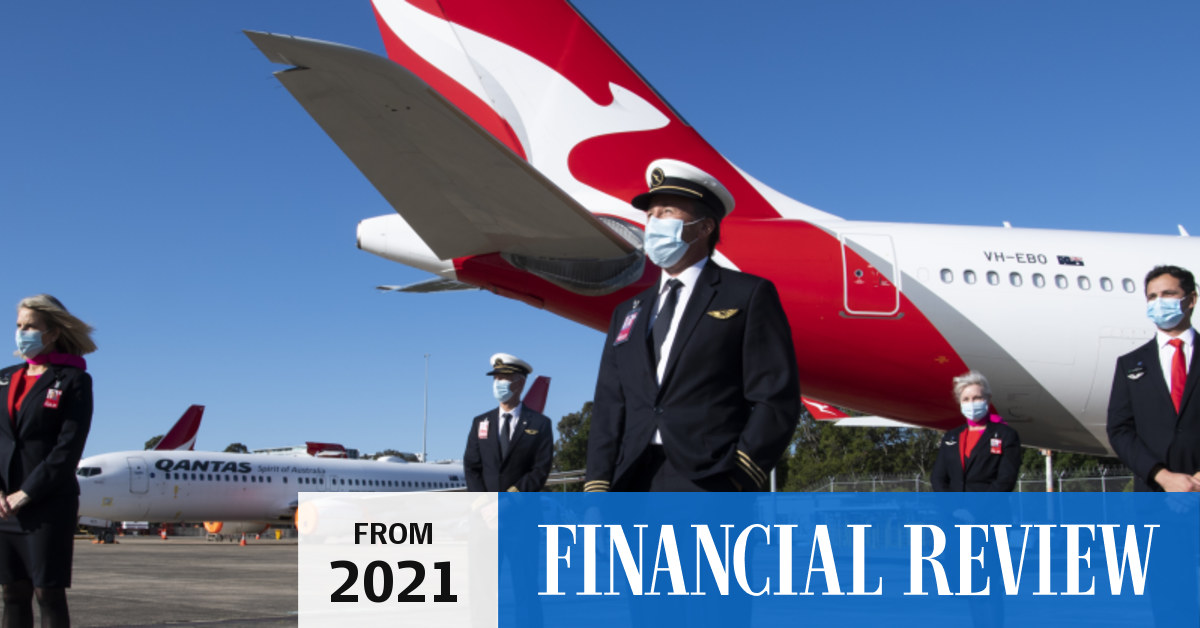
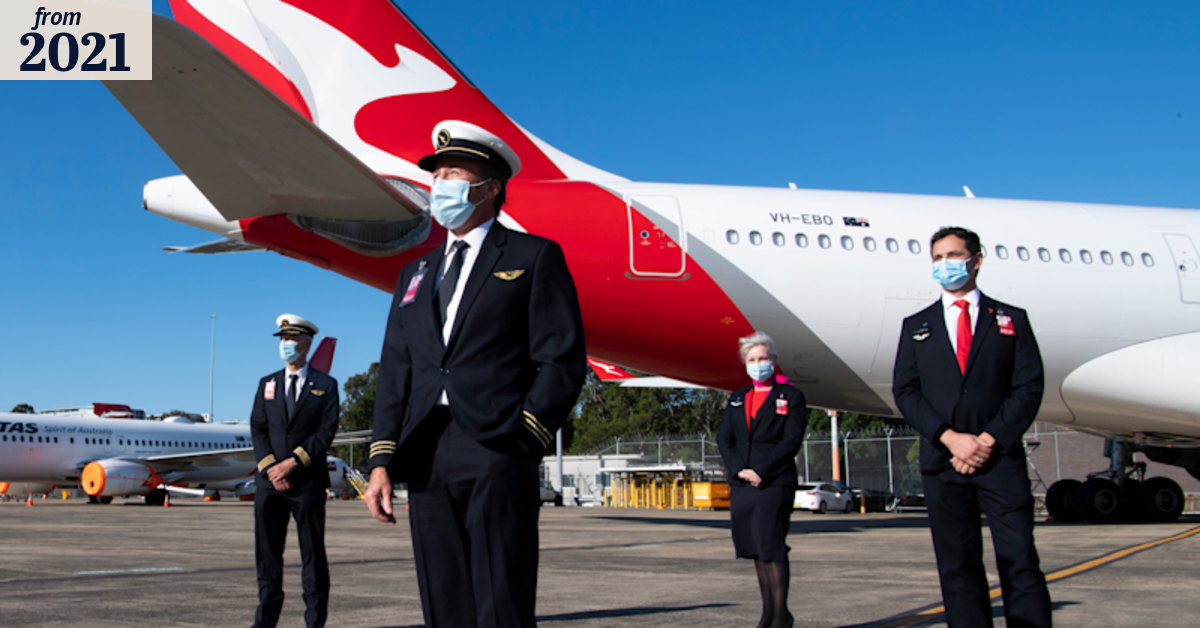
Iniulat ng AFR noong Oktubre 2021 na ang record-breaking repatriation flight ng Qantas mula Buenos Aires (na inilarawan bilang ang pinakamahabang commercial flight sa mundo) "umalis na may mga bakanteng upuan, na iniwan ang mga Australian sa South America" [2].
The AFR reported in October 2021 that Qantas' record-breaking repatriation flight from Buenos Aires (described as the world's longest commercial flight) "departed with empty seats, stranding Australians in South America" [2].
Tandaan ng artikulo na ito ay "ang return leg ng isang charter flight na naghatid sa Argentine rugby team pauwi mula Brisbane," na nagmumungkahi na ang mga Australian ay hindi makasakay sa maaaring available na return flight [2].
The article notes this was "the return leg of a charter flight that carried the Argentine rugby team home from Brisbane," suggesting Australians couldn't board what might have been an available return flight [2].
Ang parliamentary inquiry sa crisis management ng DFAT ay nakakilala ng dalawang pangunahing yugto ng mga repatriation effort mula Enero 2020 hanggang Setyembre 2021, na may mga contracted flight na pinamamahalaan sa maraming bansa [3].
The parliamentary inquiry into DFAT's crisis management identified two main phases of repatriation efforts from January 2020 to September 2021, with contracted flights managed across multiple countries [3].
Noong Oktubre 2021, humigit-kumulang 46,800 na Australian ang naka-rehistro sa DFAT para sa tulong sa pag-uwi [4], at ang gobyerno ay nakapag-organize ng 26,000 repatriations sa mga government-subsidized flight [5].
By October 2021, approximately 46,800 Australians were registered with DFAT for assistance returning home [4], and the government had organized 26,000 repatriations on government-subsidized flights [5].
Nawawalang Konteksto
Ang claim ay nagbabaon ng kritikal na konteksto tungkol sa kung bakit ipinatupad ng gobyerno ang mga limitasyon na ito: **Mga Limitasyon sa Kapasidad ng Border**: Nagpatupad ang Australia ng mahigpit na international arrival caps bilang bahagi ng kanilang pandemya border control strategy.
The claim omits critical context about why the government implemented these restrictions:
**Border Capacity Constraints**: Australia implemented strict international arrival caps as part of its pandemic border control strategy.
Noong Enero 2021, pinutol ng gobyerno ang mga quota sa pagdating mula 6,700 bawat linggo hanggang 4,200, partikular na dahil ang healthcare at quarantine systems ay nasa kapasidad na [1].
In January 2021, the government cut arrival quotas from 6,700 per week to 4,200, specifically because healthcare and quarantine systems were at capacity [1].
Hindi ito arbitraryo—itong sumasalamin sa mga tunay na limitasyon sa imprastraktura, tulad ng kinumpirma ng Senate's COVID-19 committee, na narinig na ang ilang Australian ay tumanggi sa mga available na upuan dahil sa mga kinakailangan sa quarantine o iba pang personal na sitwasyon [6]. **Gobyerno Repatriation Program vs.
This wasn't arbitrary—it reflected real infrastructure limitations, as confirmed by the Senate's COVID-19 committee, which heard that some Australians turned down available seats due to quarantine requirements or other personal circumstances [6].
**Government Repatriation Program vs.
Pribadong Commercial Routes**: Ang pagtanggi ng gobyerno sa alok ng Gaura Travel ay sumalamin sa patakaran tungkol sa kung paano dapat pamahalaan ang mga repatriation flight sa pamamagitan ng mga opisyal na DFAT channel, hindi isang pagtanggi na gamitin ang sasakyang panghimpapawid mismo.
Private Commercial Routes**: The government's rejection of Gaura Travel's offer reflected policy about how repatriation flights should be managed through official DFAT channels, not a refusal to use aircraft per se.
Ang gobyerno ay nag-organize ng sarili nitong mga chartered flight partikular bilang mga opisyal na repatriation flight, na tinitiyak ang tamang pagproseso, health screening, at koordinasyon sa quarantine [3]. **Saklaw ng Gobyernong Pagsisikap**: Nag-invest ang gobyerno nang malaki sa repatriation.
The government was organizing its own chartered flights specifically as official repatriation flights, ensuring proper processing, health screening, and quarantine coordination [3].
**Scale of Government Effort**: The government invested significantly in repatriation.
Sa pagitan ng Marso 2020 at Setyembre 2021, ang DFAT ay nakapag-koordinada ng 27 contracted flight sa yugto ng isa pa lang, kasama ang mga government-subsidized Qantas flight na sa huli ay nakabalik ng 26,000 Australian [3][5].
Between March 2020 and September 2021, DFAT coordinated 27 contracted flights in phase one alone, plus government-subsidized Qantas flights that eventually returned 26,000 Australians [3][5].
Kahit na ito ay napatunayang hindi sapat para sa 37,000-46,800 na Australian na stranded sa ibang bansa, ito ay nagpapakita ng aktibong pagsisikap sa halip na pagiging passive sa pagtanggi [1][4]. **Policy Trade-off**: Ang pangunahing isyu ay hindi kung may mga bakanteng upuan sa mga commercial flight, kundi sa halip ang sinadyang pagpili ng Australia na bigyang priyoridad ang kapasidad ng quarantine kaysa sa bilis ng repatriation.
While this proved insufficient for the 37,000-46,800 Australians stranded overseas, it demonstrates active effort rather than passive refusal [1][4].
**Policy Trade-off**: The core issue wasn't whether empty seats existed on commercial flights, but rather Australia's deliberate choice to prioritize quarantine capacity over repatriation speed.
Ito ay kontensiyoso—si Margaret Wilson, na sumulat sa The Australian, ay tandaan na ang "Fortress Australia" approach ay mas mahigpit kaysa sa mga patakaran ng mga katulad na bansa [7].
This was contentious—Margaret Wilson, writing in The Australian, noted that Australia's "Fortress Australia" approach was stricter than comparable nations' policies [7].
Gayunpaman, ito ay isang pagpipilian sa patakaran, hindi isang pagkabigo na gamitin ang mga available na sasakyang panghimpapawid.
However, this was a policy choice, not a failure to use available aircraft.
Pagsusuri ng Kredibilidad ng Pinagmulan
**The New Daily**: Isang organisasyon ng balita na may nakasaad na left-leaning editorial stance, pag-aari ng Gizmodo Media Group.
**The New Daily**: A news organization with a stated left-leaning editorial stance, owned by Gizmodo Media Group.
Ang publikasyon ay naglalarawan sa sarili bilang "isang pinagkakatiwalaang pinagmulan ng pambansang balita at impormasyon" [1].
The publication describes itself as "a trusted source of national news and information" [1].
Ang artikulo ay reported journalism na nagtuturo sa isang pinangalanang operator (Abhishek Sonthalia ng Gaura Travel), ngunit mahalagang tandaan na "Ang mga kagawaran ng Home Affairs, at Foreign Affairs and Trade (DFAT) ay hindi tumugon sa mga tanong ng The New Daily bago ang deadline" [1].
The article is reported journalism citing a named operator (Gaura Travel's Abhishek Sonthalia), but importantly notes that "The departments of Home Affairs, and Foreign Affairs and Trade (DFAT) did not respond to The New Daily's questions before deadline" [1].
Ibig sabihin, ang perspektibo ng gobyerno kung bakit ang mga kahilingan ay tinanggihan ay hindi kasama sa artikulo. **Australian Financial Review**: Isang mainstream, kagalang-galang na financial/political publication.
This means the government's perspective on why the requests were denied was not included in the article.
**Australian Financial Review**: A mainstream, reputable financial/political publication.
Ang artikulo noong Oktubre 2021 ni Michael Read ay factual na nag-uulat sa Buenos Aires flight na may bakanteng upuan at kasama ang puna mula sa mga stranded na Australian [2]. **Parliamentary Sources**: Ang Joint Public Accounts and Audit Committee inquiry (Report 494) ay kumakatawan sa authoritative, non-partisan government scrutiny, na nakadokumentong mga natuklasan mula sa Australian National Audit Office, at parliamentary discussion [3].
The October 2021 article by Michael Read reports factually on the Buenos Aires flight with empty seats and includes criticism from stranded Australians [2].
**Parliamentary Sources**: The Joint Public Accounts and Audit Committee inquiry (Report 494) represents authoritative, non-partisan government scrutiny, documented findings from the Australian National Audit Office, and parliamentary discussion [3].
Ang orihinal na pinagmulan (The New Daily article) ay nagpapakita ng lehitimong reklamo ngunit kulang sa paliwanag ng gobyerno para sa mga desisyon sa patakaran, na ginagawa itong inherent na hindi kumpleto.
The original source (The New Daily article) presents a legitimate complaint but lacks the government's explanation for policy decisions, making it inherently incomplete.
⚖️
Paghahambing sa Labor
**Gumawa ba ng katulad na bagay ang Labor?** Isinagawang paghahanap: "Labor government repatriation stranded citizens overseas pandemic response" Sa panahon ng COVID-19 pandemya, ang parehong mga partido ay humarap sa parehong pangunahing hamon: ang pamamahala ng border entry sa panahon ng health crisis habang ang mga stranded na mamamayan ay humihingi ng repatriation.
**Did Labor do something similar?**
Search conducted: "Labor government repatriation stranded citizens overseas pandemic response"
During the COVID-19 pandemic, both parties faced the same fundamental challenge: managing border entry during a health crisis while stranded citizens demanded repatriation.
Ang gobyernong Labor (kapag nasa oposisyon at sa panahon ng anumang state-based COVID responses) ay sumuporta sa mga repatriation effort.
The Labor government (when in opposition and during any state-based COVID responses) supported repatriation efforts.
Gayunpaman, ang direktang mga paghahambing ay limitado dahil: 1. **Walang katumbas na Labor federal government response na umiiral**: Ang pandemya ay nangyari nang buo sa ilalim ng gobyernong Morrison Coalition (2020-2022), kaya hindi humarap ang Labor sa responsibilidad ng pagpapatupad ng repatriation caps. 2. **Mga State-level Labor responses**: Ang mga Labor-led na estado (Victoria, NSW) ay gayundin namahala sa mga paghihigpit sa border na nakakaapekto sa domestic at international arrivals.
However, direct comparisons are limited because:
1. **No equivalent Labor federal government response exists**: The pandemic occurred entirely under the Morrison Coalition government (2020-2022), so Labor didn't face the responsibility of implementing repatriation caps.
2. **State-level Labor responses**: Labor-led states (Victoria, NSW) also managed border restrictions that affected domestic and international arrivals.
Nang sa wakas ay magbukas ang NSW at Victoria ng mga border (Oktubre 2021), ginawa nila ito sa pamamagitan ng pagpapataas ng kapasidad ng quarantine sa halip na bigyang priyoridad ang mga international arrivals kaysa sa domestic needs [4]. 3. **Oposisyon stance**: Ang mga tauhan ng oposisyong Labor ay pinuna ang mga repatriation caps ng Coalition, sumusuporta sa pananaw na mas maraming Australian ang dapat na pinayagang umuwi nang mas mabilis [8].
When NSW and Victoria eventually opened borders (October 2021), they did so by increasing quarantine capacity rather than prioritizing international arrivals over domestic needs [4].
3. **Opposition stance**: Labor opposition figures criticized the Coalition's repatriation caps, supporting the view that more Australians should have been allowed home faster [8].
Gayunpaman, ito ay opposition criticism ng pagpapatupad, hindi ebidensya ng isang superior na alternatibong plano. **Historical precedent**: Ang mga nakaraang gobyerno ay gayundin naglimita sa citizen repatriation sa panahon ng mga krisis.
However, this is opposition criticism of implementation, not evidence of a superior alternative plan.
**Historical precedent**: Previous governments have also restricted citizen repatriation during crises.
Ang pinakamalapit na historical parallel ay ang mga limitasyon ng gobyerno sa pagbabalik ng mamamayan sa panahon ng iba pang mga health crisis, kahit na ang saklaw at kalikasan ng COVID border closure ay walang kasing halimbawa sa buong mundo. **Pangunahing natuklasan**: Tila ito ay isang isyu ng timing at pamamahala ng kapasidad sa panahon ng isang walang kasing halimbawang pandemya, hindi isang partisan policy difference.
The closest historical parallel would be government limits on citizen return during other health crises, though the scale and nature of the COVID border closure was unprecedented globally.
**Key finding**: This appears to be an issue of timing and capacity management during an unprecedented pandemic, not a partisan policy difference.
Kung ang Labor ay nasa gobyerno, malamang na sila ay humarap sa mga katulad na limitasyon sa kapasidad ng border, kahit na maaaring sila ay magbigay ng iba't ibang priyoridad.
Had Labor been in government, they likely would have faced identical border capacity constraints, though they may have prioritized differently.
🌐
Balanseng Pananaw
**Mga Lehitimong Puna**: Ang reklamo mula sa Gaura Travel at mga stranded na Australian ay lehitimo: ang gobyerno ay maaaring nagkaroon ng higit na pagiging flexible sa paggamit ng mga return-leg charter flight para sa repatriation ng mga Australian [1].
**Legitimate Criticisms**:
The complaint from Gaura Travel and stranded Australians is legitimate: the government could have been more flexible about using return-leg charter flights for Australian repatriations [1].
May ebidensya na ang gobyerno ay nakaligtaan ang mga pagkakataon—ang Buenos Aires Qantas flight na may bakanteng upuan ay isang konkretong halimbawa ng kapasidad na hindi nagamit para sa mga Australian [2].
There's evidence the government missed opportunities—the Buenos Aires Qantas flight with empty seats is a concrete example of capacity that went unused for Australians [2].
Babala ni Propesor Greg Bamber ng Monash University na ang mga caps ng gobyerno sa mga arrivals ay maaaring humantong sa pagbabawas ng mga serbisyo ng mga airline, at tinawagan niya ang gobyerno na maging "mas proactive sa pagtatangkilik sa mga airline sa paghatid ng mga Australian pauwi" [1].
Professor Greg Bamber of Monash University warned that the government's caps on arrivals could lead airlines to reduce services, and he called for the government to be "more proactive about trying to support airlines in bringing Australians home" [1].
Ito ay kumakatawan sa tunay na expert concern tungkol sa approach sa patakaran.
This represents genuine expert concern about the policy approach.
Noong Oktubre 2021, 46,800 na Australian ang nanatiling nakarehistro para sa tulong sa kabila ng mga pagsisikap ng gobyerno [4].
By October 2021, 46,800 Australians remained registered for assistance despite the government's efforts [4].
Para sa mga stranded ng 18+ na buwan (tulad ng pamilyang Harewood sa Barbados), ang patakaran ay malinaw na nabigo na sila ay mapaglingkuran nang naaayon [4]. **Pangangatwiran ng Gobyerno**: Ang posisyon ng gobyerno, kahit hindi publikong detalyado sa mga tugon sa The New Daily, ay sumalamin sa ilang lehitimong alalahanin: 1. **Kapasidad ng quarantine system**: Ang imprastraktura ng quarantine ng Australia ay talagang limitado.
For those stranded 18+ months (like the Harewood family in Barbados), the policy clearly failed to serve them adequately [4].
**Government's Justification**:
The government's position, while not publicly detailed in responses to The New Daily, reflected several legitimate concerns:
1. **Quarantine system capacity**: Australia's quarantine infrastructure was genuinely limited.
Ang mga state-based hotel quarantine systems ay hindi makapag-proseso ng walang limitasyong mga arrivals nang hindi nagpapalit ng mga outbreak [1].
State-based hotel quarantine systems couldn't process unlimited arrivals without risking outbreaks [1].
Ito ay kinumpirma ng desisyon ng gobyerno na pababain ang mga caps mula 6,700 hanggang 4,200 bawat linggo [1]. 2. **Opisyal na repatriation control**: Ang paggamit ng mga government-managed charter flight ay tinitiyak ang health screening, tamang dokumentasyon, at koordinasyon sa mga awtoridad ng quarantine ng estado.
This was confirmed by the government's decision to cut caps from 6,700 to 4,200 per week [1].
2. **Official repatriation control**: Using government-managed charter flights ensured health screening, proper documentation, and coordination with state quarantine authorities.
Ang mga pribadong charter ay magpapakomplika sa koordinasyong ito [3]. 3. **Priyoridad sa pinaka-nangangailangan**: Sinabi ng gobyerno na "ang priyoridad ay para sa mga umuuwing Australian" [4], at sinubukan nilang i-target ang mga nasa pinaka-nangangailangan sa pamamagitan ng mga opisyal na channel. **Kompleksidad ng Desisyon**: Ito ay kumakatawan sa isang tunay na policy trade-off sa pagitan ng dalawang lehitimong layunin: - Mas mabilis na repatriation ng mga mamamayan (pabor ng oposisyon at ilang stranded na Australian) - Pagpapanatili ng kapasidad ng quarantine at pagpigil sa uncontrolled outbreak importation (pabor ng mga epidemiologist at mga gobyerno ng estado) Ang pareho ay wastong mga alalahanin sa panahon ng pandemya.
Private charters would have complicated this coordination [3].
3. **Priority to most vulnerable**: The government stated that "the priority has to be for returning Australians" [4], and did attempt to target those in most need through official channels.
**Complexity of the Decision**:
This represents a genuine policy trade-off between two legitimate goals:
- Repatriating citizens faster (favored by opposition and some stranded Australians)
- Maintaining quarantine capacity and preventing uncontrolled outbreak importation (favored by epidemiologists and state governments)
Both were valid concerns during the pandemic.
Ang approach ng Australia ay mas mahigpit kaysa sa ilang katulad na bansa ngunit sumalamin sa desisyon ng gobyerno na bigyang priyoridad ang disease suppression kaysa sa mabilis na repatriation [7].
Australia's approach was stricter than some comparable nations but reflected the government's decision to prioritize disease suppression over rapid repatriation [7].
Ito ay contestable policy, hindi necessarily corruption o kawalan ng malasakit. **Pangunahing konteksto**: Ang isyung ito ay HINDI natatangi sa Coalition o Australia.
This was contestable policy, not necessarily corruption or callousness.
**Key context**: This issue is NOT unique to the Coalition or Australia.
Maraming gobyerno sa buong mundo ang humarap sa repatriation backlogs sa panahon ng COVID-19.
Multiple governments globally faced repatriation backlogs during COVID-19.
Ang pagkakaiba ay ang mas mahigpit na border ng Australia kaysa sa karamihan sa mga katulad na demokrasya, na ginagawang mas malala ang problema [7].
The difference is that Australia's border was more restrictive than most comparable democracies, making the problem more acute [7].
BAHAGYANG TOTOO
5.0
sa 10
Ang gobyerno ni Morrison ay tunay na tumanggi sa mga alok na gamitin ang mga chartered flight para sa pagbalik ng mga stranded na Australian (TRUE), at ang ilang mga eroplano ay umalis na may mga bakanteng upuan sa halip na magbigay ng puwesto sa lahat ng stranded na mamamayan (TRUE).
The Morrison government did reject offers to use chartered flights for stranded Australians' return (TRUE), and some planes did depart with empty seats rather than accommodating all stranded citizens (TRUE).
Gayunpaman, ang claim ay naglilihim ng rationale ng patakaran: Ang Australia ay nagpatupad ng sinadyang mahihigpit na arrival caps dahil sa mga limitasyon ng quarantine system, hindi arbitraryong pagtanggi na gamitin ang mga sasakyang panghimpapawid.
However, the claim obscures the policy rationale: Australia implemented deliberately restrictive arrival caps due to quarantine system limitations, not arbitrary refusal to use aircraft.
Ang gobyerno ay sinusubukang pamahalaan ang mga naglalabang prayoridad ng pandemya (disease suppression vs. bilis ng repatriation), at bagama't ang approach na ito ay malinaw na nabigong mag-accommodate ng 46,800 na nakarehistro na stranded na Australian, ito ay hindi isang simpleng kaso ng "pagpigil sa pagsakay" ng mga available na flight.
The government was attempting to manage competing pandemic priorities (disease suppression vs. repatriation speed), and while this approach clearly failed to accommodate 46,800 registered stranded Australians, it wasn't a simple case of "preventing boarding" of available flights.
Sa halip, ito ay isang sinadyang pagpipilian sa patakaran tungkol sa kung paano pamahalaan ang mga border arrivals sa panahon ng isang walang kasing halimbawang krisis.
Rather, it was a deliberate policy choice about how to manage border arrivals during an unprecedented crisis.
Ang framing ng claim bilang obstruction ng gobyerno ay bahagyang makatarungan ngunit kulang sa konteksto na magpapaliwanag kung bakit ang mga limitasyon na ito ay umiiral.
The claim's framing as government obstruction is partially justified but lacks the context that would explain why these restrictions existed.
Huling Iskor
5.0
SA 10
BAHAGYANG TOTOO
Ang gobyerno ni Morrison ay tunay na tumanggi sa mga alok na gamitin ang mga chartered flight para sa pagbalik ng mga stranded na Australian (TRUE), at ang ilang mga eroplano ay umalis na may mga bakanteng upuan sa halip na magbigay ng puwesto sa lahat ng stranded na mamamayan (TRUE).
The Morrison government did reject offers to use chartered flights for stranded Australians' return (TRUE), and some planes did depart with empty seats rather than accommodating all stranded citizens (TRUE).
Gayunpaman, ang claim ay naglilihim ng rationale ng patakaran: Ang Australia ay nagpatupad ng sinadyang mahihigpit na arrival caps dahil sa mga limitasyon ng quarantine system, hindi arbitraryong pagtanggi na gamitin ang mga sasakyang panghimpapawid.
However, the claim obscures the policy rationale: Australia implemented deliberately restrictive arrival caps due to quarantine system limitations, not arbitrary refusal to use aircraft.
Ang gobyerno ay sinusubukang pamahalaan ang mga naglalabang prayoridad ng pandemya (disease suppression vs. bilis ng repatriation), at bagama't ang approach na ito ay malinaw na nabigong mag-accommodate ng 46,800 na nakarehistro na stranded na Australian, ito ay hindi isang simpleng kaso ng "pagpigil sa pagsakay" ng mga available na flight.
The government was attempting to manage competing pandemic priorities (disease suppression vs. repatriation speed), and while this approach clearly failed to accommodate 46,800 registered stranded Australians, it wasn't a simple case of "preventing boarding" of available flights.
Sa halip, ito ay isang sinadyang pagpipilian sa patakaran tungkol sa kung paano pamahalaan ang mga border arrivals sa panahon ng isang walang kasing halimbawang krisis.
Rather, it was a deliberate policy choice about how to manage border arrivals during an unprecedented crisis.
Ang framing ng claim bilang obstruction ng gobyerno ay bahagyang makatarungan ngunit kulang sa konteksto na magpapaliwanag kung bakit ang mga limitasyon na ito ay umiiral.
The claim's framing as government obstruction is partially justified but lacks the context that would explain why these restrictions existed.
Hindi tama sa katotohanan o malisyosong gawa-gawa.
4-6: BAHAGYA
May katotohanan ngunit kulang o baluktot ang konteksto.
7-9: HALOS TOTOO
Maliit na teknikal na detalye o isyu sa pagkakasulat.
10: TUMPAK
Perpektong na-verify at patas ayon sa konteksto.
Pamamaraan: Ang mga rating ay tinutukoy sa pamamagitan ng cross-referencing ng opisyal na mga rekord ng pamahalaan, independiyenteng mga organisasyong nag-fact-check, at mga primaryang dokumento.