Bahagyang Totoo

Rating: 6.0/10

Coalition
C0084

Ang Claim

“Gumastos ng $600 milyon sa pagtatayo ng bagong planta ng kuryente mula sa gas matapos na ang pribadong sektor ay magpasya na walang katuturang komersyal ito.”
Orihinal na Pinagmulan: Matthew Davis

Orihinal na Pinagmulan

FACTUAL NA BERIPIKASYON

Ang mga pangunahing katotohanan ng claim na ito ay bahagyang tumpak ngunit nangangailangan ng makabuluhang paglilinaw sa konteksto [1]. **Ang $600 milyong halaga ay tumpak:** Ang pederal na pamahalaan ng Australia ay nagbigay ng hanggang $600 milyon sa pondo para sa Snowy Hydro Limited upang magtayo ng 660 megawatt (MW) na open-cycle gas turbine (OCGT) na planta ng kuryente sa Kurri Kurri sa NSW Hunter Valley [1].
The core facts of this claim are partially accurate but require significant context clarification [1]. **The $600 million figure is accurate:** The Australian federal government did provide up to $600 million in funding to Snowy Hydro Limited to construct a 660 megawatt (MW) open-cycle gas turbine (OCGT) power plant at Kurri Kurri in the NSW Hunter Valley [1].
Inihayag ni Energy Minister Angus Taylor ang proyekto noong Mayo 2021 [1]. **Ang proyekto ay naganap pagkatapos ng kawalan ng aksyon ng pribadong sektor:** Noong Setyembre 2020, naglabas ang pederal na pamahalaan ng ultimatum: ang pribadong sektor ay may hanggang Abril 2021 para makamit ang "huling desisyon sa pamumuhunan" sa hindi bababa sa 1,000 MW ng bagong kapasidad sa pagbuo ng enerhiya upang palitan ang isinasarang Liddell na planta ng kuryente na pinapatakbo ng karbon [2].
Energy Minister Angus Taylor announced the project in May 2021 [1]. **The project did occur after private sector inaction:** In September 2020, the federal government issued an ultimatum: the private sector had until April 2021 to reach a "final investment decision" on at least 1,000 MW of new generation capacity to replace the closing Liddell coal-fired power station [2].
Nang lumipas ang deadline noong Abril 2021 nang walang pangako mula sa pribadong sektor, inihayag ng pamahalaan ang proyektong Kurri Kurri noong Mayo 2021 [3].
When the April 2021 deadline passed with no private sector commitments, the government announced the Kurri Kurri project in May 2021 [3].
Direktang sumusuporta ito sa claim na nagpatuloy ang pamahalaan pagkatapos ng kawalan ng aksyon ng pribadong sektor. **Gayunpaman, ang paglalarawan na "nagpasya na walang katuturang komersyal" ay nangangailangan ng mahalagang konteksto:** Ang business case ng Snowy Hydro (inilabas noong Oktubre 2021) ay nagtaya ng 12.3% na asset Internal Rate of Return (IRR) sa base case, na may downside sensitivities na nagbabalik ng IRR na nasa pagitan ng 8.4-11.8% [4].
This directly supports the claim that the government proceeded after private sector inaction. **However, the characterization "decided it made no commercial sense" requires important context:** The Snowy Hydro business case (released October 2021) projected an asset Internal Rate of Return (IRR) of 12.3% in the base case, with downside sensitivities returning IRRs between 8.4-11.8% [4].
Ang mga pagbabalik na ito ay komersyal na viable para sa maraming proyekto ng imprastraktura.
These returns are commercially viable for many infrastructure projects.
Ang isyu ay hindi na ang proyekto ay "walang katuturang komersyal" kundi ang mga pribadong kumpanya ng enerhiya ay hindi nakikita ang pagtatayo ng plantang ito bilang kanilang prayoridad o responsibilidad.
The issue was not that the project made "no commercial sense" but rather that private energy companies did not see building this plant as their priority or responsibility.

Nawawalang Konteksto

Ang claim ay nagpapabaya ng ilang kritikal na salik na nagpapaliwanag kung bakit naganap ang proyektong ito: **1.
The claim omits several critical factors that explain why this project occurred: **1.
Lehitimong pag-aalala sa pagkawala ng enerhiya:** Ang Liddell ay isang 2,000 MW na planta ng kuryente na pinapatakbo ng karbon na isinasara noong Abril 2023, na lumilikha ng lehitimong pagkawala ng kapasidad mula sa National Electricity Market [5].
Legitimate generation gap concern:** Liddell was a 2,000 MW coal-fired power station closing in April 2023, creating a genuine capacity withdrawal from the National Electricity Market [5].
Pinagtalunan ng mga eksperto kung kinakailangan ba ang kapasidad na papalit, ngunit may lehitimong rasyonal ng patakaran [2]. **2.
Experts debated whether replacement capacity was necessary, but there was a legitimate policy rationale [2]. **2.
Pagtutol ng pribadong sektor sa premise ng pamahalaan:** Habang pinilit ng pamahalaan na kailangan ng 1,000+ MW ng bagong dispatchable na kapasidad, ang Australian Energy Market Operator (AEMO) at Energy Security Board ay kapwa nagtapos na walang karagdagang bagong kapasidad ang kinakailangan upang mapalitan nang maaasahan ang Liddell [6].
Private sector disagreement with government premise:** While the government insisted 1,000+ MW of new dispatchable capacity was needed, the Australian Energy Market Operator (AEMO) and Energy Security Board both concluded that no additional new capacity was required to reliably replace Liddell [6].
Malamang na sumang-ayon ang mga pribadong kumpanya ng enerhiya sa AEMO kaysa sa pagtatasa ng pamahalaan [6]. **3.
Private energy companies likely agreed with AEMO rather than the government's assessment [6]. **3.
Oras at kondisyon ng merkado:** Ang mga pribadong kumpanya ng enerhiya ay maaaring ayaw na magkomit sa pag-unlad ng planta ng gas noong 2021 dahil sa: - Kawalan ng katiyakan tungkol sa direksyon ng patakaran sa enerhiya ng Australia sa mahabang termino [7] - Pagbagsak ng ekonomiya para sa gas habang bumababa ang gastos sa renewable energy [7] - Kawalan ng katiyakan sa regulasyon sa palibot ng pamumuhunan sa karbon at gas - Panganib na ang planta ay maging stranded habang nagde-decarbonize ang grid [7] **4.
Timing and market conditions:** Private energy companies may have been unwilling to commit to gas plant development in 2021 due to: - Uncertainty about Australia's long-term energy policy direction [7] - Declining economics for gas as renewable energy costs fell [7] - Regulatory uncertainty around coal and gas investment - Risk that the plant would become stranded as the grid decarbonizes [7] **4.
Natatanging posisyon ng Snowy Hydro:** Ang Snowy Hydro ay pag-aari ng pamahalaan at maaaring tanggapin ang mas mababang pagbabalik at mas mahabang panahon ng pagbabayad kaysa sa mga pribadong kumpanya.
Snowy Hydro's unique position:** Snowy Hydro is government-owned and can accept lower returns and longer payback periods than private companies.
Ang business case ay nagpapakita na handa itong pondohan ang proyektong ito na may suporta ng pamahalaan [4].
The business case shows it was willing to finance this project with government support [4].
Karaniwang nangangailangan ang mga pribadong utility ng mas mataas na pagbabalik. **5.
Private utilities typically require higher returns. **5.
Alternatibong kapasidad na binuo:** Kasabay na binubuo ng EnergyAustralia ang Tallawarra B na planta ng gas (320 MW), na natapos noong 2024 [8].
Alternative capacity being developed:** EnergyAustralia was simultaneously developing the Tallawarra B gas plant (320 MW), which was completed in 2024 [8].
Nagmumungkahi ito na ANG PRIVADONG SEKTOR AY GUMAGAWA ng ilang kapasidad na papalit, ngunit hindi sa kalakhang hinihingi ng pamahalaan ng Coalition.
This suggests the private sector WAS building some replacement capacity, just not at the scale the Coalition government demanded.

Pagsusuri ng Kredibilidad ng Pinagmulan

**The New Daily:** Ang The New Daily ay isang digital news outlet ng Australia na may centre-left na editorial bias at kilalang pagkakahanay sa Labor [9].
**The New Daily:** The New Daily is an Australian digital news outlet with a centre-left editorial bias and known Labor alignment [9].
Bagama't tumpak na iniulat ng artikulo ang anunsyo at mga pahayag ng pamahalaan, hindi ito kilala para sa malalim na kritikal na pagsusuri ng patakaran ng pamahalaan.
While the article accurately reports the announcement and government statements, it is not known for deep critical analysis of government policy.
Gumagana ito pangunahin bilang isang news aggregator na nagtutukoy sa AAP (Australian Associated Press) at mga pahayag ng pamahalaan.
It functions primarily as a news aggregator citing AAP (Australian Associated Press) and government statements.
Ang artikulo ay naglahad ng mga claim ng pamahalaan nang walang makabuluhang pagtatanong. **Ang pagkakalahad ng The New Daily:** Ang headline ng artikulo ay nakatuon sa "green light" at "600 million" nang hindi tinatanong kung kinakailangan ba ang proyekto—isang pagkakalahad na karaniwan sa pro-Labor, critical-of-Coalition na pananaw ng outlet [1].
The article presents the government's claims without substantial questioning. **The New Daily's framing:** The article's headline focuses on "green light" and "600 million" without questioning whether the project was necessary—a framing typical of the outlet's pro-Labor, critical-of-Coalition stance [1].
⚖️

Paghahambing sa Labor

**Gumawa ba ng katulad ang Labor?** Nagsagawa ng paghahanap: "Labor government power infrastructure investment coal closure support renewable energy" **Pagkakatuklas:** Ang mga pamahalaan ng Labor ay may halo-halong rekord sa mga katulad na hamon sa imprastraktura: **Rudd-Gillard Labor (2007-2010):** Ang pamahalaan ni Rudd ay nagtaas ng Renewable Energy Target at nag-invest sa patakaran sa renewable energy, ngunit HINDI nag-invest sa malawakang pagpapalit ng thermal generation sa panahon ng pagsasara ng mga planta ng karbon [10].
**Did Labor do something similar?** Search conducted: "Labor government power infrastructure investment coal closure support renewable energy" **Finding:** Labor governments have a mixed record on similar infrastructure challenges: **Rudd-Gillard Labor (2007-2010):** The Rudd government increased the Renewable Energy Target and invested in renewable energy policy, but did NOT invest in large-scale thermal generation replacement during coal plant closures [10].
Nang isara ang Hazelwood na planta ng karbon noong 2017 (pagkatapos umalis ng Labor sa opisina), hindi nagmungkahi ang Labor ng pamahalaan-built na kapalit na generasyon. **Gayunpaman, ang paraan ng Labor ay tungkol din sa pagkabigo ng merkado:** Ang mga pamahalaang Rudd-Gillard ay nagpatupad ng Renewable Energy Target bilang mekanismo ng merkado, na naniniwala na ang pribadong sektor ay tutugon.
When Hazelwood coal plant closed in 2017 (after Labor left office), Labor did not propose government-built replacement generation. **However, Labor's approach was also about market failure:** Rudd-Gillard governments implemented the Renewable Energy Target as a market mechanism, believing the private sector would respond.
Kung hindi sila tumugon nang sapat sa patakaran sa klima (carbon price, RET), walang pamahalaan ang nagsangguni sa direktang pamumuhunan ng pamahalaan sa thermal generation [10]. **Pangunahing pagkakaiba:** Ang paraan ng Rudd-Gillard ay magtakda ng mga framework ng patakaran (carbon price, RET) at hayaang tumugon ang merkado.
When they did not respond adequately to climate policy (carbon price, RET), neither government resorted to direct government investment in thermal generation [10]. **Key difference:** The Rudd-Gillard approach was to set policy frameworks (carbon price, RET) and let the market respond.
Ang paraan ng Coalition (2020-2021) ay ang makialam nang direkta kapag ang merkado ay hindi tumugon sa kanilang mga kahilingan.
The Coalition approach (2020-2021) was to intervene directly when the market didn't respond to their demands.
Ang parehong pamahalaan ay humarap sa pag-aatubli ng pribadong sektor na mag-invest sa generasyon; gumamit lang sila ng iba't ibang mga kasangkapan. **Katulad na precedent sa Albanese Labor:** Nang bumalik ang Labor sa kapangyarihan noong 2022, pinanatili nila ang proyektong Kurri Kurri (sa puntong iyon ay bahagyang natayo) sa halip na kanselahin ito—nagmumungkahi na nakita rin nila ang benepisyo sa pakikialam ng pamahalaan para sa seguridad ng grid [11].
Both governments faced private sector reluctance to make generation investments; they just used different tools. **Similar precedent in Albanese Labor:** When Labor returned to power in 2022, they maintained the Kurri Kurri project (by then partly constructed) rather than canceling it—suggesting they also found utility in government intervention for grid security [11].
🌐

Balanseng Pananaw

**Ang kaso ng pamahalaan para sa proyekto:** Nangatwiran ang Coalition na ang pagsasara ng Liddell ay lumilikha ng pagkawala ng enerhiya at seguridad na nangangailangan ng pakikialam [1].
**The government's case for the project:** The Coalition argued that Liddell's closure created a generation and security gap that required intervention [1].
Sinabi ni Energy Minister Angus Taylor: "Hindi kami mananatiling nakatingin lang habang tumataas ang presyo at nawawala ang kuryente" [1].
Energy Minister Angus Taylor stated: "We will not stand by and watch prices go up and the lights go off" [1].
Ang posisyon ng pamahalaan ay: 1.
The government's position was that: 1.
Ang mabilis na pagsasara ng karbon (2,000 MW sa isang taon) ay nangangailangan ng firming capacity [2] 2.
A rapid coal closure (2,000 MW in one year) required firming capacity [2] 2.
Ang pribadong sektor ay hindi nagbibigay ng kapasidad na ito sa kabila ng mga ultimatum [3] 3.
Private sector was not providing this capacity despite ultimatums [3] 3.
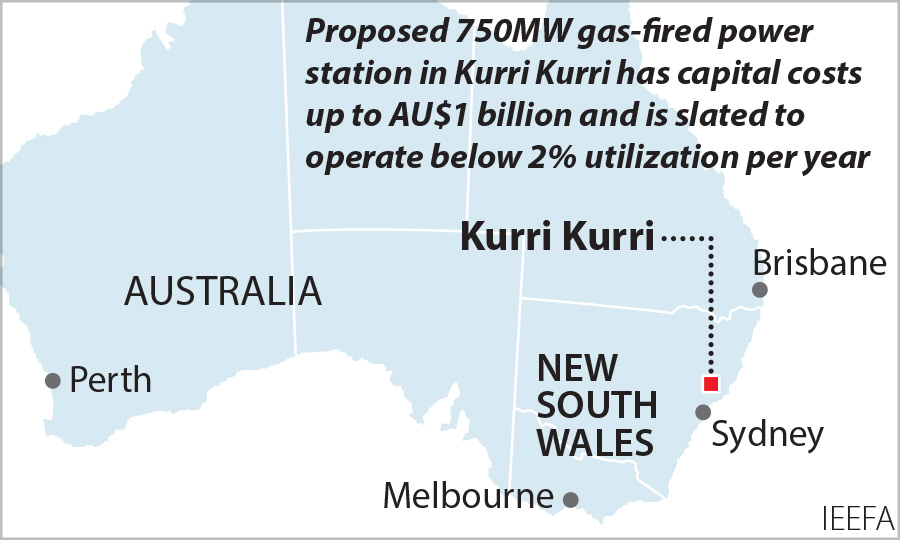
Ang pamumuhunan ng pamahalaan ay kinakailangan upang mapanatili ang reliability at presyo [1] **Ang kaso ng mga kritiko:** Tinataya ng mga ekonomista ng enerhiya at IEEFA na ang proyekto ay magkakahalaga ng higit sa A$1 bilyon (hindi $600 milyon) kapag ganap na naibigay, at na ang AEMO ay nagtapos na walang karagdagang kapasidad ang talagang kinakailangan [6].
Government investment was necessary to maintain reliability and prices [1] **The critics' case:** Energy economists and the IEEFA estimated the project would cost over A$1 billion (not $600 million) when fully delivered, and that AEMO had determined no additional capacity was actually needed [6].
Nangatwiran ang mga kritiko na: 1.
Critics argued: 1.
Ang proyekto ay hindi mahusay sa pang-ekonomiya kumpara sa mga alternatibo tulad ng mga baterya at demand management [6] 2.
The project was economically inefficient compared to alternatives like batteries and demand management [6] 2.
Sobrang tinataya ng pamahalaan ang pangangailangan para sa dispatchable na kapasidad [6] 3.
Government was over-estimating the need for dispatchable capacity [6] 3.
Ang pamumuhunan sa planta ng gas ay naglilock sa fossil fuels kapag mas mura na ang renewables [7] 4.
Gas plant investment locked in fossil fuels when renewables were cheaper [7] 4.
Ang pag-aatubli ng pribadong sektor ay sumasalamin sa makatwirang komersyal na pagtatasa, hindi sa pagkabigo ng merkado [6] **Pagtatasa ng eksperto:** Ang opisyal na posisyon ng Australian Energy Market Operator ay may bigat dito—ang AEMO ay nagtapos na walang bagong kapasidad ang kinakailangan, na malamang na ginamit ng mga pribadong kumpanya ng enerhiya upang bigyang-katwiran ang kanilang pag-aatubli [6].
The private sector's reluctance reflected rational commercial assessment, not market failure [6] **Expert assessment:** The Australian Energy Market Operator's official position carried weight here—AEMO concluded no new capacity was needed, which private energy companies likely used to justify their reluctance [6].
Gayunpaman, ang AEMO ay nagsusuri ng teknikal na kanais-nais; ang Coalition ay gumagawa ng mga pagpipilian sa patakaran tungkol sa uri ng gustong generasyon (fast-start gas vs. batteries). **Konteksto ng paghahambing:** Hindi ito kakaiba sa Coalition.
However, AEMO was analyzing technical feasibility; the Coalition was making policy choices about the type of generation preferred (fast-start gas vs. batteries). **Comparative context:** This was NOT unique to the Coalition.
Ang pinag-uusapang isyu—na ang mga pagsasara ng planta ng karbon ay lumilikha ng mga hamon sa transisyon na nahihirapang pangasiwaan ng mga merkado—ay karaniwan sa buong mga demokrasya.
The underlying issue—coal plant closures creating transition challenges that markets struggle to manage—is common across democracies.
Ang mga pamahalaan ng Labor ay global na nahihirapan din kung paano pangasiwaan ang mga transisyon sa karbon.
Labor governments globally have also struggled with how to manage coal transitions.
Ang pagkakaiba ay pilosopikal: dapat bang makialam nang direkta ang pamahalaan (Coalition) o sa pamamagitan ng mga framework ng patakaran (Rudd-Gillard Labor)?
The difference is philosophical: should government intervene directly (Coalition) or through policy frameworks (Rudd-Gillard Labor)?

BAHAGYANG TOTOO

6.0

sa 10

Ang claim na "gumastos ang pamahalaan ng $600 milyon sa pagtatayo ng bagong planta ng kuryente mula sa gas matapos na ang pribadong sektor ay magpasya na walang katuturang komersyal" ay tumpak sa istruktura ngunit mapanlinlang sa mga implikasyon. **Ano ang totoo:** - Ang $600 milyon ay ibinigay upang itayo ang planta [1] - Ang pribadong sektor ay hindi nag-commit ng kapasidad sa pagtatapos ng Abril 2021 deadline [3] **Ano ang mapanlinlang:** - Ang "walang katuturang komersyal" ay hindi sinusuportahan—ang business case ay nagtaya ng 12.3% na IRR [4] - Ang isyu ay hindi pagiging hindi economically viable kundi ang pagpaprioritize ng pribadong sektor at pagkakaiba sa patakaran [6] - Naniniwala ang AEMO at mga eksperto sa enerhiya na ang kapasidad ay hindi kinakailangan, hindi na imposible itong pang-ekonomiya [6] - Ang PRIVADONG SEKTOR AY GUMAGAWA ng ilang kapasidad na papalit (Tallawarra B), ngunit hindi sa sukat na ipinag-uutos ng pamahalaan [8] **Ang mas malalim na katotohanan:** Ang pamahalaan ay gumawa ng pagpipilian sa patakaran na makialam sa pamamagitan ng direktang pamumuhunan sa imprastraktura pagkatapos na ang pribadong sektor ay nabigo sa pagtugon sa mga target ng kapasidad ng pamahalaan.
The claim that the government "spent $600 million building a new gas power plant after the private sector decided it made no commercial sense" is factually correct in structure but misleading in implications. **What's true:** - $600 million was provided to build the plant [1] - The private sector did not commit capacity by the April 2021 deadline [3] **What's misleading:** - "Made no commercial sense" is not supported—the business case projected 12.3% IRR [4] - The issue was not economic unviability but private sector prioritization and policy disagreement [6] - AEMO and energy experts believed the capacity was unnecessary, not that it was economically impossible [6] - Private sector WAS building some replacement capacity (Tallawarra B), just not at government-mandated scale [8] **The deeper truth:** The government made a policy choice to intervene with direct infrastructure investment after the private sector failed to meet government capacity targets.
Ito ay sumasalamin sa iba't ibang pilosopiya tungkol sa pakikialam sa merkado—hindi palaging ang proyekto ay komersyal na irrasyonal.
This reflects different philosophies about market intervention—not necessarily that the project was commercially irrational.

📚 MGA PINAGMULAN AT SANGGUNIAN (11)

  1. 1
    Snowy Hydro gets green light and $600 million to build NSW gas power station

    Snowy Hydro gets green light and $600 million to build NSW gas power station

    It's full steam ahead for a gas-fired power plant in the NSW Hunter Valley, which the federal government says will keep energy prices low.

    Thenewdaily Com
  2. 2
    PDF

    Scenarios for The Replacement of The Liddell Power Station

    Greenpeace Org • PDF Document
  3. 3
    Morrison government threatens to use Snowy Hydro to build gas generator

    Morrison government threatens to use Snowy Hydro to build gas generator

    The Morrison government has threatened to use Snowy Hydro to build a gas generator in the Hunter Valley if the electricity sector fails to fill the gap left by the scheduled closure of the Liddell power plant in 2023.

    The Conversation
  4. 4
    PDF

    Hunter Power Project FID - Business Case - Public Release October 2021

    Snowyhydro Com • PDF Document
  5. 5
    As Liddell prepares to power down, how significant has the coal-fired power station been?

    As Liddell prepares to power down, how significant has the coal-fired power station been?

    The "Grand Old Lady", as it is fondly referred to by some workers, holds an impressive life span of nearly 52 years.

    Abc Net
  6. 6
    The Kurri Kurri gas-fired plant in Australia is A$1 billion white elephant

    The Kurri Kurri gas-fired plant in Australia is A$1 billion white elephant

    The Kurri Kurri gas-fired plant in Australia is A$1 billion white elephant

    Ieefa
  7. 7
    news.com.au

    Energy, economic experts slam $600m Kurri Kurri gas-fired power plant

    News Com

  8. 8
    EnergyAustralia launches Tallawarra B gas plant as green hydrogen discussions continue

    EnergyAustralia launches Tallawarra B gas plant as green hydrogen discussions continue

    EnergyAustralia says meeting its green hydrogen target for a new gas power plant in NSW is becoming more challenging.

    Abc Net
  9. 9
    Bittersweet farewell to Liddell

    Bittersweet farewell to Liddell

    Last week saw another significant step along the path to a lower emissions grid with the closure of the Liddell Power Station after 52 years of service.

    Australian Energy Council
  10. 10
    Five recent policy decisions that led to today's energy crisis

    Five recent policy decisions that led to today's energy crisis

    Five key policy moments have contributed to the power crisis engulfing Australia.

    Monash Lens
  11. 11
    Hunter Power Project

    Hunter Power Project

    What is the Hunter Power Project? The power station will comprise two heavy-duty, open cycle gas turbines (OCGT) and are the latest and most efficient turbines that the world’s best manufacturers can offer for the site. The OCGTs will operate on natural gas and will be hydrogen-ready. Diesel is available on-site as a backup for […]

    Snowy Hydro

Pamamaraan ng Rating Scale

1-3: MALI

Hindi tama sa katotohanan o malisyosong gawa-gawa.

4-6: BAHAGYA

May katotohanan ngunit kulang o baluktot ang konteksto.

7-9: HALOS TOTOO

Maliit na teknikal na detalye o isyu sa pagkakasulat.

10: TUMPAK

Perpektong na-verify at patas ayon sa konteksto.

Pamamaraan: Ang mga rating ay tinutukoy sa pamamagitan ng cross-referencing ng opisyal na mga rekord ng pamahalaan, independiyenteng mga organisasyong nag-fact-check, at mga primaryang dokumento.