Bahagyang Totoo

Rating: 6.0/10

Coalition
C0069

Ang Claim

“Inaprubahan ang 3 bagong minahan ng coal nang napakabilis, at tinanggihan ang bagong solar at wind farms nang napakabilis.”
Orihinal na Pinagmulan: Matthew Davis

Orihinal na Pinagmulan

FACTUAL NA BERIPIKASYON

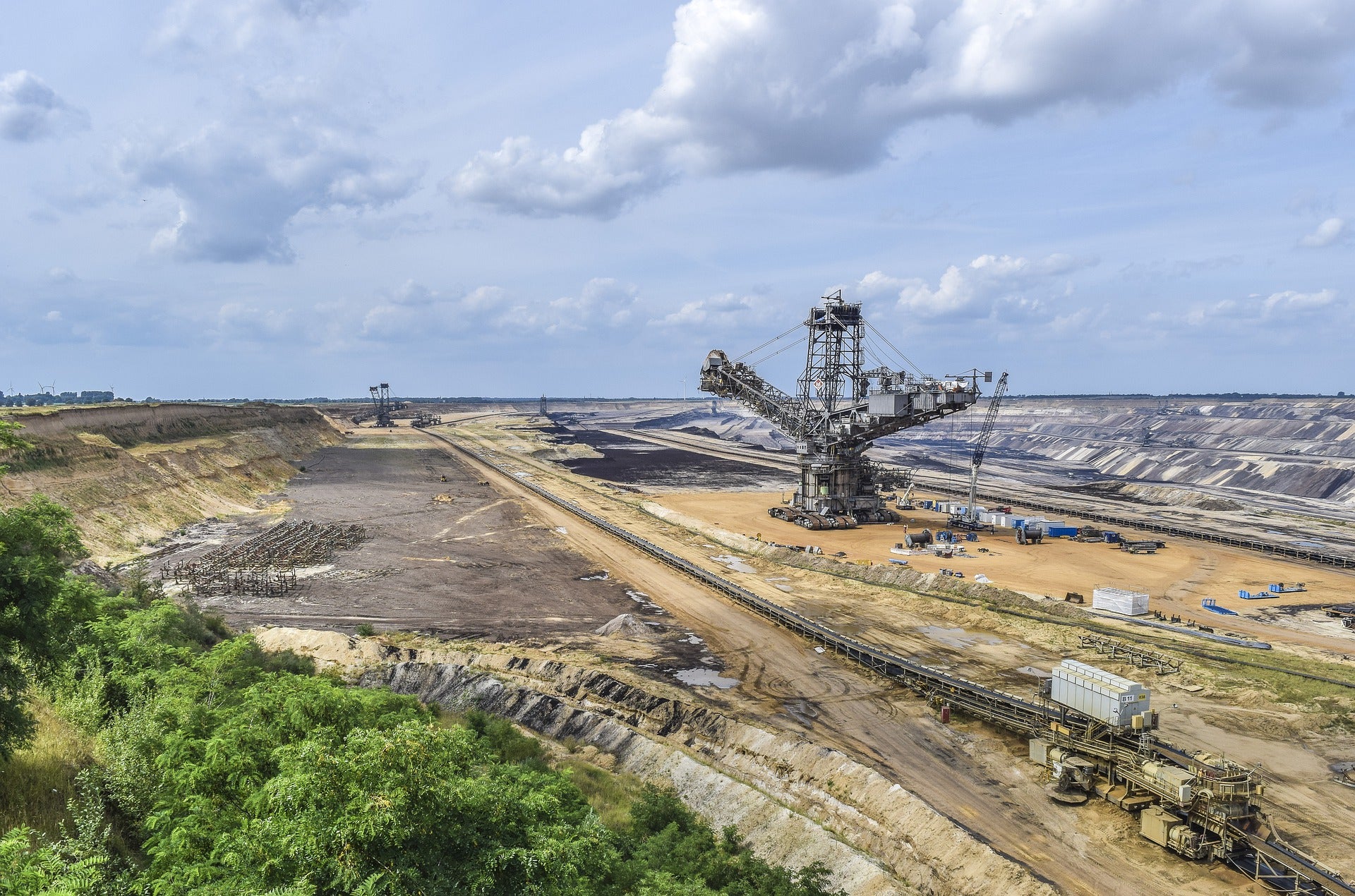
Ang claim ay tumutukoy sa tatlong minahan ng coal na inaprubahan ni Environment Minister Sussan Ley noong 2021: Vickery Extension (Whitehaven Coal), Mangoola (Glencore), at Russell Vale Colliery expansion (Wollongong Coal) [1].
The claim references three coal mines approved by Environment Minister Sussan Ley in 2021: Vickery Extension (Whitehaven Coal), Mangoola (Glencore), and Russell Vale Colliery expansion (Wollongong Coal) [1].
Ang mga pag-aprubang ito ay naganap noong 2021 sa ilalim ng panunungkulan ni Sussan Ley [2][3][4].
These approvals did occur in 2021 under Sussan Ley's tenure [2][3][4].
Gayunpaman, ang paglalarawan ng "napakabilis" ay nangangailangan ng masusing pagsusuri.
However, the characterization of "record speed" requires careful examination.
Ang Vickery Extension Project, bagama't inaprubahan noong Setyembre 15, 2021, ay dumaan sa limang taong assessment process na nagsimula noong 2016 [5].
The Vickery Extension Project, while approved on September 15, 2021, underwent a lengthy five-year assessment process that commenced when the project was first referred in 2016 [5].
Ito ay karaniwan, hindi pinaikling, timeline para sa malalaking proyekto ng coal sa ilalim ng Environment Protection and Biodiversity Conservation (EPBC) Act.
This represents a standard, not accelerated, timeline for major coal projects under the Environment Protection and Biodiversity Conservation (EPBC) Act.
Tungkol naman sa mga pagtanggi sa renewable energy, si Ley ay tinanggihan ang Asian Renewable Energy Hub (AREH) noong Hunyo 15, 2021, na itinuring na "clearly unacceptable" [6].
Regarding renewable energy rejections, Ley did reject the Asian Renewable Energy Hub (AREH) on June 15, 2021, designating it "clearly unacceptable" [6].
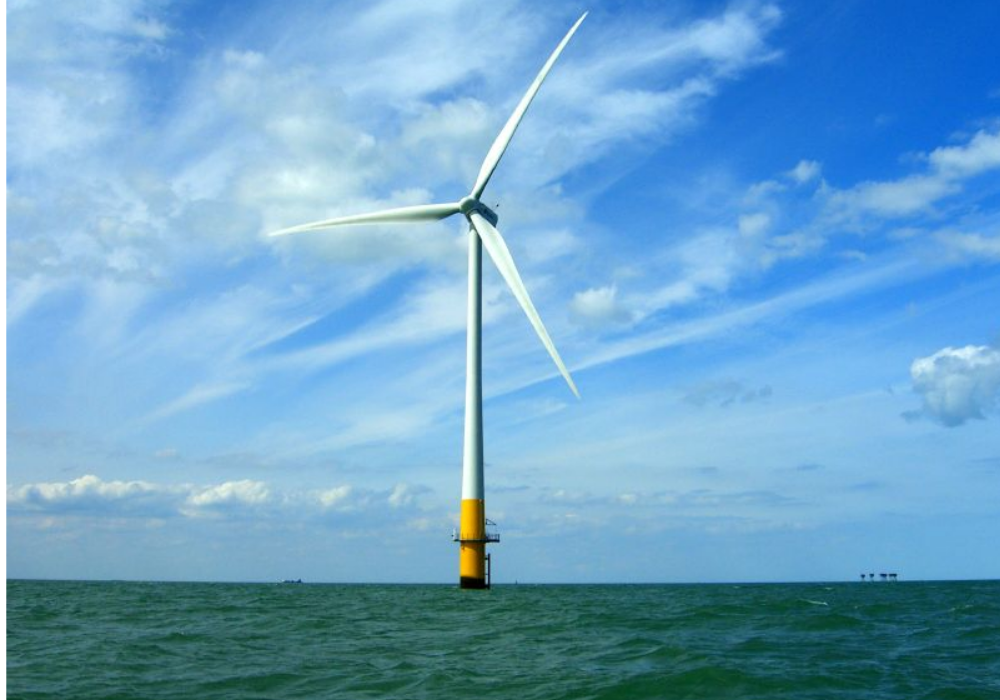
Ang AREH ay isang $36 bilyong proyekto na may 26 gigawatts ng wind at solar capacity na may plano para sa green hydrogen/ammonia production [7].
AREH was a $36 billion project involving 26 gigawatts of wind and solar capacity with plans for green hydrogen/ammonia production [7].
Gayunpaman, ang pagtanggi na ito ay naganap matapos na makatanggap ng paunang environmental approval noong Disyembre 2020 at ang mga proponents ay pinalaki ang proposal mula 15GW patungong 26GW, na nagbago sa environmental impact assessment [8].
However, this rejection occurred after the project had received initial environmental approval in December 2020 and the proponents significantly expanded the proposal from 15GW to 26GW, fundamentally changing the environmental impact assessment [8].

Nawawalang Konteksto

Ang claim ay naglalaho ng kritikal na konteksto tungkol sa ibig sabihin ng "bilisan" sa mga prosesong ito: **Konteksto ng timeline ng coal mine:** Ang minahan ng Vickery ay tumagal ng limang taon mula sa paunang referral (2016) hanggang sa pinal na federal approval (2021) [5].
The claim omits critical context about what "speed" actually means in these processes: **Coal mine timeline context:** The Vickery mine took five years from initial referral (2016) to final federal approval (2021) [5].
Ito ay hindi "napakabilis" kundi karaniwang pinahabang timeframe para sa malalaking proyekto ng coal.
This is not "record speed" but rather represents the typical extended timeframe for major coal projects.
Ang approval mismo ay hindi nangyari nang mabilis—ang buong proseso ay tumagal ng halos isang dekada [5]. **Timing ng pagtanggi sa renewable energy:** Ang AREH ay nakatanggap ng paunang federal approval noong Disyembre 2020, ngunit tinanggihan noong Hunyo 2021 lamang pagkatapos na pinalaki nang husto ng mga proponents ang scope ng proyekto, na nagpataas ng environmental impacts sa Eighty Mile Beach, isang Ramsar-listed wetland site, at nakaapekto sa migratory bird species at flatback turtle habitats [1][6].
The approval itself did not happen quickly—the entire process spanned the better part of a decade [5]. **Renewable energy rejection timing:** AREH received initial federal approval in December 2020, but was rejected in June 2021 only after the proponents substantially expanded the project scope, increasing environmental impacts on Eighty Mile Beach, a Ramsar-listed wetland site, and affecting migratory bird species and flatback turtle habitats [1][6].
Ang mabilis na pagtanggi ay para sa pinalaking 26GW proposal, hindi sa orihinal na 15GW project na inaprubahan [1][8]. **Ang "clearly unacceptable" designation:** Mula noong 2000, lamang 11 sa 6,600 na mga proyekto ang nakatanggap ng ganitong designation mula sa mga federal environment ministers [1].
The rapid rejection was of the expanded 26GW proposal, not the original 15GW project that had been approved [1][8]. **The "clearly unacceptable" designation:** Since 2000, only 11 of 6,600 projects have received this designation from federal environment ministers [1].
Mula nang ang Coalition ay umupo noong 2013, lamang tatlong proyekto ang nakatanggap ng ganitong pagtukoy, at mahalaga, dalawa sa tatlong iyon ay mga renewable energy project [1].
Since the Coalition took office in 2013, only three projects received this determination, and significantly, two of those three were renewable energy projects [1].
Ito ay nagpapahiwatig na ang "clearly unacceptable" bar ay lubos na mataas para sa anumang uri ng proyekto. **Mga basihan sa kapaligiran para sa pagtanggi:** Ang desisyon ni Ley na tanggihan ang AREH ay batay sa dokumentadong mga alalahanin sa kapaligiran: ang imprastraktura ng proyekto (pipelines, jetty) ay maaaring makapinsala sa habitat para sa migratory bird species at sa flatback turtle (_natator depressus_) sa Eighty Mile Beach, isang lugar na may international significance para sa mga species na ito [1][6].
This suggests the "clearly unacceptable" bar is exceptionally high for any project type. **Environmental grounds for rejection:** Ley's decision to reject AREH was based on documented environmental concerns: the project's infrastructure (pipelines, jetty) could damage habitat for migratory bird species and the flatback turtle (_natator depressus_) at Eighty Mile Beach, a location of international significance for these species [1][6].
Kung ang mga alalahanin na ito ay sapat na para sa outright rejection versus negotiated modifications ay nananatiling contested, ngunit ang desisyon ay hindi arbitraryo.
Whether these concerns justified outright rejection versus negotiated modifications remains contested, but the decision was not arbitrary.

Pagsusuri ng Kredibilidad ng Pinagmulan

Ang Michael West Media, na naglathala ng orihinal na artikulo, ay nakilala na may **clear left-leaning bias** ayon sa Media Bias/Fact Check [9].
Michael West Media, which published the original article, is identified as having a **clear left-leaning bias** according to Media Bias/Fact Check [9].
Ang organisasyon ay "presents itself as non-partisan but strongly frames stories against corporate and government elites, resulting in a clear left-leaning bias.
The organization "presents itself as non-partisan but strongly frames stories against corporate and government elites, resulting in a clear left-leaning bias.
Reporting frequently criticizes multinational corporations, fossil fuel firms, and political connections to wealth" [9].
Ang political orientation na ito ay mahalaga dahil ito ay nagpapahiwatig na ang artikulo ay malamang na i-frame ang mga isyu sa mga paraan na nagbibigay-diin sa pagsusuri sa Coalition government habing posibleng binababa ang mga contextual factors.
This political orientation is important because it indicates the article is likely to frame issues in ways that emphasize criticism of the Coalition government while potentially downplaying contextual factors.
Ang pagpili ng artikulo na i-highlight ang "contrast" sa pagitan ng mga pag-apruba sa coal at pagtanggi sa renewable, nang hindi sapat na ipaliwanag na ang pag-apruba sa coal ay tumagal ng limang taon at ang pagtanggi sa renewable ay batay sa mga alalahanin sa kapaligiran, ay sumasalamin sa ganitong framing tendency [1].
The article's choice to highlight the "contrast" between coal approvals and renewable rejection, without adequately explaining that the coal approval took five years and the renewable rejection was based on environmental concerns, reflects this framing tendency [1].
Ang artikulo ay nag-cite ng factual basis para sa ilang mga claim (ang tatlong minahan ng coal ay talagang naaprubahan, ang AREH ay talagang tinanggihan), ngunit ang framing—lalo na ang implicit suggestion na ang mga pag-apruba ay nangyari sa hindi karaniwang bilis—ay kulang sa supporting evidence at maaaring misrepresent ang mga kasalukuyang timeline.
The article does cite factual basis for some claims (the three coal mines were indeed approved, AREH was indeed rejected), but the framing—particularly the implicit suggestion that approvals happened with unusual speed—lacks supporting evidence and may misrepresent the timelines involved.
⚖️

Paghahambing sa Labor

**Ginawa ba ng Labor ang katulad na bagay?** Ang Labor government (2007-2013) sa ilalim ni Kevin Rudd at Julia Gillard ay gayundin naaprubahan ang mga malalaking proyekto ng coal na may mahabang assessment processes.
**Did Labor do something similar?** The Labor government (2007-2013) under Kevin Rudd and Julia Gillard also approved major coal projects with lengthy assessment processes.
Ang Gorgon gas project, isang malaking fossil fuel development sa Western Australia, ay nakatanggap ng paunang federal approval noong 2007 sa ilalim ng Labor government, na may revised at expanded proposal na naaprubahan noong 2009 [10].
The Gorgon gas project, a major fossil fuel development in Western Australia, received initial federal approval in 2007 under the Labor government, with a revised and expanded proposal approved in 2009 [10].
Tulad ng mga minahan ng coal na naaprubahan sa ilalim ng Coalition, ito ay kumakatawan sa karaniwan, hindi expedited, na mga timeline ng assessment.
Like the coal mines approved under the Coalition, this represented standard, not expedited, assessment timelines.
Mas direkta, ang mga Labor government ay naaprubahan ang mga coal mining developments sa buong kanilang panunungkulan.
More directly, Labor governments approved coal mining developments throughout their period in office.
Ang pagkakaiba sa pagitan ng Coalition at Labor sa mga pag-apruba sa coal at renewable energy ay tila isang bagay ng political priority at policy emphasis (ang Coalition ay mas pabor sa coal/gas; ang Labor ay mas suportado sa renewables) sa halip na bilis ng mga pag-apruba o unusual na favoritism sa assessment processes. **Bilis ng pag-apruba sa mga renewable energy project:** Ang kasalukuyang data ay nagpapakita na ang mga pag-apruba sa renewable energy project ay naging lubos na mas mabagal sa mga nakaraang taon.
The distinction between the Coalition and Labor on coal and renewable energy approvals appears to be one of political priority and policy emphasis (the Coalition favored coal/gas; Labor more supportive of renewables) rather than speed of approvals or unusual favoritism in assessment processes. **Speed of renewable energy project approvals:** Current data shows that renewable energy project approvals have become significantly slower in recent years.
Ayon sa Clean Energy Investor Group analysis, ang mga renewable energy project na nirefer noong 2021 ay tumagal ng average na 831 araw (2.2 taon) para makakuha ng approval, na lubos na mas mahaba kaysa sa mga nirefer noong 2019 (na may average na 505 araw o 1.3 taon) [11].
According to Clean Energy Investor Group analysis, renewable energy projects referred in 2021 took an average of 831 days (2.2 years) to secure approval, substantially longer than those referred in 2019 (which averaged 505 days or 1.3 years) [11].
Ito ay nagmumungkahi ng systemic delays sa renewable approvals, ngunit ang trend ay accelerated pagkatapos ng 2021, na nag-extend sa panahon ng Labor government mula 2022 pataas [11].
This suggests systemic delays in renewable approvals, but the trend accelerated after 2021, extending into the Labor government's period of office from 2022 onward [11].
Ang pangunahing finding ay na ang mga delays sa renewable energy approvals ay tila isang systemic issue sa loob ng EPBC Act assessment process sa halip na ebidensya ng deliberate acceleration ng mga pag-apruba sa coal o deceleration ng mga pag-apruba sa renewable sa ilalim ng Coalition [11].
The key finding is that delays in renewable energy approvals appear to be a systemic issue within the EPBC Act assessment process rather than evidence of deliberate acceleration of coal approvals or deceleration of renewable approvals under the Coalition specifically [11].
🌐

Balanseng Pananaw

Bagama't ang mga kritiko ay nagsasabing ang mga desisyon ni Ley sa coal laban sa renewables ay nagpapakita ng inconsistent environmental standards [1], ang rationale ng gobyerno ay na ang mga pag-apruba sa coal ay dumaan sa established legal processes at na-assess sa kanilang mga tiyak na environmental merits, samantalang ang pagtanggi sa AREH ay batay sa dokumentadong impacts sa protected species at internationally significant wetlands [6].
While critics argue that Ley's decisions on coal versus renewables demonstrate inconsistent environmental standards [1], the government's rationale was that coal approvals went through established legal processes and were assessed on their specific environmental merits, while the AREH rejection was based on documented impacts to protected species and internationally significant wetlands [6].
Ang claim na ang mga minahan ng coal ay naaprubahan "nang napakabilis" ay hindi masyadong sinusuportahan ng ebidensya.
The claim that coal mines were approved "with record speed" is not well-supported by evidence.
Ang Vickery ay dumaan sa limang-taong assessment, na kumakatawan sa karaniwang processing time para sa malalaking proyekto, hindi accelerated approval [5].
The Vickery mine underwent a five-year assessment, which represents standard processing time for major projects, not accelerated approval [5].
Ang dalawang iba pang minahan ng coal na binanggit (Mangoola at Russell Vale) ay gayundin dumaan sa karaniwang multi-year assessment processes, bagama't ang mga tiyak na timeline para sa mga proyektong iyon ay mas hindi dokumentado sa mga available na sources.
The other two coal mines mentioned (Mangoola and Russell Vale) also underwent standard multi-year assessment processes, though specific timelines for those projects are less documented in available sources.
Gayunpaman, may substance sa mas malawak na alalahanin tungkol sa differential treatment.
However, there is substance to the broader concern about differential treatment.
Ang Clean Energy Council ay nagsabing noong panahong iyon na ang pagtanggi sa AREH "prior to the completion of detailed environmental studies" ay tila inconsistent sa karaniwang processes na nagpapahintulot sa mga proponents na harapin ang mga natukoy na isyu [1].
The Clean Energy Council noted at the time that AREH's rejection "prior to the completion of detailed environmental studies" appeared inconsistent with usual processes that allow proponents to address identified issues [1].
Ang Western Australia government's hydrogen minister ay gayundin nagpahayag ng pagkabigla sa bilis at finality ng pagtanggi [1].
The Western Australia government's hydrogen minister also expressed surprise at the speed and finality of the rejection [1].
Ito ay nagmumungkahi na bagama't ang mga pag-apruba sa coal ay hindi kakaiba ang bilis, ang pagtanggi sa renewable ay maaaring kakaiba ang bilis at absolute—na nagpigil sa uri ng negotiation at modification na karaniwang nangyayari sa iba pang uri ng proyekto [1]. **Pangunahing konteksto:** Ito ay kumakatawan sa isang tunay na asymmetry sa kung paano ang mga proyekto ay tratuhin, ngunit ang paglalarawan bilang "record speed" para sa mga pag-apruba sa coal ay tila mali.
This suggests that while the coal approvals were not unusually fast, the renewable rejection may have been unusually swift and absolute—preventing the kind of negotiation and modification that typically occurs with other project types [1]. **Key context:** This represents a genuine asymmetry in how projects were treated, but the framing as "record speed" for coal approvals appears incorrect.
Ang mas tumpak na paglalarawan ay magiging: "Ang mga minahan ng coal ay dumaan sa karaniwang multi-year assessments at naaprubahan; ang mga renewable energy project ay naharap sa extended delays at hindi bababa sa isang malaking proyekto (AREH) ay tinanggihan nang lubusan nang walang pagkakataon para sa modification"—isang iba ngunit mahalagang pagkakaiba.
A more accurate characterization would be: "Coal mines underwent standard multi-year assessments and were approved; renewable energy projects faced extended delays and at least one major project (AREH) was rejected outright without opportunity for modification"—a different but still important distinction.

BAHAGYANG TOTOO

6.0

sa 10

Ang claim ay naglalaman ng mga factual elements na tama (tatlong minahan ng coal ang inaprubahan; isang malaking proyekto ng renewable energy ang tinanggihan) ngunit minamaliit ang bilis ng pag-apruba sa coal bilang "record" gayong ito ay dumaan sa karaniwang limang taon o higit pang assessment timelines.
The claim contains factual elements that are correct (three coal mines were approved; a major renewable project was rejected) but mischaracterizes the speed of coal approvals as "record" when they actually underwent standard five-year-plus assessment timelines.
Bagama't mayroong pagkakaiba-iba sa kung paano ang coal kumpara sa renewable projects ang tratuhin (na ang renewables ay naharap sa mas maraming kahirapan), ang tiyak na claim tungkol sa "record speed" para sa mga pag-apruba sa coal ay hindi sinusuportahan ng ebidensya.
While there does appear to be differential treatment in how coal versus renewable projects were handled (with renewables facing more difficulty), the specific claim about "record speed" for coal approvals is not supported by evidence.
Ang pag-apruba sa Vickery ay tumagal ng limang taon, na kumakatawan sa karaniwang processing time para sa malalaking proyekto, hindi accelerated action [5].
The Vickery approval took five years, representing typical processing time for major projects, not accelerated action [5].
Ang pagtanggi sa AREH ay maaaring naganap nang medyo mabilis para sa pinalaking proposal (anim na buwan mula sa pagtanggap ng pinalaking proposal hanggang sa pagtanggi), ngunit sumunod ito sa paunang pag-apruba ng orihinal na proyekto at batay ito sa dokumentadong mga alalahanin sa kapaligiran, hindi arbitraryo na political preference [1][6][8].
The rejection of AREH may have occurred relatively quickly for the expanded proposal (six months from receipt of expanded proposal to rejection), but this followed initial approval of the original project and was based on documented environmental concerns, not arbitrary political preference [1][6][8].

📚 MGA PINAGMULAN AT SANGGUNIAN (11)

  1. 1
    michaelwest.com.au

    michaelwest.com.au

    Sussan Ley rendered the Australian Renewable Energy Hub (AREH) project "clearly unacceptable" while approving three new coal mines

    Michael West
  2. 2
    whitehavencoal.com.au

    whitehavencoal.com.au

    Whitehaven Coal
  3. 3
    abc.net.au

    abc.net.au

    Federal Environment Minister Sussan Ley has granted final approval for Wollongong Coal’s Russell Vale Colliery extension — a move slammed by environmentalists as 'terrible'.

    Abc Net
  4. 4
    australianmining.com.au

    australianmining.com.au

    Whitehaven Coal’s Vickery extension has got the go ahead by the Federal Government after an approval process that spanned five years.

    Australian Mining
  5. 5
    mining-technology.com

    mining-technology.com

    Whitehaven Coal has received approval from Australia's Federal Environment Minister for its Vickery coal mine extension project.

    Mining Technology
  6. 6
    nsenergybusiness.com

    nsenergybusiness.com

    The Australian federal government has rejected plans for the Asian Renewable Energy Hub (AREH) in the Pilbara region of Western Australia

    NS Energy
  7. 7
    reuters.com

    reuters.com

    Reuters

  8. 8
    rechargenews.com

    rechargenews.com

    Decision a setback for 26GW wind and solar initiative that's among largest to pioneer production of renewable fuels at 'oil & gas scale'

    rechargenews.com
  9. 9
    mediabiasfactcheck.com

    mediabiasfactcheck.com

    LEFT BIAS These media sources are moderate to strongly biased toward liberal causes through story selection and/or political affiliation.  They may

    Media Bias/Fact Check
  10. 10
    australia.chevron.com

    australia.chevron.com

    Australia Chevron

  11. 11
    PDF

    2024 12 12 CEIG HSF EPBC Review MR

    Ceig Org • PDF Document

Pamamaraan ng Rating Scale

1-3: MALI

Hindi tama sa katotohanan o malisyosong gawa-gawa.

4-6: BAHAGYA

May katotohanan ngunit kulang o baluktot ang konteksto.

7-9: HALOS TOTOO

Maliit na teknikal na detalye o isyu sa pagkakasulat.

10: TUMPAK

Perpektong na-verify at patas ayon sa konteksto.

Pamamaraan: Ang mga rating ay tinutukoy sa pamamagitan ng cross-referencing ng opisyal na mga rekord ng pamahalaan, independiyenteng mga organisasyong nag-fact-check, at mga primaryang dokumento.