Bahagyang Totoo

Rating: 6.0/10

Coalition
C0063

Ang Claim

“Nagsinungaling sa pagsasabing $90 milyong halaga ng langis para sa reserba ng Australia sa USA ay nabili sa 'record low prices'. Ang langis ay binili sa 40 USD bawat bariles, sa panahon na ang presyo ay bumaba hanggang negative 37 USD bawat bariles, dahil inakala ng mga merkado na puno na ang lahat ng pasilidad para sa imbakan ng langis. Ang gobyerno ng Australia ay talagang may 23 milyong litro ng bakanteng espasyo para sa imbakan sa loob ng isang araw na biyahe mula sa negatibong presyong langis. Kung talagang binili ng gobyerno ng Australia sa record low, sila ay binayaran ng 90 milyong AUD para kunin ang langis mula sa iba. Sinubukan ng gobyerno na itago ang aktwal na presyong sobrang binayaran nila (kahit na inihayag na ito ay magandang presyo), at ang dami. Patuloy pa rin nilang itinatago ang presyo ng mga araw-araw na bayad sa lease, bayad sa pagpuno, bayad sa pagbawas, bayad sa pag-withdraw, at proseso ng pagtaas ng bayad, at ang pagkakakilanlan ng nagbenta.”
Orihinal na Pinagmulan: Matthew Davis
Sinuri: 29 Jan 2026

Orihinal na Pinagmulan

FACTUAL NA BERIPIKASYON

**Kabuuang gastos at oras:** Tama ang claim na gumastos ang Australia ng humigit-kumulang $90-94 milyong AUD sa krudong langis noong 2020.
**Total expenditure and timing:** The claim is correct that Australia spent approximately $90-94 million AUD on crude oil in 2020.
Inanunsyo ng gobyerno ang paunang A$94 milyon (US$59 milyon) na pangako noong Abril 2020 [1].
The government announced an initial A$94 million (US$59 million) commitment in April 2020 [1].
Natuklasan ng imbestigasyon ng Michael West Media na aktwal na gumastos ang Australia ng US$70 milyon sa dalawang batch ng pagbili [2]. **Presyo ng langis sa panahong iyon:** Tama ang claim na tinukoy ang makasaysayang pagbagsak ng presyo ng langis noong Abril 2020.
The Michael West Media investigation found Australia actually spent US$70 million across two tranches of purchases [2]. **Oil prices at the time:** The claim accurately references the historic oil price crash in April 2020.
Ang WTI krudong langis ay nakipagkalakal sa halagang minus $37.63 bawat bariles noong Abril 20, 2020, na unang pagkakataon sa kasaysayan na ang presyo ng langis ay naging negatibo [2].
WTI crude oil did trade at minus $37.63 per barrel on April 20, 2020, marking the first time in history that oil prices went negative [2].
Noong Abril 2020, ang presyo ay nagmula sa humigit-kumulang $10-28 bawat bariles sa buong buwan [1], [2]. **Aktwal na presyo ng pagbili:** Sinabi ng imbestigasyon ng Michael West Media, batay sa mga dokumentong FOI at mga tala ng SPR, na binili ng Australia ang langis sa humigit-kumulang $39-40 bawat bariles sa average: 1.5 milyong bariles sa US$39 bawat bariles (may halagang US$58.6m) sa kalagitnaan ng 2020, at 0.2 milyong bariles sa US$58 bawat bariles noong unang bahagi ng 2021 [2].
In April 2020, prices ranged from approximately $10-28 per barrel during the month [1], [2]. **Actual purchase price:** The Michael West Media investigation, based on FOI documents and SPR records, states Australia purchased oil at approximately $39-40 per barrel on average: 1.5 million barrels at US$39 per barrel (valued at US$58.6m) in mid-2020, and 0.2 million barrels at US$58 per barrel in early 2021 [2].
Ito ay average na humigit-kumulang US$40 bawat bariles, hindi ang "record low" na presyong inihayag ng gobyerno. **Dami ng binili:** Ang ulat ng ABC (Abril 2020) ay nagpapahiwatig ng "maraming milyong bariles," ngunit ang analisis ay nagmungkahi ng humigit-kumulang 4.2 milyong bariles batay sa $94 milyon sa $22 bawat bariles [1].
This averages to approximately US$40 per barrel, not the "record low" prices claimed by the government. **Quantity purchased:** The ABC reporting (April 2020) indicated "many millions of barrels," but analysis suggested approximately 4.2 million barrels based on $94 million at $22 per barrel [1].
Natuklasan ng detalyadong imbestigasyon ng Michael West Media na tanging 1.7 milyong bariles lamang ang aktwal na nabili sa dalawang batch, na katumbas ng humigit-kumulang 2 araw na konsumo ng Australia (humigit-kumulang 1 milyong bariles/araw) [2]. **Lokasyon ng imbakan at access:** Ang kasunduan ay nag-iimbak ng langis sa US Strategic Petroleum Reserve, na kailangan ng 2-3 linggo para ma-access sa oras ng emergency [1].
Michael West Media's detailed investigation found only 1.7 million barrels were actually purchased across both tranches, equating to just under 2 days' worth of Australia's daily consumption (approximately 1 million barrels/day) [2]. **Storage location and access:** The agreement does store oil in the US Strategic Petroleum Reserve, which would take 2-3 weeks to access in an emergency [1].
Ito ay kinritisismo bilang problema para sa pambansang seguridad, dahil ang US ay heograpikal na malayo.
This has been criticized as problematic for national security, as the US is geographically distant.

Nawawalang Konteksto

**Pangangatwiran ng gobyerno:** Hindi eksplisitong sinabi ng gobyerno na ang langis ay binili sa absolute na record-low na presyo (ang $37 na negatibong presyo).
**Government justification:** The government did not explicitly claim the oil was purchased at absolute record-low prices (the $37 negative price).
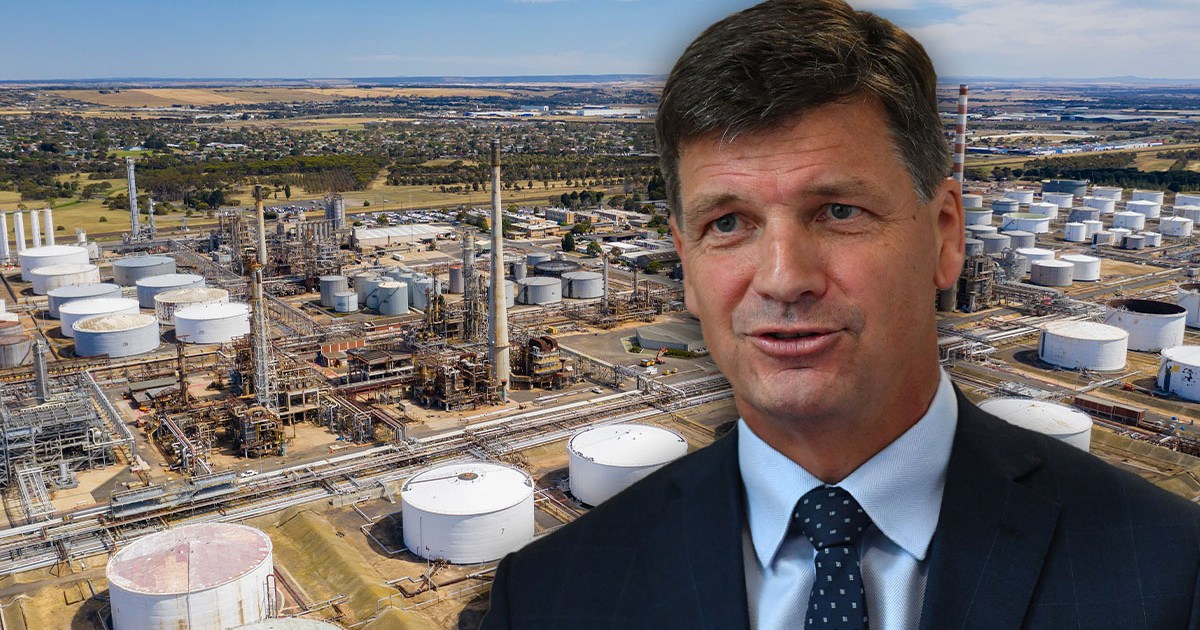
Sa halip, sinabi ni Ministro Angus Taylor na ang gobyerno ay "took advantage of historically low prices" nang inanunsyo ang A$94 milyong pangako noong huling Marso/Abril 2020, nang ang WTI ay nakikipagkalakal sa humigit-kumulang $20-28 bawat bariles [1].
Rather, Minister Angus Taylor stated the government "took advantage of historically low prices" when announcing the A$94 million commitment in late March/April 2020, when WTI was trading around $20-28 per barrel [1].
Kung ang "historically low" ay naiiba sa pagsasabing binili sa pinakamababang presyo ay depende sa interpretasyon. **Bakit mababa ang presyo sa pagbili:** Naghintay ang Australia hanggang kalagitnaan ng 2020 para aktwal na bumili (sa halip na bumili noong Abril nang ang presyo ay pinakamababa), na nangangahulugang ang presyo ay bahagyang nakabawi mula sa Abril na mga low.
Whether this constitutes misleading language depends on whether "historically low" is different from claiming to buy at the deepest lows. **Why prices were low at purchase:** Australia waited until mid-2020 to actually purchase (rather than buying in April when prices were lowest), meaning the price had partially recovered from the April lows.
Ang oras ay nagmumungkahi na ang gobyerno ay maaaring naharap sa mga pagkaantala sa bureaucracy sa pagpapatibay ng kasunduan (nilagdaan noong Marso 2020, ngunit ang lease agreement ay pinag-uusapan pa) o sinadya na maghintay [1]. **Hindi lubos na nagamit ang kapasidad ng imbakan:** Natuklasan ng imbestigasyon ng Michael West Media na ang Australia ay nakipag-negotiate ng karapatan na mag-imbak ng hanggang 25 milyong bariles sa SPR ngunit bumili lamang ng 1.7 milyong bariles (humigit-kumulang 7% ng available na kapasidad) [2].
The timing suggests the government either faced bureaucratic delays in finalizing the agreement (signed in March 2020, but the lease agreement was still being negotiated) or deliberately waited [1]. **Storage capacity not fully utilized:** Michael West Media's investigation found Australia negotiated the right to store up to 25 million barrels in the SPR but purchased only 1.7 million barrels (approximately 7% of available capacity) [2].
Ito ay kumakatawan sa malaking hindi paggamit ng negotiated na espasyo sa imbakan. **Sekreto sa istraktura ng bayad:** Ang imbestigasyon ng Michael West Media ay nakakuha ng redacted na bersyon ng lease agreement sa pamamagitan ng FOI, na nagkumpirma na naglalaman ito ng mga probisyon para sa araw-araw na bayad sa lease, bayad sa pagpuno, bayad sa pagbawas, bayad sa pag-withdraw, at mga proseso ng pagtaas ng bayad [2].
This represents significant underutilization of negotiated storage space. **Fee structure secrecy:** The Michael West Media investigation obtained a redacted version of the lease agreement through FOI, confirming it contains provisions for daily lease fees, filling fees, drawdown fees, withdrawal fees, and fee escalation processes [2].
Ang halaga ng mga bayad na ito ay nananatiling hindi alam dahil sa redactions.
The quantum of these fees remains unknown due to redactions.
Hindi inihayag ng gobyerno ang pagkakakilanlan ng nagbenta para sa paunang 1.5 milyong bariles na pagbili [2]. **Political communication:** Inanunsyo ni Prime Minister Scott Morrison ang deal noong Setyembre 2021 bilang pagbili ng langis "at record low global prices," kahit na ang imbestigasyon ng Michael West Media ay nagpapakita na ang mga pagbili ay naganap sa humigit-kumulang $39-40 bawat bariles [2].
The government did not disclose the seller's identity for the initial 1.5 million barrel purchase [2]. **Political communication:** Prime Minister Scott Morrison announced the deal in September 2021 as having purchased oil "at record low global prices," despite the Michael West Media investigation showing purchases occurred at approximately $39-40 per barrel [2].
Sinabi ng mga tugon ng departamento ng gobyerno na ang presyo ay "well below the long-term average for West Texas Intermediate oil" ngunit hindi hinawakan ang pagkakaiba sa pagitan ng "record low" na retorika at aktwal na $40/bariles na pagpepresyo [2].
The government department responses stated the price was "well below the long-term average for West Texas Intermediate oil" but did not address the discrepancy between "record low" rhetoric and actual $40/barrel pricing [2].

Pagsusuri ng Kredibilidad ng Pinagmulan

**Michael West Media:** Ang Michael West Media ay isang independent, founder-funded na news organization na nakatuon sa investigative journalism sa Australian politics at economics.
**Michael West Media:** Michael West Media is an independent, founder-funded news organization focused on investigative journalism on Australian politics and economics.
Hindi ito isang mainstream outlet ngunit nagtataguyod ng credibility sa pamamagitan ng detalyadong FOI investigations at detalyadong sourcing.
It is not a mainstream outlet but has built credibility through detailed FOI investigations and detailed sourcing.
Ang publikasyon ay may dokumentadong anti-Coalition editorial stance at madalas na kritikal sa government spending at transparency.
The publication has a documented anti-Coalition editorial stance and is frequently critical of government spending and transparency.
Si Jommy Tee, ang may-akda ng pangunahing artikulo, ay kinilala bilang isang 25+ taon na public servant at independent researcher na may malinaw na expertise sa policy analysis.
Jommy Tee, the author of the primary article, is identified as a 25+ year public servant and independent researcher with apparent expertise in policy analysis.
Ang artikulo ay nagbibigay ng malawak na documentary evidence (mga tala ng SPR, FOI-obtained na mga lease agreement, mga anunsyo ng gobyerno) [2]. **The New Daily:** Ang artikulo ng The New Daily ay tinalakay ang mas malawak na fuel security package at mga subsidyo sa refinery (hindi ang SPR oil purchase sa partikular).
The article provides extensive documentary evidence (SPR records, FOI-obtained lease agreements, government announcements) [2]. **The New Daily:** The New Daily article discusses the broader fuel security package and refinery subsidies (not the SPR oil purchase specifically).
Ito ay isang center-left na online news publication na walang halatang corporate ownership constraints.
It is a center-left online news publication without obvious corporate ownership constraints.
Ang artikulo ay nagtukoy ng mga expert opinion mula sa Grattan Institute, Australia Institute, at ACCC chair, na nagmumungkahi ng balanseng sourcing [3]. **ABC News:** Ang artikulo ng ABC mula Abril 24, 2020, ay mula sa public broadcaster ng Australia, pangkalahatang itinuturing na mainstream at medyo neutral.
The article cites expert opinions from Grattan Institute, Australia Institute, and ACCC chair, suggesting balanced sourcing [3]. **ABC News:** The ABC article from April 24, 2020, is from Australia's public broadcaster, generally considered mainstream and relatively neutral.
Ito ay tala ng pagiging vague ng gobyerno tungkol sa eksaktong dami at nagbibigay ng technical analysis na naghahambing ng iba't ibang price points at consumption rates [1].
It notes the government's vagueness about exact quantities and provides technical analysis comparing different price points and consumption rates [1].
Ang kritisisme sa government secrecy tungkol sa dami at bayad ay suportado ng aktwal na mga dokumentong FOI na nakuha ng Michael West Media, na nagbibigay ng credibility sa mga partikular na claim na iyon.
The criticism of government secrecy regarding volumes and fees is supported by actual FOI documents obtained by Michael West Media, lending credibility to those specific claims.
⚖️

Paghahambing sa Labor

**Ginawa ba ng Labor ang katulad na bagay?** Walang direktang katumbas na pagbili ng langis ng gobyerno ng Labor ang natagpuan.
**Did Labor do something similar?** No direct equivalent Labor government oil stockpile purchase was found.
Huling namuno ang Labor sa pederal mula 2007-2013, bago ang mga pagbagsak ng presyo ng langis noong 2014-2020.
Labor last governed federally from 2007-2013, prior to the global oil price crashes of 2014-2020.
Gayunpaman, naiiba ang approach ng Labor sa fuel security: Sa panahon ng 2007-2013, ang Labor ay nakatuon sa fuel security sa pamamagitan ng regulasyon sa mga kinakailangan sa imbakan ng fuel para sa mga distributor sa halip na direktang pagbili ng langis ng gobyerno [ang paghahanap sa reference ay nagpapahiwatig ng mas malawak na mga pagkakaiba sa patakaran sa fuel security ngunit ang mga partikular na programang pagbili ng langis ng Labor ay hindi natagpuan].
However, Labor's approach to fuel security differed philosophically: During the 2007-2013 period, Labor focused on fuel security through regulation of fuel storage requirements for distributors rather than direct government oil purchases [reference search indicated broader fuel security policy differences but specific Labor oil purchase programs were not located].
Ang isang katulad na kritikal na analisis ay maaaring mailapat sa iba pang mga programang gastos sa imprastraktura/enerhiya ng Labor (tulad ng insulation (Pink Batts) program o mga programang pagtatayo ng paaralan), na parehong naharap sa kritika tungkol sa procurement transparency at value for money, bagama't ang mga programang ito ay naglalayon ng ibang mga layunin sa patakaran.
A comparable critical analysis might be applied to Labor's other major infrastructure/energy spending programs (such as the insulation (Pink Batts) program or school building programs), which both faced criticism regarding procurement transparency and value for money, though these programs aimed at different policy objectives.
🌐

Balanseng Pananaw

**Pananaw ng gobyerno:** Ang pangangatwiran ng Coalition government para sa pagbili ay upang bumuo ng emergency reserves ng langis upang matugunan ang mga obligasyon ng Australia sa International Energy Agency (90 araw ng net imports ang kinakailangan).
**Government's perspective:** The Coalition government's rationale for the purchase was to build emergency oil reserves to meet Australia's International Energy Agency obligations (90 days of net imports required).
Ang Australia ay patuloy na nabigo sa pagtugon sa mga kinakailangan ng IEA sa loob ng maraming taon, at itinanghal ng gobyerno ang pagbili bilang isang strategic necessity [1].
Australia had consistently failed to meet IEA requirements for years, and the government framed the purchase as a strategic necessity [1].
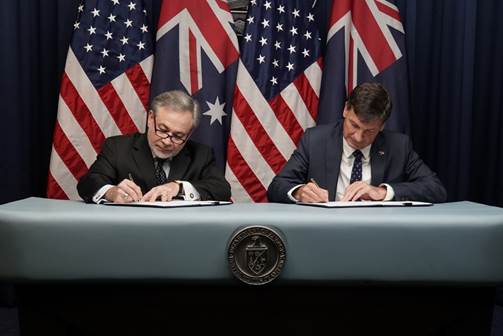
Ang kasunduan sa US ay nilagdaan noong Trump administration, at ang pahayag ng DOE ay nagpapahiwatig na ito ay itinanghal bilang mutually beneficial, na ang Australia ay "choosing to entrust" reserves sa SPR [pahayag ng US Department of Energy].
The US agreement was signed during the Trump administration, and the DOE statement indicates it was framed as mutually beneficial, with Australia "choosing to entrust" reserves to the SPR [US Department of Energy announcement].
Ang oras ng aktwal na pagbili (kalagitnaan ng 2020) sa halip na Abril 2020 ay maaaring sumasalamin sa realistic na procurement timelines sa halip na strategic failure—ang mga pormal na kasunduan ay kailangang tapusin muna.
The timing of the actual purchase (mid-2020) rather than April 2020 may have reflected realistic procurement timelines rather than strategic failure—formal agreements needed to be finalized first.
Sinubukan ng gobyernong bumili sa panahon ng low-price period, kahit hindi sa absolute na mga low. **Mga kritisisme na suportado ng ebidensya:** - Ang claim na ang mga komunikasyon ng gobyerno ay misleading tungkol sa "record low prices" ay suportado ng detalyadong imbestigasyon ng Michael West Media na nagpapakita ng $39-40/bariles na pagpepresyo kumpara sa minus $37 na pagpepresyo noong Abril [2] - Ang secrecy sa paligid ng dami, bayad, at pagkakakilanlan ng nagbenta ay kinumpirma ng mga FOI-obtained na redacted na kasunduan [2] - Ang underutilization ng kapasidad ng imbakan (7% ng available) ay dokumentado [2] - Ang kawalan ng transparency ng gobyerno sa aktwal na gastos sa mga bayad ay suportado ng redacted na mga tuntunin sa lease [2] **Mga lehitimong argumento ng gobyerno:** - Ang binayarang presyo ($39-40/bariles) ay tunay na mas mababa sa long-term averages para sa WTI crude (~$50-70 sa nakalipas na mga dekada) at kumakatawan sa makatuwirang halaga [2] - Ang 1.7 milyong bariles ay nagdagdag ng humigit-kumulang 2 araw sa mga emergency reserves ng Australia, isang "first step" na kinilala kahit ng mga kritiko [1] - Ang SPR ay tunay na secure na imbakan (ang pag-imbak ng langis sa panahon ng mga krisis ay mas ligtas kaysa sa domestic na imbakan na nahaharap sa mga hostile na banta) - Ang mas malalaking pagbili ay haharap sa mga limitasyon sa badyet at maaaring hindi posible **Counterpoint sa pangunahing claim:** Ang pahayag ng claim na ang Australia ay "sana ay binayaran ng 90 milyong AUD para kunin ang langis mula sa iba" ay technically hindi tama—ang langis sa halagang minus $37 bawat bariles ay isang maikling anomalya na dulot ng mga takot sa pasilidad ng imbakan at financial derivatives trading, hindi isang sustainable na presyo na maaaring i-lock in ng Australia para sa 1.7 milyong bariles.
The government did attempt to purchase during the low-price period, though not at absolute lows. **Criticisms supported by evidence:** - The claim that government communications were misleading about "record low prices" is supported by Michael West Media's detailed investigation showing $39-40/barrel pricing vs.
Bagama't ang pagbili sa mga low noong Abril (humigit-kumulang $10-15/bariles) ay mas magiging kapaki-pakinabang, ang gobyerno ay hindi nakaligtaan ng tunay na "libreng langis" na pagkakataon. **Pangunahing konteksto:** Ang pangunahing substantive na pagkabigo ay tila isa sa transparency at komunikasyon sa halip na outright na financial malfeasance—ang gobyerno ay mischaracterized ang "low prices" bilang "record low prices," itinago ang mga bayad at impormasyon tungkol sa nagbenta, at lubos na underutilized ang negotiated na kapasidad ng imbakan.
April's minus $37 pricing [2] - The secrecy around volumes, fees, and seller identity is confirmed by FOI-obtained redacted agreements [2] - The underutilization of storage capacity (7% of available) is documented [2] - The government's lack of transparency about actual costs to taxpayers in fees is supported by redacted lease terms [2] **Legitimate government arguments:** - The price paid ($39-40/barrel) was genuinely below long-term averages for WTI crude (~$50-70 over recent decades) and represented reasonable value [2] - 1.7 million barrels did add approximately 2 days to Australia's emergency reserves, a "first step" acknowledged even by critics [1] - The SPR is genuinely secure storage (storing oil during crises is safer than domestic storage facing hostile threats) - Larger purchases would have faced budget constraints and may not have been feasible **Counterpoint to the main claim:** The claim's assertion that Australia "would have been paid 90 million AUD to take oil off others' hands" is technically inaccurate—oil at minus $37 per barrel was a brief anomaly driven by storage facility fears and financial derivatives trading, not a sustainable price Australia could have locked in for 1.7 million barrels.
Gayunpaman, ang pagbili mismo ay depensable bilang isang maalam na emergency reserve acquisition sa makatuwiran (kung hindi optimal) na pagpepresyo.
While buying at April's lows (around $10-15/barrel) would have been more advantageous, the government did not miss a true "free oil" opportunity. **Key context:** The primary substantive failure appears to be one of transparency and communication rather than outright financial malfeasance—the government mischaracterized "low prices" as "record low prices," kept fees and seller information secret, and vastly underutilized negotiated storage capacity.

BAHAGYANG TOTOO

6.0

sa 10

Ang mga pangunahing katotohanan tungkol sa oras at pagkakaiba sa pagpepresyo ay tama at dokumentado.
The core facts about timing and pricing discrepancies are accurate and documented.
Gayunpaman, ang mga pangunahing aspeto ng claim ay sobrang sinabi o misleading: 1. **TRUE:** Binayaran ng Australia ang humigit-kumulang $40/bariles na average na presyo, hindi ang "record low" na presyo (na sana ay $10-37/bariles noong Abril 2020) 2. **TRUE:** Ang mga komunikasyon ng gobyerno ay sobrang sinabi ang bargain na katangian ng pagbili 3. **TRUE:** Ang mga dami, bayad, at impormasyon tungkol sa nagbenta ay itinago 4. **PARTIALLY FALSE:** Ang claim na ang Australia ay "sana ay binayaran ng $90 milyon" para kunin ang langis ay technically hindi tama—bagama't mas mababa ang presyo noong Abril, ang palagay na ang Australia ay maaaring mag-lock in ng mga rate na iyon para sa napakalaking pagbili ay hindi realistic 5. **MISLEADING:** Ang claim ng 23 milyong litro ng lokal na bakanteng imbakan ay hindi na-verify sa mga resulta ng paghahanap; ang mga limitasyon sa kapasidad ng imbakan sa Australia ay dokumentado, ngunit ang partikular na numerong ito ay hindi lumitaw sa mga sinuri na mga pinagkunan Ang tunay na pangamba ay transparency at misrepresentation ng gobyerno (pagtatawag sa $40/bariles bilang "record low"), hindi outright na financial corruption.
However, key aspects of the claim are overstated or misleading: 1. **TRUE:** Australia paid approximately $40/barrel average price, not "record low" prices (which would be $10-37/barrel in April 2020) 2. **TRUE:** Government communications overstated the bargain nature of the purchase 3. **TRUE:** Quantities, fees, and seller information were kept secret 4. **PARTIALLY FALSE:** The claim that Australia would have "been paid $90 million" to take oil is technically unsound—while April prices were lower, the assumption that Australia could have locked in those rates for such a large purchase is unrealistic 5. **MISLEADING:** The claim of 23 million litres of local empty storage is unverified in search results; storage capacity limitations in Australia are documented, but this specific figure did not appear in searched sources The genuine concern is transparency and government misrepresentation (characterizing $40/barrel as "record low"), not outright financial corruption.
Ang pagbili ay tila isang depensable (kahit suboptimal) na desisyon sa patakaran na hindi maayos na ipinaliwanag at hindi sapat na inihayag.
The purchase appears to have been a defensible (if suboptimal) policy decision that was poorly explained and inadequately disclosed.

📚 MGA PINAGMULAN AT SANGGUNIAN (6)

  1. 1
    abc.net.au

    abc.net.au

    The Energy Minister says the Australian taxpayer has got a great deal, and the country's oil reserves have been boosted, but just how much oil is now in storage is unclear.

    Abc Net
  2. 2
    michaelwest.com.au

    michaelwest.com.au

    Angus Taylor's deal with the US Strategic Petroleum Reserve (SPR) is another Scott Morrison "announceable", long on marketing, short on substance

    Michael West
  3. 3
    thenewdaily.com.au

    thenewdaily.com.au

    A fuel security package that will pay local oil refineries for production could actually increase petrol prices, experts say.

    Thenewdaily Com
  4. 4
    energy.gov

    energy.gov

    Today, the United States and Australia have signed a milestone arrangement that lays the groundwork for Australia to lease space in the U.S. Strategic

    Energy.gov
  5. 5
    reuters.com

    reuters.com

    Reuters

  6. 6
    news.com.au

    news.com.au

    News Com

Pamamaraan ng Rating Scale

1-3: MALI

Hindi tama sa katotohanan o malisyosong gawa-gawa.

4-6: BAHAGYA

May katotohanan ngunit kulang o baluktot ang konteksto.

7-9: HALOS TOTOO

Maliit na teknikal na detalye o isyu sa pagkakasulat.

10: TUMPAK

Perpektong na-verify at patas ayon sa konteksto.

Pamamaraan: Ang mga rating ay tinutukoy sa pamamagitan ng cross-referencing ng opisyal na mga rekord ng pamahalaan, independiyenteng mga organisasyong nag-fact-check, at mga primaryang dokumento.