虚偽

評価: 3.0/10

Coalition
C0912

主張

“世界的な舞台で労働党を批判し、国際協約に違反した。”
元の出典: Matthew Davis

元の出典

✅ 事実検証

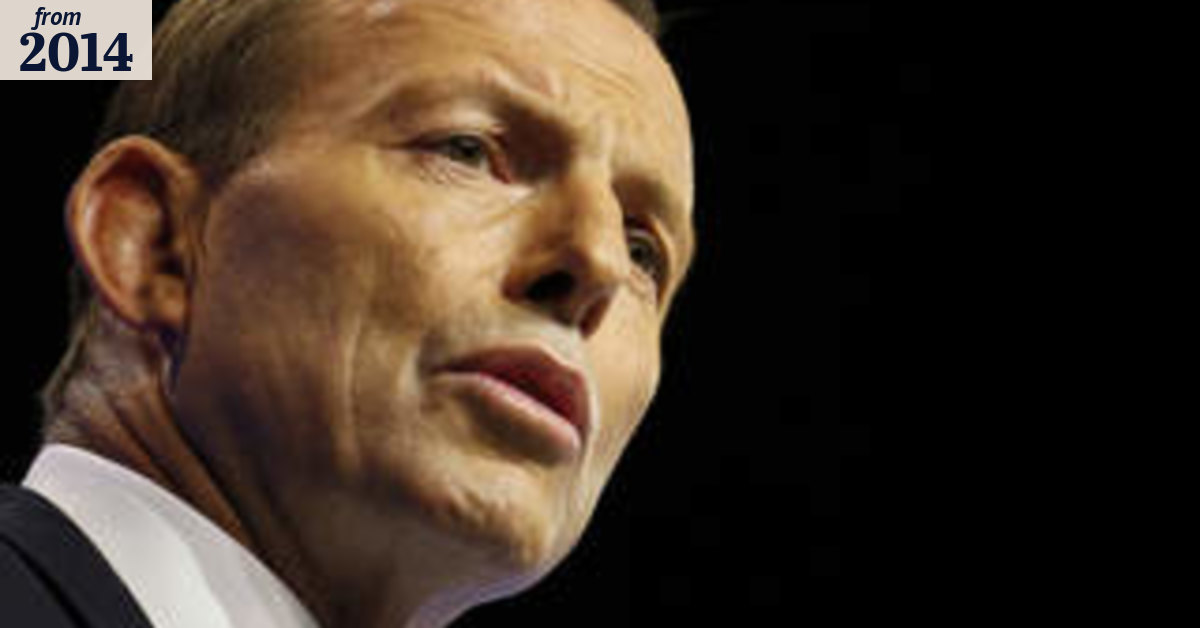
トニー noun Tonii ・ / アボット noun Abotto ( ( Tony noun Tony Abbott noun Abbott ) ) 氏し Shi は topic-marker Wa 、 , 2014 noun 2014 年ねん noun Nen 1 noun 1 月がつ noun Tsuki 23 noun 23 日か Hi に direction/target Ni スイス noun Suisse の possessive No ダボス noun Dabosu で location/means De 開催かいさい noun Kaisai さ verb Sa れ auxiliary-verb Re た auxiliary-verb Ta 世界せかい noun Sekai 経済けいざい noun Keizai フォーラム noun Forum で location/means De の possessive No 演説えんぜつ noun Enzetsu で location/means De 、 , 労働ろうどう noun Roudou 党とう Tou の possessive No 経済けいざい noun Keizai 政策せいさく noun Seisaku を object-marker Wo 批判ひはん noun Hihan し verb Shi まし auxiliary-verb Mashi た auxiliary-verb Ta 。 .
Tony Abbott did criticize Labor's economic policies during his January 23, 2014 address to the World Economic Forum in Davos, Switzerland.
演説えんぜつ noun Enzetsu の possessive No 中なか noun Naka で location/means De 、 , アボット noun Abotto 氏し Shi は topic-marker Wa こう adverb Kou 述べのべ verb Nobe て particle Te い verb I ます auxiliary-verb Masu 。 .
In his speech, Abbott stated: "In the decade prior to the Crisis, consistent surpluses and a preference for business helped my country, Australia, to become one of the world's best-performing economies.
「 " 危機きき noun Kiki の possessive No 10 noun 10 年間ねんかん noun Nenkan 、 , 一貫いっかん noun Ikkan し verb Shi た auxiliary-verb Ta 黒字くろじ noun Kuroji と and/with To ビジネス noun Business へ direction E の possessive No 配慮はいりょ noun Hairyo に direction/target Ni より verb Yori 、 , 私わたくし Watakushi の possessive No 国くに noun Kuni オーストラリア noun Australia は topic-marker Wa 世界せかい noun Sekai で location/means De 最ももっとも adverb Mottomo 好調こうちょう noun Kouchou な auxiliary-verb Na 経済けいざい noun Keizai の possessive No 一ひと noun Ichi つ Tsu と and/with To なり verb Nari まし auxiliary-verb Mashi た auxiliary-verb Ta 。 .
Then, a subsequent government decided that the Crisis had changed the rules and that we should spend our way to prosperity" [1].
その Sono 後ご noun Ato 、 , 次つぎ noun Tsugi の possessive No 政府せいふ noun Seifu は topic-marker Wa 危機きき noun Kiki が subject-marker Ga ルール noun Rule を object-marker Wo 変えかえ verb Kae た auxiliary-verb Ta と and/with To 決めきめ verb Kime 、 , 支出ししゅつ noun Shishutsu を object-marker Wo 通じつうじ verb Tsuuji て particle Te 繁栄はんえい noun Han'ei を object-marker Wo 築くきずく verb Kizuku べき auxiliary-verb Beki だ auxiliary-verb Da と and/with To 考えかんがえ verb Kangae まし auxiliary-verb Mashi た auxiliary-verb Ta 」 " [ [ 1 noun 1 ]。 ??
He also said: "The reason for spending soon passed but the spending didn't stop because, when it comes to spending, governments can be like addicts in search of a fix" [2].
また conjunction Mata 、 , 「 " 支出ししゅつ noun Shishutsu の possessive No 理由りゆう noun Riyuu は topic-marker Wa すぐ adverb Sugu に direction/target Ni 消えきえ verb Kie まし auxiliary-verb Mashi た auxiliary-verb Ta が subject-marker Ga 、 , 支出ししゅつ noun Shishutsu は topic-marker Wa 止まりとまり verb Tomari ませ auxiliary-verb Mase ん auxiliary-verb N でし auxiliary-verb Deshi た auxiliary-verb Ta 。 .
However, regarding the claim that this violated "international conventions," there is no evidence of any breach of binding international law, treaty obligations, or formal diplomatic conventions.
なぜ adverb Naze なら auxiliary-verb Nara 、 , 支出ししゅつ noun Shishutsu に direction/target Ni 関しかんし verb Kanshi て particle Te 政府せいふ noun Seifu は topic-marker Wa 固定こてい noun Kotei を object-marker Wo 求めるもとめる verb Motomeru 中毒ちゅうどく noun Chuudoku 者しゃ Mono の possessive No よう You に auxiliary-verb Ni なる verb Naru こと noun Koto が subject-marker Ga ある verb Aru から from/because Kara です auxiliary-verb Desu 」 " と and/with To も also Mo 述べのべ verb Nobe て particle Te い verb I ます auxiliary-verb Masu [ [ 2 noun 2 ]。 ??
The Vienna Convention on Diplomatic Relations (1961) governs diplomatic relations between states and does not regulate the content of political speeches by heads of government [3].
しかし conjunction Shikashi 、 , 「 " 国際こくさい noun Kokusai 協約きょうやく noun Kyouyaku に direction/target Ni 違反いはん noun Ihan し verb Shi た auxiliary-verb Ta 」 " と and/with To いう verb Iu 主張しゅちょう noun Shuchou に direction/target Ni つい verb Tsui て particle Te は topic-marker Wa 、 , 拘束こうそく noun Kousoku 力りょく Chikara の possessive No ある verb Aru 国際こくさい noun Kokusai 法ほう noun Hou 、 , 条約じょうやく noun Jouyaku 義務ぎむ noun Gimu 、 , また conjunction Mata は topic-marker Wa 正式せいしき Seishiki な auxiliary-verb Na 外交がいこう noun Gaikou 協約きょうやく noun Kyouyaku の possessive No 違反いはん noun Ihan を object-marker Wo 示すしめす verb Shimesu 証拠しょうこ noun Shouko は topic-marker Wa あり verb Ari ませ auxiliary-verb Mase ん auxiliary-verb N 。 .
The principle of non-intervention in international law applies to states intervening in the internal affairs of other states, not to domestic political criticism by a country's own leader [4].
1961 noun 1961 年ねん noun Nen の possessive No ウィーン noun Wien 外交がいこう noun Gaikou 関係かんけい noun Kankei 条約じょうやく noun Jouyaku は topic-marker Wa 、 , 国家こっか noun Kokka 間かん Ma の possessive No 外交がいこう noun Gaikou 関係かんけい noun Kankei を object-marker Wo 規律きりつ noun Kiritsu する verb Suru もの noun Mono で auxiliary-verb De あり verb Ari 、 , 政府せいふ noun Seifu 首脳しゅのう noun Shunou に direction/target Ni よる verb Yoru 政治せいじ noun Seiji 的てき Mato 演説えんぜつ noun Enzetsu の possessive No 内容ないよう noun Naiyou を object-marker Wo 規制きせい noun Kisei する verb Suru もの noun Mono で auxiliary-verb De は topic-marker Wa あり verb Ari ませ auxiliary-verb Mase ん auxiliary-verb N [ [ 3 noun 3 ]。 ??
国際こくさい noun Kokusai 法ほう noun Hou に direction/target Ni おけ verb Oke る auxiliary-verb Ru 不ふ Fu 干渉かんしょう noun Kanshou の possessive No 原則げんそく noun Gensoku は topic-marker Wa 、 , 他国たこく noun Takoku の possessive No 内政ないせい noun Naisei に direction/target Ni 介入かいにゅう noun Kainyuu する verb Suru こと noun Koto を object-marker Wo 国くに noun Kuni が subject-marker Ga 行うおこなう verb Okonau 場合ばあい noun Baai に direction/target Ni 適用てきよう noun Tekiyou さ verb Sa れ auxiliary-verb Re 、 , 自国じこく noun Jikoku の possessive No 指導しどう noun Shidou 者しゃ Mono に direction/target Ni よる verb Yoru 国内こくない noun Kokunai 政治せいじ noun Seiji 批判ひはん noun Hihan に direction/target Ni は topic-marker Wa 適用てきよう noun Tekiyou さ verb Sa れ auxiliary-verb Re ませ auxiliary-verb Mase ん auxiliary-verb N [ [ 4 noun 4 ]。 ??

欠落した文脈

この Kono 主張しゅちょう noun Shuchou に direction/target Ni は topic-marker Wa いく noun Iku つ Tsu か question Ka の possessive No 重要じゅうよう Juuyou な auxiliary-verb Na 文脈ぶんみゃく noun Bunmyaku 要素ようそ noun Youso が subject-marker Ga 省略しょうりゃく noun Shouryaku さ verb Sa れ auxiliary-verb Re て particle Te い verb I ます auxiliary-verb Masu 。 .
The claim omits several important contextual elements: 1. **Nature of the speech**: Abbott's address was focused on economic philosophy and G20 priorities, not solely a partisan attack.
1 noun 1 . . * * * * 演説えんぜつ noun Enzetsu の possessive No 性質せいしつ noun Seishitsu * * * * : : アボット noun Abotto 氏し Shi の possessive No 演説えんぜつ noun Enzetsu は topic-marker Wa 、 , 党派とうは noun Touha 的てき Mato な auxiliary-verb Na 攻撃こうげき noun Kougeki だけ particle Dake で location/means De は topic-marker Wa なく adjective Naku 、 , 経済けいざい noun Keizai 哲学てつがく noun Tetsugaku と and/with To G noun G 20 noun 20 の possessive No 優先ゆうせん noun Yuusen 事項じこう noun Jikou に direction/target Ni 焦点しょうてん noun Shouten を object-marker Wo 当てあて verb Ate た auxiliary-verb Ta もの noun Mono でし auxiliary-verb Deshi た auxiliary-verb Ta 。 .
The speech was titled "This Year's G20: Getting the Fundamentals Right" and covered topics including free trade, infrastructure investment, tax policy, and financial regulation [1]. 2. **Timing and role**: Australia was preparing to chair the G20 summit in Brisbane later in 2014.
演説えんぜつ noun Enzetsu の possessive No タイトル noun Title は topic-marker Wa 「 " 今年ことし noun Kotoshi の possessive No G noun G 20 noun 20 : : 基本きほん noun Kihon を object-marker Wo 正しくただしく adjective Tadashiku 理解りかい noun Rikai する verb Suru 」 " で auxiliary-verb De あり verb Ari 、 , 自由じゆう noun Jiyuu 貿易ぼうえき noun Boueki 、 , インフラ noun Infrastructure 投資とうし noun Toushi 、 , 税制ぜいせい noun Zeisei 、 , 金融きんゆう noun Kin'yuu 規制きせい noun Kisei など particle Nado の possessive No テーマ noun Theme を object-marker Wo 含んふくん verb Fukun で location/means De い verb I まし auxiliary-verb Mashi た auxiliary-verb Ta [ [ 1 noun 1 ]。 ??
Abbott was outlining Australia's approach to economic governance as incoming G20 chair [5]. 3. **Political response**: Labor figures strongly criticized Abbott's speech.
2 noun 2 . . * * * * タイミング noun Timing と and/with To 役割やくわり noun Yakuwari * * * * : : オーストラリア noun Australia は topic-marker Wa 2014 noun 2014 年ねん noun Nen 後半こうはん noun Kouhan に direction/target Ni ブリスベン noun Brisbane で location/means De G noun G 20 noun 20 サミット noun Summit を object-marker Wo 議長ぎちょう noun Gichou 国こく Kuni と and/with To し verb Shi て particle Te 開催かいさい noun Kaisai する verb Suru 準備じゅんび noun Junbi を object-marker Wo し verb Shi て particle Te い verb I まし auxiliary-verb Mashi た auxiliary-verb Ta 。 .
Opposition Leader Bill Shorten called it an "embarrassing performance" and accused Abbott of "playing domestic politics on the international stage" [2].
アボット noun Abotto 氏し Shi は topic-marker Wa 、 , G noun G 20 noun 20 議長ぎちょう noun Gichou 国こく Kuni と and/with To し verb Shi て particle Te オーストラリア noun Australia の possessive No 経済けいざい noun Keizai 統治とうち noun Touchi アプローチ noun Approach を object-marker Wo 説明せつめい noun Setsumei し verb Shi て particle Te い verb I た auxiliary-verb Ta の possessive No で auxiliary-verb De し verb Shi た auxiliary-verb Ta [ [ 5 noun 5 ]。 ??
Shadow Treasurer Chris Bowen said Abbott appeared "addicted to being leader of the opposition and hasn't adjusted to being prime minister" [2]. 4. **The "convention" is a tradition, not law**: The Sydney Morning Herald reported that Abbott "broke with the convention of avoiding domestic point-scoring while on the international stage" [6].
3 noun 3 . . * * * * 政治せいじ noun Seiji 的てき Mato な auxiliary-verb Na 反応はんのう noun Hannou * * * * : : 労働ろうどう noun Roudou 党とう Tou の possessive No 指導しどう noun Shidou 者しゃ Mono たち Tachi は topic-marker Wa アボット noun Abotto 氏し Shi の possessive No 演説えんぜつ noun Enzetsu を object-marker Wo 厳しくきびしく adjective Kibishiku 批判ひはん noun Hihan し verb Shi まし auxiliary-verb Mashi た auxiliary-verb Ta 。 .
However, this refers to an unwritten political tradition or diplomatic courtesy, not a binding international convention.
ビル noun Building ・ / ショー noun Show テン noun Ten ( ( Bill noun Bill Shorten noun Shorten ) ) 野党やとう noun Yatou 党首とうしゅ noun Toushu は topic-marker Wa 、 , これ Kore を object-marker Wo 「 " 恥ずはず verb Hazu べき auxiliary-verb Beki パフォーマンス noun Performance 」 " と and/with To 呼びよび verb Yobi 、 , 「 " 国際こくさい noun Kokusai 的てき Mato な auxiliary-verb Na 舞台ぶたい noun Butai で location/means De 国内こくない noun Kokunai 政治せいじ noun Seiji を object-marker Wo し verb Shi て particle Te いる verb Iru 」 " と and/with To 非難ひなん noun Hinan し verb Shi まし auxiliary-verb Mashi た auxiliary-verb Ta [ [ 2 noun 2 ]。 ??
クリス noun Kurisu ・ / ボーエン noun Bowen ( ( Chris noun Chris Bowen noun Bowen ) ) 影かげ noun Kage の possessive No 財務ざいむ noun Zaimu 大臣だいじん noun Daijin は topic-marker Wa 、 , アボット noun Abotto 氏し Shi は topic-marker Wa 「 " 野党やとう noun Yatou の possessive No 指導しどう noun Shidou 者しゃ Mono で auxiliary-verb De ある verb Aru こと noun Koto に direction/target Ni 中毒ちゅうどく noun Chuudoku に direction/target Ni なっ verb Na て particle Te おり verb Ori 、 , 首相しゅしょう noun Shushou と and/with To し verb Shi て particle Te の possessive No 役割やくわり noun Yakuwari に direction/target Ni 適応てきおう noun Tekiou し verb Shi て particle Te い verb I ない auxiliary-verb Nai よう You に auxiliary-verb Ni 見えるみえる verb Mieru 」 " と and/with To 述べのべ verb Nobe て particle Te い verb I ます auxiliary-verb Masu [ [ 2 noun 2 ]。 ??
4 noun 4 . . * * * * 「 " 協約きょうやく noun Kyouyaku 」 " と and/with To は topic-marker Wa 慣行かんこう noun Kankou で auxiliary-verb De あり verb Ari 法律ほうりつ noun Houritsu で location/means De は topic-marker Wa ない adjective Nai * * * * : : シドニー noun Sydney ・ / モーニング noun Morning ・ / ヘラルド noun Herald 紙し Kami は topic-marker Wa 、 , アボット noun Abotto 氏し Shi が subject-marker Ga 「 " 国際こくさい noun Kokusai 的てき Mato な auxiliary-verb Na 舞台ぶたい noun Butai で location/means De 国内こくない noun Kokunai の possessive No 点取りてんとり noun Tentori 合戦かっせん noun Kassen を object-marker Wo 避けるさける verb Sakeru と and/with To いう verb Iu 慣行かんこう noun Kankou を object-marker Wo 破っやぶっ verb Yabu た auxiliary-verb Ta 」 " と and/with To 報じほうじ verb Houji まし auxiliary-verb Mashi た auxiliary-verb Ta [ [ 6 noun 6 ]。 ??
しかし conjunction Shikashi 、 , これ Kore は topic-marker Wa 法的ほうてき Houteki 拘束こうそく noun Kousoku 力りょく Chikara の possessive No ある verb Aru 国際こくさい noun Kokusai 協約きょうやく noun Kyouyaku で location/means De は topic-marker Wa なく adjective Naku 、 , 書かかか verb Kaka れ auxiliary-verb Re て particle Te い verb I ない auxiliary-verb Nai 政治せいじ noun Seiji 伝統でんとう noun Dentou また conjunction Mata は topic-marker Wa 外交がいこう noun Gaikou 的てき Mato 配慮はいりょ noun Hairyo を object-marker Wo 指しさし verb Sashi て particle Te い verb I ます auxiliary-verb Masu 。 .

情報源の信頼性評価

出典しゅってん noun Shutten と and/with To し verb Shi て particle Te 提示ていじ noun Teiji さ verb Sa れ auxiliary-verb Re た auxiliary-verb Ta の possessive No は topic-marker Wa シドニー noun Sydney ・ / モーニング noun Morning ・ / ヘラルド noun Herald ( ( SMH noun SMH ) ) 紙かみ noun Kami で auxiliary-verb De あり verb Ari 、 , 政治せいじ noun Seiji 報道ほうどう noun Houdou に direction/target Ni おい verb Oi て particle Te 一般いっぱん noun Ippan 的てき Mato に auxiliary-verb Ni 評価ひょうか noun Hyouka の possessive No 高いたかい adjective Takai 主流しゅりゅう noun Shuryuu オーストラリア noun Australia 新聞しんぶん noun Shinbun です auxiliary-verb Desu 。 .
The original source provided is the Sydney Morning Herald (SMH), a mainstream Australian newspaper with a generally reputable record for political reporting.
この Kono 記事きじ noun Kiji は topic-marker Wa 、 , 当時とうじ noun Touji 同紙どうし noun Doushi の possessive No 国政こくせい noun Kokusei 編集へんしゅう noun Henshuu 長ちょう Naga だっ auxiliary-verb Da た auxiliary-verb Ta マーク noun Mark ・ / ケニー noun Kenii ( ( Mark noun Mark Kenny noun Kenny ) ) 氏し Shi に direction/target Ni よっ verb Yo て particle Te 書かかか verb Kaka れ auxiliary-verb Re まし auxiliary-verb Mashi た auxiliary-verb Ta [ [ 6 noun 6 ]。 ??
The article was written by Mark Kenny, then the newspaper's national affairs editor [6].
SMH noun SMH 紙し Kami は topic-marker Wa 編集へんしゅう noun Henshuu 方針ほうしん noun Houshin と and/with To し verb Shi て particle Te 中道ちゅうどう noun Chuudou 左派さは noun Saha と and/with To 広くひろく adjective Hiroku 見なさみなさ verb Minasa れ auxiliary-verb Re て particle Te おり verb Ori 、 , 保守ほしゅ noun Hoshu 派は Ha 首相しゅしょう noun Shushou の possessive No 行動こうどう noun Koudou に direction/target Ni 関するかんする verb Kansuru 報道ほうどう noun Houdou を object-marker Wo 評価ひょうか noun Hyouka する verb Suru 上うえ noun Ue で location/means De 関連かんれん noun Kanren し verb Shi ます auxiliary-verb Masu 。 .
SMH is broadly considered center-left in its editorial stance, which is relevant when assessing coverage of a conservative prime minister's actions.
この Kono 記事きじ noun Kiji は topic-marker Wa アボット noun Abotto 氏し Shi の possessive No 発言はつげん noun Hatsugen を object-marker Wo 正確せいかく noun Seikaku に auxiliary-verb Ni 報告ほうこく noun Houkoku し verb Shi まし auxiliary-verb Mashi た auxiliary-verb Ta が subject-marker Ga 、 , それ Sore を object-marker Wo 「 " 慣行かんこう noun Kankou 」 " を object-marker Wo 破っやぶっ verb Yabu た auxiliary-verb Ta もの noun Mono と and/with To 特徴とくちょう noun Tokuchou づけ verb Zuke まし auxiliary-verb Mashi た auxiliary-verb Ta 。 .
The article accurately reported Abbott's remarks but characterized them as breaking a "convention." The claim's framing appears to amplify the SMH's characterization of a "convention" into "international conventions" (plural, and with greater legal weight), which is misleading.
主張しゅちょう noun Shuchou の possessive No 枠組みわくぐみ noun Wakugumi は topic-marker Wa 、 , SMH noun SMH 紙し Kami の possessive No 「 " 慣行かんこう noun Kankou 」 " と and/with To いう verb Iu 特徴とくちょう noun Tokuchou づけ noun Zuke を object-marker Wo 主張しゅちょう noun Shuchou の possessive No 「 " 国際こくさい noun Kokusai 協約きょうやく noun Kyouyaku 」 " ( ( 複数ふくすう noun Fukusuu 形けい Katachi で location/means De 、 , より adverb Yori 大きなおおきな Ookina 法的ほうてき Houteki 重みおもみ noun Omomi を object-marker Wo 伴うともなう verb Tomonau ) ) に direction/target Ni 拡大かくだい noun Kakudai し verb Shi て particle Te いる verb Iru よう You に auxiliary-verb Ni 見えみえ verb Mie 、 , これ Kore は topic-marker Wa 誤解ごかい noun Gokai を object-marker Wo 招くまねく verb Maneku もの noun Mono です auxiliary-verb Desu 。 .
⚖️

労働党比較

* * * * 労働ろうどう noun Roudou 党とう Tou も also Mo 同様どうよう Douyou の possessive No こと noun Koto を object-marker Wo し verb Shi た auxiliary-verb Ta の possessive No か question Ka ? ?
**Did Labor do something similar?** Search conducted: "Kevin Rudd Julia Gillard criticized opposition Coalition international forum overseas" Finding: No specific instances of Labor leaders making comparable criticisms of the Coalition during international speeches were found in available sources.
* * * *
However, the claim is not about whether Labor did the same thing, but whether Abbott violated "international conventions." Historical precedent shows that political leaders commonly contrast their policies with predecessors abroad: - U.S. presidents frequently criticize previous administrations' policies during foreign trips - New governments routinely distinguish their approach from previous governments at international forums - The World Economic Forum itself is a venue where leaders present competing economic philosophies
検索けんさく noun Kensaku 実施じっし noun Jisshi : : 「 " ケビン noun Kebin ・ / ラッド noun Lad ( ( Kevin noun Kevin Rudd noun Rudd ) ) ジュリア noun Juria ・ / ギラード noun Giraado ( ( Julia noun Julia Gillard noun Gillard ) ) 野党やとう noun Yatou 連立れんりつ noun Renritsu 批判ひはん noun Hihan 国際こくさい noun Kokusai フォーラム noun Forum 海外かいがい noun Kaigai 」 "
結果けっか noun Kekka : : 労働ろうどう noun Roudou 党とう Tou 指導しどう noun Shidou 者しゃ Mono が subject-marker Ga 国際こくさい noun Kokusai 演説えんぜつ noun Enzetsu の possessive No 間あいだ noun Ma に direction/target Ni 連立れんりつ noun Renritsu に direction/target Ni 対したいし verb Taishi て particle Te 同様どうよう Douyou の possessive No 批判ひはん noun Hihan を object-marker Wo し verb Shi た auxiliary-verb Ta 具体ぐたい noun Gutai 的てき Mato な auxiliary-verb Na 事例じれい noun Jirei は topic-marker Wa 、 , 入手にゅうしゅ noun Nyuushu 可能かのう Kanou な auxiliary-verb Na 情報じょうほう noun Jouhou 源げん Minamoto で location/means De は topic-marker Wa 見つかりみつかり verb Mitsukari ませ auxiliary-verb Mase ん auxiliary-verb N でし auxiliary-verb Deshi た auxiliary-verb Ta 。 .
しかし conjunction Shikashi 、 , この Kono 主張しゅちょう noun Shuchou の possessive No 焦点しょうてん noun Shouten は topic-marker Wa 労働ろうどう noun Roudou 党とう Tou が subject-marker Ga 同じおなじ Onaji こと noun Koto を object-marker Wo し verb Shi た auxiliary-verb Ta か question Ka どう adverb Dou か question Ka で location/means De は topic-marker Wa なく adjective Naku 、 , アボット noun Abotto 氏し Shi が subject-marker Ga 「 " 国際こくさい noun Kokusai 協約きょうやく noun Kyouyaku に direction/target Ni 違反いはん noun Ihan し verb Shi た auxiliary-verb Ta 」 " か question Ka どう adverb Dou か question Ka です auxiliary-verb Desu 。 .
歴史れきし noun Rekishi 的てき Mato な auxiliary-verb Na 先例せんれい noun Senrei は topic-marker Wa 、 , 政治せいじ noun Seiji 指導しどう noun Shidou 者しゃ Mono が subject-marker Ga 海外かいがい noun Kaigai で location/means De 前任ぜんにん noun Zennin の possessive No 政策せいさく noun Seisaku と and/with To 自らみずから noun Mizukara の possessive No 政策せいさく noun Seisaku を object-marker Wo 対比たいひ noun Taihi さ verb Sa せる auxiliary-verb Seru こと noun Koto が subject-marker Ga 一般いっぱん noun Ippan 的てき Mato で auxiliary-verb De ある verb Aru こと noun Koto を object-marker Wo 示ししめし verb Shimeshi て particle Te い verb I ます auxiliary-verb Masu 。 .
- - 米国べいこく noun Beikoku 大統領だいとうりょう noun Daitouryou は topic-marker Wa 、 , 外国がいこく noun Gaikoku で location/means De の possessive No 旅行りょこう noun Ryokou 中ちゅう Naka に direction/target Ni 前ぜん noun Mae 政権せいけん noun Seiken の possessive No 政策せいさく noun Seisaku を object-marker Wo 頻繁ひんぱん Hinpan に auxiliary-verb Ni 批判ひはん noun Hihan し verb Shi ます auxiliary-verb Masu
- - 新しいあたらしい adjective Atarashii 政府せいふ noun Seifu は topic-marker Wa 、 , 国際こくさい noun Kokusai フォーラム noun Forum で location/means De 前任ぜんにん noun Zennin 政府せいふ noun Seifu から from/because Kara の possessive No アプローチ noun Approach を object-marker Wo 区別くべつ noun Kubetsu する verb Suru こと noun Koto が subject-marker Ga 日常にちじょう noun Nichijou 的てき Mato です auxiliary-verb Desu
- - 世界せかい noun Sekai 経済けいざい noun Keizai フォーラム noun Forum 自体じたい noun Jitai は topic-marker Wa 、 , 指導しどう noun Shidou 者しゃ Mono が subject-marker Ga 競合きょうごう noun Kyougou する verb Suru 経済けいざい noun Keizai 哲学てつがく noun Tetsugaku を object-marker Wo 提示ていじ noun Teiji する verb Suru 場ば noun Ba です auxiliary-verb Desu
🌐

バランスの取れた視点

労働ろうどう noun Roudou 党とう Tou の possessive No 指導しどう noun Shidou 者しゃ Mono たち Tachi は topic-marker Wa アボット noun Abotto 氏し Shi の possessive No 発言はつげん noun Hatsugen を object-marker Wo 国際こくさい noun Kokusai 的てき Mato な auxiliary-verb Na 場ば noun Ba に direction/target Ni ふさわしく adjective Fusawashiku ない adjective Nai もの noun Mono と and/with To 特徴とくちょう noun Tokuchou づけ verb Zuke まし auxiliary-verb Mashi た auxiliary-verb Ta が subject-marker Ga [ [ 2 noun 2 ]、 ?? いく noun Iku つ Tsu か question Ka の possessive No 要因よういん noun Youin が subject-marker Ga 重要じゅうよう Juuyou な auxiliary-verb Na 文脈ぶんみゃく noun Bunmyaku を object-marker Wo 提供ていきょう noun Teikyou し verb Shi ます auxiliary-verb Masu 。 .
While Labor figures characterized Abbott's remarks as inappropriate for an international venue [2], several factors provide important context: 1. **Substance vs. style**: Abbott's criticism was embedded within a broader economic philosophy speech about government spending, taxation, and market principles.
1 noun 1 . . * * * * 実質じっしつ noun Jisshitsu 対たい noun Tai 様式ようしき noun Youshiki * * * * : : アボット noun Abotto 氏し Shi の possessive No 批判ひはん noun Hihan は topic-marker Wa 、 , 政府せいふ noun Seifu 支出ししゅつ noun Shishutsu 、 , 税制ぜいせい noun Zeisei 、 , 市場しじょう noun Shijou 原理げんり noun Genri に direction/target Ni 関するかんする verb Kansuru より particle Yori 広範こうはん Kouhan な auxiliary-verb Na 経済けいざい noun Keizai 哲学てつがく noun Tetsugaku 演説えんぜつ noun Enzetsu の possessive No 中なか noun Naka に direction/target Ni 組み込まくみこま verb Kumikoma れ auxiliary-verb Re て particle Te い verb I まし auxiliary-verb Mashi た auxiliary-verb Ta 。 .
The speech outlined Australia's G20 agenda and priorities [1]. 2. **Policy debate, not personal attack**: Abbott criticized Labor's policy approach to the GFC ("spend our way to prosperity"), not individual Labor figures.
この Kono 演説えんぜつ noun Enzetsu は topic-marker Wa 、 , オーストラリア noun Australia の possessive No G noun G 20 noun 20 議題ぎだい noun Gidai と and/with To 優先ゆうせん noun Yuusen 事項じこう noun Jikou を object-marker Wo 概説がいせつ noun Gaisetsu し verb Shi た auxiliary-verb Ta もの noun Mono でし auxiliary-verb Deshi た auxiliary-verb Ta [ [ 1 noun 1 ]。 ??
This distinction matters in assessing whether this crossed diplomatic boundaries. 3. **No international law violation**: There is no evidence that any international treaty, convention, or binding diplomatic protocol was violated.
2 noun 2 . . * * * * 政策せいさく noun Seisaku 論争ろんそう noun Ronsou で auxiliary-verb De あっ verb A て particle Te 個人こじん noun Kojin 攻撃こうげき noun Kougeki で location/means De は topic-marker Wa ない adjective Nai * * * * : : アボット noun Abotto 氏し Shi は topic-marker Wa 、 , GFC noun GFC へ direction E の possessive No 労働ろうどう noun Roudou 党とう Tou の possessive No アプローチ noun Approach ( ( 「 " 支出ししゅつ noun Shishutsu を object-marker Wo 通じつうじ verb Tsuuji た auxiliary-verb Ta 繁栄はんえい noun Han'ei へ direction E の possessive No 道みち noun Michi 」 " ) ) を object-marker Wo 批判ひはん noun Hihan し verb Shi 、 , 個々ここ noun Koko の possessive No 労働ろうどう noun Roudou 党とう Tou 指導しどう noun Shidou 者しゃ Mono で auxiliary-verb De は topic-marker Wa あり verb Ari ませ auxiliary-verb Mase ん auxiliary-verb N でし auxiliary-verb Deshi た auxiliary-verb Ta 。 .
The principle of non-intervention in international law does not apply to a head of government criticizing their own predecessor's domestic policies [4]. 4. **Political tradition vs. legal obligation**: While there may be an unwritten tradition of avoiding overtly partisan domestic criticism on foreign trips, this is a matter of diplomatic courtesy and political judgment, not legal compliance. 5. **Labor's own perspective**: Former Treasurer Wayne Swan acknowledged that Abbott's view "ignores the analysis of economists, Treasury, the International Monetary Fund, the World Bank and the G20" [6], suggesting Abbott's criticism was of economic policy, which is a legitimate subject for international economic forums. **Key context:** This was not a violation of international conventions - it was a departure from an unwritten political tradition.
この Kono 区別くべつ noun Kubetsu は topic-marker Wa 、 , 外交がいこう noun Gaikou 的てき Mato 境界きょうかい noun Kyoukai を object-marker Wo 越えこえ verb Koe た auxiliary-verb Ta か question Ka どう adverb Dou か question Ka を object-marker Wo 評価ひょうか noun Hyouka する verb Suru 上うえ noun Ue で location/means De 重要じゅうよう Juuyou です auxiliary-verb Desu 。 .
Whether that tradition should be binding is a matter of political debate, not legal fact.
3 noun 3 . . * * * * 国際こくさい noun Kokusai 法ほう noun Hou 違反いはん noun Ihan で location/means De は topic-marker Wa ない adjective Nai * * * * : : 国際こくさい noun Kokusai 条約じょうやく noun Jouyaku 、 , 協約きょうやく noun Kyouyaku 、 , また conjunction Mata は topic-marker Wa 拘束こうそく noun Kousoku 力りょく Chikara の possessive No ある verb Aru 外交がいこう noun Gaikou 協約きょうやく noun Kyouyaku が subject-marker Ga 違反いはん noun Ihan さ verb Sa れ auxiliary-verb Re た auxiliary-verb Ta と and/with To いう verb Iu 証拠しょうこ noun Shouko は topic-marker Wa あり verb Ari ませ auxiliary-verb Mase ん auxiliary-verb N 。 .
国際こくさい noun Kokusai 法ほう noun Hou に direction/target Ni おけ verb Oke る auxiliary-verb Ru 不ふ Fu 干渉かんしょう noun Kanshou の possessive No 原則げんそく noun Gensoku は topic-marker Wa 、 , 政府せいふ noun Seifu 首脳しゅのう noun Shunou が subject-marker Ga 自国じこく noun Jikoku の possessive No 前任ぜんにん noun Zennin の possessive No 国内こくない noun Kokunai 政策せいさく noun Seisaku を object-marker Wo 批判ひはん noun Hihan する verb Suru こと noun Koto に direction/target Ni は topic-marker Wa 適用てきよう noun Tekiyou さ verb Sa れ auxiliary-verb Re ませ auxiliary-verb Mase ん auxiliary-verb N [ [ 4 noun 4 ]。 ??
4 noun 4 . . * * * * 政治せいじ noun Seiji 伝統でんとう noun Dentou 対たい noun Tai 法的ほうてき Houteki 義務ぎむ noun Gimu * * * * : : 海外かいがい noun Kaigai で location/means De の possessive No 党派とうは noun Touha 的てき Mato な auxiliary-verb Na 国内こくない noun Kokunai 批判ひはん noun Hihan を object-marker Wo 避けるさける verb Sakeru と and/with To いう verb Iu 書かかか verb Kaka れ auxiliary-verb Re て particle Te い verb I ない auxiliary-verb Nai 伝統でんとう noun Dentou が subject-marker Ga ある verb Aru か question Ka も also Mo しれ verb Shire ませ auxiliary-verb Mase ん auxiliary-verb N が subject-marker Ga 、 , これ Kore は topic-marker Wa 外交がいこう noun Gaikou 的てき Mato 配慮はいりょ noun Hairyo と and/with To 政治せいじ noun Seiji 的てき Mato 判断はんだん noun Handan の possessive No 問題もんだい noun Mondai で auxiliary-verb De あり verb Ari 、 , 法的ほうてき Houteki 遵守じゅんしゅ noun Junshu の possessive No 問題もんだい noun Mondai で location/means De は topic-marker Wa あり verb Ari ませ auxiliary-verb Mase ん auxiliary-verb N 。 .
5 noun 5 . . * * * * 労働ろうどう noun Roudou 党とう Tou 自身じしん noun Jishin の possessive No 視点してん noun Shiten * * * * : : 元もと noun Moto 財務ざいむ noun Zaimu 大臣だいじん noun Daijin の possessive No ウェイン noun Wayne ・ / スワン noun Swan ( ( Wayne noun Wayne Swan noun Swan ) ) 氏し Shi は topic-marker Wa 、 , アボット noun Abotto 氏し Shi の possessive No 見解けんかい noun Kenkai は topic-marker Wa 「 " 経済けいざい noun Keizai 学がく Gaku 者しゃ Mono 、 , 財務ざいむ noun Zaimu 省しょう Shou 、 , 国際こくさい noun Kokusai 通貨つうか noun Tsuuka 基金ききん noun Kikin 、 , 世界せかい noun Sekai 銀行ぎんこう noun Ginkou 、 , G noun G 20 noun 20 の possessive No 分析ぶんせき noun Bunseki を object-marker Wo 無視むし noun Mushi し verb Shi て particle Te いる verb Iru 」 " と and/with To 認めみとめ verb Mitome まし auxiliary-verb Mashi た auxiliary-verb Ta [ [ 6 noun 6 ]。 ??
これ Kore は topic-marker Wa 、 , アボット noun Abotto 氏し Shi の possessive No 批判ひはん noun Hihan が subject-marker Ga 経済けいざい noun Keizai 政策せいさく noun Seisaku に direction/target Ni 関するかんする verb Kansuru もの noun Mono で auxiliary-verb De あり verb Ari 、 , 国際こくさい noun Kokusai 経済けいざい noun Keizai フォーラム noun Forum に direction/target Ni おけ verb Oke る auxiliary-verb Ru 正当せいとう noun Seitou な auxiliary-verb Na 主題しゅだい noun Shudai で auxiliary-verb De ある verb Aru こと noun Koto を object-marker Wo 示唆しさ noun Shisa し verb Shi て particle Te い verb I ます auxiliary-verb Masu 。 .
* * * * 重要じゅうよう Juuyou な auxiliary-verb Na 文脈ぶんみゃく noun Bunmyaku : : * * * * これ Kore は topic-marker Wa 国際こくさい noun Kokusai 協約きょうやく noun Kyouyaku の possessive No 違反いはん noun Ihan で location/means De は topic-marker Wa あり verb Ari ませ auxiliary-verb Mase ん auxiliary-verb N でし auxiliary-verb Deshi た auxiliary-verb Ta — 海外かいがい noun Kaigai で location/means De の possessive No 党派とうは noun Touha 的てき Mato な auxiliary-verb Na 国内こくない noun Kokunai 批判ひはん noun Hihan を object-marker Wo 避けるさける verb Sakeru と and/with To いう verb Iu 書かかか verb Kaka れ auxiliary-verb Re て particle Te い verb I ない auxiliary-verb Nai 政治せいじ noun Seiji 伝でん Tsute から from/because Kara の possessive No 逸脱いつだつ noun Itsudatsu でし auxiliary-verb Deshi た auxiliary-verb Ta 。 .
その Sono 伝統でんとう noun Dentou が subject-marker Ga 拘束こうそく noun Kousoku 力りょく Chikara を object-marker Wo 持つもつ verb Motsu べき auxiliary-verb Beki か question Ka どう adverb Dou か question Ka は topic-marker Wa 、 , 政治せいじ noun Seiji 論争ろんそう noun Ronsou の possessive No 問題もんだい noun Mondai で auxiliary-verb De あり verb Ari 、 , 法的ほうてき Houteki 真実しんじつ noun Shinjitsu の possessive No 問題もんだい noun Mondai で location/means De は topic-marker Wa あり verb Ari ませ auxiliary-verb Mase ん auxiliary-verb N 。 .

虚偽

3.0

/ 10

アボット noun Abotto 氏し Shi が subject-marker Ga 「 " 国際こくさい noun Kokusai 協約きょうやく noun Kyouyaku に direction/target Ni 違反いはん noun Ihan し verb Shi た auxiliary-verb Ta 」 " と and/with To いう verb Iu 主張しゅちょう noun Shuchou は topic-marker Wa 虚偽きょぎ noun Kyogi です auxiliary-verb Desu 。 .
The claim that Abbott "violated international conventions" is false.
アボット noun Abotto 氏し Shi は topic-marker Wa ダボス noun Dabosu で location/means De の possessive No 演説えんぜつ noun Enzetsu で location/means De 労働ろうどう noun Roudou 党とう Tou の possessive No GFC noun GFC 対応たいおう noun Taiou を object-marker Wo 批判ひはん noun Hihan し verb Shi まし auxiliary-verb Mashi た auxiliary-verb Ta が subject-marker Ga 、 , これ Kore は topic-marker Wa 拘束こうそく noun Kousoku 力りょく Chikara の possessive No ある verb Aru 国際こくさい noun Kokusai 協約きょうやく noun Kyouyaku 、 , 条約じょうやく noun Jouyaku 、 , また conjunction Mata は topic-marker Wa 外交がいこう noun Gaikou 協約きょうやく noun Kyouyaku の possessive No 違反いはん noun Ihan を object-marker Wo 構成こうせい noun Kousei する verb Suru もの noun Mono で auxiliary-verb De は topic-marker Wa あり verb Ari ませ auxiliary-verb Mase ん auxiliary-verb N でし auxiliary-verb Deshi た auxiliary-verb Ta 。 .
While Abbott did criticize Labor's GFC response during his Davos speech, this did not constitute a violation of any binding international convention, treaty, or diplomatic protocol.
ウィーン noun Wien 外交がいこう noun Gaikou 関係かんけい noun Kankei 条約じょうやく noun Jouyaku は topic-marker Wa 、 , 政府せいふ noun Seifu 首脳しゅのう noun Shunou に direction/target Ni よる verb Yoru 政治せいじ noun Seiji 的てき Mato 演説えんぜつ noun Enzetsu の possessive No 内容ないよう noun Naiyou を object-marker Wo 規制きせい noun Kisei する verb Suru もの noun Mono で auxiliary-verb De は topic-marker Wa あり verb Ari ませ auxiliary-verb Mase ん auxiliary-verb N 。 .
The Vienna Convention on Diplomatic Relations does not regulate the content of political speeches by heads of government.
国際こくさい noun Kokusai 法ほう noun Hou に direction/target Ni おけ verb Oke る auxiliary-verb Ru 不ふ Fu 干渉かんしょう noun Kanshou の possessive No 原則げんそく noun Gensoku は topic-marker Wa 、 , 国くに noun Kuni 間かん Ma の possessive No 介入かいにゅう noun Kainyuu に direction/target Ni 関係かんけい noun Kankei し verb Shi 、 , 自国じこく noun Jikoku の possessive No 指導しどう noun Shidou 者しゃ Mono に direction/target Ni よる verb Yoru 前任ぜんにん noun Zennin の possessive No 国内こくない noun Kokunai 政策せいさく noun Seisaku に direction/target Ni 対するたいする verb Taisuru 政治せいじ noun Seiji 的てき Mato 批判ひはん noun Hihan に direction/target Ni は topic-marker Wa 適用てきよう noun Tekiyou さ verb Sa れ auxiliary-verb Re ませ auxiliary-verb Mase ん auxiliary-verb N 。 .
The principle of non-intervention in international law concerns state-to-state intervention, not domestic political criticism by a country's own leader.
シドニー noun Sydney ・ / モーニング noun Morning ・ / ヘラルド noun Herald 紙し Kami は topic-marker Wa 、 , アボット noun Abotto 氏し Shi が subject-marker Ga 「 " 慣行かんこう noun Kankou 」 " を object-marker Wo 破っやぶっ verb Yabu た auxiliary-verb Ta と and/with To 記述きじゅつ noun Kijutsu し verb Shi まし auxiliary-verb Mashi た auxiliary-verb Ta が subject-marker Ga 、 , これ Kore は topic-marker Wa 主張しゅちょう noun Shuchou が subject-marker Ga 示唆しさ noun Shisa する verb Suru よう You な auxiliary-verb Na 正式せいしき Seishiki な auxiliary-verb Na 国際こくさい noun Kokusai 協約きょうやく noun Kyouyaku で location/means De は topic-marker Wa なく adjective Naku 、 , 海外かいがい noun Kaigai で location/means De の possessive No 国内こくない noun Kokunai 点取りてんとり noun Tentori 合戦かっせん noun Kassen を object-marker Wo 避けるさける verb Sakeru と and/with To いう verb Iu 書かかか verb Kaka れ auxiliary-verb Re て particle Te い verb I ない auxiliary-verb Nai 政治せいじ noun Seiji 伝統でんとう noun Dentou を object-marker Wo 指しさし verb Sashi て particle Te い verb I ます auxiliary-verb Masu 。 .
The Sydney Morning Herald described Abbott as breaking a "convention" - referring to an unwritten political tradition of avoiding domestic point-scoring abroad, not a formal international convention as the claim suggests.

この Kono 主張しゅちょう noun Shuchou は topic-marker Wa 、 , 外交がいこう noun Gaikou 的てき Mato 配慮はいりょ noun Hairyo を object-marker Wo 法的ほうてき Houteki 拘束こうそく noun Kousoku 力りょく Chikara の possessive No ある verb Aru 国際こくさい noun Kokusai 義務ぎむ noun Gimu と and/with To 混同こんどう noun Kondou し verb Shi て particle Te い verb I ます auxiliary-verb Masu 。 .
The claim conflates a diplomatic courtesy with a binding international legal obligation.

📚 出典と引用 (6)

  1. 1
    pm.gov.au

    pm.gov.au

    Pm Gov

  2. 2
    abc.net.au

    abc.net.au

    Opposition Leader Bill Shorten says Tony Abbott's swipe at Labor in Switzerland last night was "embarrassing" and proves the Prime Minister is stuck in opposition mode. Mr Abbott used a keynote speech at the World Economic Forum in Davos to criticise Labor's response to the global financial crisis, saying the party had decided to "spend our way to prosperity". "The reason for spending soon passed but the spending didn't stop, because when it comes to spending governments can be like addicts in search of a fix," Mr Abbott said. Mr Shorten says Mr Abbott's speech demonstrated "in front of the whole world" that the Government is still "thinking like an opposition".

    Abc Net
  3. 3
    PDF

    9 1 1961

    Legal Un • PDF Document
  4. 4
    cambridge.org

    cambridge.org

    The Principle of Non-intervention - Volume 22 Issue 2

    Cambridge Core
  5. 5
    g20.utoronto.ca

    g20.utoronto.ca

    G20 Utoronto
  6. 6
    smh.com.au

    smh.com.au

    Prime Minister Tony Abbott has used his contribution to the World Economic Forum in Davos, Switzerland, to criticise Labor's stimulus spending during the global financial crisis while also calling on the US to tread carefully as it tapers its own stimulus measures.

    The Sydney Morning Herald

評価スケールの方法論

1-3: 虚偽

事実に反する、または悪意のある捏造。

4-6: 部分的

一部は真実だが、文脈が欠如または歪曲されている。

7-9: ほぼ真実

軽微な技術的問題または表現上の問題。

10: 正確

完全に検証済みで、文脈的に公正。

方法論: 評価は、公式の政府記録、独立したファクトチェック機関、および一次資料の相互参照を通じて決定されます。