
La Afirmación
“Gastaron $3 mil millones en nuevos drones para patrullar nuestras fronteras.”
Fuentes Originales
✅ VERIFICACIÓN DE HECHOS
Contexto Faltante
Evaluación de Credibilidad de Fuente
Comparación con Labor
Perspectiva Equilibrada
PARCIALMENTE VERDADERO
6.0
/ 10
Puntuación Final
6.0
/ 10
PARCIALMENTE VERDADERO
📚 FUENTES Y CITAS (5)
-
1
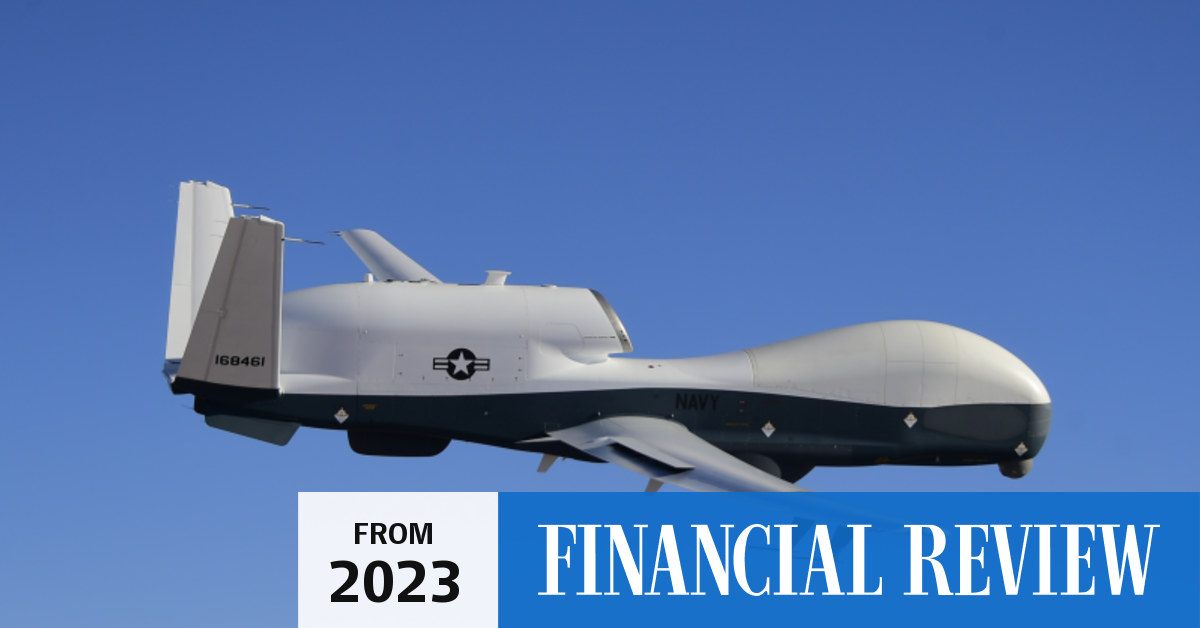
Government spends up to $3bn on Triton drones to monitor north coast
The Abbott government has confirmed plans to buy Triton surveillance drones that can watch vast stretches of the seas to Australia's north.
The Sydney Morning Herald -
2
Triton drone surveillance fleet to be based at Edinburgh air force base in Adelaide
A fleet of surveillance drones based at Adelaide's Edinburgh air force base will play a vital role in the country's defence systems, Prime Minister Tony Abbott says. The Federal Government is yet to determine how many Triton unmanned aerial vehicles will be used to patrol the nation's borders, monitoring energy infrastructure and any attempts by people to enter Australia illegally. The long-range drones can remain in the air for up to 33 hours at a time and operate at altitudes of more than 15,000 metres. SA Defence Industries Minister Jack Snelling has welcomed the drones being based at Edinburgh, but says the Prime Minister also should secure the future of naval shipbuilding in SA.
Abc Net -
3
Labor spends $1.5b to boost Australia's drone capability
Defence Industry Minister Pat Conroy has announced $1.5 billion in new spending to boost maritime and air protections.
Australian Financial Review -
4
$1.5 billion upgrade to Australia's maritime surveillance with fourth Triton drone
Australia will upgrade its fleet of P-8 patrol aircraft so they can eventually fire missiles out to 1,000 kilometres, while also purchasing another long-range Triton drone from the United States.
Abc Net -
5

Labor commits $1.3bn to counter-drone capabilities
SkyNews.com.au — Australian News Headlines & World News Online from the best award winning journalists
Sky News
Metodología de la Escala de Calificación
1-3: FALSO
Fácticamente incorrecto o fabricación maliciosa.
4-6: PARCIAL
Algo de verdad pero falta contexto o está sesgado.
7-9: MAYORMENTE VERDADERO
Tecnicismos menores o problemas de redacción.
10: PRECISO
Perfectamente verificado y contextualmente justo.
Metodología: Las calificaciones se determinan mediante la verificación cruzada de registros gubernamentales oficiales, organizaciones independientes de verificación de hechos y documentos de fuentes primarias.