Engañoso

Calificación: 4.0/10

Coalition
C0785

La Afirmación

“Eliminó el cambio climático de la agenda de la cumbre internacional del G20 de 2014.”
Fuente Original: Matthew Davis

Fuentes Originales

VERIFICACIÓN DE HECHOS

La afirmación contiene elementos de verdad pero tergiversa el resultado final.
The claim contains elements of truth but misrepresents the final outcome.
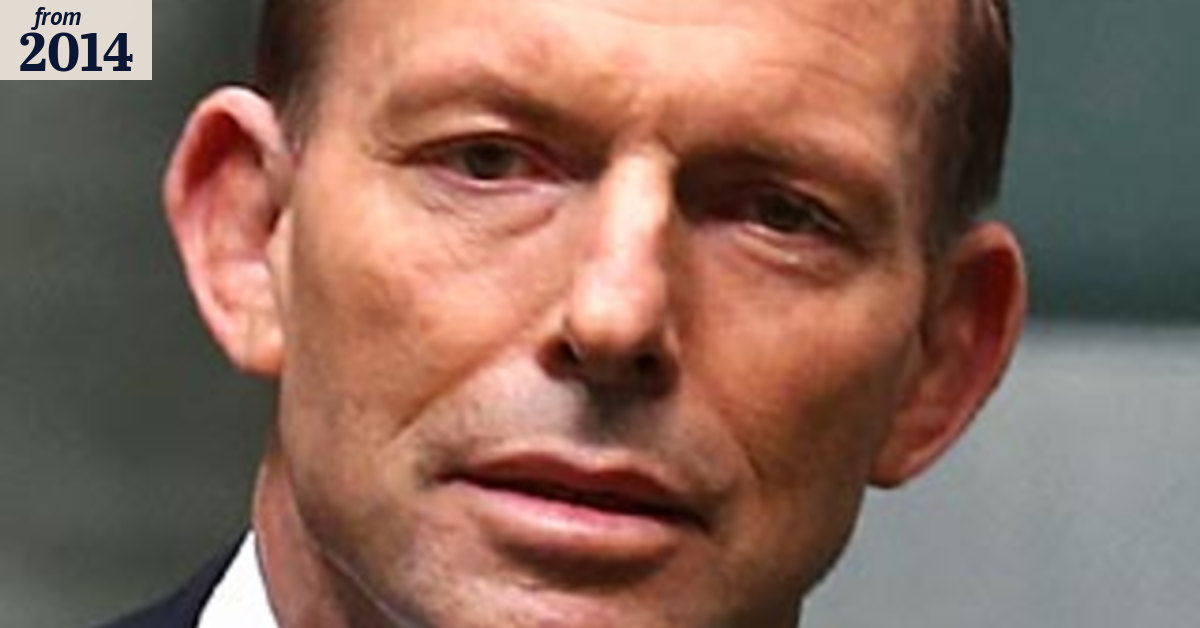
En junio de 2014, el Primer Ministro Tony Abbott afirmó que el cambio climático no estaría en la agenda del G20, argumentando que la cumbre debería centrarse en cuestiones económicas [1].
In June 2014, Prime Minister Tony Abbott did state that climate change would not be on the G20 agenda, arguing the summit should focus on economic issues [1].
Abbott dijo: «También es importante asegurar que estas reuniones internacionales no cubran todos los temas e iluminen ninguno» y «El enfoque del G20 estará abrumadoramente en nuestra seguridad económica, nuestra estabilidad financiera, la importancia del crecimiento liderado por el sector privado» [1].
Abbott said: "It's also important to ensure that these international meetings don't cover all subjects and illuminate none" and "The focus of the G20 will overwhelmingly be our economic security, our financial stabilisation, the importance of private sector-led growth" [1].
Sin embargo, la afirmación omite el hecho crítico de que **el cambio climático fue incluido finalmente en la agenda del G20**.
However, the claim omits the critical fact that **climate change WAS ultimately included on the G20 agenda**.
Tras una significativa presión internacional de Estados Unidos, la UE y otros miembros del G20, Australia cedió e incluyó el cambio climático en el comunicado final de la Cumbre de Brisbane [2][3].
Following significant international pressure from the US, EU, and other G20 members, Australia backed down and included climate change in the final Brisbane Summit communiqué [2][3].
El Comunicado de los Líderes del G20 de Brisbane del 15-16 de noviembre de 2014 incluyó explícitamente un párrafo completo sobre el cambio climático (párrafo 19), declarando: «Apoyamos acciones fuertes y efectivas para abordar el cambio climático» y comprometiéndose a trabajar hacia un acuerdo climático de París 2015 [4].
The final G20 Leaders' Communiqué from November 15-16, 2014 explicitly included a full paragraph on climate change (paragraph 19), stating: "We support strong and effective action to address climate change" and committing to work toward a Paris 2015 climate agreement [4].
La cumbre del G20 también produjo un Plan de Acción de Eficiencia Energética y aprobó principios sobre colaboración energética que incluyeron consideraciones climáticas [4][5].
The G20 summit also produced an Energy Efficiency Action Plan and endorsed principles on energy collaboration that included climate considerations [4][5].

Contexto Faltante

La afirmación omite varios hechos críticos: 1. **Abbott cedió ante la presión**: Para octubre de 2014, Australia acordó incluir el cambio climático en la agenda tras enfrentar «dura presión diplomática de la administración de EE.UU.» y otros líderes internacionales [2].
The claim omits several critical facts: 1. **Abbott backed down under pressure**: By October 2014, Australia agreed to include climate change on the agenda after facing "tough diplomatic pressure from the US administration" and other international leaders [2].
El Embajador de EE.UU., John Berry, afirmó que el cambio climático era un tema que «Estados Unidos planteará en cada foro internacional» [2]. 2. **El razonamiento de Abbott**: Aunque erróneo según sus críticos, el razonamiento de Abbott era que el G20 debería centrarse en cuestiones económicas centrales como crecimiento, empleos y estabilidad financiera; argumentó que el cambio climático se adaptaba mejor a otros foros como el proceso de la UNFCCC [1]. 3. **Contexto de política doméstica**: Abbott acababa de cumplir su promesa electoral de abolir el impuesto al carbono en julio de 2014 [2].
US Ambassador John Berry stated that climate change was an issue that "the United States will raise in every international forum" [2]. 2. **Abbott's reasoning**: While misguided in the eyes of critics, Abbott's rationale was that the G20 should focus on core economic issues like growth, jobs, and financial stability - he argued climate change was better suited to other forums like the UNFCCC process [1]. 3. **Domestic policy context**: Abbott had just fulfilled his election promise to abolish the carbon tax in July 2014 [2].
Su posición sobre la agenda del G20 era consistente con su política climática doméstica de «Acción Directa» en lugar de precios del carbono. 4. **Resultado final**: La cumbre del G20 de Brisbane 2014 produjo resultados sustantivos relacionados con el clima, incluyendo compromisos con el proceso de la UNFCCC, apoyo al Fondo Verde para el Clima e iniciativas de eficiencia energética [4].
His position on the G20 agenda was consistent with his domestic climate policy of "Direct Action" rather than carbon pricing. 4. **Final outcome**: The G20 Brisbane 2014 summit produced substantive climate-related outcomes including commitments to the UNFCCC process, support for the Green Climate Fund, and energy efficiency initiatives [4].

Evaluación de Credibilidad de Fuente

La fuente original proporcionada es GlobalPost, específicamente un artículo titulado «11 formas en que el primer ministro Tony Abbott está arruinando Australia y amenazando el planeta».
The original source provided is GlobalPost, specifically an article titled "11 ways prime minister tony abbott ruining australia and threatening the planet." According to Media Bias/Fact Check, GlobalPost covers a wide range of original news with minimal use of loaded language and sources to credible outlets such as Reuters and Human Rights Watch [6].
Según Media Bias/Fact Check, GlobalPost cubre una amplia gama de noticias originales con un uso mínimo de lenguaje cargado y cita fuentes creíbles como Reuters y Human Rights Watch [6].
However, the specific article cited appears to be an opinion/commentary piece with a clear negative framing of Abbott, suggesting potential bias in presentation.
Sin embargo, el artículo específico citado parece ser una pieza de opinión/comentario con un enfoque claramente negativo hacia Abbott, sugiriendo un posible sesgo en la presentación.
The article title itself indicates a critical/opinion stance rather than neutral reporting.
El propio título del artículo indica una postura crítica/de opinión en lugar de un reportaje neutral.
⚖️

Comparación con Labor

**¿Manejaron los gobiernos laboristas las cumbres climáticas internacionales de manera diferente?** Búsqueda realizada: «Kevin Rudd Cumbre de Copenhague sobre el clima 2009 ratificación del Protocolo de Kioto» Hallazgo: Los gobiernos laboristas bajo Kevin Rudd y Julia Gillard adoptaron enfoques marcadamente diferentes hacia el compromiso climático internacional: - **Kevin Rudd (2007-2010)**: Hizo de la ratificación del Protocolo de Kioto su primer acto oficial como Primer Ministro en diciembre de 2007, afirmando que demostraba el «compromiso de su gobierno con abordar el cambio climático» [7][8].
**Did Labor handle international climate summits differently?** Search conducted: "Kevin Rudd Copenhagen climate summit 2009 Kyoto Protocol ratification" Finding: Labor governments under Kevin Rudd and Julia Gillard took markedly different approaches to international climate engagement: - **Kevin Rudd (2007-2010)**: Made ratifying the Kyoto Protocol his first official act as Prime Minister in December 2007, stating it demonstrated his government's "commitment to tackling climate change" [7][8].
Rudd asistió personalmente a la cumbre climática de Copenhague en 2009. - **Sin embargo, los esfuerzos de Rudd en Copenhague fracasaron**: La cumbre de Copenhague de 2009, a la que Rudd asistió con altas expectativas, «se derrumbó» y fue considerada una gran decepción en las negociaciones climáticas internacionales [9].
Rudd attended the 2009 Copenhagen climate summit personally. - **However, Rudd's Copenhagen efforts failed**: The 2009 Copenhagen summit, which Rudd attended with high expectations, "collapsed" and was considered a major disappointment in international climate negotiations [9].
Rudd posteriormente abandonó su Esquema de Reducción de la Contaminación por Carbono (CPRS) doméstico tras no lograr pasar el Senado. - **Julia Gillard (2010-2013)**: Implementó un esquema de precios del carbono en 2012 y mantuvo el compromiso climático internacional, aunque la política resultó políticamente costosa. **Comparación**: Aunque los gobiernos laboristas estaban retóricamente más comprometidos con la acción climática en foros internacionales, también enfrentaron contratiempos significativos.
Rudd subsequently abandoned his domestic Carbon Pollution Reduction Scheme (CPRS) after it failed to pass the Senate. - **Julia Gillard (2010-2013)**: Implemented a carbon pricing scheme in 2012 and maintained international climate engagement, though the policy proved politically costly. **Comparison**: While Labor governments were more rhetorically committed to climate action at international forums, they also faced significant setbacks.
El fracaso de Copenhague bajo Rudd fue posiblemente más dañino para el progreso climático internacional que la renuencia de Abbott hacia el G20, que fue revertida finalmente.
The Copenhagen failure under Rudd was arguably more damaging to international climate progress than Abbott's G20 reluctance, which was ultimately reversed.
El enfoque de los laboristas fue más proactivo pero enfrentó desafíos políticos domésticos; el enfoque de Abbott fue inicialmente resistente pero cedió finalmente ante la presión internacional.
Labor's approach was more proactive but faced domestic political challenges; Abbott's approach was initially resistant but ultimately yielded to international pressure.
🌐

Perspectiva Equilibrada

El intento inicial de Tony Abbott de excluir el cambio climático de la agenda del G20 fue consistente con el enfoque de política climática doméstica de su gobierno y su opinión de que el G20 debería centrarse estrictamente en cuestiones de crecimiento económico [1].
Tony Abbott's initial attempt to exclude climate change from the G20 agenda was consistent with his government's domestic climate policy approach and his view that the G20 should focus narrowly on economic growth issues [1].
Esta posición fue criticada domésticamente por los laboristas y los verdes, con Tony Wood del Grattan Institute señalando que «el cambio climario era claramente un tema económico» y debería estar en la agenda [1].
This position was criticized domestically by Labor and the Greens, with the Grattan Institute's Tony Wood noting that "climate change was clearly an economic issue" and should be on the agenda [1].
Sin embargo, la afirmación tergiversa el resultado.
However, the claim misrepresents the outcome.
Aunque Abbott inicialmente resistió, la presión internacional—particularmente de Estados Unidos—llevó a Australia a incluir el cambio climático en la agenda final del G20 [2][3].
While Abbott initially resisted, international pressure - particularly from the United States - led Australia to include climate change in the final G20 agenda [2][3].
El comunicado final incluyó un párrafo completo sobre el cambio climático y compromisos con el proceso de París 2015 [4].
The final communiqué included a full paragraph on climate change and commitments to the Paris 2015 process [4].
En comparación con los laboristas, la diferencia es de enfoque más que de oposición completa a la acción climática.
When compared to Labor, the difference is one of approach rather than complete opposition to climate action.
Los laboristas bajo Rudd hicieron del clima un tema emblemático, ratificando Kioto inmediatamente y asistiendo a Copenhague, pero finalmente no lograron resultados significativos en Copenhague ni aprobar legislación doméstica [9].
Labor under Rudd made climate a signature issue, ratifying Kyoto immediately and attending Copenhagen, but ultimately failed to achieve significant outcomes at Copenhagen or pass domestic legislation [9].
El gobierno de Abbott estaba retóricamente menos comprometido pero incluyó finalmente el clima en los resultados del G20 tras la presión. **Contexto clave**: Esto **no fue enteramente único**—los gobiernos a menudo ajustan agendas de cumbres basándose en prioridades del anfitrión y presión internacional.
Abbott's government was rhetorically less committed but ultimately still included climate in the G20 outcomes after pressure. **Key context**: This was **not entirely unique** - governments often adjust summit agendas based on host priorities and international pressure.
La renuencia de Abbott fue consistente con su posición de política doméstica en ese momento (habiendo acabado de abolir el impuesto al carbono), pero la afirmación ignora que cedió finalmente y el cambio climático fue discutido e incluido en los resultados finales del G20.
Abbott's reluctance was consistent with his domestic policy position at the time (having just abolished the carbon tax), but the claim ignores that he ultimately backed down and climate change WAS discussed and included in the final G20 outcomes.

ENGAÑOSO

4.0

/ 10

La afirmación es engañosa porque presenta la posición inicial de Abbott (junio de 2014) como el resultado final, cuando de hecho el cambio climático fue incluido finalmente en la agenda del G20 tras presión internacional.
The claim is misleading because it presents Abbott's initial position (June 2014) as the final outcome, when in fact climate change WAS ultimately included on the G20 agenda following international pressure.
El comunicado final de la Cumbre de Brisbane incluyó compromisos sustantivos sobre el clima.
The final Brisbane Summit communiqué included substantive climate commitments.
Aunque Abbott intentó inicialmente excluir el tema—una posición consistente con su enfoque de política doméstica y que atrajo críticas—la afirmación omite el contexto crítico de que cedió y el G20 discutió y se comprometió con la acción climática [1][2][3][4].
While Abbott did initially attempt to exclude the topic - a position consistent with his domestic policy approach and which drew criticism - the claim omits the critical context that he backed down and the G20 did discuss and commit to climate action [1][2][3][4].

📚 FUENTES Y CITAS (9)

  1. 1
    smh.com.au

    smh.com.au

    PM downplays likelihood of climate change being discussed at a G20 leaders' summit hosted by Australia, suggesting it does not fit the meeting's economic focus.

    The Sydney Morning Herald
  2. 2
    climatechangenews.com

    climatechangenews.com

    NEWS: Tony Abbott grudgingly inserts paragraph on climate change, in line with international demands

    Climate Home News
  3. 3
    news.com.au

    news.com.au

    News Com

  4. 4
    PDF

    brisbane g20 leaders summit communique14

    G20 • PDF Document
  5. 5
    g7g20-documents.org

    g7g20-documents.org

    G7g20-documents
  6. 6
    mediabiasfactcheck.com

    mediabiasfactcheck.com

    LEFT-CENTER BIAS These media sources have a slight to moderate liberal bias.  They often publish factual information that utilizes loaded words (wording

    Media Bias/Fact Check
  7. 7
    kevinrudd.com

    kevinrudd.com

    Australia has ratified the Kyoto Protocol. Prime Minister Kevin Rudd signed the instrument of ratification of the Kyoto Protocol in his first act after being sworn in this morning.The ratification will come into force in 90 days."This is the first official act of the new Australian Government,

    Kevin Rudd
  8. 8
    pmtranscripts.pmc.gov.au

    pmtranscripts.pmc.gov.au

    Pmtranscripts Pmc Gov

  9. 9
    insidestory.org.au

    insidestory.org.au

    Philip Chubb’s insider account of the demise of Kevin Rudd’s climate scheme is essential reading, says Andrew Dodd

    Inside Story
Metodología de la Escala de Calificación

1-3: FALSO

Fácticamente incorrecto o fabricación maliciosa.

4-6: PARCIAL

Algo de verdad pero falta contexto o está sesgado.

7-9: MAYORMENTE VERDADERO

Tecnicismos menores o problemas de redacción.

10: PRECISO

Perfectamente verificado y contextualmente justo.

Metodología: Las calificaciones se determinan mediante la verificación cruzada de registros gubernamentales oficiales, organizaciones independientes de verificación de hechos y documentos de fuentes primarias.