
Die Behauptung
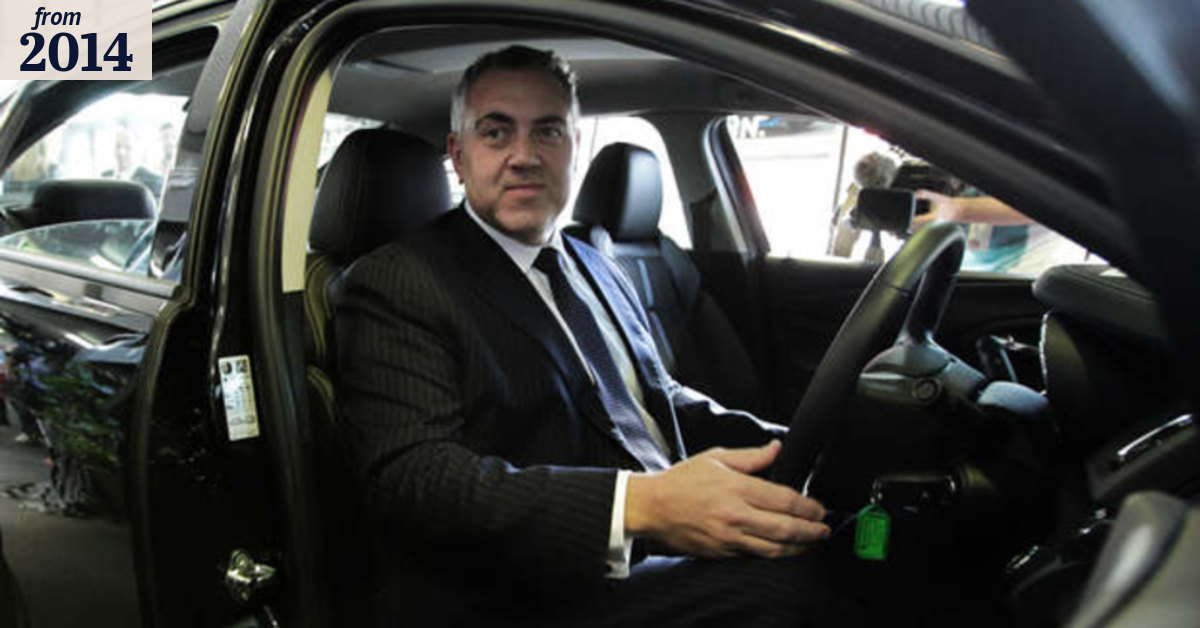
“Erhöhte gleichzeitig die Benzinpreise und kürzte die Mittel für den öffentlichen Nahverkehr. Die Regierung argumentierte, dass benachteiligte Menschen sich sowieso keine Autos leisten können, also würden sie durch die Änderungen nicht getroffen.”
Originalquellen
✅ FAKTENÜBERPRÜFUNG
Fehlender Kontext
Bewertung der Quellenglaubwürdigkeit
Labor-Vergleich
Ausgewogene Perspektive
TEILWEISE WAHR
6.0
von 10
Endergebnis
6.0
VON 10
TEILWEISE WAHR
📚 QUELLEN UND ZITATE (10)
-
1

2014 Australian federal budget - Wikipedia
Wikipedia -
2
Excise Tariff Amendment (Fuel Indexation) Bill 2014 - Parliament of Australia
Aph Gov
Original link no longer available -
3
Fact check: Joe Hockey's 'poor people' don't have cars, don't drive far claim misleading
The Treasurer has come under fire for being out of touch after saying the Government's planned fuel tax increase wouldn't hurt poorer Australians. "They say you've got to have wealthier people or middle-income people pay more. Well, change to the fuel excise does exactly that. The poorest people either don't have cars or actually don't drive very far in many cases," Joe Hockey said. Fact Check investigates.
Abc Net -
4
The relationship between transport and disadvantage in Australia
Aifs Gov
-
5
Critics attack Joe Hockey's claim poorest don't drive cars as completely fallacious
Treasurer Joe Hockey is facing a fresh round of criticism for being out of touch and not understanding the impact of his budget on the less well off after suggesting “poorest people either don't have cars or actually don't drive very far in many cases”.
The Sydney Morning Herald -
6

FactCheck: do poor people drive less?
Treasurer Joe Hockey drew a stream of criticism for his "poor people don't own cars comment", so how accurate is his statement?
SBS News -
7PDF
Alarming Trends in the Growth of Forced Car Ownership in Melbourne
Monash • PDF Document -
8
Joe Hockey media release August 13, 2014
Jbh Ministers Treasury Gov
-
9
Australian Bureau of Statistics, 'Car Nation', Australian Social Trends July 2013
Australian Social Trends, July 2013
-
10
ABS 2009-10 Household Expenditure Survey Australia
Household Expenditure Survey, Australia: Summary of Results, 2009-10
Bewertungsskala-Methodik
1-3: FALSCH
Sachlich falsch oder böswillige Fälschung.
4-6: TEILWEISE
Etwas Wahrheit, aber Kontext fehlt oder ist verzerrt.
7-9: GRÖSSTENTEILS WAHR
Kleine technische Details oder Formulierungsprobleme.
10: KORREKT
Perfekt verifiziert und kontextuell fair.
Methodik: Bewertungen werden durch Abgleich offizieller Regierungsdokumente, unabhängiger Faktenprüfungsorganisationen und Primärquellendokumente bestimmt.