* * * * 核心 hé xīn 主張 zhǔ zhāng 在 zài 事實 shì shí 上 shàng 是 shì 準確 zhǔn què 的 de 。 。
**The core claim is factually accurate.** The Coalition Government (2013-2022) did vote against and defeat multiple Greens motions seeking to abolish or replace the recitation of the Lord's Prayer at the beginning of each parliamentary sitting day.
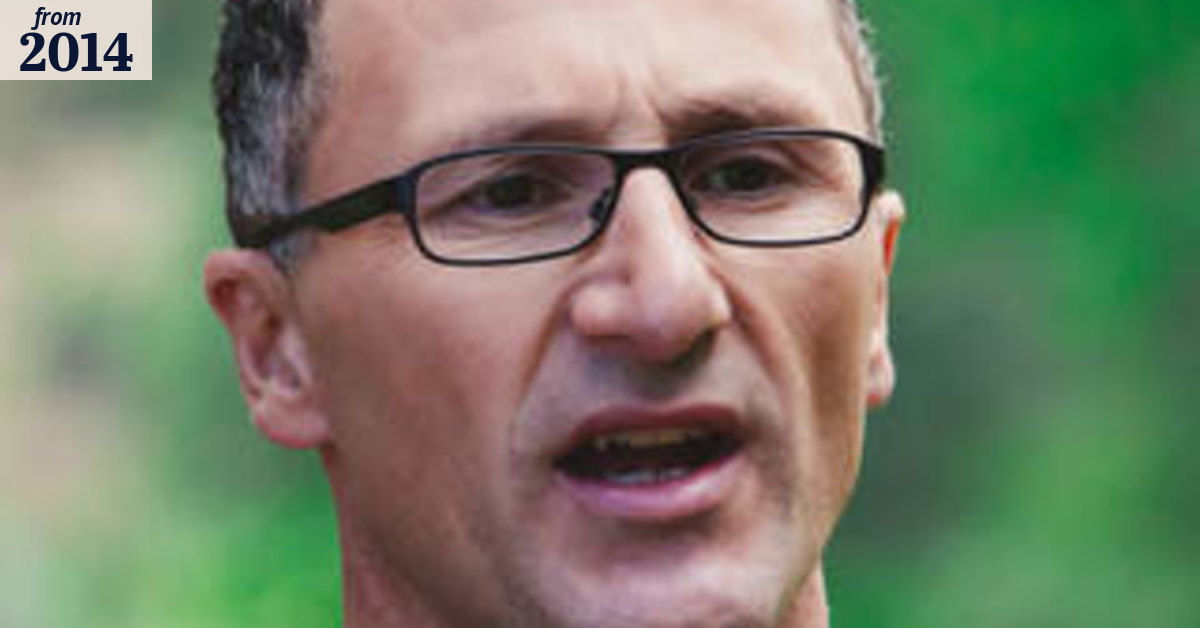
In February 2014, Greens leader Richard Di Natale moved a motion to replace the parliamentary prayer with a moment for "silent prayer or reflection" [1].
The Standing Orders of both the House of Representatives and Senate require the Speaker and President respectively to read a parliamentary prayer followed by the Lord's Prayer at the beginning of each sitting day [4].
**Critical omitted fact: Labor also consistently opposed these changes.** The claim frames this as a Coalition action, when in reality both major parties maintained identical positions on this issue.
When Di Natale's 2014 motion was defeated, Labor Senator Claire Moore explicitly stated the ALP did not support the motion because a broader review of parliamentary procedure was underway [8].
當 dāng Di Di Natale Natale 的 de 2014 2014 年動議 nián dòng yì 被 bèi 否決 fǒu jué 時 shí , , 工黨 gōng dǎng 參議員 cān yì yuán Claire Claire Moore Moore 明確 míng què 表示 biǎo shì , , 工黨 gōng dǎng 不 bù 支持 zhī chí 該動議 gāi dòng yì , , 因為 yīn wèi 當時 dāng shí 正在 zhèng zài 進行 jìn xíng 議會 yì huì 程序 chéng xù 的 de 全面 quán miàn 審查 shěn chá [ [ 8 8 ] ] 。 。
The defeat was bipartisan, not a Coalition-only position.
The tradition has been maintained continuously since 1901 through:
- Multiple Labor governments (Whitlam 1972-1975, Hawke/Keating 1983-1996, Rudd/Gillard 2007-2013)
- Multiple Coalition governments
- Various changes in parliamentary leadership and Speakers
The Parliamentary Education Office notes that "there have been several attempts by senators and members... to change the standing orders to replace the prayers with an opportunity for personal prayer or reflection.
In voting against this change, some senators and members have argued the prayers at the beginning of each sitting day are a long standing and non-partisan tradition which re-affirms their commitment to the common good of Australia" [9].
The specific 2014 article cited is a straightforward news report on the Greens' motion, containing factual reporting without overt partisan framing.
SMH SMH 的 de 文章 wén zhāng 引用 yǐn yòng 了 le 辯論 biàn lùn 雙方 shuāng fāng 的 de 觀點 guān diǎn — — — — 綠黨 lǜ dǎng 領袖 lǐng xiù Richard Richard Di Di Natale Natale 稱禱 chēng dǎo 告為 gào wèi 「 「 過時 guò shí 的 de 遺留物 yí liú wù 」 」 , , 自由 zì yóu 黨 dǎng 參議員 cān yì yuán Eric Eric Abetz Abetz 則將 zé jiāng 這一 zhè yī 舉動 jǔ dòng 描述 miáo shù 為 wèi 「 「 綠黨 lǜ dǎng 最新 zuì xīn 的 de 攻擊 gōng jī , , 是 shì 他們 tā men 持續 chí xù 試圖 shì tú 重寫 zhòng xiě 我們 wǒ men 的 de 歷史 lì shǐ 、 、 否認 fǒu rèn 我們 wǒ men 的 de 遺產 yí chǎn 的 de 一部分 yī bù fèn 」 」 [ [ 1 1 ] ] 。 。
The SMH article quotes both sides of the debate - Greens leader Richard Di Natale calling the prayer "an anachronism" and Liberal Senator Eric Abetz describing the move as "the latest Green attack as part of their ongoing attempt to rewrite our history and deny our heritage" [1].
**Did Labor do something similar?**
Search conducted: "Labor government parliamentary prayer tradition history"
**Finding: Labor governments maintained the exact same practice throughout their terms in office.**
The Parliamentary Library chronology documents that the Lord's Prayer has been recited at the start of each sitting day continuously since 1901, including through all Labor government periods [3]:
- **Whitlam Government (1972-1975):** Prayers continued unchanged
- **Hawke/Keating Governments (1983-1996):** Prayers continued unchanged
- **Rudd/Gillard Governments (2007-2013):** Prayers continued unchanged, with an Acknowledgement of Country added in 2010 before the prayers
In fact, Labor Senator Michael Beahan (Senate President 1993-1997) called for prayer-reading to be abolished in his 1996 valedictory speech, describing prayers as "archaic and anachronistic" [11].
* * * *
However, the Labor Party as a whole did not adopt this position, and the practice continued unchanged under Labor governments.
搜尋內容 sōu xún nèi róng : : 「 「 Labor Labor government government parliamentary parliamentary prayer prayer tradition tradition history history 」 」
The 2018 Senate Committee inquiry that recommended retaining the prayers received support from Labor, Coalition, and crossbench senators who opposed the Greens' proposed changes [7].
While the Coalition did defeat specific Greens motions to remove the Lord's Prayer (as the claim states), this represents the bipartisan consensus position of Australian federal parliaments since 1901, not a uniquely Coalition stance.
**Arguments for retaining the prayers include:**
- Recognition that the tradition affirms "commitment to the common good of Australia" [9]
- The practice is voluntary - members are not required to attend or participate
- Recognition of Australia's historical Christian cultural heritage
- The 2018 Committee found insufficient momentum for change among parliamentarians [7]
**Arguments for change include:**
- Australia is a secular nation with no state religion
- The 2016 Census showed 30% of Australians identify as having no religion, making them the largest "religious" group [5]
- The prayer excludes non-Christian Australians (including those of other faiths and no faith)
- The practice conflicts with the principle of separation of church and state
**Key context:** This is not unique to the Coalition.
The only Australian parliament to abolish the Lord's Prayer is the ACT Legislative Assembly, which since 1995 has invited members to "pray or reflect" in silence instead [4].
Following the 2022 election, the Labor Government made a modest change in September 2022: adding an invitation to "pray or reflect in your own way" before reading the traditional prayers, and moving the Acknowledgement of Country to occur first [12].
However, the framing is misleading as it implies this was a distinctive Coalition position when it was actually the bipartisan position shared with Labor.
Both major parties have consistently opposed Greens motions to remove the prayers, and all Labor governments maintained this identical practice throughout their terms.
該主張 gāi zhǔ zhāng 遺漏 yí lòu 了 le 工黨 gōng dǎng 同樣 tóng yàng 致力 zhì lì 於 yú 維護 wéi hù 這一傳統 zhè yī chuán tǒng 的 de 事實 shì shí , , 使主張 shǐ zhǔ zhāng 中 zhōng 的 de 「 「 世俗 shì sú 」 」 表述 biǎo shù 暗示 àn shì 了 le 一種 yī zhǒng 實際 shí jì 上 shàng 不 bù 存在 cún zài 的 de 黨 dǎng 派 pài 區別 qū bié 。 。
The claim omits that Labor has been equally committed to preserving this tradition, making the "secular" framing of the claim suggest a partisan distinction that does not exist in practice.
最終分數
6.0
/ 10
部分真實
該主張 gāi zhǔ zhāng 在 zài 事實 shì shí 上 shàng 是 shì 正確 zhèng què 的 de — — — — 聯盟 lián méng 黨 dǎng 確實 què shí 否決 fǒu jué 了 le 停止 tíng zhǐ 主禱 zhǔ dǎo 文 wén 的 de 動議 dòng yì 。 。
The claim is factually true - the Coalition did defeat moves to cease the Lord's Prayer.
However, the framing is misleading as it implies this was a distinctive Coalition position when it was actually the bipartisan position shared with Labor.
Both major parties have consistently opposed Greens motions to remove the prayers, and all Labor governments maintained this identical practice throughout their terms.
該主張 gāi zhǔ zhāng 遺漏 yí lòu 了 le 工黨 gōng dǎng 同樣 tóng yàng 致力 zhì lì 於 yú 維護 wéi hù 這一傳統 zhè yī chuán tǒng 的 de 事實 shì shí , , 使主張 shǐ zhǔ zhāng 中 zhōng 的 de 「 「 世俗 shì sú 」 」 表述 biǎo shù 暗示 àn shì 了 le 一種 yī zhǒng 實際 shí jì 上 shàng 不 bù 存在 cún zài 的 de 黨 dǎng 派 pài 區別 qū bié 。 。
The claim omits that Labor has been equally committed to preserving this tradition, making the "secular" framing of the claim suggest a partisan distinction that does not exist in practice.