誤導

評分: 5.0/10

Labor
5.3

主張

“保護了澳大利亞52%的海洋,成為首個超過50%的國家”
原始來源: Albosteezy

原始來源

事實查核

澳大利ㄠˋ ㄉㄚˋ ㄌㄧˋ ào dà lì 亞確ㄧㄚˋ ㄑㄩㄝˋ yà què 實已ㄕˊ ㄧˇ shí yǐ 宣布ㄒㄩㄢ ㄅㄨˋ xuān bù 保護ㄅㄠˇ ㄏㄨˋ bǎo hù ㄑㄧˊ 52%52% 52% ㄉㄜ˙ de 海洋ㄏㄞˇ ㄧㄤˊ hǎi yáng 領土ㄌㄧㄥˇ ㄊㄨˇ lǐng tǔ
Australia has indeed announced protection of 52% of its ocean territory.
20242024 2024 ㄋㄧㄢˊ nián 1010 10 ㄩㄝˋ yuè 澳大利ㄠˋ ㄉㄚˋ ㄌㄧˋ ào dà lì ㄧㄚˋ 政府ㄓㄥˋ ㄈㄨˇ zhèng fǔ 宣布ㄒㄩㄢ ㄅㄨˋ xuān bù ㄐㄧㄤ jiāng 赫德ㄏㄜˋ ㄉㄜˊ hè dé 島和麥克ㄉㄠˇ ㄏㄜˊ ㄇㄞˋ ㄎㄜˋ dǎo hé mài kè 唐納ㄊㄤˊ ㄋㄚˋ táng nà 群島ㄑㄩㄣˊ ㄉㄠˇ qún dǎo 海洋ㄏㄞˇ ㄧㄤˊ hǎi yáng 保護區ㄅㄠˇ ㄏㄨˋ ㄑㄩ bǎo hù qū 擴大ㄎㄨㄛˋ ㄉㄚˋ kuò dà 超過ㄔㄠ ㄍㄨㄛˋ chāo guò 3131 31 ㄨㄢˋ wàn 平方公里ㄆㄧㄥˊ ㄈㄤ ㄍㄨㄥ ㄌㄧˇ píng fāng gōng lǐ 使ㄕˇ shǐ 澳大利ㄠˋ ㄉㄚˋ ㄌㄧˋ ào dà lì ㄧㄚˋ 水域ㄕㄨㄟˇ ㄩˋ shuǐ yù ㄓㄨㄥ zhōng ㄅㄟˋ bèi 指定ㄓˇ ㄉㄧㄥˋ zhǐ dìng ㄨㄟˋ wèi ㄕㄡˋ shòu 保護區域ㄅㄠˇ ㄏㄨˋ ㄑㄩ ㄩˋ bǎo hù qū yù ㄉㄜ˙ de 比例ㄅㄧˇ ㄌㄧˋ bǐ lì 達到ㄉㄚˊ ㄉㄠˋ dá dào 52%52% 52% [[ [ 11 1 ]] ]
In October 2024, the Australian Government announced an expansion of the Heard and McDonald Islands Marine Reserve by over 310,000 km², which resulted in 52% of Australia's waters being designated as protected [1].
總督ㄗㄨㄥˇ ㄉㄨ zǒng dū ㄩˊ 20242024 2024 ㄋㄧㄢˊ nián 1212 12 ㄩㄝˋ yuè 55 5 ㄖˋ 簽署ㄑㄧㄢ ㄕㄨˇ qiān shǔ ㄌㄜ˙ le 修正案ㄒㄧㄡ ㄓㄥˋ ㄢˋ xiū zhèng àn 公告ㄍㄨㄥ ㄍㄠˋ gōng gào 使該ㄕˇ ㄍㄞ shǐ gāi 擴展ㄎㄨㄛˋ ㄓㄢˇ kuò zhǎn 生效ㄕㄥ ㄒㄧㄠˋ shēng xiào ㄅㄧㄢˋ biàn ㄍㄥˋ gèng ㄩˊ 20252025 2025 ㄋㄧㄢˊ nián 11 1 ㄩㄝˋ yuè 2424 24 ㄖˋ 生效ㄕㄥ ㄒㄧㄠˋ shēng xiào [[ [ 22 2 ]] ]
The Governor-General signed the Amendment Proclamation giving effect to this expansion on 5 December 2024, with the change coming into effect on 24 January 2025 [2].
關於ㄍㄨㄢ ㄩˊ guān yú 澳大利ㄠˋ ㄉㄚˋ ㄌㄧˋ ào dà lì ㄧㄚˋ 是否ㄕˋ ㄈㄡˇ shì fǒu ㄨㄟˋ wèi 首個ㄕㄡˇ ㄍㄜˋ shǒu gè 超過ㄔㄠ ㄍㄨㄛˋ chāo guò 50%50% 50% 海洋ㄏㄞˇ ㄧㄤˊ hǎi yáng 保護ㄅㄠˇ ㄏㄨˋ bǎo hù ㄉㄜ˙ de 國家ㄍㄨㄛˊ ㄐㄧㄚ guó jiā 這一ㄓㄜˋ ㄧ zhè yī 說法ㄕㄨㄛ ㄈㄚˇ shuō fǎ 部分ㄅㄨˋ ㄈㄣˋ bù fèn 不準確ㄅㄨˋ ㄓㄨㄣˇ ㄑㄩㄝˋ bù zhǔn què
Regarding whether Australia was the first country to exceed 50%, this claim is partially inaccurate.
截至ㄐㄧㄝˊ ㄓˋ jié zhì 該聲ㄍㄞ ㄕㄥ gāi shēng ㄔㄥ chēng 發表時ㄈㄚ ㄅㄧㄠˇ ㄕˊ fā biǎo shí 多個ㄉㄨㄛ ㄍㄜˋ duō gè 國家ㄍㄨㄛˊ ㄐㄧㄚ guó jiā ㄧˇ 超過ㄔㄠ ㄍㄨㄛˋ chāo guò 50%50% 50% ㄉㄜ˙ de 海洋ㄏㄞˇ ㄧㄤˊ hǎi yáng 保護ㄅㄠˇ ㄏㄨˋ bǎo hù 指定ㄓˇ ㄉㄧㄥˋ zhǐ dìng
As of the time of this claim, multiple countries had already exceeded 50% ocean protection designations.
摩納哥ㄇㄛˊ ㄋㄚˋ ㄍㄜ mó nà gē 已將ㄧˇ ㄐㄧㄤ yǐ jiāng ㄑㄧˊ 100%100% 100% ㄉㄜ˙ de 水域ㄕㄨㄟˇ ㄩˋ shuǐ yù 指定ㄓˇ ㄉㄧㄥˋ zhǐ dìng ㄨㄟˋ wèi ㄕㄡˋ shòu 保護區域ㄅㄠˇ ㄏㄨˋ ㄑㄩ ㄩˋ bǎo hù qū yù ㄅㄛˊ ㄌㄧㄡˊ liú 99%99% 99% 英國ㄧㄥ ㄍㄨㄛˊ yīng guó 68%68% 68% 哈薩ㄏㄚ ㄙㄚˋ hā sà 克斯ㄎㄜˋ ㄙ kè sī ㄊㄢˇ tǎn 52%52% 52% [[ [ 33 3 ]] ]
Monaco has designated 100% of its waters as protected, Palau 99%, the UK 68%, and Kazakhstan 52% [3].
因此ㄧㄣ ㄘˇ yīn cǐ 澳大利ㄠˋ ㄉㄚˋ ㄌㄧˋ ào dà lì 亞並ㄧㄚˋ ㄅㄧㄥˋ yà bìng 非首個ㄈㄟ ㄕㄡˇ ㄍㄜˋ fēi shǒu gè 超過ㄔㄠ ㄍㄨㄛˋ chāo guò 50%50% 50% 海洋ㄏㄞˇ ㄧㄤˊ hǎi yáng 保護ㄅㄠˇ ㄏㄨˋ bǎo hù ㄉㄜ˙ de 國家ㄍㄨㄛˊ ㄐㄧㄚ guó jiā ㄗㄞˋ zài ㄧㄡˇ yǒu 此類ㄘˇ ㄌㄟˋ cǐ lèi 指定ㄓˇ ㄉㄧㄥˋ zhǐ dìng 的國ㄉㄜ˙ ㄍㄨㄛˊ de guó 家中ㄐㄧㄚ ㄓㄨㄥ jiā zhōng 它大約ㄊㄚ ㄉㄚˋ ㄩㄝ tā dà yuē 排名ㄆㄞˊ ㄇㄧㄥˊ pái míng 第四ㄉㄧˋ ㄙˋ dì sì
Therefore, Australia was not the first country to exceed 50% ocean protection—it was approximately the fourth among nations with such designations.
阿爾巴ㄚ ㄦˇ ㄅㄚ ā ěr bā 尼斯ㄋㄧˊ ㄙ ní sī 政府ㄓㄥˋ ㄈㄨˇ zhèng fǔ 已承諾ㄧˇ ㄔㄥˊ ㄋㄨㄛˋ yǐ chéng nuò ㄉㄠˋ dào 20302030 2030 ㄋㄧㄢˊ nián 實現ㄕˊ ㄒㄧㄢˋ shí xiàn 澳大利ㄠˋ ㄉㄚˋ ㄌㄧˋ ào dà lì ㄧㄚˋ 30%30% 30% ㄉㄜ˙ de 水域ㄕㄨㄟˇ ㄩˋ shuǐ yù 成為ㄔㄥˊ ㄨㄟˋ chéng wèi 高度ㄍㄠ ㄉㄨˋ gāo dù 保護ㄅㄠˇ ㄏㄨˋ bǎo hù 禁漁區ㄐㄧㄣˋ ㄩˊ ㄑㄩ jìn yú qū 區域ㄑㄩ ㄩˋ qū yù 作為ㄗㄨㄛˋ ㄨㄟˋ zuò wèi ㄍㄥˋ gèng 廣泛ㄍㄨㄤˇ ㄈㄢˋ guǎng fàn ㄉㄜ˙ de 聯合國ㄌㄧㄢˊ ㄏㄜˊ ㄍㄨㄛˊ lián hé guó 自然ㄗˋ ㄖㄢˊ zì rán 條約ㄊㄧㄠˊ ㄩㄝ tiáo yuē 承諾ㄔㄥˊ ㄋㄨㄛˋ chéng nuò ㄉㄜ˙ de 一部分ㄧ ㄅㄨˋ ㄈㄣˋ yī bù fèn [[ [ 44 4 ]] ]
The Albanese Government has made a commitment to achieve 30% of Australia's waters in "highly protected" (sanctuary) areas by 2030, as part of a broader UN nature treaty commitment [4].
目前ㄇㄨˋ ㄑㄧㄢˊ mù qián 52%52% 52% ㄉㄜ˙ de 海洋ㄏㄞˇ ㄧㄤˊ hǎi yáng 領土處ㄌㄧㄥˇ ㄊㄨˇ ㄔㄨˋ lǐng tǔ chù ㄩˊ 某種ㄇㄡˇ ㄓㄨㄥˇ mǒu zhǒng 形式ㄒㄧㄥˊ ㄕˋ xíng shì ㄉㄜ˙ de 保護ㄅㄠˇ ㄏㄨˋ bǎo hù 指定ㄓˇ ㄉㄧㄥˋ zhǐ dìng 之下ㄓ ㄒㄧㄚˋ zhī xià ㄉㄢˋ dàn 這與ㄓㄜˋ ㄩˇ zhè yǔ 30%30% 30% 高度ㄍㄠ ㄉㄨˋ gāo dù 保護ㄅㄠˇ ㄏㄨˋ bǎo hù ㄉㄜ˙ de 目標ㄇㄨˋ ㄅㄧㄠ mù biāo ㄕˋ shì 不同ㄅㄨˋ ㄊㄨㄥˊ bù tóng ㄉㄜ˙ de [[ [ 44 4 ]] ]
Currently, 52% of ocean territory is under some form of protection designation, but this is distinct from the 30% highly protected target.

缺失的脈絡

該聲ㄍㄞ ㄕㄥ gāi shēng ㄔㄥ chēng 忽略ㄏㄨ ㄌㄩㄝˋ hū lüè ㄌㄜ˙ le 指定ㄓˇ ㄉㄧㄥˋ zhǐ dìng 保護ㄅㄠˇ ㄏㄨˋ bǎo hù ㄩˇ 實際ㄕˊ ㄐㄧˋ shí jì 有效ㄧㄡˇ ㄒㄧㄠˋ yǒu xiào 保護ㄅㄠˇ ㄏㄨˋ bǎo hù 之間ㄓ ㄐㄧㄢ zhī jiān ㄉㄜ˙ de 關鍵ㄍㄨㄢ ㄐㄧㄢˋ guān jiàn 區別ㄑㄩ ㄅㄧㄝˊ qū bié
The claim omits critical distinctions between designated protection and actual, effective protection.
雖然ㄙㄨㄟ ㄖㄢˊ suī rán 52%52% 52% ㄉㄜ˙ de 澳大利ㄠˋ ㄉㄚˋ ㄌㄧˋ ào dà lì ㄧㄚˋ 水域ㄕㄨㄟˇ ㄩˋ shuǐ yù ㄅㄟˋ bèi 指定ㄓˇ ㄉㄧㄥˋ zhǐ dìng ㄨㄟˋ wèi 海洋ㄏㄞˇ ㄧㄤˊ hǎi yáng 保護區ㄅㄠˇ ㄏㄨˋ ㄑㄩ bǎo hù qū MPAMPA MPA ㄉㄢˋ dàn 這些ㄓㄜˋ ㄒㄧㄝ zhè xiē 區域ㄑㄩ ㄩˋ qū yù ㄉㄜ˙ de 保護ㄅㄠˇ ㄏㄨˋ bǎo hù 質量ㄓˋ ㄌㄧㄤˋ zhì liàng ㄏㄜˊ 有效性ㄧㄡˇ ㄒㄧㄠˋ ㄒㄧㄥˋ yǒu xiào xìng 差異ㄔㄚˋ ㄧˋ chà yì 巨大ㄐㄩˋ ㄉㄚˋ jù dà [[ [ 55 5 ]] ]
While 52% of Australian waters are designated as marine protected areas (MPAs), the quality and effectiveness of this protection varies dramatically across these areas [5].
大約ㄉㄚˋ ㄩㄝ dà yuē 75%75% 75% ㄉㄜ˙ de 澳大利ㄠˋ ㄉㄚˋ ㄌㄧˋ ào dà lì ㄧㄚˋ 海洋ㄏㄞˇ ㄧㄤˊ hǎi yáng 保護區僅ㄅㄠˇ ㄏㄨˋ ㄑㄩ ㄐㄧㄣˇ bǎo hù qū jǐn 獲得ㄏㄨㄛˋ ㄉㄜˊ huò dé 部分ㄅㄨˋ ㄈㄣˋ bù fèn 保護ㄅㄠˇ ㄏㄨˋ bǎo hù ㄓㄜˋ zhè 意味著ㄧˋ ㄨㄟˋ ㄓㄨˋ yì wèi zhù 它們ㄊㄚ ㄇㄣ˙ tā men 允許ㄩㄣˇ ㄒㄩˇ yǔn xǔ 商業ㄕㄤ ㄧㄝˋ shāng yè 捕魚ㄅㄨˇ ㄩˊ bǔ yú 水產養殖ㄕㄨㄟˇ ㄔㄢˇ ㄧㄤˇ ㄓˊ shuǐ chǎn yǎng zhí ㄏㄜˊ 採礦ㄘㄞˇ ㄎㄨㄤˋ cǎi kuàng 勘探ㄎㄢ ㄊㄢˋ kān tàn [[ [ 66 6 ]] ]
Approximately 75% of Australia's marine protected areas are given only "partial" protection, meaning they allow commercial fishing, aquaculture, and mining exploration [6].
這是ㄓㄜˋ ㄕˋ zhè shì 一個ㄧ ㄍㄜˋ yī gè 關鍵ㄍㄨㄢ ㄐㄧㄢˋ guān jiàn 區別ㄑㄩ ㄅㄧㄝˊ qū bié
This is a crucial distinction.
許多區域ㄒㄩˇ ㄉㄨㄛ ㄑㄩ ㄩˋ xǔ duō qū yù ㄕˋ shì 環保ㄏㄨㄢˊ ㄅㄠˇ huán bǎo 人士ㄖㄣˊ ㄕˋ rén shì 所稱ㄙㄨㄛˇ ㄔㄥ suǒ chēng ㄉㄜ˙ de 紙上ㄓˇ ㄕㄤˋ zhǐ shàng 公園ㄍㄨㄥ ㄩㄢˊ gōng yuán 地圖ㄉㄧˋ ㄊㄨˊ dì tú ㄕㄤˋ shàng ㄉㄜ˙ de 線條ㄒㄧㄢˋ ㄊㄧㄠˊ xiàn tiáo 實際ㄕˊ ㄐㄧˋ shí jì 保護ㄅㄠˇ ㄏㄨˋ bǎo hù 極少ㄐㄧˊ ㄕㄠˇ jí shǎo [[ [ 77 7 ]] ]
Many areas are what conservationists call "paper parks"—lines on maps with minimal real protection [7].
ㄗㄞˋ zài 這些ㄓㄜˋ ㄒㄧㄝ zhè xiē 多用途ㄉㄨㄛ ㄩㄥˋ ㄊㄨˊ duō yòng tú 區域ㄑㄩ ㄩˋ qū yù ㄓㄨㄥ zhōng 商業ㄕㄤ ㄧㄝˋ shāng yè 捕魚ㄅㄨˇ ㄩˊ bǔ yú ㄖㄥˊ réng ㄗㄞˋ zài 繼續ㄐㄧˋ ㄒㄩˋ jì xù 開採性ㄎㄞ ㄘㄞˇ ㄒㄧㄥˋ kāi cǎi xìng 產業ㄔㄢˇ ㄧㄝˋ chǎn yè 可以ㄎㄜˇ ㄧˇ kě yǐ ㄗㄞˋ zài 指定ㄓˇ ㄉㄧㄥˋ zhǐ dìng 保護區ㄅㄠˇ ㄏㄨˋ ㄑㄩ bǎo hù qū 內運作ㄋㄟˋ ㄩㄣˋ ㄗㄨㄛˋ nèi yùn zuò [[ [ 55 5 ]] ]
In these multi-use zones, commercial fishing continues, and extractive industries can operate within designated protected areas [5].
高度ㄍㄠ ㄉㄨˋ gāo dù 保護區域ㄅㄠˇ ㄏㄨˋ ㄑㄩ ㄩˋ bǎo hù qū yù 禁止ㄐㄧㄣˋ ㄓˇ jìn zhǐ 捕魚ㄅㄨˇ ㄩˊ bǔ yú 採礦ㄘㄞˇ ㄎㄨㄤˋ cǎi kuàng 傾倒ㄑㄧㄥ ㄉㄠˋ qīng dào ㄏㄨㄛˋ huò 油氣ㄧㄡˊ ㄑㄧˋ yóu qì 開採ㄎㄞ ㄘㄞˇ kāi cǎi ㄉㄜ˙ de 禁漁區ㄐㄧㄣˋ ㄩˊ ㄑㄩ jìn yú qū 往往ㄨㄤˇ ㄨㄤˇ wǎng wǎng 策略性ㄘㄜˋ ㄌㄩㄝˋ ㄒㄧㄥˋ cè lüè xìng 地設ㄉㄧˋ ㄕㄜˋ dì shè ㄗㄞˋ zài 人類ㄖㄣˊ ㄌㄟˋ rén lèi 活動ㄏㄨㄛˊ ㄉㄨㄥˋ huó dòng 極少ㄐㄧˊ ㄕㄠˇ jí shǎo ㄉㄜ˙ de 偏遠ㄆㄧㄢ ㄩㄢˇ piān yuǎn 地區ㄉㄧˋ ㄑㄩ dì qū ㄘㄨㄥˊ cóng ㄦˊ ér 避開ㄅㄧˋ ㄎㄞ bì kāi 具有ㄐㄩˋ ㄧㄡˇ jù yǒu 經濟ㄐㄧㄥ ㄐㄧˋ jīng jì 價值ㄐㄧㄚˋ ㄓˊ jià zhí ㄉㄜ˙ de 區域ㄑㄩ ㄩˋ qū yù
The highly protected areas—sanctuary zones where no fishing, mining, dumping, or oil and gas extraction is allowed—tend to be strategically located in remote regions with minimal human activity, thereby avoiding economically valuable areas.
科學家ㄎㄜ ㄒㄩㄝˊ ㄐㄧㄚ kē xué jiā 發現ㄈㄚ ㄒㄧㄢˋ fā xiàn 高度ㄍㄠ ㄉㄨˋ gāo dù 保護ㄅㄠˇ ㄏㄨˋ bǎo hù ㄉㄜ˙ de 海洋ㄏㄞˇ ㄧㄤˊ hǎi yáng 保護區ㄅㄠˇ ㄏㄨˋ ㄑㄩ bǎo hù qū ㄅㄟˋ bèi ㄕㄜˋ shè ㄗㄞˋ zài ㄇㄟˊ méi ㄧㄡˇ yǒu 石油ㄕˊ ㄧㄡˊ shí yóu 開採且ㄎㄞ ㄘㄞˇ ㄑㄧㄝˇ kāi cǎi qiě 過去ㄍㄨㄛˋ ㄑㄩˋ guò qù ㄩˊ 獲量ㄏㄨㄛˋ ㄌㄧㄤˋ huò liàng ㄉㄧ ㄉㄜ˙ de 位置ㄨㄟˋ ㄓˋ wèi zhì ㄓㄜˋ zhè 意味著ㄧˋ ㄨㄟˋ ㄓㄨˋ yì wèi zhù 這在ㄓㄜˋ ㄗㄞˋ zhè zài 所有ㄙㄨㄛˇ ㄧㄡˇ suǒ yǒu 聯邦ㄌㄧㄢˊ ㄅㄤ lián bāng 海洋ㄏㄞˇ ㄧㄤˊ hǎi yáng 水域ㄕㄨㄟˇ ㄩˋ shuǐ yù ㄉㄜ˙ de 98%98% 98% 使用ㄕˇ ㄩㄥˋ shǐ yòng 分配ㄈㄣ ㄆㄟˋ fēn pèi 中僅ㄓㄨㄥ ㄐㄧㄣˇ zhōng jǐn 提供ㄊㄧˊ ㄍㄨㄥ tí gōng 2%2% 2% ㄉㄜ˙ de 保護ㄅㄠˇ ㄏㄨˋ bǎo hù 效益ㄒㄧㄠˋ ㄧˋ xiào yì [[ [ 88 8 ]] ]
Scientists have found that highly protected MPAs were placed in locations with no petroleum extraction and low previous fishing yields, meaning this provides only a 2% conservation benefit across the 98% use allocation across all Commonwealth marine waters [8].
此外ㄘˇ ㄨㄞˋ cǐ wài ㄍㄞ gāi 公告ㄍㄨㄥ ㄍㄠˋ gōng gào 特別ㄊㄜˋ ㄅㄧㄝˊ tè bié 引起ㄧㄣˇ ㄑㄧˇ yǐn qǐ ㄌㄜ˙ le 科學界ㄎㄜ ㄒㄩㄝˊ ㄐㄧㄝˋ kē xué jiè ㄉㄜ˙ de 重大ㄓㄨㄥˋ ㄉㄚˋ zhòng dà 批評ㄆㄧ ㄆㄧㄥˊ pī píng
Furthermore, the announcement specifically drew significant criticism from the scientific community.
20242024 2024 ㄋㄧㄢˊ nián 1010 10 ㄩㄝˋ yuè 發表ㄈㄚ ㄅㄧㄠˇ fā biǎo ㄗㄞˋ zài 科學ㄎㄜ ㄒㄩㄝˊ kē xué 雜誌ㄗㄚˊ ㄓˋ zá zhì ㄉㄜ˙ de 一篇ㄧ ㄆㄧㄢ yī piān 文章ㄨㄣˊ ㄓㄤ wén zhāng 總結ㄗㄨㄥˇ ㄐㄧㄝˊ zǒng jié ㄕㄨㄛ shuō 澳大利ㄠˋ ㄉㄚˋ ㄌㄧˋ ào dà lì 亞的ㄧㄚˋ ㄉㄜ˙ yà de 公告ㄍㄨㄥ ㄍㄠˋ gōng gào 忽視ㄏㄨ ㄕˋ hū shì ㄌㄜ˙ le 證據ㄓㄥˋ ㄐㄩˋ zhèng jù 顯示ㄒㄧㄢˇ ㄕˋ xiǎn shì 澳大利ㄠˋ ㄉㄚˋ ㄌㄧˋ ào dà lì 亞的ㄧㄚˋ ㄉㄜ˙ yà de 海洋ㄏㄞˇ ㄧㄤˊ hǎi yáng 保護區ㄅㄠˇ ㄏㄨˋ ㄑㄩ bǎo hù qū 網絡ㄨㄤˇ ㄌㄨㄛˋ wǎng luò 始終ㄕˇ ㄓㄨㄥ shǐ zhōng 未能ㄨㄟˋ ㄋㄥˊ wèi néng 保護ㄅㄠˇ ㄏㄨˋ bǎo hù 重要ㄓㄨㄥˋ ㄧㄠˋ zhòng yào ㄉㄜ˙ de 生物ㄕㄥ ㄨˋ shēng wù 多樣ㄉㄨㄛ ㄧㄤˋ duō yàng 性區域ㄒㄧㄥˋ ㄑㄩ ㄩˋ xìng qū yù [[ [ 99 9 ]] ]
A Science magazine article published in October 2024 concludes that Australia's announcement "disregards evidence that Australia's Marine Protected Area (MPA) network has consistently failed to protect important areas of biodiversity" [9].
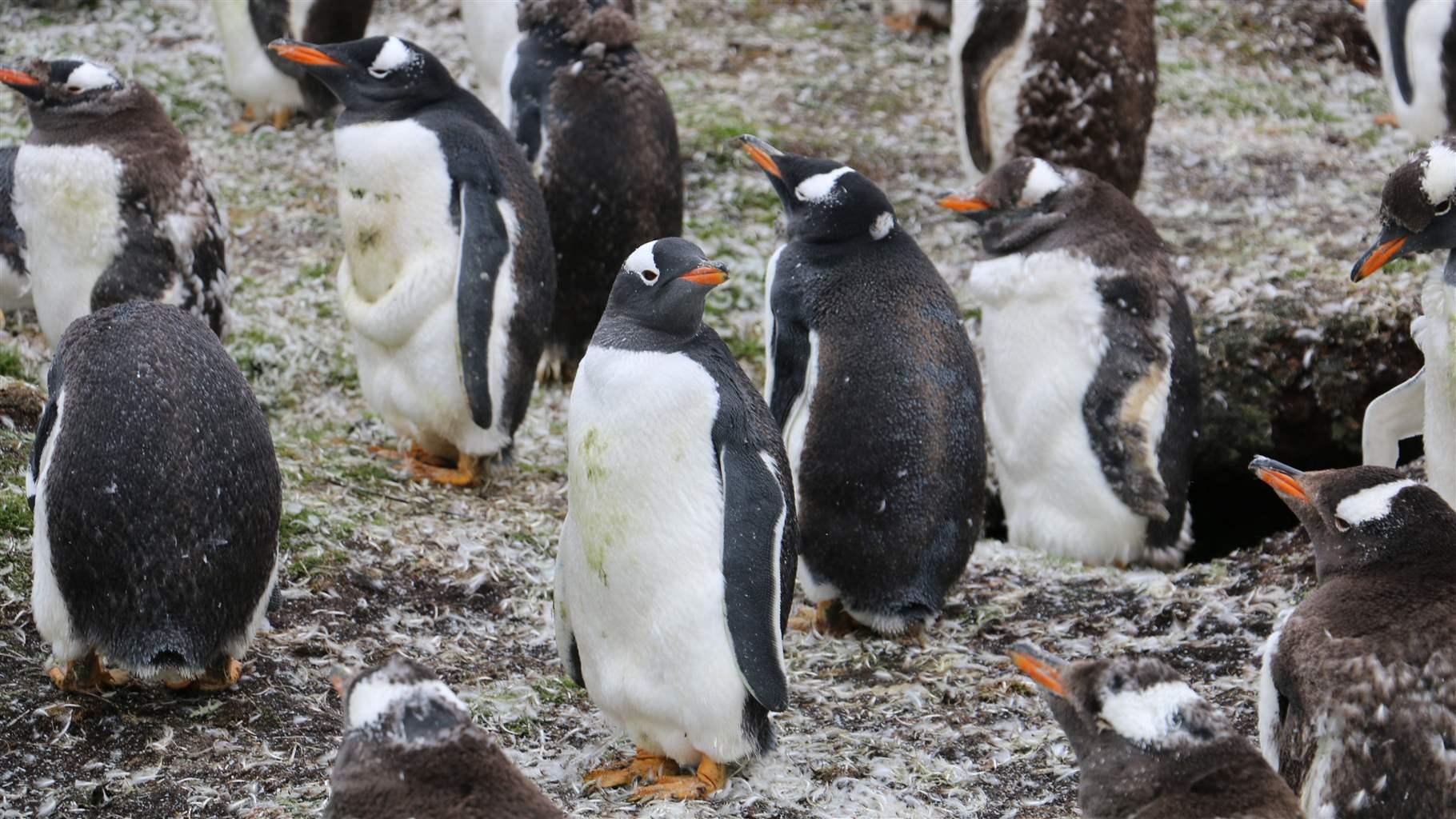
ㄍㄞ gāi 分析ㄈㄣ ㄒㄧ fēn xī 確定ㄑㄩㄝˋ ㄉㄧㄥˋ què dìng ㄌㄜ˙ le ㄉㄨㄟˋ duì 關鍵ㄍㄨㄢ ㄐㄧㄢˋ guān jiàn 海床ㄏㄞˇ ㄔㄨㄤˊ hǎi chuáng 棲息ㄑㄧ ㄒㄧ qī xī ㄉㄧˋ 信天翁ㄒㄧㄣˋ ㄊㄧㄢ ㄨㄥ xìn tiān wēng ㄏㄜˊ ㄇㄚˇ 卡羅尼ㄎㄚˇ ㄌㄨㄛˊ ㄋㄧˊ kǎ luó ní 企鵝覓ㄑㄧˇ ㄜˊ ㄇㄧˋ qǐ é mì 食區域ㄕˊ ㄑㄩ ㄩˋ shí qū yù 以及ㄧˇ ㄐㄧˊ yǐ jí 支持ㄓ ㄔˊ zhī chí 魚類ㄩˊ ㄌㄟˋ yú lèi 豐度ㄈㄥ ㄉㄨˋ fēng dù ㄏㄜˊ 多樣ㄉㄨㄛ ㄧㄤˋ duō yàng ㄒㄧㄥˋ xìng ㄉㄜ˙ de 區域ㄑㄩ ㄩˋ qū yù 保護ㄅㄠˇ ㄏㄨˋ bǎo hù 不足ㄅㄨˋ ㄗㄨˊ bù zú [[ [ 99 9 ]] ]
The analysis identified inadequate protection for critical seafloor habitats, foraging areas for albatrosses and macaroni penguins, and areas supporting fish abundance and variety [9].
研究ㄧㄢˊ ㄐㄧㄡ yán jiū 表明ㄅㄧㄠˇ ㄇㄧㄥˊ biǎo míng 部分ㄅㄨˋ ㄈㄣˋ bù fèn 保護區ㄅㄠˇ ㄏㄨˋ ㄑㄩ bǎo hù qū ㄉㄜ˙ de 休閒ㄒㄧㄡ ㄒㄧㄢˊ xiū xián ㄏㄜˊ 手工ㄕㄡˇ ㄍㄨㄥ shǒu gōng 捕魚ㄅㄨˇ ㄩˊ bǔ yú 水平ㄕㄨㄟˇ ㄆㄧㄥˊ shuǐ píng 反而ㄈㄢˇ ㄦˊ fǎn ér ㄍㄠ gāo ㄩˊ ㄨㄟˋ wèi 保護區域ㄅㄠˇ ㄏㄨˋ ㄑㄩ ㄩˋ bǎo hù qū yù ㄓㄜˋ zhè 令人ㄌㄧㄥˋ ㄖㄣˊ lìng rén 質疑ㄓˋ ㄧˊ zhì yí ㄑㄧˊ 保護ㄅㄠˇ ㄏㄨˋ bǎo hù 有效性ㄧㄡˇ ㄒㄧㄠˋ ㄒㄧㄥˋ yǒu xiào xìng [[ [ 1010 10 ]] ]
Research has shown that partially protected areas paradoxically experience higher levels of recreational and artisanal fishing than unprotected areas, calling into question their conservation effectiveness [10].
此外ㄘˇ ㄨㄞˋ cǐ wài 部分ㄅㄨˋ ㄈㄣˋ bù fèn 保護區ㄅㄠˇ ㄏㄨˋ ㄑㄩ bǎo hù qū ㄉㄜ˙ de 遊客ㄧㄡˊ ㄎㄜˋ yóu kè 報告ㄅㄠˋ ㄍㄠˋ bào gào ㄔㄥ chēng ㄩˇ 完全ㄨㄢˊ ㄑㄩㄢˊ wán quán 保護ㄅㄠˇ ㄏㄨˋ bǎo hù ㄉㄜ˙ de 禁漁區ㄐㄧㄣˋ ㄩˊ ㄑㄩ jìn yú qū 相比ㄒㄧㄤ ㄅㄧˇ xiāng bǐ 他們ㄊㄚ ㄇㄣ˙ tā men 看到ㄎㄢˋ ㄉㄠˋ kàn dào ㄉㄜ˙ de 海洋生物ㄏㄞˇ ㄧㄤˊ ㄕㄥ ㄨˋ hǎi yáng shēng wù 明顯ㄇㄧㄥˊ ㄒㄧㄢˇ míng xiǎn ㄐㄧㄠˋ jiào ㄕㄠˇ shǎo [[ [ 1010 10 ]] ]
Additionally, visitors to partially protected areas report experiencing significantly less marine life compared to fully protected sanctuary zones [10].
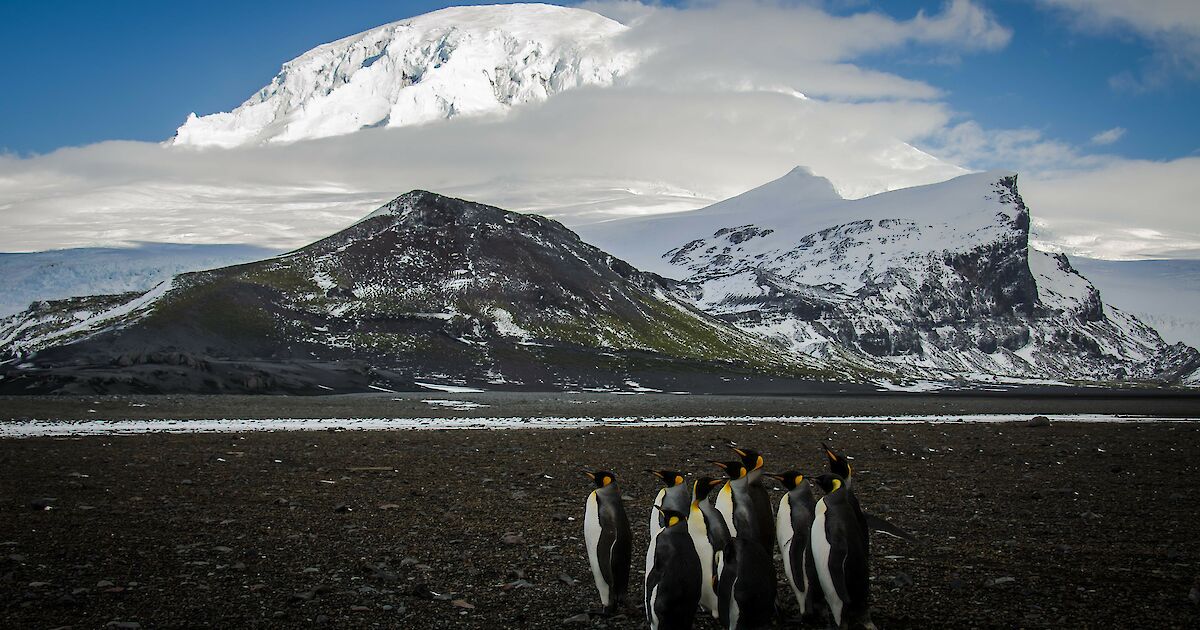
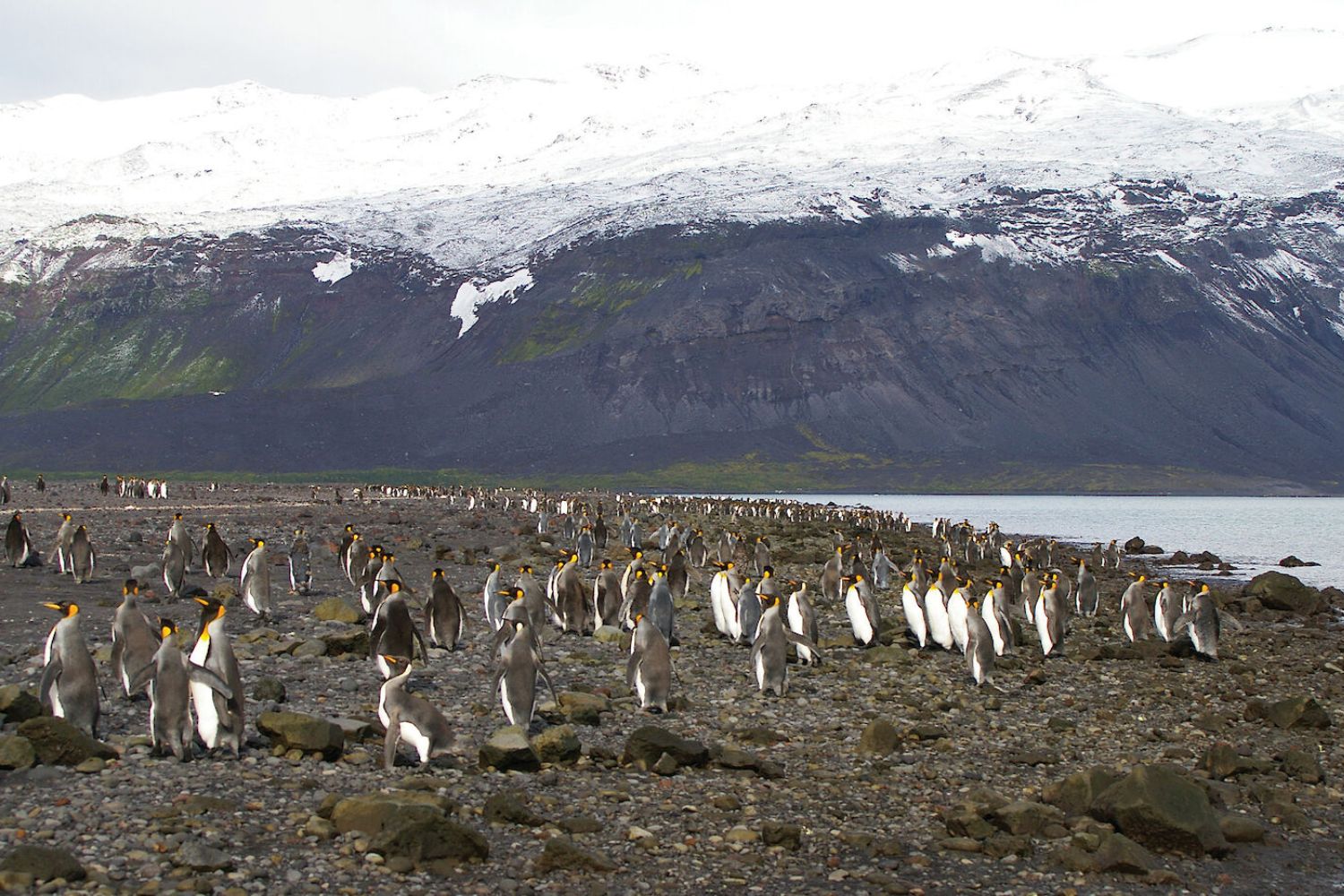
該聲ㄍㄞ ㄕㄥ gāi shēng ㄔㄥ chēng 還掩蓋ㄏㄞˊ ㄧㄢˇ ㄍㄞˋ hái yǎn gài ㄌㄜ˙ le 這一ㄓㄜˋ ㄧ zhè yī 52%52% 52% 數字ㄕㄨˋ ㄗˋ shù zì 代表ㄉㄞˋ ㄅㄧㄠˇ dài biǎo ㄉㄜ˙ de ㄕˋ shì 偏遠ㄆㄧㄢ ㄩㄢˇ piān yuǎn 南極ㄋㄢˊ ㄐㄧˊ nán jí 地區ㄉㄧˋ ㄑㄩ dì qū 海洋ㄏㄞˇ ㄧㄤˊ hǎi yáng 保護區ㄅㄠˇ ㄏㄨˋ ㄑㄩ bǎo hù qū 赫德ㄏㄜˋ ㄉㄜˊ hè dé 島和麥克ㄉㄠˇ ㄏㄜˊ ㄇㄞˋ ㄎㄜˋ dǎo hé mài kè 唐納ㄊㄤˊ ㄋㄚˋ táng nà 群島ㄑㄩㄣˊ ㄉㄠˇ qún dǎo ㄉㄜ˙ de 擴展ㄎㄨㄛˋ ㄓㄢˇ kuò zhǎn ㄦˊ ér ㄈㄟ fēi 保護ㄅㄠˇ ㄏㄨˋ bǎo hù 生物ㄕㄥ ㄨˋ shēng wù 多樣ㄉㄨㄛ ㄧㄤˋ duō yàng ㄒㄧㄥˋ xìng 豐富ㄈㄥ ㄈㄨˋ fēng fù ㄉㄜ˙ de 沿海ㄧㄢˊ ㄏㄞˇ yán hǎi 區域ㄑㄩ ㄩˋ qū yù 那裡ㄋㄚˋ ㄌㄧˇ nà lǐ ㄕˋ shì 大多ㄉㄚˋ ㄉㄨㄛ dà duō ㄕㄨˋ shù 澳大利ㄠˋ ㄉㄚˋ ㄌㄧˋ ào dà lì ㄧㄚˋ 海洋生物ㄏㄞˇ ㄧㄤˊ ㄕㄥ ㄨˋ hǎi yáng shēng wù ㄏㄜˊ 捕魚ㄅㄨˇ ㄩˊ bǔ yú 活動ㄏㄨㄛˊ ㄉㄨㄥˋ huó dòng 發生ㄈㄚ ㄕㄥ fā shēng ㄉㄜ˙ de 地方ㄉㄧˋ ㄈㄤ dì fāng [[ [ 22 2 ]] ]
The claim also obscures that this 52% figure represents expansion of remote, Antarctic-region marine reserves (Heard and McDonald Islands) rather than protection of biodiversity-rich coastal areas where most Australian marine life and fishing activity occurs [2].

💭 批判觀點

ㄗㄞˋ zài 背景ㄅㄟˋ ㄐㄧㄥˇ bèi jǐng 下檢視ㄒㄧㄚˋ ㄐㄧㄢˇ ㄕˋ xià jiǎn shì 52%52% 52% ㄉㄜ˙ de 海洋ㄏㄞˇ ㄧㄤˊ hǎi yáng 保護聲ㄅㄠˇ ㄏㄨˋ ㄕㄥ bǎo hù shēng 稱在紙ㄔㄥ ㄗㄞˋ ㄓˇ chēng zài zhǐ 面上ㄇㄧㄢˋ ㄕㄤˋ miàn shàng 代表ㄉㄞˋ ㄅㄧㄠˇ dài biǎo ㄌㄜ˙ le 重要ㄓㄨㄥˋ ㄧㄠˋ zhòng yào ㄉㄜ˙ de 指定ㄓˇ ㄉㄧㄥˋ zhǐ dìng ㄉㄢˋ dàn 掩蓋ㄧㄢˇ ㄍㄞˋ yǎn gài ㄌㄜ˙ le ㄑㄧㄢˊ qián ㄗㄞˋ zài ㄉㄜ˙ de 保護ㄅㄠˇ ㄏㄨˋ bǎo hù 失敗ㄕ ㄅㄞˋ shī bài
When examined in context, the 52% ocean protection claim represents significant designation on paper but masks underlying conservation failures.
受保護ㄕㄡˋ ㄅㄠˇ ㄏㄨˋ shòu bǎo hù ㄩˇ 有效ㄧㄡˇ ㄒㄧㄠˋ yǒu xiào 保護ㄅㄠˇ ㄏㄨˋ bǎo hù 之間ㄓ ㄐㄧㄢ zhī jiān ㄉㄜ˙ de 區別ㄑㄩ ㄅㄧㄝˊ qū bié ㄕˋ shì 評估ㄆㄧㄥˊ ㄍㄨ píng gū 這一ㄓㄜˋ ㄧ zhè yī 成就ㄔㄥˊ ㄐㄧㄡˋ chéng jiù ㄉㄜ˙ de 基礎ㄐㄧ ㄔㄨˇ jī chǔ
The distinction between "protected" and "effectively protected" is fundamental to evaluating this achievement.
澳大利ㄠˋ ㄉㄚˋ ㄌㄧˋ ào dà lì ㄧㄚˋ 政府ㄓㄥˋ ㄈㄨˇ zhèng fǔ 自身ㄗˋ ㄕㄣ zì shēn ㄉㄜ˙ de 承諾ㄔㄥˊ ㄋㄨㄛˋ chéng nuò ㄉㄠˋ dào 20302030 2030 ㄋㄧㄢˊ nián 實現ㄕˊ ㄒㄧㄢˋ shí xiàn 30%30% 30% 高度ㄍㄠ ㄉㄨˋ gāo dù 保護區域ㄅㄠˇ ㄏㄨˋ ㄑㄩ ㄩˋ bǎo hù qū yù 揭示ㄐㄧㄝ ㄕˋ jiē shì ㄌㄜ˙ le 當前ㄉㄤ ㄑㄧㄢˊ dāng qián 52%52% 52% 數字ㄕㄨˋ ㄗˋ shù zì ㄉㄜ˙ de 不足ㄅㄨˋ ㄗㄨˊ bù zú
The Australian Government's own commitment—30% highly protected areas by 2030—reveals the inadequacy of the current 52% figure.
ㄓㄜˋ zhè 意味著ㄧˋ ㄨㄟˋ ㄓㄨˋ yì wèi zhù ㄐㄧㄣˇ jǐn ㄍㄨㄢˇ guǎn 52%52% 52% ㄉㄜ˙ de 海洋ㄏㄞˇ ㄧㄤˊ hǎi yáng 領土ㄌㄧㄥˇ ㄊㄨˇ lǐng tǔ ㄅㄟˋ bèi 指定ㄓˇ ㄉㄧㄥˋ zhǐ dìng ㄨㄟˋ wèi ㄕㄡˋ shòu 保護ㄅㄠˇ ㄏㄨˋ bǎo hù ㄉㄢˋ dàn 只有ㄓˇ ㄧㄡˇ zhǐ yǒu 30%30% 30% ㄗㄨㄟˋ zuì 終將ㄓㄨㄥ ㄐㄧㄤ zhōng jiāng 獲得ㄏㄨㄛˋ ㄉㄜˊ huò dé ㄏㄨㄤˊ huáng 金標準ㄐㄧㄣ ㄅㄧㄠ ㄓㄨㄣˇ jīn biāo zhǔn 保護ㄅㄠˇ ㄏㄨˋ bǎo hù 實際ㄕˊ ㄐㄧˋ shí jì 禁止ㄐㄧㄣˋ ㄓˇ jìn zhǐ 捕魚ㄅㄨˇ ㄩˊ bǔ yú ㄏㄜˊ 採礦ㄘㄞˇ ㄎㄨㄤˋ cǎi kuàng 限制ㄒㄧㄢˋ ㄓˋ xiàn zhì [[ [ 44 4 ]] ]
This means that despite 52% of ocean territory being designated as protected, only 30% will eventually receive "gold-standard" protection with actual fishing bans and mining restrictions [4].
ㄓㄜˋ zhè 表明ㄅㄧㄠˇ ㄇㄧㄥˊ biǎo míng 當前ㄉㄤ ㄑㄧㄢˊ dāng qián ㄉㄜ˙ de 52%52% 52% 數字ㄕㄨˋ ㄗˋ shù zì 包含ㄅㄠ ㄏㄢˊ bāo hán 許多ㄒㄩˇ ㄉㄨㄛ xǔ duō 實際ㄕˊ ㄐㄧˋ shí jì 保護ㄅㄠˇ ㄏㄨˋ bǎo hù 價值ㄐㄧㄚˋ ㄓˊ jià zhí 極低ㄐㄧˊ ㄉㄧ jí dī ㄉㄜ˙ de 區域ㄑㄩ ㄩˋ qū yù
This suggests the current 52% figure includes many areas with minimal real conservation value.
ㄩˇ 全球ㄑㄩㄢˊ ㄑㄧㄡˊ quán qiú 生物ㄕㄥ ㄨˋ shēng wù 多樣ㄉㄨㄛ ㄧㄤˋ duō yàng ㄒㄧㄥˋ xìng 標準ㄅㄧㄠ ㄓㄨㄣˇ biāo zhǔn 相比ㄒㄧㄤ ㄅㄧˇ xiāng bǐ 澳大利ㄠˋ ㄉㄚˋ ㄌㄧˋ ào dà lì 亞的ㄧㄚˋ ㄉㄜ˙ yà de 海洋ㄏㄞˇ ㄧㄤˊ hǎi yáng 保護ㄅㄠˇ ㄏㄨˋ bǎo hù 網絡ㄨㄤˇ ㄌㄨㄛˋ wǎng luò 不足ㄅㄨˋ ㄗㄨˊ bù zú
Compared to global biodiversity standards, Australia's marine protection network falls short.
雖然ㄙㄨㄟ ㄖㄢˊ suī rán 澳大利ㄠˋ ㄉㄚˋ ㄌㄧˋ ào dà lì 亞在ㄧㄚˋ ㄗㄞˋ yà zài 面積ㄇㄧㄢˋ ㄐㄧ miàn jī ㄕㄤˋ shàng ㄕˋ shì 最大ㄗㄨㄟˋ ㄉㄚˋ zuì dà ㄉㄜ˙ de ㄉㄢˋ dàn 有效性ㄧㄡˇ ㄒㄧㄠˋ ㄒㄧㄥˋ yǒu xiào xìng 研究ㄧㄢˊ ㄐㄧㄡ yán jiū 顯示ㄒㄧㄢˇ ㄕˋ xiǎn shì 根據ㄍㄣ ㄐㄩˋ gēn jù 國際ㄍㄨㄛˊ ㄐㄧˋ guó jì 標準ㄅㄧㄠ ㄓㄨㄣˇ biāo zhǔn 只有ㄓˇ ㄧㄡˇ zhǐ yǒu 2.8%2.8% 2.8% ㄉㄜ˙ de 世界ㄕˋ ㄐㄧㄝˋ shì jiè 海洋ㄏㄞˇ ㄧㄤˊ hǎi yáng ㄕˋ shì 有效ㄧㄡˇ ㄒㄧㄠˋ yǒu xiào 保護ㄅㄠˇ ㄏㄨˋ bǎo hù ㄉㄜ˙ de [[ [ 1111 11 ]] ]
While Australia is the largest by area, effectiveness studies show that only 2.8% of the world's ocean is "effectively" protected according to international standards [11].
澳大利ㄠˋ ㄉㄚˋ ㄌㄧˋ ào dà lì 亞的ㄧㄚˋ ㄉㄜ˙ yà de 部分ㄅㄨˋ ㄈㄣˋ bù fèn 保護ㄅㄠˇ ㄏㄨˋ bǎo hù 網絡ㄨㄤˇ ㄌㄨㄛˋ wǎng luò 可能ㄎㄜˇ ㄋㄥˊ kě néng ㄅㄨˋ 符合ㄈㄨˊ ㄏㄜˊ fú hé 這些ㄓㄜˋ ㄒㄧㄝ zhè xiē 國際ㄍㄨㄛˊ ㄐㄧˋ guó jì 有效性ㄧㄡˇ ㄒㄧㄠˋ ㄒㄧㄥˋ yǒu xiào xìng 基準ㄐㄧ ㄓㄨㄣˇ jī zhǔn
Australia's partially protected network may not meet these international effectiveness benchmarks.
政府ㄓㄥˋ ㄈㄨˇ zhèng fǔ 決定ㄐㄩㄝˊ ㄉㄧㄥˋ jué dìng 避免ㄅㄧˋ ㄇㄧㄢˇ bì miǎn ㄗㄞˋ zài 具有ㄐㄩˋ ㄧㄡˇ jù yǒu 經濟ㄐㄧㄥ ㄐㄧˋ jīng jì 價值ㄐㄧㄚˋ ㄓˊ jià zhí ㄉㄜ˙ de ㄅㄨˇ 魚區ㄩˊ ㄑㄩ yú qū 設立ㄕㄜˋ ㄌㄧˋ shè lì 高度ㄍㄠ ㄉㄨˋ gāo dù 保護區ㄅㄠˇ ㄏㄨˋ ㄑㄩ bǎo hù qū ㄅㄟˋ bèi 描述ㄇㄧㄠˊ ㄕㄨˋ miáo shù ㄨㄟˋ wèi 2%2% 2% 保護ㄅㄠˇ ㄏㄨˋ bǎo hù 98%98% 98% 使用ㄕˇ ㄩㄥˋ shǐ yòng 引發ㄧㄣˇ ㄈㄚ yǐn fā ㄌㄜ˙ le 公平ㄍㄨㄥ ㄆㄧㄥˊ gōng píng 問題ㄨㄣˋ ㄊㄧˊ wèn tí ㄉㄢˋ dàn 削弱ㄒㄩㄝ ㄖㄨㄛˋ xuē ruò ㄌㄜ˙ le 保護ㄅㄠˇ ㄏㄨˋ bǎo hù 成果ㄔㄥˊ ㄍㄨㄛˇ chéng guǒ
The Government's decision to avoid placing highly protected zones in economically valuable fishing areas (described as 2% conservation, 98% use) raises fairness questions but undermines conservation outcomes.
支持ㄓ ㄔˊ zhī chí 企鵝ㄑㄧˇ ㄜˊ qǐ é 信天翁ㄒㄧㄣˋ ㄊㄧㄢ ㄨㄥ xìn tiān wēng ㄏㄜˊ 其他ㄑㄧˊ ㄊㄚ qí tā 海洋ㄏㄞˇ ㄧㄤˊ hǎi yáng 大型ㄉㄚˋ ㄒㄧㄥˊ dà xíng 動物ㄉㄨㄥˋ ㄨˋ dòng wù ㄉㄜ˙ de 關鍵ㄍㄨㄢ ㄐㄧㄢˋ guān jiàn 棲息ㄑㄧ ㄒㄧ qī xī ㄉㄧˋ ㄖㄥˊ réng 保護ㄅㄠˇ ㄏㄨˋ bǎo hù 不足ㄅㄨˋ ㄗㄨˊ bù zú 因為ㄧㄣ ㄨㄟˋ yīn wèi 這些ㄓㄜˋ ㄒㄧㄝ zhè xiē 區域ㄑㄩ ㄩˋ qū yù ㄩˇ 捕魚ㄅㄨˇ ㄩˊ bǔ yú 利益ㄌㄧˋ ㄧˋ lì yì 重疊ㄓㄨㄥˋ ㄉㄧㄝˊ zhòng dié [[ [ 99 9 ]] ]
Critical habitats supporting penguins, albatrosses, and other marine megafauna remain insufficiently protected because these areas overlap with fishing interests [9].
ㄗㄨㄟˋ zuì ㄏㄡˋ hòu 將該ㄐㄧㄤ ㄍㄞ jiāng gāi 聲稱ㄕㄥ ㄔㄥ shēng chēng 框架ㄎㄨㄤ ㄐㄧㄚˋ kuāng jià ㄨㄟˋ wèi 首個ㄕㄡˇ ㄍㄜˋ shǒu gè 超過ㄔㄠ ㄍㄨㄛˋ chāo guò 50%50% 50% ㄉㄜ˙ de 國家ㄍㄨㄛˊ ㄐㄧㄚ guó jiā ㄕˋ shì 明顯ㄇㄧㄥˊ ㄒㄧㄢˇ míng xiǎn 錯誤ㄘㄨㄛˋ ㄨˋ cuò wù ㄉㄜ˙ de ㄑㄧㄝˇ qiě 似乎ㄙˋ ㄏㄨ sì hū ㄕˋ shì ㄨㄟˋ wèi ㄌㄜ˙ le 最大化ㄗㄨㄟˋ ㄉㄚˋ ㄏㄨㄚˋ zuì dà huà 政治ㄓㄥˋ ㄓˋ zhèng zhì 利益ㄌㄧˋ ㄧˋ lì yì ㄦˊ ér 設計ㄕㄜˋ ㄐㄧˋ shè jì ㄉㄜ˙ de
Finally, the claim's framing as the "first country to exceed 50%" is demonstrably false and appears designed to maximize political credit.
ㄗㄞˋ zài 澳大利ㄠˋ ㄉㄚˋ ㄌㄧˋ ào dà lì ㄧㄚˋ 公告ㄍㄨㄥ ㄍㄠˋ gōng gào 之前ㄓ ㄑㄧㄢˊ zhī qián 摩納哥ㄇㄛˊ ㄋㄚˋ ㄍㄜ mó nà gē ㄅㄛˊ ㄌㄧㄡˊ liú 英國ㄧㄥ ㄍㄨㄛˊ yīng guó ㄏㄜˊ 哈薩ㄏㄚ ㄙㄚˋ hā sà 克斯ㄎㄜˋ ㄙ kè sī 坦都ㄊㄢˇ ㄉㄡ tǎn dōu ㄧˇ 超過ㄔㄠ ㄍㄨㄛˋ chāo guò ㄏㄨㄛˋ huò ㄉㄚˊ ㄉㄠˋ dào 50%50% 50% ㄉㄜ˙ de 海洋ㄏㄞˇ ㄧㄤˊ hǎi yáng 保護ㄅㄠˇ ㄏㄨˋ bǎo hù [[ [ 33 3 ]] ]
Monaco, Palau, the UK, and Kazakhstan had all exceeded or reached 50% ocean protection before Australia's announcement [3].
這種ㄓㄜˋ ㄓㄨㄥˇ zhè zhǒng 錯誤ㄘㄨㄛˋ ㄨˋ cuò wù 表述ㄅㄧㄠˇ ㄕㄨˋ biǎo shù 表明ㄅㄧㄠˇ ㄇㄧㄥˊ biǎo míng 政府ㄓㄥˋ ㄈㄨˇ zhèng fǔ 塑造ㄙㄨˋ ㄗㄠˋ sù zào 敘事以ㄒㄩˋ ㄕˋ ㄧˇ xù shì yǐ 強調ㄑㄧㄤˊ ㄉㄧㄠˋ qiáng diào 新穎性ㄒㄧㄣ ㄧㄥˇ ㄒㄧㄥˋ xīn yǐng xìng ㄦˊ ér ㄈㄟ fēi 真正ㄓㄣ ㄓㄥˋ zhēn zhèng ㄉㄜ˙ de 領導ㄌㄧㄥˇ ㄉㄠˇ lǐng dǎo 地位ㄉㄧˋ ㄨㄟˋ dì wèi ㄦˊ ér 實際ㄕˊ ㄐㄧˋ shí jì ㄉㄜ˙ de 成就ㄔㄥˊ ㄐㄧㄡˋ chéng jiù ㄕˋ shì 通過ㄊㄨㄥ ㄍㄨㄛˋ tōng guò 大型ㄉㄚˋ ㄒㄧㄥˊ dà xíng 南極ㄋㄢˊ ㄐㄧˊ nán jí 保護區ㄅㄠˇ ㄏㄨˋ ㄑㄩ bǎo hù qū 擴展ㄎㄨㄛˋ ㄓㄢˇ kuò zhǎn ㄉㄚˊ ㄉㄠˋ dào 數量ㄕㄨˋ ㄌㄧㄤˋ shù liàng 目標ㄇㄨˋ ㄅㄧㄠ mù biāo ㄦˊ ér ㄈㄟ fēi 保護ㄅㄠˇ ㄏㄨˋ bǎo hù 生物ㄕㄥ ㄨˋ shēng wù 多樣ㄉㄨㄛ ㄧㄤˋ duō yàng ㄒㄧㄥˋ xìng 豐富ㄈㄥ ㄈㄨˋ fēng fù ㄉㄜ˙ de 沿海ㄧㄢˊ ㄏㄞˇ yán hǎi 生態ㄕㄥ ㄊㄞˋ shēng tài 系統ㄒㄧˋ ㄊㄨㄥˇ xì tǒng
This misrepresentation suggests the government shaped the narrative to emphasize novelty rather than genuine leadership, when the actual achievement is reaching quantitative targets through large Antarctic reserve expansions rather than protecting biodiverse coastal ecosystems.

誤導

5.0

/ 10

該聲ㄍㄞ ㄕㄥ gāi shēng ㄔㄥ chēng 包含ㄅㄠ ㄏㄢˊ bāo hán 真實ㄓㄣ ㄕˊ zhēn shí ㄏㄜˊ 虛假ㄒㄩ ㄐㄧㄚˇ xū jiǎ 元素ㄩㄢˊ ㄙㄨˋ yuán sù ㄉㄜ˙ de 混合ㄏㄨㄣˋ ㄏㄜˊ hùn hé 共同ㄍㄨㄥˋ ㄊㄨㄥˊ gòng tóng 創造ㄔㄨㄤˋ ㄗㄠˋ chuàng zào ㄌㄜ˙ le 誤導性ㄨˋ ㄉㄠˇ ㄒㄧㄥˋ wù dǎo xìng 印象ㄧㄣˋ ㄒㄧㄤˋ yìn xiàng
The claim contains a mix of true and false elements that together create a misleading impression.
52%52% 52% ㄉㄜ˙ de 數字ㄕㄨˋ ㄗˋ shù zì ㄉㄨㄟˋ duì ㄩˊ 指定ㄓˇ ㄉㄧㄥˋ zhǐ dìng 保護區域ㄅㄠˇ ㄏㄨˋ ㄑㄩ ㄩˋ bǎo hù qū yù ㄕˋ shì 準確ㄓㄨㄣˇ ㄑㄩㄝˋ zhǔn què ㄉㄜ˙ de ㄉㄢˋ dàn 首個ㄕㄡˇ ㄍㄜˋ shǒu gè 超過ㄔㄠ ㄍㄨㄛˋ chāo guò 50%50% 50% ㄉㄜ˙ de 國家ㄍㄨㄛˊ ㄐㄧㄚ guó jiā ㄉㄜ˙ de ㄕㄨㄛ shuō ㄈㄚˇ ㄗㄞˋ zài 事實ㄕˋ ㄕˊ shì shí ㄕㄤˋ shàng ㄕˋ shì 錯誤ㄘㄨㄛˋ ㄨˋ cuò wù ㄉㄜ˙ de ㄑㄧㄝˇ qiě ㄍㄞ gāi 聲稱ㄕㄥ ㄔㄥ shēng chēng 掩蓋ㄧㄢˇ ㄍㄞˋ yǎn gài ㄌㄜ˙ le 大多ㄉㄚˋ ㄉㄨㄛ dà duō 數保護ㄕㄨˋ ㄅㄠˇ ㄏㄨˋ shù bǎo hù ㄕˋ shì 部分ㄅㄨˋ ㄈㄣˋ bù fèn ㄉㄜ˙ de ㄦˊ ér ㄈㄟ fēi 有效ㄧㄡˇ ㄒㄧㄠˋ yǒu xiào ㄉㄜ˙ de 許多區域ㄒㄩˇ ㄉㄨㄛ ㄑㄩ ㄩˋ xǔ duō qū yù ㄖㄥˊ réng ㄉㄨㄟˋ duì 商業ㄕㄤ ㄧㄝˋ shāng yè 捕魚ㄅㄨˇ ㄩˊ bǔ yú ㄏㄜˊ 開採ㄎㄞ ㄘㄞˇ kāi cǎi 開放ㄎㄞ ㄈㄤˋ kāi fàng
The 52% figure is accurate for designated protected areas, but the "first country to exceed 50%" claim is factually incorrect, and the claim obscures that most protection is partial rather than effective, with many areas remaining open to commercial fishing and extraction.

📚 來源與引用 (18)

  1. 1
    minister.dcceew.gov.au

    Australia now protects more ocean than any other country on earth

    Minister Dcceew Gov

  2. 2
    Heard Island and McDonald Islands Marine Reserve Expansion - Governor-General Amendment

    Heard Island and McDonald Islands Marine Reserve Expansion - Governor-General Amendment

    The public is being urged to have input on plans to expand the Heard and McDonald Islands Marine Reserve. The islands are located in the Southern Ocean, about 4,000 kilometres south-west of Western Australia, and are the only volcanically active islands in the sub-Antarctic.

    Antarctica Gov
  3. 3
    Ocean Protection Global Comparison - Countries with 50%+ Designated Protected Waters

    Ocean Protection Global Comparison - Countries with 50%+ Designated Protected Waters

    Learn how marine protected areas could help marine life recover – and even combat climate change

    Rmg Co
  4. 4
    National Geographic on Global Ocean Protection Commitments

    National Geographic on Global Ocean Protection Commitments

    Giving the ocean space to recover promises to help declining fish populations recover, restore habitat, and help save the climate, according to a new plan to save the seas.

    Environment
  5. 5
    Conservation Groups Welcome Albanese Government's 30% Highly Protected Commitment

    Conservation Groups Welcome Albanese Government's 30% Highly Protected Commitment

    An alliance* of 27 leading environment groups has welcomed the Albanese Government’s announcement on World Oceans Day to achieve 30 per cent of Australia’s oceans in highly protected areas by 2030. “We welcome the Albanese Government’s commitment to fully protect 30% of Australia’s oceans in highly protected sanctuaries,” said Christabel Mitchell, Oceans Director, Pew Charitable

    Empower Stories | Build Authority - Drive Impact | Amplify | Influence | Lead | Inspire
  6. 6
    75% of Australia's Marine Protected Areas Given Only 'Partial' Protection

    75% of Australia's Marine Protected Areas Given Only 'Partial' Protection

    Partially protected areas don’t have more wildlife than unprotected areas. They consume conservation resources and occupy space that could otherwise be allocated to more effective protection.

    The Conversation
  7. 7
    The Ambiguous Role of Partially Protected Marine Protected Areas in Australia: Results from a Systematic Literature Review

    The Ambiguous Role of Partially Protected Marine Protected Areas in Australia: Results from a Systematic Literature Review

    Marine protected areas (MPAs) are an important tool in helping to protect biodiversity in the oceans. Recent ratification of the Kunming-Montreal Global Biodiversity Framework (GBF) has ensured that globally we are committed to effectively protecting 30% of the world’s oceans by 2030, in MPAs. In Australia there is considerable interest in the potential benefits that partially protected areas (PPAs) may provide. However, a consistent definition of a PPA is currently lacking, and urgently needed to conduct quantitative analyses of PPAs. We conducted a systematic literature review to understand the current knowledge surrounding PPAs and their potential benefits. We define a PPA, characterise PPA implementation in Australia, and present results for the outcomes of PPAs in terms of ecological, economic, and social indicators. Our review suggests that although 45% of Australia’s marine environment is within MPAs, 61% of MPAs provide only partial protection. The Northern Territory (100%), New South Wales (81%), and Queensland (79.8%) have the highest percentage of MPAs that are partially protected, compared to Tasmania which has the smallest percentage of partially protected MPAs (13.12%). Tasmania also has the smallest percentage cover of MPAs (6.49% state waters). Most PPA management plans did not contain quantifiable Key Performance Indicators (KPIs) to be able to effectively monitor the progress of these PPAs against the stated outcomes. We find the benefits of PPAs to be ambiguous: PPAs generally provide benefits when compared to ‘open’ ocean, however this is not a consistent result. There are no PPAs that provide greater overall benefits when compared to fully protected MPAs. Only one state (South Australia) and the Commonwealth (Australian Marine Parks) are collecting publicly available baseline data to facilitate quantitative monitoring of PPAs. Contrary to fisheries management, there were no plans of action if the declared MPAs and PPAs failed to meet their declared objectives and goals. Some PPAs within Australia appear to be incompatible with conservation priorities according to the recent “MPA Guide” classification framework. This study highlights the need for clearer management rationale and plans for PPAs in Australia, as these comprise the majority of MPAs in Australia’s Exclusive Economic Zone.

    Journals Plos
  8. 8
    dpi.nsw.gov.au

    Australia's Marine Protected Areas - Fishing and Mining Allowances

    Dpi Nsw Gov

  9. 9
    Australian Marine Parks Overview

    Australian Marine Parks Overview

    Australian Marine Parks help conserve marine habitats and the marine species that live within and rely on these habitats. These marine parks also provide places for people to watch wildlife, dive, and go boating, snorkelling and fishing. Importantly, they create jobs in industries like fishing and tourism, and provide us with food and energy.

    Australianmarineparks Gov
  10. 10
    A New Chapter in Ocean Protection - Conservation Groups on Paper Parks

    A New Chapter in Ocean Protection - Conservation Groups on Paper Parks

    Australia announces expansion of subantarctic marine park but scientists say some areas are not receiving enough protection

    greenMe
  11. 11
    Australia's Marine (Un)Protected Areas: Government Zoning Bias

    Australia's Marine (Un)Protected Areas: Government Zoning Bias

    Australia needs to drop the deception that square kilometres say anything meaningful about conservation.

    The Conversation
  12. 12
    aph.gov.au

    AUSTRALIA'S MARINE PROTECTED AREAS: CHALLENGING TIMES AHEAD

    Aph Gov

  13. 13
    science.org

    Australia's Inadequate Marine Protection

    Science

  14. 14
    Australian Government Misses Rare Opportunity to Safeguard Globally Important Penguin, Seal and Albatross Feeding Grounds

    Australian Government Misses Rare Opportunity to Safeguard Globally Important Penguin, Seal and Albatross Feeding Grounds

    An alliance of 27 environmental groups today welcomed the expansion of Australia’s Heard Island and McDonald Islands Marine Reserve near Antarctica but said the Albanese Government had missed a rare opportunity to protect key feeding grounds for penguins, seals and albatross.

    Pew
  15. 15
    sciencedirect.com

    Effectiveness of Partially Protected Marine Areas - Fishing and Visitor Experience

    Sciencedirect

  16. 16
    Conservation Evidence on Fishing Cessation in MPAs

    Conservation Evidence on Fishing Cessation in MPAs

    Conservation Evidence
  17. 17
    Just 2.8% of the World's Ocean is 'Effectively' Protected

    Just 2.8% of the World's Ocean is 'Effectively' Protected

    Governments are falling far short of a pledge to conserve 30% of the ocean by 2030, according to a new report published ahead of COP16.

    Earth.Org
  18. 18
    bloomberg.org

    Bloomberg Philanthropies Report on Ocean Protection Effectiveness

    Bloomberg

    Original link no longer available

評分量表方法論

1-3: 虛假

事實不正確或惡意捏造。

4-6: 部分

有部分真實性,但缺乏或扭曲了背景。

7-9: 大致屬實

微小的技術性問題或措辭問題。

10: 準確

完美驗證且在情境上公正。

方法論: 評分通過交叉比對官方政府記錄、獨立事實查核組織和原始來源文件來確定。