澳大利亚 ào dà lì yà 酒精 jiǔ jīng 及其 jí qí 他 tā 药物 yào wù 委员会 wěi yuán huì ( ( Alcohol Alcohol and and Other Other Drugs Drugs Council Council of of Australia Australia , , 简称 jiǎn chēng ADCA ADCA ) ) 是 shì 一个 yí gè 全国性 quán guó xìng 高峰 gāo fēng 机构 jī gòu , , 自 zì 1966 1966 年 nián 以来 yǐ lái 一直 yì zhí 代表 dài biǎo 从事 cóng shì 酒精 jiǔ jīng 和 hé 药物 yào wù 治疗 zhì liáo 工作 gōng zuò 的 de 组织 zǔ zhī [ [ 1 1 ] ] 。 。
The Alcohol and Other Drugs Council of Australia (ADCA) was a national peak body that had operated since 1966, representing organizations working in alcohol and drug treatment [1].
In November 2013, the newly elected Coalition government withdrew funding for ADCA, forcing the 50-year-old organization into voluntary administration [2][3].
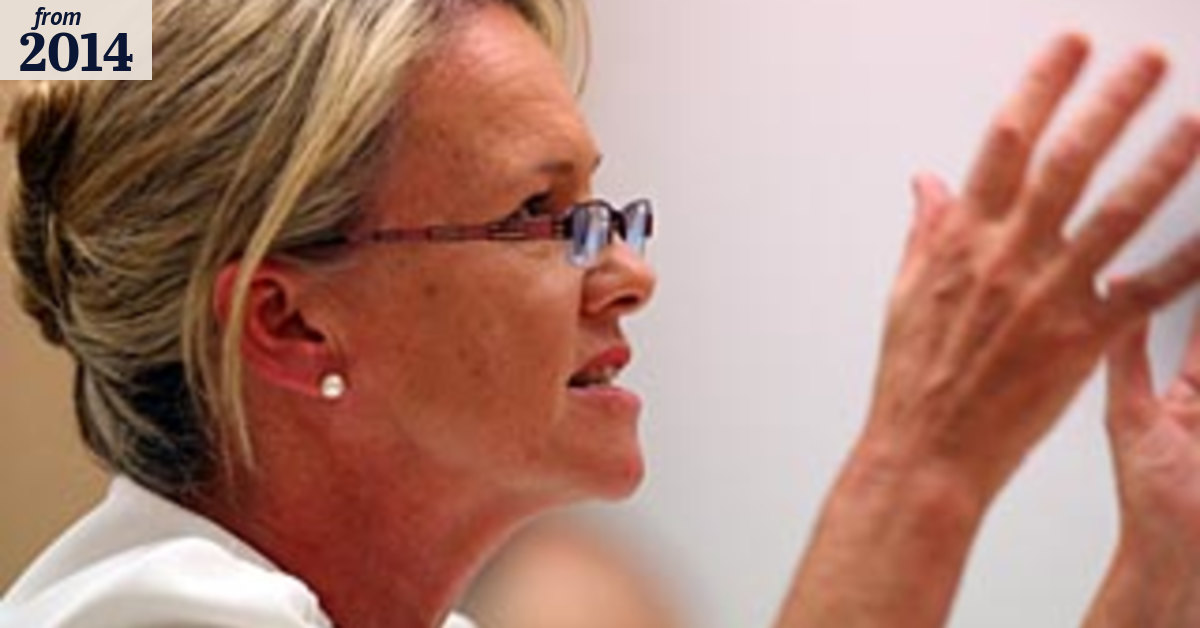
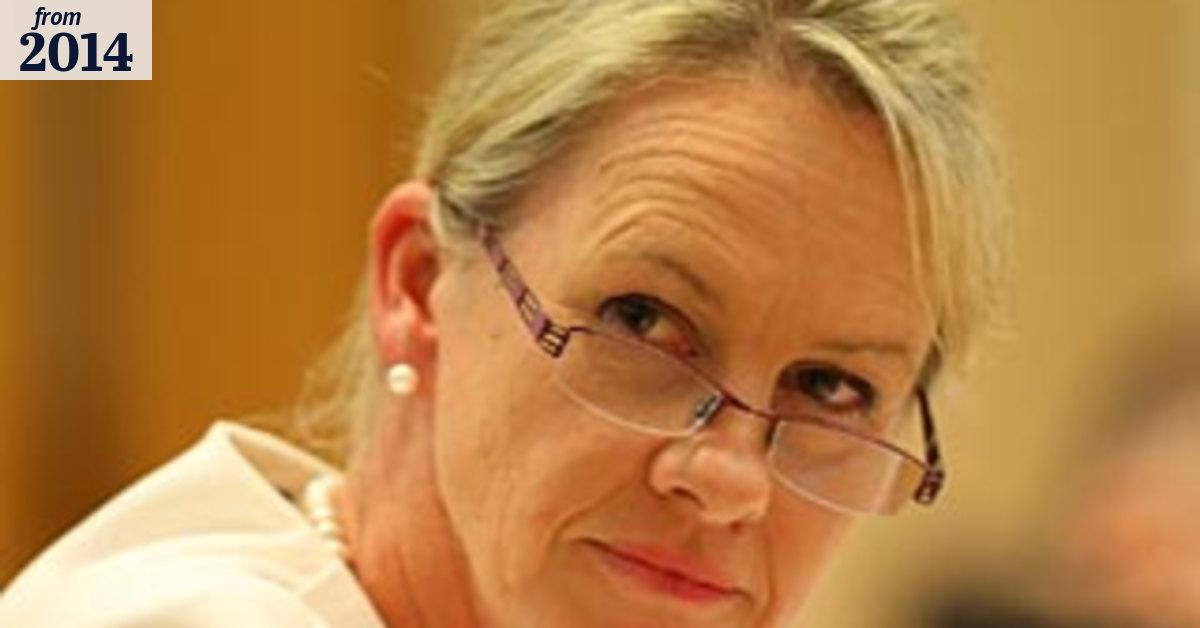
The decision was made by Assistant Health Minister Fiona Nash, who cited a review of funding for several organizations conducted by the former Labor government as the basis for the decision [4].
The organization officially ceased operations in February 2014 [5].
随后 suí hòu , , 联盟党 lián méng dǎng 政府 zhèng fǔ 于 yú 2014 2014 年 nián 12 12 月 yuè 成立 chéng lì 了 le 澳大利亚 ào dà lì yà 国家 guó jiā 酒精 jiǔ jīng 及其 jí qí 他 tā 药物 yào wù 咨询 zī xún 委员会 wěi yuán huì ( ( Australian Australian National National Advisory Advisory Council Council on on Alcohol Alcohol and and Other Other Drugs Drugs , , 简称 jiǎn chēng ANACAD ANACAD ) ) , , 作为 zuò wéi 药物 yào wù 和 hé 酒精 jiǔ jīng 政策 zhèng cè 的 de 主要 zhǔ yào 专家 zhuān jiā 咨询机构 zī xún jī gòu [ [ 6 6 ] ] [ [ 7 7 ] ] 。 。
The Coalition government subsequently established the Australian National Advisory Council on Alcohol and Other Drugs (ANACAD) in December 2014 as the principal expert advisory body on drug and alcohol policy [6][7].
Regarding the specific figures in the claim ($1 million administrative costs vs $1.6 million annual funding), these numbers appear in the Sydney Morning Herald article from March 2014 [8].
The claim states that the government spent $1 million on administrative costs to close the council, which only received $1.6 million in annual funding.
然而 rán ér , , 关于 guān yú " " 违背 wéi bèi 选举 xuǎn jǔ 承诺 chéng nuò " " 的 de 说法 shuō fǎ 无法 wú fǎ 得到 dé dào 证实 zhèng shí 。 。
However, the specific claim about "breaking an election promise" regarding ADCA funding could not be verified.
The Coalition's 2013 election campaign focused on budget consolidation and reducing government expenditure, but no specific pre-election commitment to maintain ADCA funding was found in available records.
The claim omits several critical pieces of context:
1. **The government replaced ADCA with a new body**: Rather than simply eliminating drug and alcohol policy advice, the Coalition established ANACAD in December 2014 as the principal expert advisory council [6][7].
This represented a restructuring rather than an elimination of advisory functions.
2. **Cited Labor government review**: The Coalition explicitly stated that the decision was based on a review of funding conducted by the former Labor government [4].
This suggests the process began under Labor, though the actual closure occurred under the Coalition.
3. **Budget consolidation context**: The decision occurred in the context of the Coalition's broader budget consolidation efforts following their 2013 election victory, where they campaigned on reducing government expenditure and eliminating what they considered wasteful spending [9].
4. **ADCA's role was partially sector advocacy**: ADCA was a peak body representing the alcohol and drug treatment sector, which meant it had both advisory and advocacy functions.
原始 yuán shǐ 来源 lái yuán 是 shì 《 《 悉尼 xī ní 先驱 xiān qū 晨报 chén bào 》 》 ( ( Sydney Sydney Morning Morning Herald Herald , , 简称 jiǎn chēng SMH SMH ) ) , , 这是 zhè shì 九号 jiǔ hào 娱乐 yú lè 公司 gōng sī ( ( Nine Nine Entertainment Entertainment Company Company , , 非 fēi 默多克 mò duō kè 媒体 méi tǐ ) ) 旗下 qí xià 的 de 一家 yī jiā 澳大利亚 ào dà lì yà 主流 zhǔ liú 报纸 bào zhǐ 。 。
The original source is the **Sydney Morning Herald (SMH)**, a major Australian newspaper owned by Nine Entertainment Company (not Murdoch media).
**Credibility assessment**:
- SMH is a mainstream, established newspaper with a reputation for factual reporting [11]
- Media bias assessments indicate SMH reports news factually with minimal bias in news coverage, though editorial positions lean slightly left [11]
- The article in question is a news report (not an opinion piece), which increases its reliability for factual claims
- SMH endorsed Labor in the 2019 election, indicating some editorial leaning, but this does not necessarily affect news reporting accuracy [11]
- The specific figures ($1 million costs, $1.6 million funding) are attributed to sources within the article
Overall, the SMH is a credible mainstream source for this information, though readers should be aware of potential framing that may emphasize costs over policy rationale.
**Did Labor do something similar?**
Search conducted: "Labor government drug alcohol advisory council defunded closed Australia"
**Findings**:
1. **Labor conducted the review cited by the Coalition**: The Coalition explicitly stated that their decision was based on a review of funding conducted by the former Labor government [4].
* * * *
This suggests Labor had already identified ADCA and similar organizations for potential funding cuts or restructuring.
2. **Labor also restructured drug advisory bodies**: The Labor government previously restructured drug policy advisory arrangements.
搜索 sōu suǒ 内容 nèi róng : : " " Labor Labor government government drug drug alcohol alcohol advisory advisory council council defunded defunded closed closed Australia Australia " " ( ( 工党 gōng dǎng 政府 zhèng fǔ 药物 yào wù 酒精 jiǔ jīng 咨询 zī xún 委员会 wěi yuán huì 撤销 chè xiāo 资助 zī zhù 关闭 guān bì 澳大利亚 ào dà lì yà ) )
The Australian National Council on Drugs (ANCD), which existed under Labor, was itself a restructured body that replaced earlier advisory arrangements [12].
3. **No exact equivalent closure found**: While Labor reviewed the funding, the actual decision to defund and close ADCA was made by the Coalition government.
* * * * 发现 fā xiàn * * * * : :
Labor had maintained ADCA funding during their 2007-2013 term.
4. **Both parties restructured advisory bodies**: Both Labor and Coalition governments have restructured drug and alcohol policy advisory arrangements when in power.
The Coalition's establishment of ANACAD to replace ADCA follows a pattern of incoming governments reorganizing advisory structures to align with their policy preferences [6][12].
While the claim highlights the apparent waste of spending $1 million to close an organization that only cost $1.6 million annually to operate, there are legitimate government perspectives to consider:
**Government justification**:
- The Coalition cited a Labor government review as the basis for the decision, suggesting fiscal responsibility concerns predated their government [4]
- The government replaced ADCA with ANACAD, indicating they sought to maintain drug and alcohol policy advice but through a different structure [6][7]
- ADCA was a peak body with sector advocacy functions; ANACAD was designed as a confidential expert advisory council without sector representation, which may have been seen as providing more independent advice [10][7]
- The closure was part of broader budget consolidation efforts following the 2013 election [9]
**Critics' perspective**:
- The alcohol and drug treatment sector lost a peak body that had represented their interests for nearly 50 years [1][2]
- The $1 million administrative cost to achieve savings of $1.6 million annually appears inefficient, especially when considering the loss of institutional knowledge and relationships [8]
- The closure occurred without consultation with the sector, according to reports at the time [3]
- The timing raised concerns as Australia was experiencing significant alcohol-related harm [13]
**Comparative context**: Both major parties have restructured drug and alcohol advisory bodies when in government.
The core factual claims are accurate: the Coalition government did defund the Alcohol and Other Drugs Council of Australia in 2013-2014, and the Sydney Morning Herald reported that approximately $1 million was spent on administrative costs to close an organization that received approximately $1.6 million in annual funding [8].
The claim omits that the government established ANACAD as a replacement advisory body [6][7], making this a restructuring rather than simply an elimination of drug and alcohol policy advice.
3.
The Coalition cited a Labor government funding review as the basis for their decision [4], indicating the fiscal concerns were not solely Coalition-initiated.
4.
The framing suggests wastefulness without acknowledging that the government was implementing a different advisory model (ANACAD) that they believed would better serve policy needs [7].
The core factual claims are accurate: the Coalition government did defund the Alcohol and Other Drugs Council of Australia in 2013-2014, and the Sydney Morning Herald reported that approximately $1 million was spent on administrative costs to close an organization that received approximately $1.6 million in annual funding [8].
The claim omits that the government established ANACAD as a replacement advisory body [6][7], making this a restructuring rather than simply an elimination of drug and alcohol policy advice.
3.
The Coalition cited a Labor government funding review as the basis for their decision [4], indicating the fiscal concerns were not solely Coalition-initiated.
4.
The framing suggests wastefulness without acknowledging that the government was implementing a different advisory model (ANACAD) that they believed would better serve policy needs [7].