Nakakalito

Rating: 3.0/10

Coalition
C0970

Ang Claim

“Inaprubahan ang mga ekspansyon para sa Abbott Point coal port, na nangangailangan ng pagtatambak ng 3 milyong tonelada ng dredge spoil sa Great Barrier Reef, sa gayon ay nagbabanta sa buong industriya ng turismo at industriya ng hospitality ng Queensland, at sa status ng reef bilang heritage site.”
Orihinal na Pinagmulan: Matthew Davis
Sinuri: 3 Feb 2026

Orihinal na Pinagmulan

FACTUAL NA BERIPIKASYON

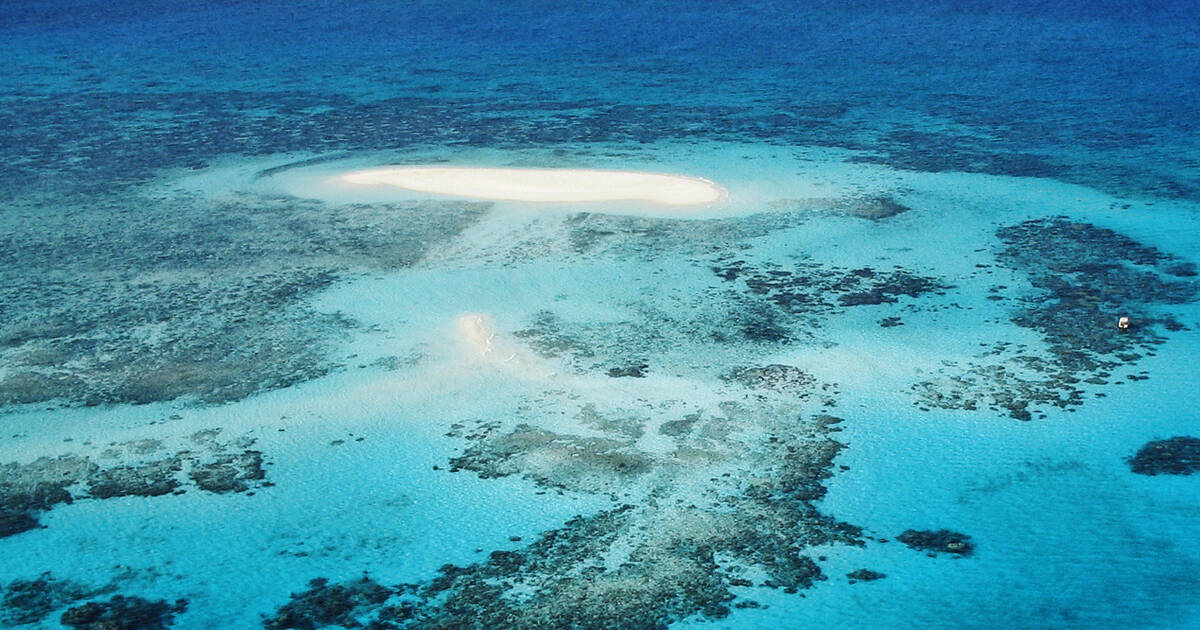
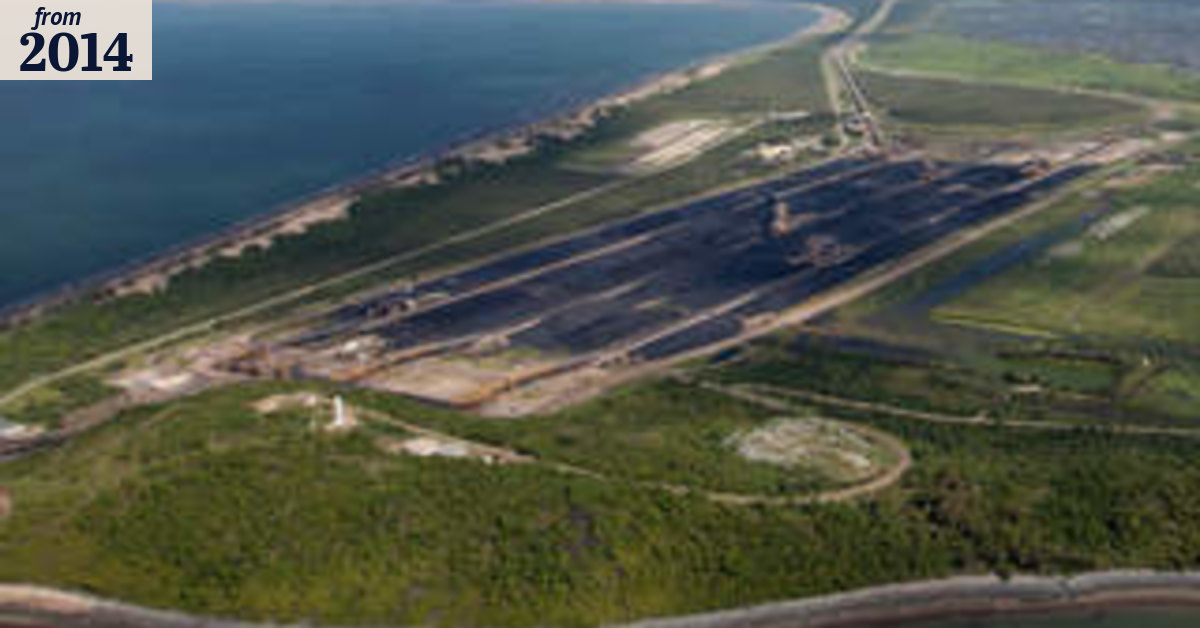
**Ang pag-apruba ay naganap:** Noong Enero 2014, ang Great Barrier Reef Marine Park Authority (GBRMPA) ay nag-apruba ng panukala na magtambak ng 3 milyong cubic metre ng dredge spoil mula sa ekspansyon ng Abbott Point coal terminal sa loob ng Great Barrier Reef Marine Park [1].
**The approval did occur:** In January 2014, the Great Barrier Reef Marine Park Authority (GBRMPA) approved a proposal to dump 3 million cubic metres of dredge spoil from the Abbott Point coal terminal expansion within the Great Barrier Reef Marine Park [1].
Ang Pederal na Environment Minister na si Greg Hunt ay nag-apruba sa mas malawak na proyekto noong Disyembre 2013 [2]. **Pagkalito sa yunit - cubic metre vs tonne:** Ang claim ay nagsasabing "3 milyong tonne" ngunit ang aktwal na inaprubahang volume ay 3 milyong cubic metre [1][3].
Federal Environment Minister Greg Hunt had approved the broader project in December 2013 [2]. **Unit confusion - cubic metres vs tonnes:** The claim states "3 million tonnes" but the actual approved volume was 3 million cubic metres [1][3].
Hindi ito magkatulad.
These are not equivalent.
Ang dredge spoil (materyal mula sa ilalim ng dagat) ay karaniwang may density na humigit-kumulang 1.5-2.0 tonne bawat cubic metre kapag basa, ibig sabihin ang 3 milyong cubic metre ay magkakaroon ng timbang na humigit-kumulang 4.5-6 milyong tonne, hindi 3 milyong tonne [4].
Dredge spoil (seabed material) typically has a density of approximately 1.5-2.0 tonnes per cubic metre when wet, meaning 3 million cubic metres would weigh approximately 4.5-6 million tonnes, not 3 million tonnes [4].
Ang claim ay binababaan ang volume sa pamamagitan ng paghahalo ng mga yunit. **Ang aktwal na pagtatambak ay hindi naganap tulad ng inaprubahan:** Sa isang mahalagang pag-unlad na hindi nabanggit sa claim, ang Queensland Government ay nag-anunsyo noong Setyembre 2014 na ito ay magtatakwil sa planong magtambak ng dredge spoil sa dagat at sa halip ay gagamitin ang onshore dumping [5][6].
The claim understates the volume by conflating units. **The actual dumping never occurred as approved:** In a significant development not mentioned in the claim, the Queensland Government announced in September 2014 that it would abandon the plan to dump dredge spoil at sea in favor of onshore dumping [5][6].
Noong Nobyembre 2014, ang Queensland Government ay nag-endorso ng plano na magtambak ng materyal sa bakanteng industrial land sa halip na sa tubig ng reef [7].
By November 2014, the Queensland Government had endorsed a plan to dump the material on vacant industrial land rather than in reef waters [7].
Ang huling Environmental Impact Statement (2015) ay sumalamin sa pagbabagong ito, na nangangailangan ng dredging na 1.1 milyong cubic metre (hindi 3 milyon) na ilalagay sa bakanteng industrial land [8].
The final Environmental Impact Statement (2015) reflected this change, involving dredging 1.1 million cubic metres (not 3 million) to be placed on vacant industrial land [8].

Nawawalang Konteksto

**Ang proyekto ay malaking nabago:** Ang claim ay nagpapakita ng sitwasyon na parang ang 3 milyong tonne/cubic metre ay aktwal na itinambak sa reef.
**The project was significantly modified:** The claim presents the situation as if 3 million tonnes/cubic metres were actually dumped onto the reef.
Gayunpaman, kasunod ng malawakang pampublikong pagtutol at mga alalahanin sa kapaligiran, parehong ang volume at lokasyon ay binago.
However, following widespread public opposition and environmental concerns, both the volume and location were changed.
Ang huling inaprubahang proyekto ay nagsasangkot ng: - Binawasang volume: Mula 3 milyong cubic metre hanggang 1.1 milyong cubic metre [8] - Binagong lokasyon: Mula marine dumping patungo sa onshore industrial land disposal [6][7] **Ang Queensland Government (LNP) ay nagbago ng desisyon:** Ang Newman LNP government, na orihinal na sumusuporta sa marine dumping, ay bumaligtad sa kanyang posisyon noong huling bahagi ng 2014 dahil sa pampolitikang presyon at mga alalahanin sa kapaligiran [5][6].
The final approved project involved: - Reduced volume: From 3 million cubic metres to 1.1 million cubic metres [8] - Changed location: From marine dumping to onshore industrial land disposal [6][7] **Queensland Government (LNP) changed course:** The Newman LNP government, initially supportive of marine dumping, reversed its position in late 2014 due to political pressure and environmental concerns [5][6].
Ang pagbaliktad na ito ay ganap na hindi nabanggit sa claim. **Mahigpit na kondisyon ang ipinataw:** Ang orihinal na pag-apruba ay nagsama ng "29 na pinakamahigpit na kondisyon sa kasaysayan ng Australia" ayon sa Department of Environment [9], kabilang ang mga kinakailangan para sa 150% net benefit sa kalidad ng tubig at malawakang mga kinakailangan sa pagmamatyag. **Hindi nailista ng UNESCO ang reef bilang 'in danger':** Sa kabila ng mga alalahanin na inihain noong 2014, ang UNESCO ay nag-defer ng kanyang desisyon hanggang 2015, at ang Great Barrier Reef ay hindi inilagay sa World Heritage in Danger list sa panahong iyon [10][11].
This reversal is entirely omitted from the claim. **Strict conditions were imposed:** The original approval included "29 of the strictest conditions in Australian history" according to the Department of Environment [9], including requirements for 150% net benefit in water quality and extensive monitoring requirements. **UNESCO did not list the reef as 'in danger':** Despite concerns raised in 2014, UNESCO deferred its decision until 2015, and the Great Barrier Reef was not placed on the World Heritage in Danger list at that time [10][11].

Pagsusuri ng Kredibilidad ng Pinagmulan

**Artikulo ng SMH (Enero 29, 2014):** - May-akda: Tom Arup, isang kilalang environment journalist - Publikasyon: The Sydney Morning Herald - mainstream, reputable na Australian na pahayagan - Nilalaman: Nag-uulat ng mga alalahanin ng mga aktibista ngunit beripika ang mga pangunahing katotohanan tungkol sa pag-apruba - Limitasyon: Inilathala nang maaga sa kontrobersya, bago ang onshore dumping solution ay iminungkahi **Artikulo ng The Guardian (Hulyo 11, 2014):** - May-akda: Oliver Milman, established Guardian Australia journalist - Publikasyon: The Guardian - mainstream, reputable na international outlet - Nilalaman: Nag-uulat ng mga FOI document na naghahayag ng mga pagtatalo sa pagtataya ng gastos sa pagitan ng developer at marine park authority - Limitasyon: Inilathala sa gitna ng kontrobersya, hindi sumasalamin sa huling pagbaliktad sa patakaran Ang parehong pinagkunan ay mga kredibleng mainstream media outlets, hindi mga partisan advocacy organizations.
**SMH Article (January 29, 2014):** - Author: Tom Arup, an established environment journalist - Publication: The Sydney Morning Herald - mainstream, reputable Australian newspaper - Content: Reports on activist concerns but does verify the basic facts about the approval - Limitation: Published early in the controversy, before the onshore dumping solution was proposed **The Guardian Article (July 11, 2014):** - Author: Oliver Milman, established Guardian Australia journalist - Publication: The Guardian - mainstream, reputable international outlet - Content: Reports on FOI documents revealing cost estimate disputes between the developer and marine park authority - Limitation: Published mid-controversy, doesn't reflect the eventual policy reversal Both sources are credible mainstream media outlets, not partisan advocacy organizations.
Gayunpaman, ang parehong mga artikulo ay inilathala bago ang desisyon ng Queensland Government noong Setyembre 2014 na lumipat sa onshore dumping, ibig sabihin ay nagpapakita sila ng hindi kumpletong larawan ng huling resulta.
However, both articles were published before the Queensland Government's September 2014 decision to move to onshore dumping, meaning they present an incomplete picture of the eventual outcome.
⚖️

Paghahambing sa Labor

**Ginawa ba ng Labor ang katulad na bagay?** Isinagawang paghahanap: "Labor government Great Barrier Reef dredging coal port expansion Queensland" **Natuklasan:** Ang Queensland Labor government (2009-2012) ay may sariling mga plano para sa ekspansyon ng port.
**Did Labor do something similar?** Search conducted: "Labor government Great Barrier Reef dredging coal port expansion Queensland" **Finding:** The Queensland Labor government (2009-2012) had its own plans for port expansion.
Ayon sa isang pahayag ng Queensland government noong Enero 2014, "Ang dami ng dredging na magaganap sa Abbot Point sa ilalim ng prosesong ito ay isang-katlo lamang ng naisip ng dating Labor government" [12].
According to a Queensland government statement in January 2014, "The amount of dredging that will take place at Abbot Point under this process is one-tenth of that proposed by the former Labor government" [12].
Ipinapahiwatig nito na ang Labor ay nakapag-isip ng mas malalaking mga panukala sa dredging para sa Abbott Point. **Kasaysayan ng ekspansyon ng port sa ilalim ng Labor:** - Ang Bligh Labor government (2007-2012) ay may mga ipinanukalang pag-unlad sa Galilee Basin region na mangangailangan ng ekspansyon ng port - Ang claim ay hindi nabanggit na ang Labor ay sumuporta rin sa pag-unlad ng resources at kaugnay na imprastraktura - Ang mga ekspansyon ng port sa Hay Point at Gladstone ay nagpatuloy sa ilalim ng parehong Labor at Coalition governments sa estado at pederal na antas **Mas malawak na konteksto:** Ang mga ekspansyon ng port para sa coal export ay sinuportahan ng parehong pangunahing partido sa Queensland, dahil pareho ang nagsikap na pabilisin ang pag-unlad ng pagmimina sa Galilee Basin.
This suggests Labor had considered significantly larger dredging proposals for Abbott Point. **History of port expansion under Labor:** - The Bligh Labor government (2007-2012) had proposed developments in the Galilee Basin region that would require port expansion - The claim omits that Labor also supported resource development and associated infrastructure - Port expansions at Hay Point and Gladstone proceeded under both Labor and Coalition governments at state and federal levels **Broader context:** Port expansions for coal export have been supported by both major parties in Queensland, as both have sought to facilitate mining development in the Galilee Basin.
Ang pagkakaiba ay pangunahin sa sukat at mga kondisyon sa kapaligiran, hindi sa pundamental na direksyon ng patakaran.
The difference is primarily in scale and environmental conditions, not in fundamental policy direction.
🌐

Balanseng Pananaw

**Ano ang tama sa claim:** - Ang isang pag-apruba ay talagang naganap noong Enero 2014 para sa 3 milyong cubic metre ng dredge spoil dumping sa loob ng Great Barrier Reef Marine Park [1] - May mga lehitimong alalahanin tungkol sa mga epekto sa reef at industriya ng turismo [13][14] - Ang UNESCO ay nagpahayag ng mga alalahanin tungkol sa status ng reef bilang World Heritage [10] **Ano ang hindi nabanggit o misrepresented ng claim:** 1. **Ang pagtatambak ay hindi naganap tulad ng inilarawan:** Ang plano sa marine dumping ay itinakwil pabor sa onshore disposal [6][7] 2. **Ang volume ay binawasan:** Ang huling proyekto ay nagsasangkot ng 1.1 milyong cubic metre, hindi 3 milyon [8] 3. **Pagkalito sa yunit:** Ang claim ay mali na nagsasabing "tonne" samantalat ang sukatan ay cubic metre - magkaibang yunit na may magkaibang implikasyon 4. **Tugon ng gobyerno sa kritiko:** Ang Queensland Government ay bumaligtad sa kanyang posisyon pagkatapos ng pampublikong pagtutol, sa huli ay nag-adopt ng onshore solution [5][6] 5. **Mahigpit na mga kondisyon sa kapaligiran:** Ang orihinal na pag-apruba ay nagsama ng malawakang mga kondisyon para sa pagmamatyag at water quality offsets [9] 6. **Kasaysayan ng Labor:** Ang mga nakaraang Labor governments ay nakapag-isip ng mas malalaking mga panukala sa dredging para sa parehong lugar [12] **Lehitimong konteksto ng patakaran:** - Ang Abbott Point expansion ay dinisenyo upang pabilisin ang mga export ng coal mula sa Galilee Basin, na kumakatawan sa malaking pamumuhunan sa ekonomiya ($16.5 bilyon para sa Carmichael project lamang) [15] - Ang proyekto ay nagsasangkot ng kumplikadong mga trade-off sa pagitan ng pag-unlad ng ekonomiya at proteksyon sa kapaligiran - Ang parehong pangunahing partido ay historikal na sumuporta sa pag-unlad ng resources sa Queensland
**What the claim gets right:** - An approval was indeed granted in January 2014 for 3 million cubic metres of dredge spoil dumping within the Great Barrier Reef Marine Park [1] - There were legitimate concerns about impacts on the reef and tourism industry [13][14] - UNESCO did express concerns about the reef's World Heritage status [10] **What the claim omits or misrepresents:** 1. **The dumping never happened as described:** The marine dumping plan was abandoned in favor of onshore disposal [6][7] 2. **Volume was reduced:** The final project involved 1.1 million cubic metres, not 3 million [8] 3. **Unit confusion:** The claim incorrectly states "tonnes" when the measurement was cubic metres - different units with different implications 4. **Government response to criticism:** The Queensland Government reversed its position after public outcry, eventually adopting an onshore solution [5][6] 5. **Strict environmental conditions:** The original approval included extensive conditions for monitoring and water quality offsets [9] 6. **Labor's history:** Previous Labor governments had considered even larger dredging proposals for the same area [12] **Legitimate policy context:** - The Abbott Point expansion was designed to facilitate coal exports from the Galilee Basin, representing significant economic investment ($16.5 billion for the Carmichael project alone) [15] - The project involved complex trade-offs between economic development and environmental protection - Both major parties have historically supported resource development in Queensland

NAKAKALITO

3.0

sa 10

Ang claim ay naglalaman ng mga pagkakamali sa mga katotohanan at nagpapakita ng mapanlinlang na larawan ng kung ano ang aktwal na naganap: 1. **Pagkalito sa yunit:** Ang "3 milyong tonne" ay mali - ang inaprubahang volume ay 3 milyong cubic metre, na magkakaroon ng timbang na mas mabigat (humigit-kumulang 4.5-6 milyong tonne depende sa density).
The claim contains factual errors and presents a misleading picture of what actually occurred: 1. **Unit confusion:** "3 million tonnes" is incorrect - the approved volume was 3 million cubic metres, which would weigh significantly more (approximately 4.5-6 million tonnes depending on density).
Ipinapahiwatig nito na ang may-akda ng claim ay hindi naintindihan o misrepresented ang mga yunit. 2. **Ang pangunahing aksyon ay hindi naganap:** Ang claim ay nagpapakita ng sitwasyon na parang ang dredge spoil ay itinambak sa reef.
This suggests the claim author misunderstood or misrepresented the units. 2. **The core act never happened:** The claim presents the situation as if dredge spoil was dumped on the reef.
Sa katotohanan, ang plano sa marine dumping ay itinakwil sa loob ng ilang buwan pagkatapos ng pag-apruba, pinalitan ng onshore disposal sa industrial land. 3. **Outdated na framing:** Ang claim ay gumagamit ng mga artikulo mula 2014 na predating ang pagbaliktad sa patakaran, na nagpapakita ng mga paunang pag-apruba bilang huling resulta nang hindi kinikilala ang kasunod na pagbabago sa onshore dumping. 4. **Soberanong mga banta:** Bagama't ang UNESCO ay nagpahayag ng mga alalahanin, ang reef ay hindi inilagay sa World Heritage in Danger list.
In reality, the marine dumping plan was abandoned within months of approval, replaced by onshore disposal on industrial land. 3. **Outdated framing:** The claim uses 2014 news articles that predate the policy reversal, presenting initial approvals as final outcomes without acknowledging the subsequent change to onshore dumping. 4. **Exaggerated threats:** While UNESCO did express concerns, the reef was not placed on the World Heritage in Danger list.
Ang pahayag ng claim na ang pag-apruba ay "sa gayon ay nagbabanta" sa heritage status ay sobrang pinalalaki ang aktwal na resulta.
The claim's assertion that the approval "thereby threatened" the heritage status overstates the actual outcome.
Ang claim ay umaasa sa mga pinagkunan na inilathala bago ang resolusyon ng kontrobersya, na lumilikha ng mapanlinlang na impresyon na ang 3 milyong tonne ng spoil ay aktwal na itinambak sa tubig ng reef nang hindi naganap ito.
The claim relies on sources published before the resolution of the controversy, creating a misleading impression that 3 million tonnes of spoil was actually dumped into reef waters when this did not occur.

📚 MGA PINAGMULAN AT SANGGUNIAN (15)

  1. 1
    Abbot Point: Dredging dumping permitted within Great Barrier Reef waters

    Abbot Point: Dredging dumping permitted within Great Barrier Reef waters

    The final step to allow the dumping of millions of tonnes of dredging spoil in the Great Barrier Reef's waters has been cleared after the Authority overseeing the marine park gave its approval, subject to environmental conditions.

    The Sydney Morning Herald
  2. 2
    au.finance.yahoo.com

    Australia approves coal port expansion near Barrier Reef

    Au Finance Yahoo

  3. 3
    ibtimes.com.au

    Marine Park Authority Allows 3 Million Cubic Metres of Dredge Dumped

    Ibtimes Com

  4. 4
    cat.com

    Material Density Tables to Help Estimate Earthwork Volumes

    Cat

  5. 5
    QLD govt to pay to dump on land, not sea

    QLD govt to pay to dump on land, not sea

    The Queensland government will ask Canberra to approve a plan that will allow the dumping of dredge spoil on land instead of at sea.

    SBS News
  6. 6
    Queensland Government announces Abbot Point Terminal dumping site

    Queensland Government announces Abbot Point Terminal dumping site

    The new Queensland government has stopped the approvals process for the expansion of Abbot Point Coal Terminal, banning Adani and

    Australian Mining
  7. 7
    QLD Govt endorses plan to dump dredge spoil on land, not Great Barrier Reef

    QLD Govt endorses plan to dump dredge spoil on land, not Great Barrier Reef

    The Queensland Government has endorsed a plan to dump dredge spoil on land, rather than into the Great Barrier Reef, from the expansion of the north Queensland coal terminal at Abbot Point. Cabinet has approved the plan to reuse 3 million cubic metres of dredge spoil in a long-term land based port development strategy. It is now up to the Federal Environment Minister Greg Hunt to support and approve the proposal.

    ABC listen
  8. 8
    Abbot Point Growth Gateway Project

    Abbot Point Growth Gateway Project

    State Development, Infrastructure and Planning
  9. 9
    PDF

    Abbot Point Growth Gateway project: Fact sheet

    Dcceew Gov • PDF Document
  10. 10
    Decision on status of Australia's Great Barrier Reef deferred until 2015

    Decision on status of Australia's Great Barrier Reef deferred until 2015

    Doha, 18 June – The World Heritage Committee meeting in Doha (Qatar) today deferred for 12 months a decision on whether to inscribe Australia’s Great Barrier Reef on the List of World Heritage in ...

    UNESCO World Heritage Centre
  11. 11
    Great Barrier Reef's World Heritage status - 9News

    Great Barrier Reef's World Heritage status - 9News

    A timeline of the Great Barrier Reef's status since the natural wonder was listed as a World Heritage site ...

    9News
  12. 12
    Reef protected under Abbot Point and Arrow approvals

    Reef protected under Abbot Point and Arrow approvals

    Ministerial Media Statements
  13. 13
    Tour operators say Abbot Point decision will affect reef, tourism

    Tour operators say Abbot Point decision will affect reef, tourism

    Great Barrier Reef tour operators say a decision to allow the dumping of dredge spoil near the reef's marine park area will affect tourism in the region and Australia's international reputation. Nearly 3 million cubic meters of spoil will be tipped in an area near the marine park as part of the Abbot Point coal port expansion near Bowen after permission was granted on Friday by the Great Barrier Reef Marine Park Authority (GBRMPA) with 47 strict conditions. Scientists and conservation lobbyists had urged the rejection of the expansion arguing sediment from dredging could smother corals and seagrasses and expose them to poisons and elevated nutrients.

    Abc Net
  14. 14
    Australia: Stop Dumping on the Great Barrier Reef, Say Tourism Operators

    Australia: Stop Dumping on the Great Barrier Reef, Say Tourism Operators

    The Australian Marine Conservation Society and tourism operators called on the Federal Government to end dumping of dredge spoil in the waters of the Great Barrier Reef. The State and Federal governments have recently fast-tracked the world’s biggest coal port, less than 50kms from the Whitsunday Islands. There are more than 100 million tonnes of […]

    Dredging Today
  15. 15
    Abbot Point Port: the divisive coal project on the Great Barrier Reef

    Abbot Point Port: the divisive coal project on the Great Barrier Reef

    Australia’s ambition to build one of the world’s largest coal ports at Abbot Point has caused international uproar over the project’s perceived environmental threat. The expansion site is located in close proximity to the Great Barrier Reef, a UNESCO heritage site currently considered at risk of degradation. Despite the Australian Government’s efforts to deliver the expansion within strict environmental parameters, campaigners warn of permanent damage to the world's largest collection of coral reefs.

    Ship Technology
Pamamaraan ng Rating Scale

1-3: MALI

Hindi tama sa katotohanan o malisyosong gawa-gawa.

4-6: BAHAGYA

May katotohanan ngunit kulang o baluktot ang konteksto.

7-9: HALOS TOTOO

Maliit na teknikal na detalye o isyu sa pagkakasulat.

10: TUMPAK

Perpektong na-verify at patas ayon sa konteksto.

Pamamaraan: Ang mga rating ay tinutukoy sa pamamagitan ng cross-referencing ng opisyal na mga rekord ng pamahalaan, independiyenteng mga organisasyong nag-fact-check, at mga primaryang dokumento.