Totoo

Rating: 7.0/10

Coalition
C0955

Ang Claim

“Pinutol ang pondo para sa Energy Efficiency Program (na sapilitan para sa malalaking konsyumer ng kuryente).”
Orihinal na Pinagmulan: Matthew Davis

Orihinal na Pinagmulan

FACTUAL NA BERIPIKASYON

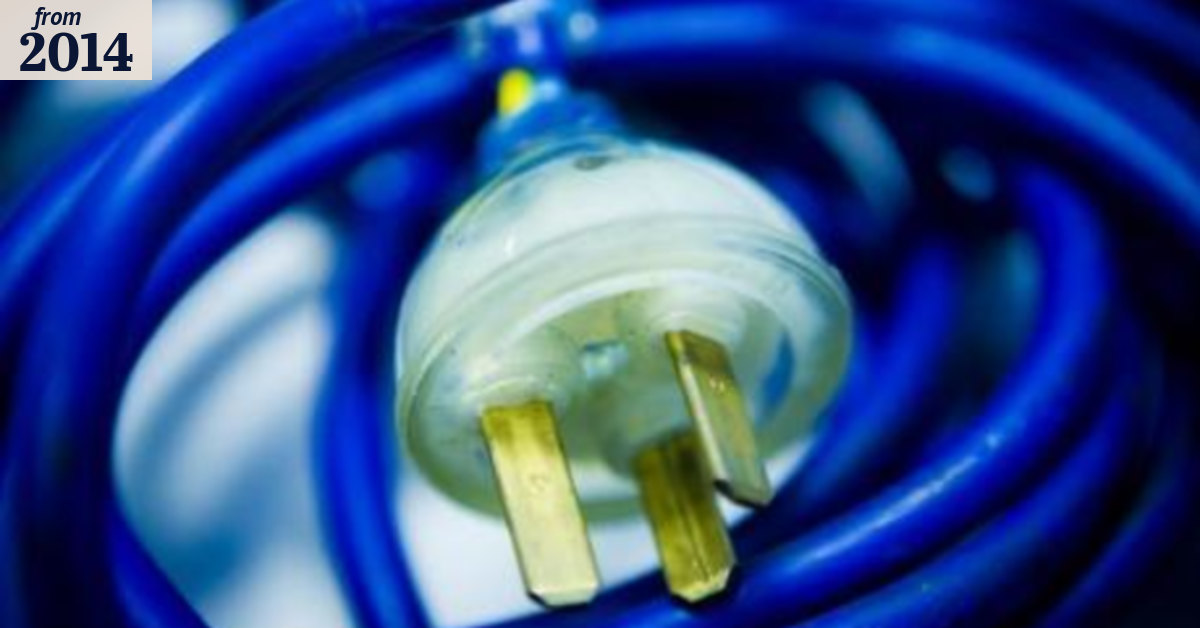
**TOTOO.** Pinutol ng pamahalaang Abbott ang administratibong pondo para sa Energy Efficiency Opportunities (EEO) program sa Disyembre 2013 Mid-Year Economic and Fiscal Outlook (MYEFO).
**TRUE.** The Abbott government did cut administrative funding for the Energy Efficiency Opportunities (EEO) program in the December 2013 Mid-Year Economic and Fiscal Outlook (MYEFO).
Ayon sa ulat ng SBS, "tigil na ang pondo para sa Energy Efficiency Opportunities program simula Hulyo" 2014 bilang bahagi ng mga hakbang ng pamahalaan para alisin ang carbon tax [1].
According to the SBS report, "funding for the Energy Efficiency Opportunities program will terminate from July" 2014 as part of the government's moves to abolish the carbon tax [1].
Ang program ay itinatag sa ilalim ng pamahalaang Howard noong 2006 sa pamamagitan ng Energy Efficiency Opportunities Act 2006, na nagpapa-sapilit sa mga kumpanyang gumagamit ng malaking halaga ng kuryente, gas, o diesel na tukuyin at ipatupad ang mga makatwirang pagtitipid sa enerhiya [1][2].
The program was established under the Howard government in 2006 through the Energy Efficiency Opportunities Act 2006, making it mandatory for companies using large amounts of electricity, gas, or diesel to identify and implement cost-effective energy savings [1][2].
Ang 2013-14 MYEFO ang opisyal na nag-anunsyo ng pagtigil sa pondo, na nakatakdang maging epektibo simula Hulyo 1, 2014 [3].
The 2013-14 MYEFO officially announced the funding termination, scheduled to take effect from July 1, 2014 [3].

Nawawalang Konteksto

Ang claim ay hindi nagbibigay ng ilang mahahalagang konteksto: 1. **Ang program ay aktwal na nilikha ng isang Coalition government**: Ang EEO program ay itinatag ng pamahalaang Howard noong 2006 bilang bahagi ng isang lihim na kasunduan sa malaking industriya upang maiwasan ang pagtaas ng 2010 Mandatory Renewable Energy Target.
The claim omits several important contextual factors: 1. **The program was actually created by a Coalition government**: The EEO program was established by the Howard government in 2006 as part of a secret deal with big industry to avoid increasing the 2010 Mandatory Renewable Energy Target.
Si Energy Minister Ian Macfarlane, na kasama sa orihinal na kasunduang iyon, ay umano ay suportado ang pagpapanatili ng isang streamlined na bersyon ng scheme [2]. 2. **Ang program ay nagpatuloy sa anyo ng batas**: Ayon sa Energy Efficiency Council, "Hindi sinira ng pamahalaan ang Energy Efficiency Opportunities program, dahil ito ay nasa batas, ngunit pinutol nila ang pondo para pangasiwaan ang program" [1].
Energy Minister Ian Macfarlane, who was involved in that original agreement, was reportedly supportive of retaining a streamlined version of the scheme [2]. 2. **The program continued in legislated form**: As the Energy Efficiency Council noted, "The government haven't scrapped the Energy Efficiency Opportunities program, because it's legislated, but they've cut funding to administer the program" [1].
Sinabi ng website ng program na ito ay "magpapatuloy sa kasalukuyang anyo hanggang Hunyo 30, 2014" habang ang pamahalaan ay nagkonsulta kung paano optimize ang patakaran sa kahusayan ng enerhiya sa pamamagitan ng kanilang energy white paper [1]. 3. **Ang sinasabing dahilan**: Inihain ng pamahalaan ito bilang bahagi ng mas malawak na deregulation at mga pagsisikap sa pagbabawas ng "red tape", kasabay ng pag-aalis sa carbon tax.
The program's website stated it would "continue in its present form until June 30, 2014" while the government consulted on how to optimise energy efficiency policy through its energy white paper [1]. 3. **The claimed rationale**: The government presented this as part of broader deregulation and "red tape" reduction efforts, along with abolishing the carbon tax.
Ang mga industry lobby groups kabilang ang APPEA (langis at gas), ang Property Council of Australia, at Manufacturing Australia ay nag-kampanya laban sa mga kinakailangan sa pagsunod ng program [2]. 4. **Kahusayan ng program**: Ang mga independent review ay nakakita na ang program ay nagbigay ng makabuluhang resulta.
Industry lobby groups including APPEA (oil and gas), the Property Council of Australia, and Manufacturing Australia had campaigned against the program's compliance requirements [2]. 4. **Program effectiveness**: Independent reviews found the program delivered significant results.
Ang opisyal na "end of first cycle" review ng ACIL-Tasman ay nagkonklusyon: "Ang EEO Program ay karagdagang, komplementaryo [sa isang carbon price] at angkop na patakaran para sa pagtugon sa market failure na may kinalaman sa availability at paggamit ng impormasyon sa pamamagitan ng pinabuting pamamahala ng kahusayan sa enerhiya" [2].
The official "end of first cycle" review by ACIL-Tasman concluded: "The EEO Program is additional, complementary [to a carbon price] and an appropriate policy for addressing market failure relating to the availability and use of information through improved energy efficiency management" [2].
Ang mga kalahok ay nakamit ang taunang pagtitipid sa energy bill na tinatayang sa pagitan ng $250 milyon hanggang $1.2 bilyon, na may average na payback periods na wala pang dalawang taon [2].
Participants achieved annual energy bill savings estimated between $250 million to $1.2 billion, with average payback periods under two years [2].

Pagsusuri ng Kredibilidad ng Pinagmulan

Ang orihinal na pinagmulan ay ang **SBS News**, isang reputable na Australian public broadcaster.
The original source is **SBS News**, a reputable Australian public broadcaster.
Ang artikulo ay isang AAP (Australian Associated Press) syndicated news report mula noong Disyembre 17, 2013.
The article is an AAP (Australian Associated Press) syndicated news report from December 17, 2013.
Ang SBS News ay pangkalahatang itinuturing na isang kredibleng mainstream news source na walang malaking partisan bias.
SBS News is generally considered a credible mainstream news source with no significant partisan bias.
Ang artikulo ay tumpak na nag-ulat tungkol sa mga pagputol sa pondo ng MYEFO at kasama ang mga quote mula sa parehong Energy Efficiency Council (industry body) at tinukoy ang opisyal na posisyon ng pamahalaan [1].
The article accurately reported on the MYEFO funding cuts and included quotes from both the Energy Efficiency Council (industry body) and referenced the government's official position [1].
⚖️

Paghahambing sa Labor

**Ginawa ba ng Labor ang katulad na bagay?** Isinagawang paghahanap: "Kasaysayan ng energy efficiency program ng pamahalaang Labor" Natuklasan: Ang EEO program ay aktwal na nilikha sa ilalim ng isang Coalition (Howard) government, hindi ng Labor.
**Did Labor do something similar?** Search conducted: "Labor government energy efficiency program history comparison" Finding: The EEO program was actually created under a Coalition (Howard) government, not Labor.
Gayunpaman, ang mga pamahalaang Labor ay may kanilang sariling mga kontrobersya sa kahusayan ng enerhiya.
However, Labor governments have had their own energy efficiency controversies.
Ang Home Insulation Program ng pamahalaang Rudd (bahagi ng Energy Efficient Homes Package) ay inanunsyo noong Pebrero 2009 bilang bahagi ng $42 bilyong National Building and Jobs Plan, ngunit naging "isang klasikong halimbawa ng pagkabigo sa patakaran" na may mga problema sa pagpapatupad at mga isyu sa kaligtasan [4].
The Rudd government's Home Insulation Program (part of the Energy Efficient Homes Package) was announced in February 2009 as part of the $42 billion National Building and Jobs Plan, but became "a classic case of policy failure" with implementation problems and safety issues [4].
Pinanatili ng Labor ang EEO program sa buong kanilang 2007-2013 tenure nang walang pagputol sa pondo.
Labor maintained the EEO program throughout their 2007-2013 tenure without cutting its funding.
Ang program ay may bipartisan support sa unang pitong taon ng operasyon.
The program had bipartisan support for its first seven years of operation.
Nang putulin ng Coalition ang pondo ng program noong 2013, epektibong sinisira nila ang sariling nilikha ng kanilang partido.
When the Coalition cut the program's funding in 2013, they were effectively dismantling their own party's creation.
Sa mas malawak na kahulugan, ang parehong partido ay makasaysayang sumuporta sa iba't ibang hakbang sa kahusayan ng enerhiya.
More broadly, both parties have historically supported various energy efficiency measures.
Ang pamahalaang Fraser ang unang nagpakilala ng mga patakaran sa kahusayan ng enerhiya noong 1979 bilang tugon sa oil crisis [5].
The Fraser government first introduced energy efficiency policies in 1979 in response to the oil crisis [5].
Ang parehong pamahalaang Labor at Coalition ay nagpatupad at nagbawi ng iba't ibang mga program sa kahusayan ng enerhiya batay sa kanilang mga prayoridad sa patakaran.
Both Labor and Coalition governments have implemented and repealed different energy efficiency programs based on their policy priorities.
🌐

Balanseng Pananaw

Bagama't ang claim na pinutol ang pondo ay tama sa katotohanan, ang buong kwento ay nagpapakita ng higit na pagiging kumplikado: **Mga puna sa pagputol ng pondo:** - Tinawag ng Energy Efficiency Council ang pagputol bilang isang "sorpresa" na lumikha ng "malaking kawalan ng katiyakan sa sektor" [1] - Ang mga kalahok sa industriya at staff ay umano ay malugod na tinanggap ang program bilang isang paraan ng pagkakaroon ng pinabuting access sa mga decision maker at resources [2] - Ang independent ACIL-Tasman review ay nagrekomenda ng pagpapatuloy ng program, na nakita na ito ay nagbigay ng malalaking pagtitipid sa enerhiya sa makatwirang halaga [2] - Si Alan Pears, na tumulong sa pagbuo ng program, ay nagpahayag na ang sinasabing mga gastos sa pagsunod (hanggang $500,000 bawat negosyo) ay labis na pinalaki—ang average ay wala pang $40,000 bawat taon, habang ang mga kalahok ay nakapagtipid ng pagitan ng $250 milyon hanggang $1.2 bilyon taun-taon [2] **Pangangatwiran ng pamahalaan:** - Inihain ng pamahalaang Abbott ito bilang bahagi ng kanilang election commitment na bawasan ang "red tape" at deregulate ang ekonomiya - Ang program ay nauugnay sa carbon pricing mechanism, na ang pamahalaan ay may mandato na alisin - Ang mga industry lobby groups ay aktibong nag-kampanya laban sa mga kinakailangan sa pagsunod [2] - Sinabi ng pamahalaan na sila ay nagkonsulta kung paano "optimize ang patakaran sa kahusayan ng enerhiya" sa pamamagitan ng proseso ng energy white paper [1] **Mahalagang konteksto:** Hindi ito simpleng pag-atake sa mga program sa kapaligiran—itong pagkakataon ay ang Coalition ang sumisira sa sariling program ng kanilang partido na pinanatili ng nakaraang pamahalaang Labor.
While the claim that funding was cut is factually accurate, the full story reveals more complexity: **Criticisms of the funding cut:** - The Energy Efficiency Council called the cut a "surprise" that created "huge uncertainty in the sector" [1] - Industry participants and staff reportedly welcomed the program as a means of getting improved access to decision makers and resources [2] - The independent ACIL-Tasman review had recommended continuing the program, finding it delivered substantial energy savings at reasonable cost [2] - Alan Pears, who helped develop the program, noted that the claimed compliance costs (up to $500,000 per business) were significantly overstated—the average was under $40,000 per year, while participants saved between $250 million to $1.2 billion annually [2] **Government justification:** - The Abbott government positioned this as part of their election commitment to reduce "red tape" and deregulate the economy - The program was linked to the carbon pricing mechanism, which the government had a mandate to abolish - Industry lobby groups had actively campaigned against compliance requirements [2] - The government stated they were consulting on how to "optimise energy efficiency policy" through the energy white paper process [1] **Key context:** This was not simply an attack on environmental programs—it was the Coalition dismantling their own party's program that had been maintained by the previous Labor government.
Ang pamahalaang Howard ang lumikha ng EEO program noong 2006; pinanatili ng Labor ang pagtakbo nito sa 2007-2013; pinutol ng pamahalaang Abbott ang pondo noong 2013.
The Howard government created the EEO program in 2006; Labor kept it running through 2007-2013; the Abbott government cut its funding in 2013.
Ang pattern na ito ng bawat pamahalaan na nagbabago sa mga patakaran ng nakaraang pamahalaan ay karaniwan sa pulitika ng Australia anuman ang partido.
This pattern of each government changing the previous government's policies is common in Australian politics regardless of party.

TOTOO

7.0

sa 10

Ang claim ay tama sa katotohanan.
The claim is factually accurate.
Pinutol ng pamahalaang Abbott ang administratibong pondo para sa Energy Efficiency Opportunities program noong Disyembre 2013, na ang pagtigil sa pondo ay nakatakdang maging epektibo noong Hulyo 2014.
The Abbott government did cut administrative funding for the Energy Efficiency Opportunities program in December 2013, with the funding termination scheduled for July 2014.
Gayunpaman, kulang ang claim sa konteksto: (1) ang program ay nilikha ng pamahalaang Howard Coalition, hindi ng Labor, at pinanatili ng Labor sa loob ng anim na taon nang walang pagputol; (2) ang program mismo ay nanatiling nasa batas—tanging administratibong pondo lamang ang pinutol; (3) ang program ay nagpakita ng cost-effectiveness na may returns na higit sa mga gastos sa pagsunod; at (4) ang mga independent review ay nagrekomenda ng pagpapatuloy nito.
However, the claim lacks context: (1) the program was created by the Howard Coalition government, not Labor, and had been maintained by Labor for six years without cuts; (2) the program itself remained legislated—only administrative funding was cut; (3) the program had demonstrated cost-effectiveness with returns far exceeding compliance costs; and (4) independent reviews had recommended its continuation.

📚 MGA PINAGMULAN AT SANGGUNIAN (5)

  1. 1
    Funds cut for mandatory efficiency program

    Funds cut for mandatory efficiency program

    The government has cut administrative funding for an energy efficiency program that is mandatory for big businesses.

    SBS News
  2. 2
    Energy savings jettisoned by Abbott government, big business

    Energy savings jettisoned by Abbott government, big business

    If you owned a business required to invest in a service that cost you less than $40,000 each year but generated savings of half a million dollars or more annually, would you complain?

    The Sydney Morning Herald
  3. 3
    Repeal of the Energy Efficiency Opportunities Program

    Repeal of the Energy Efficiency Opportunities Program

    The Federal Government has introduced legislation which, if passed, will terminate the Energy Efficiency Opportunities Program and remove the mandatory requirement for large energy using businesses to assess and report on opportunities to improve energy efficiency.

    Allens Com
  4. 4
    The Home Insulation Program: A Classic Case of Policy Failure?

    The Home Insulation Program: A Classic Case of Policy Failure?

    The Home Insulation Program (HIP) by Prime Minister Rudd's government in Australia was seen as a policy failure in both the formal reviews and scholarly findings. In this context, it is unsurprising that the general public perception of, and the

    Academia
  5. 5
    Australia's record on energy efficiency has been woeful for decades

    Australia's record on energy efficiency has been woeful for decades

    World

    The Times
Pamamaraan ng Rating Scale

1-3: MALI

Hindi tama sa katotohanan o malisyosong gawa-gawa.

4-6: BAHAGYA

May katotohanan ngunit kulang o baluktot ang konteksto.

7-9: HALOS TOTOO

Maliit na teknikal na detalye o isyu sa pagkakasulat.

10: TUMPAK

Perpektong na-verify at patas ayon sa konteksto.

Pamamaraan: Ang mga rating ay tinutukoy sa pamamagitan ng cross-referencing ng opisyal na mga rekord ng pamahalaan, independiyenteng mga organisasyong nag-fact-check, at mga primaryang dokumento.