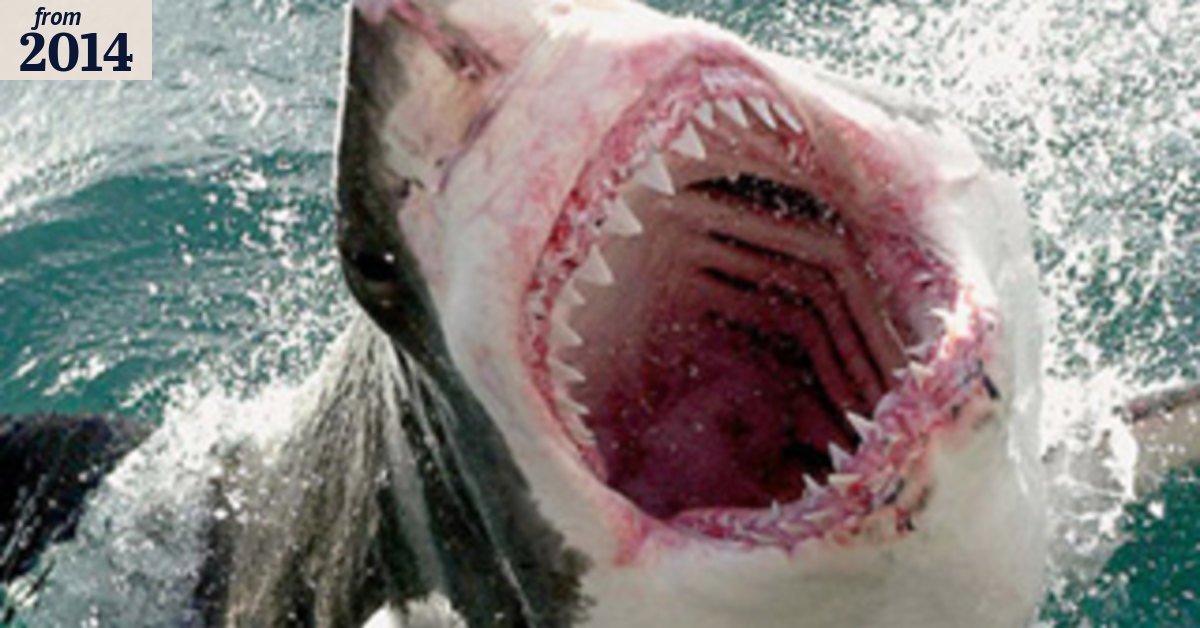
“Pinayagan ang Western Australia na hindi sumunod sa mga pederal na batas na nagpoprotekta sa mga nanganganib na uri ng hayop para bigyang-daan ang pagpatay sa mga pating, sa kabila ng ebidensya na ang mga pagpatay na ito ay hindi nagbabawas sa dalas ng mga pag-atake sa mga tao.”
Ang claim na ito ay naglalaman ng maraming mga factual na elemento na nangangailangan ng beripikasyon: **Pederal na Pagpapaliban na Ipinagkaloob:** Ang Pederal na Environment Minister na si Greg Hunt ay nagkaloob ng pagpapaliban sa Western Australia mula sa Environment Protection and Biodiversity Conservation (EPBC) Act 1999 noong Enero 2014 [1].
The claim contains multiple factual elements that require verification:
**Federal Exemption Granted:** Federal Environment Minister Greg Hunt did grant Western Australia an exemption from the Environment Protection and Biodiversity Conservation (EPBC) Act 1999 in January 2014 [1].
Ang pagpapaliban na ito ay nagpayag sa WA government na magpatuloy sa kanilang estratehiya sa pagpapabawas ng pating sa kabila ng ang mga great white shark ay nakalista bilang "vulnerable" sa ilalim ng pederal na batas at protektado sa ilalim ng international Convention for Migratory Species [1].
This exemption allowed the WA government to proceed with its shark mitigation strategy despite great white sharks being listed as "vulnerable" under federal law and protected under the international Convention for Migratory Species [1].
Ang pagpapaliban ay ipinagkaloob sa ilalim ng mga probisyon para sa "pambansang interes," kung saan sinabi ni Hunt na ang pampublikong kaligtasan at mga pang-ekonomiyang alalahanin tungkol sa epekto sa turismo ang kanyang dahilan [1]. **Ang Patakaran sa Pagpatay sa Pating:** Ang Western Australian government, sa ilalim ng pamumuno ni Premier Colin Barnett, ay nagpatupad ng patakaran noong Enero 2014 upang mag-deploy ng 72 baited drum lines sa mga baybayin ng Perth at sa south-west coast [1].
The exemption was granted under the "national interest" provisions, with Hunt citing public safety and economic concerns about tourism impacts [1].
**The Shark Cull Policy:** The Western Australian government, led by Premier Colin Barnett, implemented a policy in January 2014 to deploy 72 baited drum lines off Perth beaches and the south-west coast [1].
Ang anumang great white, tiger, o bull shark na mahigit sa tatlong metro ang haba na mahuhuli sa mga hook na ito ay papatayin at itatapon [1].
Any great white, tiger, or bull shark longer than three metres caught on these hooks was to be shot and discarded [1].
Ito ay sumunod sa pitong fatal na pag-atake ng pating sa WA coastline mula 2010 hanggang 2013 [2]. **Ebidensya sa Kahusayan ng Pagpatay:** Ang claim na ang mga pagpatay ay hindi nagbabawas ng mga pag-atake ay suportado ng scientific na ebidensya.
This followed seven fatal shark attacks on the WA coastline between 2010 and 2013 [2].
**Evidence on Culling Effectiveness:** The claim that culls do not reduce attacks is supported by scientific evidence.
Ang Hawaii ay nagsagawa ng systematic na shark culling program mula 1959-1976, kung saan napatay ang humigit-kumulang 4,500 na pating na may "walang kapansin-pansing pagbabawas" sa mga insidente ng pag-atake ng pating [3].
Hawaii conducted a systematic shark culling program from 1959-1976, killing approximately 4,500 sharks with "no discernible reduction" in shark attack incidents [3].
Si Dr.
Dr.
Alan Friedlander mula sa University of Hawaii's Fisheries Ecology Research Lab ay inilarawan ang patakaran ng WA bilang "hindi makatuwiran" at "isang knee-jerk reaction" [3].
Alan Friedlander from the University of Hawaii's Fisheries Ecology Research Lab described WA's policy as "unwise" and "a knee-jerk reaction" [3].
Ang Australian Marine Conservation Society ay nagsabi na "walang ebidensya na ang mga drum line program ay magbabawas ng mga pagkakataon ng pag-atake ng pating" [1]. **Resulta ng Patakaran:** Ang seasonal na drum line program ay iniwan noong Setyembre 2014 kasunod ng rekomendasyon ng Western Australian Environment Protection Authority [2].
The Australian Marine Conservation Society stated there was "no evidence drum line programs would reduce the instances of shark attacks" [1].
**Policy Outcome:** The seasonal drum line program was abandoned in September 2014 following a recommendation by the Western Australian Environment Protection Authority [2].
Mula Disyembre 2014 hanggang Marso 2017, ang mga drum line ay pinapayagan lamang para sa "special deployment" kapag ang mga pating ay nagpresenta ng "seryosong banta sa pampublikong kaligtasan" [2].
From December 2014 to March 2017, drum lines were only permitted for "special deployment" when sharks presented a "serious threat to public safety" [2].
Nawawalang Konteksto
**Ang Konteksto ng Tao:** Ang claim ay nagbabawas ng mahalagang konteksto tungkol sa mga pangyayaring humantong sa patakaran.
**The Human Context:** The claim omits important context about the circumstances leading to the policy.
Sa pagitan ng 2010 at 2013, pitong tao ang namatay mula sa mga pag-atake ng pating sa Western Australia, na kumakatawan sa isang makabuluhang pagtaas sa mga pagkamatay [2].
Between 2010 and 2013, seven people died from shark attacks in Western Australia, representing a significant spike in fatalities [2].
Noong Nobyembre 2013, ang surfer na si Chris Boyd ay pinatay ng isang great white shark sa Gracetown Beach, na ang ika-anim na fatal na pag-atake sa loob ng dalawang taon [3].
In November 2013, surfer Chris Boyd was killed by a great white shark at Gracetown Beach, which was the sixth fatal attack in two years [3].
Ito ay lumikha ng tunay na takot sa publiko at presyon para sa aksyon ng gobyerno. **Bycatch at Collateral Impact:** Ang artikulo ng Junkee ay nagtala ng makabuluhang collateral damage mula sa pagpatay, kung saan mahigit sa isang dosenang juvenile sharks ang nahuli sa pagitan ng Pebrero 2014 [3], kasama ang iba pang species.
This created genuine public fear and pressure for government action.
**Bycatch and Collateral Impact:** The Junkee article notes significant collateral damage from the cull, with over a dozen juvenile sharks caught by early February 2014, along with other species [3].
Ang epekto na ito sa kapaligiran ay binabaan sa mga opisyal na paliwanag. **Pang-ekonomiyang Paliwanag:** Sa liham ng pagpapaliban ni Minister Hunt, binanggit niya hindi lamang ang pampublikong kaligtasan kundi pati na rin ang pang-ekonomiyang pinsala sa turismo at leisure businesses bilang mga bagay ng "pambansang kahalagahan" [1].
This environmental impact was downplayed in official justifications.
**Economic Justification:** Minister Hunt's exemption letter cited not only public safety but also economic damage to tourism and leisure businesses as matters of "national significance" [1].
Ang pang-ekonomiyang paghahambing na ito ay wala sa claim. **Internasyonal na Precedent:** Ang claim ay hindi nabanggit na ang Queensland ay nagpatakbo ng shark control program gamit ang drum lines mula pa noong 1962, na nagpapatuloy hanggang ngayon sa suporta ng bipartisan [4].
This economic framing is absent from the claim.
**International Precedent:** The claim doesn't mention that Queensland has operated a shark control program using drum lines since 1962, which continues to this day with bipartisan support [4].
Ang patakaran ng WA ay hinango sa pamamaraan ng Queensland, bagama't ang program ng Queensland ay nakatuon sa ibang species at nagpapatakbo sa ilalim ng ibang mga legislative arrangement.
The WA policy was modeled on Queensland's approach, though Queensland's program targets different species and operates under different legislative arrangements.
Pagsusuri ng Kredibilidad ng Pinagmulan
**Junkee (Orihinal na Pinagmulan):** Ang orihinal na pinagmulan, ang Junkee, ay isang Australian youth-oriented digital media outlet na nakatuon sa kultura, pulitika, at kasalukuyang mga isyu.
**Junkee (Original Source):** The original source, Junkee, is an Australian youth-oriented digital media outlet focusing on culture, politics, and current affairs.
Itinatag noong 2013, itinuturing nito ang sarili bilang isang alternatibong tinig na nakatuon sa millennial at Gen Z na audience.
Founded in 2013, it positions itself as an alternative voice targeting millennial and Gen Z audiences.
Ang artikulo ni Edward Sharp-Paul ay nagpresenta ng malinaw na opinionated stance laban sa pagpatay, gamit ang loaded language tulad ng "'Cullin' Barnett" at paglalarawan sa patakaran bilang "fear-mongering" [3].
The article by Edward Sharp-Paul presents a clearly opinionated stance against the cull, using loaded language like "'Cullin' Barnett" and describing the policy as "fear-mongering" [3].
Bagama't ang artikulo ay nagtala ng mga factual na pinagmulan (ABC News, The Guardian, Perth Now), ang paghahambing ay walang duda na kritikal sa patakaran.
While the article cites factual sources (ABC News, The Guardian, Perth Now), the framing is unambiguously critical of the policy.
Ang Junkee ay may progresibong editorial stance, at ang artikulong ito ay sumasalamin sa perspektibong iyon.
Junkee has a progressive editorial stance, and this article reflects that perspective.
Ang mga factual claim sa loob ng artikulo (mga petsa, istatistika, mga quote mula sa mga opisyal) ay tila tumpak, ngunit ang mga mambabasa ay dapat na maging aware sa advocacy-oriented approach ng publikasyon. **Mainstream Media (SMH, ABC):** Ang pag-uulat ng Sydney Morning Herald at ABC News sa isyung ito ay nagbibigay ng mas balanseng coverage, na nagpresenta ng parehong mga paliwanag ng gobyerno at mga alalahanin ng mga kritiko [1][2].
The factual claims within the article (dates, statistics, quotes from officials) appear accurate, but readers should be aware of the publication's advocacy-oriented approach.
**Mainstream Media (SMH, ABC):** The Sydney Morning Herald and ABC News reporting on this issue provides more balanced coverage, presenting both the government's justifications and critics' concerns [1][2].
Ang mga pinagmulang ito ay nagkumpirma sa factual na batayan ng claim habang nagbibigay ng karagdagang konteksto. **Wikipedia:** Ang artikulo ng Wikipedia ay nagbibigay ng neutral, well-sourced na buod ng mga kaganapan, na kumukuha sa maraming mainstream media at mga pinagmulan ng gobyerno [2].
These sources confirm the factual basis of the claim while providing additional context.
**Wikipedia:** The Wikipedia article provides a neutral, well-sourced summary of events, drawing on multiple mainstream media and government sources [2].
⚖️
Paghahambing sa Labor
**Ginawa ba ng Labor ang katulad na bagay?** Isinagawang paghahanap: "Labor government shark policy Western Australia cull comparison" at "Queensland shark control program drum lines history" Pagkakatuklas: Ang Queensland shark control program, na gumagamit ng drum lines at nets, ay patuloy na nagpapatakbo mula pa noong 1962 sa ilalim ng parehong Coalition at Labor state governments [4].
**Did Labor do something similar?**
Search conducted: "Labor government shark policy Western Australia cull comparison" and "Queensland shark control program drum lines history"
Finding: The Queensland shark control program, which uses drum lines and nets, has been in continuous operation since 1962 under both Coalition and Labor state governments [4].
Ang program ay suportado ng mga Labor governments sa Queensland sa loob ng maraming dekada, kabilang ang parehong panahon kung kailan ang pederal na Labor ay kumritiko sa patakaran ng WA. **Posisyon ng Labor sa Patakaran ng WA:** Ang mga pederal na Labor parliamentarians, kabilang ang mga Greens Senators (na madalas na nakahanay sa Labor sa mga isyu sa kapaligiran), ay aktibong tumutol sa WA shark cull [1][2].
The program has been supported by Labor governments in Queensland for decades, including during the same period when federal Labor criticized the WA policy.
**Labor's Position on WA Policy:** Federal Labor parliamentarians, including Greens Senators (who often align with Labor on environmental issues), actively opposed the WA shark cull [1][2].
Si Labor Senator Rachel Siewert ay kumritiko sa post-2014 "high-hazard" shark policy para sa pinsala sa kapaligiran [2].
Labor Senator Rachel Siewert criticized the post-2014 "high-hazard" shark policy for damaging the environment [2].
Gayunpaman, ang pagtutol na ito ay hindi consistent sa patuloy na suporta ng Queensland Labor sa kanilang sariling shark control program sa estado. **Mas Malawak na Konteksto:** Ang mga environmental exemption sa ilalim ng EPBC Act ay ginamit ng parehong pangunahing partido.
However, this opposition was not consistent with Queensland Labor's continued support for their own state's shark control program.
**Broader Context:** Environmental exemptions under the EPBC Act have been used by both major parties.
Ang probisyon ng "national interest" exemption na ginamit ni Hunt ay available mula pa noong inception ng Act noong 1999 at ginamit sa iba't ibang anyo ng mga gobyerno ng parehong panig.
The "national interest" exemption provision that Hunt invoked has been available since the Act's inception in 1999 and has been utilized in various forms by governments of both persuasions.
🌐
Balanseng Pananaw
**Ang Posisyon ng Gobyerno:** Ang Barnett government at Minister Hunt ay ipinagtanggol ang patakaran bilang kinakailangan para sa pampublikong kaligtasan.
**The Government's Position:** The Barnett government and Minister Hunt defended the policy as necessary for public safety.
Sinabi ni Hunt sa kanyang exemption letter: "Hindi kailangang sumang-ayon sa isang patakaran upang tanggapin na ang isang national interest exemption ay kinakailangan upang protektahan laban sa imminent na banta sa buhay, pang-ekonomiyang pinsala, at pampublikong kaligtasan sa pangkalahatan" [1].
Hunt stated in his exemption letter: "One does not have to agree with a policy to accept that a national interest exemption is warranted to protect against imminent threat to life, economic damage and public safety more generally" [1].
Itinuro ng gobyerno ang pananaliksik ng WA Fisheries Department na nagpapakita ng pagtaas ng shark strikes mula isang bawat taon noong mid-1990s hanggang 2-3 taun-taon noong 2010-2013 [1]. **Posisyon ng mga Kritiko:** Ang mga marine conservation groups, mga siyentipiko, at libu-libong mga nagprotesta ay nagsabing ang pagpatay ay environmentally irresponsible, hindi epektibo, at ethically problematic.
The government pointed to WA Fisheries Department research showing shark strikes rising from one per year in the mid-1990s to 2-3 annually in 2010-2013 [1].
**Critics' Position:** Marine conservation groups, scientists, and thousands of protesters argued the cull was environmentally irresponsible, ineffective, and ethically problematic.
Ang Humane Society ay tinawag ang exemption bilang "isang kumpletong kahihiyan" [1].
The Humane Society called the exemption "a complete disgrace" [1].
Sinabi ng mga siyentipiko na ang pagpatay sa mga endangered species na may mababang reproductive rates ay maaaring makapinsala sa marine ecosystems [3]. **Kakomplikaduhan ng Isyu:** Ang kasong ito ay nagpapakita ng tensyon sa pagitan ng kaligtasan ng tao at proteksyon sa kapaligiran.
Scientists noted that culling endangered species with low reproductive rates could damage marine ecosystems [3].
**Complexity of the Issue:** This case highlights the tension between human safety and environmental protection.
Ang mga fatal na pag-atake ng pating ay totoo at lumikha ng tunay na alalahanin sa komunidad.
The shark attack fatalities were real and created genuine community concern.
Gayunpaman, ang scientific na ebidensya ay nagmungkahi na ang iminungkahing solusyon (pagpatay) ay hindi epektibong tutugon sa problema.
However, the scientific evidence suggested the proposed solution (culling) would not effectively address the problem.
Ang mga alternatibong pamamaraan, kabilang ang Twitter warning system na nabanggit sa artikulo ng Junkee [3], acoustic shark-repellent technology, at mas mahusay na monitoring systems, ay kumakatawan sa mga potensyal na middle grounds na hindi lubos na na-explore bago ipatupad ang pagpatay. **Pangunahing konteksto:** Ang WA shark cull ay kontrobersyal at sa huli ay iniwan, ngunit ito ay hindi kakaiba.
Alternative approaches, including the Twitter warning system mentioned in the Junkee article [3], acoustic shark-repellent technology, and better monitoring systems, represented potential middle grounds that were not fully explored before the cull was implemented.
**Key context:** The WA shark cull was controversial and ultimately abandoned, but it was not unique.
Ang patuloy na shark control program ng Queensland ay gumagamit ng mga katulad na pamamaraan sa loob ng mahigit 60 taon sa suporta ng bipartisan.
Queensland's ongoing shark control program has used similar methods for over 60 years with bipartisan state support.
Ang exemption ng Coalition ay consistent sa mga probisyon ng EPBC Act, bagama't ang scientific na batayan ng patakaran ay questionable.
The Coalition's exemption was consistent with the EPBC Act's provisions, though the policy's scientific basis was questionable.
BAHAGYANG TOTOO
6.0
sa 10
Ang mga pangunahing katotohanan ng claim ay tumpak: ang Coalition government (sa pamamagitan ni Minister Greg Hunt) ay nagkaloob ng pagpapaliban sa Western Australia mula sa mga pederal na batas sa kapaligiran na nagpoprotekta sa mga nanganganib na uri, partikular upang bigyang-daan ang pagpatay sa pating [1].
The core facts of the claim are accurate: the Coalition government (through Minister Greg Hunt) did grant Western Australia an exemption from federal environmental laws protecting endangered species, specifically to allow the shark cull to proceed [1].
Mayroon ding malaking scientific na ebidensya na ang pagpatay ay hindi nagbabawas ng dalas ng pag-atake ng pating, na pinakamahalaga mula sa karanasan ng Hawaii sa loob ng maraming dekada [3].
There was also substantial scientific evidence that culling does not reduce shark attack frequency, most notably from Hawaii's decades-long experience [3].
Gayunpaman, ang claim ay nagbabawas ng mahalagang konteksto: ang pagpapaliban ay ipinagkaloob sa ilalim ng mga tiyak na probisyon ng "pambansang interes" ng EPBC Act na umiiral para sa mga emergency sa pampublikong kaligtasan; ang patakaran ay tugon sa isang tunay na pagtaas sa mga fatal na pag-atake ng pating (pitong pagkamatay sa loob ng tatlong taon); at ang patakaran ay iniwan noong 2014 kasunod ng mga rekomendasyon ng EPA [2].
However, the claim omits important context: the exemption was granted under specific "national interest" provisions of the EPBC Act that exist for public safety emergencies; the policy was a response to a genuine spike in fatal shark attacks (seven deaths in three years); and the policy was abandoned later in 2014 following EPA recommendations [2].
Bilang karagdagan, ang claim ay hindi sinasabi na ang katulad na shark control program ng Queensland ay patuloy na nagpapatakbo mula pa noong 1962 sa suporta ng bipartisan mula sa parehong Labor at Coalition state governments [4], na nagmumungkahi na ang ganitong uri ng patakaran ay hindi kakaiba sa Coalition.
Additionally, the claim ignores that Queensland's similar shark control program has operated continuously since 1962 with bipartisan support from both Labor and Coalition state governments [4], suggesting this type of policy is not unique to the Coalition.
Huling Iskor
6.0
SA 10
BAHAGYANG TOTOO
Ang mga pangunahing katotohanan ng claim ay tumpak: ang Coalition government (sa pamamagitan ni Minister Greg Hunt) ay nagkaloob ng pagpapaliban sa Western Australia mula sa mga pederal na batas sa kapaligiran na nagpoprotekta sa mga nanganganib na uri, partikular upang bigyang-daan ang pagpatay sa pating [1].
The core facts of the claim are accurate: the Coalition government (through Minister Greg Hunt) did grant Western Australia an exemption from federal environmental laws protecting endangered species, specifically to allow the shark cull to proceed [1].
Mayroon ding malaking scientific na ebidensya na ang pagpatay ay hindi nagbabawas ng dalas ng pag-atake ng pating, na pinakamahalaga mula sa karanasan ng Hawaii sa loob ng maraming dekada [3].
There was also substantial scientific evidence that culling does not reduce shark attack frequency, most notably from Hawaii's decades-long experience [3].
Gayunpaman, ang claim ay nagbabawas ng mahalagang konteksto: ang pagpapaliban ay ipinagkaloob sa ilalim ng mga tiyak na probisyon ng "pambansang interes" ng EPBC Act na umiiral para sa mga emergency sa pampublikong kaligtasan; ang patakaran ay tugon sa isang tunay na pagtaas sa mga fatal na pag-atake ng pating (pitong pagkamatay sa loob ng tatlong taon); at ang patakaran ay iniwan noong 2014 kasunod ng mga rekomendasyon ng EPA [2].
However, the claim omits important context: the exemption was granted under specific "national interest" provisions of the EPBC Act that exist for public safety emergencies; the policy was a response to a genuine spike in fatal shark attacks (seven deaths in three years); and the policy was abandoned later in 2014 following EPA recommendations [2].
Bilang karagdagan, ang claim ay hindi sinasabi na ang katulad na shark control program ng Queensland ay patuloy na nagpapatakbo mula pa noong 1962 sa suporta ng bipartisan mula sa parehong Labor at Coalition state governments [4], na nagmumungkahi na ang ganitong uri ng patakaran ay hindi kakaiba sa Coalition.
Additionally, the claim ignores that Queensland's similar shark control program has operated continuously since 1962 with bipartisan support from both Labor and Coalition state governments [4], suggesting this type of policy is not unique to the Coalition.
Hindi tama sa katotohanan o malisyosong gawa-gawa.
4-6: BAHAGYA
May katotohanan ngunit kulang o baluktot ang konteksto.
7-9: HALOS TOTOO
Maliit na teknikal na detalye o isyu sa pagkakasulat.
10: TUMPAK
Perpektong na-verify at patas ayon sa konteksto.
Pamamaraan: Ang mga rating ay tinutukoy sa pamamagitan ng cross-referencing ng opisyal na mga rekord ng pamahalaan, independiyenteng mga organisasyong nag-fact-check, at mga primaryang dokumento.