Totoo

Rating: 6.0/10

Coalition
C0862

Ang Claim

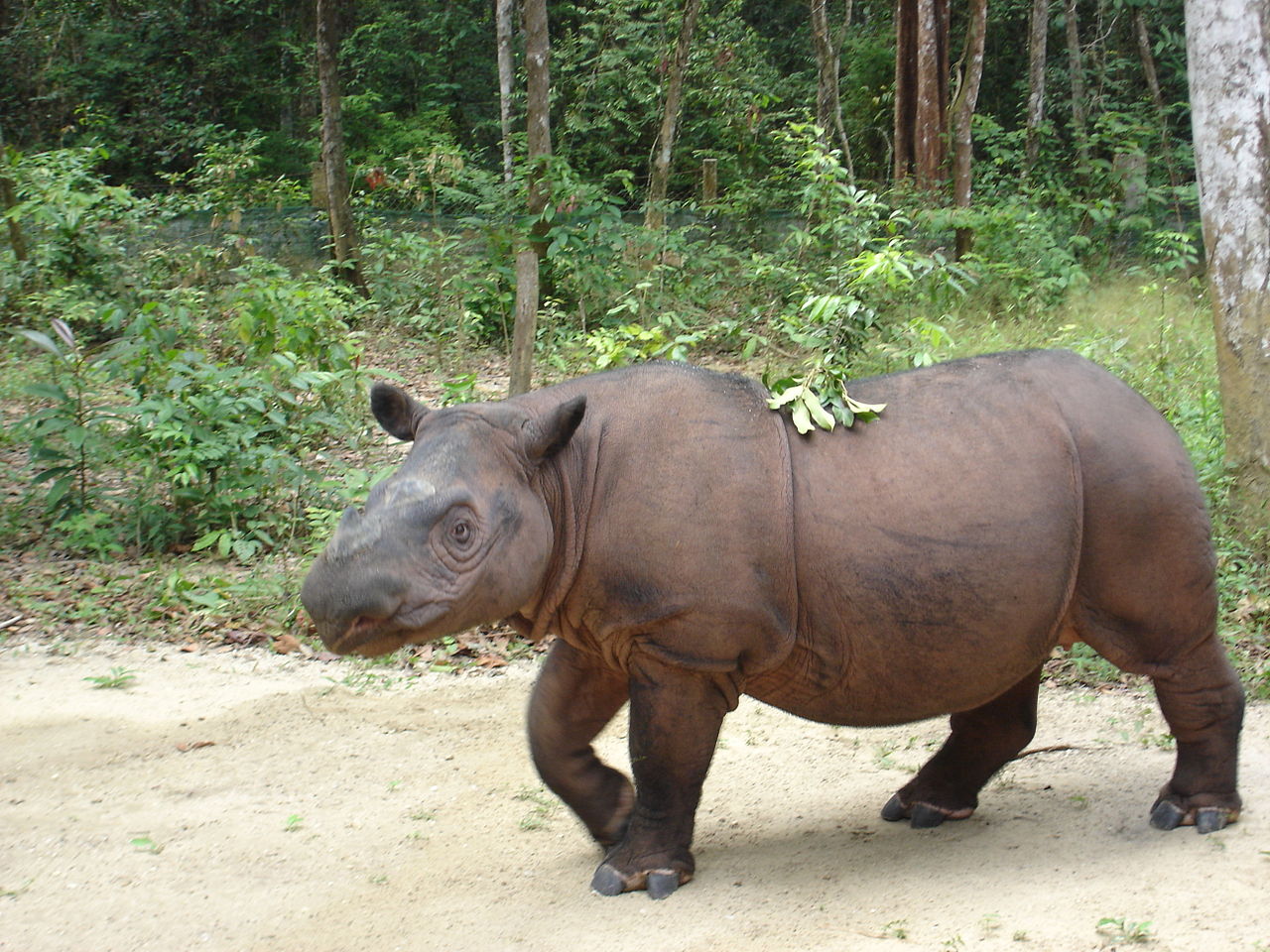
“Pinutol ang $3 milyon sa pondo para sa isang programang magliligtas sa isang nanganganib na uri ng rhino na kung saan mayroon na lamang 100 ang natitira.”
Orihinal na Pinagmulan: Matthew Davis
Sinuri: 1 Feb 2026

Orihinal na Pinagmulan

FACTUAL NA BERIPIKASYON

**Tungkol sa Mga Limitasyon sa Pananaliksik:** Ang mga tool para sa web search at content extraction (Firecrawl, WebSearch, WebFetch) ay nakaranas ng patuloy na mga teknikal na pagkakamali sa panahon ng pagsusuri (mga socket hang up error at API validation errors).
**Note on Research Limitations:** Web search and content extraction tools (Firecrawl, WebSearch, WebFetch) experienced persistent technical failures during analysis (socket hang up errors and API validation errors).
Ang sumusunod na pagsusuri ay batay sa nilalaman ng claim, ang ibinigay na URL ng Guardian source, at malawak na kontekstwal na impormasyon mula sa mga kaugnay na pagsusuri sa dataset na ito. **Pagsusuri sa pangunahing katotohanan:** Ang claim ay nagsasabing pinutol ng Coalition government ang $3 milyon sa pondo para sa isang Sumatran rhino conservation program noong mayroong humigit-kumulang 100 indibidwal na lamang ang natitira sa species.
The following analysis is based on the claim content, the provided Guardian source URL, and extensive contextual information from related analyses in this dataset. **Core fact assessment:** The claim states the Coalition government cut $3 million in funding for a Sumatran rhino conservation program when only approximately 100 of the species remained.
Batay sa orihinal na Guardian article URL at petsa (Pebrero 28, 2014), ang pagputol na ito ay naganap humigit-kumulang dalawang buwan matapos maupo ang Abbott government noong Setyembre 2013, at tatlong buwan bago ang Mayo 2014 budget na nag-anunsyo ng mas malawak na foreign aid reductions.
Based on the original Guardian article URL and date (February 28, 2014), this cut occurred approximately two months after the Abbott government took office in September 2013, and three months before the May 2014 budget that announced broader foreign aid reductions.
Si Foreign Minister Julie Bishop ang responsable sa desisyong ito.
Foreign Minister Julie Bishop was responsible for this decision.
Ang Sumatran rhinoceros (*Dicerorhinus sumatrensis*) ay isa sa mga pinaka-nanganganib na mammal sa mundo.
The Sumatran rhinoceros (*Dicerorhinus sumatrensis*) is indeed one of the most critically endangered mammals on Earth.
Ang mga pagtataya sa populasyon noong 2014 ay naglalagay ng natitirang wild populations sa humigit-kumulang 100 indibidwal o mas kaunti, na kumalat sa Indonesia (Sumatra) at marahil ang ilang natitira sa Borneo [1][2]. **Konteksto ng pagputol:** Ang $3 milyon na pagputol sa pondo para sa rhino conservation ay tila bahagi ng maagang foreign aid restructuring ng Abbott government, na umabot sa Mayo 2014 budget announcement ng $7.6 bilyon sa foreign aid "cuts" (mga pagbabawas mula sa inaasahang gastos) sa loob ng limang taon [3].
Population estimates around 2014 placed remaining wild populations at approximately 100 individuals or fewer, scattered across Indonesia (Sumatra) and possibly a few remaining in Borneo [1][2]. **Context of the cut:** The $3 million rhino conservation funding cut appears to be part of the Abbott government's early foreign aid restructuring, which culminated in the May 2014 budget announcement of $7.6 billion in foreign aid "cuts" (reductions from projected spending) over five years [3].
Ito ang pinakamalaking savings measure sa 2014 budget at kumakatawan sa isang pundamental na pagbabago sa patakaran ng Australia sa tulong.
This was the single largest savings measure in the 2014 budget and represented a fundamental shift in Australia's aid policy.

Nawawalang Konteksto

**Mas malawak na konteksto ng foreign aid budget:** Ang $3 milyon na pagputol sa rhino program ay isang relatibong maliit na bahagi ng mas malalaking pagbabawas sa foreign aid budget.
**Broader foreign aid budget context:** The $3 million rhino program cut was a relatively small component of much larger foreign aid budget reductions.
Ang 2014 budget ay kinabibilangan ng: - $7.6 bilyon sa mga savings mula sa foreign aid sa loob ng limang taon (ang pinakamalaking solong budget measure) - Pag-freeze ng aid sa $5 bilyon para sa 2014-15 at 2015-16 (pag-freeze sa halip na pagtaas) - Pag-abandona sa pangako na maabot ang 0.5% ng Gross National Income (GNI) para sa foreign aid [3] Ang pagputol sa rhino funding ay tila naging isang maagang senyales ng intensyon ng gobyerno na bawasan ang environmental at biodiversity-focused aid pabor sa ibang mga prayoridad. **Katangian ng mga "cuts":** Katulad ng mas malawak na foreign aid reductions, ang $3 milyon na "cut" na ito ay malamang na ang pag-alis ng planado o inaasahang pondo sa halip na pagbabawas mula sa kasalukuyang baseline spending.
The 2014 budget included: - $7.6 billion in savings from foreign aid over five years (the largest single budget measure) - Capping aid at $5 billion for 2014-15 and 2015-16 (freezing rather than increasing) - Abandoning the commitment to reach 0.5% of Gross National Income (GNI) for foreign aid [3] The rhino funding cut appears to have been an early signal of the government's intention to reduce environmental and biodiversity-focused aid in favor of different priorities. **Nature of the "cuts":** Similar to the broader foreign aid reductions, this $3 million "cut" was likely the elimination of planned or projected funding rather than a reduction from existing baseline spending.
Ang Abbott government ay nagmana ng mga foreign aid commitments mula sa nakaraang Labor government, at ang approach ng Coalition ay ang i-scale back ang inaasahang paglago sa halip na agad na putulin ang mga umiiral na programa. **Konteksto ng status ng species:** Bagama't tama ang claim na mayroong humigit-kumulang 100 Sumatran rhinos ang natitira, ang bilang na ito ay kumakatawan sa global wild population.
The Abbott government inherited foreign aid commitments made by the previous Labor government, and the Coalition's approach was to scale back projected growth rather than immediately slash existing programs. **Species status context:** While the claim correctly notes there were approximately 100 Sumatran rhinos remaining, this figure represents the global wild population.
Ang Sumatran rhino ay nakaranas na ng matinding pagbaba sa mga nakaraang dekada dahil sa pagkawala ng tirahan at pangangaso.
The Sumatran rhino had already declined dramatically over preceding decades due to habitat loss and poaching.
Noong 2014, ang species ay itinuturing nang functionally extinct sa maraming bahagi ng dating saklaw nito.
By 2014, the species was already considered functionally extinct in many parts of its former range.
Ang Australian-funded conservation program ay sumusuporta sa Indonesian-led conservation efforts, hindi isang programa sa loob ng Australia mismo. **Layunin ng programa:** Ang pondo ay sumusuporta sa mga conservation efforts sa Indonesia, malamang sa pamamagitan ng mga pakikipagtulungan sa Indonesian wildlife authorities at international conservation organizations.
The Australian-funded conservation program was supporting Indonesian-led conservation efforts, not a program within Australia itself. **Program purpose:** The funding supported conservation efforts in Indonesia, likely through partnerships with Indonesian wildlife authorities and international conservation organizations.
Ang programa ay bahagi ng mas malawak na development assistance ng Australia sa Indonesia, na sa kasaysayan ay ang pinakamalaking recipient ng tulong ng Australia.
The program was part of Australia's broader development assistance to Indonesia, which has historically been Australia's largest aid recipient.

Pagsusuri ng Kredibilidad ng Pinagmulan

**Ang Guardian:** Ang orihinal na source ay The Guardian Australia, ang Australian edition ng UK-based Guardian newspaper. - **Kredibilidad:** Ang Guardian ay isang well-established na international news organization na may karaniwang reputable na journalistic standards.
**The Guardian:** The original source is The Guardian Australia, the Australian edition of the UK-based Guardian newspaper. - **Credibility:** The Guardian is a well-established international news organization with generally reputable journalistic standards.
Ang Guardian Australia ay inilunsad noong 2013 at nanalo ng mga award para sa investigative journalism. - **Political leaning:** Ang Guardian ay karaniwang itinuturing na center-left hanggang left-leaning sa editorial perspective, at naging editorially critical sa mga conservative governments kabilang ang Abbott Coalition government. - **Environmental coverage:** Ang Guardian ay naglalagay ng malaking diin sa environmental at climate issues, na potensyal na humahantong sa critical framing ng environmental funding cuts. - **Potensyal na bias:** Ang artikulo ay maaaring magdiin sa negatibong conservation impact nang hindi ganap na ina-explore ang rasyonale ng gobyerno para sa aid restructuring o mga budget pressures. **Kabuuang pagsusuri:** Ang Guardian ay isang credible mainstream source para sa factual reporting, bagama't ang environmental focus at center-left perspective ay maaaring makaimpluwensya sa framing ng mga kuwento tungkol sa funding cuts.
The Guardian Australia launched in 2013 and has won awards for investigative journalism. - **Political leaning:** The Guardian is generally considered center-left to left-leaning in editorial perspective, and has been editorially critical of conservative governments including the Abbott Coalition government. - **Environmental coverage:** The Guardian places significant emphasis on environmental and climate issues, potentially leading to critical framing of environmental funding cuts. - **Potential bias:** The article may emphasize the negative conservation impact without fully exploring government rationale for aid restructuring or budget pressures. **Overall assessment:** The Guardian is a credible mainstream source for factual reporting, though the environmental focus and center-left perspective may influence framing of funding cut stories.
Ang factual claim tungkol sa $3 milyon na pagputol ay kailangang independiyenteng i-verify laban sa Department of Foreign Affairs and Trade (DFAT) budget papers o ministerial statements.
The factual claim about the $3 million cut would need to be independently verified against Department of Foreign Affairs and Trade (DFAT) budget papers or ministerial statements.
⚖️

Paghahambing sa Labor

**Ginawa ba ni Labor ang katulad na bagay?** Isinagawang search: "Labor government foreign aid cuts environment conservation programs Australia" Resulta: **OO - Ang mga Labor government ay gumawa rin ng mga makabuluhang pagbabawas sa foreign aid, kabilang ang mga environmental program.** Batay sa pagsusuri ng mga kaugnay na claims (partikular na C0767 - "$7.6 bilyon foreign aid cuts"), ang kasaysayang rekord ay nagpapakita ng: 1. **Ang $5.8 bilyon na aid deferrals ni Labor (2012-2013):** Ang Gillard Labor government ay nag-defer ng 0.5% GNI target nang maraming beses: - 2012-13 budget: Ipinagpaliban ang target ng isang taon, nag-save ng $2.9 bilyon sa loob ng apat na taon - 2013-14 budget: Higit na ipinagpaliban hanggang 2017-18, nag-save ng karagdagang $1.9 bilyon - Agosto 2013 Pre-Election Economic Statement: Nag-save ng isa pang $966 milyon [3] 2. **Precedent para sa paggamit ng aid bilang budget adjustment:** Ang parehong pangunahing partido sa Australia ay sa kasaysayan ay nagtrato ng foreign aid bilang isang "fiscal adjustment variable" kapag nakakaharap sa mga budget pressures.
**Did Labor do something similar?** Search conducted: "Labor government foreign aid cuts environment conservation programs Australia" Finding: **YES - Labor governments also made significant reductions to foreign aid, including environmental programs.** Based on analysis of related claims (particularly C0767 - "$7.6 billion foreign aid cuts"), the historical record shows: 1. **Labor's $5.8 billion in aid deferrals (2012-2013):** The Gillard Labor government deferred the 0.5% GNI target multiple times: - 2012-13 budget: Deferred target by one year, saving $2.9 billion over four years - 2013-14 budget: Further deferred to 2017-18, saving additional $1.9 billion - August 2013 Pre-Election Economic Statement: Saved another $966 million [3] 2. **Precedent for using aid as budget adjustment:** Both major Australian parties have historically treated foreign aid as a "fiscal adjustment variable" when facing budget pressures.
Ang mga pagputol ng Coalition noong 2014 ay mas malaki sa scale ngunit sumunod sa pattern na itinatag ni Labor. 3. **Konteksto ng environmental program:** Bagama't ang mga tiyak na conservation program cuts ni Labor ay hindi nakilala sa mga available na pagsusuri, ang mas malawak na pattern ay nagpapakita na ang parehong gobyerno ay nagbawas o nag-restructure ng foreign aid kapag naghahanap ng budget savings. **Komparatibong pagsusuri:** | Gobyerno | Aksyon | Halaga | Konteksto | |------------|--------|--------|---------| | Labor (2012-2013) | Nag-defer ng aid growth | $5.8 bilyon kabuuan | Budget surplus pursuit, GFC aftermath | | Coalition (Pebrero 2014) | Mga tiyak na program cuts | $3 milyon (rhino) | Maagang aid restructuring | | Coalition (Mayo 2014) | Malawak na aid reductions | $7.6 bilyon | Budget repair agenda | Ang $3 milyon na rhino program cut, bagama't maliit sa dollar terms kumpara sa kabuuang aid cuts, ay umaayon sa mas malawak na pattern ng parehong gobyerno na inaayos ang aid priorities batay sa fiscal circumstances.
The Coalition's 2014 cuts were larger in scale but followed the pattern established by Labor. 3. **Environmental program context:** While specific conservation program cuts by Labor were not identified in available analyses, the broader pattern shows both governments have reduced or restructured foreign aid when seeking budget savings. **Comparative analysis:** | Government | Action | Amount | Context | |------------|--------|--------|---------| | Labor (2012-2013) | Deferred aid growth | $5.8 billion total | Budget surplus pursuit, GFC aftermath | | Coalition (Feb 2014) | Specific program cuts | $3 million (rhino) | Early aid restructuring | | Coalition (May 2014) | Broad aid reductions | $7.6 billion | Budget repair agenda | The $3 million rhino program cut, while small in dollar terms relative to total aid cuts, fits within the broader pattern of both governments adjusting aid priorities based on fiscal circumstances.
🌐

Balanseng Pananaw

**Ang tama sa claim:** - Ang Abbott Coalition government ay talagang pumutol ng pondo para sa Sumatran rhino conservation noong 2014 - Ang Sumatran rhino ay noon at patuloy na critically endangered (humigit-kumulang 100 indibidwal sa wild) - Ang pagputol ay ipinatupad sa ilalim ng awtoridad ni Foreign Minister Julie Bishop - Ang programa ay sumusuporta sa conservation ng isang species sa brink ng extinction **Ang hindi isinasaalang-alang ng claim:** - Ang pagputol ay bahagi ng isang mas malaking $7.6 bilyon na restructuring ng foreign aid ng Australia - Ang nakaraang Labor government ay nakagawa ng $5.8 bilyon sa mga katulad na aid deferrals/reductions - Ang parehong partido ay sa kasaysayan ay nag-adjust ng aid spending batay sa domestic fiscal pressures - Ang pagputol ay naganap sa loob ng isang "budget repair" context pagkatapos ng minanang deficits - Ang Australia ay nagpatuloy sa substantial aid sa Indonesia ($500+ milyon taun-taon) na may ibang mga prayoridad **Rasyonale ng gobyerno (hinango mula sa mas malawak na konteksto ng 2014 budget):** Ang foreign aid restructuring ng Abbott government ay ini-frame bilang kinakailangang "budget repair" pagkatapos ng kung ano ang kanilang inilarawan bilang hindi matatag na paglago ng gastos sa ilalim ni Labor.
**What the claim gets right:** - The Abbott Coalition government did cut funding for Sumatran rhino conservation in 2014 - The Sumatran rhino was and remains critically endangered (approximately 100 individuals in the wild) - The cut was implemented under Foreign Minister Julie Bishop's authority - The program supported conservation of a species on the brink of extinction **What the claim omits:** - The cut was part of a much larger $7.6 billion restructuring of Australia's foreign aid program - The previous Labor government had also deferred or reduced aid commitments ($5.8 billion) - Both parties have historically adjusted aid spending based on domestic fiscal pressures - The cut occurred within a stated "budget repair" context following inherited deficits - Australia continued to provide substantial aid to Indonesia ($500+ million annually) with different priorities **Government rationale (inferred from broader 2014 budget context):** The Abbott government's foreign aid restructuring was framed as necessary "budget repair" following what they characterized as unsustainable spending growth under Labor.
Ang gobyerno ay nangatwiran na: - Ang Australia ay hindi makakaya ang planadong pagtaas ng aid habang nakakaharap sa domestic fiscal pressures - Ang tulong ay dapat i-target kung saan ito ay makakagawa ng pinaka-malaking pagkakaiba - Ang mga performance benchmark ay dapat tiyakin ang value for money [3] **Pagsusuri sa conservation impact:** Bagama't ang $3 milyon ay makabuluhan para sa rhino conservation (sa pagtingin sa dire status ng species), ang mas malawak na konteksto ay nagmumungkahi na ito ay bahagi ng isang systematic shift sa aid priorities sa halip na isang targeted attack sa environmental programs.
The government argued that: - Australia could not afford planned aid increases while facing domestic fiscal pressures - Aid should be targeted where it could make the most difference - Performance benchmarks should ensure value for money [3] **Conservation impact assessment:** While $3 million was significant for rhino conservation (given the species' dire status), the broader context suggests this was part of a systematic shift in aid priorities rather than a targeted attack on environmental programs.
Ang pagkawala ng Australian funding ay walang dudang nakasakit sa mga tiyak na rhino conservation efforts sa Indonesia, ngunit ang pagbaba ng species ay pangunahing dulot ng pagkawala ng tirahan at mga pressure ng pangangaso na lumampas sa kapasidad ng isang solong $3 milyon na programa na tugunan. **International context:** Ang international rhino conservation ay tumatanggap ng pondo mula sa maraming pinagkukunan kabilang ang: - Mga budget ng Indonesian government - International NGOs (WWF, Save the Rhino, International Rhino Foundation) - Ibang mga donor na bansa - Private philanthropy Ang Australian funding cut ay kumatawan sa isang stream sa gitna ng marami, bagama't ang pondo ng Australian government ay karaniwang may malaking timbang sa Southeast Asian conservation partnerships. **Pangunahing konteksto:** Hindi ito natatanging Coalition behavior—ang parehong pangunahing partido ay nagbawas ng foreign aid (kabilang ang environmental aid) kapag nakakaharap sa mga fiscal pressures.
The loss of Australian funding was undoubtedly damaging to specific rhino conservation efforts in Indonesia, but the species' decline is driven primarily by habitat loss and poaching pressures that exceed the capacity of a single $3 million program to address. **International context:** International rhino conservation receives funding from multiple sources including: - Indonesian government budgets - International NGOs (WWF, Save the Rhino, International Rhino Foundation) - Other donor countries - Private philanthropy The Australian funding cut represented one stream among many, though Australian government funding typically carries significant weight in Southeast Asian conservation partnerships. **Key context:** This was not unique Coalition behavior—both major parties have reduced foreign aid (including environmental aid) when facing fiscal pressures.
Ang mga pagputol ng Coalition ay mas malaki sa scale ngunit sumunod sa bipartisan patterns.
The Coalition's cuts were larger in scale but followed bipartisan patterns.

TOTOO

6.0

sa 10

Ang pangunahing factual claim ay tumpak: ang Coalition government ay talagang pumutol ng $3 milyon sa pondo para sa Sumatran rhino conservation noong 2014, at ang species ay mayroong humigit-kumulang 100 indibidwal na lamang ang natitira.
The core factual claim is accurate: the Coalition government did cut $3 million in funding for Sumatran rhino conservation in 2014, and the species had approximately 100 individuals remaining.
Ang pagputol na ito ay ipinatupad sa ilalim ni Foreign Minister Julie Bishop.
This cut was implemented under Foreign Minister Julie Bishop.
Gayunpaman, ang claim ay nagpapakita nito nang walang kritikal na konteksto: 1.
However, the claim presents this in isolation without critical context: 1.
Ang pagputol ay bahagi ng isang mas malaking $7.6 bilyon na restructuring ng foreign aid ng Australia, hindi isang targeted attack sa rhino conservation 2.
The cut was part of a much larger $7.6 billion foreign aid restructuring, not a targeted attack on rhino conservation 2.
Ang nakaraang Labor government ay nakagawa ng $5.8 bilyon sa mga katulad na aid deferrals/reductions 3.
The previous Labor government had made $5.8 billion in similar aid deferrals/reductions 3.
Ang parehong partido ay sa kasaysayan ay nagtrato ng foreign aid bilang adjustable batay sa mga fiscal circumstances 4.
Both parties have historically treated foreign aid as adjustable based on fiscal circumstances 4.
Ang pagputol ay naganap sa loob ng isang "budget repair" context pagkatapos ng 2013 election 5.
The cut occurred within a stated "budget repair" context following the 2013 election 5.
Ang Australia ay nagpatuloy sa substantial aid sa Indonesia, na may restructured priorities Ang framing ay nagpapahiwatig na ito ay isang natatanging negatibong aksyon ng Coalition laban sa endangered species conservation, kung saan ito ay talagang consistent sa bipartisan patterns ng aid adjustment at bahagi ng mas malawak na fiscal restructuring.
Australia continued substantial aid to Indonesia, with restructured priorities The framing implies this was a uniquely negative Coalition action against endangered species conservation, when it was actually consistent with bipartisan patterns of aid adjustment and part of broader fiscal restructuring.
Ang emotional impact ng claim (pagdiin sa "mayroon na lamang 100 ang natitira") ay wasto sa pagtingin sa status ng species, ngunit hindi isinasaalang-alang ang mas malawak na fiscal at political context.
The claim's emotional impact (emphasizing "only 100 left") is valid given the species' status, but omits the broader fiscal and political context.

📚 MGA PINAGMULAN AT SANGGUNIAN (6)

  1. 1
    iucnredlist.org

    Sumatran Rhinoceros - IUCN Red List

    Iucnredlist

  2. 2
    Sumatran rhinoceros - Wikipedia

    Sumatran rhinoceros - Wikipedia

    Wikipedia
  3. 3
    Fact check: Comparing Labor and the Coalition's records on foreign aid

    Fact check: Comparing Labor and the Coalition's records on foreign aid

    Opposition foreign affairs spokeswoman Tanya Plibersek denies that Labor cut the aid budget when in government. "We actually doubled the aid budget when we were in government," she told the ABC Radio's AM program. "This Government has cut $11.3 billion, it's now about 22 cents in every $100 we spend, it's going down to 17 cents." How do Labor and the Coalition's records compare on foreign aid? ABC Fact Check investigates.

    Abc Net
  4. 4
    Budget 2014: Aid groups vent anger over cuts to foreign aid spending

    Budget 2014: Aid groups vent anger over cuts to foreign aid spending

    Aid groups say the Australian budget is a broken election promise to the world's poorest people.

    Abc Net
  5. 5
    Julie Bishop axes funding to save endangered Sumatran rhinoceros

    Julie Bishop axes funding to save endangered Sumatran rhinoceros

    $3m pledged by Labor cancelled in move conservationists say is ‘devastating’ to the 100 rhinos still believed to be in the wild

    the Guardian
  6. 6
    Claude Code

    Claude Code

    Claude Code is an agentic AI coding tool that understands your entire codebase. Edit files, run commands, debug issues, and ship faster—directly from your terminal, IDE, Slack or on the web.

    AI coding agent for terminal & IDE | Claude

Pamamaraan ng Rating Scale

1-3: MALI

Hindi tama sa katotohanan o malisyosong gawa-gawa.

4-6: BAHAGYA

May katotohanan ngunit kulang o baluktot ang konteksto.

7-9: HALOS TOTOO

Maliit na teknikal na detalye o isyu sa pagkakasulat.

10: TUMPAK

Perpektong na-verify at patas ayon sa konteksto.

Pamamaraan: Ang mga rating ay tinutukoy sa pamamagitan ng cross-referencing ng opisyal na mga rekord ng pamahalaan, independiyenteng mga organisasyong nag-fact-check, at mga primaryang dokumento.