Bahagyang Totoo

Rating: 6.0/10

Coalition
C0590

Ang Claim

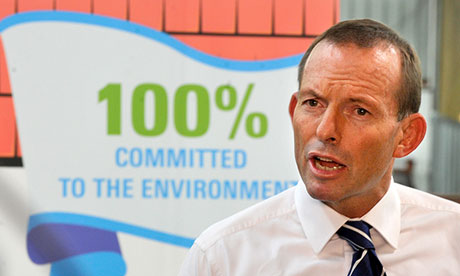
“Pinili na huwag gumawa ng anumang modelling para malaman kung bababa ang emisyon sa pamamagitan ng Emissions Reduction Fund sa daming sinasabi nila.”
Orihinal na Pinagmulan: Matthew Davis
Sinuri: 30 Jan 2026

Orihinal na Pinagmulan

FACTUAL NA BERIPIKASYON

Ang pagtukoy na ang Coalition government ay "walang modelling anuman" para sa Emissions Reduction Fund ay **paliwanag na mali**, bagama't mayroon itong mga elemento ng katotohanan tungkol sa lawak at kahustayan ng ginawang modelling.
The claim that the Coalition government did "no modelling whatsoever" for the Emissions Reduction Fund is **factually incorrect**, though it contains elements of truth regarding the extent and adequacy of modelling performed.
Ang Coalition ay nag-utos ng modelling para sa Direct Action Plan.
The Coalition did commission modelling for its Direct Action Plan.
Noong Agosto 2013, inilabas ng RepuTex ang modelling na inutos ng WWF Australia na nagpapakita na sa ilalim ng Direct Action, "bababa ang domestic emissions ng 204m tonnes" - malaking kapos sa kinakailangang abatement para maabot ang 5% reduction target [1].
In August 2013, research firm RepuTex released modelling commissioned by WWF Australia showing that under Direct Action, "domestic emissions would fall by 204m tonnes" - significantly short of the required abatement to meet the 5% reduction target [1].
Nakita ng modelling na may $4 billion funding gap at iminungkahi na ang Coalition ay kailangang gumastos ng karagdagang $5.9 billion bawat taon mula 2015 hanggang 2020 para maabot ang mga target [2].
The modelling identified a $4 billion funding gap and suggested the Coalition would need to spend an additional $5.9 billion per year from 2015 to 2020 to meet targets [2].
Gayunpaman, noong oras na ginawa ang pagtukoy (Pebrero 2015), hindi pa inilabas ng gobyerno ang kanilang sariling komprehensibong modelling na nagpapakita kung paano aabot sa mga sinasabing emissions reductions ang Emissions Reduction Fund.
However, at the time the claim was made (February 2015), the government had not released its own comprehensive modelling demonstrating how the Emissions Reduction Fund would achieve the claimed emissions reductions.
Ang ulat ng The Guardian mula Pebrero 2015 ay sumangguni sa testimonya sa Senate committee kung saan nagsalita ang mga eksperto tungkol sa kakulangan ng publikong modelling [3].
The Guardian report from February 2015 cited Senate committee testimony where experts raised concerns about the lack of public modelling [3].
Ang Climate Change Authority (independenteng climate advisory body ng Australia) ay nagpahayag rin ng mga alalahanin, na sinabing "ang modelling sa kanilang kamakailang ulat ay nagpapakita na sa ilalim ng low at medium carbon price scenarios, ang 5% emissions reduction target ay hindi maabot domestically" [4].
The Climate Change Authority (Australia's independent climate advisory body) also noted concerns, stating that "the modelling in its recent report showed that under low and medium carbon price scenarios, a 5% emissions reduction target would not be able to be achieved domestically" [4].

Nawawalang Konteksto

Ang pagtukoy ay nagbura ng ilang mahahalagang elemento ng konteksto: **1.
The claim omits several important contextual elements: **1.
Ang panlabas na modelling ay available**: Bagama't hindi pa inilabas ng gobyerno ang kanilang sariling modelling noong Pebrero 2015, available sa publiko ang independenteng modelling mula sa RepuTex (inutos ng WWF Australia) na nagpapakita ng mga limitasyon ng patakaran [1].
External modelling was available**: While the government had not released its own modelling by February 2015, independent modelling from RepuTex (commissioned by WWF Australia) was publicly available showing the policy's limitations [1].
Nagtrabaho ang gobyerno sa externally available analysis sa halip na gumana sa information vacuum. **2.
The government was working with externally available analysis rather than operating in an information vacuum. **2.
Mga pagkakaiba sa methodology**: Ang Direct Action approach ay gumamit ng kakaibang mekanismo (reverse auction subsidy) kumpara sa carbon pricing scheme ng Labor.
Methodological differences**: The Direct Action approach used a fundamentally different mechanism (reverse auction subsidy) compared to Labor's carbon pricing scheme.
Ang mga kinakailangan at pag-aalinlangan sa modelling ay nag-iba sa pagitan ng dalawang paraan [5]. **3.
The modelling requirements and uncertainties differed between the two approaches [5]. **3.
Inilabas ang sumunod na modelling**: Noong 2015, inilabas ng gobyerno ang modelling na nagpapakita kung paano matutugunan ang mga target, bagama't sinabi ng mga kritiko na kakailanganin nito ng malaking karagdagang pondo o maaaring maging isang emissions trading scheme [6]. **4.
Subsequent modelling was released**: Later in 2015, the government did release modelling showing how the policy could meet targets, though critics noted it would require significant additional funding or effectively become an emissions trading scheme [6]. **4.
Ang 2020 target ay naabot**: Naabot ng Australia ang kanilang 2020 emissions reduction target, na lagpas pa ng tinatayang 430 million tonnes ayon sa mga numero ng gobyerno na inilabas noong 2021 [7].
The 2020 target was ultimately met**: Australia did achieve its 2020 emissions reduction target, beating it by an estimated 430 million tonnes according to government figures released in 2021 [7].
Kung ito ay dahil sa Direct Action o sa ibang mga kadahilanan (tulad ng reduced land clearing at paglago ng renewable energy) ay pinagtatalunan, ngunit ang sinasabing resulta ay nangyari.
Whether this was due to Direct Action or other factors (such as reduced land clearing and renewable energy growth) is debated, but the claimed outcome did occur.

Pagsusuri ng Kredibilidad ng Pinagmulan

Ang orihinal na pinagkunan ay **The Guardian Australia**, isang mainstream media outlet na may dokumentadong left-leaning editorial bias [8].
The original source is **The Guardian Australia**, a mainstream media outlet with a documented left-leaning editorial bias [8].
Minarkahan ng Media Bias/Fact Check ang The Guardian bilang "Left" biased na may "High" factual reporting credibility, na nagsasabing bagama't mayroon itong progresibong editorial stance, karaniwang reliable ang kanilang factual reporting [8].
Media Bias/Fact Check rates The Guardian as "Left" biased with "High" factual reporting credibility, noting that while it has a progressive editorial stance, its factual reporting is generally reliable [8].
Minarkahan ito ng AllSides bilang "Left" sa kanilang bias scale [9].
AllSides rates it as "Left" on their bias scale [9].
Ang tiyak na artikulo ay sumangguni sa Senate committee proceedings, na mga authoritative primary sources.
The specific article cites Senate committee proceedings, which are authoritative primary sources.
Gayunpaman, ang pag-framing ay nagbibigay diin sa kritiko sa pamamaraan ng gobyerno nang hindi nagbibigay ng katumbas na konteksto tungkol sa mga limitasyon ng modelling ng alternatibong mga patakaran.
However, the framing emphasizes criticism of the government approach without providing comparable context about modelling limitations of alternative policies.
⚖️

Paghahambing sa Labor

**Gumawa ba ng katulad ang Labor?** Isinagawang paghahanap: "Labor carbon price Treasury modelling Clean Energy Future" Natagpuan: Ang Gillard Labor government (2010-2013) ay nagsagawa ng malawakang modelling para sa Clean Energy Act 2011 (carbon pricing scheme).
**Did Labor do something similar?** Search conducted: "Labor carbon price Treasury modelling Clean Energy Future" Finding: The Gillard Labor government (2010-2013) did conduct extensive modelling for its Clean Energy Act 2011 (carbon pricing scheme).
Ang Treasury modelling ay nagproject ng emissions reductions at economic impacts ng carbon price mechanism [10].
The Treasury modelling projected emissions reductions and economic impacts of the carbon price mechanism [10].
Inilathala ang modelling at naging bahagi ito ng legislative package.
The modelling was published and formed part of the legislative package.
Gayunpaman, dapat ding tandaan na ang modelling ng Labor ay naharap sa sarili nitong mga kritiko: - Ang carbon price ay una naging fixed bago lumipat sa emissions trading scheme na naka-link sa EU ETS - Ang Treasury modelling ay gumawa ng mga assumption tungkol sa international carbon markets na kritiko ng ilang economist - Ang aktwal na emissions reductions sa ilalim ng carbon price period (Hulyo 2012 - Hunyo 2014) ay bahagyang iniattribute sa mga kadahilanan sa labas ng carbon price, kabilang ang pagbaba ng manufacturing at paglago ng renewable energy **Pagkukumpara**: Ang Labor ay naglathala ng mas malawakang modelling upfront para sa kanilang carbon pricing scheme kumpara sa Direct Action ng Coalition sa mga unang yugto nito.
However, it's worth noting that Labor's modelling faced its own criticisms: - The carbon price was initially fixed before transitioning to an emissions trading scheme linked to the EU ETS - The Treasury modelling made assumptions about international carbon markets that were criticized by some economists - The actual emissions reductions under the carbon price period (July 2012 - June 2014) were partly attributed to factors beyond the carbon price, including declining manufacturing and renewable energy growth **Comparison**: Labor did publish more extensive modelling upfront for its carbon pricing scheme compared to the Coalition's Direct Action in its early stages.
Gayunpaman, ang parehong mga paraan ay naharap sa mga katanungan tungkol sa modelling accuracy at attribution ng emissions outcomes sa mga mekanismo ng patakalan sa halip na sa ibang mga kadahilanan.
However, both approaches faced questions about modelling accuracy and attribution of emissions outcomes to policy mechanisms versus other factors.
🌐

Balanseng Pananaw

Ang pagtukoy ay nagbibigay diin sa lehitimong kritiko na inihain ng mga eksperto noong 2015: ang Direct Action policy ng Coalition ay una ay kulang sa transparent, komprehensibong publikong modelling na nagpapakita kung paano ito aabot sa kanilang emissions targets [3][4].
The claim highlights a legitimate criticism raised by experts in 2015: the Coalition's Direct Action policy initially lacked transparent, comprehensive public modelling demonstrating how it would achieve its emissions targets [3][4].
Gayunpaman, ang pag-framing bilang "walang modelling anuman" ay lumalabis sa sitwasyon: 1. **Ang independenteng modelling ay umiiral**: Available ang RepuTex modelling na nagpapakita ng mga limitasyon at funding gaps ng patakaran [1][2] 2. **Ibang mekanismo ng patakaran**: Ang Direct Action ay gumamit ng subsidy/reverse auction approach sa halip na carbon price, na may iba't ibang mga kinakailangan at pag-aalinlangan sa modelling [5] 3. **Mga sumunod na pag-unlad**: Inilabas ng gobyerno ang modelling sa paglaon, at sa huli ay naabot ng Australia ang 2020 target [7] 4. **Karaniwang hamon**: Ang parehong major parties ay naharap sa mga hamon sa tumpak na pag-model ng climate policy outcomes, dahil ang mga emissions trajectory ay depende sa maraming mga kadahilanan kabilang ang mga kondisyon ng ekonomiya, gastos sa teknolohiya, at international markets Ang ulat ng Senate Environment and Communications Committee noong 2014 ay lubos na kritiko sa Direct Action Plan, na sinabing ito ay "isang malaking hakat pabalik para sa climate policy" [5].
However, the framing as "no modelling whatsoever" overstates the situation: 1. **Independent modelling existed**: RepuTex modelling was available showing the policy's limitations and funding gaps [1][2] 2. **Different policy mechanism**: Direct Action used a subsidy/reverse auction approach rather than a carbon price, which has different modelling requirements and uncertainties [5] 3. **Subsequent developments**: The government later released modelling, and Australia ultimately met its 2020 target [7] 4. **Common challenge**: Both major parties have faced challenges in accurately modelling climate policy outcomes, as emissions trajectories depend on multiple factors including economic conditions, technology costs, and international markets The Senate Environment and Communications Committee's 2014 report was highly critical of the Direct Action Plan, stating it was "a significant step backwards for climate policy" [5].
Gayunpaman, ang pamamaraan ng gobyerno ay nakabase sa ibang pilosopiya - ang paggamit ng direktang pondo ng gobyerno sa halip na mga mekanismo ng merkado. **Pangunahing konteksto**: Bagama't ang kakulangan ng inisyal na publikong modelling ay lehitimong kritiko, ang pagtukoy na "walang modelling anuman" ay hindi tumpak.
However, the government's approach was based on a different philosophy - using direct government funding rather than market mechanisms. **Key context**: While the lack of initial public modelling was a valid criticism, the claim that there was "no modelling whatsoever" is inaccurate.
Umasa ang gobyerno sa ibang analytical approaches, at ang huling resulta ng patakaran (pagkamit ng 2020 target) ay nagpapahiwatig na ang patakaran ay hindi ganap na walang analytical foundation, kahit na kinuwestiyon ng mga eksperto ang efficiency at cost-effectiveness nito.
The government relied on different analytical approaches, and the ultimate policy outcome (meeting the 2020 target) suggests the policy was not entirely without analytical foundation, even if experts questioned its efficiency and cost-effectiveness.

BAHAGYANG TOTOO

6.0

sa 10

Ang pagtukoy ay naglalaman ng mga factual elements: mayroong lehitimong kritiko noong Pebrero 2015 na hindi pa inilabas ng gobyerno ang komprehensibong publikong modelling na nagpapakita kung paano aabot sa mga sinasabing emissions reductions ang Emissions Reduction Fund.
The claim contains factual elements: there was legitimate criticism in February 2015 that the government had not released comprehensive public modelling demonstrating how the Emissions Reduction Fund would achieve claimed emissions reductions.
Gayunpaman, ang pahayag na "walang modelling anuman" ay lumalabis.
However, the statement that there was "no modelling whatsoever" is overstated.
Available ang independenteng modelling mula sa RepuTex, at inilabas ng gobyerno ang kanilang sariling analysis sa paglaon.
Independent modelling from RepuTex was available, and the government later released its own analysis.
Ang pagtukoy ay nabigong kilalanin na naabot ng Australia ang 2020 emissions target, na nagtatanong kung gaano kahalaga ang modelling gap tulad ng inilalarawan.
The claim also fails to acknowledge that Australia ultimately met its 2020 emissions target, raising questions about whether the modelling gap was as critical as initially portrayed.

📚 MGA PINAGMULAN AT SANGGUNIAN (11)

  1. 1
    Tony Abbott's climate plan has $4bn funding gap, new modelling shows

    Tony Abbott's climate plan has $4bn funding gap, new modelling shows

    Devastating analysis shows Coalition will have to stump up extra cash – or break pledge to cut emissions by 5% by 2020

    the Guardian
  2. 2
    Report casts more doubt on Direct Action

    Report casts more doubt on Direct Action

    The coalition's climate policy has come under fresh scrutiny, with new research suggesting Direct Action would need billions more to work.

    SBS News
  3. 3
    Still no modelling to show whether direct action will meet emissions target

    Still no modelling to show whether direct action will meet emissions target

    Environment department head tells estimates he cannot say whether climate policy can reduce greenhouse gas emissions by 5% of 2000 levels by 2020

    the Guardian
  4. 4
    Chapter 5 - Parliament of Australia Senate Committee Report on Direct Action Plan

    Chapter 5 - Parliament of Australia Senate Committee Report on Direct Action Plan

    Chapter 5 Direct Action Plan 5.1        This chapter outlines the Direct Action Plan, and the proposed Emissions Reduction Fund (ERF), and examines the evidence received as to whether they have the capacity to reduce Australia's greenhouse gas e

    Aph Gov
  5. 5
    sciencedirect.com

    Australia's Emissions Reduction Fund in an international context

    Sciencedirect

  6. 6
    Greg Hunt plays the long game on his glaringly obvious emissions trading scheme

    Greg Hunt plays the long game on his glaringly obvious emissions trading scheme

    Minister keeps up attack on Labor’s ‘carbon tax’ to placate Coalition climate change sceptics, all the while ensuring the machinery is in place for his own ETS

    inkl
  7. 7
    minister.industry.gov.au

    Australia beats 2020 emissions reduction target

    Minister Industry Gov

  8. 8
    The Guardian - Bias and Credibility - Media Bias/Fact Check

    The Guardian - Bias and Credibility - Media Bias/Fact Check

    LEFT-CENTER BIAS These media sources have a slight to moderate liberal bias.  They often publish factual information that utilizes loaded words

    Media Bias/Fact Check
  9. 9
    allsides.com

    The Guardian Media Bias | AllSides

    Allsides

  10. 10
    en.wikipedia.org

    Carbon pricing in Australia - Wikipedia

    Wikipedia

  11. 11
    Claude Code

    Claude Code

    Claude Code is an agentic AI coding tool that understands your entire codebase. Edit files, run commands, debug issues, and ship faster—directly from your terminal, IDE, Slack or on the web.

    AI coding agent for terminal & IDE | Claude

Pamamaraan ng Rating Scale

1-3: MALI

Hindi tama sa katotohanan o malisyosong gawa-gawa.

4-6: BAHAGYA

May katotohanan ngunit kulang o baluktot ang konteksto.

7-9: HALOS TOTOO

Maliit na teknikal na detalye o isyu sa pagkakasulat.

10: TUMPAK

Perpektong na-verify at patas ayon sa konteksto.

Pamamaraan: Ang mga rating ay tinutukoy sa pamamagitan ng cross-referencing ng opisyal na mga rekord ng pamahalaan, independiyenteng mga organisasyong nag-fact-check, at mga primaryang dokumento.