Nakakalito

Rating: 4.0/10

Coalition
C0576

Ang Claim

“Isinarado ang 150 malalayong komunidad ng mga Katutubo.”
Orihinal na Pinagmulan: Matthew Davis
Sinuri: 30 Jan 2026

Orihinal na Pinagmulan

FACTUAL NA BERIPIKASYON

Ang claim na ang Coalition Government ay "nagsara ng 150 malalayong komunidad ng mga Katutubo" ay **mapanlinlang at pinagsama-sama ang mga pagbabantang pagsasara sa aktwal na pagsasara**. **Ano talaga ang Nangyari:** Noong Setyembre 2014, inihayag ng pederal na Coalition government na ililipat nito ang responsibilidad para sa mga serbisyo munisipal (kuryente, tubig, basura) sa mga malalayong komunidad ng mga Katutubo sa mga state government, magiging epektibo sa Hunyo 30, 2015 [1].
The claim that the Coalition Government "closed 150 remote Indigenous communities" is **misleading and conflates threatened closures with actual closures**. **What Actually Happened:** In September 2014, the federal Coalition government announced it would transfer responsibility for municipal services (power, water, waste) in remote Indigenous communities to state governments, effective June 30, 2015 [1].
Ang Western Australia ay inalok ng isang one-time payment na $90 million para ipagpatuloy ang responsibilidad na ito nang walang katapusan [2].
Western Australia was offered a one-time payment of $90 million to assume this responsibility indefinitely [2].
Noong Nobyembre 2014, inihayag ni Western Australian Premier Colin Barnett (Liberal Party) na **hanggang 150 sa 274 na malalayong komunidad ng mga Katutubo sa estado ang maaaring isara** dahil sa pag-withdraw ng pederal na pondo [3].
In November 2014, Western Australian Premier Colin Barnett (Liberal Party) announced that **up to 150 of the state's 274 remote Indigenous communities might be closed** due to the withdrawal of federal funding [3].
Ito ay isang **mungkahi/banta**, hindi isang nagawa nang katotohanan. **Aktwal na mga Pagsasara vs.
This was a **proposal/threat**, not an accomplished fact. **Actual Closures vs.
Mga Pagbabantang Pagsasara:** Ang aktwal na bilang ng mga komunidad na isinarado ay mas kaunti kaysa sa 150.
Threatened Closures:** The actual number of communities closed was far fewer than 150.
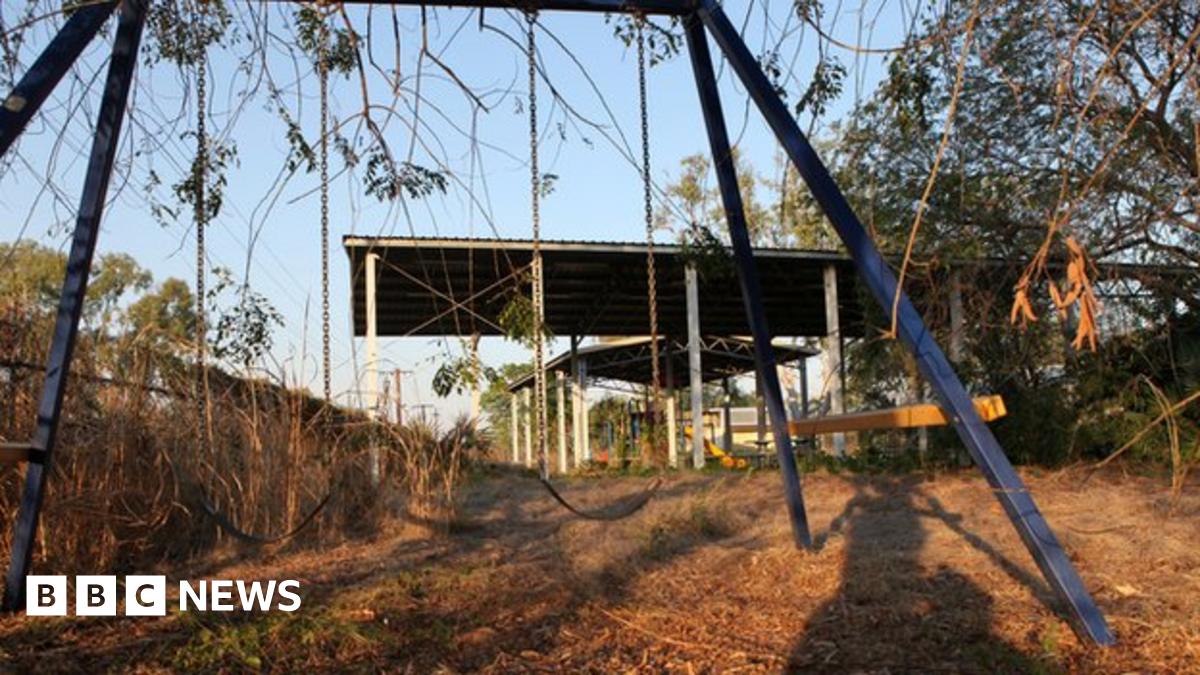
Ang komunidad ng Oombulgurri sa rehiyon ng Kimberley ay isinarado, ngunit nangyari ito noong 2011 sa ilalim ng nakaraang state Labor government kasunod ng isang coronial inquiry na nakakita na ang komunidad ay nasa "state of crisis" na may mataas na rate ng pagpapakamatay, pang-aabuso sekswal, at karahasan sa tahanan [4][5].
The Oombulgurri community in the Kimberley region was closed, but this occurred in 2011 under the previous state Labor government following a coronial inquiry that found the community in a "state of crisis" with high rates of suicide, sexual abuse, and domestic violence [4][5].
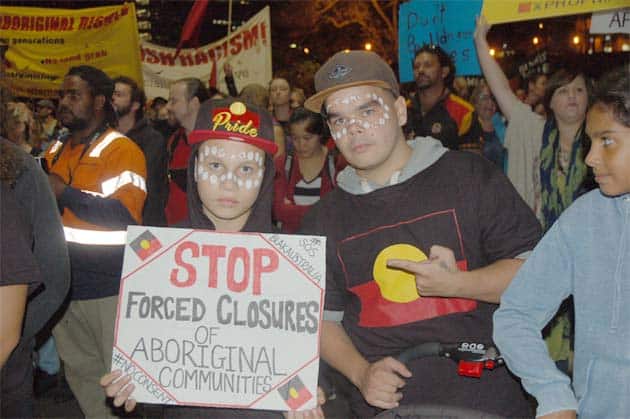
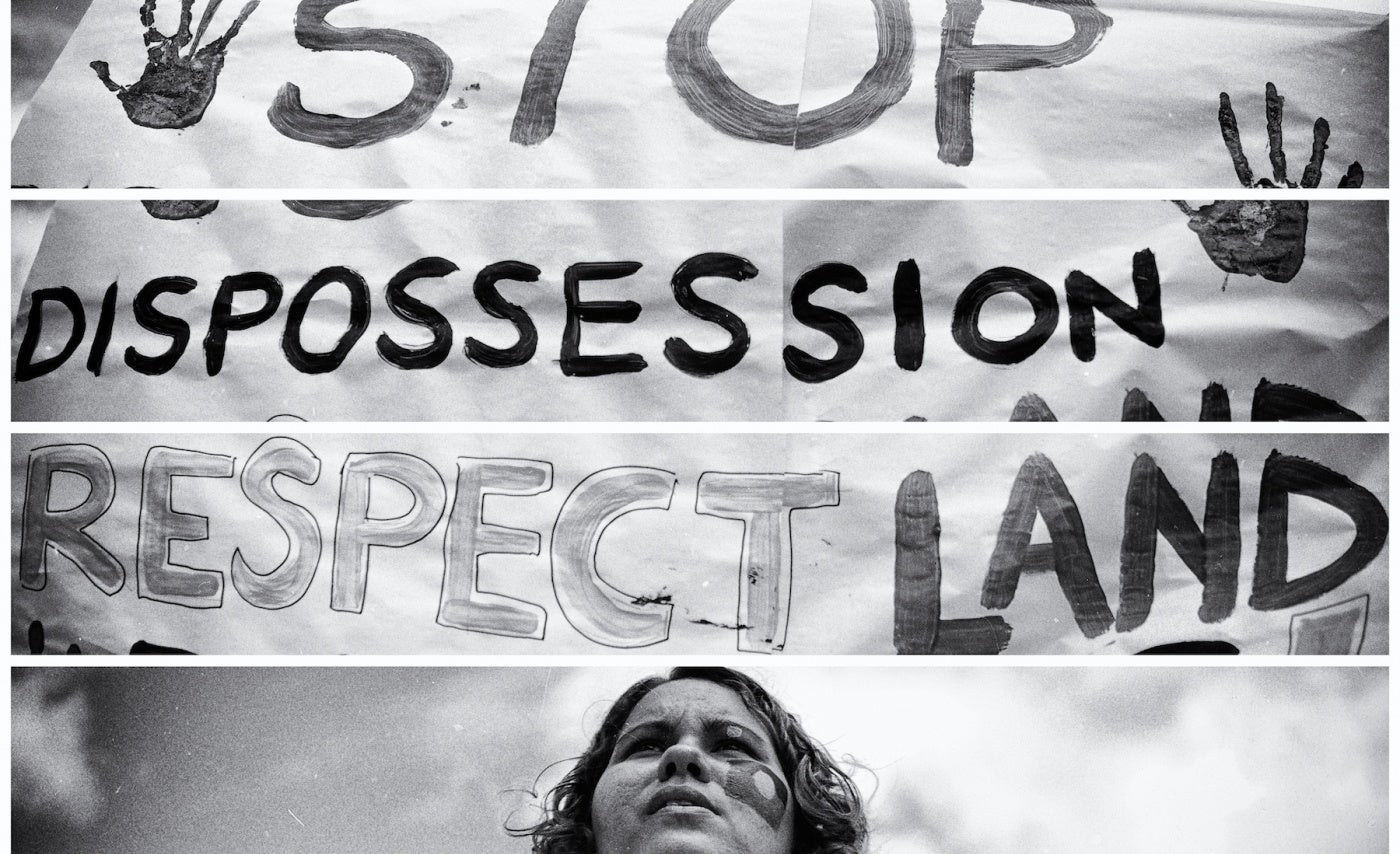
Kasunod ng mga pambansang protesta at internasyonal na atensyon noong 2015, ang Barnett government ay napilitang bawiin ang mga plano sa pagsasara [6].
Following nationwide protests and international attention in 2015, the Barnett government was forced to backtrack on its closure plans [6].
Habang ang ilang maliliit na komunidad ay nawalan ng serbisyo o pinaigting sa mga sumusunod na taon, ang claim na 150 komunidad ang "isinarado" ng Coalition Government ay mali sa katotohanan.
While some small communities did lose services or were consolidated in subsequent years, the claim that 150 communities were "closed" by the Coalition Government is factually incorrect.

Nawawalang Konteksto

**1.
**1.
Ang Pag-Withdraw ng Pederal na Pondo ay Nag-trigger ng mga Desisyon ng Estado** Ang kontrobersya ay nagsimula nang ang pederal na Coalition government ay mag-withdraw ng pondo para sa mga serbisyo munisipal sa mga malalayong komunidad.
Federal Funding Withdrawal Triggered State Decisions** The controversy began when the federal Coalition government withdrew funding for municipal services in remote communities.
Ito ay pinaigting sa mga estado na either sagutin ang mga gastos o isara ang mga komunidad.
This forced states to either absorb the costs or close communities.
Ang pederal na gobyerno ay nag-alok ng one-time payments sa mga estado para kunin ang responsibilidad, ngunit ito ay kinriticize bilang hindi sapat [7]. **2.
The federal government offered one-time payments to states to take over responsibility, but these were criticized as insufficient [7]. **2.
Ang "Lifestyle Choice" Comment ni Tony Abbott** Noong Marso 2015, ipinagtanggol ni Prime Minister Tony Abbott ang mga pagbawas sa pondo, na nagsabi: "Ang hindi natin magagawa ay ang walang katapusang subsidize ng lifestyle choices" [8].
Tony Abbott's "Lifestyle Choice" Comment** In March 2015, Prime Minister Tony Abbott defended the funding cuts, stating: "What we can't do is endlessly subsidise lifestyle choices" [8].
Ang komentong ito ay malawakang kinondena ng mga lider ng mga Katutubo kasama si Warren Mundine (Chair ng Prime Minister's Indigenous Advisory Council) at Noel Pearson, na tumawag dito bilang "hopeless," "disrespectful," at "simplistic" [8].
This comment was widely condemned by Indigenous leaders including Warren Mundine (Chair of the Prime Minister's Indigenous Advisory Council) and Noel Pearson, who called it "hopeless," "disrespectful," and "simplistic" [8].
Ang komentong ito ay pinaigting ang pampublikong backlash laban sa mga plano sa pagsasara. **3.
The comment intensified public backlash against the closure plans. **3.
Debate sa Cost vs.
Cost vs.
Social Impact** Ang WA government ay nag-cite ng mga gastos na hanggang $85,000 bawat tao bawat taon para sa mga essential na serbisyo sa ilang maliliit na komunidad [9].
Social Impact Debate** The WA government cited costs of up to $85,000 per person per year for essential services in some small communities [9].
Gayunpaman, ang mga kritiko ay nangatwiran na ang mga sapilitang pagsasara ay maglilikha ng "fringe dwellers" sa mas malalaking bayan, na nagdudulot ng homelessness, social disruption, at gastos sa iba pang mga serbisyo [4].
However, critics argued that forced closures would create "fringe dwellers" in larger towns, increasing homelessness, social disruption, and costs to other services [4].
Ang pagsasara ng Oombulgurri noong 2011 ay nagpakita ng mga problemang ito—ang mga residente ay naging homeless o displaced, at ang mga social problems ay hindi nalutas [4]. **4.
The 2011 Oombulgurri closure demonstrated these problems—residents became homeless or displaced, and social problems were not resolved [4]. **4.
Tinanggihan ng South Australia ang Pederal na Alok** Ang Labor government ng South Australia ay tumanggi sa pederal na alok bilang hindi sapat at nagbababala na 60 komunidad (tahanan ng 4,000 tao) ang magsasara kung pilitin [7].
South Australia Rejected the Federal Offer** South Australia's Labor government rejected the federal offer as insufficient and warned that 60 communities (home to 4,000 people) would close if forced to accept [7].
Ito ay nagpapakita na parehong mga pangunahing partido ay nakaharap sa magkakatulad na mga hamon sa pagpopondo ng malalayong komunidad.
This demonstrates that both major parties faced similar challenges with remote community funding.

Pagsusuri ng Kredibilidad ng Pinagmulan

**The Guardian (Source 2):** - **Kredibilidad:** Karaniwang mataas para sa factual reporting - **Bias:** Kaliwang sentro bias (kinikilala ng media bias assessments) - **Pagtatasa:** Ang The Guardian ay isang mainstream, reputable news organization.
**The Guardian (Source 2):** - **Credibility:** Generally high for factual reporting - **Bias:** Left-center bias (acknowledged by media bias assessments) - **Assessment:** The Guardian is a mainstream, reputable news organization.
Ang artikulo ay tumpak na iniulat ang mga kontrobersyal na "lifestyle choice" comments ni Tony Abbott at ang kontrobersya sa paligid nito.
The article accurately reported Tony Abbott's controversial "lifestyle choice" comments and the controversy surrounding them.
Gayunpaman, dapat tandaan ng mga mambabasa na ang The Guardian ay mayroong center-left editorial stance na maaaring mas kritikal na i-frame ang mga patakaran ng Coalition kaysa sa mga conservative outlet [10]. **VICE News (Source 1):** - **Kredibilidad:** Katamtaman - nag-uulat ng factual information ngunit may loaded language - **Bias:** Kaliwang sentro bias na may focus sa progressive/social justice perspectives - **Pagtatasa:** Ang Media Bias/Fact Check ay nag-rate ng VICE bilang left-center biased, na nagsasaad na sila ay "madalas mag-publish ng factual information na gumagamit ng loaded words para paboran ang liberal na mga dahilan" [11].
However, readers should note The Guardian has a center-left editorial stance that may frame Coalition policies more critically than conservative outlets [10]. **VICE News (Source 1):** - **Credibility:** Moderate - reports factual information but with loaded language - **Bias:** Left-center bias with a focus on progressive/social justice perspectives - **Assessment:** Media Bias/Fact Check rates VICE as left-center biased, noting they "often publish factual information that utilizes loaded words to favor liberal causes" [11].
Ang artikulo ng VICE ay nagbibigay ng tumpak na impormasyon tungkol sa mga pagbabantang pagsasara ngunit ina-frame ang isyu mula sa isang advocacy perspective na simpatetiko sa mga komunidad ng mga Katutubo.
The VICE article provides accurate information about the threatened closures but frames the issue from an advocacy perspective sympathetic to Indigenous communities.
Ito ay hindi problema para sa factual accuracy ngunit dapat unawain ng mga mambabasa ang editorial perspective.
This is not problematic for factual accuracy but readers should understand the editorial perspective.
⚖️

Paghahambing sa Labor

**Ginawa ba ni Labor ang isang katulad na bagay?** **Oo - Ang Northern Territory Intervention (2007):** Ang Howard Coalition government ay nag-enact ng Northern Territory National Emergency Response ("The Intervention") noong Agosto 2007, na naipasa na may **bipartisan support mula sa Labor opposition** [12].
**Did Labor do something similar?** **Yes - The Northern Territory Intervention (2007):** The Howard Coalition government enacted the Northern Territory National Emergency Response ("The Intervention") in August 2007, which was passed with **bipartisan support from the Labor opposition** [12].
Ang Intervention ay kinabibilangan ng: - Suspension ng Racial Discrimination Act - Compulsory acquisition ng Aboriginal land - Welfare quarantining - Military at police deployment sa mga malalayong komunidad - Sapilitang pagsasara at konsolidasyon ng komunidad Nang ang Labor government ni Kevin Rudd ay nahalal noong Nobyembre 2007, sila ay **nagpatuloy at pinaigting ang Intervention**.
The Intervention involved: - Suspension of the Racial Discrimination Act - Compulsory acquisition of Aboriginal land - Welfare quarantining - Military and police deployment to remote communities - Forced community closures and consolidations When Kevin Rudd's Labor government was elected in November 2007, they **continued and expanded the Intervention**.
Noong Hunyo 2008, ang Rudd government ay nag-appoint ng review board para suriin ang unang 12 buwan ng NTER [13]. **Pagsasara ng Oombulgurri (2011):** Ang komunidad ng Oombulgurri ay isinarado noong 2011 sa ilalim ng state Labor government sa Western Australia [4][5].
In June 2008, the Rudd government appointed a review board to assess the first 12 months of the NTER [13]. **Oombulgurri Closure (2011):** The Oombulgurri community was closed in 2011 under the state Labor government in Western Australia [4][5].
Ang pagsasarang ito ay kinabibilangan ng: - Unti-unting pag-withdraw ng mga serbisyo (tindahan, paaralan, health clinic) - Pagpatay ng kuryente at tubig - Mga residenteng pinilit na umalis - Komunidad na huli ay giniba **Pangunahing Pagkakita:** Parehong mga pangunahing partido ay nagpatupad ng mga patakaran na nakakaapekto sa mga malalayong komunidad ng mga Katutubo.
This closure involved: - Gradual withdrawal of services (store, school, health clinic) - Power and water shut off - Residents forced to leave - Community eventually demolished **Key Finding:** Both major parties have implemented policies affecting remote Indigenous communities.
Ang pag-withdraw ng pondo at mga pagbabantang pagsasara ng Coalition noong 2014-2015 ay nangyari sa loob ng isang mas malawak na bipartisan history ng mga interbensyon sa mga malalayong komunidad ng mga Katutubo.
The Coalition's 2014-2015 funding withdrawal and threatened closures occurred within a broader bipartisan history of interventions in remote Indigenous communities.
Ang Intervention ay nagsimula sa ilalim ni Howard na may suporta ng Labor at nagpatuloy sa ilalim ng Rudd/Gillard.
The Intervention began under Howard with Labor support and continued under Rudd/Gillard.
🌐

Balanseng Pananaw

**Ang Posisyon ng Coalition Government:** Ang pederal na gobyerno ay nangatwiran na: - Ang mga serbisyo munisipal sa napakaliit na malalayong komunidad ay labis na mahal - Ang ilang komunidad ay mayroong 4-5 residente lamang ngunit nangangailangan ng buong suporta sa imprastraktura - Ang mga mapagkukunan ay maaaring mas mahusay na idirekta sa mas malalaking komunidad kung saan mas maraming tao ang makikinabang - Ang patakaran ay tungkol sa sustainability, hindi sa pag-target sa mga Katutubo (Tinandaan ni Tony Abbott: "Ang lahat ng mga Australiano ay malaya na tumira kung saan nila pipiliin, ngunit di maiiwasan na may mga limitasyon sa kung ano ang maaari nating maasahan sa taxpayer") [8] **Ang mga Pagsusuri at Mga Kontra-Argumento:** Ang mga lider at tagapagtaguyod ng mga Katutubo ay nangatwiran na: - Ang koneksyon sa lupain ay fundamental sa kultura at pagkakakilanlan ng mga Katutubo (hindi isang "lifestyle choice") - Ang sapilitang paglilipat ay uulit sa mga historikal na hindi pagkatarungan at maglilikha ng "fringe dwellers" - Ang pagsasara ng Oombulgurri ay nagpakita na ang sapilitang paglilipat ay hindi nagsosolusyon sa mga social problems - Walang pormal na evaluation ang isinagawa ng mga gastos o epekto bago inihayag ang patakaran - Ang mga karapatan sa native title ay inundermine kapag ang mga tao ay inalis mula sa kanilang tradisyonal na lupain [9] **Ang Buong Kwento:** Ang 150 komunidad ay **pinagbabantaang** isara, hindi aktwal na isinarado.
**The Coalition Government's Position:** The federal government argued that: - Municipal services in very small remote communities were prohibitively expensive - Some communities had only 4-5 residents but required full infrastructure support - Resources could be better directed to larger communities where more people could benefit - The policy was about sustainability, not targeting Indigenous people (Tony Abbott noted: "All Australians are free to live where they choose, but inevitably there are some limits to what we can reasonably expect of the taxpayer") [8] **Criticisms and Counter-Arguments:** Indigenous leaders and advocates argued: - Connection to country is fundamental to Indigenous culture and identity (not a "lifestyle choice") - Forced displacement would repeat historical injustices and create "fringe dwellers" - The Oombulgurri closure demonstrated that forced relocation doesn't solve social problems - No formal evaluation was conducted of the costs or impacts before the policy was announced - Native title rights are undermined when people are removed from their traditional lands [9] **The Full Story:** The 150 communities were **threatened** with closure, not actually closed.
Ang patakaran ay inihayag noong 2014-2015 ngunit naharap sa malawakang pampublikong backlash, mga protesta sa buong Australia, at internasyonal na pagsusuri.
The policy was announced in 2014-2015 but faced massive public backlash, protests across Australia, and international criticism.
Ang WA government ay huli ay bumawi sa mga plano sa pagsasara [6].
The WA government ultimately backtracked on the closure plans [6].
Ang isyu ay nagpapakita ng isang tunay na hamon sa patakaran: ang mga malalayong komunidad ng mga Katutubo ay nakakaharap sa mga seryosong social issues (kalusugan, trabaho, education gaps) at nangangailangan ng makabuluhang suporta ng gobyerno.
The issue highlights a genuine policy challenge: remote Indigenous communities face serious social issues (health, employment, education gaps) and require significant government support.
Gayunpaman, parehong pangunahing partido ay nahirapang humanap ng mga solusyon na balanse ang fiscal responsibility sa pagrespeto sa mga karapatan ng mga Katutubo sa lupain at kultural na koneksyon sa bansa.
However, both major parties have struggled to find solutions that balance fiscal responsibility with respect for Indigenous land rights and cultural connection to country.

NAKAKALITO

4.0

sa 10

Ang claim na "Isinarado ang 150 malalayong komunidad ng mga Katutubo" ay mapanlinlang dahil: 1.
The claim "Closed 150 remote Indigenous communities" is misleading because: 1.
Ang numero 150 ay kumakatawan sa mga komunidad na **pinagbabantaang** isara, hindi aktwal na isinarado 2.
The number 150 represented communities that were **threatened** with closure, not actually closed 2.
Ang aktwal na bilang ng mga pagsasara ay mas kaunti 3.
The actual number of closures was significantly fewer 3.
Ang pagsasara ng Oombulgurri na nabanggit bilang halimbawa ay aktwal na nangyari noong 2011 sa ilalim ng isang state Labor government 4.
The Oombulgurri closure cited as an example actually occurred in 2011 under a state Labor government 4.
Ang patakaran ay naharap sa malawakang backlash at pangunahing tinanggal Ang claim ay pinagsama-sama ang mga pagbabantang pagsasara sa aktwal na mga pagsasara, na sobrang pinapalaki kung ano ang nangyari.
The policy faced massive backlash and was largely abandoned The claim conflates threatened closures with actual closures, exaggerating what occurred.
Habang ang Coalition government ay talagang nag-withdraw ng pederal na pondo para sa mga serbisyo munisipal (na nag-trigger ng mga panukala sa pagsasara ng estado) at si Tony Abbott ay gumawa ng malawakang kinondenang "lifestyle choice" comments, ang tiyak na claim na 150 komunidad ang "isinarado" ay mali sa katotohanan.
While the Coalition government did withdraw federal funding for municipal services (triggering the state closure proposals) and Tony Abbott made widely condemned "lifestyle choice" comments, the specific claim that 150 communities were "closed" is factually inaccurate.

📚 MGA PINAGMULAN AT SANGGUNIAN (13)

  1. 1
    SBS News - WA Remote Indigenous Community Closures Timeline

    SBS News - WA Remote Indigenous Community Closures Timeline

    Key events in the plans to close hundreds of remote Indigenous Australian communities.

    SBS News
  2. 2
    Al Jazeera - Shutting Down Australia's Aboriginal Areas

    Al Jazeera - Shutting Down Australia's Aboriginal Areas

    New funding laws threaten the existence of remote indigenous communities already facing profound social issues.

    Al Jazeera
  3. 3
    BBC News - Australia's Remote Indigenous Communities Fear Closure

    BBC News - Australia's Remote Indigenous Communities Fear Closure

    In the wake of plans by the West Australian government to close many small indigenous communities, many fear history might soon be repeated.

    BBC News
  4. 4
    BuzzFeed - How A 12-Year-Old's Death Proves That Closing Indigenous Communities Didn't Solve Anything

    BuzzFeed - How A 12-Year-Old's Death Proves That Closing Indigenous Communities Didn't Solve Anything

    Homelessness, alienation and suicide – the devastating fallout from the forced closure of Oombulgurri, Western Australia.

    BuzzFeed
  5. 5
    PDF

    AustLII - The Oombulgurri Eviction: Practicality or Illegality?

    Classic Austlii Edu • PDF Document
  6. 6
    Solidarity - WA Government Confirms Plans to Close Communities

    Solidarity - WA Government Confirms Plans to Close Communities

    The WA government has confirmed plans to halt services to hundreds of remote Aboriginal communities and to force residents to move to larger towns.

    Solidarity Online – Socialist organisation in Australia affiliated to the International Socialist Tendency
  7. 7
    Cultural Survival - Forced Closures of Aboriginal Communities in Australia Continue

    Cultural Survival - Forced Closures of Aboriginal Communities in Australia Continue

    By Cass Madden

    Culturalsurvival
  8. 8
    ABC News - Indigenous Advisers Slam Tony Abbott's 'Lifestyle Choice' Comments

    ABC News - Indigenous Advisers Slam Tony Abbott's 'Lifestyle Choice' Comments

    Tony Abbott's key Indigenous advisers slam his description of living in remote communities as a "lifestyle choice", saying the statement is "hopeless", "disrespectful" and simplistic.

    Abc Net
  9. 9
    Right Now - What Happens When a Remote Aboriginal Community in Western Australia is Closed

    Right Now - What Happens When a Remote Aboriginal Community in Western Australia is Closed

    Rose Carnes clarifies how the closure of remote Aboriginal communities is a form of forced eviction as defined by the Office of the High Commissioner for Human Rights.

    Right Now
  10. 10
    Media Bias/Fact Check - The Guardian

    Media Bias/Fact Check - The Guardian

    LEFT-CENTER BIAS These media sources have a slight to moderate liberal bias.  They often publish factual information that utilizes loaded words

    Media Bias/Fact Check
  11. 11
    Media Bias/Fact Check - Vice Media

    Media Bias/Fact Check - Vice Media

    LEFT-CENTER BIAS These media sources have a slight to moderate liberal bias.  They often publish factual information that utilizes loaded words (wording

    Media Bias/Fact Check
  12. 12
    Wikipedia - Northern Territory National Emergency Response

    Wikipedia - Northern Territory National Emergency Response

    Wikipedia
  13. 13
    Indigenous Justice - Northern Territory Emergency Response: Report of the NTER Review Board

    Indigenous Justice - Northern Territory Emergency Response: Report of the NTER Review Board

    Indigenousjustice Gov

Pamamaraan ng Rating Scale

1-3: MALI

Hindi tama sa katotohanan o malisyosong gawa-gawa.

4-6: BAHAGYA

May katotohanan ngunit kulang o baluktot ang konteksto.

7-9: HALOS TOTOO

Maliit na teknikal na detalye o isyu sa pagkakasulat.

10: TUMPAK

Perpektong na-verify at patas ayon sa konteksto.

Pamamaraan: Ang mga rating ay tinutukoy sa pamamagitan ng cross-referencing ng opisyal na mga rekord ng pamahalaan, independiyenteng mga organisasyong nag-fact-check, at mga primaryang dokumento.