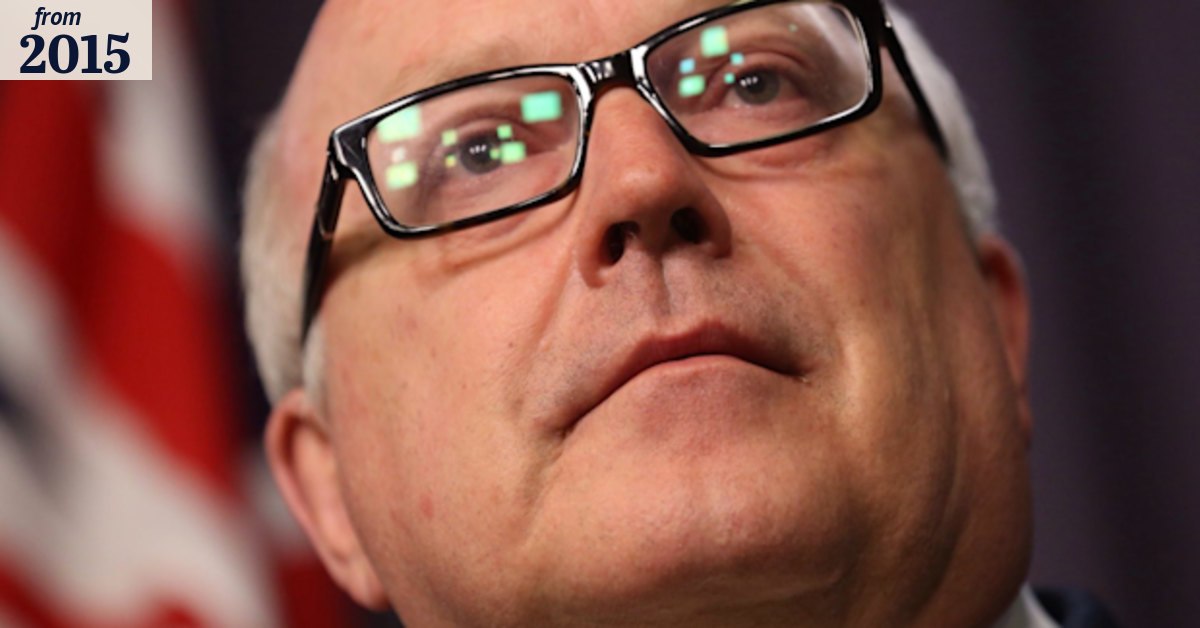
**Ang $105 milyon na halaga ay tumpak sa datos.** Inihayag sa pederal na badyet ng 2015-16 ni Arts Minister George Brandis ang paglipat ng $104.7 milyon (karaniwang pinapaikling $105 milyon) sa loob ng apat na taon mula sa Australia Council para itatag ang National Programme for Excellence in the Arts (NPEA) [1][2].
**The $105 million figure is factually accurate.** The 2015-16 federal budget announced by then-Arts Minister George Brandis diverted $104.7 million (commonly rounded to $105 million) over four years from the Australia Council to establish the National Programme for Excellence in the Arts (NPEA) [1][2].
Gayunpaman, ang pahayag ay hindi nagbubanggit ng ilang mahahalagang detalye: 1. **Bahagyang Pagbabalik:** Pagkatapos palitan ni Malcolm Turnbull si Tony Abbott bilang Punong Ministro noong Setyembre 2015 at si Senator Mitch Fifield na pumalit kay Brandis bilang Arts Minister, inihayag ng gobyerno noong Nobyembre 2015 na $32 milyon ang ibabalik sa Australia Council sa loob ng apat na taon, na bawasan ang netong pagkaltas sa humigit-kumulang $72-73 milyon [3][4]. 2. **Mga Hakbang sa Pagiging Mabisa:** Ang Australia Council ay napailalim din sa mga hakbang sa pagiging mabisa na $1.8 milyon bawat taon sa loob ng apat na taon, na umaabot sa humigit-kumulang $7.2 milyon [5]. 3. **Ang pondo ay nailipat, hindi tinanggal.** Ang pera ay inilipat mula sa Australia Council para gumawa ng bagong minister-administered fund (NPEA, na pinalitan pangalan na Catalyst) na may ibang pamantayan sa pagiging karapat-dapat [1][2].
However, the claim omits several crucial details:
1. **Partial Reversal:** After Malcolm Turnbull replaced Tony Abbott as Prime Minister in September 2015 and Senator Mitch Fifield replaced Brandis as Arts Minister, the government announced in November 2015 that $32 million would be returned to the Australia Council over four years, reducing the net cut to approximately $72-73 million [3][4].
2. **Efficiency Measures:** The Australia Council was also subject to efficiency measures of $1.8 million per year for four years, totaling approximately $7.2 million [5].
3. **The funding was redirected, not eliminated.** The money was moved from the Australia Council to create a new minister-administered fund (NPEA, later renamed Catalyst) with different eligibility criteria [1][2].
Nawawalang Konteksto
**Ang Mga Major Performing Arts Companies ay Protektado:** Taliwas na sinabi ni Brandis na "walang pagbabawas sa pondo ng Australia Council para sa 28 major performing arts companies" [5].
**Major Performing Arts Companies Were Protected:** Brandis explicitly stated that "there will be no reduction in the Australia Council's funding to the 28 major performing arts companies" [5].
Ang mga pagkaltas ay istruktura na bumagsak lamang sa maliliit hanggang katamtamang arts organizations at indibidwal na artist, hindi sa mga nakatakdang major companies. **Hindi Ito ang Unang Pagkaltas sa Badyet:** Nakaranas na ng mga pagkaltas ang Australia Council sa badyet ng 2014-15 ($9.6 milyon noong 2014-15, at humigit-kumulang $6 milyon bawat taon sa sumunod na tatlong taon) [5].
The cuts were structured to fall entirely on small-to-medium arts organizations and individual artists, not the established major companies.
**Not the First Budget Cut:** The Australia Council had already experienced cuts in the 2014-15 budget ($9.6 million in 2014-15, plus approximately $6 million per year for three following years) [5].
Ang kabuuang epekto ng mga hakbang sa badyet noong 2014 at 2015 ay kumakatawan sa kabuuang pagbabawas na humigit-kumulang $34.2 milyon (kasama ang indexation) o $41 milyon (hindi kasama ang indexation) para sa pinansyal na taon ng 2015-16 lamang [5]. **Mga Programang Tinigil:** Bilang resulta ng mga pagkaltas, itinigil ng Australia Council ang ilang programa kabilang ang ArtStart (para sa mga early career artists), Creative Community Partnerships Initiative, Artists in Residence program, at bawasan ang bilang ng mga fellowship mula 14 patungong 8 [5]. **Senate Inquiry na Nagsimula:** Ang kontrobersya ay nagdulot ng isang imbestigasyon ng Senate Legal and Constitutional Affairs References Committee sa "epekto ng 2014 at 2015 Commonwealth Budget decisions sa Arts," na tumanggap ng 2,719 submissions at nagdaos ng sampung public hearings sa buong Australia [5].
The cumulative impact of 2014 and 2015 budget measures represented a total reduction of approximately $34.2 million (including indexation) or $41 million (excluding indexation) for the 2015-16 financial year alone [5].
**Programs Discontinued:** As a result of the cuts, the Australia Council discontinued several programs including ArtStart (for early career artists), Creative Community Partnerships Initiative, Artists in Residence program, and reduced the number of fellowships from 14 to 8 [5].
**Senate Inquiry Triggered:** The controversy prompted a Senate Legal and Constitutional Affairs References Committee inquiry into "the impact of the 2014 and 2015 Commonwealth Budget decisions on the Arts," which received 2,719 submissions and held ten public hearings across Australia [5].
Pagsusuri ng Kredibilidad ng Pinagmulan
**Ang New Matilda** ay minarkahan ng Media Bias/Fact Check bilang: - **Bias:** Kaliwa (-5.7 sa kanilang scale) - **Factual Reporting:** Mataas (1.2 - ang kanilang pinakamataas na marka) - **Credibility Rating:** Mataas na Kredibilidad - **Walang nabigong fact checks** sa huling 5 taon [6] Ang New Matilda ay isang independent Australian website na itinatag noong 2004 na naglalathala ng balita, pagsusuri, at satire mula sa left-wing/progressive na perspektibo.
**New Matilda** is rated by Media Bias/Fact Check as:
- **Bias:** Left (-5.7 on their scale)
- **Factual Reporting:** High (1.2 - their highest rating)
- **Credibility Rating:** High Credibility
- **No failed fact checks** in the last 5 years [6]
New Matilda is an independent Australian website founded in 2004 that publishes news, analysis, and satire from a left-wing/progressive perspective.
Bagama't may malinaw na editorial bias, ito ay karaniwang may magandang pinagmulan at tumpak sa pagbabalita [6][7].
While it has a clear editorial bias, it is generally well-sourced and factual in its reporting [6][7].
Ang headline framing ng artikulo ("how to destroy sector without even really trying") ay malinaw na may opinyon at laban, na naaayon sa progressive na editorial stance ng New Matilda.
The article's headline framing ("how to destroy sector without even really trying") is clearly opinionated and adversarial, consistent with New Matilda's progressive editorial stance.
Gayunpaman, ang mga saligang factual claim tungkol sa mga pagkaltas sa pondo ay maaaring beripikahin mula sa government budget documents at mainstream media sources.
However, the underlying factual claims about the funding cuts are verifiable from government budget documents and mainstream media sources.
⚖️
Paghahambing sa Labor
**Ginawa ba ng Labor ang katulad na bagay?
**Did Labor do something similar?**
Search conducted: "Labor government arts funding cuts history Australia Council"
**Finding:** Labor governments have generally been more supportive of arts funding, but have also made budget adjustments:
1. **Creative Australia (2013):** The Gillard Labor government developed "Creative Australia," the National Cultural Policy that actually *increased* funding to the Australia Council by $75.4 million over four years, following a 2012 review that recommended a $21.25 million annual increase [5].
2. **Historical Pattern:** Research shows that federal arts spending fell by 22.7% per capita over the 10 years of Coalition government (2013-2022), indicating a consistent pattern of arts funding reduction under Coalition governments compared to Labor [8].
3. **No Direct Equivalent:** There is no direct equivalent of the 2015 Australia Council cuts under Labor.
Isinagawang paghahanap:** "Labor government arts funding cuts history Australia Council" **Natuklasan:** Ang mga Labor government ay karaniwang mas suportado sa arts funding, ngunit nagkaroon din ng mga pag-aayos sa badyet: 1. **Creative Australia (2013):** Ang Gillard Labor government ay bumuo ng "Creative Australia," ang National Cultural Policy na aktwal na *nagdagdag* ng pondo sa Australia Council ng $75.4 milyon sa loob ng apat na taon, kasunod ng 2012 review na nagrekomenda ng $21.25 milyon na taunang pagtaas [5]. 2. **Historical Pattern:** Ipinakita ng pananaliksik na ang pederal na paggasta sa sining ay bumaba ng 22.7% per capita sa loob ng 10 taon ng Coalition government (2013-2022), na nagpapahiwatig ng pare-parehong pattern ng pagbabawas ng pondo para sa sining sa ilalim ng mga Coalition governments kumpara sa Labor [8]. 3. **Walang Direktang Katumbas:** Walang direktang katumbas ng 2015 Australia Council cuts sa ilalim ng Labor.
Labor's approach to arts funding has historically been more expansionary, with the 2013 National Cultural Policy representing a significant investment increase.
**Comparison:** The Coalition's approach to arts funding in 2014-2015 was distinctly different from Labor's record.
Ang approach ng Labor sa arts funding ay historikal na mas expansionary, kung saan ang 2013 National Cultural Policy ay kumakatawan sa isang malaking pagtaas ng pamumuhunan. **Pagkumpara:** Ang approach ng Coalition sa arts funding noong 2014-2015 ay ibang-iba sa record ng Labor.
While Labor increased Australia Council funding through Creative Australia, the Coalition's budget measures represented the most significant restructuring of arts funding arrangements in decades.
Habang ang Labor ay nagdagdag ng pondo sa Australia Council sa pamamagitan ng Creative Australia, ang mga hakbang sa badyet ng Coalition ay kumakatawan sa pinakamalaking pagre-restructure ng mga kaayusan sa pagpopondo ng sining sa loob ng mga dekada.
🌐
Balanseng Pananaw
**Ang Paliwanag ng Gobyerno:** Ipinagtanggol ni Senator Brandis ang mga pagbabago, sinasabing: "Ito ay isang napakagandang badyet para sa sining.
**The Government's Justification:**
Senator Brandis defended the changes, stating: "This is a very good budget for the arts.
Walang anumang malalaking pagkaltas" [2].
There have been no significant cuts at all" [2].
Ang gobyerno ay nangatwiran na: 1.
The government argued that:
1.
Ang NPEA/Catalyst ay "magpapahintulot para sa isang tunay na pambansang approach sa pagpopondo ng sining" [5] 2.
The NPEA/Catalyst would "allow for a truly national approach to arts funding" [5]
2.
Ang programa ay "makakatupad sa ilang prayoridad ng Gobyerno kabilang ang pambansang access sa dekalidad na arts at cultural experiences" [5] 3.
The program would "deliver on a number of Government priorities including national access to high quality arts and cultural experiences" [5]
3.
Ito ay "magbubukas ng pondo sa mas malawak na hanay ng arts companies at arts practitioners" [5] 4.
It would "make funding available to a wider range of arts companies and arts practitioners" [5]
4.
Ang diin sa kahusayan at pag-akit ng pribadong sektor na suporta ay naaayon sa mga prayoridad ng gobyerno [5] **Tugon ng Industriya:** Ang tugon ng sektor ng sining ay lubos na negatibo: - Mahigit 5,800 tao ang pumirma sa petisyon na tumututol sa "malaking pagbabawas ng pondo" [2] - Nagdaos ng mga protesta sa buong bansa sa ilalim ng #freethearts banner sa maraming lungsod [2] - Nagpahayag ng mga pag-aalala ang mga arts organizations tungkol sa pag-alis ng peer review (arm's length assessment) pabor sa ministerial discretion [2] - Mahigit 60 maliliit hanggang katamtamang arts organizations ang nawalan ng patuloy na pondo sa unang pagkakataon, isang pagkawala na "hindi pa nangyari noon sa Australian arts sector" [3] - Inamin ng Australia Council CEO na si Tony Grybowski na ang mga pagkaltas ay magkakaroon ng "malaking epekto" sa gawain ng sektor [2] **Ang Pahayag na "Walang Konsultasyon":** Ang pahayag na ang mga pagkaltas ay ginawa "nang hindi kinonsulta ang sinuman sa industriya ng sining" ay nangangailangan ng pagsusuri.
The emphasis on excellence and attracting private sector support aligned with government priorities [5]
**Industry Response:**
The arts sector response was overwhelmingly negative:
- Over 5,800 people signed a petition opposing the "massive defunding" [2]
- Protests were staged nationally under the #freethearts banner in multiple cities [2]
- Arts organizations expressed concerns about the removal of peer review (arm's length assessment) in favor of ministerial discretion [2]
- More than 60 small-to-medium arts organizations lost ongoing funding for the first time, a loss "never occurred previously in the Australian arts sector" [3]
- Australia Council CEO Tony Grybowski acknowledged the cuts would have "significant impact" on the sector's work [2]
**The "Without Consultation" Claim:**
The claim that the cuts were made "without consulting anyone in the arts industry" requires scrutiny.
Ang anunsyo ng badyet ay biglaan at nagdulot ng malawakang pagkagalit tungkol sa kakulangan ng paunang konsultasyon.
The budget announcement was indeed sudden and prompted widespread outrage about the lack of prior consultation.
Gayunpaman: 1.
However:
1.
Pagkatapos ng backlash, inilabas ng gobyerno ang draft NPEA guidelines noong Hulyo 2015 na humihingi ng pampublikong feedback, na tumanggap ng 333 submissions [5] 2.
After the backlash, the government released draft NPEA guidelines in July 2015 seeking public feedback, receiving 330 submissions [5]
2.
Ang sumunod na Senate inquiry ay nagbigay ng malawakang pagkakataon para sa stakeholder input, na tumanggap ng 2,719 submissions [5] 3.
The subsequent Senate inquiry provided extensive opportunity for stakeholder input, with 2,719 submissions received [5]
3.
Ang mga pagbabagong inihayag noong Nobyembre 2015 ay bahagyang nagsagot sa ilang mga alalahanin ng sektor sa pamamagitan ng pagbabalik ng $32 milyon sa Australia Council at pag-rebrand ng NPEA bilang Catalyst na may binagong guidelines [4][5] Ang tanong kung ito ay bumubuo ng sapat na "konsultasyon" ay mapagtatalunan.
The changes announced in November 2015 partially addressed some sector concerns by returning $32 million to the Australia Council and rebranding NPEA as Catalyst with modified guidelines [4][5]
Whether this constitutes adequate "consultation" is debatable.
Ang paunang desisyon ay tiyak na ginawa nang walang paunang konsultasyon sa industriya, ngunit ang mga sumunod na proseso ay nagbigay-daan para sa feedback na nakaapekto sa huling resulta. **Mahalagang konteksto:** Ito ay hindi isang simpleng pagkaltas sa badyet kundi isang pundamental na pagre-restructure ng mga kaayusan sa pagpopondo ng sining sa Australia, na inililipat ang makabuluhang kapangyarihan sa paggawa ng desisyon mula sa isang independent statutory body (Australia Council) patungo sa ministerial discretion.
The initial decision was certainly made without prior industry consultation, but subsequent processes allowed for feedback that influenced the final outcome.
**Key context:** This was not a simple budget cut but a fundamental restructuring of arts funding arrangements in Australia, shifting significant decision-making power from an independent statutory body (Australia Council) to ministerial discretion.
Ang structural change na ito, kasama ng lawak ng pagbabawas ng pondo at kakulangan ng paunang konsultasyon, ay nagpapaliwanag sa intensity ng tugon ng sektor.
This structural change, combined with the scale of funding reduction and lack of prior consultation, explains the intensity of sector response.
BAHAGYANG TOTOO
6.0
sa 10
Ang mga pangunahing factual element ay tumpak: humigit-kumulang $105 milyon ang pinutol sa Australia Council sa badyet ng 2015, at ang paunang desisyon ay ginawa nang walang paunang konsultasyon sa industriya ng sining.
The core factual elements are accurate: approximately $105 million was cut from the Australia Council in the 2015 budget, and the initial decision was made without prior consultation with the arts industry.
Gayunpaman, ang pahayag ay hindi nagbubanggit na: 1. $32 milyon ang ibinalik sa Australia Council (Nobyembre 2015) 2.
However, the claim omits that:
1. $32 million was later returned to the Australia Council (November 2015)
2.
Ang pondo ay nailipat sa isang bagong programa, hindi tinanggal 3.
The funding was redirected to a new program, not eliminated
3.
Ang gobyerno ay nakipag-ugnayan sa mga proseso ng konsultasyon na humantong sa mga pagbabago sa programa Ang paglalarawan na "nang hindi kinokonsulta ang sinuman sa industriya ng sining" ay isang oversimplification - bagama't ang paunang desisyon sa badyet ay kulang ng paunang konsultasyon, ang mga sumunod na proseso ng konsultasyon ay nangyari at nakaapekto sa huling resulta.
The government did subsequently engage in consultation processes that led to program modifications
The characterization "without consulting anyone in the arts industry" is an oversimplification - while the initial budget decision lacked prior consultation, subsequent consultation processes did occur and influenced the final outcome.
Huling Iskor
6.0
SA 10
BAHAGYANG TOTOO
Ang mga pangunahing factual element ay tumpak: humigit-kumulang $105 milyon ang pinutol sa Australia Council sa badyet ng 2015, at ang paunang desisyon ay ginawa nang walang paunang konsultasyon sa industriya ng sining.
The core factual elements are accurate: approximately $105 million was cut from the Australia Council in the 2015 budget, and the initial decision was made without prior consultation with the arts industry.
Gayunpaman, ang pahayag ay hindi nagbubanggit na: 1. $32 milyon ang ibinalik sa Australia Council (Nobyembre 2015) 2.
However, the claim omits that:
1. $32 million was later returned to the Australia Council (November 2015)
2.
Ang pondo ay nailipat sa isang bagong programa, hindi tinanggal 3.
The funding was redirected to a new program, not eliminated
3.
Ang gobyerno ay nakipag-ugnayan sa mga proseso ng konsultasyon na humantong sa mga pagbabago sa programa Ang paglalarawan na "nang hindi kinokonsulta ang sinuman sa industriya ng sining" ay isang oversimplification - bagama't ang paunang desisyon sa badyet ay kulang ng paunang konsultasyon, ang mga sumunod na proseso ng konsultasyon ay nangyari at nakaapekto sa huling resulta.
The government did subsequently engage in consultation processes that led to program modifications
The characterization "without consulting anyone in the arts industry" is an oversimplification - while the initial budget decision lacked prior consultation, subsequent consultation processes did occur and influenced the final outcome.
Hindi tama sa katotohanan o malisyosong gawa-gawa.
4-6: BAHAGYA
May katotohanan ngunit kulang o baluktot ang konteksto.
7-9: HALOS TOTOO
Maliit na teknikal na detalye o isyu sa pagkakasulat.
10: TUMPAK
Perpektong na-verify at patas ayon sa konteksto.
Pamamaraan: Ang mga rating ay tinutukoy sa pamamagitan ng cross-referencing ng opisyal na mga rekord ng pamahalaan, independiyenteng mga organisasyong nag-fact-check, at mga primaryang dokumento.