Totoo

Rating: 6.0/10

Coalition
C0522

Ang Claim

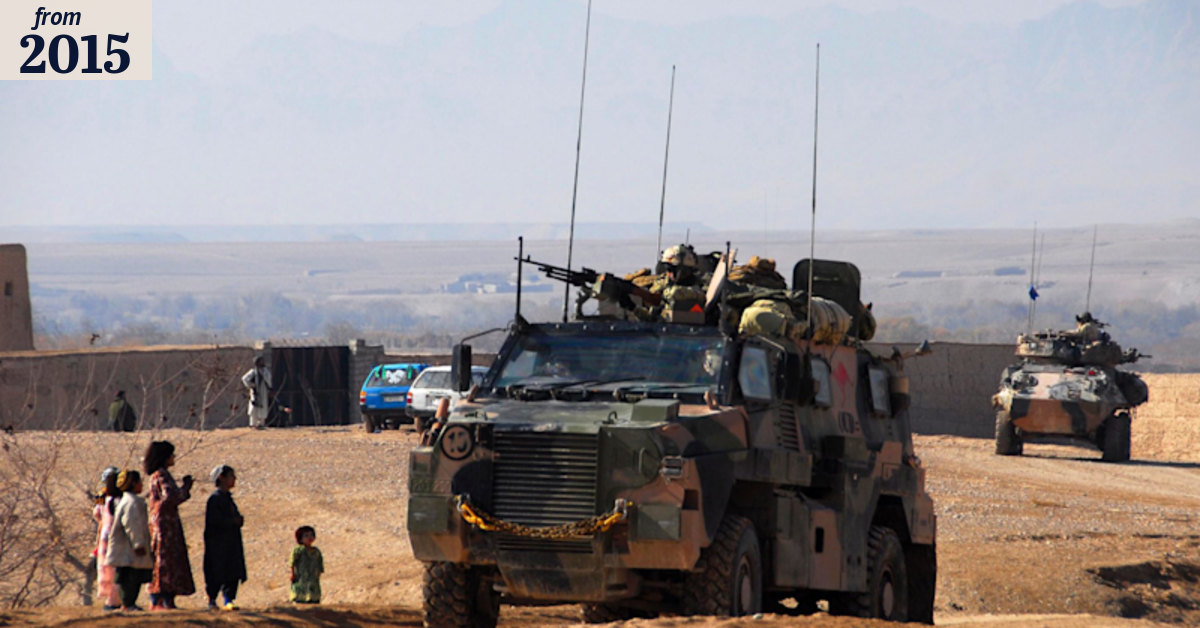
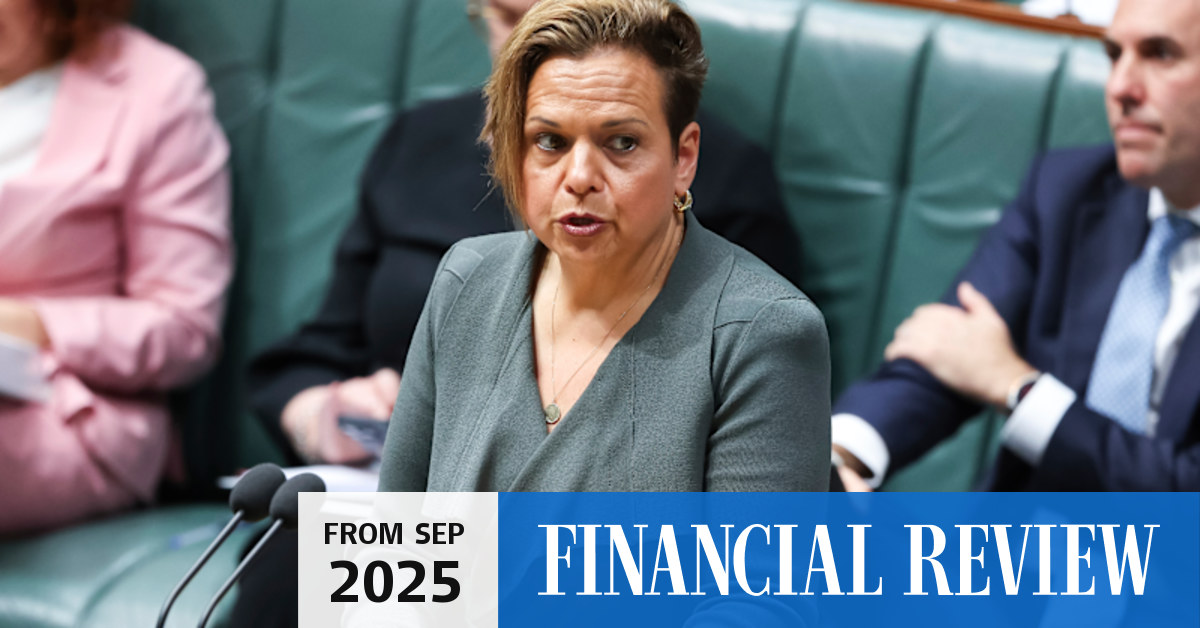
“Gumastos ng $10,000 sa pagsubok na hanapin ang isang taong nag-leak ng impormasyon sa media tungkol sa kung paano sinadya at kinakitaan ng kaalaman ng Punong Ministro ang paggamit ng maling impormasyon upang bigyang-katuwiran ang pagtutol sa pagtaas ng sahod ng defence force.”
Orihinal na Pinagmulan: Matthew Davis

Orihinal na Pinagmulan

FACTUAL NA BERIPIKASYON

Tumpak ang mga pangunahing katotohanan ng claim.
The core facts of the claim are **accurate**.
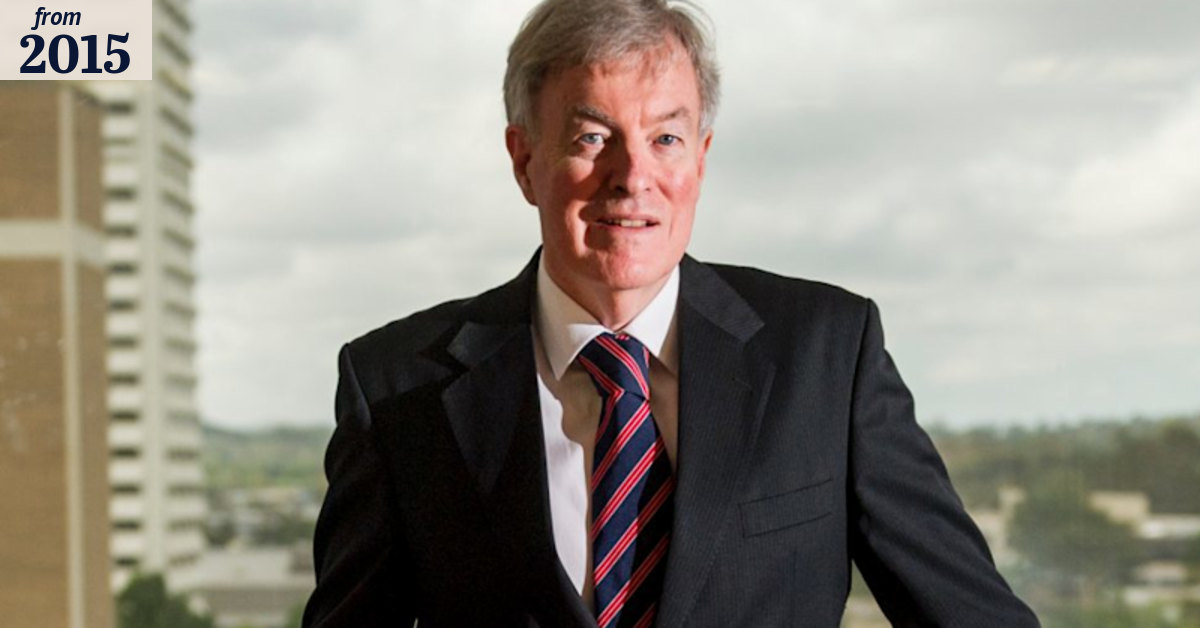
Ang opisina ni Public Service Commissioner John Lloyd ay gumastos ng $9,275 sa pagsisiyasat ng isang leak na may kaugnayan sa isyu ng pagtaas ng sahod ng Defence Force [1].
Public Service Commissioner John Lloyd's office spent $9,275 investigating a leak related to the Defence Force pay rise issue [1].
Sinimulan ang imbestigasyon matapos ilathala ng media noong Marso 2015 na ginamit ni Punong Ministro Tony Abbott ang maling impormasyon upang bigyang-katuwiran ang posisyon ng gobyerno sa sahod ng ADF, sa kabila ng mga babala mula sa Australian Public Service Commission (APSC) na flawed ang data [1][2].
The investigation was initiated after media reports in March 2015 revealed that Prime Minister Tony Abbott used incorrect information to justify the government's position on ADF pay, despite warnings from the Australian Public Service Commission (APSC) that the data was flawed [1][2].
Inilantad ng leak na ang APSC ay nagpayo sa mga opisina ng ministro ng hindi bababa sa dalawang beses na ang data na ginamit upang palakasin ang kanilang argumento—na ang sahod ng mga tauhan ng depensa ay "nagbabawi" sa mga public servant—ay hindi sumusuporta sa claim [1].
The leak exposed that the APSC had advised ministers' offices at least twice that data used to bolster their argument—that defence personnel's pay was "catching up" with public servants—did not support the claim [1].
Pagkatapos mailathala ang impormasyong ito, inihayag ni Commissioner Lloyd ang pagsisiyasat upang matukoy ang nag-leak, na nagsabing ang pag-leak ay "lets down people who are conscientious and do the right thing" [1].
Following the publication of this information, Commissioner Lloyd announced an investigation to identify the leaker, stating that leaking "lets down people who are conscientious and do the right thing" [1].
Ang halagang $9,275 ay kumatawan sa mga gastos sa sahod ng (mga) staff member na nagsagawa ng imbestigasyon [1].
The $9,275 figure represented the salary costs of the staff member(s) who conducted the inquiry [1].
Sa huli, nabigo ang imbestigasyon na matukoy ang nag-leak dahil sa hindi sapat na ebidensya [1].
The investigation ultimately failed to identify the leaker due to insufficient evidence [1].

Nawawalang Konteksto

Ang claim ay nagpapaliban sa ilang mahahalagang kontekstwal na elemento: **1.
The claim omits several important contextual elements: **1.
Tungkulin at Responsibilidad ng Public Service Commissioner:** Ang Australian Public Service Commissioner ay may tungkuling ipromote ang pagsunod sa APS Code of Conduct [3].
Role and Responsibilities of the Public Service Commissioner:** The Australian Public Service Commissioner has a statutory duty to promote adherence to the APS Code of Conduct [3].
Ang APS Code of Conduct ay nangangailangan sa mga public servant na "maintain appropriate confidentiality about dealings with any minister or member of a minister's staff" [1].
The APS Code of Conduct requires public servants to "maintain appropriate confidentiality about dealings with any minister or member of a minister's staff" [1].
Ang hindi pagsisiyasat sa leak ay maaaring makita sa loob ng bureaucracy bilang pagtatakda ng masamang halimbawa at pagpahina sa code of conduct na tungkulin ng Commissioner na ipatupad [1]. **2.
Not investigating the leak could have been seen within the bureaucracy as setting a poor example and undermining the code of conduct that the Commissioner is responsible for enforcing [1]. **2.
Sukat ng Gastos sa Imbestigasyon:** Bagama't ang $10,000 ay hindi maliit na halaga, ang claim ay nagkakabigay ng konteksto na ito ay labis na paggastos.
Scale of the Investigation Cost:** While $10,000 is not insignificant, the claim frames it as excessive spending.
Sa konteksto ng operasyon ng gobyerno at gastos sa sahod ng isang senior staff member na nagsagawa ng imbestigasyon sa loob ng humigit-kumulang isang buwan, ang halagang ito ay relatibong modest [1].
In the context of government operations and the salary cost of a senior staff member conducting an investigation over approximately one month, this amount is relatively modest [1].
Karaniwang nagsasagawa ang mga ahensya ng gobyerno ng internal na imbestigasyon sa mga paglabag sa code of conduct. **3.
Government agencies routinely conduct internal investigations into code of conduct breaches. **3.
Ang Mas Malawak na Konteksto ng ADF Pay Rise:** Sa simula, inalok ng gobyerno ang mga tauhan ng ADF ng 1.5% pagtaas ng sahod, na mas mababa sa 2.7% na inflation rate noong panahong iyon at nagdulot ng malaking puna mula sa mga backbencher, crossbench senators (partikular si Jacqui Lambie), at defence community [4][5].
The Broader Context of the ADF Pay Rise:** The government initially offered ADF personnel a 1.5% pay rise, which was below the 2.7% inflation rate at the time and sparked significant criticism from backbenchers, crossbench senators (particularly Jacqui Lambie), and the defence community [4][5].
Sa ilalim ng presyon, itinaas ng gobyerno ang alok sa 2% noong Marso 2015, na "just above the current inflation rate" na 1.7% noong panahong iyon [4].
Under pressure, the government increased the offer to 2% in March 2015, which was "just above the current inflation rate" of 1.7% at that time [4].
Inilarawan ng Punong Ministro ang na-revisang alok bilang "fair and reasonable" at "modest catch-up" [4]. **4.
The Prime Minister described the revised offer as "fair and reasonable" and a "modest catch-up" [4]. **4.
Walang Legal na Hakbang na Ginawa:** Nabigo ang imbestigasyon na matukoy ang nag-leak, at walang disiplinary o legal na hakbang na kinuha sa huli laban sa sinuman [1].
No Legal Action Taken:** The investigation failed to identify the leaker, and no disciplinary or legal action was ultimately taken against anyone [1].

Pagsusuri ng Kredibilidad ng Pinagmulan

Ang orihinal na pinagmulan ay The Sydney Morning Herald (SMH), isang mainstream Australian newspaper.
The original source is The Sydney Morning Herald (SMH), a mainstream Australian newspaper.
Ayon sa Media Bias/Fact Check, ang SMH "reports news factually and with minimal bias, while editorial positions lean slightly left" [6].
According to Media Bias/Fact Check, SMH "reports news factually and with minimal bias, while editorial positions lean slightly left" [6].
Noong 2019, sinuportahan ng SMH si Bill Shorten ng Labor Party, at ang kanilang editorial page ay karaniwang kumikiling sa kaliwa [6].
In 2019, SMH endorsed Bill Shorten of the Labor Party, and their editorial page generally leans left [6].
Kinokolekta ng Ground News ang bias rating ng SMH bilang "Lean Left" [7].
Ground News aggregates SMH's bias rating as "Lean Left" [7].
Bagama't ang SMH ay karaniwang itinuturing na credible mainstream news source, dapat tandaan ng mga mambabasa na ang pagkakabigay ng konteksto ng artikulo ay binibigyang-diin ang "failed" na kalikasan ng imbestigasyon at nagtatanong kung may sapat na proteksyon para sa mga nagbubulgar ang mga public servant.
While SMH is generally considered a credible mainstream news source, readers should note that the article's framing emphasizes the "failed" nature of the investigation and questions whether public servants have adequate whistleblower protections.
Ang artikulo ay isinulat ni Phillip Thomson, isang public service reporter sa The Canberra Times, at nailathala noong Hulyo 2015, ilang buwan matapos ang mga kaganapan [1].
The article was written by Phillip Thomson, a public service reporter at The Canberra Times, and published in July 2015, several months after the events in question [1].
⚖️

Paghahambing sa Labor

**Gumawa ba ang Labor ng katulad na bagay?** Isinagawang paghahanap: "Labor government whistleblower leak investigation spending" Pagkakatuklas: **Walang direktang katumbas na nahanap** para sa ganitong uri ng pagsisiyasat sa leak.
**Did Labor do something similar?** Search conducted: "Labor government whistleblower leak investigation spending" Finding: **No direct equivalent found** for this specific type of leak investigation.
Gayunpaman, mahalagang tandaan na **ang lahat ng Australian governments, anuman ang political stripe, ay nagsasagawa ng leak investigations kapag ang confidential government information ay inilantad sa media**.
However, it is important to note that **all Australian governments, regardless of political stripe, conduct leak investigations when confidential government information is disclosed to the media**.
Ang Australian Government Investigations Standards ay nagtatakda ng minimum na mga pamantayan para sa mga entity ng gobyerno na nagsasagawa ng imbestigasyon [8][9].
The Australian Government Investigations Standards establish minimum standards for government entities conducting investigations [8][9].
Ang mga Labor governments ay naharap din sa puna tungkol sa mga isyu sa transparency.
Labor governments have also faced criticism over transparency issues.
Halimbawa, noong 2025, iminungkahi ng Labor ang pagpapasok ng mga bayarin para sa mga Freedom of Information (FOI) request, na kinritisize ng Coalition bilang "truth tax" [10].
For example, in 2025, Labor proposed introducing fees for Freedom of Information (FOI) requests, which the Coalition criticized as a "truth tax" [10].
Dagdag pa, ang Rudd at Gillard governments ay naharap sa maraming leaks sa panahon ng kanilang pag-upo (2019-2013), kabilang ang "Kevin Rudd leaks" na bumagabag sa 2010 election campaign, bagama't ang mga tiyak na gastos ng mga imbestigasyon ay hindi malawakang naipahayag.
Additionally, the Rudd and Gillard governments faced numerous leaks during their tenure (2019-2013), including the "Kevin Rudd leaks" that plagued the 2010 election campaign, though specific costs of investigations were not widely publicized.
Ang pangunahing punto ng paghahambing ay ang mga leak investigations ay karaniwang gawain sa lahat ng Australian governments.
The key comparison point is that leak investigations are standard practice across Australian governments of all political persuasions.
Ang Australian Public Service Commissioner's Directions ay nangangailangan sa mga agency heads na imbestigahan ang mga pinaghihinalaang paglabag sa code of conduct [11].
The Australian Public Service Commissioner's Directions require agency heads to investigate suspected code of conduct breaches [11].
Hindi ito natatangi sa Coalition government—itong isang karaniwang administratibong tungkulin.
This is not unique to the Coalition government—it's a standard administrative function.
🌐

Balanseng Pananaw

Ang claim ay nagkakabigay ng konteksto na ang paggastos ng $10,000 ay ebidensya ng katiwalian o maling gawi.
The claim frames the $10,000 expenditure as evidence of corruption or wrongdoing.
Gayunpaman, ang mas balanseng pagtingin ay nagpapakita ng: **Lehitimong Posisyon ng Gobyerno:** - Ang Public Service Commissioner ay may statutory obligation na ipatupad ang APS Code of Conduct [3] - Ang leak ay talagang lumabag sa mga kinakailangan sa pagiging confidential tungkol sa mga pakikipag-ugnayan sa ministro - Karaniwang nagsisiyasat ang mga ahensya ng gobyerno sa mga paglabag sa code of conduct - Ang gastos sa imbestigasyon ay kumakatawan sa humigit-kumulang isang buwan ng sahod ng isang senior staff member [1] - Walang ebidensya na nagmumungkahi na ang imbestigasyon ay hindi angkop o korap **Mga Puna at mga Pag-aalala:** - Ang imbestigasyon ay sinimulan pagkatapos mailantad ang nakakahiyang impormasyon tungkol sa paggamit ng Punong Ministro ng maling data - Nabigo ang imbestigasyon na matukoy ang nag-leak, na nagdulot ng mga katanungan tungkol sa value for money - Ang mga tagapagtaguyod ng mga nagbubulgar ay nagsasabi na ang mga public servant na naglalantad ng maling paggamit ng impormasyon ng mga pulitiko ay dapat magkaroon ng mga proteksyon sa ilalim ng Public Interest Disclosure Act 2013, ngunit ang batas na ito ay hindi sakop ang mga disclosures tungkol sa kung paano ginagamit ng mga pulitiko ang impormasyon [1] - Ang timing at motibasyon ng imbestigasyon ay maaaring makitang retaliatory kaysa procedural **Paghahambing na Pagsusuri:** Hindi ito natatangi sa Coalition.
However, a more balanced view reveals: **Legitimate Government Position:** - The Public Service Commissioner has a statutory obligation to enforce the APS Code of Conduct [3] - The leak did breach confidentiality requirements regarding ministerial dealings - Government agencies routinely investigate code of conduct breaches - The investigation cost represents approximately one month of a senior staff member's salary [1] - No evidence suggests the investigation was improper or corrupt **Criticisms and Concerns:** - The investigation was initiated after embarrassing information was revealed about the Prime Minister using incorrect data - The investigation failed to identify the leaker, raising questions about value for money - Whistleblower advocates argue that public servants who expose misuse of information by politicians should have protections under the Public Interest Disclosure Act 2013, but this act does not cover disclosures about how politicians use information [1] - The timing and motivation of the investigation could be seen as retaliatory rather than procedural **Comparative Analysis:** This incident is not unique to the Coalition.
Ang lahat ng Australian governments ay nagsisiyasat ng mga leaks, at ang gastos ng imbestigasyong ito ($9,275) ay relatibong modest sa konteksto ng operasyon ng gobyerno.
All Australian governments investigate leaks, and the cost of this investigation ($9,275) is relatively modest in the context of government operations.
Ang pundamental na tensyon sa pagitan ng mga kinakailangan sa pagiging confidential ng gobyerno at mga proteksyon para sa mga nagbubulgar ay umiiral anuman ang partido ang nakaupo. **Mahalagang konteksto:** Hindi ito **natatangi sa Coalition**—ang pagsisiyasat ng mga paglabag sa code of conduct, kabilang ang mga leaks, ay karaniwang gawain sa lahat ng Australian governments at bahagi ng mga statutory duties ng Public Service Commissioner.
The fundamental tension between government confidentiality requirements and whistleblower protections exists regardless of which party is in power. **Key context:** This is **not unique to the Coalition**—investigating code of conduct breaches, including leaks, is standard practice across all Australian governments and is part of the Public Service Commissioner's statutory duties.

TOTOO

6.0

sa 10

Tumpak ang mga elemento ng katotohanan: ang gobyerno (sa pamamagitan ng Public Service Commissioner, hindi direktang Punong Ministro) ay gumastos ng humigit-kumulang $10,000 sa pagsisiyasat ng isang leak na may kaugnayan sa isyu ng pagtaas ng sahod ng Defence Force, at nabigo ang imbestigasyon na matukoy ang nag-leak.
The factual elements are accurate: the government (through the Public Service Commissioner, not the Prime Minister directly) spent approximately $10,000 investigating a leak related to the Defence Force pay rise issue, and the investigation failed to identify the leaker.
Gayunpaman, ang pagkakabigay ng konteksto ng claim ay nagmumungkahi ng katiwalian o hindi angkop na pag-uugali nang hindi kinikilala na: (1) ang Public Service Commissioner ay may statutory duty na ipatupad ang code of conduct, (2) ang mga leak investigations ay karaniwan sa lahat ng gobyerno, (3) ang gastos ay relatibong modest para sa isang imbestigasyon ng gobyerno, at (4) walang hakbang na kinuha sa huli laban sa sinuman.
However, the claim's framing suggests corruption or improper behavior without acknowledging that: (1) the Public Service Commissioner has a statutory duty to enforce the code of conduct, (2) leak investigations are routine across all governments, (3) the cost is relatively modest for a government investigation, and (4) no action was ultimately taken against anyone.
Hindi isinasaad ng claim ang lehitimong konteksto ng administrasyon na nagpapakita na ito ay isang karaniwan, bagama't sa huli ay nabigo, na code of conduct investigation kaysa ebidensya ng katiwalian.
The claim omits the legitimate administrative context that makes this a standard, albeit ultimately unsuccessful, code of conduct investigation rather than evidence of corruption.

📚 MGA PINAGMULAN AT SANGGUNIAN (11)

  1. 1
    smh.com.au

    smh.com.au

    Will public service leakers have concerns investigated if they have problems with politicians using incorrect information?

    The Sydney Morning Herald
  2. 2
    smh.com.au

    smh.com.au

    Prime Minister Tony Abbott and employment Minister Eric Abetz ignored warnings that the figures they used to justify the government's backflip on ADF pay were dodgy.

    The Sydney Morning Herald
  3. 3
    apsc.gov.au

    apsc.gov.au

    Apsc Gov

  4. 4
    abc.net.au

    abc.net.au

    Defence personnel are offered a higher pay increase as the Abbott Government continues to try to cast aside unpopular policies.

    Abc Net
  5. 5
    sbs.com.au

    sbs.com.au

    Labor and defence lobby groups have slammed the new defence pay deal which will give uniformed personnel a pay rise less than inflation.

    SBS News
  6. 6
    mediabiasfactcheck.com

    mediabiasfactcheck.com

    LEFT-CENTER BIAS These media sources have a slight to moderate liberal bias.  They often publish factual information that utilizes loaded words (wording

    Media Bias/Fact Check
  7. 7
    ground.news

    ground.news

    Breaking News Headlines Today | Ground News

    Ground
  8. 8
    ag.gov.au

    ag.gov.au

    Ag Gov

  9. 9
    PDF

    Australian Government Investigations Standard 2022

    Afp Gov • PDF Document
  10. 10
    afr.com

    afr.com

    The Coalition and the Greens have vowed to oppose Labor’s plan to charge for freedom of information applications.

    Australian Financial Review
  11. 11
    PDF

    procedures for handling suspected code of conduct breaches

    Fairwork Gov • PDF Document
Pamamaraan ng Rating Scale

1-3: MALI

Hindi tama sa katotohanan o malisyosong gawa-gawa.

4-6: BAHAGYA

May katotohanan ngunit kulang o baluktot ang konteksto.

7-9: HALOS TOTOO

Maliit na teknikal na detalye o isyu sa pagkakasulat.

10: TUMPAK

Perpektong na-verify at patas ayon sa konteksto.

Pamamaraan: Ang mga rating ay tinutukoy sa pamamagitan ng cross-referencing ng opisyal na mga rekord ng pamahalaan, independiyenteng mga organisasyong nag-fact-check, at mga primaryang dokumento.