Bahagyang Totoo

Rating: 5.0/10

Coalition
C0485

Ang Claim

“Tinanggihan na imbestigahan, kasuhan, o gumawa ng anuman sa isang dayuhang kumpanyang nagtayo ng malaking daungan at nagsibak ng malalawak na kagubatan na tahanan ng mga nanganganib na uri, nang walang pahintulot sa kapaligiran.”
Orihinal na Pinagmulan: Matthew Davis
Sinuri: 30 Jan 2026

Orihinal na Pinagmulan

FACTUAL NA BERIPIKASYON

Ang mga pangunahing katotohanan ng pagpuna na ito ay mahalagang tumpak.
The core facts of this claim are substantially accurate.
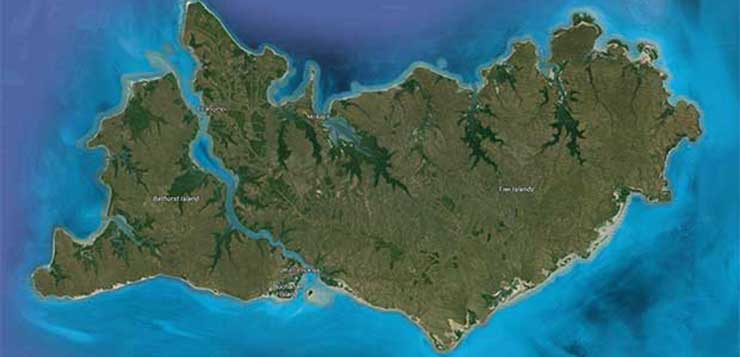
Noong 2015, ang Kagawaran ng Kapaligiran (DoE) ay tunay na nagbaba ng imbestigasyon sa Port Melville, isang $130 milyon na pasilidad ng daungan sa Mga Isla ng Tiwi na itinayo ng kumpanyang Singaporean na Ezion Holdings (sa pamamagitan ng subsidiary nitong Teras Australia) nang walang tamang pahintulot sa kapaligiran sa ilalim ng EPBC Act [1].
In 2015, the Department of Environment (DoE) did indeed drop its investigation into Port Melville, a $130 million port facility on the Tiwi Islands constructed by Singaporean company Ezion Holdings (via its subsidiary Teras Australia) without proper environmental approvals under the EPBC Act [1].
Ang daungan ay itinayo sa Isla ng Melville sa Apsley Strait, isang lugar na tahanan ng 38 mga nanganganib na uri kabilang ang dugong, dolphin, mga pawikang dagat, at mga populasyon ng ibon na may pandaigdigang kahalagahan [2].
The port was built on Melville Island in the Apsley Strait, an area home to 38 threatened species including dugongs, dolphins, marine turtles, and internationally significant bird populations [2].
Kinumpirma ng Kagawaran ng Kapaligiran noong Setyembre 2015 na kumpleto na ang kanilang imbestigasyon at nagsabi na "walang paglabag sa pambansang batas sa kapaligiran na natukoy" [1].
The Department of Environment confirmed in September 2015 that its investigation was complete and stated that "no breach of national environmental law has been identified" [1].
Ipinahayag ng mga internal na dokumento na ang kagawaran ay may kamalayan sa pagtatayo mula pa noong huling bahagi ng 2014 ngunit nabigong tama na subaybayan ang mga alalahanin dahil sa sobrang pagtatrabaho ng mga tauhan at ang kaso ay inilipat sa pagitan ng mga seksyon [3].
Internal documents revealed that the department had been aware of the construction since late 2014 but failed to properly follow up on concerns due to staff being overworked and the case being transferred between sections [3].
Inamin ni Parliamentary Secretary sa Ministro para sa Kapaligiran na si Bob Baldwin sa publiko na si Ezion "ang gumawa ng mali" ngunit binanggit na ang kumpanya ay hindi lumampas sa mga hangganan ng batas mula sa pederal na pananaw [3].
Parliamentary Secretary to the Minister for the Environment, Bob Baldwin, publicly conceded that Ezion "did the wrong thing" but noted the company had not gone outside the bounds of the legislation from a federal perspective [3].
Gayunpaman, ang pagpuna ay naglalaman ng ilang mapanlinlang na elemento.
However, the claim contains some misleading elements.
Ang pagpuna na "tinanggihan ng gobyerno na imbestigahan" ay hindi tumpak—ang isang imbestigasyon ay isinagawa ngunit natapos na walang paglabag na naganap.
The assertion that the government "refused to investigate" is inaccurate—an investigation was conducted but concluded no breach occurred.
Bukod dito, ang pagpuna tungkol sa "pagsibak ng malalawak na kagubatan" ay labis na nagpahayag ng epekto sa kapaligiran na inilarawan sa mga pinagkunan.
Additionally, the claim about "cutting down large areas of forest" overstates the environmental impact described in sources.
Ang daungan ay pangunahing isang pagpapalawak ng kasalukuyang pantalan na wasak ng isang bagyo noong 2007, hindi isang malaking operasyon ng pagsibak ng gubat [1].
The port was primarily an expansion of an existing wharf destroyed by a cyclone in 2007, not a massive forest-clearing operation [1].

Nawawalang Konteksto

Ang pagpuna ay nagbabawas ng ilang mahahalagang salik ng konteksto: **Mga butas sa batas, hindi lamang pagpapabaya ng gobyerno:** Inamin ng gobyerno ng Northern Territory na isang "butas sa batas" ang nangahulugang walang ministro na responsable sa pagpirma sa mga pag-unlad ng daungan, at ang Teritoryo ay walang legal na kapangyarihan na pilitin ang mga pahayag ng epekto sa kapaligiran [4].
The claim omits several critical contextual factors: **Legislative loopholes, not just government inaction:** The Northern Territory government acknowledged that a "loophole in the legislation" meant no minister was responsible for signing off on port developments, and the Territory lacked legal power to compel environmental impact statements [4].
Ito ay isang sistemiko pagkakamali sa batas na nauna pa sa pamahalaan ng Koalisyon. **Mga limitasyon sa mapagkukunan ng kagawaran:** Ipinahayag ng mga dokumento ng FOI na ang pagkabigo ng imbestigasyon ay bahagyang iniatribusyon sa mga sobrang pagtatrabahong tauhan at ang kaso ay inilipat sa pagitan ng mga seksyon dahil sa mataas na mga workload [3].
This was a systemic legislative failure predating the Coalition government. **Departmental resource constraints:** Internal FOI documents revealed the investigation failure was partly attributed to overworked staff and the case being transferred between sections due to high workloads [3].
Ang Kagawaran ng Kapaligiran ay nasa proseso ng pagkawala ng 26% ng mga tauhan nito (670 posisyon) sa pamamagitan ng mga dibidendo sa pagiging mabisa na ipinataw ng parehong mga pamahalaang Labor at Koalisyon [1]. **Proseso ng pag-apruba pagkatapos ng insidente:** Sumunod sa kontrobersya, ang gobyerno ay nagbigay ng proyekto upang dumaan sa pagsusuri sa kapaligiran para sa yugto nito ng operasyon.
The Environment Department was in the process of losing 26% of its staff (670 positions) through efficiency dividends imposed by both Labor and Coalition governments [1]. **Post-hoc approval process:** Following the controversy, the government did require the project to undergo environmental assessment for its operational phase.
Ang mga developer ay sapilitang nagpasa ng mga pormal na referral at nagbigay ng karagdagang impormasyon [1]. **Papel ng Tiwi Land Council:** Ang proyekto ay binuo sa pakikipagtulungan sa Tiwi Land Council, ang statutorikal na katawan ng karapatan sa lupain ng Aborihinal para sa mga isla, na may awtoridad sa ilalim ng Aboriginal Land Rights Act na aprubahan ang mga pag-unlad sa tradisyunal na lupain [5].
The developers were forced to submit formal referrals and provide additional information [1]. **Role of the Tiwi Land Council:** The project was developed in partnership with the Tiwi Land Council, the statutory Aboriginal land rights body for the islands, which has authority under the Aboriginal Land Rights Act to approve developments on traditional lands [5].

Pagsusuri ng Kredibilidad ng Pinagmulan

Ang orihinal na pinagkunan, **New Matilda**, ay may grado ng Media Bias/Fact Check bilang **Kaliwang Bias** na may **Mataas na pag-uulat ng katotohanan** [6].
The original source, **New Matilda**, is rated by Media Bias/Fact Check as **Left Biased** with **High factual reporting** [6].
Itinatag noong 2004, ito ay isang independenteng site ng balita sa Australia na may malinaw na progresibong editorial stance.
Founded in 2004, it is an independent Australian news site with a clear progressive editorial stance.
Ang partikular na artikulo ni Thom Mitchell ay batay sa mga dokumento ng Freedom of Information, na nagbibigay sa ito ng dokumentaryong kredibilidad.
The specific article by Thom Mitchell was based on Freedom of Information documents, lending it documentary credibility.
Gayunpaman, ang pagkakalahad ay palaging kritikal sa Pamahalaang Abbott, na may mga headline na nagbibigay-diin sa "pagkamakupad" at mga quote mula sa mga grupo ng pangangampanya sa kapaligiran na prominente.
However, the framing is consistently critical of the Abbott Government, with headlines emphasizing "incompetence" and quotes from environmental advocacy groups prominently featured.
Ang mga factual claim ng artikulo tungkol sa pagbaba ng imbestigasyon ay kinumpirma ng ABC News [3], ngunit ang interpretasyon nito bilang sinadyang pagtanggi ng gobyerno sa halip na pagkabigo sa burukrasya ay kumakatawan sa isang mapanig na pagkakalahad.
The article's factual claims about the investigation being dropped are corroborated by ABC News [3], but the interpretation of this as deliberate government refusal rather than bureaucratic failure represents a partisan framing.
⚖️

Paghahambing sa Labor

**Mayroon bang katulad na mga pagkabigo sa pagpapatupad ng kapaligiran ang Labor?** Isinagawang paghahanap: "Labor government EPBC Act enforcement failures environmental breaches" Natuklasan: Bagaman walang direktang katumbas na nahanap na kinasasangkutan ng isang pangunahing pagtatayo ng daungan, ang kasaysayang pagpapatupad ng EPBC Act ay hindi pare-pareho sa mga pamahalaan ng parehong panig.
**Did Labor have similar environmental enforcement failures?** Search conducted: "Labor government EPBC Act enforcement failures environmental breaches" Finding: While no direct equivalent involving a major port construction was found, historical EPBC Act enforcement has been inconsistent across governments of both stripes.
Ang pagkakalahad ng pagpuna ay nagmumungkahi ng natatanging kapabayaan ng Koalisyon, ngunit ang mga sistemikong isyu—mga butas sa batas, mga mapagkukunang limitado na mga kagawaran, at mga komplikadong landas ng pag-apruba—ay nauna pa sa pagpapalit ng pamahalaan noong 2013.
The claim's framing suggests unique Coalition negligence, but the systemic issues—legislative loopholes, resource-constrained departments, and complex approval pathways—predated the 2013 change of government.
Tandaan, kinilala ni Larissa Waters (Tagapagsalita ng Kapaligiran ng Greens) sa mga pahayag sa parlamentong "ang mga pamahalaang Labor at Koalisyon ay nagpataw ng round pagkatapos ng round ng mga di-natutukoy na dibidendo sa pagiging mabisa at mga pagbawas na unti-unting kinubkob ang ating kakayahang protektahan ang ating mga mahahalagang lugar at kalikasan" [1].
Notably, Larissa Waters (Greens Environment Spokesperson) acknowledged in parliamentary statements that "Labor and Coalition governments have imposed round after round of indiscriminate efficiency dividends and cuts which have gradually chipped away at our capacity to protect our precious places and wildlife" [1].
Iminumungkahi nito na ang mga pagkabigo sa proteksyon ng kapaligiran ay hindi natatangi sa Koalisyon kundi sumalamin sa mga desisyon sa pondo ng dalawang panig sa maramihang term.
This suggests the environmental protection failures were not unique to the Coalition but reflected bipartisan funding decisions over multiple terms.
Ang "toothless" na batas sa kapaligiran ng Northern Territory ay isang naunang kondisyon din na hindi nilikha ng Pamahalaang Abbott [4].
The Northern Territory's "toothless" environmental legislation was also a pre-existing condition not created by the Abbott Government [4].
🌐

Balanseng Pananaw

**Ang binubuksan ng buong kuwento:** Bagaman ang pagpuna ay tumpak na inilarawan ang kinalabasan—walang pag-uusig at ang imbestigasyon ay binaba—ito ay mali ang pagkakatawan ng kalikasan ng tugon ng gobyerno.
**What the full story reveals:** While the claim accurately describes the outcome—no prosecution and the investigation being dropped—it mischaracterizes the nature of the government's response.
Ang Kagawaran ng Kapaligiran ay imbestigahan ang bagay ngunit nagtapos na walang paglabag sa pambansang batas sa kapaligiran na naganap, na iniatribusyon ito sa mga limitasyon sa batas sa halip na isang "pagtanggi" na kumilos.
The Department of Environment did investigate the matter but concluded no breach of national environmental law had occurred, attributing this to legislative limitations rather than a "refusal" to act.
Ang tugon ng gobyerno ay kinritika ng mga grupo sa kapaligiran at ang NT Environmental Defender's Office para sa paglikha ng isang presedensya na ang mga developer ay maaaring magpatuloy sa pagtatayo at humingi ng pag-apruba sa ibang pagkakataon [1].
The government's response was criticized by environmental groups and the NT Environmental Defender's Office for creating a precedent that developers could proceed with construction and seek approval later [1].
Gayunpaman, pinanatili ng gobyerno na ang proyekto ay ngayon ay sakop ng mga tamang proseso ng pagsusuri at ang pagtatayo ay hindi nagdulot ng mapatunayang pinsala sa kapaligiran [3].
However, the government maintained that the project was now subject to proper assessment processes and that construction had not caused demonstrable environmental damage [3].
Ang kontrobersya ay nagbigay-diin sa mga makabuluhang kahinaan sa balangkas ng proteksyon sa kapaligiran ng Australia, kabilang ang: - Magkapatong at hindi malinaw na mga hangganan ng hurisdiksyon ng pederal/teritoryo - Mga dibisyon sa pagsunod na gutom sa mapagkukunan - Mga butas sa batas na nagpapahintulot sa mga pangunahing pag-unlad nang walang pagsusuri - Ang "One-Stop Shop" na patakaran na pagtulak na magkaloob pa ng mga kapangyarihan sa kapaligiran sa mga estado **Kontekstong komparatibo:** Ang kasong ito ay tila sumasalamin sa mga sistemikong pagkabigo sa pamamahala ng kapaligiran sa halip na natatanging kasamaan ng Koalisyon.
The controversy highlighted significant weaknesses in Australia's environmental protection framework, including: - Overlapping and unclear federal/territory jurisdictional boundaries - Resource-starved compliance divisions - Legislative loopholes allowing major developments without assessment - The "One-Stop Shop" policy push that would further devolve environmental powers to states **Comparative context:** This case appears to reflect systemic environmental governance failures rather than unique Coalition malfeasance.
Ang parehong mga pangunahing partido ay nag-ambag sa mga pagbawas sa pondo ng kagawaran na humina sa kakayahang sumunod, at ang mga butas sa batas ay nauna pa sa Pamahalaang Abbott.
Both major parties had contributed to departmental funding cuts that impaired compliance capacity, and the legislative loopholes predated the Abbott Government.

BAHAGYANG TOTOO

5.0

sa 10

Ang pagpuna ay tumpak na inilarawan na ang imbestigasyon ay binaba at walang pag-uusig na naganap laban sa Ezion Holdings.
The claim accurately describes that the investigation was dropped and no prosecution occurred against Ezion Holdings.
Gayunpaman, ang pagkakatawan ng gobyerno na "tinanggihan na imbestigahan" ay mapanlinlang—isang imbestigasyon ay isinagawa ngunit natapos na walang paglabag ng pederal na batas na naganap.
However, the characterization of the government "refusing to investigate" is misleading—an investigation was conducted but concluded no breach of federal law had occurred.
Ang pagpuna ay labis na nagpahayag ng aspeto ng pagsibak ng gubat (ang daungan ay pangunahing isang pagpapalawak ng kasalukuyang imprastruktura) at nagbabawas ng mahahalagang konteksto tungkol sa mga naunang butas sa batas, mga limitasyon sa mapagkukunan na nakakaapekto sa kagawaran, at mga bipartisan na pagbawas sa pondo na humina sa kapasidad sa pagpapatupad sa kapaligiran.
The claim overstates the forest clearing aspect (the port was primarily an expansion of existing infrastructure) and omits critical context about pre-existing legislative loopholes, resource constraints affecting the department, and bipartisan funding cuts that impaired environmental enforcement capacity.
Ang pagkakalahad ay nagmumungkahi ng sinadyang proteksyon ng gobyerno sa isang dayuhang kumpanya, samantalang ang ebidensya ay mas tumuturo sa pagkabigo sa burukrasya at mga sistemikong kahinaan sa batas.
The framing suggests deliberate government protection of a foreign company, while the evidence points more toward bureaucratic failure and systemic legislative weaknesses.

📚 MGA PINAGMULAN AT SANGGUNIAN (6)

  1. 1
    Department Drops Investigation Into Tiwi Islands Port Built Without Environmental Approval

    Department Drops Investigation Into Tiwi Islands Port Built Without Environmental Approval

    The Department of Environment has dropped an investigation into the apparent illegal construction of a port on Tiwi's Melville Island.

    New Matilda
  2. 2
    Major Port Built On Tiwi Islands Without Environmental Approvals

    Major Port Built On Tiwi Islands Without Environmental Approvals

    Scandal is lapping the tropical shores of Tiwi Island, 80 kilometres north of Darwin, this week after the ABC revealed that a $130 million deep-sea port development has been built without any environmental approval. The federal Environment Minister has announced an inquiry, the Northern Territory Environment Minister has denounced its “toothless” and “failing” environmental legislation,More

    New Matilda
  3. 3
    Government failed to follow up 'inadequate' responses to Tiwi Islands port, FOI documents show

    Government failed to follow up 'inadequate' responses to Tiwi Islands port, FOI documents show

    The Federal Government received "inadequate" responses about a controversial port development on the Tiwi Islands but failed to follow up on its concerns, Freedom of Information documents show.

    Abc Net
  4. 4
    NT govt admits planning 'loophole' meant Port Melville was built without environmental impact statement

    NT govt admits planning 'loophole' meant Port Melville was built without environmental impact statement

    The Northern Territory government admits it did not have the power to stop a port development on Melville Island from going ahead on environmental grounds due to a loophole in planning laws, and it does not have a minister responsible for signing off on port developments.

    Abc Net
  5. 5
    Tiwi Islands land council 'partially briefed' on US military using port

    Tiwi Islands land council 'partially briefed' on US military using port

    An Aboriginal land council says it has been partially briefed about the US military using a port on the Tiwi Islands, to the north of Darwin.

    Abc Net
  6. 6
    New Matilda - Bias and Credibility - Media Bias/Fact Check

    New Matilda - Bias and Credibility - Media Bias/Fact Check

    LEFT BIAS These media sources are moderately to strongly biased toward liberal causes through story selection and/or political affiliation.  They may

    Media Bias/Fact Check

Pamamaraan ng Rating Scale

1-3: MALI

Hindi tama sa katotohanan o malisyosong gawa-gawa.

4-6: BAHAGYA

May katotohanan ngunit kulang o baluktot ang konteksto.

7-9: HALOS TOTOO

Maliit na teknikal na detalye o isyu sa pagkakasulat.

10: TUMPAK

Perpektong na-verify at patas ayon sa konteksto.

Pamamaraan: Ang mga rating ay tinutukoy sa pamamagitan ng cross-referencing ng opisyal na mga rekord ng pamahalaan, independiyenteng mga organisasyong nag-fact-check, at mga primaryang dokumento.