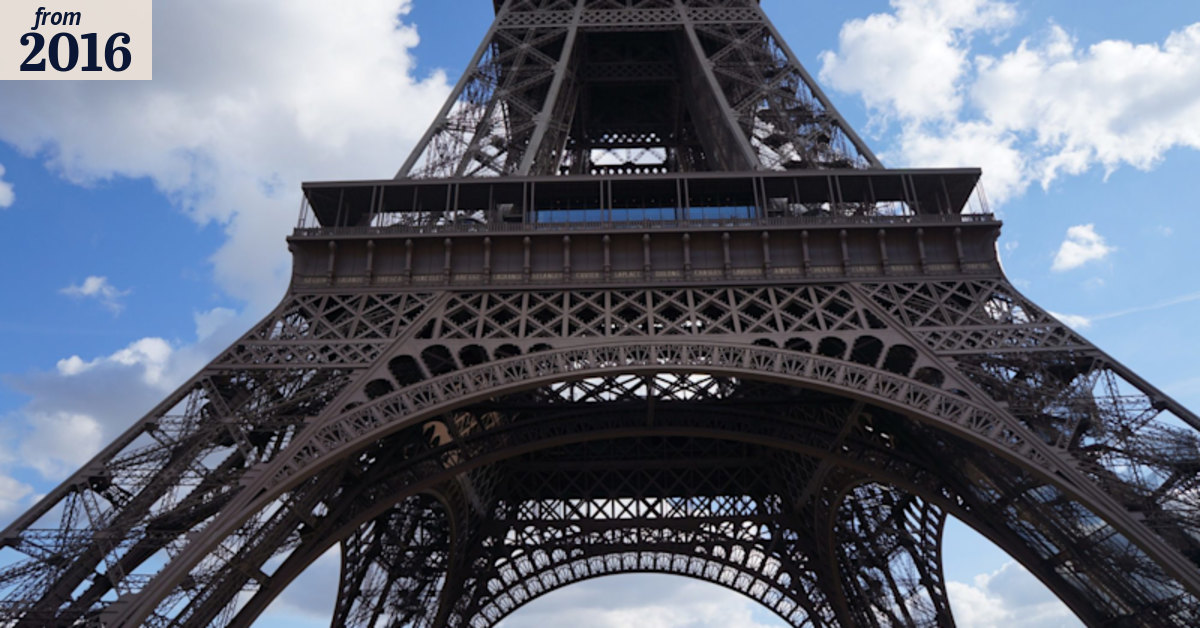
“Nagpalipad ng 23 kawani sa embahada ng Australia sa Paris para pag-usapan ang pagtitipid ng pera. Hindi alam ng gobyerno kung magkano ang halaga ng mga lipad at matutuluyan. Tinataya ng iba na umabot ito sa $200,000.”
Largong tumpak ang mga pangunahing katotohanan ng claim na ito.
The core facts of this claim are largely verified.
Nagpalipad ang DFAT (Department of Foreign Affairs and Trade) ng 23 kawani mula sa Canberra sa business class patungong Paris noong Setyembre 2016 para dumalo sa isang tatlong-araw na kumperensya [1].
DFAT (Department of Foreign Affairs and Trade) did fly 23 Canberra-based bureaucrats in business class to Paris in September 2016 to attend a three-day conference [1].
Ang kumperensya ay nakatuon sa pagre-reorganisa at mga estratehiya sa pagtitipid ng gastos para sa mga diplomatikong post sa Europa [2]. **Tungkol sa claim sa gastos:** Sinabi ng mga opisyal ng gobyerno na hindi nila agad inanunsyo ang buong halaga, kung saan tumangging magkomento ang DFAT sa kabuuang gastos noong panahong iyon [2].
The conference was focused on organisational restructuring and cost-saving strategies for European diplomatic posts [2].
**On the cost claim:** The government officials stated they did not immediately disclose the full cost, with DFAT refusing to comment on the total expenses at the time [2].
Gayunpaman, ang imbestigasyon ng midya at pagtataya ng gastos ay naglagay ng halagang malapit sa tinutukoy na halaga.
However, media investigation and cost estimation put the figure close to the claimed amount.
Ayon sa Sydney Morning Herald, sa paggamit ng konserbatibong pagtataya ng pinakamurang business class fares (datos mula sa website ng Qantas na nagpapakita ng $3,800 one-way bawat tiket), tatlong gabi sa four-star na Mercure Paris Centre Eiffel Tower Hotel ($530/gabi), at $150 na araw-araw na allowance para sa pagkain, ang tinatayang kabuuang halaga ay humigit-kumulang $215,000 para sa mga dumalong mula sa Canberra [2].
According to the Sydney Morning Herald, using conservative estimates of cheapest business class fares (Qantas website data showing $3,800 one-way per ticket), three nights at the four-star Mercure Paris Centre Eiffel Tower Hotel ($530/night), and $150 daily meal allowance, the estimated total cost was approximately $215,000 for the Canberra-based attendees [2].
Hindi kasama sa halagang ito ang mga gastos sa paglalakbay para sa humigit-kumulang 46 kawani ng DFAT na nakabase sa Europa na dumalo rin sa kumperensya [2].
This figure did not include travel costs for approximately 46 Europe-based DFAT staff who also attended the conference [2].
Ang halagang $200,000 na binanggit sa claim ay naaayon sa mga pagtataya ng midya at nasa makatwirang hanay dahil sa hindi kumpletong paglantad ng gobyerno noong panahong iyon.
The figure of $200,000 mentioned in the claim aligns with media estimates and falls within a reasonable range given the incomplete disclosure by the government at the time.
Nawawalang Konteksto
Gayunpaman, iniwan ng claim ang ilang mahahalagang kontekstwal na salik: **1.
However, the claim omits several important contextual factors:
**1.
Saklaw ng Layunin ng Kumperensya:** Ang kaganapan ay bahagi ng isang malaking proyekto sa reporma ng organisasyon na tinatawag na "Redesign," na partikular na nakatuon sa pag-streamline ng operasyon at pagpapabuti ng kahusayan sa mga diplomatikong post sa Europa [2].
Conference Purpose & Scope:** The event was part of a major organisational reform project called "Redesign," specifically aimed at streamlining operations and improving efficiencies at European diplomatic posts [2].
Ang kumperensya ay nakatuon sa maraming lugar ng operasyon: pamamahala ng pananalapi, yaman ng tao, serbisyo sa konsulado at pasaporte, seguridad (partikular na itinaas na mga banta ng terorismo noong 2016), pamamahala sa pagbili, kapakanan ng kawani, audit at panganib, kalusugan at kaligtasan, legal na panganib, IT, at pamamahala ng ari-arian [2]. **2.
The conference focused on multiple operational areas: financial management, human resources, consular and passport services, security (particularly elevated terrorism threats in 2016), procurement governance, staff welfare, audit and risk, health and safety, legal risk, IT, and property management [2].
**2.
Rasyonal ng Lokasyon:** Pinatunayan ng mga opisyal ng DFAT ang Paris bilang isang regional hub sa Europa sa ilang dahilan: ito ay mas cost-effective bilang isang punto ng pagpupulong para sa pagsasama-sama ng kawani mula sa buong European posts kaysa sa pagdaraos ng kumperensya sa Australia [2].
Location Rationale:** DFAT officials justified Paris as a regional hub in Europe for several reasons: it was more cost-effective as a meeting point for bringing together staff from across European posts than holding the conference in Australia [2].
Sinabi ng isang tagapagsalita ng DFAT: "Dahil dalawang-katlo ng mga dumalo ay mga kawani na nakabase sa Europa, mas mura ang pagho-host ng kumperensya sa Paris kaysa sa gastos ng pagho-host ng kumperensya sa Australia" [2].
A DFAT spokeswoman stated: "As two thirds of attendees were Europe-based staff, hosting the conference in Paris cost less than it would have cost to host the conference in Australia" [2].
Ang lugar ng kumperensya ay sa Australian Embassy, na ibinigay nang walang karagdagang halaga [2]. **3.
The conference venue was at the Australian Embassy, provided at no additional cost [2].
**3.
Kontekstwal na Istratehiya:** Pinili ang Paris, sabi ng mga opisyal, dahil ito ay "isang transport hub" at "kung nagdadala ka ng mga tao mula sa Europe region, ang isang lugar sa gitna ng Europa ay may katuturan" [3].
Strategic Context:** Paris was chosen, officials said, because it's "a transport hub" and "if you're bringing people from the Europe region, somewhere in the centre of Europe makes sense" [3].
Ito ay bahagi ng isang mas malawak na inisyatibo ni Foreign Minister Julie Bishop upang mapabuti ang kahusayan sa pagitan ng mas malaki at mas maliit na diplomatikong post sa Europa sa paggamit ng "hub and spoke" na sistema [2]. **4.
This was part of a broader initiative by Foreign Minister Julie Bishop to improve efficiencies between larger and smaller diplomatic posts in Europe using a "hub and spoke" system [2].
**4.
Karaniwang Kasanayan:** Ipinagtanggol ng DFAT secretary na si Frances Adamson ang kumperensya sa pamamagitan ng pagsabi na ang departamento ay "nagdaos ng mga regional training conference sa loob ng higit sa 30 taon" at nagho-host ng humigit-kumulang apat na corporate management conference taun-taon [3].
Standard Practice:** DFAT secretary Frances Adamson defended the conference by noting that the department "had held regional training conferences for more than 30 years" and hosted about four corporate management conferences annually [3].
Ito ay inihain bilang isang karaniwang institusyonal na kasanayan, hindi isang natatangi o isang beses na paggastos [3]. **5.
This was presented as a routine institutional practice, not a unique or one-off expenditure [3].
**5.
Elemento ng Pagsasanay:** Ipinagtanggol ng mga opisyal na ang ilang elemento ng pagsasanay at pagbibigay ng impormasyon ay nangangailangan ng personal na paghahatid.
Training Element:** The officials argued that certain elements of training and briefing required in-person delivery.
Nang tanungin tungkol sa mga alternatibo sa video conferencing, si John Fisher (first assistant secretary ng corporate management) ay sumagot: "Ang mga elemento ng kumperensya ay maari naming maihatid sa pamamagitan ng Skype, sa pamamagitan ng video conferencing.
When asked about video conferencing alternatives, John Fisher (first assistant secretary of corporate management) responded: "Elements of the conference we can deliver by Skype, by video conferencing.
Ang mga elemento ay pinipili naming gawin nang iba, ang mga elemento ay pinipili naming magbigay ng pagsasanay minsan nang personal" [3].
Elements we choose to do otherwise, elements we choose to provide training sometimes in person" [3].
Pagsusuri ng Kredibilidad ng Pinagmulan
Ang mga orihinal na pinagmulan ay kabilang ang mga pangunahing, kredibleng Australian media: - Ang **SBS News** ay isang pangunahing Australian public broadcaster na may established credibility para sa political reporting [1] - Ang **ABC News** ay nagbigay ng detalyadong parliamentary reporting ng Senate Estimates hearing kung saan ipinagtanggol ng gobyerno ang biyahe [3] - Ang **The Sydney Morning Herald** (Fairfax Media) ay nagbigay ng imbestigatibong pagbabalita na may detalyadong pagtalakay ng gastos [2] Ang lahat ng ito ay mga pangunahing, kredibleng mapagkukunan ng balita nang walang halatang partisan na bias, bagama't natural na nag-ulat sila ng puna ng Opposisyon sa paggastos (mga tanong ni Labor senator Penny Wong sa Senate Estimates).
The original sources provided include mainstream, reputable Australian media:
- **SBS News** is a major Australian public broadcaster with established credibility for political reporting [1]
- **ABC News** provided detailed parliamentary reporting of the Senate Estimates hearing where the government defended the trip [3]
- **The Sydney Morning Herald** (Fairfax Media) provided investigative reporting with detailed cost breakdowns [2]
These are all mainstream, credible news sources without obvious partisan bias, though they naturally reported on the Opposition's criticism of the spending (Labor senator Penny Wong's questions at Senate Estimates).
Ang pagbabalita ay nakatuon sa mga katotohanan: ang bilang ng mga dumalo, mga presyo ng tiket mula sa website ng Qantas, mga site sa pagbooke ng hotel, at mga opisyal na pahayag ng gobyerno.
The reporting focused on facts: the number of attendees, ticket prices from Qantas website, hotel booking sites, and official government statements.
Ang pamamaraang ito ay maaasahan para sa pagtataya ng gastos.
This approach is methodologically sound for cost estimation.
⚖️
Paghahambing sa Labor
**Gumawa ba ng katulad na bagay ang Labor?** Isinagawang paghahanap: "Labor government international travel staff spending controversial" Ang paghahanap ay hindi nagbalik ng mga resultang partikular sa mga katulad na kontrobersya sa international travel ng Labor government.
**Did Labor do something similar?**
Search conducted: "Labor government international travel staff spending controversial"
The search did not return results specific to comparable Labor government international travel controversies.
Gayunpaman, ang mas malawak na konteksto ay nagmumungkahi: - Ang mga international government training conference ay karaniwan sa iba't ibang departamento ng Australian government [3] - Kinumpirma ng DFAT na nagdaos ito ng mga ganitong regional training conference sa loob ng "higit sa 30 taon," na nagmumungkahi na ang kasanayang ito ay mas matanda pa kaysa sa Coalition government [3] - Walang nakitang ebidensya na nagpatupad ang Labor government ng ibang kasanayan para sa mga international training conference o makabuluhang binawasan ang gayong gastos noong nasa puwesto Ang kawalan ng dokumentadong katulad na mga kontrobersya para sa Labor ay hindi nangangahulugang hindi nangyari ang mga ito—sa halip, ito ay sumasalamin na ang mga international government training at conference ay karaniwang kasanayan ng departamento sa buong administrasyon.
However, broader context suggests:
- International government training conferences are routine across Australian government departments [3]
- DFAT confirmed it had held such regional training conferences for "more than 30 years," suggesting this practice predates the Coalition government [3]
- No evidence was found of Labor government implementing different practices for international training conferences or significantly reducing such expenditure when in office
The absence of documented similar controversies for Labor does not mean they didn't occur—rather, it reflects that international government training and conferences are standard departmental practice across administrations.
🌐
Balanseng Pananaw
**Mga Argumento ng mga Kritiko:** Kinritiko ng Labor opposition leader na si Penny Wong ang gastos, partikular na ang pagtatanong kung bakit hindi naipadara ang kumperensya sa pamamagitan ng video conferencing sa halip, na tandaan na ang Paris "ay hindi kilala bilang isang murang lungsod" [3].
**Critics' Arguments:**
Labor opposition leader Penny Wong criticized the expense, particularly questioning why the conference couldn't have been held via video conferencing instead, noting that Paris "is not known as a cheap city" [3].
Ang ironiya na nagpalipad ng kawani sa Paris *para pag-usapan ang pagtitipid ng pera* ay binigyang-diin bilang partikular na masamang optics [1][3]. **Pagpapatunay ng Gobyerno:** Nagbigay ang mga opisyal ng DFAT ng mga lehitimong kontra-argumento: 1. **Argumento ng kahusayan:** Ang dalawang-katlo ng mga dumalo ay mga kawani na nakabase sa Europa, na ginagawang ang Paris ay isang sentral na punto ng pagpupulong na mas cost-effective kaysa sa pagpapalipad ng lahat sa Australia [2] 2. **Lohika ng regional hub:** Ang paggamit ng isang regional hub para sa pagsasanay ng European staff ay isang kinikilalang kasanayan sa kahusayan ng gobyerno [3] 3. **Libreng lugar:** Ang paggamit ng Australian Embassy ay maiiwasan ang mga karagdagang gastos sa lugar [2] 4. **Pangangailangan ng pagsasanay:** Ang ilang elemento ng pagsasanay—partikular na ang mga pagbigay ng impormasyon sa seguridad na may kaugnayan sa mga post sa Europa (dahil sa mga alalahanin sa terorismo noong 2016) at pamamahala ng yaman ng tao—ay itinuring na nangangailangan ng personal na paghahatid [2][3] 5. **Institusyonal na precedent:** Ang kasanayan ng pagdaraos ng mga regional training conference ay 30+ taon na at karaniwan sa mga operasyon ng departamento [3] **Pagtatasa ng mga Trade-off:** Ang desisyong ito ay kinabibilangan ng mga lehitimong trade-off sa patakaran: - **Kahusayan ng pagsasanay:** Ang personal na pagsasanay ay maaaring mas epektibo para sa mga kumplikadong isyu ng organisasyon, partikular para sa mga pagbigay ng impormasyon sa seguridad at change management na may kaugnayan sa "Redesign" reform project - **Kontrol sa gastos:** Ang video conferencing ay mas mura, bagama't sinabi ng mga opisyal na hindi ito sapat para sa ilang elemento ng pagsasanay - **Optics:** Anuman ang mga argumento sa kahusayan, ang optikal na pagkakasalungat ng pagpapalipad ng kawani upang talakayin ang mga hakbang sa pagtitipid ng gastos ay lumikha ng makabuluhang kahinaan sa pulitika Ang puna ay hindi hindi patas—ang mga optics ay masama, at kung ang personal na pagsasanay ay talagang kinakailangan para sa lahat ng elemento ay mapagtatalunan.
The irony of flying staff to Paris *to discuss saving money* was highlighted as particularly poor optics [1][3].
**Government Justification:**
DFAT officials provided legitimate counterarguments:
1. **Efficiency argument:** Two-thirds of attendees were Europe-based staff, making Paris a central meeting point more cost-effective than flying everyone to Australia [2]
2. **Regional hub logic:** Using a regional hub for European staff training is a recognized government efficiency practice [3]
3. **Free venue:** Using the Australian Embassy avoided additional venue costs [2]
4. **Training necessity:** Certain elements of training—particularly security briefings relevant to posts in Europe (given 2016 terrorism concerns) and human resources management—were deemed to require in-person delivery [2][3]
5. **Institutional precedent:** The practice of holding regional training conferences was 30+ years old and routine to departmental operations [3]
**Assessment of Trade-offs:**
This decision involves genuine policy trade-offs:
- **Training effectiveness:** In-person training can be more effective for complex organisational issues, particularly for security briefings and change management related to the "Redesign" reform project
- **Cost control:** Video conferencing would have been cheaper, though officials argued it was insufficient for certain training elements
- **Optics:** Regardless of the efficiency arguments, the optical contradiction of flying staff to discuss cost-saving measures created significant political vulnerability
The criticism is not unfair—the optics were poor, and whether in-person training was truly necessary for all elements is debatable.
Gayunpaman, ang mga argumento sa kahusayan ng gobyerno ay hindi hindi makatwiran, at ang pagkakaiba sa gastos kumpara sa pagpapalipad ng mga Europe-based staff sa Australia ay magiging malaki.
However, the government's efficiency arguments are not unreasonable, and the cost difference compared to flying European-based staff to Australia would have been substantial.
BAHAGYANG TOTOO
6.0
sa 10
Tumpak ang mga claim sa katotohanan tungkol sa pagpapalipad ng 23 kawani sa Paris para sa isang pagtitipid na talakayan at ang humigit-kumulang $200,000 na halaga [1][2].
The factual claims about flying 23 staff to Paris for a cost-saving discussion and the approximately $200,000 cost are accurate [1][2].
Gayunpaman, ang pagkaka-frame ay hindi kumpleto at medyo mapanlinlang.
However, the framing is incomplete and somewhat misleading.
Ang claim na "hindi alam ng gobyerno kung magkano ang halaga ng mga lipad at matutuluyan" ay hindi tumpak—hindi lang inilantad ng mga opisyal ng DFAT ang eksaktong halaga nang una, bagama't ang mga pagtataya ay mabilis na kinalkula ng midya batay sa mga pampublikong datos sa presyo [2].
The claim that "the government does not know how much the flights and accommodation cost" is imprecise—DFAT officials simply didn't publicly disclose the exact cost initially, though estimates were swiftly calculated by media based on publicly available pricing data [2].
Mas mahalaga, iniwan ng claim ang konteksto na ang dalawang-katlo ng mga dumalo ay mga Europe-based staff, na ginagawang ang Paris ay isang pagpipilian sa regional hub na cost-efficient kumpara sa mga alternatibo, at na ito ay bahagi ng isang 30-taong institusyonal na kasanayan ng mga regional training conference [2][3].
More importantly, the claim omits the context that two-thirds of attendees were Europe-based staff, making Paris a regional hub choice that was cost-efficient compared to alternatives, and that this was part of a 30-year institutional practice of regional training conferences [2][3].
Nananatiling wasto ang ironiya—ang mga optics ay masama.
The irony remains valid—the optics were poor.
Ngunit ang pagkilala nito bilang isang nakahiwalay na halimbawa ng mapaksang paggastos nang walang konteksto ay hindi nakakakuha ng mga lehitimong argumento sa kahusayan para sa pagpipilian ng lokasyon at ang karaniwang katangian ng kasanayan sa buong gobyerno.
But characterizing this as an isolated example of wasteful spending without context misses the legitimate efficiency arguments for the location choice and the standard nature of the practice across government.
Huling Iskor
6.0
SA 10
BAHAGYANG TOTOO
Tumpak ang mga claim sa katotohanan tungkol sa pagpapalipad ng 23 kawani sa Paris para sa isang pagtitipid na talakayan at ang humigit-kumulang $200,000 na halaga [1][2].
The factual claims about flying 23 staff to Paris for a cost-saving discussion and the approximately $200,000 cost are accurate [1][2].
Gayunpaman, ang pagkaka-frame ay hindi kumpleto at medyo mapanlinlang.
However, the framing is incomplete and somewhat misleading.
Ang claim na "hindi alam ng gobyerno kung magkano ang halaga ng mga lipad at matutuluyan" ay hindi tumpak—hindi lang inilantad ng mga opisyal ng DFAT ang eksaktong halaga nang una, bagama't ang mga pagtataya ay mabilis na kinalkula ng midya batay sa mga pampublikong datos sa presyo [2].
The claim that "the government does not know how much the flights and accommodation cost" is imprecise—DFAT officials simply didn't publicly disclose the exact cost initially, though estimates were swiftly calculated by media based on publicly available pricing data [2].
Mas mahalaga, iniwan ng claim ang konteksto na ang dalawang-katlo ng mga dumalo ay mga Europe-based staff, na ginagawang ang Paris ay isang pagpipilian sa regional hub na cost-efficient kumpara sa mga alternatibo, at na ito ay bahagi ng isang 30-taong institusyonal na kasanayan ng mga regional training conference [2][3].
More importantly, the claim omits the context that two-thirds of attendees were Europe-based staff, making Paris a regional hub choice that was cost-efficient compared to alternatives, and that this was part of a 30-year institutional practice of regional training conferences [2][3].
Nananatiling wasto ang ironiya—ang mga optics ay masama.
The irony remains valid—the optics were poor.
Ngunit ang pagkilala nito bilang isang nakahiwalay na halimbawa ng mapaksang paggastos nang walang konteksto ay hindi nakakakuha ng mga lehitimong argumento sa kahusayan para sa pagpipilian ng lokasyon at ang karaniwang katangian ng kasanayan sa buong gobyerno.
But characterizing this as an isolated example of wasteful spending without context misses the legitimate efficiency arguments for the location choice and the standard nature of the practice across government.
Hindi tama sa katotohanan o malisyosong gawa-gawa.
4-6: BAHAGYA
May katotohanan ngunit kulang o baluktot ang konteksto.
7-9: HALOS TOTOO
Maliit na teknikal na detalye o isyu sa pagkakasulat.
10: TUMPAK
Perpektong na-verify at patas ayon sa konteksto.
Pamamaraan: Ang mga rating ay tinutukoy sa pamamagitan ng cross-referencing ng opisyal na mga rekord ng pamahalaan, independiyenteng mga organisasyong nag-fact-check, at mga primaryang dokumento.