Bahagyang Totoo

Rating: 6.0/10

Coalition
C0350

Ang Claim

“Nagdagdag ng mga tanong na may bigat na pampulitika tungkol sa coal sa citizenship test.”
Orihinal na Pinagmulan: Matthew Davis

Orihinal na Pinagmulan

FACTUAL NA BERIPIKASYON

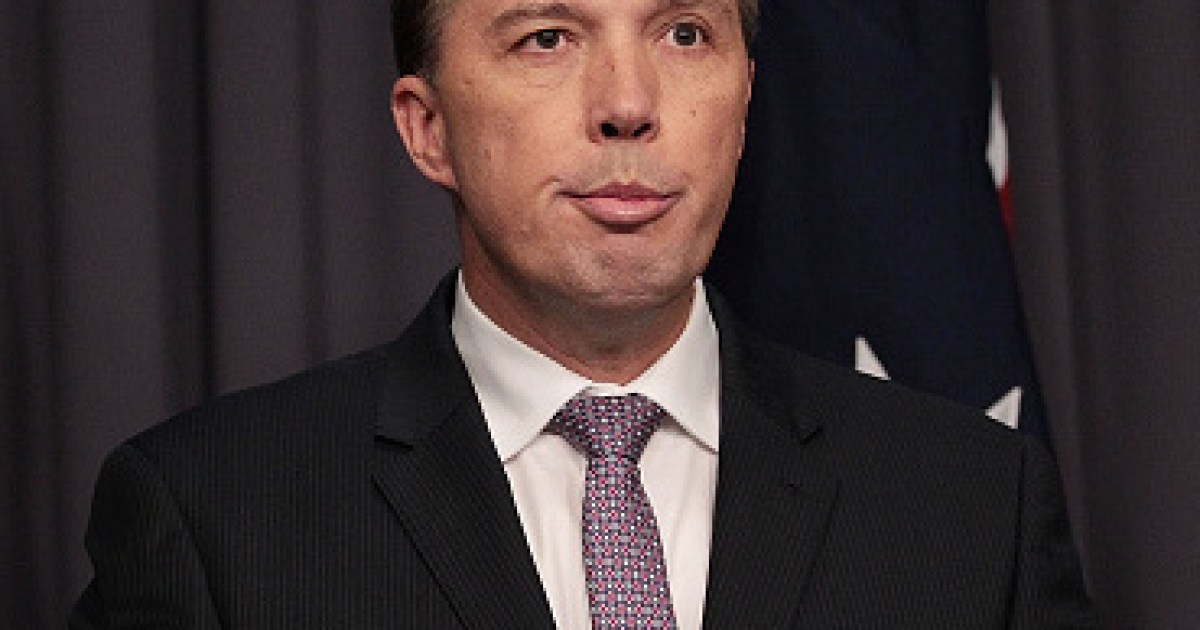
Noong Hunyo 2017, inanunsyo ni Immigration Minister Peter Dutton ang mga pagbabago sa citizenship test ng Australia na maglalakip ng bagong requirement sa English language proficiency [1].
In June 2017, Immigration Minister Peter Dutton announced changes to Australia's citizenship test that would include a new English language proficiency requirement [1].
Inanunsyo ng gobyerno na kailangan ng mga aplikante na makamit ang "competent" level (IELTS Level 6) na English proficiency bago sumailalim sa citizenship test [2].
The government announced that applicants would need to achieve "competent" level (IELTS Level 6) English proficiency before sitting the citizenship test [2].
Nagkaroon ng kontrobersya nang maibunyag na ang sample English language test na ginamit para sa paghahanda ay naglalaman ng isang passage tungkol sa coal at climate change.
The controversy arose when it was revealed that the sample English language test used for preparation contained a passage about coal and climate change.
Ang passage na ito ay mula sa International English Language Testing System (IELTS) General Training Reading test sample, isinulat noong 2009, at hindi nilikha ng gobyerno [1].
This passage came from the International English Language Testing System (IELTS) General Training Reading test sample, written in 2009, not created by the government [1].
Tinalakay ng passage ang "clean coal" technology, carbon capture and storage, at super-clean coal developments [1][4].
The passage discussed "clean coal" technology, carbon capture and storage, and super-clean coal developments [1][4].
Gayunpaman, may isang kritikal na pagkakaiba: **Hindi nagdagdag ang gobyerno ng mga tanong na ito sa test.** Sinabi mismo ni Peter Dutton sa 2GB radio na ang test material ay mula sa accredited IELTS providers, hindi mula sa gobyerno: "Now there are lots of companies that do these tests; they are accredited to do these tests...
However, a critical distinction exists: **The government did not add these questions to the test.** Peter Dutton stated explicitly on 2GB radio that the test material came from accredited IELTS providers, not the government: "Now there are lots of companies that do these tests; they are accredited to do these tests...
So, essentially the test is not, you know, whether you know about climate change or not, it's whether you can pick it out of the figure if it's 90 per cent or if it's 18 per cent out of the text" [1].
So, essentially the test is not, you know, whether you know about climate change or not, it's whether you can pick it out of the figure – if it's 90 per cent or if it's 18 per cent – out of the text" [1].
Ang opisyal na posisyon ng gobyerno ay ang IELTS passage topic ay incidental lamang sa aktwal na layunin ng test, na ay suriin ang English language comprehension ability, hindi ang kaalaman sa coal policy [1][2].
The government's official position was that the IELTS passage topic was incidental to the actual test purpose, which was to assess English language comprehension ability, not coal policy knowledge [1][2].

Nawawalang Konteksto

Ang claim ay nag-iwan ng ilang mahahalagang punto ng konteksto: 1. **Pinagmulan ng test material**: Ang coal passage ay hindi nilikha ng Coalition government—nagmula ito sa IELTS, isang international standardized English proficiency test na pinapatakbo ng private examination providers [1][4].
The claim omits several important contextual points: 1. **Source of the test material**: The coal passage was not created by the Coalition government—it came from IELTS, an international standardized English proficiency test operated by private examination providers [1][4].
Hindi ang gobyerno ang pumili ng content ng IELTS test. 2. **Layunin ng mga pagbabago sa citizenship test**: Ang ipinahayag na intensyon ng gobyerno ay pag-igtingin ang mga citizenship requirement sa pamamagitan ng paghingi ng mas mataas na English proficiency at pagsubok ng kaalaman sa Australian values at integration requirements [2].
The government was not choosing the content of the IELTS test itself. 2. **Purpose of the citizenship test changes**: The government's stated intention was to strengthen citizenship requirements by requiring higher English proficiency and testing knowledge of Australian values and integration requirements [2].
Ang coal passage ay isa lamang halimbawa ng passage na ginamit para sa English comprehension practice, hindi isang direktang policy statement [1]. 3. **Klaripikasyon ng gobyerno sa coal content**: Sinabi ng opisina ni Josh Frydenberg na "the IITELTS was not run by the government," at binigyang-diin ni Dutton na ang test ay tungkol sa reading comprehension ability, hindi sa coal policy [1]. 4. **Mga pagbabagong ipinakilala ni Labor sa citizenship test**: Nagpakilala rin ang Labor ng mga pagbabago sa citizenship test.
The coal passage was merely one example passage used for English comprehension practice, not a direct policy statement [1]. 3. **Government's clarification on the coal content**: Josh Frydenberg's office clarified that "the IELTS was not run by the government," and Dutton emphasized that the test was about reading comprehension ability, not coal policy [1]. 4. **Labor's similar citizenship test changes**: Labor had also introduced citizenship test changes.
Ang citizenship test mismo ay binago nang maraming beses sa iba't ibang gobyerno, na may patuloy na pagbibigay-diin sa values at integration [2]. 5. **Mas malawak na konteksto ng citizenship reform**: Ang mga pagbabago noong 2017 ay bahagi ng isang komprehensibong citizenship strengthening package na inanunsyo noong Abril 2017, kasunod ng isang 2015 national consultation na nagpakita ng "strong community support for strengthening the test for Australian citizenship" [2].
The citizenship test itself has been modified multiple times across different governments, with increasing emphasis on values and integration [2]. 5. **Broader citizenship reform context**: The 2017 changes were part of a comprehensive citizenship strengthening package announced in April 2017, following a 2015 national consultation that showed "strong community support for strengthening the test for Australian citizenship" [2].

Pagsusuri ng Kredibilidad ng Pinagmulan

Ang orihinal na pinagmulan, The New Daily, ay isang mainstream Australian news outlet na nag-ulat tungkol sa citizenship test controversy [1].
The original source, The New Daily, is a mainstream Australian news outlet that reported on the citizenship test controversy [1].
Gayunpaman, ang framing sa claim ("politically weighted questions added") ay mas interpretive kaysa sa suportado ng ulat.
However, the framing in the claim ("politically weighted questions added") is more interpretive than what the reporting supports.
Ang puna ng Climate Council, na binanggit sa artikulo ng The New Daily, ay nagpahayag ng pag-aalala na ang coal passage ay "biased" at "completely inaccurate," ngunit ito ay nagpapakita ng perspektiba ng isang advocacy organization sa climate science content, hindi necessarily katibayan ng political manipulation [1].
The Climate Council's criticism, cited in The New Daily article, expressed concern that the coal passage was "biased" and "completely inaccurate," but this reflects an advocacy organization's perspective on climate science content, not necessarily proof of political manipulation [1].
Ang mga Renewable Energy-focused outlet ay kritiko rin sa passage bilang pagkakahalintulad sa "coal industry talking points," ngunit ito ay kumakatawan sa opinion-based analysis sa halip na factual documentation na ang gobyerno ay sinadya na magdagdag ng politically charged content [4].
Renewable Energy-focused outlets also criticized the passage as resembling "coal industry talking points," but this represents opinion-based analysis rather than factual documentation that the government deliberately added politically charged content [4].
⚖️

Paghahambing sa Labor

**Nagbago ba ang mga Labor governments sa citizenship test requirements?** Isinagawang search: "Labor government citizenship test changes Australia requirements" Oo.
**Did Labor governments modify citizenship test requirements?** Search conducted: "Labor government citizenship test changes Australia requirements" Yes.
Ipinakilala mismo ni Labor ang citizenship testing—ang Australian citizenship test ay unang ipinakilala ng Labor government sa ilalim ni Kevin Rudd noong 2007 bilang kapalit ng interview-based system [2].
Labor introduced citizenship testing itself—the Australian citizenship test was first introduced by the Labor government under Kevin Rudd in 2007 as a replacement for an interview-based system [2].
Ito ay kumatawan sa isang malaking pagbabago sa citizenship assessment.
This represented a significant shift in citizenship assessment.
Ang motibasyon ni Labor ay katulad ng mga sumunod na reporma ng Coalition: tiyakin na nauunawaan ng mga nag-aasam na mamamayan ang Australian values at kasaysayan [2].
Labor's motivation was similar to the Coalition's later reforms: to ensure aspiring citizens understood Australian values and history [2].
Ang mga reporma ng Coalition noong 2017 ay nagtayo sa pundasyon ni Labor sa pamamagitan ng karagdagang pagpapalakas ng mga requirement tungkol sa values, integration, at English proficiency.
The Coalition's 2017 reforms built on Labor's foundation by further strengthening requirements around values, integration, and English proficiency.
Parehong partido ang nagpahigpit ng citizenship requirements sa paglipas ng panahon, na nagpapakita ng bipartisan concern tungkol sa integration at civic knowledge [2].
Both parties have made citizenship requirements more stringent over time, reflecting bipartisan concern about integration and civic knowledge [2].
🌐

Balanseng Pananaw

**Mga argumento na sumusuporta sa puna:** Nag-argue ang mga kritiko na ang coal passage sa sample IELTS test ay problema dahil: - Ipinakita nito ang "clean coal" technology bilang isang solusyon nang hindi sapat na kinikilala ang climate science [1] - Sinabi ng Climate Council na ang content ay "completely inaccurate and inappropriate" at sinuspindi ang "any notion of the truth" [1] - Maaari itong maging nakikitang nagpo-promote ng isang partikular na policy position tungkol sa coal kumpara sa renewables [4] **Mga lehitimong paliwanag ng gobyerno:** Nag-alok ang gobyerno ng ilang valid na counter-argumento: - Hindi nilikha ng gobyerno ang IELTS test material—nagmula ito sa isang independent, internationally-recognized English proficiency testing organization [1][2] - Ang layunin ng citizenship test ay suriin ang English comprehension ability, hindi ang kaalaman sa coal policy [1] - Pinapayagan ng test system ang mga sample passage sa iba't ibang topic; ang partikular na content topic ay incidental sa reading comprehension assessment [1] - Hindi sinusubukan ang mga aplikante kung ang coal ay mabuti o masama, kundi ang reading comprehension mula sa ibinigay na teksto [1] **Komparatibong konteksto:** Tila ito ay isang kaso kung saan ang sample passage ng isang international test provider (isinulat noong 2009, bago ito naging citizenship test sample) ay nagkataon na naglalaman ng content tungkol sa coal na nakita ng mga kritiko bilang problema.
**Arguments supporting the criticism:** Critics argued that the coal passage in the sample IELTS test was problematic because: - It presented "clean coal" technology as a solution without adequately acknowledging climate science [1] - The Climate Council stated the content was "completely inaccurate and inappropriate" and suspended "any notion of the truth" [1] - It could be perceived as promoting a particular policy position on coal versus renewables [4] **Government's legitimate explanations:** The government offered several valid counter-arguments: - The government did not create the IELTS test material—it came from an independent, internationally-recognized English proficiency testing organization [1][2] - The purpose of the citizenship test was to assess English comprehension ability, not coal policy knowledge [1] - The test system allows sample passages on various topics; the specific content topic was incidental to the reading comprehension assessment [1] - Applicants were not being tested on whether coal was good or bad, but on reading comprehension from a provided text [1] **Comparative context:** This appears to be a case where an international test provider's sample passage (written in 2009, before it became a citizenship test sample) happened to contain content about coal that critics found problematic.
Hindi tulad ng direktang paggawa ng gobyerno ng mga policy-specific questions, ito ay paggamit ng isang kasalukuyang standardized test passage [1][2].
Unlike direct government creation of policy-specific questions, this was the use of an existing standardized test passage [1][2].
Gayunpaman, ang kontrobersya ay nagbubukas ng isang makatarungang tanong: sa sandaling pinili ng gobyerno ang IELTS bilang test provider at naging aware na ang mga sample passage ay naglalaman ng content na ito, dapat ba silang naging aware sa potensyal na kontrobersya o pumili ng alternatibong test providers?
However, the controversy does raise a fair question: once the government selected IELTS as the test provider and became aware that the sample passages contained this content, should they have noted the potential controversy or selected alternative test providers?
Ang claim na ang mga tanong ay "politically weighted" ay nagso-sobra sa nangyari—hindi author o nagbigat ng mga tanong ang gobyerno, ngunit pumayag sila sa isang test system na naglalaman ng material na ito [1].
The claim that questions were "politically weighted" overstates what occurred—the government did not author or weight the questions, but they did approve a test system containing this material [1].

BAHAGYANG TOTOO

6.0

sa 10

Tama ang claim na ang citizenship test questions (partikular na English test samples) ay kinasangkutan ng coal content, at makatarungan na tanungin kung ito ay naaangkop.
The claim is accurate that citizenship test questions (specifically English test samples) involved coal content, and it's fair to question whether this was appropriate.
Gayunpaman, ang claim na nagdagdag ang Coalition ng "politically weighted questions" ay hindi tumpak.
However, the claim that the Coalition "added politically weighted questions" is inaccurate.
Ang coal passage ay nagmula sa IELTS, isang independent international testing provider, hindi mula sa Coalition government.
The coal passage came from IELTS, an independent international testing provider, not from the Coalition government.
Hindi "nagdagdag" ang gobyerno ng mga tanong na ito—pumili sila ng test provider na ang kasalukuyang sample passages ay nagkataon na naglalaman ng coal-related content.
The government did not "add" these questions—they selected a test provider whose existing sample passages happened to contain coal-related content.
Hindi dinisenyo o binigat ng gobyerno ang mga tanong tungo sa anumang partikular na policy position; pumili sila ng isang standardized testing system para suriin ang English proficiency.
The government did not design or weight the questions toward any particular policy position; they selected a standardized testing system to assess English proficiency.
Kung ang gobyerno ay dapat na inaasahan o tinugunan ang kontrobersyang ito ay isang makatarungang policy question, ngunit ang claim ay ipinahayag ay misrepresent ang factual sequence of events.
Whether the government should have anticipated or addressed this controversy is a fair policy question, but the claim as stated misrepresents the factual sequence of events.

📚 MGA PINAGMULAN AT SANGGUNIAN (6)

  1. 1
    thenewdaily.com.au

    thenewdaily.com.au

    Hopeful citizens could soon test their English with a bizarre questionnaire on coal, which the Climate Council has deemed "completely inaccurate".

    Thenewdaily Com
  2. 2
    PDF

    citizenship paper

    Homeaffairs Gov • PDF Document
  3. 3
    reneweconomy.com.au

    reneweconomy.com.au

    Reneweconomy Com

  4. 4
    PDF

    English test for citizenship

    Iran Org • PDF Document
  5. 5
    abc.net.au

    abc.net.au

    The Opposition's Tony Burke says the Government's proposed new citizenship test will demand the same level of English proficiency required for university admission. Is that accurate?

    Abc Net
  6. 6
    minister.homeaffairs.gov.au

    minister.homeaffairs.gov.au

    Minister for Home Affairs, Minister for Immigration, Citizenship and Multicultural Affairs, Minister for Emergency Management.​​​

    Ministers for the Department of Home Affairs Website

Pamamaraan ng Rating Scale

1-3: MALI

Hindi tama sa katotohanan o malisyosong gawa-gawa.

4-6: BAHAGYA

May katotohanan ngunit kulang o baluktot ang konteksto.

7-9: HALOS TOTOO

Maliit na teknikal na detalye o isyu sa pagkakasulat.

10: TUMPAK

Perpektong na-verify at patas ayon sa konteksto.

Pamamaraan: Ang mga rating ay tinutukoy sa pamamagitan ng cross-referencing ng opisyal na mga rekord ng pamahalaan, independiyenteng mga organisasyong nag-fact-check, at mga primaryang dokumento.