“Nabigo na pigilan ang tanging barko na nagdulot ng tunay at malaking panganib sa pambansang seguridad ng Australia. Pinili ng gobyerno na bigyan ng exemption ang cruise ship na Ruby Princess, na nagresulta sa daan-daang bagong kaso ng COVID sa buong bansa.”
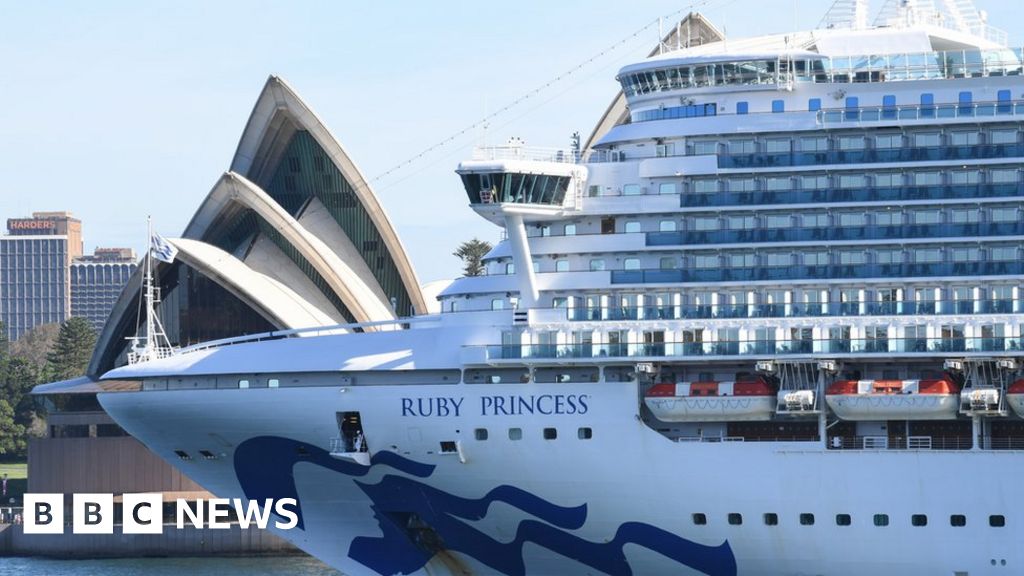
Naka-disembark ang 2,700 pasahero ng cruise ship na Ruby Princess sa Sydney noong Marso 19, 2020 [1].
The Ruby Princess cruise ship disembarked 2,700 passengers in Sydney on 19 March 2020 [1].
Sa oras ng disembarkation, humigit-kumulang isang dosenang pasahero ang nag-ulat ng hindi magandang pakiramdam at na-swab para sa COVID-19 testing, bagama't hindi ipinagbigay-alam ang impormasyong ito sa ibang pasahero [2].
At the time of disembarkation, approximately a dozen passengers reported unwell symptoms and had been swabbed for COVID-19 testing, though this information was not disclosed to other passengers [2].
Pagkatapos ng disembarkation, 663 kumpirmadong kaso ng COVID-19 ang inugnay sa barko, at 28 kamatayan ang naitala sa Australia [1].
Following the disembarkation, 663 confirmed COVID-19 cases were linked to the ship, and 28 deaths occurred in Australia [1].
Ang barko ay nagbalik mula sa mga voyage sa New Zealand at na-classify bilang "low risk" ng NSW Health dahil sa limitado nitong itinerary [2].
The ship had previously returned from New Zealand voyages and was classified as "low risk" by NSW Health due to its restricted itinerary [2].
Ang kapangyarihan ng pederal na gobyerno na magbigay ng exemption ay nakumpirma sa mga parliamentary record.
The federal government's exemption authority is confirmed in parliamentary records.
Noong Marso 18, 2020, nag-issue ang Health Minister ng emergency biosecurity requirement na nag-ban sa mga internasyonal na cruise ship na pumasok sa mga Australian port bago ang Abril 15, 2020 [3].
On 18 March 2020, the Health Minister issued an emergency biosecurity requirement that banned international cruise ships from entering Australian ports before 15 April 2020 [3].
Gayunpaman, ang requirement ay may kasamang exemption: "the ship departed a port outside Australia before 15 March 2020 and, when it departed that port, was bound directly for a port in Australian territory.
However, the requirement included an exemption: "the ship departed a port outside Australia before 15 March 2020 and, when it departed that port, was bound directly for a port in Australian territory.
At least four cruise ships fell within this exemption, including the Ruby Princess" [3].
At least four cruise ships fell within this exemption, including the Ruby Princess" [3].
### Ang "National Security" Framing - Mahalagang Isyu
### The "National Security" Framing - Critical Issue
Inilarawan ng claim ang Ruby Princess bilang "barko" na nagdulot ng "tunay at malaking panganib sa pambansang seguridad ng Australia." Ang framing na ito ay problematic at misleading [4].
The claim describes the Ruby Princess as a "boat" that posed "a real and substantial risk to Australia's national security." This framing is problematic and misleading [4].
Ang Ruby Princess ay isang sibilyan na cruise ship na nagdadala ng mga turista, hindi isang barkong kasangkot sa asylum seeking o unauthorised maritime arrivals na maaaring may kinalaman sa border security [5].
The Ruby Princess was a civilian cruise ship carrying tourists, not a vessel involved in asylum seeking or unauthorised maritime arrivals that could relate to border security [5].
Ang paggamit ng salitang "barko" sa claim ay karaniwang nauugnay sa mensahe ng Coalition na "Stop the Boats" tungkol sa asylum seekers, ngunit ang Ruby Princess ay walang kinalaman sa unauthorized maritime arrivals o border security sa paraang iyon [6].
The claim's reference to "boat" language typically associates with the Coalition's "Stop the Boats" messaging regarding asylum seekers, but the Ruby Princess had nothing to do with unauthorized maritime arrivals or border security in that sense [6].
Sa halip, ang isyu ay lubos na tungkol sa quarantine at biosecurity procedures para sa isang lehitimong cruise passenger vessel.
Instead, the issue was purely about quarantine and biosecurity procedures for a legitimate cruise passenger vessel.
Ang aktwal na konteksto ng "national security" ay ang COVID-19 pandemic mismo - isang banta sa health security, hindi maritime border security [3].
The actual "national security" context involved was the COVID-19 pandemic itself - a health security threat, not maritime border security [3].
Ang exemption ay iginawad bilang bahagi ng emergency biosecurity legislation na idinisenyo upang balansehin ang pagpigil sa pagpasok ng COVID-19 habang tinutugunan ang mga barko na nasa transit na noong maagang panahon ng pandemya [3].
The exemption was granted as part of emergency biosecurity legislation designed to balance preventing COVID-19 entry while addressing vessels already in transit during the early pandemic period [3].
### Responsibilidad para sa Exemption
### Responsibility for the Exemption
Ang exemption ay ginawa ng pederal na gobyerno sa pamamagitan ng biosecurity legislation (ang Biosecurity Emergency Requirement na ginawa noong Marso 18, 2020) [3].
The exemption was created by federal government biosecurity legislation (the Biosecurity Emergency Requirement made 18 March 2020) [3].
Ang parliamentary record ay tahasang nagsabi na ang exemption ay naaangkop sa mga barkong "that departed a port outside Australia before 15 March 2020 and, when it departed that port, was bound directly for a port in Australian territory" [3].
The parliamentary record explicitly states the exemption applied to ships "that departed a port outside Australia before 15 March 2020 and, when it departed that port, was bound directly for a port in Australian territory" [3].
Ang Ruby Princess ay umalis mula sa ibang bansa noong Marso 7, 2020 at papunta sa Sydney, na natugunan ang mga teknikal na pamantayan [2].
The Ruby Princess departed from overseas on 7 March 2020 and was bound for Sydney, meeting these technical criteria [2].
Gayunpaman, ang pangunahing responsibilidad para sa pagpayag ng disembarkation ay nasa NSW Health.
However, the core responsibility for allowing disembarkation rested primarily with NSW Health.
Ang Special Commission of Inquiry (isinasagawa ni Bret Walker SC) ay nakahanap na ang NSW Health ay may "serious mistakes" at "inexcusable" na mga error sa kanilang risk assessment at pagkabigong tukuyin ang mga infected na pasahero [1].
The Special Commission of Inquiry (conducted by Bret Walker SC) found that NSW Health made "serious mistakes" and "inexcusable" errors in their risk assessment and failure to identify infected passengers [1].
Na-classify ng NSW Health ang barko bilang "low risk" sa kabila ng mga senyales ng babala, at nabigong ipaalam sa mga pasahero ang mga updated case definitions para sa COVID-19 [1].
NSW Health classified the ship as "low risk" despite warning signs, and failed to inform passengers about updated case definitions for COVID-19 [1].
Sinabi ng inquiry na ang risk rating system "is as inexplicable as it is unjustifiable" [1].
The inquiry stated that the risk rating system "is as inexplicable as it is unjustifiable" [1].
May mga error din ang Australian Border Force staff: isang senior ABF officer ay mistakenly na naniniwala na ang mga pasaherong nagpapakita ng flu-like symptoms ay nag-test negative para sa COVID-19 nang sa halip ay nag-test negative sila para sa common flu [2].
Australian Border Force staff also made errors: a senior ABF officer mistakenly believed that passengers displaying flu-like symptoms had tested negative for COVID-19 when they had instead tested negative for the common flu [2].
Nawawalang Konteksto
### Ang Exemption ay Time-Limited at Limited sa Scope
### The Exemption Was Time-Limited and Limited in Scope
Ang pederal na cruise ship ban ay in-issue noong Marso 18, 2020 na may exemption para sa mga barko na nasa transit na [3].
The federal cruise ship ban was issued on 18 March 2020 with the exemption for ships already in transit [3].
Ito ay noong maagang panahon ng response ng Australia sa COVID-19 - humigit-kumulang dalawang linggo pagkatapos ng unang kumpirmadong kaso sa Australia [3].
This was during the very early period of Australia's COVID-19 response - approximately two weeks after the first confirmed case in Australia [3].
Ang exemption ay hindi isang blanket permission kundi limitado sa mga tiyak na barko na nasa ilalim na ng exemption, na sumasalamin sa praktikal na katotohanan na ang mga ocean-going vessel ay hindi maaaring agad na bumalik kapag may bagong regulations [3].
The exemption was not a blanket permission but was limited to specific vessels already underway before the ban was announced [3].
### Pangunahing Responsibilidad ng State Government
This reflects the practical reality that ocean-going vessels cannot instantly turn around when new regulations are issued.
Habang ang pederal na exemption ang lumikha ng legal framework, ang aktwal na desisyon na payagan ang disembarkation ay nasa NSW Health authorities [1].
### State Government Primary Responsibility
Ang imbestigasyon ni Bret Walker ay tahasang tungkol sa "public health procedures, decisions and actions that resulted in the disembarkation" ng NSW Health at NSW border authorities [1].
While the federal exemption created the legal framework, the actual decision to allow disembarkation rested with NSW Health authorities [1].
Ang inquiry ay nakakita na dapat ay sinigurado ng NSW Health na: - Ang mga cruise ship ay may kamalayan sa changed definition ng "suspect case" na ginawa noong Marso 10, 2020 [1] - Ang mga suspected cases ay na-isolate ng maayos sa halip na pinayagan ang kanilang pagkalat [1] - Gumamit ng racional, evidence-based na risk assessment sa halip na ang "inexplicable" na low-risk classification [1]
The Bret Walker inquiry was explicitly into "public health procedures, decisions and actions that resulted in the disembarkation" by NSW Health and NSW border authorities [1].
### Ang Iba pang Cruise Ships ay Naapektuhan Din
The inquiry identified that NSW Health should have:
- Ensured cruise ships were aware of the changed definition of "suspect case" made on 10 March 2020 [1]
- Properly isolated suspected cases instead of allowing their spread [1]
- Used a rational, evidence-based risk assessment rather than the "inexplicable" low-risk classification [1]
Ang claim ay nagtuon sa Ruby Princess, ngunit tandaan na "Ang Ovation of the Seas ship, na dumock sa Sydney isang araw bago ang Ruby Princess, ay may limang positive tests" [2].
### Other Cruise Ships Were Also Affected
Ang apat na cruise ships sa Sydney ay inugnay sa kumpirmadong mga kaso ng COVID-19 [2].
The claim singles out the Ruby Princess, but notes "Ovation of the Seas ship, which docked in Sydney a day before the Ruby Princess, has seen five positive tests" [2].
Nagpapahiwatig ito na ang isyu ay systemic sa paghawak ng cruise ship, hindi natatangi sa Ruby Princess exemption.
Four cruise ships in Sydney were linked to confirmed COVID-19 cases [2].
### Border Force Intelligence Role vs. Health Role
This indicates the issue was systemic in cruise ship handling, not unique to the Ruby Princess exemption.
Ang Australian Border Force ay nag-assess sa health risk ng vessel batay sa impormasyong ibinigay ng operator ng barko at mga NSW Health assessments [2].
### Border Force Intelligence Role vs. Health Role
Ang ABF ay hindi isang public health authority.
The Australian Border Force assessed the vessel's health risk based on information provided by the ship's operator and NSW Health assessments [2].
Ang pangunahing pagkakamali ay ang risk classification ng NSW Health at pagkabigong ipatupad ang quarantine protocols, hindi ang papel ng ABF sa pagproseso ng border entry [2].
ABF is not a public health authority.
Pagsusuri ng Kredibilidad ng Pinagmulan
Ang orihinal na source na ibinigay ay ang Wikipedia, na isang summary source kaysa sa primary source [7].
The original source provided is Wikipedia, which is a summary source rather than a primary source [7].
Ang mga artikulo sa Wikipedia sa mga contentious na policy matters ay sumasalamin sa anumang sources na na-aggregate nito at maaaring mag-iba sa kalidad.
Wikipedia articles on contentious policy matters reflect whatever sources it aggregates and can vary in quality.
Para sa analysis na ito, sa halip ay umaasa ako sa mga primary at authoritative sources: - Special Commission of Inquiry report (Bret Walker SC) - Official government inquiry, na-publish noong Agosto 14, 2020 [1] - ABC News reporting - Australian mainstream broadcaster na may journalistic standards [1] - BBC News - International mainstream news source [2] - Australian Parliament - Parliamentary Library explainer sa Biosecurity Emergency Declaration [3] - NSW Government official resource page para sa Ruby Princess inquiry [1] Ang mga sources na ito ay authoritative at may malaking credibility.
For this analysis, I have relied instead on primary and authoritative sources:
- Special Commission of Inquiry report (Bret Walker SC) - Official government inquiry, published 14 August 2020 [1]
- ABC News reporting - Australian mainstream broadcaster with journalistic standards [1]
- BBC News - International mainstream news source [2]
- Australian Parliament - Parliamentary Library explainer on Biosecurity Emergency Declaration [3]
- NSW Government official resource page for the Ruby Princess inquiry [1]
These sources are authoritative and have substantial credibility.
Ang imbestigasyon ni Bret Walker ang pinakamahalagang source dahil ito ay isang pormal, independent na judicial inquiry sa bagay [1].
The Bret Walker inquiry report is the most significant source as it was a formal, independent judicial inquiry into the matter [1].
⚖️
Paghahambing sa Labor
**Mayroon bang katulad na cruise ship policy o handling issues ang Labor?** Isang mahalagang punto sa konteksto: Ang Labor ay hindi nasa gobyerno noong nangyari ang insidente sa Ruby Princess.
**Did Labor have similar cruise ship policy or handling issues?**
A crucial context point: Labor was not in government during the Ruby Princess incident.
Ang huling Labor government ay pinamumunuan nina Julia Gillard/Kevin Rudd, na natapos noong Setyembre 2013.
The last Labor government was led by Julia Gillard/Kevin Rudd, ending September 2013.
Ang isyu sa Ruby Princess ay nangyari noong Marso 2020 sa ilalim ng Coalition government (Prime Minister Scott Morrison) [1].
The Ruby Princess issue occurred in March 2020 under Coalition government (Prime Minister Scott Morrison) [1].
Gayunpaman, hindi nangangahulugan na walang cruise ship o biosecurity precedent ang Labor: - Ang mga pre-existing na cruise ship regulation protocols ay umiiral bago ang COVID-19 at bago ang emergency biosecurity powers ng Coalition [3].
However, this does not mean Labor had no cruise ship or biosecurity precedent:
- Pre-existing cruise ship regulation protocols existed before COVID-19 and before the Coalition's emergency biosecurity powers [3].
Ang mga protocol na ito ay namana mula sa mga nakaraang Labor administrations. - Ang emergency biosecurity declaration framework mismo (ang Biosecurity Act 2015) ay naipasa sa ilalim ng Coalition government, hindi Labor [3].
These protocols would have been inherited from previous Labor administrations.
- The emergency biosecurity declaration framework itself (the Biosecurity Act 2015) was passed under the Coalition government, not Labor [3].
Ang mas relevant na paghahambing ay kung gaano kahusay ang Coalition sa pagpapatupad ng mga kasalukuyang emergency powers: **Ano ang nangyari:** Nang ideklara ng Coalition ang emergency biosecurity situation noong Marso 18, 2020, lumikha sila ng exemption para sa mga barko na nasa transit na [3].
The more relevant comparison is how well the Coalition implemented existing emergency powers:
**What transpired:** When the Coalition declared an emergency biosecurity situation on 18 March 2020, they created an exemption for ships already in transit [3].
Ito ay isang conscious policy choice na pumayag sa apat na tiyak na barko, kasama ang Ruby Princess, na magpatuloy [3].
This was a conscious policy choice that allowed four specific ships, including Ruby Princess, to proceed [3].
Kung ang exemption ay itinuturing na wise ay mapagtatalunan - balansehin ito ang agarang mga praktikal na realidad (mga barko na nasa dagat na ay hindi maaaring agad na lumiko) laban sa tumataas na pandemic threat.
Whether this exemption was wise is debatable - it balanced immediate practical realities (ships already at sea cannot instantly divert) against the emerging pandemic threat.
Ang katotohanan na ang NSW Health (pinamumunuan ni Liberal-National Brad Hazzard bilang Health Minister) ay pagkatapos ay mishandled ang aktwal na disembarkation ay isang hiwalay na isyu mula sa kung ang pederal exemption ay angkop [1].
The fact that NSW Health (led by Liberal-National Brad Hazzard as Health Minister) then mishandled the actual disembarkation is a separate issue from whether the federal exemption was appropriate [1].
Ang Labor ay malamang na kritisisin ang exemption bilang masyadong permisibo, ngunit nang walang Labor na nasa gobyerno noong aktwal na desisyon, hindi posible ang direktang paghahambing.
Labor would likely criticize the exemption as too permissive, but without Labor having been in government during the actual decision, direct comparison is not possible.
Ang claim ay nag-framing nito bilang isang pederal na pagkakamali ng gobyerno (na may katotohanan), ngunit inilihim ang makabuluhang papel ng mga pagkakamali ng state government sa aktwal na resulta.
The claim frames this as a federal government failure (which had truth), but obscures the significant role of state government failures in the actual outcome.
🌐
Balanseng Pananaw
### Pederal na Gobyerno Exemption - Kontekstwal na Pagsusuri
### Federal Government Exemption - Contextual Assessment
Ang desisyon ng pederal na gobyerno na mag-exempt sa apat na cruise ships na nasa transit na mula sa cruise ship ban noong Marso 18, 2020 ay maaaring tingnan bilang alinman sa: **Makatuwirang interpretasyon:** Ang mga barko ay nasa dagat na na walang kakayahang agad na lumiko.
The federal government's decision to exempt four cruise ships already in transit from the 18 March 2020 cruise ship ban can be viewed as either:
**Reasonable interpretation:** The ships were already at sea with no ability to divert instantly.
In-issue noong Marso 18, 2020, umalis sila bago ang Marso 15 nang ianunsyo ang exemption [3].
Issued on 18 March 2020, they had departed before 15 March when the exemption announcement came [3].
Ang pagpilit sa kanila na bumalik sa kalagitnaan ng voyage ay magiging impraktikal at magdudulot ng iba pang complications.
Forcing them to turn back mid-voyage would have been impractical and created other complications.
Ang exemption ay time-limited at tiyak [3]. **Kritikal na interpretasyon:** Kahit na alam na ang mga cruise ship sa buong mundo ay mga infection vectors (ang Diamond Princess ay may 600+ na kaso noong maagang 2020), maaaring inutusan ng gobyerno ang apat na exempt ships na direktang magtungo sa quarantine facilities sa halip na payagan ang mga pasahero na mag-disembark sa isang abalang Sydney Harbour area [2].
The exemption was time-limited and specific [3].
**Critical interpretation:** Even knowing that cruise ships globally were infection vectors (the Diamond Princess had 600+ cases in early 2020), the government could have ordered the four exempt ships to proceed directly to quarantine facilities rather than allowing passengers to disembark into a bustling Sydney Harbour area [2].
Ito ay nangangailangan ng state coordination ngunit posible.
This would have required state coordination but was possible.
Sinubsequently na sinisi ni Prime Minister Scott Morrison ang mga state official, habang inamin ni NSW Health Minister Brad Hazzard na "sa tulong ng kung ano ang alam natin ngayon...
Prime Minister Scott Morrison subsequently blamed state officials, while NSW Health Minister Brad Hazzard acknowledged "with the benefit of what we now know...
Sabi ko 'oo, siguro dapat pinanatili sila sa barko'" [2].
I'd have said 'yeah, maybe we should hold them on the ship'" [2].
Ang retrospective na pagkilala na ito ay nagkukumpirma na ang desisyon ay questionable.
This retrospective acknowledgment confirms the decision was questionable.
### Responsibilidad ng State Government - Malinaw at Inamin
### State Government Responsibility - Clear and Acknowledged
Ang imbestigasyon ni Bret Walker ay naglugar ng pangunahing sisi sa NSW Health, na nakahanap na ang kanilang mga aksyon ay "serious mistakes," "inexcusable," at "inexplicable" [1].
The Bret Walker inquiry placed primary blame on NSW Health, finding their actions were "serious mistakes," "inexcusable," and "inexplicable" [1].
Tiyak na: - Nabigo ang NSW Health na tukuyin ang 663 infected na pasahero sa gitna ng 2,700 na nag-disembark [1] - Na-classify nila ang isang halatang risky na sitwasyon bilang "low risk" [1] - Nabigo silang ipaalam sa cruise ship staff ang mga updated case definitions [1] - Nabigo silang i-isolate ang mga suspected cases [1] - Pinayagan nila ang mga pasaherong may sintomas na magbiyahe interstate at internasyonal [1] Tandaan ni Commissioner Bret Walker: "Sa kabila ng pinakamahusay na pagsisikap ng lahat, ilang mga seryosong pagkakamali ang nagawa" [1].
Specifically:
- NSW Health failed to identify 663 infected passengers among 2,700 disembarking [1]
- They classified an obviously risky situation as "low risk" [1]
- They failed to inform cruise ship staff of updated case definitions [1]
- They failed to isolate suspected cases [1]
- They allowed passengers with symptoms to travel interstate and internationally [1]
Commissioner Bret Walker noted: "Despite the best efforts of all, some serious mistakes were made" [1].
Nagkonkludo ang inquiry na "ang NSW Health... ay gagawa ng mga bagay nang iba kung magkakaroon sila ng pagkakataong muli" [1].
The inquiry concluded "NSW Health... would do things differently if they had their time again" [1].
### Ang Isyu sa "National Security" na Wika
### The "National Security" Language Issue
Ang wika ng claim ("barko," "national security," "failed to stop") ay hindi angkop na pinagsama ang dalawang ganap na magkaibang lugar ng patakaran: 1. **Maritime border security/asylum seeking** - ang "Stop the Boats" na narrative ng Coalition tungkol sa unauthorized maritime arrivals [6] 2. **Pandemic biosecurity** - ang aktwal na isyu sa Ruby Princess [3] Ito ay misleading.
The claim's language ("boat," "national security," "failed to stop") inappropriately conflates two completely different policy areas:
1. **Maritime border security/asylum seeking** - the Coalition's "Stop the Boats" narrative regarding unauthorized maritime arrivals [6]
2. **Pandemic biosecurity** - the actual issue with Ruby Princess [3]
This is misleading.
Ang Ruby Princess ay hindi isang unauthorized arrival o asylum seeker vessel.
The Ruby Princess was not an unauthorized arrival or asylum seeker vessel.
Ito ay isang lehitimong cruise ship na nagdadala ng mga turista.
It was a legitimate cruise ship carrying tourists.
Ang paggamit ng border security language ay dinidistort kung ano talaga ang nangyari, na isang quarantine failure bilang tugon sa isang health emergency [1].
Using border security language distorts what actually occurred, which was a quarantine failure in response to a health emergency [1].
Mukhang idinisenyo ang claim na invoke ang mga kontrobersyal na maritime border policies ng Coalition nang hindi kinikilala na ang aktwal na isyu ay pandemic management [6].
The claim appears designed to invoke the Coalition's controversial maritime border policies without acknowledging the actual issue was pandemic management [6].
BAHAGYANG TOTOO
4.0
sa 10
Ang factual core ay tumpak: ang pederal na gobyerno ay nagbigay ng exemption sa Ruby Princess, at ang disembarkation ay nagresulta sa 663 kaso ng COVID-19 at 28 kamatayan sa Australia [1].
The factual core is accurate: the federal government granted an exemption to the Ruby Princess, and disembarkation resulted in 663 COVID-19 cases and 28 deaths in Australia [1].
Gayunpaman, ang claim ay misleading sa ilang kritikal na paraan: 1. **Ang "national security" framing ay hindi angkop:** Ang Ruby Princess ay isyu ng health security, hindi maritime border security.
However, the claim is misleading in several critical ways:
1. **"National security" framing is inappropriate:** The Ruby Princess was a health security issue, not a maritime border security issue.
Ang paggamit ng wika ng "barko" at "national security" ay nag-iinvoke ng mga patakaran ng Coalition sa asylum seekers nang walang factual basis, dahil ito ay walang kinalaman sa unauthorized maritime arrivals. 2. **Ang pederal na responsibilidad ay overstated:** Habang ang pederal na gobyerno ang nag-issue ng exemption, ang pangunahing responsibilidad para sa disaster ay nasa catastrophic risk assessment ng NSW Health at pagkabigong i-quarantine ang mga pasahero [1].
Using "boat" and "national security" language invokes the Coalition's asylum seeker policies without factual basis, as this had nothing to do with unauthorized maritime arrivals.
2. **Federal responsibility is overstated:** While the federal government issued the exemption, primary responsibility for the disaster rested with NSW Health's catastrophic risk assessment and failure to quarantine passengers [1].
Ang exemption ay lumikha ng legal authority para sa disembarkation, ngunit ang NSW Health ang gumawa ng desisyon at nabigo sa pagpapatupad. 3. **Ang exemption ay may kontekstwal na lohika:** Ang pederal na exemption ay in-issue para sa mga barko na nasa transit na bago ianunsyo ang ban [3].
The exemption created legal authority for disembarkation, but NSW Health made the decision and bungled the execution.
3. **The exemption had contextual logic:** The federal exemption was issued for ships already in transit before the ban was announced [3].
Bagama't questionable sa hindsight, hindi ito isang walang dahilan o reckless na desisyon - tinugunan nito ang praktikal na realidad ng mga barko sa dagat sa panahon ng emergency response [3]. 4. **Nawawalang state government accountability:** Ang claim ay nagtuon ng sisi sa pederal na exemption ng gobyerno habang mininimise ang "serious mistakes" at "inexcusable" na mga error ng NSW Health [1].
While questionable in hindsight, it was not an unreasoned or reckless decision - it addressed the practical reality of vessels at sea during an emergency response [3].
4. **Missing state government accountability:** The claim focuses blame on the federal government's exemption while downplaying NSW Health's "serious mistakes" and "inexcusable" errors [1].
Dinidistort nito ang lokasyon ng responsibilidad.
This misrepresents the locus of responsibility.
Huling Iskor
4.0
SA 10
BAHAGYANG TOTOO
Ang factual core ay tumpak: ang pederal na gobyerno ay nagbigay ng exemption sa Ruby Princess, at ang disembarkation ay nagresulta sa 663 kaso ng COVID-19 at 28 kamatayan sa Australia [1].
The factual core is accurate: the federal government granted an exemption to the Ruby Princess, and disembarkation resulted in 663 COVID-19 cases and 28 deaths in Australia [1].
Gayunpaman, ang claim ay misleading sa ilang kritikal na paraan: 1. **Ang "national security" framing ay hindi angkop:** Ang Ruby Princess ay isyu ng health security, hindi maritime border security.
However, the claim is misleading in several critical ways:
1. **"National security" framing is inappropriate:** The Ruby Princess was a health security issue, not a maritime border security issue.
Ang paggamit ng wika ng "barko" at "national security" ay nag-iinvoke ng mga patakaran ng Coalition sa asylum seekers nang walang factual basis, dahil ito ay walang kinalaman sa unauthorized maritime arrivals. 2. **Ang pederal na responsibilidad ay overstated:** Habang ang pederal na gobyerno ang nag-issue ng exemption, ang pangunahing responsibilidad para sa disaster ay nasa catastrophic risk assessment ng NSW Health at pagkabigong i-quarantine ang mga pasahero [1].
Using "boat" and "national security" language invokes the Coalition's asylum seeker policies without factual basis, as this had nothing to do with unauthorized maritime arrivals.
2. **Federal responsibility is overstated:** While the federal government issued the exemption, primary responsibility for the disaster rested with NSW Health's catastrophic risk assessment and failure to quarantine passengers [1].
Ang exemption ay lumikha ng legal authority para sa disembarkation, ngunit ang NSW Health ang gumawa ng desisyon at nabigo sa pagpapatupad. 3. **Ang exemption ay may kontekstwal na lohika:** Ang pederal na exemption ay in-issue para sa mga barko na nasa transit na bago ianunsyo ang ban [3].
The exemption created legal authority for disembarkation, but NSW Health made the decision and bungled the execution.
3. **The exemption had contextual logic:** The federal exemption was issued for ships already in transit before the ban was announced [3].
Bagama't questionable sa hindsight, hindi ito isang walang dahilan o reckless na desisyon - tinugunan nito ang praktikal na realidad ng mga barko sa dagat sa panahon ng emergency response [3]. 4. **Nawawalang state government accountability:** Ang claim ay nagtuon ng sisi sa pederal na exemption ng gobyerno habang mininimise ang "serious mistakes" at "inexcusable" na mga error ng NSW Health [1].
While questionable in hindsight, it was not an unreasoned or reckless decision - it addressed the practical reality of vessels at sea during an emergency response [3].
4. **Missing state government accountability:** The claim focuses blame on the federal government's exemption while downplaying NSW Health's "serious mistakes" and "inexcusable" errors [1].
Hindi tama sa katotohanan o malisyosong gawa-gawa.
4-6: BAHAGYA
May katotohanan ngunit kulang o baluktot ang konteksto.
7-9: HALOS TOTOO
Maliit na teknikal na detalye o isyu sa pagkakasulat.
10: TUMPAK
Perpektong na-verify at patas ayon sa konteksto.
Pamamaraan: Ang mga rating ay tinutukoy sa pamamagitan ng cross-referencing ng opisyal na mga rekord ng pamahalaan, independiyenteng mga organisasyong nag-fact-check, at mga primaryang dokumento.