
C0170
Ang Claim
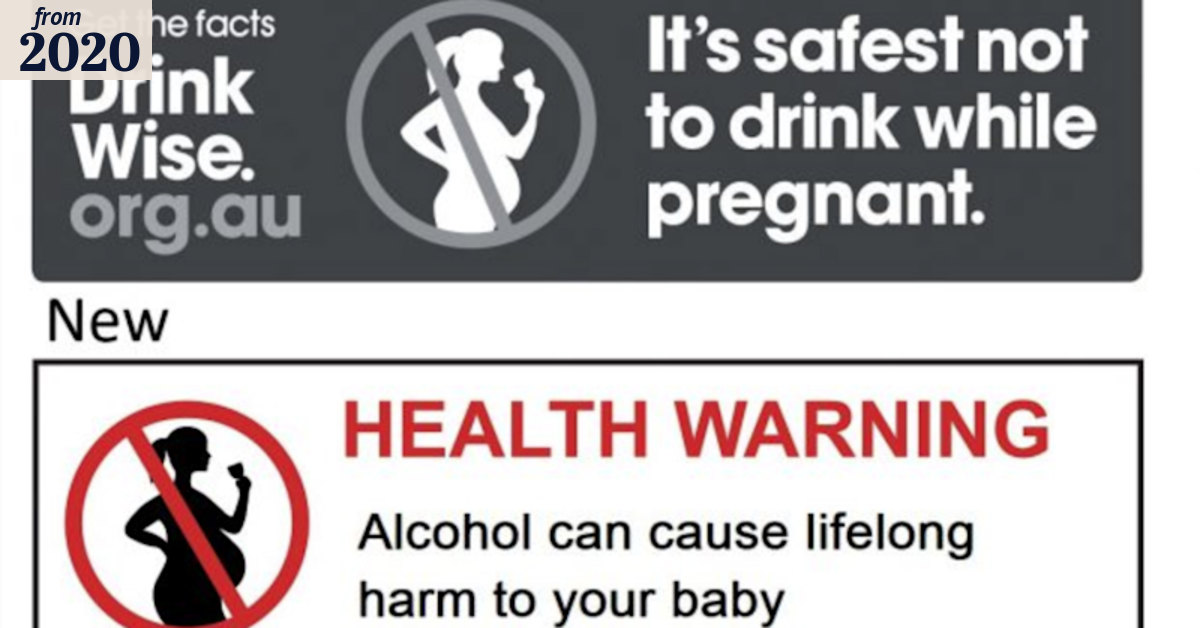
“Hinarangan ang isang research-backed na pagbabago sa disenyo para palakasin ang pagiging epektibo ng mga babala sa inumin tungkol sa pag-inom habang buntis, inirerekomenda ng isang independent na katawan, pagkatapos makipagpulong sa mga lobbyist mula sa mga kumpanya ng alkohol na nag-donate ng mahigit $300,000 sa Coalition.”
Orihinal na Pinagmulan: Matthew Davis
Sinuri: 30 Jan 2026
Orihinal na Pinagmulan
✅ FACTUAL NA BERIPIKASYON
### Mga Pangunahing Katotohanan - Na-verify
### Core Facts - Verified
Si Senator Richard Colbeck, ang Food Minister na namuno sa Australia and New Zealand Ministerial Forum on Food Regulation, ay nakipagpulong sa mga lobbyist ng alcohol industry noong Pebrero at Marso 2020 [1]. Senator Richard Colbeck, the Food Minister who chaired the Australia and New Zealand Ministerial Forum on Food Regulation, did meet with alcohol industry lobbyists in February and March 2020 [1].
Kasama sa mga pulong ang mga kinatawan mula sa Diageo, Lion Pty Ltd, Brewers Association of Australia, Australian Grape and Wine Incorporated, at Alcohol Beverages Australia [1]. The meetings included representatives from Diageo, Lion Pty Ltd, the Brewers Association of Australia, Australian Grape and Wine Incorporated, and Alcohol Beverages Australia [1].
Ang Lion Pty Ltd ay nag-donate ng $280,000 sa Liberal Party at $22,330 sa National Party sa nakaraang limang taon ng pananalaping [1]. Lion Pty Ltd had donated $280,000 to the Liberal Party and $22,330 to the National Party over the preceding five financial years [1].
Kung pagsasamahin sa iba pang mga donasyon ng industriya na dokumentado sa artikulo, ang "mahigit $300,000" na halaga ay tumpak [1]. Combined with other industry donations documented in the article, the "over $300,000" figure is accurate [1].
Ang FSANZ (Food Standards Australia and New Zealand) ay nagrekomenda ng mandatory pregnancy warning label na may mga tiyak na elemento ng disenyo - pulang at itim na titik na nagsasabing "HEALTH WARNING: Any amount of alcohol can harm your baby" [1]. FSANZ (Food Standards Australia and New Zealand) did recommend a mandatory pregnancy warning label with specific design elements - red and black lettering stating "HEALTH WARNING: Any amount of alcohol can harm your baby" [1].
Ito ay batay sa pananaliksik na nagpapakita na humigit-kumulang 5% ng mga batang ipinanganak sa Australia ay mayroong foetal alcohol spectrum disorder (FASD), na nagkakahalaga ng $1.18 bilyon taun-taon sa health system at ekonomiya [1]. This was based on research showing approximately 5% of children born in Australia have foetal alcohol spectrum disorder (FASD), costing the health system and economy $1.18 billion annually [1].
### Ang "Hinarangan" na Claim - Mas Komplikado Kaysa sa Inilarawan ### The "Block" Claim - More Nuanced Than Stated
Ang claim ay gumamit ng "hinarangan," na nangangailangan ng maingat na pagsusuri. The claim uses "blocked," which requires careful examination.
Hindi permanenteng hinarangan ng Ministerial Forum ang label. The Ministerial Forum did not permanently block the label.
Ang nangyari ay: - Noong Hunyo 2020, hiniling ng Forum sa FSANZ na magsagawa ng karagdagang pagsusuri, na nagsasabing ang disenyo ng label ay maglalagay ng "unreasonable cost burden on industry" [1] - Sinabi ni Senator Colbeck na ang mga food minister ay "malapit na nakikinig sa lahat ng pananaw" at nananatiling "matatag sa aming paniniwala na dapat may compulsory labels" [1] - Gayunpaman, sinabi ng isang Department of Agriculture briefing paper na inihain sa Senate: "There is a lack of evidence to support the concerns raised by ... alcohol industries" tungkol sa cost burdens [1] What occurred was:
- In June 2020, the Forum asked FSANZ to conduct a further review, claiming the label design would place "an unreasonable cost burden on industry" [1]
- Senator Colbeck stated that food ministers had "listened closely to all perspectives" and remained "firm in our view there should be compulsory labels" [1]
- However, a Department of Agriculture briefing paper tabled in the Senate stated: "There is a lack of evidence to support the concerns raised by ... alcohol industries" regarding cost burdens [1]
### Panghuling Resulta - Ang Label AY Naaprubahan ### Final Outcome - The Label WAS Approved
Kinukumpirma ng academic research na sa kabila ng kahilingan para sa pagsusuri noong Hunyo 2020, ang mandatory pregnancy warning label ay sa huli ay naaprubahan at naipatupad [2]. Academic research confirms that despite the June 2020 request for review, the mandatory pregnancy warning label ultimately was approved and implemented [2].
Ayon sa nailathalang pananaliksik: "Nearly 25 years after the first application to FSANZ, in 2020 the Forum finally voted to implement a mandatory pregnancy warning label for alcohol products in Australia and New Zealand" [2]. According to published research: "Nearly 25 years after the first application to FSANZ, in 2020 the Forum finally voted to implement a mandatory pregnancy warning label for alcohol products in Australia and New Zealand" [2].
Ang label ay naging mandatory na may kinakailangang pagpapatupad hanggang Hulyo 31, 2023 [3]. The label became mandatory with compliance required by July 31, 2023 [3].
### Ang Pagkaantala, Hindi Pagharang ### The Delay, Not Block
Ang makabuluhang natuklasan ay ang mga aksyon ni Colbeck ay nagdulot ng **pansamantalang pagkaantala** sa isang proseso ng patakaran na matagal nang umuusad (25 taon ng mga aplikasyon ayon sa pananaliksik) [2]. The significant finding is that Colbeck's actions caused a **temporary delay** in a policy process that was already decades-long (25 years of applications according to research) [2].
Ang kahilingan para sa pagsusuri ay nagdagdag ng karagdagang oras sa isang matagal nang timeline, ngunit hindi permanenteng hinarangan ang resulta ng patakaran. The request for review added additional time to an already-extended timeline, but did not permanently block the policy outcome.
Nawawalang Konteksto
### 1. Timeline at 25-Taong Kasaysayan
### 1. Timeline and 25-Year History
Ipinapakita ng claim na ito ay isang kontemporaryong isyu, ngunit ang pregnancy warning label ay hiniling na sa loob ng humigit-kumulang 25 taon bago ang 2020 [2]. The claim presents this as a contemporary issue, but the pregnancy warning label had been sought for nearly 25 years before 2020 [2].
Ito ay hindi isang mabilis, direktang patakaran na hinarangan - ito ay isang napakatagal na regulatory process. This was not a quick, straightforward policy that was blocked - it was an exceptionally long regulatory process.
Ang pagkaantala noong 2020 ay dapat maunawaan sa kontekstong ito. The 2020 delay should be understood within this context.
### 2. Ang Mga Argumento sa Gastos ng Industriya ay Tinutulan ### 2. Industry Cost Arguments Were Disputed
Nag-claim ang alcohol industry na ang pagpapatupad ay magkakahalaga ng $400 million na ipapasa sa mga konsyumer [1]. The alcohol industry claimed implementation would cost $400 million that would be passed to consumers [1].
Gayunpaman, sinuri ng FSANZ na "a small reduction in the incidence of fetal alcohol spectrum disorder would justify the cost of changing the labels," na nagmumungkahi na ang argumento sa gastos ng industriya ay labis na pinalaki kumpara sa benepisyo sa kalusugan [1]. However, FSANZ assessed that "a small reduction in the incidence of fetal alcohol spectrum disorder would justify the cost of changing the labels," suggesting the industry's cost argument was overstated relative to the health benefit [1].
### 3. Ang mga Pulong ay Sinimulan ng Industriya ### 3. The Meetings Were Initiated by Industry
Sinabi ni Senator Colbeck: "In the weeks leading up to the March meeting, I met with organisations who requested meetings, and in fact, **limited the number of meetings requested from alcohol sector to a round table rather than all the individual discussions they had requested**" [1]. Senator Colbeck stated: "In the weeks leading up to the March meeting, I met with organisations who requested meetings, and in fact, **limited the number of meetings requested from alcohol sector to a round table rather than all the individual discussions they had requested**" [1].
Bagama't hindi ito nag-aalis sa alalahanin tungkol sa impluwensya ng industriya, nagpapakita ito na sinabi ni Colbeck na pinigilan niya ang access ng industriya sa halip na pinalawak ito. While this doesn't eliminate the concern about industry influence, it shows Colbeck claimed to have restricted industry access rather than expanded it.
### 4. Ang Sariling Department ng Pamahalaan ay Hindi Sumang-ayon sa Pagkaantala ### 4. Government's Own Department Disagreed with the Delay
Ang isang Department of Agriculture briefing paper ay nagkonklusyon na may kakulangan ng ebidensya para sa mga alalahanin ng industriya sa gastos [1]. A Department of Agriculture briefing paper concluded there was insufficient evidence for the industry's cost concerns [1].
Ipinagmumungkahi nito na may internal na hindi pagkakasundo sa pamahalaan tungkol sa desisyon na humiling ng karagdagang pagsusuri. This suggests internal government disagreement about the decision to request further review.
### 5. Mga Pagsumite ng Industriya sa FSANZ ### 5. Industry Submissions to FSANZ
Tandaan ng Health Department briefing na ang alcohol industry ay nag-submit ng 83 mga pagtutol sa FSANZ tungkol sa iminumungkahing label [1]. The Health Department briefing noted that the alcohol industry submitted 83 objections to FSANZ regarding the proposed label [1].
Ito ay kumakatawan sa systematic lobbying ng regulator mismo, hindi lang ng ministerial meetings. This represents systematic lobbying of the regulator itself, not just ministerial meetings.
### 6. Ang Voluntary System ay Pinapalitan ### 6. Voluntary System Was Being Replaced
Ang kasalukuyang "DrinkWise" label ay voluntary, at tinutulan ng industriya ang mandatory replacement dahil ito ay mangangailangan ng pulang titik (itinuring na masyadong mahal) at paggamit ng terminong "health warning" (itinuring na nagpapahiwatig ng mas malawak na epekto sa kalusugan) [1]. The existing "DrinkWise" label was voluntary, and the industry objected to the mandatory replacement because it would require red lettering (deemed too costly) and use the term "health warning" (deemed to imply broader health impacts) [1].
Ang mga pagtutol na ito ay sumasalamin sa mga alalahanin tungkol sa pagiging epektibo, hindi lang sa gastos. These objections reflect concerns about effectiveness, not just cost.
Pagsusuri ng Kredibilidad ng Pinagmulan
**Sydney Morning Herald**: Kilalang Australian news organization na may established na reputasyon para sa political reporting.
**Sydney Morning Herald**: Mainstream Australian news organization with established reputation for political reporting.
Ang artikulo ni Dana McCauley ay batay sa mga katotohanan, na nagtukoy sa: - Senate-tabled documents (primary source) - Electoral Commission donation disclosures (maaring i-verify na mga talaan) - Direktang mga quote mula kay Senator Colbeck at mga kinatawan ng industriya - Direktang mga quote mula sa health at agriculture department briefings Ang SMH artikulo ay kredibo at mabuting pinagkunan, bagama't ito ay iwinawangis ang isyu nang negatibo laban sa pamahalaan. The article by Dana McCauley is factually grounded, citing:
- Senate-tabled documents (primary source)
- Electoral Commission donation disclosures (verifiable records)
- Direct quotes from Senator Colbeck and industry representatives
- Direct quotes from health and agriculture department briefings
The SMH article is credible and well-sourced, though it does frame the issue negatively toward the government.
Ang pagkawangis ay binibigyang-diin ang impluwensya ng industriya ("Minister met with alcohol lobby before...") ngunit ang mga katotohanang pinagbabatayan ay dokumentado. The framing emphasizes industry influence ("Minister met with alcohol lobby before...") but the facts underlying it are documented.
⚖️
Paghahambing sa Labor
**Pagsusuri na isinagawa**: Mga kasaysayan ng patakaran ng Labor government sa alcohol regulation at impluwensya ng industriya Ang SMH artikulo at mga available na pinagkunan ay hindi nagbibigay ng direktang paghahambing sa paghawak ng Labor government sa alcohol industry lobbying o labeling policy.
**Search conducted**: Historical Labor government policies on alcohol regulation and industry influence
The SMH article and available sources do not provide direct comparison to Labor government's handling of alcohol industry lobbying or labeling policy.
Gayunpaman, mahalagang konteksto: - Ang pregnancy warning label application process ay umabot mula ~1995 hanggang 2020, na saklaw ang parehong Labor at Coalition governments [2] - Ang isyu ay naantala rin sa ilalim ng Labor governments, na nagmumungkahi na ito ay hindi eksklusibong problema ng Coalition - Walang ebidensya na natagpuan na ang Labor ay matagumpay na naipatupad o naisulong ang label na ito sa panahon ng kanilang pamamahala sa kabila ng 15+ na taon ng pagkakataon Ang mahaba na timeline ay nagmumungkahi na ang label ay naharap sa mga structural barrier sa iba't ibang pamahalaan, bagama't hindi ito nagpawalang-bisa ng responsibilidad ng Coalition para sa kanilang mga tiyak na aksyon noong 2020. However, important context:
- The pregnancy warning label application process spanned from ~1995 to 2020, encompassing both Labor and Coalition governments [2]
- The issue had been delayed under Labor governments as well, suggesting this was not exclusively a Coalition problem
- No evidence was found of Labor having successfully implemented or advanced this label during their periods in government despite 15+ years of opportunity
The long timeline suggests the label faced structural barriers across governments, though this doesn't absolve the Coalition of responsibility for their specific actions in 2020.
🌐
Balanseng Pananaw
### Ang Puna (May Katwiran)
### The Criticism (Justified)
May mga lehitimong alalahanin tungkol sa mga aksyon ng pamahalaan: 1. **Pagkakataon**: Ang pakikipagpulong sa mga kinatawan ng industriya agad bago humiling ng pagsusuri ay lumilikha ng itsura ng hindi angkop na impluwensya [1] 2. **Mga Donasyon**: Ang mahigit $300,000 sa mga donasyon mula sa mga kumpanyang nakikinabang pagkatapos sa pagkaantala ay kumakatawan sa isang dokumentadong conflict of interest [1] 3. **Proseso**: Ang isang ministro na humihiling ng "karagdagang trabaho" mula sa isang regulator kaagad pagkatapos ng mga pulong sa industriya ay nagtataas ng mga katanungan tungkol sa independensya [1] 4. **Hindi Pagkakasundo sa Loob**: Ang mga sariling department ng pamahalaan ay tinutulan ang dahilan para sa pagkaantala, na nagmumungkahi na ito ay politically motivated sa halip na evidentially motivated [1] There are legitimate concerns about the government's actions:
1. **Timing**: Meeting with industry representatives immediately before requesting review creates appearance of improper influence [1]
2. **Donations**: The $300,000+ in donations from companies who subsequently benefited from the delay represents a documented conflict of interest [1]
3. **Process**: A minister requesting "additional work" from a regulator shortly after industry meetings raises questions about independence [1]
4. **Internal Disagreement**: The government's own departments disputed the rationale for the delay, suggesting it was politically rather than evidentially motivated [1]
### Ang Mga Lehitimong Paliwanag (Nariyan Din) ### The Legitimate Explanations (Also Present)
1. **Ang Karapatan ng Industriya na Marinig**: Ang industriya ay may mga lehitimong alalahanin tungkol sa mga gastos sa pagpapatupad at kasama sa tungkulin ng pamahalaan ang pagsasaalang-alang ng mga epekto sa mga reguladong negosyo [1] 2. **Ang Label sa Huli ay Naaprubahan**: Hindi tulad ng isang tunay na "pagharang," ang resulta ng patakaran ay naabot - ang mandatory label ay naipatupad, na nagmumungkahi na ang pagkaantala ay hindi talaga nagbago sa resulta [2] 3. **Ministerial Discretion**: Ang paghiling ng karagdagang pagsusuri ay nasa loob ng awtoridad ng pamahalaan at hindi bumubuo ng katiwalian, kahit na mahina ang optics [1] 4. **Makatuwirang Alalahanin sa Gastos**: Bagama't tinutulan ng mga awtoridad sa kalusugan, ang $400 million na gastos ay hindi basta-basta at nararapat na isaalang-alang sa mga desisyon sa patakaran [1] 1. **Industry's Right to be Heard**: The industry had legitimate concerns about implementation costs and the government's role includes considering impacts on regulated businesses [1]
2. **The Label Eventually Approved**: Unlike a true "block," the policy outcome was achieved - the mandatory label was implemented, suggesting the delay didn't fundamentally alter the outcome [2]
3. **Ministerial Discretion**: Requesting further review is within the government's authority and doesn't constitute corruption, even if poorly optics [1]
4. **Reasonable Cost Concerns**: While disputed by health authorities, $400 million costs are not trivial and warrant consideration in policy decisions [1]
### Komparatibong Konteksto ### Comparative Context
Ang parehong mga pangunahing partido sa Australia ay tumatanggap ng mga donasyon mula sa mga industriyang kanilang nireregaluhan, at ang parehong mga partido ay may mga ministro na nakikipagpulong sa mga kinatawan ng industriya. Both major Australian parties accept donations from industries they regulate, and both parties have ministers who meet with industry representatives.
Ang pagkakaiba dito ay ang **tiyak na pagkakaugnay sa pagitan ng mga donasyon, mga pulong, at isang pagkaantala ng patakaran** - na siyang aktwal na alalahanin, hindi ang impluwensya ng industriya mismo. The distinction here is the **apparent correlation between donations, meetings, and a policy delay** - which is the actual concern, not industry influence per se.
Ang ebidensya ay nagpapakita: - Dokumentadong mga donasyon ✓ - Dokumentadong mga pulong sa mga nag-donate ✓ - Dokumentadong kahilingan para sa pagkaantala ✓ - **Ngunit**: Ang panghuling pag-apruba ng label ay nagpapakita na ito ay pagkaantala, hindi permanenteng pagharang ✗ The evidence shows:
- Documented donations ✓
- Documented meetings with donors ✓
- Documented delay request ✓
- **But**: Ultimate label approval shows this was a delay, not a permanent block ✗
BAHAGYANG TOTOO
6.0
sa 10
Ang mga factual na elemento ng claim ay na-verify: ang ministro ay nakipagpulong sa mga lobbyist na nag-donate ng malalaking halaga, at ang pamahalaan ay humiling ng isang pagsusuri na nagpaliban sa pagpapatupad.
The factual elements of the claim are verified: the minister did meet with lobbyists who had donated substantial sums, and the government did request a review that delayed implementation.
Gayunpaman, ang paglalarawan ng claim bilang isang "pagharang" ng isang "research-backed na pagbabago sa disenyo" ay hindi tumpak. **Ang aktwal na nangyari:** - Ang isang pansamantalang pagkaantala/karagdagang pagsusuri ay hiniling noong Hunyo 2020 - Ang mandatory label ay naaprubahan noong 2020 at naipatupad noong Hulyo 2023 - Ang disenyo na inirerekomenda ng FSANZ ay sa huli ay tinanggap [3] **Mga mapanlinlang na elemento:** - Ang "hinarangan" ay nagmumungkahi ng permanenteng pagpigil; ang resulta ay sa huli ay naabot - Hindi binanggit na ito ay bahagi ng isang 25-taong proseso ng regulatory na nakakaapekto sa maraming pamahalaan - Hindi malinaw na ang FSANZ ay sa huli ay nagpatuloy sa rekomendasyon - Itinuturing ito bilang lubhang mapangamba nang walang konteksto tungkol sa donasyon ng parehong partido However, the claim's characterization as a "block" of a "research-backed design change" is inaccurate.
**What actually happened:**
- A temporary delay/additional review was requested in June 2020
- The mandatory label was approved in 2020 and implemented by July 2023
- The design FSANZ recommended was ultimately adopted [3]
**Misleading elements:**
- "Blocked" suggests permanent prevention; the outcome was ultimately achieved
- Omits that this was part of a 25-year regulatory process affecting multiple governments
- Doesn't clarify that FSANZ ultimately proceeded with the recommendation
- Frames this as uniquely concerning without context about both-party donations
Huling Iskor
6.0
SA 10
BAHAGYANG TOTOO
Ang mga factual na elemento ng claim ay na-verify: ang ministro ay nakipagpulong sa mga lobbyist na nag-donate ng malalaking halaga, at ang pamahalaan ay humiling ng isang pagsusuri na nagpaliban sa pagpapatupad.
The factual elements of the claim are verified: the minister did meet with lobbyists who had donated substantial sums, and the government did request a review that delayed implementation.
Gayunpaman, ang paglalarawan ng claim bilang isang "pagharang" ng isang "research-backed na pagbabago sa disenyo" ay hindi tumpak. **Ang aktwal na nangyari:** - Ang isang pansamantalang pagkaantala/karagdagang pagsusuri ay hiniling noong Hunyo 2020 - Ang mandatory label ay naaprubahan noong 2020 at naipatupad noong Hulyo 2023 - Ang disenyo na inirerekomenda ng FSANZ ay sa huli ay tinanggap [3] **Mga mapanlinlang na elemento:** - Ang "hinarangan" ay nagmumungkahi ng permanenteng pagpigil; ang resulta ay sa huli ay naabot - Hindi binanggit na ito ay bahagi ng isang 25-taong proseso ng regulatory na nakakaapekto sa maraming pamahalaan - Hindi malinaw na ang FSANZ ay sa huli ay nagpatuloy sa rekomendasyon - Itinuturing ito bilang lubhang mapangamba nang walang konteksto tungkol sa donasyon ng parehong partido However, the claim's characterization as a "block" of a "research-backed design change" is inaccurate.
**What actually happened:**
- A temporary delay/additional review was requested in June 2020
- The mandatory label was approved in 2020 and implemented by July 2023
- The design FSANZ recommended was ultimately adopted [3]
**Misleading elements:**
- "Blocked" suggests permanent prevention; the outcome was ultimately achieved
- Omits that this was part of a 25-year regulatory process affecting multiple governments
- Doesn't clarify that FSANZ ultimately proceeded with the recommendation
- Frames this as uniquely concerning without context about both-party donations
📚 MGA PINAGMULAN AT SANGGUNIAN (3)
-
1
Minister met with alcohol lobby before pregnancy warning label sent back for review
Food Minister Richard Colbeck met twice with alcohol industry lobbyists, including a major political donor, before a ministerial forum he chairs sent the independent regulator's proposed mandatory pregnancy warning label back for review.
The Sydney Morning Herald -
2
Influencing and implementing mandatory alcohol pregnancy warning labels in Australia and New Zealand
Academic Oup
-
3

Pregnancy warning labels - Downloadable files
Foodstandards Gov
Pamamaraan ng Rating Scale
1-3: MALI
Hindi tama sa katotohanan o malisyosong gawa-gawa.
4-6: BAHAGYA
May katotohanan ngunit kulang o baluktot ang konteksto.
7-9: HALOS TOTOO
Maliit na teknikal na detalye o isyu sa pagkakasulat.
10: TUMPAK
Perpektong na-verify at patas ayon sa konteksto.
Pamamaraan: Ang mga rating ay tinutukoy sa pamamagitan ng cross-referencing ng opisyal na mga rekord ng pamahalaan, independiyenteng mga organisasyong nag-fact-check, at mga primaryang dokumento.