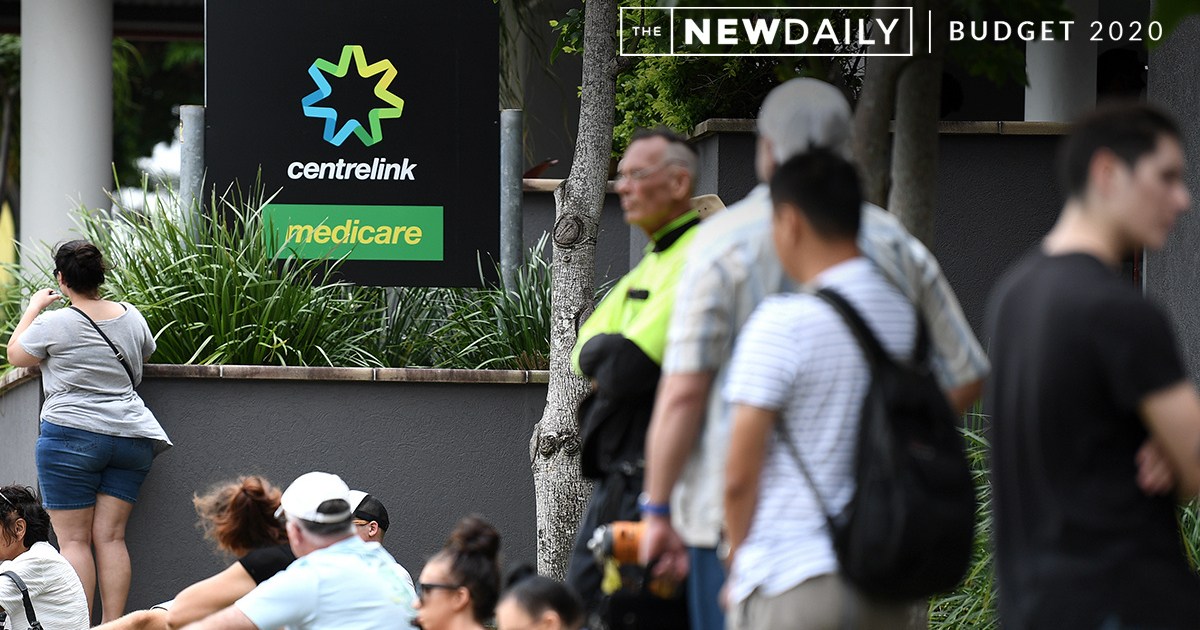
“Nagpakilala ng instant asset write off tax breaks para sa mga negosyo sa panahon ng COVID, na magkakahalaga ng higit sa $30 billion, para palakasin ang ekonomiya ng tanging $10 billion lamang.”
Ang claim ay tumutukoy sa instant asset write-off (IAWO) scheme ng Coalition na ipinakilala sa panahon ng COVID-19 pandemic.
The claim references the Coalition's instant asset write-off (IAWO) scheme introduced during the COVID-19 pandemic.
Gayunpaman, ang mga partikular na numero ay nangangailangan ng masusing pagsusuri dahil sa maraming nagkakumpitensya na cost measurements at timeframes. **Ang agarang tugon noong Marso 2020** ay nagpakilala ng enhanced instant asset write-off na may cost sa budget na humigit-kumulang **$700 million sa loob ng forward estimates** [1].
However, the specific figures require careful examination due to multiple competing cost measurements and timeframes.
**The immediate March 2020 response** introduced enhanced instant asset write-off with a cost to the budget of approximately **$700 million over the forward estimates** [1].
Ang hakbang na ito ay nagtaas ng threshold mula $30,000 patungo sa $150,000 at pinalawak ang pagiging karapat-dapat mula sa mga negosyong may $50M na turnover patungo sa mga may $500M na turnover [1]. **Ang pagpapalawig sa Oktubre 2020 Budget** ay nagpakilala ng "temporary full expensing" (TFE), na mas mahal.
This measure increased the threshold from $30,000 to $150,000 and expanded eligibility from businesses with $50M turnover to those with $500M turnover [1].
**The October 2020 Budget extension** introduced "temporary full expensing" (TFE), which was significantly more expensive.
Ang orihinal na source article ay nag-quote kay economist Angela Jackson mula sa Equity Economics, na nagsabing "ang scheme... ay bahagi ng isang hanay ng business tax breaks na magkakahalaga sa budget ng **$31.6 billion**, ngunit maghahatid lamang ng **$10 billion na pampalakas sa ekonomiya sa susunod na financial year**" [2].
The original source article quotes economist Angela Jackson from Equity Economics, who stated that "the scheme... was part of a suite of business tax breaks that would cost the budget **$31.6 billion**, but only deliver a **$10 billion boost to the economy next financial year**" [2].
Ito ay tumutugma sa cost figure ng claim (ang claim ay nag-round ng $31.6B patungo sa "higit sa $30 billion") [2].
This matches the claim's cost figure closely (the claim rounds $31.6B to "over $30 billion") [2].
Gayunpaman, ang $31.6 billion na figure na ito ay nangangailangan ng konteksto.
However, this $31.6 billion figure requires context.
Ang "sticker cost" na $31.6 billion na tinukoy ay tumutukoy sa government expenditure mula sa pagpapahintulot ng full expensing ng business asset purchases, ngunit ang figure na ito ay pinagsamahal ang kabuuang cost ng mas malawak na business tax package, hindi lamang ang instant asset write-off na hakbang [3].
The "sticker cost" of $31.6 billion referenced government expenditure from allowing full expensing of business asset purchases, but this figure conflates the total cost of the broader business tax package, not purely the instant asset write-off measure [3].
Ang aktwal na budgetary impact ng temporary full expensing lamang ay humigit-kumulang **$27 billion sa loob ng apat na taon** ayon sa analysis mula sa Australian Financial Review noong Oktubre 2020 [4]. **Ang $10 billion na pagpapalakas sa ekonomiya** na estimate na tinukoy sa source article ay tumutukoy partikular sa GDP impact "sa susunod na financial year" (2020-21), na siyang paglalarawan ni Angela Jackson sa sinabing economic benefit ng gobyerno [2].
The actual budgetary impact of temporary full expensing alone was approximately **$27 billion over four years** according to Australian Financial Review analysis from October 2020 [4].
**The $10 billion economy boost** estimate cited in the source article refers specifically to the GDP impact "next financial year" (2020-21), which was Angela Jackson's characterization of the government's claimed economic benefit [2].
Gayunpaman, ang sariling estimates ng Treasury (mula sa Mayo 2021 Budget) ay nag-project ng mas mataas na cumulative economic impact: **$2.5 billion sa 2020-21, $7.5 billion sa 2021-22, at $8 billion sa 2022-23**, na humigit-kumulang **$18 billion sa cumulative GDP boost** sa buong forward estimates period [5].
However, Treasury's own later estimates (from the May 2021 Budget) projected significantly higher cumulative economic impact: **$2.5 billion in 2020-21, $7.5 billion in 2021-22, and $8 billion in 2022-23**, totaling **approximately $18 billion in cumulative GDP boost** across the forward estimates period [5].
---
Nawawalang Konteksto
Ang claim ay kulang sa kritikal na konteksto tungkol sa kung ano ang kinakatawan ng mga cost at benefit figures na ito: **Sa bahagi ng gastos:** Ang claim ay hindi nagpapaliwanag sa pagitan ng iba't ibang uri ng cost measurement.
The claim lacks critical context about what these cost and benefit figures represent:
**On the cost side:** The claim does not distinguish between different types of cost measurement.
Ang $31.6 billion na tinukoy ni Jackson ay inilarawan bilang "sticker cost" ng pagpapahintulot ng full expensing—ang halaga ng tax deductions na nawala—na iba mula sa aktwal na net government expenditure [2].
The $31.6 billion cited by Jackson was described as the "sticker cost" of allowing full expensing—the value of tax deductions foregone—which is different from actual net government expenditure [2].
Nilinaw ng Treasury sa kalaunan na kapag nag-expire na ang full expensing, marami sa parehong mga deductions ay mangyayari sa pamamagitan ng normal na depreciation schedules, na nangangahulugang ang aktwal na fiscal cost ay pangunahing isang acceleration ng mga umiiral na deductions sa halip na ganap na bagong government spending [5].
Treasury later clarified that when full expensing expired, many of those same deductions would occur through normal depreciation schedules, meaning the actual fiscal cost was primarily an acceleration of existing deductions rather than entirely new government spending [5].
Ang Mayo 2021 Budget documents ay nagsabing habang ang sticker cost sa loob ng apat na taon ay malaki, "ang long-term cost ay mas maliit dahil ang mga deductions ay iniuuna, hindi karagdagang pera" [5]. **Sa bahagi ng benepisyo:** Ang $10 billion na figure na tinukoy ni Jackson ay isang government estimate para sa isang financial year lamang (2020-21), hindi ang kabuuang economic impact sa lahat ng taon na umepekto ang polisiya [2].
The May 2021 Budget documents noted that while the sticker cost over four years was significant, "the long-term cost is smaller because deductions are brought forward, not additional money" [5].
**On the benefit side:** The $10 billion figure Jackson cited was a government estimate for a single financial year (2020-21), not the total economic impact across all years the policy operated [2].
Ang sariling analysis ng Treasury ay nagmungkahi na ang cumulative GDP boost ay magiging mas mataas kapag sinusukat sa buong panahon na umepekto ang polisiya [5]. **Kalituhan sa timeframe:** Ang claim ay iniuugnay ito sa "sa panahon ng COVID" na parang pansamantalang pandemic response lamang, ngunit ang scheme ay pinalawak nang maraming beses.
Treasury's own analysis suggested the cumulative GDP boost would be substantially higher when measured across the full period the policy was active [5].
**Timeframe confusion:** The claim attributes this to "during COVID" as if it were a temporary pandemic response, but the scheme was extended multiple times.
Ang unang emergency measure (Marso-Hunyo 2020) ay maliit ($700M), samantalang ang mas malaking Oktubre 2020 measure ay bahagi ng mas malawak na economic strategy na pinalawak hanggang Hunyo 2023 [1][5].
The initial emergency measure (March-June 2020) was small ($700M), while the larger October 2020 measure was part of a broader economic strategy that extended to June 2023 [1][5].
Hindi ito ganap na COVID-response measure kundi naging bahagi ng mas mahahabang economic policy ng gobyerno. **Ang mas malawak na business tax package:** Tukuyin ni Jackson na ang mga figure na ito ay nalalapat sa "isang hanay ng business tax breaks," hindi lamang sa instant asset write-off [2].
This was not purely a COVID-response measure but became part of the government's longer-term economic policy.
**The broader business tax package:** Jackson specifically noted these figures applied to "a suite of business tax breaks," not purely the instant asset write-off alone [2].
Ang buong package ay kasama ang wage subsidies, apprenticeship subsidies, at iba pang mga hakbang na napailalim sa iba't ibang mga pagkritiko.
The full package included wage subsidies, apprenticeship subsidies, and other measures that were subject to different criticisms.
---
Pagsusuri ng Kredibilidad ng Pinagmulan
**The New Daily:** Ang source article ay mula sa The New Daily, isang Australian online news outlet na kilala sa center-left editorial positioning [2].
**The New Daily:** The source article is from The New Daily, an Australian online news outlet known for center-left editorial positioning [2].
Ang publikasyon ay lehitimong mainstream media ngunit may inamin na editorial bias patungo sa Labor-aligned perspectives.
The publication is legitimate mainstream media but has acknowledged editorial bias toward Labor-aligned perspectives.
Ang article mismo ay nagpapakita ng economist commentary sa budget measures ng Coalition, pangunahing nagtatampok ng pagkritiko mula kay Angela Jackson (Equity Economics), Alison Pennington (Centre for Future Work), at Marc Robinson (author), na lahat ay nagdududa sa approach ng Coalition [2]. **Ang mga partikular na ginamit na figure:** Ang $31.6 billion at $10 billion na mga figure ay na-attribute nang direkta kay Angela Jackson, isang economist sa Equity Economics [2].
The article itself presents economist commentary on the Coalition's budget measures, primarily featuring criticism from Angela Jackson (Equity Economics), Alison Pennington (Centre for Future Work), and Marc Robinson (author), all of whom were skeptical of the Coalition's approach [2].
**The specific figures used:** The $31.6 billion and $10 billion figures are attributed directly to Angela Jackson, an economist at Equity Economics [2].
Ang posisyon ni Jackson ay tila sumasalamin sa isang partikular na economic perspective (pagbigay ng prayoridad sa direktang government spending at demand-side stimulus kaysa sa business-led recovery approaches) sa halip na ang sariling estimates ng Treasury.
Jackson's position appears to reflect a particular economic perspective (prioritizing direct government spending and demand-side stimulus over business-led recovery approaches) rather than Treasury's own estimates.
Habang si Jackson ay isang kredibleng economist, ang article ay hindi naghahambing ng kanyang mga figure laban sa sariling opisyal na estimates ng Treasury, na magbibigay sana ng mahalagang balanse [2]. **Ang hindi na-cite:** Ang article ay hindi nag-cite ng Treasury budget papers, ANAO audits, o opisyal na government cost-benefit analyses—umaasa sa halip sa economist commentary tungkol sa mga claim ng gobyerno [2].
While Jackson is a credible economist, the article does not compare her figures against Treasury's own official estimates, which would have provided important balance [2].
**What was not cited:** The article does not cite Treasury budget papers, ANAO audits, or official government cost-benefit analyses—it relies instead on economist commentary about government claims [2].
Ito ay opinion analysis sa halip na direktang government documentation.
This is opinion analysis rather than direct government documentation.
---
⚖️
Paghahambing sa Labor
**Gumawa ba si Labor ng katulad na bagay?** Hindi nagpakilala si Labor ng katumbas na instant asset write-off scheme sa panahon ng kanyang pagiging opposition (2013-2022).
**Did Labor do something similar?**
Labor did not introduce an equivalent instant asset write-off scheme during its opposition years (2013-2022).
Gayunpaman, nang bumalik si Labor sa gobyerno noong Mayo 2022, ito ay nag-commit na ipagpatuloy ang instant asset write-off para sa maliliit na negosyo [6].
However, when Labor returned to government in May 2022, it has committed to continuing the instant asset write-off for small businesses [6].
Sa 2024-25 Budget, ang Albanese government ay nag-extend ng $20,000 instant asset write-off para sa karagdagang 12 months, na nagpapakita ng endorsement sa konsepto sa halip na pagtutol dito [6]. **Pagkritiko ni Labor sa scheme ng Coalition:** Sa panahon ng 2020 budget debate, ang pagkritiko ni Labor ay nakatuon sa mas malawak na economic recovery strategy ng gobyerno—pagbibigay-diin sa mga alalahanin tungkol sa hindi sapat na suporta para sa mga manggagawa at demand-side stimulus—sa halip na partikular na pag-atake sa instant asset write-off component.
In the 2024-25 Budget, the Albanese government extended the $20,000 instant asset write-off for an additional 12 months, demonstrating endorsement of the concept rather than opposition to it [6].
**Labor's criticism of the Coalition's scheme:** During the 2020 budget debate, Labor's criticism focused more broadly on the government's economic recovery strategy—emphasizing concerns about inadequate support for workers and demand-side stimulus—rather than specifically attacking the instant asset write-off component.
Si Opposition leader Anthony Albanese ay nagkritiko sa budget para sa pagbibigay-pabor sa negosyo kaysa sa mga manggagawa, ngunit hindi nag-produce ng detalyadong economic modeling na nagpapakita na ito ay likas na wasteful [7]. **Ang sariling gastos ni Labor sa panahon ng COVID:** Sinuportahan ni Labor ang parehong JobKeeper at unang JobSeeker supplements, na mga demand-side transfers sa mga manggagawa sa halip na business tax breaks.
Opposition leader Anthony Albanese criticized the budget for favoring business over workers, but did not produce detailed economic modeling showing it was inherently wasteful [7].
**Labor's own spending during COVID:** Labor supported both JobKeeper and initial JobSeeker supplements, which were demand-side transfers to workers rather than business tax breaks.
Ito ay kumakatawan sa isang pilosopikal na pagkakaiba sa recovery approach sa halip na katumbas na pagkritiko sa tax expenditure efficiency [7]. **Mahalagang paalala:** Ang katotohanan na si Labor ay mula noon ay nag-endorse at nag-extend ng instant asset write-off ay nagmumungkahi ng alinman sa: (1) Ang pagkritiko ni Labor sa effectiveness ng scheme ay na-overstate, o (2) Si Labor ay nagsimulang tumingin dito nang iba kapag hinarap ang responsibilidad ng pagpapagalit [6].
This represents a philosophical difference in recovery approach rather than equivalent criticism of tax expenditure efficiency [7].
**Important note:** The fact that Labor has since endorsed and extended the instant asset write-off suggests either: (1) Labor's criticism of the scheme's effectiveness was overstated, or (2) Labor came to view it differently when faced with the responsibility of governing.
Ito ay humihina sa narrative na ang scheme ng Coalition ay halatang wasteful o ineffective [6].
This weakens the narrative that the Coalition's scheme was obviously wasteful or ineffective [6].
---
🌐
Balanseng Pananaw
Habang ang mga kritiko tulad ni Angela Jackson ay nagsabing ang instant asset write-off ay kumakatawan sa inefficient government spending kumpara sa mga alternatibo tulad ng childcare subsidies, ang mahalagang konteksto ay sumusuporta sa rason ng Coalition: **Ang pangangatwiran ng gobyerno:** Sinabi ni Treasurer Josh Frydenberg na ang mga negosyong may sobrang cash (mula sa JobKeeper payments) ay nangangailangan ng mga incentives para mamuhunan sa halip na i-accumulate ang mga reserba [8].
While critics like Angela Jackson argued that the instant asset write-off represented inefficient government spending compared to alternatives like childcare subsidies, important context supports the Coalition's rationale:
**The government's justification:** Treasurer Josh Frydenberg argued that businesses holding excess cash (from JobKeeper payments) needed incentives to invest rather than accumulate reserves [8].
Ang economic theory ng gobyerno ay naniniwala na pagkatapos ng mga malaking pansamantalang income support programs, ang ekonomiya ay nangangailangan ng private sector investment para mapanatili ang recovery.
The government's economic theory held that after massive temporary income support programs, the economy needed private sector investment to sustain recovery.
Hindi ito isang likas na illogical na posisyon—it ay sumasalamin sa isang partikular na macroeconomic view tungkol sa papel ng business investment sa recovery [8]. **Business usage at effectiveness:** Maraming Australian businesses ang gumamit ng scheme para i-accelerate ang mga planadong capital investments sa panahon ng COVID recovery period [9].
This is not an inherently illogical position—it reflects a particular macroeconomic view about the role of business investment in recovery [8].
**Business usage and effectiveness:** Multiple Australian businesses did use the scheme to accelerate planned capital investments during the COVID recovery period [9].
Ang pananaliksik mula sa DCC Accounting at MYOB ay nagpapahiwatig na humigit-kumulang 20-30% ng mga karapat-dapat na negosyo ang nagsasamantala sa temporary full expensing para i-bring forward ang mga planadong equipment at vehicle purchases [9].
Research from DCC Accounting and MYOB indicated that approximately 20-30% of eligible businesses took advantage of temporary full expensing to bring forward planned equipment and vehicle purchases [9].
Iminumungkahi nito na ang scheme ay gumawa ng inaasahang pagbabago sa pag-uugali, salungat sa assertion ni Marc Robinson sa New Daily article na "karamihan sa mga negosyo ay malamang na hindi mamuhunan" [2]. **Ang deductions-acceleration isyu:** Ang Treasury insight na ang full expensing ay pangunahing nag-a-accelerate ng mga umiiral na depreciation deductions (sa halip na lumikha ng ganap na bagong expenditure) ay mahalagang konteksto.
This suggests the scheme did generate intended behavior change, contrary to Marc Robinson's assertion in the New Daily article that "most businesses were unlikely to invest" [2].
**The deductions-acceleration issue:** The Treasury insight that full expensing primarily accelerates existing depreciation deductions (rather than creating entirely new expenditure) is crucial context.
Ihambing ito sa mga alternatibo tulad ng childcare subsidies o direktang government spending, na lumilikha ng bagong expenditure flows.
Compare this to alternatives like childcare subsidies or direct government spending, which create new expenditure flows.
Ang IAWO/temporary full expensing, sa kabaligtaran, ay nagpapahintulot sa mga negosyo na mag-claim ng deductions nang mas maaga ngunit para sa parehong kabuuang deductible amount—it ay nagdadala ng cash flow nang mas maaga nang hindi kinakailangang dagdagan ang long-term government spending [5].
IAWO/temporary full expensing, by contrast, allows businesses to claim deductions earlier but for the same total deductible amount—it brings cash flow forward without necessarily increasing long-term government spending [5].
Ito ay mas economically efficient kaysa sa mga alternatibo na nangangailangan ng sustained new expenditure [5]. **Economic effectiveness kaugnay sa mga alternatibo:** Habang sinabi ni Jackson na ang $5 billion sa childcare subsidies ay maghahatid ng $11 billion na return (kumpara sa $31.6 billion para sa $10 billion mula sa business tax breaks), ang paghahambing na ito ay sumasalamin sa iba't ibang mga prayoridad sa polisiya sa halip na patunay na ang scheme ng Coalition ay wasteful [2].
This is economically more efficient than alternatives that involve sustained new expenditure [5].
**Economic effectiveness relative to alternatives:** While Jackson argued that $5 billion in childcare subsidies would deliver an $11 billion return (versus $31.6 billion for $10 billion from business tax breaks), this comparison reflects different policy priorities rather than proof the Coalition scheme was wasteful [2].
Ang Grattan Institute research na tinukoy ni Jackson ay nakatuon sa supply-side benefits (pagtaas ng workforce participation) sa halip na short-term recovery stimulus, na ginagawang hindi direktang comparable [2]. **Comparative partisan context:** Kapag ang mga Labor governments ay gumamit ng business tax incentives (tulad ng R&D tax credits o superannuation contribution caps), ang katulad na mga pagkritiko tungkol sa cost-effectiveness ay itinataas ng opposition economists.
The Grattan Institute research Jackson cited focused on supply-side benefits (increasing workforce participation) rather than short-term recovery stimulus, making it not directly comparable [2].
**Comparative partisan context:** When Labor governments have used business tax incentives (such as R&D tax credits or superannuation contribution caps), similar criticisms about cost-effectiveness have been raised by opposition economists.
Iminumungkahi nito na ang mga pattern ng pagkritiko ay sumusunod sa ideological lines (demand-side vs. supply-side stimulus preference) sa halip na objective na patunay ng pagkabigo ng polisiya [10]. **Ang extend-at-extend pattern:** Dalawang beses na pinalawak ng Coalition ang temporary full expensing (Mayo 2021, pagkatapos ay muli hanggang Hunyo 2023), na nagmumungkahi na ang implementation experience ay sumuporta sa pagpapanatili nito.
This suggests criticism patterns along ideological lines (demand-side vs. supply-side stimulus preference) rather than objective proof of the policy's failure [10].
**The extend-and-extend pattern:** The Coalition extended temporary full expensing twice (May 2021, then again to June 2023), suggesting implementation experience supported its retention.
Kung ang scheme ay tunay na unproductive, ang gobyerno ay haharap sa pressure na i-abandon ito [5].
If the scheme had been genuinely unproductive, the government would have faced pressure to abandon it [5].
---
BAHAGYANG TOTOO
6.0
sa 10
Ang claim ay naglalaman ng tumpak na mga numero ngunit inihaharap ang mga ito sa isang misleading na paraan na nag-e-exaggerate sa inefficiency ng polisiya.
The claim contains accurate figures but presents them in a misleading way that exaggerates the inefficiency of the policy.
Narito ang dahilan: **Mga elementong totoo:** Ang $31.6 billion na cost figure ay tumpak na na-quote mula sa analysis ng isang economist sa orihinal na New Daily source, at ang figure na ito ay talagang na-cite bilang cost ng business tax breaks na naghahatid ng $10 billion na economic boost estimate (bagama't ang huli ay partikular para sa isang financial year, hindi sa kabuuang impact) [2]. **Mga misleading na elemento:** 1.
Here's why:
**True elements:** The $31.6 billion cost figure is accurately quoted from an economist's analysis in the original New Daily source, and this figure was indeed cited as the cost of business tax breaks that delivered a $10 billion economic boost estimate (though that latter figure was specifically for one financial year, not total impact) [2].
**Misleading elements:**
1.
Ang claim ay naghaharap ng $10 billion bilang *kabuuang* economic benefit, samantalang ang Treasury ay nag-estimate ng cumulative benefits na humigit-kumulang $18 billion sa 2020-21, 2021-22, at 2022-23 [5]. 2.
The claim presents the $10 billion as the *total* economic benefit, when Treasury estimated cumulative benefits of approximately $18 billion across 2020-21, 2021-22, and 2022-23 [5].
2.
Ang $31.6 billion na cost ay inihaharap na parang katumbas ito ng karaniwang government spending, samantalang ito ay talagang isang "sticker cost" ng foregone deductions—ang aktwal na fiscal impact ay mas maliit dahil ang mga ito ay accelerated sa halip na karagdagang deductions [5]. 3.
The $31.6 billion cost is presented as if it's equivalent to standard government spending, when it's actually a "sticker cost" of foregone deductions—the actual fiscal impact is smaller because these are accelerated rather than additional deductions [5].
3.
Ang claim ay iniuugnos ito lamang sa COVID response, samantalang ang scheme ay pinalawak nang mahigit sa acute pandemic phase at naging bahagi ng ongoing economic policy [5]. 4.
The claim attributes this solely to COVID response, when the scheme was extended well beyond the acute pandemic phase and became part of ongoing economic policy [5].
4.
Ang claim ay umaasa nang lubos sa economist commentary (Angela Jackson) sa halip na ihambing ito sa sariling opisyal na estimates ng Treasury, na nagbigay ng mas paborableng cost-benefit picture [5].
The claim relies entirely on economist commentary (Angela Jackson) rather than comparing it to Treasury's own official estimates, which provided a more favorable cost-benefit picture [5].
Ang claim ay substantively nakabase sa isang totoong source (The New Daily, Oktubre 2020) at tumpak na attribution sa economist commentary, ngunit kulang sa fuller context na ibinigay ng opisyal na estimates ng Treasury at oversimplifies ang paghahambing sa pagitan ng cost at benefit sa pagturing sa one-year estimates bilang total impact figures.
The claim is substantially based on a real source (The New Daily, October 2020) and accurate attribution to economist commentary, but lacks the fuller context that Treasury's official estimates provided and oversimplifies the comparison between cost and benefit by treating one-year estimates as total impact figures.
---
Huling Iskor
6.0
SA 10
BAHAGYANG TOTOO
Ang claim ay naglalaman ng tumpak na mga numero ngunit inihaharap ang mga ito sa isang misleading na paraan na nag-e-exaggerate sa inefficiency ng polisiya.
The claim contains accurate figures but presents them in a misleading way that exaggerates the inefficiency of the policy.
Narito ang dahilan: **Mga elementong totoo:** Ang $31.6 billion na cost figure ay tumpak na na-quote mula sa analysis ng isang economist sa orihinal na New Daily source, at ang figure na ito ay talagang na-cite bilang cost ng business tax breaks na naghahatid ng $10 billion na economic boost estimate (bagama't ang huli ay partikular para sa isang financial year, hindi sa kabuuang impact) [2]. **Mga misleading na elemento:** 1.
Here's why:
**True elements:** The $31.6 billion cost figure is accurately quoted from an economist's analysis in the original New Daily source, and this figure was indeed cited as the cost of business tax breaks that delivered a $10 billion economic boost estimate (though that latter figure was specifically for one financial year, not total impact) [2].
**Misleading elements:**
1.
Ang claim ay naghaharap ng $10 billion bilang *kabuuang* economic benefit, samantalang ang Treasury ay nag-estimate ng cumulative benefits na humigit-kumulang $18 billion sa 2020-21, 2021-22, at 2022-23 [5]. 2.
The claim presents the $10 billion as the *total* economic benefit, when Treasury estimated cumulative benefits of approximately $18 billion across 2020-21, 2021-22, and 2022-23 [5].
2.
Ang $31.6 billion na cost ay inihaharap na parang katumbas ito ng karaniwang government spending, samantalang ito ay talagang isang "sticker cost" ng foregone deductions—ang aktwal na fiscal impact ay mas maliit dahil ang mga ito ay accelerated sa halip na karagdagang deductions [5]. 3.
The $31.6 billion cost is presented as if it's equivalent to standard government spending, when it's actually a "sticker cost" of foregone deductions—the actual fiscal impact is smaller because these are accelerated rather than additional deductions [5].
3.
Ang claim ay iniuugnos ito lamang sa COVID response, samantalang ang scheme ay pinalawak nang mahigit sa acute pandemic phase at naging bahagi ng ongoing economic policy [5]. 4.
The claim attributes this solely to COVID response, when the scheme was extended well beyond the acute pandemic phase and became part of ongoing economic policy [5].
4.
Ang claim ay umaasa nang lubos sa economist commentary (Angela Jackson) sa halip na ihambing ito sa sariling opisyal na estimates ng Treasury, na nagbigay ng mas paborableng cost-benefit picture [5].
The claim relies entirely on economist commentary (Angela Jackson) rather than comparing it to Treasury's own official estimates, which provided a more favorable cost-benefit picture [5].
Ang claim ay substantively nakabase sa isang totoong source (The New Daily, Oktubre 2020) at tumpak na attribution sa economist commentary, ngunit kulang sa fuller context na ibinigay ng opisyal na estimates ng Treasury at oversimplifies ang paghahambing sa pagitan ng cost at benefit sa pagturing sa one-year estimates bilang total impact figures.
The claim is substantially based on a real source (The New Daily, October 2020) and accurate attribution to economist commentary, but lacks the fuller context that Treasury's official estimates provided and oversimplifies the comparison between cost and benefit by treating one-year estimates as total impact figures.
---
Hindi tama sa katotohanan o malisyosong gawa-gawa.
4-6: BAHAGYA
May katotohanan ngunit kulang o baluktot ang konteksto.
7-9: HALOS TOTOO
Maliit na teknikal na detalye o isyu sa pagkakasulat.
10: TUMPAK
Perpektong na-verify at patas ayon sa konteksto.
Pamamaraan: Ang mga rating ay tinutukoy sa pamamagitan ng cross-referencing ng opisyal na mga rekord ng pamahalaan, independiyenteng mga organisasyong nag-fact-check, at mga primaryang dokumento.