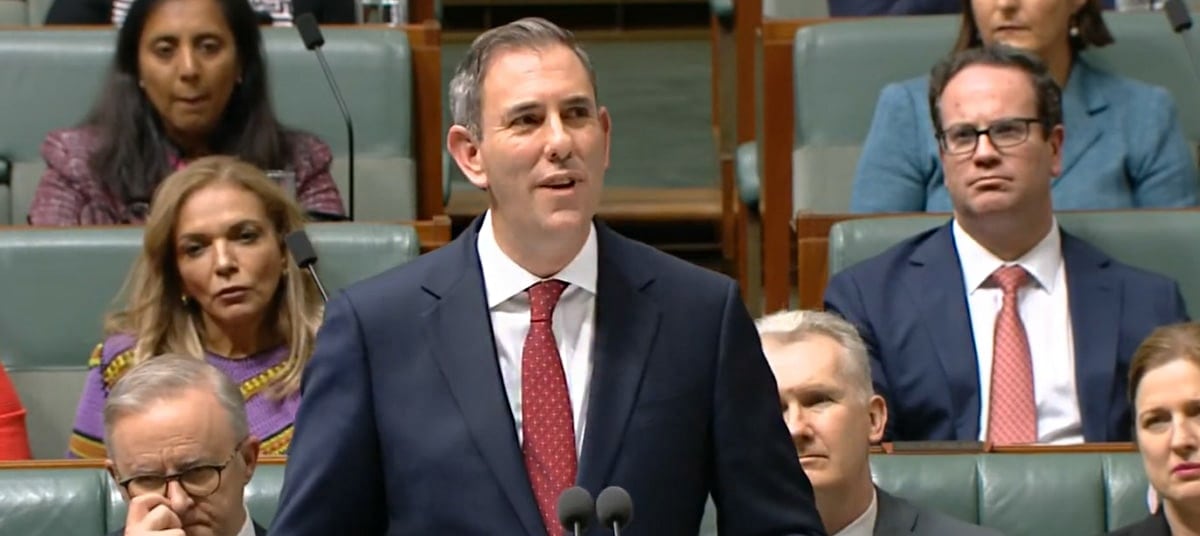
“Nagsinungaling sa pamamagitan ng pag-claim na naipatupad nila ang karamihan sa mga rekomendasyon mula sa Banking Royal Commission, nang ang kanilang natapos lamang ay ang minoridad.”
Ang claim ay naglalaman ng tamang pangunahing assertion tungkol sa agwat sa pagitan ng mga claim ng Coalition government at aktwal na implementation progress. **Mga Claim ng Coalition Government:** Sinabi ni Treasurer Josh Frydenberg noong Enero 2021 na "sa kabila ng coronavirus crisis, higit sa 70% ng mga rekomendasyon ng royal commission na nangangailangan ng aksyon mula sa executive government ay naipatupad na" [1].
The claim contains an accurate core assertion regarding the gap between Coalition government claims and actual implementation progress.
**Coalition Government's Claims:**
Treasurer Josh Frydenberg stated in January 2021 that "despite the coronavirus crisis more than 70% of the royal commission's recommendations requiring action by the executive government had been implemented" [1].
Ang claim na ito ay ginawa humigit-kumulang dalawang taon matapos matanggap ang Banking Royal Commission final report noong 1 Pebrero 2019. **Analisis ng Guardian (Enero 2021):** Nagsagawa ang Guardian Australia ng independent analysis sa lahat ng 76 rekomendasyon ni Commissioner Kenneth Hayne at nakakita ng makabuluhang naiibang resulta: "45 ay hindi pa naipapatupad at apat ang tinakwil" [1].
This claim was made approximately two years after receiving the Banking Royal Commission final report on 1 February 2019.
**Guardian Analysis (January 2021):**
Guardian Australia conducted an independent analysis of all 76 of Commissioner Kenneth Hayne's recommendations and found significantly different results: "45 have yet to be implemented and four have been abandoned" [1].
Nangangahulugan ito na 27 lamang ang mga rekomendasyon ang ganap na naipatupad sa puntong iyon (76 - 45 - 4 = 27), na kumakatawan sa humigit-kumulang 35% completion rate, hindi ang 70% na inaangkin ni Frydenberg.
This means that only 27 recommendations had been fully implemented at that point (76 - 45 - 4 = 27), representing approximately 35% completion rate, not the 70% claimed by Frydenberg.
Ang analisis ng Guardian ay eksplisitong nagsasabing: "Higit sa kalahati ng mga rekomendasyon na ginawa ng banking royal commissioner na si Kenneth Hayne ay alinman nang tinakwil o hindi pa ganap na naipapatupad, halos dalawang taon matapos matanggap ng treasurer ang final report ng inquiry" [1]. **Independent Tracking ni Minter Ellison (Setyembre 2022):** Lumikha ang law firm na Minter Ellison ng komprehensibong tracking system para sa lahat ng 76 Hayne recommendations hanggang Setyembre 2022 [2].
The Guardian's analysis explicitly states: "More than half of the recommendations made by the banking royal commissioner, Kenneth Hayne, have either been abandoned or are yet to be fully implemented, almost two years after the treasurer received the inquiry's final report" [1].
**Independent Tracking by Minter Ellison (September 2022):**
Legal firm Minter Ellison created a comprehensive tracking system for all 76 Hayne recommendations as of September 2022 [2].
Ang kanilang dokumentasyon ay kumukumpirma na ang pagpapatupad ay nananatiling hindi kumpleto sa karamihan ng mga rekomendasyon, kung saan marami ang minarkahan bilang "proposed" o "yet to be implemented/fully implemented" [2]. **Pagsusuri ng CHOICE (Pebrero 2024):** Lima na ang taon mula nang matapos ang royal commission, dokumento ng CHOICE Australia kung aling mga rekomendasyon ang matagumpay na naipatupad, na nagsasaad: "Maraming pangunahing rekomendasyon mula sa final report ng royal commission ang kasalukuyang tinanggap na ng industriya" ngunit nagtatala rin ng mga makabuluhang pagtanggi [3].
Their documentation confirms that implementation remained incomplete across the majority of recommendations, with many marked as "proposed" or "yet to be implemented/fully implemented" [2].
**CHOICE Assessment (February 2024):**
Five years after the royal commission, CHOICE Australia documented which recommendations had been successfully implemented, noting: "A number of key recommendations from the royal commission's final report have already been taken on board by industry" but also cataloguing significant rejections [3].
Kasama sa mga pangunahing implemented wins ang Financial Accountability Regime (nakatakda sa Marso 2024), mortgage broker best interest duty, unfair contracts law extension sa insurance, at ASIC regulation ng funeral insurance [3].
Key implemented wins included the Financial Accountability Regime (set for March 2024), mortgage broker best interest duty, unfair contracts law extension to insurance, and ASIC regulation of funeral insurance [3].
Gayunpaman, tinala rin ng CHOICE: "Hindi lahat ng rekomendasyon ng royal commission ang tinanggap, gayunpaman" [3], na nagtatala ng ilang lugar kung saan ang mga rekomendasyon ay tinanggihan o naantala, kabilang ang pagtatapos ng weak industry self-regulation at pag-aalis ng point-of-sale exemptions para sa unlicensed credit providers [3].
However, CHOICE also noted: "Not all of the royal commission's recommendations were taken on board, however" [3], listing several areas where recommendations were rejected or stalled, including the end of weak industry self-regulation and removal of point-of-sale exemptions for unlicensed credit providers [3].
Nawawalang Konteksto
Ang claim ay nangangailangan ng mahalagang kontekstwal na paglilinaw na nakakaapekto sa mga implementation rate: **Isyu sa Definisyon - "Executive Government" kumpara sa Lahat ng Rekomendasyon:** Ang 70% figure ni Frydenberg ay tiyak na tumukoy sa "mga rekomendasyong nangangailangan ng aksyon mula sa executive government," hindi lahat ng 76 rekomendasyon [1].
The claim requires important contextual clarification that affected implementation rates:
**Definitional Issue - "Executive Government" vs.
Ang ilang mga rekomendasyon ay nangangailangan ng legislative action (Parliament), regulatory action (ASIC/APRA), o industry self-regulation.
All Recommendations:**
Frydenberg's 70% figure specifically referred to "recommendations requiring action by the executive government," not all 76 recommendations [1].
Ang analisis ng Guardian ay sinuri ang lahat ng 76 rekomendasyon anuman ang implementation pathway [1].
Some recommendations required legislative action (Parliament), regulatory action (ASIC/APRA), or industry self-regulation.
Mahalaga ang pagkakaibang ito: ang mga rekomendasyong nangangailangan lamang ng executive action ay maaaring may mas mataas na completion rate kumpara sa pangkalahatang portfolio, bagama't ang analisis ng Guardian ay nakakita ng 27 lamang sa 76 (35%) ang kumpleto sa kabuuan. **Epekto ng COVID-19 sa Pagpapatupad:** Parehong naantala ng ASIC at APRA ang pagpapatupad ng mga rekomendasyon ni Hayne sa mga panahon na hanggang anim na buwan noong 2020-2021, na binabanggit ang coronavirus crisis [1].
The Guardian's analysis examined all 76 recommendations regardless of implementation pathway [1].
Gayunpaman, ginamit ni Frydenberg ang parehong COVID period upang bigyang-katuwiran ang kanyang 70% claim, na nagmumungkahi na ang mga pagkaantala na ito ay pinamamahalaan [1]. **Naantala na Legislation na Naipasa sa Huli:** Ang mga batas na tumutugon sa higit sa 20 rekomendasyon ay ipinakilala at naipasa noong Disyembre 2020, na may karagdagang legislation para sa apat pang rekomendasyon na ipinakilala [1].
This distinction matters: recommendations requiring only executive action may have had higher completion rates than the overall portfolio, though the Guardian's analysis found only 27 of 76 (35%) complete in total.
**COVID-19 Impact on Implementation:**
Both ASIC and APRA delayed implementation of Hayne recommendations for periods of up to six months during 2020-2021, citing the coronavirus crisis [1].
Tinala ng pagsusuri ng CHOICE (Pebrero 2024) na ang ilang mga rekomendasyon ay naipatupad sa huli: ang Financial Accountability Regime noong 15 Marso 2024, at ang Compensation Scheme of Last Resort noong Hunyo 2023 [3].
However, Frydenberg used the same COVID period to justify his 70% claim, suggesting these delays were being managed [1].
**Delayed Legislation Passed Later:**
Laws addressing more than 20 recommendations were introduced and passed in December 2020, with additional legislation for four more recommendations introduced [1].
Ipinapakita nito na ang 70% figure ay maaaring hindi tumpak na nakunan ang buong pipeline ng pagpapatupad. **Nakababahalang Mga Sinadyang Pagtanggi:** Ang pagtukoy ng claim sa "kasinungalingan" ay sinusuportahan ng ebidensya ng mga sinadyang pagtanggi, hindi lamang pagkaantala.
The CHOICE assessment (February 2024) noted that several recommendations came into force later: the Financial Accountability Regime on 15 March 2024, and the Compensation Scheme of Last Resort in June 2023 [3].
Eksplisitong tinanggihan ni Frydenberg ang Rekomendasyon #1 ni Hayne (ang pinaka-prominent): na ang responsible lending laws ay hindi dapat baguhin.
This shows the 70% figure may not have accurately captured the full pipeline of implementation.
**Concerning Deliberate Rejections:**
The claim's reference to a "lie" is supported by evidence of deliberate rejections, not merely delays.
Sa halip, noong Setyembre 2020, inanunsyo niya na ang mga batas ay ganap na ipawalang-bisa upang "alisin ang mga hindi kinakailangang hadlang sa pagdaloy ng credit" [1].
Frydenberg explicitly rejected Hayne's Recommendation #1 (the most prominent): that responsible lending laws not be changed.
Ito ay tuwirang pagkasalungat sa tiyak na rekomendasyon ni Hayne [1].
Instead, in September 2020, he announced the laws would be repealed entirely to "remove unnecessary barriers to the flow of credit" [1].
Tinanggihan din ni Frydenberg ang mga rekomendasyon tungkol sa mortgage broker commissions at pagtrato sa mga broker tulad ng financial advisers [1].
This was a direct contradiction of Hayne's specific recommendation [1].
Pagsusuri ng Kredibilidad ng Pinagmulan
**Guardian Australia (Original Source):** Ang Guardian ay isang pangunahing UK-based mainstream news organization na may Australian bureau [4].
**Guardian Australia (Original Source):**
The Guardian is a major UK-based mainstream news organization with an Australian bureau [4].
Pinapanatili nito ang propesyonal na editorial standards at fact-checking processes.
It maintains professional editorial standards and fact-checking processes.
Ang artikulo tungkol sa Banking Royal Commission implementation (inilathala noong 19 Enero 2021) ay isinulat ni Ben Butler, isang established journalist na sumasaklaw sa Australian business at politics [4].
The article on Banking Royal Commission implementation (published 19 January 2021) was authored by Ben Butler, an established journalist covering Australian business and politics [4].
Ang Guardian ay may center-left editorial position, na maaaring lumikha ng framing bias, ngunit ang tiyak na factual claim (45 sa 76 na hindi pa naipapatupad, 4 ang tinakwil) ay batay sa dokumentadong analisis, hindi opinyon [1]. **Kredibilidad ng Analisis:** Ang 45/4 figure ng Guardian ay mapapatunayan laban sa 76 rekomendasyon ng Hayne Royal Commission final report.
The Guardian does have a center-left editorial position, which could create framing bias, but the specific factual claim (45 of 76 recommendations not implemented, 4 abandoned) is based on documented analysis, not opinion [1].
**Credibility of the Analysis:**
The Guardian's 45/4 figure is verifiable against the Hayne Royal Commission final report's 76 recommendations.
Ang publikasyon ay eksplisitong nagdetalye kung aling mga rekomendasyon ang tinakwil kumpara sa naantala, at ang analisis ay itinama noong paglalathala (ang isang tala ay nagsasabing ang isang rekomendasyon ay binago mula sa "tinakwil" patungo sa "hindi pa naipapatupad" noong 19 Enero 2021) [1], na nagpapahiwatig ng editorial rigor. **Minter Ellison (Supporting Source):** Ang Minter Ellison ay isang pangunahing Australian law firm na nagbibigay ng implementation tracking sa pamamagitan ng publicly available documentation [2].
The publication explicitly detailed which recommendations were abandoned versus delayed, and the analysis was corrected during publication (a note states one recommendation was changed from "abandoned" to "yet to be implemented" on 19 January 2021) [1], indicating editorial rigor.
**Minter Ellison (Supporting Source):**
Minter Ellison is a major Australian law firm providing implementation tracking through publicly available documentation [2].
Bagama't isang commercial entity, ang kanilang tracking ay factual sa halip na interpretive. **CHOICE (Corroborating Source):** Ang CHOICE ay isang consumer advocacy organization - eksplisitong pro-consumer, na maaaring lumikha ng bias patungo sa pagsisi sa financial sector implementation.
While a commercial entity, their tracking is factual rather than interpretive.
**CHOICE (Corroborating Source):**
CHOICE is a consumer advocacy organization - explicitly pro-consumer, which could create bias toward criticizing financial sector implementation.
Gayunpaman, ang kanilang Pebrero 2024 assessment ay nagdodokumento ng mga tiyak na tagumpay at mga tiyak na kabiguan na may detalyadong paliwanag sa bawat isa [3].
However, their February 2024 assessment documents specific wins and specific failures with detailed explanation of each [3].
Ang kanilang kredibilidad ay pinatindi sa pagkilala sa parehong progress na nagawa at mga kakulangan na natitira [3].
Their credibility is enhanced by acknowledging both progress made and shortfalls remaining [3].
⚖️
Paghahambing sa Labor
**Mayroon bang Banking Royal Commission policies ang Labor?** Ang Banking Royal Commission ay itinatag ng Coalition government noong Disyembre 2017 sa ilalim ng dating Prime Minister na si Malcolm Turnbull [5].
**Did Labor have Banking Royal Commission policies?**
The Banking Royal Commission was established by the Coalition government in December 2017 under then-Prime Minister Malcolm Turnbull [5].
Ang Commission ay hindi isang Labor initiative.
The Commission was not a Labor initiative.
Nang bumalik ang Labor sa pamahalaan noong Mayo 2022, minana nila ang pagpapatupad ng mga rekomendasyon ni Hayne na nakabinbin pa.
When Labor returned to government in May 2022, they inherited the implementation of Hayne recommendations that were still pending.
Kumilos ang Albanese Labor government sa ilang mga rekomendasyon: - Nanatili ang Labor sa pangako sa Financial Accountability Regime, na naging epektibo sa ilalim ng kanilang pagbabantay noong Marso 2024 [3] - Tinanggap ang Treasury ng Labor ang walong sa siyam na rekomendasyon mula sa hiwalay na 2022 review sa small-and-medium banking competition [6] - Itinalaga ng Labor ang karagdagang ASIC enforcement resources at regulatory focus areas Gayunpaman, hindi ibinalik ng Labor ang pagtanggi ng Coalition sa mga pagbabago sa responsible lending law - ito ay nananatiling unresolved point kung saan parehong ang mga pamahalaan ay naiiba mula sa tiyak na Rekomendasyon #1 ni Hayne. **Pangunahing Finding:** Ito ay hindi isang comparative issue kung saan "mas maganda ang gagawin ng Labor." Ang royal commission ay inisyal ng Coalition, at minana ng Labor ang partial implementation.
The Albanese Labor government took action on some recommendations:
- Labor maintained commitment to the Financial Accountability Regime, which came into effect under their watch in March 2024 [3]
- Labor's Treasury accepted eight of nine recommendations from a separate 2022 review into small-and-medium banking competition [6]
- Labor appointed additional ASIC enforcement resources and regulatory focus areas
However, Labor did not reverse the Coalition's rejection of the responsible lending law changes - this remains a unresolved point where both governments have diverged from Hayne's specific Recommendation #1.
**Key Finding:** This is not a comparative issue where "Labor would have done better." The royal commission was Coalition-initiated, and Labor inherited partial implementation.
Ang isyu ay tiyak sa (tumpak) na mga claim ng Coalition tungkol sa completion rate noong Enero 2021, hindi tungkol sa alternatibong approach ng Labor.
The issue is specific to the Coalition's (accurate) claims about completion rates in January 2021, not about Labor's alternative approach.
🌐
Balanseng Pananaw
**Ang Pagbibigay-katuwiran ng Coalition:** Ang Coalition government ay nangatwiran na ang COVID-19 pandemic pressures ay nangailangan ng pag-prioritize ng economic recovery sa pamamagitan ng pagtaas ng credit availability [1].
**The Coalition's Justification:**
The Coalition government argued that COVID-19 pandemic pressures required prioritizing economic recovery through increased credit availability [1].
Sinabi ni Treasurer Frydenberg na tiyak ang layunin na "alisin ang mga hindi kinakailangang hadlang sa pagdaloy ng credit sa mga sambahayan at maliliit na negosyo" [1].
Treasurer Frydenberg specifically stated the goal was to "remove unnecessary barriers to the flow of credit to households and small businesses" [1].
Ito ay nagpapakita ng lehitimong policy debate tungkol sa kung ang responsible lending requirements ay dapat mapanatili sa panahon ng economic recession - isang tunay na pagkakaiba sa economic philosophy, hindi misconduct.
This reflects a legitimate policy debate about whether responsible lending requirements should be maintained during economic recession - a genuine difference in economic philosophy, not misconduct.
Ang Reserve Bank of Australia Governor na si Philip Lowe ay hayagan na sumuporta sa pagbabawas ng mga responsible lending restrictions, bagama't ang internal RBA analysis ay nagpakita ng mga alalahanin ng staff tungkol sa "looser lending standards" na nagbabanta ng labis na household debt [1].
The Reserve Bank of Australia's Governor Philip Lowe publicly supported reducing responsible lending restrictions, though internal RBA analysis showed staff concerns about "looser lending standards" risking excessive household debt [1].
Ipinapakita nito na ang patakaran ay may kredibleng institutional support, kahit na ang mga consumer groups ay hindi sumang-ayon. **Bakit ang 70% Figure ay Misleading:** Ang core issue ay hindi na ang Coalition ay tumanggi ng mga rekomendasyon - iyon ay isang policy choice - kundi ang 70% completion figure ay hindi tumpak kapag inilapat sa buong portfolio ng 76 rekomendasyon.
This shows the policy had credible institutional support, even if consumer groups disagreed.
**Why the 70% Figure Was Misleading:**
The core issue is not that the Coalition rejected recommendations - that's a policy choice - but that the 70% completion figure was inaccurate when applied to the full portfolio of 76 recommendations.
Ang pahayag ni Frydenberg ay hindi kasama ang mga rekomendasyong nangangailangan ng parliamentary action o regulatory action mula sa kanyang 70% calculation, ngunit ang analisis ng Guardian ay isinama ang mga ito [1].
Frydenberg's statement excluded recommendations requiring parliamentary action or regulatory action from his 70% calculation, but the Guardian's analysis included them [1].
Ito ay isang classification problem sa halip na factual fabrication. **Ebidensyang Sumusuporta sa "Nakarami ang Naipatupad" Claim:** Kung ang claim ay tumukoy sa "karamihan ng mga rekomendasyon ng executive government" sa halip na "mga rekomendasyon," ang assessment ay maaaring mas malapit sa tumpak.
This is a classification problem rather than a factual fabrication.
**Supporting Evidence for "Majority Implemented" Claim:**
If the claim had specified "majority of executive government recommendations" rather than "recommendations," the assessment might have been closer to accurate.
Gayunpaman: - Ang claim sa sinabi ("karamihan ng mga rekomendasyon") ay hindi tumpak - Sa pagdating ng Enero 2021, mas mababa sa 35% ng lahat ng 76 rekomendasyon ang ganap na naipatupad [1] - Ang 70% figure ni Frydenberg ay tiyak na tumukoy sa executive action, hindi sa buong suite [1] **Ang Mga Sinadyang Pagtanggi:** Ang mas malakas na pagpuna ay hindi tungkol sa mga pagkaantala sa pagpapatupad, kundi tungkol sa mga sinadyang pagtanggi: - Ang responsible lending laws ay nakatakdang ipawalang-bisa, na kasalungat sa pangunahing rekomendasyon ni Hayne [1] - Ang mortgage broker commission restrictions ay tinanggihan [1] - Ang point-of-sale credit exemption removal ay naantala [1] Ang mga ito ay kumakatawan sa mga pagkakaiba sa patakaran sa halip na mga nasirang pangako, ngunit sila ay tunay na pagtanggi ng mga tiyak na rekomendasyon, hindi lamang naantalang pagpapatupad.
However:
- The claim as stated ("majority of recommendations") is inaccurate
- By January 2021, fewer than 35% of all 76 recommendations were fully implemented [1]
- Frydenberg's 70% figure specifically referred to executive action, not the full suite [1]
**The Deliberate Rejections:**
The stronger criticism is not about implementation delays, but about deliberate rejections:
- Responsible lending laws were scheduled for repeal, contradicting Hayne's top recommendation [1]
- Mortgage broker commission restrictions were rejected [1]
- Point-of-sale credit exemption removal was stalled [1]
These represent policy disagreements rather than broken promises, but they do constitute rejecting specific recommendations, not merely delayed implementation.
BAHAGYANG TOTOO
6.0
sa 10
na may tamang pangunahing assertion ngunit mahalagang nuance.
with accurate core assertion but important nuance.
Ang claim na ang Coalition ay nagsabing "nakarami ang naipatupad" nang ang "minoridad" lamang ang kumpleto ay tumpak sa pangunahing punto tungkol sa kalagayan noong Enero 2021.
The claim that the Coalition claimed "majority implementation" when only a "minority" was completed is essentially accurate regarding the January 2021 state of affairs.
Gayunpaman, ang framing ng "nagsinungaling" ay mapagtalo - ang 70% figure ni Frydenberg ay inilapat tiyak sa mga aksyon ng executive government, hindi sa lahat ng 76 rekomendasyon.
However, the framing of "lied" is debatable - Frydenberg's 70% figure applied specifically to executive government actions, not all 76 recommendations.
Ang pagkakaibang ito ay hindi malinaw na nailahad, na ginagawa itong misleading sa halip na kinakailangang intentional dishonesty.
This distinction was not transparently communicated, making it misleading rather than necessarily intentional dishonesty.
Ang dokumentasyon ng Guardian Australia (45 hindi pa naipapatupad, 4 tinakwil mula sa 76 kabuuan = 35% kumpleto) ay kasalungat sa "nakarami ang naipatupad" na pagkakarakter, ngunit maaaring i-claim ni Frydenberg na ang 70% figure ay tumpak para sa mga rekomendasyon lamang ng executive.
Guardian Australia's documentation (45 unimplemented, 4 abandoned out of 76 total = 35% complete) contradicts the "majority implemented" characterization, but Frydenberg could claim the 70% figure was accurate for executive-only recommendations.
Ang kakulangan ng paglilinaw tungkol sa pagkakaibang ito ay problema mula sa communication standpoint [1].
The lack of clarification about this distinction was problematic from a communication standpoint [1].
Higit na seryoso, ang sinadyang pagtanggi ng Coalition sa Rekomendasyon #1 (responsible lending laws) noong Setyembre 2020 ay nagpapakita ng pagkasalungat sa pagitan ng pag-angkin na ipatupad ang "lahat ng mga rekomendasyon" habang aktibong tumatanggi ng hindi bababa sa isang prominenteng rekomendasyon.
More seriously, the Coalition's deliberate rejection of Recommendation #1 (responsible lending laws) in September 2020 shows a contradiction between claiming to implement "all recommendations" while actively rejecting at least one prominent recommendation.
Huling Iskor
6.0
SA 10
BAHAGYANG TOTOO
na may tamang pangunahing assertion ngunit mahalagang nuance.
with accurate core assertion but important nuance.
Ang claim na ang Coalition ay nagsabing "nakarami ang naipatupad" nang ang "minoridad" lamang ang kumpleto ay tumpak sa pangunahing punto tungkol sa kalagayan noong Enero 2021.
The claim that the Coalition claimed "majority implementation" when only a "minority" was completed is essentially accurate regarding the January 2021 state of affairs.
Gayunpaman, ang framing ng "nagsinungaling" ay mapagtalo - ang 70% figure ni Frydenberg ay inilapat tiyak sa mga aksyon ng executive government, hindi sa lahat ng 76 rekomendasyon.
However, the framing of "lied" is debatable - Frydenberg's 70% figure applied specifically to executive government actions, not all 76 recommendations.
Ang pagkakaibang ito ay hindi malinaw na nailahad, na ginagawa itong misleading sa halip na kinakailangang intentional dishonesty.
This distinction was not transparently communicated, making it misleading rather than necessarily intentional dishonesty.
Ang dokumentasyon ng Guardian Australia (45 hindi pa naipapatupad, 4 tinakwil mula sa 76 kabuuan = 35% kumpleto) ay kasalungat sa "nakarami ang naipatupad" na pagkakarakter, ngunit maaaring i-claim ni Frydenberg na ang 70% figure ay tumpak para sa mga rekomendasyon lamang ng executive.
Guardian Australia's documentation (45 unimplemented, 4 abandoned out of 76 total = 35% complete) contradicts the "majority implemented" characterization, but Frydenberg could claim the 70% figure was accurate for executive-only recommendations.
Ang kakulangan ng paglilinaw tungkol sa pagkakaibang ito ay problema mula sa communication standpoint [1].
The lack of clarification about this distinction was problematic from a communication standpoint [1].
Higit na seryoso, ang sinadyang pagtanggi ng Coalition sa Rekomendasyon #1 (responsible lending laws) noong Setyembre 2020 ay nagpapakita ng pagkasalungat sa pagitan ng pag-angkin na ipatupad ang "lahat ng mga rekomendasyon" habang aktibong tumatanggi ng hindi bababa sa isang prominenteng rekomendasyon.
More seriously, the Coalition's deliberate rejection of Recommendation #1 (responsible lending laws) in September 2020 shows a contradiction between claiming to implement "all recommendations" while actively rejecting at least one prominent recommendation.
Hindi tama sa katotohanan o malisyosong gawa-gawa.
4-6: BAHAGYA
May katotohanan ngunit kulang o baluktot ang konteksto.
7-9: HALOS TOTOO
Maliit na teknikal na detalye o isyu sa pagkakasulat.
10: TUMPAK
Perpektong na-verify at patas ayon sa konteksto.
Pamamaraan: Ang mga rating ay tinutukoy sa pamamagitan ng cross-referencing ng opisyal na mga rekord ng pamahalaan, independiyenteng mga organisasyong nag-fact-check, at mga primaryang dokumento.