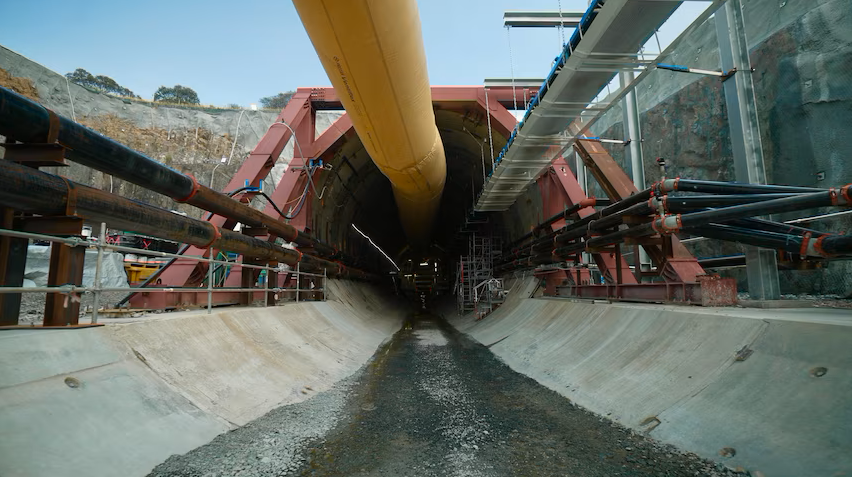
Totoo

Rating: 7.0/10

Coalition
C0091

Ang Claim

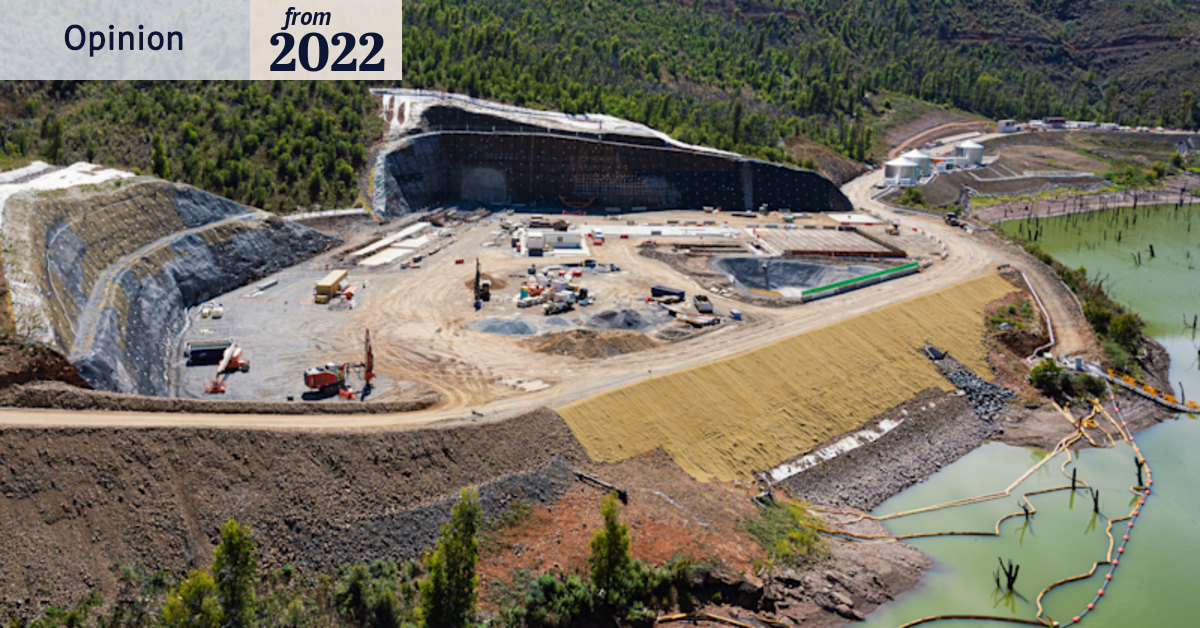
“Lumagpas sa inaasahang budget at natagalan ang konstruksyon ng bagong pag-aari ng gobyernong Snowy Hydro na pumped storage. Sinabi nilang magkakahalaga ito ng $2 billion at tatagal ng 4 na taon, ngayon lumobo na ito sa $10 billion at 10 taon.”
Orihinal na Pinagmulan: Matthew Davis
Sinuri: 29 Jan 2026

Orihinal na Pinagmulan

FACTUAL NA BERIPIKASYON

Ang mga pangunahing datos sa pahayag na ito ay halos napatunayan.
The core facts in this claim are substantially verified.
Nang ilunsad ang Snowy Hydro 2.0 ni Punong Ministro Malcolm Turnbull noong Marso 2017, "ito ay kailangang matapos sa loob ng apat na taon (sa 2021) sa halagang $2 billion nang walang anumang subsidyo mula sa mga taxpayer" [1].
When Snowy Hydro 2.0 was announced by Prime Minister Malcolm Turnbull in March 2017, "it was to be completed in four years (that is, by 2021) at a cost of $2 billion without any taxpayer subsidy" [1].
Ang pag-aanunsyo ng proyekto ay kilalang ginawa nang napakabilis - kumpirmado ng mga papeles ng Senate Estimates na ito ay "binuo sa loob ng wala pang dalawang linggo" [2].
The project announcement was notably rushed - Senate Estimates papers confirm it was "cobbled together in less than two weeks" [2].
Ang pagtaas ng gastos ay kumpirmado.
The cost blowout is confirmed.
Noong Setyembre 2023, inirebisa ng Snowy Hydro ang kabuuang gastos para matapos sa $12 billion [3], at hanggang Oktubre 2025, ang proyekto ay humaharap sa mga gastos na lumobo "nang higit pa sa naunang $10 billion na pagtaas" at nagsasaad ang Snowy Hydro na kailangan nitong kumuha ng karagdagang pondo [4].
In September 2023, Snowy Hydro revised its total cost to complete to $12 billion [3], and as of October 2025, the project faces costs spiraling "beyond the previous $10 billion blowout" with Snowy Hydro indicating it will need to acquire more funds [4].
Bagama't ang orihinal na tantiyang $2 billion ay nalampasan na, ang kasalukuyang halaga na humigit-kumulang $12 billion ay lumagpas pa sa $10 billion na nabanggit sa pahayag.
While the original $2 billion estimate has been exceeded, the current figure of around $12 billion exceeds even the $10 billion figure cited in the claim.
Ang pagkaantala sa timeline ay kumpirmado rin.
The timeline blowout is also confirmed.
Sa halip na matapos noong 2021, inilipat ang bagong timeline sa pagtatapos noong huli ng 2027/maagang 2028 na may target na operasyong komersyal sa Disyembre 2028-2029 [3] [5].
Originally due for completion in 2021, the revised timeline moved to completion in late 2027/early 2028 with commercial operation targeted for December 2028-2029 [3] [5].
Ito ay kumakatawan ng pagkaantala na humigit-kumulang 6-8 taon mula sa orihinal na tantiyang 4 na taon, lumampas sa "10 taon" na binanggit sa pahayag kung susukatin mula sa pag-aanunsyo noong 2017 (bagama't mas tumpak na 6-8 taon mula sa orihinal na petsa ng pagtatapos).
This represents a delay of approximately 6-8 years from the original 4-year estimate, exceeding the "10 years" mentioned in the claim if measured from the 2017 announcement (though more accurately 6-8 years from original completion date).
Ang pahayag na ang mga gastos ay "lumobo sa $10 billion" ay tama batay sa mga ulat noong 2022, bagama't patuloy na tumataas ang mga gastos mula noon [4].
The claim's assertion that costs have "blown out to $10 billion" is accurate based on 2022 reporting, though costs have continued escalating since then [4].
Ang pahayag ay kaya't tama sa pangkalahatang lawak ng mga pagtaas, bagama't hindi nito napapaloob ang buong lawak ng pinakabagong pagtaas ng gastos.
The claim is therefore substantively correct about the general scale of overruns, though doesn't capture the full extent of the most recent cost escalations.

Nawawalang Konteksto

Ang pahayag ay tama ang pagpapakita sa sitwasyon sa tuntunin ng direksyon at lawak, ngunit may ilang mahahalagang mga salik ng konteksto na hindi nabanggit: **Kinakailangan vs.
The claim presents the situation accurately in terms of direction and scale, but several important contextual factors are omitted: **Government Funding Required vs.
Inaasahang Pondo ng Gobyerno**: Ang orihinal na anunsyo noong 2017 ay nangako ng "walang kinakailangang pondo mula sa gobyerno" [1].
Promised**: The original 2017 announcement promised "no government funding required" [1].
Gayunpaman, napilitan ang pederal na gobyerno na magbigay ng $1.4 billion na "equity injection" para mapatatag ang business case [1].
However, the federal government was forced to provide a $1.4 billion "equity injection" to shore up the business case [1].
Binabaan ng Standard & Poor's ang kredito rating ng Snowy Hydro noong 2020, na babala na "hindi maiiwasan ang karagdagang pondo mula sa mga taxpayer" [6]. **Epekto sa Presyo ng Kuryente**: Sa kabila ng mga pangakong pababain ang presyo ng kuryente, sinabi ng mismong Snowy Hydro sa kanilang modelling na tataas ang presyo dahil sa Snowy 2.0 [1].
Standard & Poor's downgraded Snowy Hydro's credit rating in 2020, warning that "further taxpayer funding is inevitable" [6]. **Electricity Price Impact**: Despite promises to bring electricity prices down, Snowy Hydro's own modelling predicts that prices will rise because of Snowy 2.0 [1].
Ang mga gastos sa transmission lamang ay maaaring tumaas ng higit sa 50% ang mga transmission tariff ng NSW [1]. **Katangian at Kahusayan ng Proyekto**: Ang Snowy 2.0 ay hindi isang karaniwang istasyon ng hydro na gumagawa ng renewable energy kundi isang "water battery" o pumped hydro storage system.
Transmission costs alone could increase NSW transmission tariffs by more than 50% [1]. **Project Nature and Efficiency**: Snowy 2.0 is not a conventional hydro station generating renewable energy but rather a "water battery" or pumped hydro storage system.
Sa bawat 100 yunit ng kuryenteng binili para itulak ang tubig pataas, tanging 75 yunit lamang ang ibinabalik kapag bumalik ang tubig pababa - kaya ito ay 25% na sistema ng pagkawala [1].
For every 100 units of electricity purchased to pump water uphill, only 75 units are returned when water flows back down - making it a 25% loss system [1].
Ito ay mas mahina kaysa sa ibang mga alternatibong battery storage at ang pahayag na "nagdadagdag ng 2000 megawatts ng renewable energy" ay kaya't mapanlinlang [1]. **Epekto sa Kapaligiran**: Ang pahayag ay hindi tinatalakay ang mga epekto sa kapaligiran, na malaki.
This is more inefficient than other battery storage alternatives and the claim of "adding 2000 megawatts of renewable energy" is therefore misleading [1]. **Environmental Impact**: The claim doesn't address the environmental consequences, which are substantial.
Ayon sa mga ulat, "malalawak na lugar na ang na-clear, pinasabog, binago at kinompak," na may "daan-daang kilometro ng mga kalsada at mga daanan ang itinatayo" at "dalawampung milyong tonelada ng excavated spoil" na itinambak pangunahin sa mga reserba ng Snowy Hydro [1].
According to reports, "vast areas have already been cleared, blasted, reshaped and compacted," with "hundreds of kilometres of roads and tracks being constructed" and "twenty million tonnes of excavated spoil" being dumped mainly in Snowy Hydro's reservoirs [1].
Ang proyekto ay nakakaapekto sa tirahan ng 14 na mga species na nanganganib [7]. **Mga Isyu sa Konstruksyon**: Ang pahayag ay hindi nabanggit ang mga patuloy na problema sa konstruksyon.
The project affects habitat for 14 threatened species [7]. **Construction Issues**: The claim doesn't mention ongoing construction problems.
Ayon sa mga kamakailang ulat, "ang konstruksyon ng mga tunnel ay nahuhuli ng hindi bababa sa anim na buwan sa pinakabagong iskedyul at ang transmission connection ay malamang na hindi matatapos sa 2026 kahit papaano" [1].
As of recent reports, "construction of the tunnels is running at least six months behind the latest schedule and the transmission connection is unlikely to be built by 2026 anyway" [1].

Pagsusuri ng Kredibilidad ng Pinagmulan

**SMH Source (Ted Woodley)**: Ang artikulo ng SMH ay isang opinion piece na isinulat ni Ted Woodley, na kilala bilang isang "dating managing director ng PowerNet, GasNet, EnergyAustralia, China Light & Power Systems (Hong Kong)" [1].
**SMH Source (Ted Woodley)**: The SMH article is an opinion piece authored by Ted Woodley, identified as a "former managing director of PowerNet, GasNet, EnergyAustralia, China Light & Power Systems (Hong Kong)" [1].
May malaking kredibilidad si Woodley bilang isang eksperto sa industriya ng enerhiya na may dekada ng karanasan.
Woodley has substantial credibility as an energy industry expert with decades of experience.
Gayunpaman, ang artikulo ay batay sa opinyon kaysa sa tuwirang pagbabalita.
However, the piece is opinion-based rather than straight news reporting.
Ang SMH ay isang mainstream, respetadong organisasyon ng balita sa Australia (Fairfax Media/Nine Entertainment) [8].
The SMH is a mainstream, reputable Australian news organization (Fairfax Media/Nine Entertainment) [8].
Bagama't kritikal ang artikulo, tinutukoy nito ang mga tiyak na numero (hal. ang $1.4bn na equity injection, ang 50% na pagtaas ng transmission tariff mula sa Victoria Energy Policy Centre analysis) na maaaring patunayang mag-isa.
While the article is critical, it cites specific figures (e.g., the $1.4bn equity injection, the 50% transmission tariff increase from Victoria Energy Policy Centre analysis) that are independently verifiable.
Ang pagpuna sa artikulo ay tila makabuluhan at batay sa ebidensya kaysa sa lubhang partisan. **Guardian Source (Adam Morton)**: Ang artikulo ng Guardian ay nag-uulat tungkol sa isang liham na pinirmahan ng 30 eksperto (mga inhinyero, ekonomista, mga espesyalista sa enerhiya, at mga environmentalist) na humihiling ng independent review.
The article's criticism appears substantive and evidence-based rather than purely partisan. **Guardian Source (Adam Morton)**: The Guardian article reports on a letter signed by 30 experts (engineers, economists, energy specialists, and environmentalists) calling for independent review.
Ang Guardian ay isang mainstream, respetadong internasyonal na organisasyon ng balita [9].
The Guardian is a mainstream, reputable international news organization [9].
Ang artikulo ay kumakatawan sa mga alalahanin ng isang malaking pangkat ng mga eksperto sa halip na isang solong opinyon.
The article represents the concerns of a substantial expert group rather than a single opinion.
Ang mga alalahanin ng mga eksperto ay tiyak na nakadokumento (hal. 40% na pagkawala ng enerhiya, $10bn+ na tantiya sa gastos, 50 milyong tonelada CO2 emissions) [7].
The experts' concerns are specifically documented (e.g., 40% energy loss, $10bn+ cost estimate, 50 million tonnes CO2 emissions) [7].
Gayunpaman, ang artikulo ay nagpapakita ng mga alalahanin ng mga eksperto nang hindi kinakailangang pahintulutan ang Snowy Hydro na tumugon nang detalyado, kaya ito ay kumakatawan ng isang perspektibo. **Kabuuang Pagtatasa**: Ang parehong mapagkukunan ay mainstream, respetadong organisasyon ng balita na nag-uulat ng makabuluhang pagpuna ng mga eksperto.
However, the article presents the experts' concerns without requiring Snowy Hydro to respond in detail, so it represents one perspective. **Overall Assessment**: Both sources are mainstream, reputable news organizations reporting substantive expert criticism.
Ang artikulo ng SMH ay opinyon ngunit mula sa isang kwalipikadong eksperto, habang ang artikulo ng Guardian ay kumakatawan sa nakadokumentong kasunduan ng mga eksperto.
The SMH piece is opinion but from a qualified expert, while the Guardian piece represents documented expert consensus.
Walang tila nagmumula sa lubhang partisan o ideolohikal na mga mapagkukunan.
Neither appears to be from obviously partisan or ideologically-driven sources.
Pareho ay kinumpirma ng mga sumunod na ulat at opisyal na mga anunsyo ng Snowy Hydro [3][4].
Both have been corroborated by subsequent reporting and official Snowy Hydro announcements [3][4].
⚖️

Paghahambing sa Labor

**Ginawa ba ng Labor ang isang katulad na bagay?** Ang mga pagtaas ng gastos sa imprastraktura at mga pagkakamali sa pamamahala ng proyekto ay hindi natatangi sa pamahalaang Coalition.
**Did Labor do something similar?** Infrastructure cost overruns and project management failures are not unique to the Coalition government.
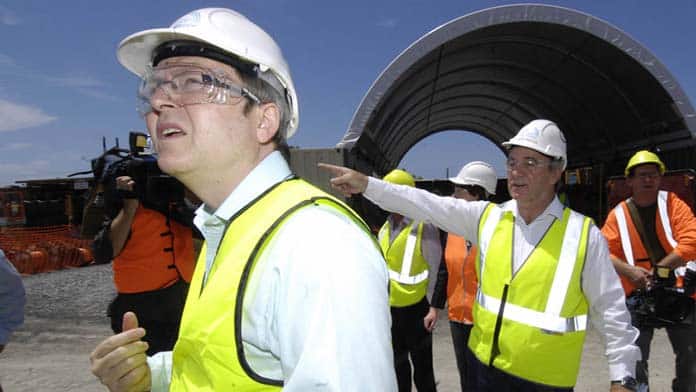
Ang karanasan ng Labor sa mga malalaking proyekto sa imprastraktura ay nagpapakita ng mga katulad na pattern ng pagtaas ng gastos at mga hamon sa pagpapatupad. **Building the Education Revolution (BER)**: Ang $14 billion na programa ng Labor sa pagtatayo ng paaralan sa elementarya (2008-2013) sa ilalim ng mga Punong Ministro na sina Kevin Rudd at Julia Gillard ay nakaranas ng mga malalaking problema sa pagpapatupad.
Labor's experience with major infrastructure projects shows similar patterns of cost overruns and implementation challenges. **Building the Education Revolution (BER)**: Labor's $14 billion primary school building program (2008-2013) under Prime Ministers Kevin Rudd and Julia Gillard experienced significant implementation problems.
Isang audit sa programa ay "kinumprima ang scheme sa pagkabigong matugunan ang mga deadline sa konstruksyon, ang pagiging hindi fleksible, at ang hindi sapat" na pangangasiwa [10].
An audit of the program "criticised the scheme for failing to meet construction deadlines, being inflexible and having inadequate" oversight [10].
Ang programa ay kinumprima para sa pagsulat ng "mga blankong tseke sa malalaking konstruksyon na kumpanya tulad ng Bovis at Lend Lease" nang walang sapat na regulasyon [11].
The program was criticized for writing "blank cheques to major construction companies like Bovis and Lend Lease" without adequate regulation [11].
Bagama't naabot ng BER ang kanilang pulitikal na layunin ng mabilis na pag-deploy sa panahon ng Global Financial Crisis, ito ay pinahina ng mahinang kontrol sa gastos at mga isyu sa pagpapatupad [10]. **Home Insulation Program**: Ang programang ito ng pamahalaang Rudd, na layuning maging mabilis na tugon na stimulus, ay may mas malubhang mga pagkakamali sa pagpapatupad. "Binuksan ng gobyerno ang paghahatid ng programa sa pamilihan sa pamamagitan ng pagbibigay ng mga bayad sa anumang shonky na start-up na nais ng mga ito" [11], na nagresulta sa mga isyu sa kaligtasan at mahinang kalidad ng mga resulta. **Pangkalahatang Pattern ng Imprastraktura**: Ang akademikong pananaliksik sa mga mega-projects ay nagpapakita na ang mga pagtaas ng gastos ay systemic sa buong mundo.
While the BER achieved its political goal of rapid deployment during the Global Financial Crisis, it was plagued by poor cost control and implementation issues [10]. **Home Insulation Program**: This Rudd government initiative, intended to be a rapid stimulus response, had even more severe implementation failures.
Ang pagsusuri sa 258 mga proyekto sa imprastraktura sa 20 bansa at 5 kontinente ay nakakita na "90% ng mga proyektong ito ay napapailalim sa mga pagtaas ng gastos" [12].
The government "threw delivery of the program open to the market by offering payments to any shonky start-up that wanted them" [11], resulting in safety issues and poor quality outcomes. **General Infrastructure Pattern**: Academic research on mega-projects shows that cost overruns are systemic across governments globally.
Ang mga malalaking proyekto sa imprastraktura ay karaniwang nagdurusa mula sa mahinang inisyal na pagtantiya ng gastos, mga pulitikal na puwersa para sa mabilis na anunsyo, at pagiging kumplikado ng pagpapatupad. **Pangunahing Resulta**: Bagama't ang Labor ay may mga malalaking hamon din sa imprastraktura (lalo na ang BER), ang sitwasyon ng Snowy Hydro 2.0 ay may isang bahagyang naiibang dinamika - isang Commonwealth government-owned entity (Snowy Hydro) ang gumagawa ng pangako sa halip na direktang pagbili ng gobyerno.
Analysis of 258 infrastructure projects across 20 countries and 5 continents found that "90% of these projects are subject to cost overruns" [12].
Ang mga pagkakamali sa imprastraktura ng Labor ay pangunahin sa mga programa ng pamahalaang pamamahala na may direktang pulitikal na pangangasiwa.
Major infrastructure projects commonly suffer from poor initial cost estimation, political pressures for rapid announcement, and implementation complexity. **Key Finding**: While Labor also had major infrastructure challenges (particularly BER), the Snowy Hydro 2.0 situation involves a somewhat different dynamic - a Commonwealth government-owned entity (Snowy Hydro) making the commitment rather than direct government procurement.
Gayunpaman, kapwa ay nagpapakita na ang mga pagtaas ng gastos at pagkaantala sa proyekto ay hindi natatangi sa pamamahalang Coalition.
Labor's infrastructure failures were primarily in government-managed programs with direct political oversight.
🌐

Balanseng Pananaw

**Mga Puna at Problema**: Ang mga puna sa Snowy Hydro 2.0 ay makabuluhan at sinuportahan ng pagsusuri ng mga eksperto.
**Criticisms and Problems**: The criticisms of Snowy Hydro 2.0 are substantive and supported by expert analysis.
Ang proyekto ay inanunsyo nang walang sapat na due diligence - inanunsyo sa "wala pang dalawang linggo" nang walang feasibility study [2].
The project was announced with insufficient due diligence - announced in "less than two weeks" without a feasibility study [2].
Ang orihinal na tantiyang $2 billion ay napatunayang lubos na optimistic, tumaas ng 6-na beses.
The original $2 billion cost estimate has proven wildly optimistic, increasing 6-fold.
Ang pangako ng "walang kinakailangang pondo mula sa gobyerno" ay napatunayang mali, na nangailangan ng $1.4 billion na equity injection [1].
The claim of "no government funding required" proved false, requiring $1.4 billion in equity injection [1].
Ang proyekto ay humaharap sa mga tunay na teknikal na hamon kabilang ang mga pagkaantala sa konstruksyon at mga bottleneck sa transmission.
The project faces genuine technical challenges including construction delays and transmission bottlenecks.
Sinabi ni Tony Wood ng Grattan Institute, na "hindi tagapagpirma ng liham" ngunit "sumang-ayon sa marami sa mga nandoon," na ang proseso kung saan inanunsyo ang Snowy Hydro bago isagawa ang feasibility study ay "karaniwan na lamang na sabihing sa lahat" [7]. **Rason at Pagbibigay-katarungan ng Gobyerno**: Gayunpaman, dapat maunawaan ang pagbibigay-katarungan ng Coalition government sa konteksto.
Tony Wood of the Grattan Institute, who is "not a signatory to the letter" but "agreed with much of what was in it," stated that the process by which Snowy Hydro was announced before a feasibility study was conducted was "ordinary to say the least" [7]. **Government's Rationale and Justification**: However, the Coalition government's justification for the project should be understood in context.
Ang Australia ay humaharap sa mga tunay na hamon sa paglilipat sa renewable energy habang pinapanatili ang katatagan ng grid at baseload capacity.
Australia faces genuine challenges in transitioning to renewable energy while maintaining grid stability and baseload capacity.
Ang pumped hydro storage ay kinikilala bilang isang viable na solusyon para sa long-duration energy storage, na komplemento sa mga baterya at iba pang teknolohiya.
Pumped hydro storage is recognized as one viable solution for long-duration energy storage, complementing batteries and other technologies.
Hinabol ng gobyerno ang Snowy 2.0 bilang bahagi ng isang mas malawak na estratehiya sa renewable energy [13].
The government pursued Snowy 2.0 as part of a broader renewable energy strategy [13].
Ang mga pagkaantala at pagtaas ng gastos, bagama't problema, ay bahagyang sumasalamin sa tunay na pagiging kumplikado ng pagtatayo ng isang malaking pasilidad sa ilalim ng lupa sa sensitibong lugar sa kapaligiran at ang mapanghamong heolohiya ng Snowy Mountains.
The delays and cost escalations, while problematic, partly reflect genuine complexity in constructing a major underground facility in environmentally sensitive terrain and the challenging geology of the Snowy Mountains region.
Ang mismong mga ulat ng Snowy Hydro ay nagpapahiwatig ng mga patuloy na teknikal na kahirapan na nangangailangan ng mga rebisadong diskarte. **Pagtatalo ng mga Eksperto**: Importante, nahati pa rin ang mga eksperto kung ang Snowy 2.0 ay kumakatawan ng isang pundamental na depektong proyekto o isang kinakailangan ngunit mahal na pamumuhunan sa imprastraktura.
Snowy Hydro's own reporting indicates ongoing technical difficulties requiring revised approaches. **Expert Disagreement**: Importantly, experts remain divided on whether Snowy 2.0 represents a fundamentally flawed project or a necessary but expensive infrastructure investment.
Bagama't 30 eksperto ang tumawag para sa independent review noong 2020, ang proyekto ay patuloy na may mga tagasuporta na nagsasabing ang mga benepisyo ay makatwirang kumakatawan sa mga gastos [13].
While 30 experts called for independent review in 2020, the project continues to have supporters who argue the benefits justify the costs [13].
Isang pagtatasa ng eksperto ang nakakita na "maaaring OK ang pagtaas ng gastos sa Snowy 2.0 kung ang scheme ay nag-iimbak ng kuryente nang mas mura kaysa sa mga baterya, ngunit hindi ito mangyayari" [14], na nagmumungkahi na ang proyekto ay maaaring hindi magbigay ng cost-effective na storage kumpara sa mga alternatibong baterya na ngayon ay nagiging available. **Komparatibong Konteksto**: Ito ay hindi natatangi sa Coalition - ang BER program ng Labor ay nakaranap din ng mga makabuluhang pagtaas ng gastos at mga pagkakamali sa pagpapatupad, bagama't sa ibang konteksto.
One expert assessment found that "Snowy 2.0 cost blowouts might be OK if the scheme stored power more cheaply than batteries, but it won't" [14], suggesting the project may not provide cost-effective storage compared to battery alternatives now becoming available. **Comparative Context**: This is not unique to the Coalition - Labor's BER program also experienced substantial cost overruns and implementation failures, though in a different context.
Ang mga malalaking proyekto sa imprastraktura sa buong mga pamahalaan ay karaniwang lumalampas sa orihinal na mga tantiya.
Major infrastructure projects across governments commonly exceed original estimates.
Ang Australian National Audit Office (ANAO) at iba pang mga ahensya ng pangangasiwa ay nakakita na ang mga pagtaas ng gastos ay endemic sa mga proyekto ng Australian government sa parehong pulitikal na partido [12]. **Pangunahing konteksto**: Ito ay sumasalamin sa mga mas malawak na hamon sa pagtantiya ng gastos at pamamahala ng proyekto para sa mga mega-projects, hindi natatangi na incompetence ng Coalition.
The Australian National Audit Office (ANAO) and other oversight bodies have found cost overruns to be endemic in Australian government projects across both political parties [12]. **Key context**: This reflects broader challenges in cost estimation and project management for mega-projects, not unique Coalition incompetence.
Gayunpaman, ang kaso ng Snowy Hydro 2.0 ay partikular na problema dahil sa mabilis na anunsyo bago ang mga feasibility study at ang sirang pangako ng "walang kinakailangang pondo mula sa gobyerno."
However, the Snowy Hydro 2.0 case is particularly problematic because of the rushed announcement before feasibility studies and the broken promise of "no government funding required."

TOTOO

7.0

sa 10

Ang pangunahing pahayag ay tama sa datos: Ang Snowy Hydro 2.0 ay orihinal na tinantiya sa $2 billion para sa 4-taong pagtatapos, nakaranas ng malalaking pagtaas ng gastos ($10-12 billion ayon sa pinakabagong update) at mga pagkaantala sa timeline (6-8 taong paglipat mula sa orihinal na petsa ng pagtatapos).
The core claim is factually accurate: Snowy Hydro 2.0 was originally estimated at $2 billion for 4-year completion, has experienced massive cost overruns ($10-12 billion as of latest updates) and timeline delays (6-8 year slip from original completion date).
Gayunpaman, ang sitwasyon ay mas kumplikado kaysa sa isang simpleng pahayag ng pagkabigo ng gobyerno [1][3][4]: 1.
However, the situation is more complex than a simple assertion of government failure [1][3][4]: 1.
Ang pagtaas ng gastos ay nagpatuloy lampas sa $10 billion na nabanggit sa pahayag, naabot ang $12 billion noong Setyembre 2023 at posibleng mas mataas pa noong 2025 [3][4] 2.
The cost blowout has continued beyond the $10 billion figure stated in the claim, reaching $12 billion as of September 2023 and potentially higher by 2025 [3][4] 2.
Ang orihinal na anunsyo ay kulang sa tamang due diligence [2], na nagpapahiwatig ng pagkabigo sa institusyon sa proseso ng pag-aanunsyo 3.
The original announcement lacked proper due diligence [2], indicating institutional failure in the announcement process 3.
Ang mga pangako ng gobyerno (walang kinakailangang subsidyo, mas mababang presyo ng kuryente) ay hindi natupad [1] 4.
Government promises (no subsidy required, lower electricity prices) have not been met [1] 4.
Gayunpaman, ang mga pagtaas ng gastos sa malalaking imprastraktura ay endemic sa buong mga pamahalaan, hindi natatangi sa Coalition [12] 5.
However, cost overruns on major infrastructure are endemic across governments, not unique to Coalition [12] 5.
Ang mga malalaking proyekto sa imprastraktura ng Labor ay nakaranas ng mga katulad o mas malalaking pagkakamali sa pagpapatupad [10][11] Mas tumpak sana ang pahayag kung sinabi na umabot ang mga gastos sa "$12 billion o higit pa" batay sa pinakabagong update [3][4], ngunit ang sustansya ng pahayag—malaking pagtaas mula sa orihinal na mga tantiya—ay tama.
Labor's own major infrastructure projects experienced similar or greater implementation failures [10][11] The claim would be more accurate if it stated costs had escalated to "$12 billion or more" based on latest updates [3][4], but the substance of the claim—massive blowout from original estimates—is correct.

📚 MGA PINAGMULAN AT SANGGUNIAN (14)

  1. 1
    Five years on, Snowy 2.0 emerges as a $10 billion white elephant

    Five years on, Snowy 2.0 emerges as a $10 billion white elephant

    There is no cause for celebration with this birthday. Snowy 2.0, having blown out to $10 billion-plus from the original $2 billion estimate, will be a burden on taxpayers, cost households more in electricity charges and damage the Kosciuszko National Park.

    The Sydney Morning Herald
  2. 2
    Snowy Hydro 2.0 decision made by Turnbull in less than two weeks

    Snowy Hydro 2.0 decision made by Turnbull in less than two weeks

    Snowy Hydro first put the concept of "Snowy 2.0" to the Prime Minister's Office less than two weeks before the project was announced by Malcolm Turnbull, it is revealed during a Senate Estimates hearing.

    Abc Net
  3. 3
    When will Australia's huge Snowy 2.0 pumped storage project be completed?

    When will Australia's huge Snowy 2.0 pumped storage project be completed?

    After a project reset in 2023, Australia's 2.2 GW Snowy 2.0 pumped storage project will undergo a cost reassessment as Snowy Hydro maintains that the project is still on track.

    Factor This™
  4. 4
    Snowy 2.0 faces cost blowouts beyond previous $12 billion target

    Snowy 2.0 faces cost blowouts beyond previous $12 billion target

    Snowy Hydro says it will need to acquire more funds to deliver the Snowy 2.0 renewable energy project, as costs continue to spiral beyond the previous $10 billion blowout.

    Abc Net
  5. 5
    $12BN Overrun and Huge 7-Year Delay: Australia's Snowy 2.0 Project Crisis

    $12BN Overrun and Huge 7-Year Delay: Australia's Snowy 2.0 Project Crisis

    $12BN Overrun and Huge 7-Year Delay: Australia's Snowy 2.0 Project Crisis

    Techskill Com
  6. 6
    reneweconomy.com.au

    Snowy credit downgraded - would need new federal funds for any gas play

    Reneweconomy Com

  7. 7
    Snowy Hydro 2.0 will cost more and deliver less than promised, 30 experts say

    Snowy Hydro 2.0 will cost more and deliver less than promised, 30 experts say

    Group calls for independent review of project it says would permanently damage Kosciuszko national park

    the Guardian
  8. 8
    Sydney Morning Herald

    Sydney Morning Herald

    Breaking news from Sydney, Australia and the world. Features the latest business, sport, entertainment, travel, lifestyle, and technology news.

    The Sydney Morning Herald
  9. 9
    The Guardian Australia

    The Guardian Australia

    Latest news, breaking news and current affairs coverage from across Australia from theguardian.com

    Theguardian
  10. 10
    Audit slams Rudd's primary school building program

    Audit slams Rudd's primary school building program

    An audit of the Rudd Government's $14 billion primary school building program has criticised the scheme for failing to meet construction deadlines, being inflexible and having inadequate yet unnecessarily onerous reporting requirements.

    The Sydney Morning Herald
  11. 11
    Saving capitalism from itself: lessons from Rudd stimulus

    Saving capitalism from itself: lessons from Rudd stimulus

    With the world facing the sharpest economic downturn in the history of capitalism, governments are again turning overnight from neo-liberal budget-balancers to Keynesians on steroids.

    Solidarity Online – Socialist organisation in Australia affiliated to the International Socialist Tendency
  12. 12
    PDF

    The Simple Economics of White Elephants

    Bse • PDF Document
  13. 13
    Snowy Hydro 2.0 is a 'winner' if big picture benefits are considered

    Snowy Hydro 2.0 is a 'winner' if big picture benefits are considered

    Is Snowy 2.0 an energy white elephant?  Not when its energy storage capacity is greater and ultimately cheaper than grid

    Energy Today
  14. 14
    Snowy 2.0 cost blowouts might be OK if the scheme stored power more cheaply than batteries, but it won't

    Snowy 2.0 cost blowouts might be OK if the scheme stored power more cheaply than batteries, but it won't

    As the cost of Snowy 2.0 rises yet again, defenders claim the scheme can store energy cheaper than batteries. But this doesn’t stack up.

    The Conversation
Pamamaraan ng Rating Scale

1-3: MALI

Hindi tama sa katotohanan o malisyosong gawa-gawa.

4-6: BAHAGYA

May katotohanan ngunit kulang o baluktot ang konteksto.

7-9: HALOS TOTOO

Maliit na teknikal na detalye o isyu sa pagkakasulat.

10: TUMPAK

Perpektong na-verify at patas ayon sa konteksto.

Pamamaraan: Ang mga rating ay tinutukoy sa pamamagitan ng cross-referencing ng opisyal na mga rekord ng pamahalaan, independiyenteng mga organisasyong nag-fact-check, at mga primaryang dokumento.