Bahagyang Totoo

Rating: 6.0/10

Labor
10.6

Ang Claim

“3,000 mga Pacific Engagement Visa taon-taon (unang permanenteng landas ng migrasyon)”
Orihinal na Pinagmulan: Albosteezy

Orihinal na Pinagmulan

FACTUAL NA BERIPIKASYON

Ang claim na ito ay may dalawang magkakaibang elemento na nangangailangan ng hiwalay na beripikasyon.
The claim contains two distinct elements that require separate verification.
### Elemento 1: Taunang Alokasyon ng 3,000 Visa
### Element 1: 3,000 Annual Visa Allocation
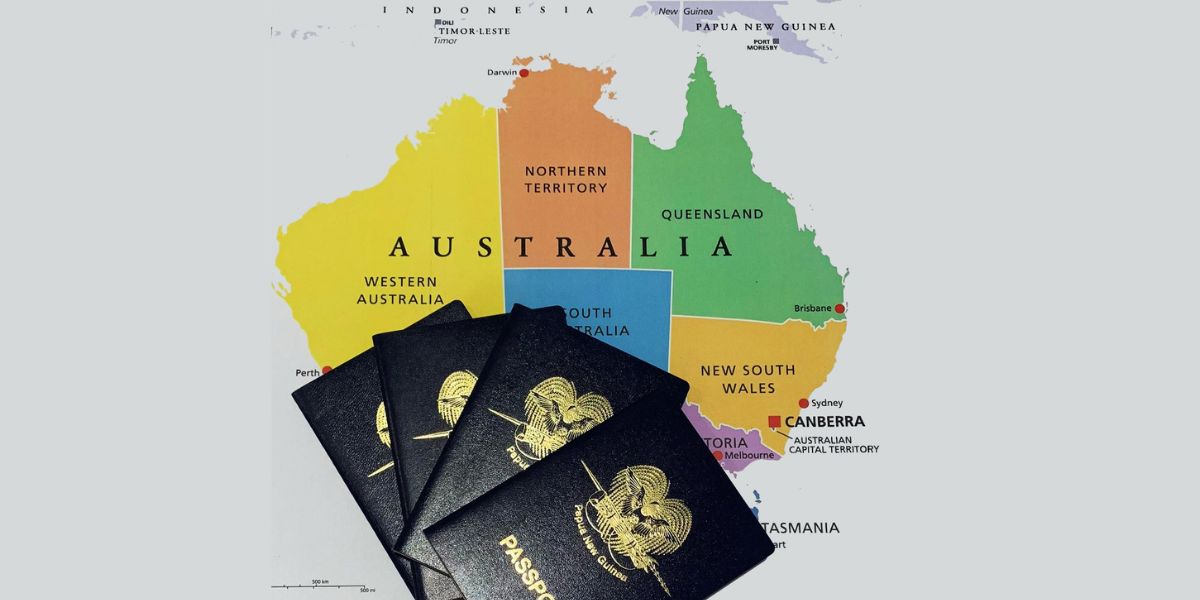
Ayon sa Department of Home Affairs, ang Pacific Engagement visa (subclass 192) ay nagbibigay-daan para sa "hanggang 3,000 mga mamamayan ng mga bansang isla sa Pasipiko at Timor-Leste upang manirahan sa Australia bilang mga permanenteng residente bawat taon" [1].
According to the Department of Home Affairs, the Pacific Engagement visa (subclass 192) provides for "up to 3,000 nationals of Pacific island countries and Timor-Leste to migrate to Australia as permanent residents each year" [1].
Ang numerong ito ay tuluy-tuloy na nakumpirma sa iba't ibang mapagkukunan ng gobyerno at kasama ang mga asawa at mga dependenteng anak ng mga pangunahing aplikante [2].
This figure has been consistently confirmed across government sources and includes partners and dependent children of primary applicants [2].
Ang programa ay pormal na inanunsyo sa Oktubre 2022 Federal Budget [3], kasunod ng naunang pangako ng Labor sa halalan noong 27 Abril 2022 [4].
The program was formally announced in the October 2022 Federal Budget [3], following an earlier Labor election promise made on 27 April 2022 [4].
Ang pagpaparehistro para sa mga kwalipikadong mamamayan ng Pasipiko ay nagsimula noong 3 Hunyo 2024 [5], na may mga unang ballot-based na seleksyon na isinagawa noong Oktubre 2024, na nagresulta sa higit sa 1,000 mga visa na ipinagkaloob sa loob ng unang buwan ng pagproseso [6].
Registration for eligible Pacific nationals opened on 3 June 2024 [5], with the first ballot-based selections conducted in October 2024, resulting in over 1,000 visas granted within the first month of processing [6].
### Elemento 2: "Unang Permanenteng Landas ng Migrasyon"
### Element 2: "First Permanent Migration Pathway"
Ang claim na ito ay nangangailangan ng makabuluhang pagpapaliwanag.
This claim requires significant qualification.
Inilarawan ng Department of Foreign Affairs and Trade ang programa bilang nagtutugon sa "kakulangan ng representasyon ng mga isla sa Pasipiko at mga mamamayan ng Timor-Leste sa permanenteng programa ng migrasyon ng Australia, na mas mababa sa 1 porsyento ng mga permanenteng migrant ang kasalukuyang galing sa rehiyon" [7].
The Department of Foreign Affairs and Trade characterizes the program as addressing "the under-representation of Pacific island and Timorese nationals in Australia's permanent migration program, with less than 1 per cent of permanent migrants currently coming from the region" [7].
Gayunpaman, ang mga mapagkukunan ng gobyerno ay mas tumpak na naglalarawan nito bilang "ang unang dedikadong permanenteng landas ng migrasyon" na partikular na dinisenyo para sa mga bansa sa Pasipiko sa malawak na sukatan, hindi ang unang permanenteng landas ng migrasyon na pangkalahatang magagamit [8].
However, government sources describe it more precisely as "the first dedicated permanent migration pathway" specifically designed for Pacific nations at scale, not the first permanent migration pathway generally available [8].
Ang mga mamamayan ng Pasipiko ay dati nang nakakakuha ng permanenteng migrasyon sa pamamagitan ng mga kasalukuyang landas tulad ng skilled migration, mga scheme ng pagkakasundo ng pamilya, at employer sponsorship [9].
Pacific nationals could previously access permanent migration through existing pathways including skilled migration, family reunion schemes, and employer sponsorship [9].
Ang nagtatangi sa Pacific Engagement Visa ay ito ang unang permanenteng kategorya ng visa na partikular na ginawa para sa at idinidikit sa rehiyon na ito, sa halip na ang unang landas ng anumang uri.
What distinguishes the Pacific Engagement Visa is that it is the first permanent visa category specifically created for and dedicated to this region, rather than the first pathway of any kind.

Nawawalang Konteksto

**Mga Mahalagang Hamon sa Pagpapatuped na Hindi Nabanggit:** Ang claim ay nagpapaliit sa mga makabuluhang operasyonal na kahirapan sa programa.
**Critical Implementation Challenges Not Mentioned:** The claim obscures significant operational difficulties with the program.
Ang pananaliksik mula sa Development Policy Centre ay nagdokumento na ang pagkuha ng job offer ay napatunay na lubhang mahirap, na 23 sa 33 mga aplikante ang nagsabing ito ang "pinakamahirap na bahagi" ng proseso ng aplikasyon [10].
Research from the Development Policy Centre documents that securing a job offer has proven extremely challenging, with 23 of 33 applicants surveyed identifying this as "the hardest part" of the application process [10].
Dagdag pa, 90% ng mga respondent ang nagsabing ang 120-araw na window ng pagproseso ay hindi sapat para sa pagkuha ng valid job offer at pagkumpleto ng mga aplikasyon [11]. **Mga Alalahanin sa Pantay-pantay na Pagkakataong Heograpiko:** Ang taunang alokasyon na 3,000 ay hindi tumutukoy kung paano hahatiin ang mga visa sa 14 kwalipikadong bansa at teritoryo.
Furthermore, 90% of respondents indicated that the 120-day processing window was inadequate for securing a valid job offer and completing applications [11]. **Geographic Fairness Concerns:** The 3,000 annual allocation does not specify how visas will be distributed among 14 eligible countries and territories.
Ang mga bansa na may malalaking populasyon (Papua New Guinea) at ang mga nakakaranas ng existensyal na pagbabanta ng klima (Kiribati, Marshall Islands, Nauru, Tuvalu) ay maaaring makaranas ng hindi magandang alokasyon sa ilalim ng hindi tinukoy na modelo ng pamamahagi [12].
Countries with large populations (Papua New Guinea) and those facing existential climate threats (Kiribati, Marshall Islands, Nauru, Tuvalu) may face disadvantageous allocations under an unspecified distribution model [12].
Nagmumungkahi ang historikal na precedent ng pagkabahala: ang Kiribati at Papua New Guinea ay kabilang sa may pinakamababang participation rates sa naunang scheme na PALM (Pacific Australia Labour Mobility) [13]. **Hindi Nabanggit na Konteksto ng Pabahay at Imprastraktura:** Ang claim ay walang reference sa kasalukuyang krisis sa pabahay ng Australia at potensyal para sa programa ng visa na magpalala sa mga kakulangan sa pabahay sa mga tatanggap na rehiyon.
Historical precedent suggests concern: Kiribati and Papua New Guinea had among the lowest participation rates in the earlier PALM (Pacific Australia Labour Mobility) scheme [13]. **Housing and Infrastructure Context Omitted:** The claim makes no reference to Australia's ongoing housing crisis and potential for the visa program to exacerbate housing shortages in receiving regions.
Ito ay kumakatawan sa isang makabuluhang domestic policy tension na hindi kinilala sa pahayag [14]. **Hindi Ipinaliwanag ang Relasyon sa mga Kasalukuyang Programa:** Ang claim ay walang pagtalakay kung paano nakoordina ng Pacific Engagement Visa sa o naaapektuhan ang kasalukuyang scheme na PALM, na nagpoproseso ng mga pansamantalang manggagawa mula sa Pasipiko.
This represents a significant domestic policy tension not acknowledged in the statement [14]. **Relationship to Existing Programs Not Explained:** The claim omits any discussion of how the Pacific Engagement Visa coordinates with or impacts the existing PALM scheme, which processes temporary workers from the Pacific.
Ang relasyon sa pagitan ng mga programang ito at kanilang mga kani-kanilang target ay hindi malinaw [15].
The relationship between these programs and their respective targets is unclear [15].

💭 KRITIKAL NA PANANAW

Ang Pacific Engagement Visa ay kumakatawan sa isang kapansin-pansing pagbabago sa patakaran sa pakikipag-ugnayan ng Australia sa rehiyon, bilang tugon sa mga dekada ng kakulangan ng representasyon ng mga mamamayan ng Pasipiko sa sistema ng permanenteng migrasyon.
The Pacific Engagement Visa represents a notable policy shift in Australia's regional engagement, responding to decades of under-representation of Pacific nationals in the permanent migration system.
Ang dedikadong kategorya ng visa at sukatan ng pangako (3,000 taon-taon) ay tunay na makabuluhang rehiyon.
The dedicated visa category and scale of commitment (3,000 annually) are genuinely significant for the region.
Gayunpaman, ang track record ng programa ay nagpapahiwatig ng mga makabuluhang pagkukulang sa pagpapatupad.
However, the program's track record reveals substantial implementation gaps.
Sa pagitan ng anunsyo (Oktubre 2022) at unang pagkakaloob ng visa (Oktubre 2024), naganap ang isang dalawang taong pagkaantala - hindi isang maayos, agarang paghatid [16].
Between announcement (October 2022) and first visa grants (October 2024), a two-year delay occurred - not a smooth, immediate delivery [16].
Higit na nakabahala, ang unang operasyonal na datos ay nagpapakita na ang disenyo ng programa ay lumilikha ng mga hadlang sa tagumpay: ang kahilingan sa job offer na pinagsama sa compressed na mga timeframe ng pagproseso ay lumikha ng isang istruktural na kahinaan na maaaring magresulta sa hindi paggamit ng mga alokasyon ng visa kung magpapatuloy ang mga pagkaantala sa pagproseso [17].
More concerning, early operational data demonstrates the program's design creates barriers to successful outcomes: the job offer requirement combined with compressed processing timeframes has created a structural disadvantage that may result in visa allocations going unused if processing delays continue [17].
Kapag inihambing sa mga katulad na regional migration schemes sa internasyonal na antas, ang approach ng Australia ay katamtamang ambisyoso ngunit hindi kakaiba.
When compared to similar regional migration schemes internationally, Australia's approach is moderately ambitious but not exceptional.
Ang Canada, New Zealand, at mga European nation ay nagpapatakbo ng mga katulad na regional mobility programs na may iba't ibang mga feature ng disenyo [18].
Canada, New Zealand, and European nations operate comparable regional mobility programs with different design features [18].
Ang lottery-based na pamamaraan ng paglalaan, bagama't pantay-pantay sa anyo, ay nakakuha ng pagpuna mula sa mga partido ng oposisyon at mga analyst ng patakaran para sa potensyal na paghina ng mga prinsipyo ng skills-based na seleksyon [19].
The lottery-based allocation method, while equitable in appearance, has drawn criticism from opposition parties and policy analysts for potentially undermining skills-based selection principles [19].
Ang tagumpay ng programa sa huli ay depende sa kung mapapabuti ang mga oras ng pagproseso upang matugunan ang kahilingan sa paghahanap ng trabaho.
The program's success ultimately depends on whether processing times improve to accommodate the job-seeking requirement.
Kung wala ito, ang "unang permanenteng landas ng migrasyon" ay maaaring maging isang landas na hindi matagumpay na matatahak ng mga aplikante.
Without this, the "first permanent migration pathway" may become a pathway that applicants cannot successfully navigate.

BAHAGYANG TOTOO

6.0

sa 10

Ang taunang alokasyon na 3,000 ay factually tumpak.
The 3,000 annual allocation is factually accurate.
Gayunpaman, ang paglalarawan bilang "unang permanenteng landas ng migrasyon" ay mapanlinlang.
However, the characterization as "first permanent migration pathway" is misleading.
Ito ay mas tumpak na ang unang *dedikadong* permanenteng landas ng visa para sa mga bansa sa Pasipiko, hindi ang unang permanenteng landas ng migrasyon na magagamit nila.
It is more accurately the first *dedicated* permanent visa pathway for Pacific nations, not the first permanent migration pathway available to them.
Higit na makabuluhan, ang claim ay naglilihim ng kritikal na konteksto tungkol sa mga hamon sa pagpapatupad, partikular ang kahilingan sa job offer na pinagsama sa hindi sapat na mga timeframe ng pagproseso na maaaring hadlangan ang matagumpay na migrasyon para sa maraming aplikante.
More significantly, the claim omits critical context about implementation challenges, particularly the job offer requirement combined with inadequate processing timeframes that may prevent successful migration for many applicants.

📚 MGA PINAGMULAN AT SANGGUNIAN (18)

  1. 1
    immi.homeaffairs.gov.au

    immi.homeaffairs.gov.au

    Find out about Australian visas, immigration and citizenship.

    Immigration and citizenship Website
  2. 2
    immi.homeaffairs.gov.au

    immi.homeaffairs.gov.au

    Immi Homeaffairs Gov

  3. 3
    minister.homeaffairs.gov.au

    minister.homeaffairs.gov.au

    Minister for Home Affairs, Minister for Immigration, Citizenship and Multicultural Affairs, Minister for Emergency Management.​​​

    Ministers for the Department of Home Affairs Website
  4. 4
    rmit.edu.au

    rmit.edu.au

    At the 2022 election, Labor promised to introduce a new Pacific Engagement Visa, allowing up to 3,000 Pacific Islands or Timor-Leste nationals to migrate permanently to Australia per year. Here's how that promise is tracking.

    Rmit Edu
  5. 5
    foreignminister.gov.au

    foreignminister.gov.au

    Foreignminister Gov

  6. 6
    minister.homeaffairs.gov.au

    minister.homeaffairs.gov.au

    Minister Homeaffairs Gov

  7. 7
    dfat.gov.au

    dfat.gov.au

    Dfat Gov

  8. 8
    pev.gov.au

    pev.gov.au

    Pev Gov

  9. 9
    immi.homeaffairs.gov.au

    immi.homeaffairs.gov.au

    Find out about Australian visas, immigration and citizenship.

    Immigration and citizenship Website
  10. 10
    devpolicy.org

    devpolicy.org

    Communication with PEV applicants needs to be improved and visa processing times increased, or job offers will lapse, finds Natasha Turia.

    Devpolicy Blog from the Development Policy Centre
  11. 11
    devpolicy.org

    devpolicy.org

    A survey reveals PNG PEV applicants need more time and support to find a job in Australia, writes Natasha Turia.

    Devpolicy Blog from the Development Policy Centre
  12. 12
    lowyinstitute.org

    lowyinstitute.org

    Australia’s highly competitive new visa lottery has much leg work to do to make fair allocations between countries.

    Lowyinstitute
  13. 13
    lowyinstitute.org

    lowyinstitute.org

    Australia’s new permanent resident scheme must prioritise the people of the Blue Pacific who will be most impacted.

    Lowyinstitute
  14. 14
    johnmenadue.com

    johnmenadue.com

    Johnmenadue

  15. 15
    lowyinstitute.org

    lowyinstitute.org

    Beyond practicalities, it’s unclear whether this is a genuine “Pacific family” partnership or geopolitical convenience?

    Lowyinstitute
  16. 16
    devpolicy.org

    devpolicy.org

    Pacific Island and Timor-Leste citizens are a big step closer to being able to enter a ballot for Australian permanent residency, report Stephen Howes and Evie Sharman.

    Devpolicy Blog from the Development Policy Centre
  17. 17
    devpolicy.org

    devpolicy.org

    A factsheet on how to apply for Australia's 2024 Pacific Engagement Visa and ballot.

    Devpolicy Blog from the Development Policy Centre
  18. 18
    lexology.com

    lexology.com

    On 1st May 2025, the Australian Government updated the Pacific Engagement (Subclass 192) Visa to include two streams, the Pacific Engagement Stream…

    Lexology

Pamamaraan ng Rating Scale

1-3: MALI

Hindi tama sa katotohanan o malisyosong gawa-gawa.

4-6: BAHAGYA

May katotohanan ngunit kulang o baluktot ang konteksto.

7-9: HALOS TOTOO

Maliit na teknikal na detalye o isyu sa pagkakasulat.

10: TUMPAK

Perpektong na-verify at patas ayon sa konteksto.

Pamamaraan: Ang mga rating ay tinutukoy sa pamamagitan ng cross-referencing ng opisyal na mga rekord ng pamahalaan, independiyenteng mga organisasyong nag-fact-check, at mga primaryang dokumento.